
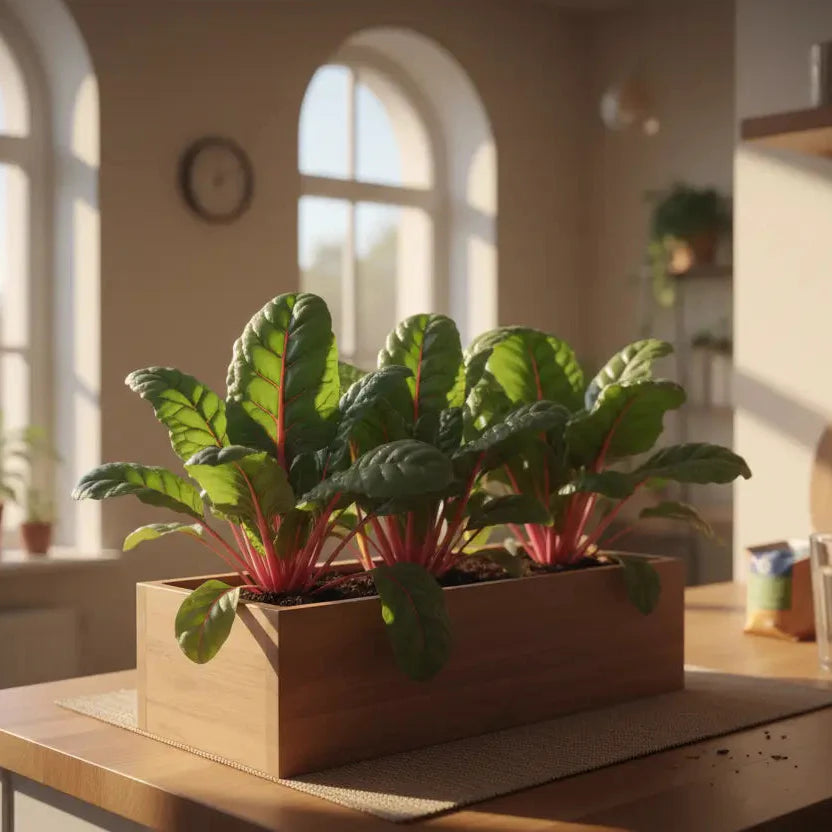
Grow Swiss chard indoors is one of the easiest ways to produce fresh leafy greens at home, even if you have struggled with plants before. Swiss chard adapts well to indoor environments because it tolerates imperfect light, recovers from inconsistent watering, and continues producing after each harvest.
This is why beginners often succeed with it faster than with most other vegetables. Indoors, conditions are less forgiving than people expect. Light is weaker, airflow is limited, and watering margins are tighter. Many plants fail under these conditions. Swiss chard behaves differently.
It grows steadily instead of aggressively. It does not collapse after small mistakes. Its leaves regenerate after cutting, which means one plant keeps producing instead of stopping after a single harvest. This creates a very different experience compared to typical indoor plants.
If you have tried to grow herbs or vegetables indoors before, you may have seen slow growth or yellowing leaves. This usually comes from unstable conditions rather than lack of effort. Swiss chard handles these fluctuations better, which is why it becomes a reliable starting point.
Another important difference is how quickly it transitions from growth to harvest. Instead of waiting for a full cycle, you can begin cutting outer leaves while the plant continues growing. This creates a continuous supply rather than a one-time result.
This behavior becomes even more noticeable indoors, where consistency matters more than speed. Swiss chard does not need perfect conditions to survive. It benefits from stable conditions to thrive.
That distinction is what makes it stand out among indoor leafy greens. It is not just about whether a plant can grow inside. It is about whether it continues producing under real indoor conditions.
If you want to understand how indoor growing works beyond a single plant, you can explore this guide on indoor growing systems to see how environment impacts results.

Why Swiss Chard Adapts Better Than Most Plants
Swiss chard adapts to indoor environments better than most plants because it does not depend on perfect conditions to grow. Many vegetables require strong sunlight, precise watering, and constant airflow. Indoors, those conditions are difficult to maintain consistently. Swiss chard handles these limitations more effectively.
One of the main reasons is its flexibility with light. While fruiting plants need intense light to produce, leafy greens like Swiss chard focus on leaf development. This allows them to grow under moderate indoor lighting without immediate stress. Growth may slow slightly, but it does not stop.
Another important factor is how the plant manages water and roots. Indoors, overwatering is one of the most common issues. Soil tends to hold moisture longer, which reduces oxygen around the roots. Many plants respond poorly to this. Swiss chard is more tolerant of these fluctuations, especially in early growth stages.
It also has a strong recovery response. If conditions are not ideal for a few days, the plant does not immediately decline. Instead, it stabilizes and continues growing once conditions improve. This makes it more forgiving for beginners who are still learning how to manage indoor environments.
What makes this even more important indoors is that small mistakes compound quickly. Light, water, and airflow are all limited compared to outdoor growing. Plants that require precision often struggle in this environment. Swiss chard is one of the few that continues performing despite these constraints.
Here is what makes Swiss chard more adaptable indoors:
- Tolerates moderate and inconsistent light levels
- Handles minor overwatering or uneven moisture better than most plants
- Maintains steady leaf growth instead of rapid, fragile growth
- Recovers quickly after small environmental stress
- Focuses on leaf production rather than flowering or fruiting
This combination allows it to grow in environments where other plants slow down or fail completely. It is not because indoor conditions are perfect. It is because Swiss chard is built to operate within imperfect ones.
Understanding this difference is key. Indoor growing is not about replicating outdoor conditions exactly. It is about choosing plants that can adapt to what indoor environments naturally provide.

Growth Pattern: Continuous Harvest Indoors
Swiss chard stands out indoors because it does not follow a single harvest cycle. Instead, it grows in a continuous pattern where the same plant produces multiple harvests over time. This is often called a “cut-and-come-again” system, and it changes how much food you can realistically produce indoors.
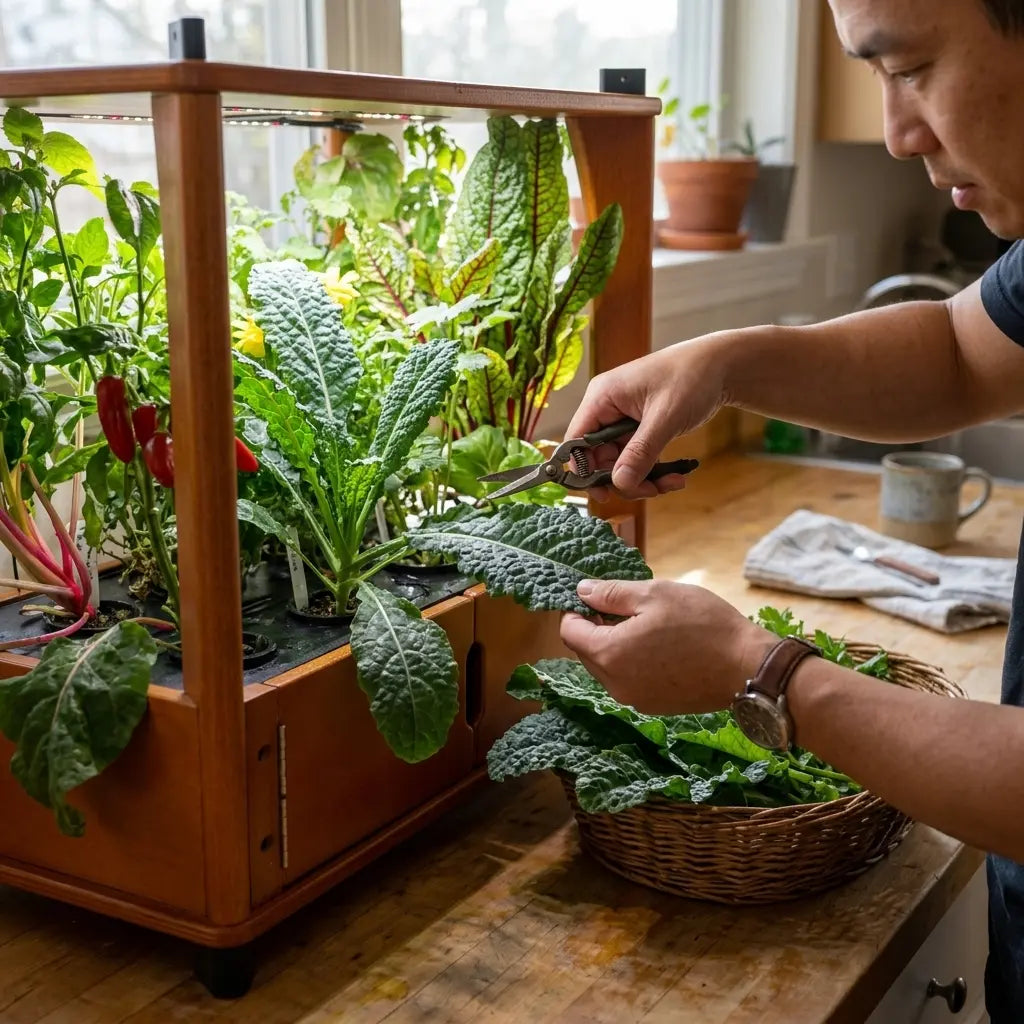
In a typical setup, Swiss chard reaches its first light harvest in about 21 to 30 days. At this stage, you are not removing the entire plant. You are cutting only the outer leaves while allowing the center to continue growing. This means the plant remains active and continues producing new leaves every few days.
Over a 6 to 8 week period, one plant can produce 4 to 6 harvest cycles, depending on conditions. Each cycle adds more total yield without needing to replant. This is very different from crops that require full replanting after harvest.
To understand the impact, it helps to look at scale.
-
24 plants (single level setup)
→ ~2–4 leaves per plant per week
→ ~50–90 leaves per week total -
48 plants (expanded setup)
→ ~100–180 leaves per week -
96 plants (multi-level indoor system)
→ ~200–350 leaves per week
These numbers vary based on light and consistency, but the pattern remains the same. Output increases not just from more plants, but from continuous regrowth.
This creates a shift from one plant → one harvest to one plant → multiple harvests over weeks.
Another important detail is that production improves over time. Early harvests are smaller, but as the root system develops, leaf production becomes faster and more consistent. This means the system becomes more productive after the first few weeks.
Indoors, this matters more than speed. A plant that grows fast but stops is less useful than one that grows steadily and keeps producing. Swiss chard fits into the second category.
This is why it works well in indoor environments. It aligns with how indoor growing actually behaves. Instead of requiring perfect timing and replanting cycles, it builds momentum through repeated harvests.

Why It Works for Beginners (and Where It Still Fails)
Swiss chard is one of the few crops that gives beginners consistent early success indoors. It does not require perfect timing, and it continues growing even when conditions are not ideal. This reduces the frustration that most people experience when they first try to grow food inside.
Most indoor growing failures are not caused by lack of effort. They come from environmental instability. Light changes during the day, watering is inconsistent, and roots often lack oxygen. Many plants react quickly to these issues by slowing growth or developing damage.
Swiss chard responds differently. It tolerates these fluctuations longer, which gives beginners more time to adjust and learn. Instead of failing within days, it continues producing leaves, even if growth is not optimal.
In early stages, this makes a noticeable difference. Within the first 2 to 3 weeks, Swiss chard establishes a stable root system and begins steady leaf development. Even under moderate indoor conditions, most setups can reach a first harvest window without major issues.
However, this does not mean it is immune to problems. The same factors that affect all indoor plants still apply. The difference is how quickly those problems become visible.
Here are the most common reasons indoor growing slows down:
- Insufficient light intensity → slower leaf development and smaller harvests
- Inconsistent watering patterns → uneven growth and temporary stress
- Low oxygen at the root zone → reduced nutrient uptake over time
- Expecting fast results → cutting too early or too aggressively
These issues usually do not kill the plant immediately. Instead, they reduce output. A plant that could produce 5–6 leaves per week may drop to 2–3 leaves, which significantly impacts total yield over time.
This is where many beginners feel stuck. The plant is alive, but results are inconsistent. It becomes difficult to understand whether the setup is working or not.
The key difference indoors is that margins are tighter. Small changes in light or water have a larger effect than they would outside. Swiss chard handles this better than most plants, but it still responds to the environment it is given.
That is why early success is common, but long-term consistency depends on how stable the growing conditions become.

What Improves Indoor Growth and Output
Swiss chard grows indoors under basic conditions, but output increases significantly when the environment becomes more stable. The difference is not small. It directly affects how much you can harvest each week and how consistent that harvest becomes over time.
In early setups, results often vary. One week you may harvest enough leaves for a meal, and the next week production slows down. This usually comes from small changes in light exposure, watering timing, or root conditions. Indoors, these variables shift more than people expect.
When those variables are stabilized, growth becomes predictable. Instead of reacting to stress, the plant focuses on producing new leaves continuously. This is where indoor growing starts to feel reliable rather than experimental.
The impact becomes clearer when looking at output over time.
-
Unstable setup (basic indoor conditions)
→ ~2–3 leaves per plant per week
→ 24 plants = ~50–70 leaves per week
-
Moderately stable setup
→ ~3–5 leaves per plant per week
→ 24 plants = ~75–120 leaves per week
-
Stable indoor system
→ ~5–7 leaves per plant per week
→ 24 plants = ~120–170 leaves per week
When scaling this structure:
- 48 plants → ~240–340 leaves per week
- 96 plants (multi-level setup) → ~450–650 leaves per week
These numbers are not just from adding more plants. They come from reducing variability. When each plant produces consistently, total output compounds quickly.
This is also where indoor growing begins to shift from occasional harvesting to a steady supply. Instead of waiting for plants to recover, you begin harvesting on a regular cycle, often multiple times per week.
The main factors that improve output are:
- Consistent light exposure → stable growth rate
- Balanced water and oxygen at the roots → efficient nutrient uptake
- Predictable daily conditions → less stress and faster recovery
- Structured plant spacing → better airflow and light distribution
These are not extreme changes. They are small adjustments that remove inconsistency from the environment. Swiss chard responds strongly to this because it is already adapted to indoor conditions.
This is why the same plant can produce very different results depending on the setup. The goal is not to push the plant harder. It is to remove the fluctuations that slow it down.

In Short (Why Swiss Chard Works Indoors)
Swiss chard grows well indoors because it tolerates imperfect conditions, recovers quickly from small mistakes, and produces leaves continuously instead of all at once. This makes it one of the most reliable leafy greens for indoor growing, especially for beginners.
In short, it is not just about whether Swiss chard can grow indoors. It is about how well it performs compared to other plants under the same conditions. Most indoor environments are limited in light, airflow, and consistency. Swiss chard is able to operate within these limits while still producing usable harvests.
Here is a simplified breakdown of why it works:
- Flexible light requirements → continues growing under moderate indoor lighting
- Strong recovery ability → does not fail after small mistakes
- Continuous harvest pattern → produces leaves over multiple weeks
- Stable growth behavior → avoids sudden decline common in other plants
- High yield potential over time → output increases as roots develop
This combination allows Swiss chard to match the reality of indoor growing. Instead of requiring perfect inputs, it adapts to what indoor environments naturally provide.
If you are struggling with indoor plants, the issue is often not effort. It is the mismatch between plant requirements and indoor conditions. Many plants are not designed to handle these constraints.
Swiss chard reduces that mismatch. It gives you more time to adjust, more margin for error, and more consistent results even in early stages.
From a practical perspective, this means:
- You can reach a first harvest in 3–4 weeks
- You can continue harvesting for several weeks without replanting
- Output increases as the plant matures rather than stopping after one cycle
This is why it is often used as a starting point for indoor growing. It helps you understand how plants respond to indoor conditions without requiring perfect control from the beginning.
Once you understand this behavior, it becomes easier to expand beyond a single plant and think about how indoor growing can scale over time.
Start Growing at Home
Swiss chard is one of the easiest plants to start with indoors, but the results you get depend heavily on how consistent your setup is. If you have reached a point where your plants are growing but not producing as much as expected, the next step is usually improving stability rather than trying harder.
Indoor growing works best when light, water, and root conditions are predictable. This is what allows plants to move from slow or inconsistent growth into steady weekly harvests.
If you want to explore how to grow Swiss chard and other leafy greens more reliably at home, you can take a look at indoor systems designed to create that stability from the start. These setups help remove many of the variables that make indoor growing feel inconsistent.
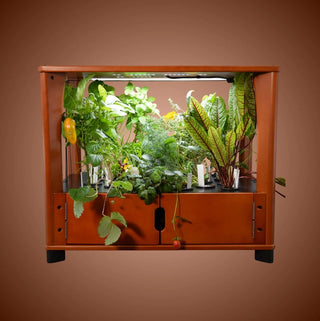
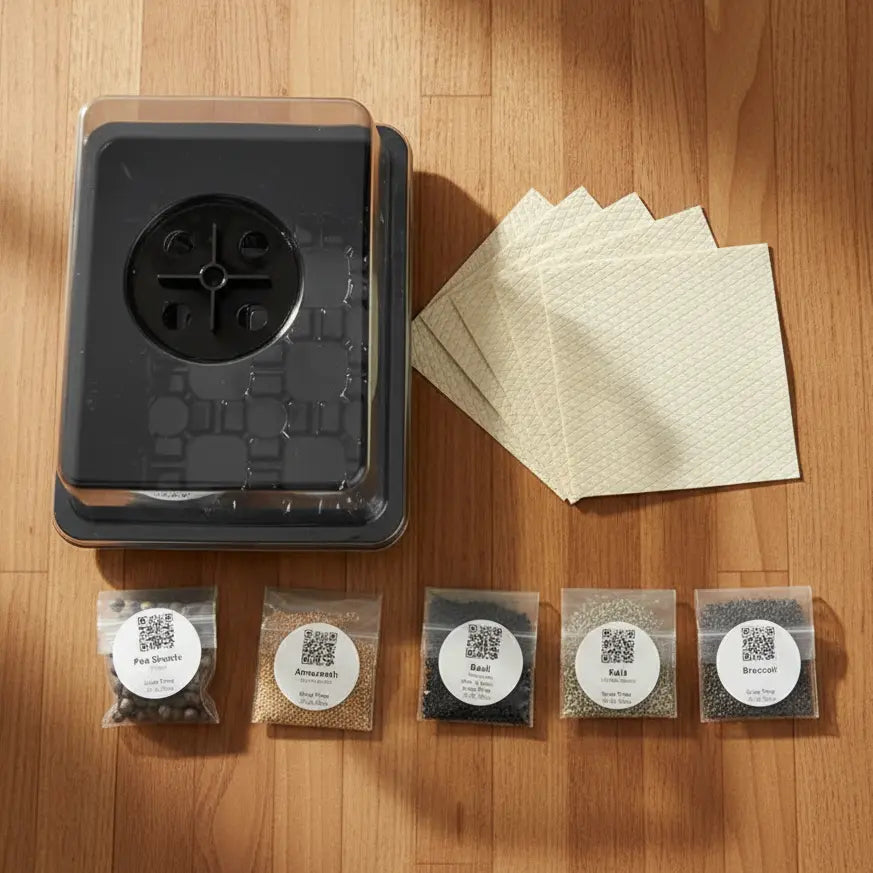
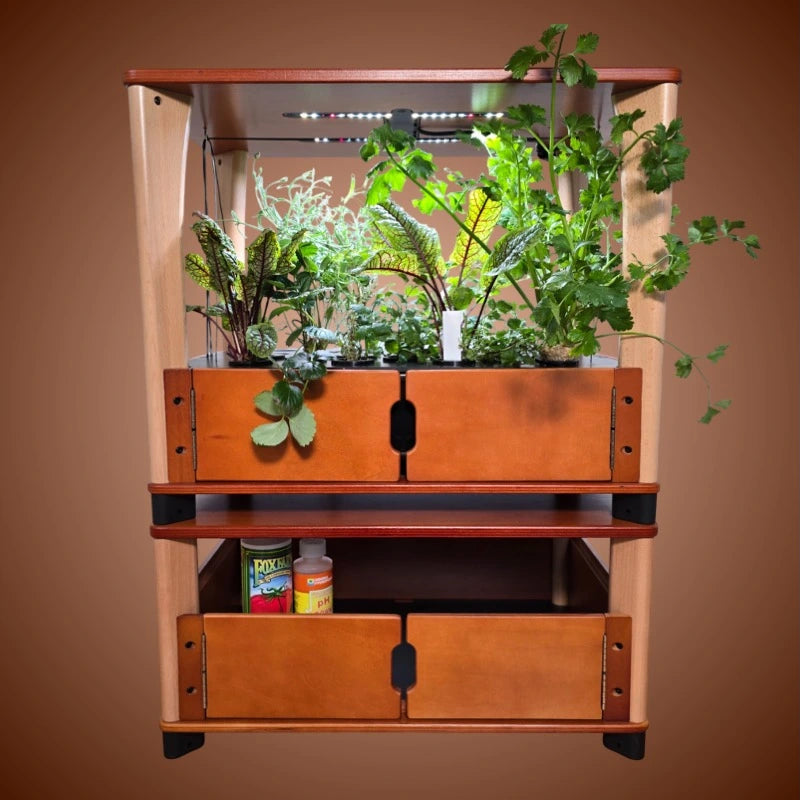
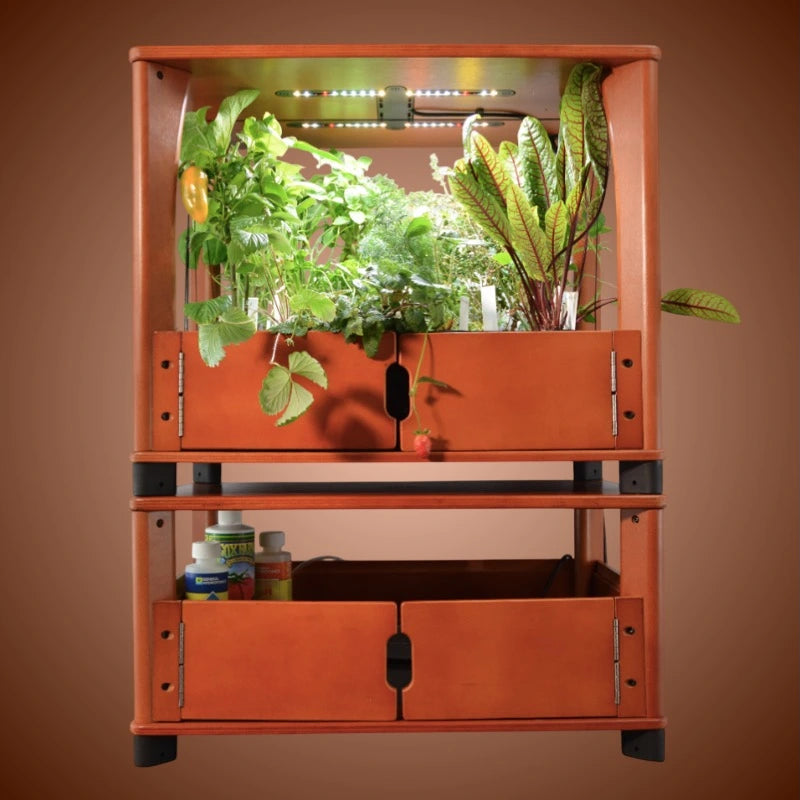
You can explore options like the Aquager Hydroponic Home Farm or beginner-friendly starter setups such as the Aquager Grab & Grow Kit to see how structured indoor growing works in practice.
The goal is not to make growing more complicated. It is to make it more predictable. Once conditions are stable, plants like Swiss chard begin to produce consistently, which is where indoor growing becomes practical for everyday use.

Mini FAQ
Can Swiss chard grow indoors year-round?
Yes, Swiss chard can grow indoors year-round because it does not rely on seasonal temperature changes. As long as light and basic conditions are maintained, it continues producing leaves.
How fast does Swiss chard grow indoors?
Most setups reach the first harvest in about 21 to 30 days. After that, new leaves can be harvested every few days depending on growth conditions.
How often can you harvest Swiss chard?
You can harvest multiple times per week by cutting outer leaves while allowing the center to keep growing. This creates continuous production instead of a single harvest.
Is Swiss chard better in soil or hydroponics indoors?
Both can work, but hydroponic setups often provide more consistent results because they control water and oxygen levels more precisely. This leads to more predictable growth and higher output over time.
Author: Aquager Team · Published: March 18, 2026 · Updated: August 2, 2026 · Reviewed: August 2, 2026 (Phase 2)












0 comments