
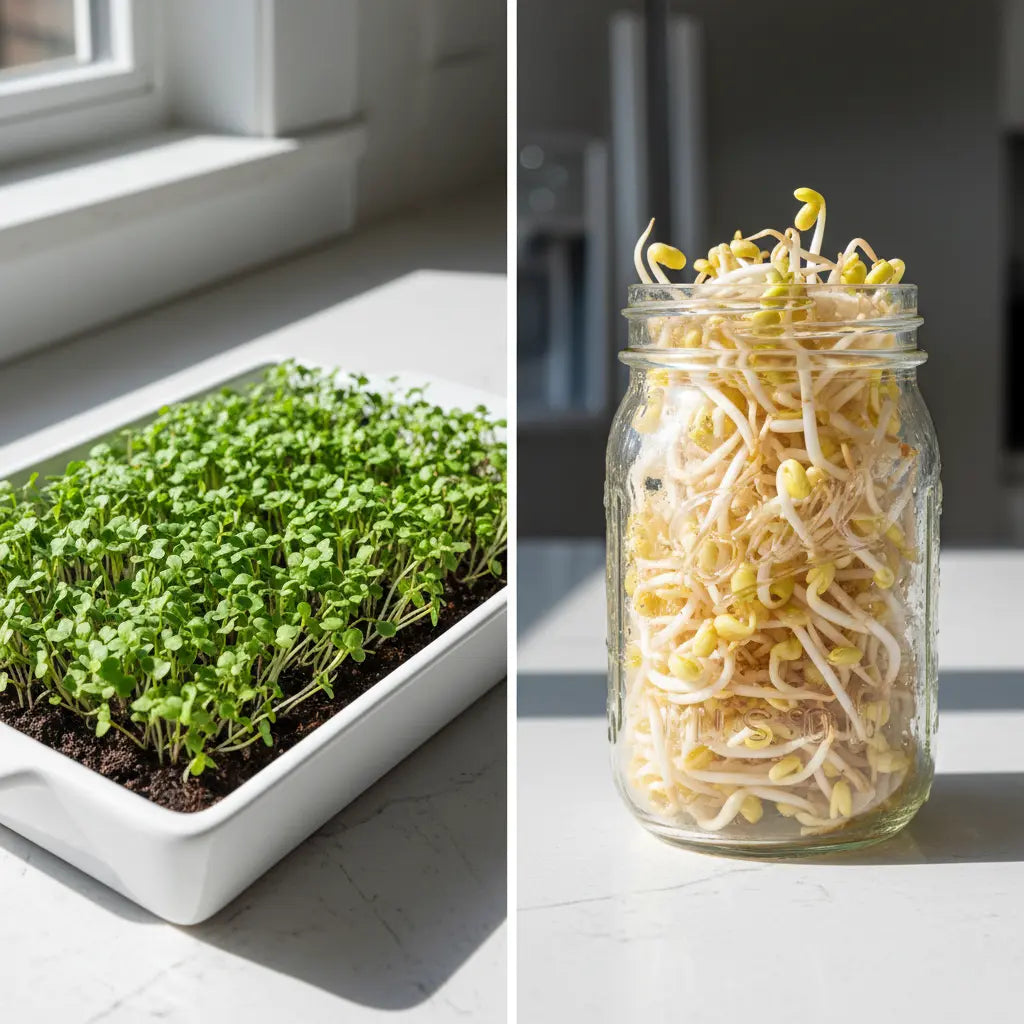
If you’ve ever looked into growing your own food at home, you’ve probably come across both microgreens and sprouts. At first glance, they seem almost identical: small, fast-growing, and packed with nutrients. But when it comes to safety and ease of growing, the difference is significant.
This isn’t just a technical detail. Food safety agencies have linked sprouts to multiple outbreaks of bacteria such as E. coli and Salmonella over the years, largely because they are grown in warm, humid conditions that also promote bacterial growth. In fact, sprouts are considered one of the higher-risk raw foods, especially when eaten uncooked.
Microgreens, on the other hand, are grown differently. They develop above the surface, are exposed to light and airflow, and are typically harvested by cutting above the root. This reduces the risk of contamination and makes them a safer option for most people, especially beginners.
Ease of growing also plays a major role. Sprouts require frequent rinsing, often two to three times per day, and careful monitoring to avoid spoilage within just a few days. Microgreens follow a more stable cycle, usually growing over 7 to 14 days with minimal daily maintenance. For someone new to growing food at home, this difference alone can determine whether the experience feels simple or frustrating.
So while both options can be grown indoors and offer nutritional benefits, they are not equal when it comes to safety, consistency, and ease of use. Understanding these differences is the first step toward choosing the right method, and avoiding common mistakes that can cost time, money, and even health.
Microgreens vs Sprouts: At a Glance
Before diving into the details, here’s how microgreens and sprouts compare across the factors that matter most when you’re deciding which to grow first.
| Sprouts | Microgreens | |
|---|---|---|
| Time to Harvest | 2 to 5 days | 7 to 14 days |
| Daily Maintenance | Rinsing 2 to 3 times per day | Watering once per day or less |
| Margin for Error | Low: missing one rinse can spoil a batch | Higher: more forgiving if timing is off |
| Safety Risk | Higher, grown in warm, humid conditions | Lower, grown above the surface with airflow |
| Best For | Experienced growers willing to monitor closely | Beginners who want a simple, repeatable routine |
| Verdict | Faster, but higher risk and more hands-on | Slightly slower, but safer and easier to maintain |
Microgreens vs Sprouts: Key Differences
Although microgreens and sprouts may look similar at first, they are fundamentally different in how they grow, how they are harvested, and how safe they are to consume. Understanding these differences makes it much easier to choose the right option, especially if you are just getting started.
The most important distinction is how each one develops. Sprouts are grown entirely in water, usually in closed containers with high humidity. Microgreens are grown above the surface, exposed to light and airflow, and harvested by cutting the edible portion of the plant.
Main differences between microgreens and sprouts
-
Growing method
Sprouts grow in water without soil or structure, while microgreens grow on a medium that supports root development and airflow. -
Harvest stage
Sprouts are eaten just a few days after germination, including the seed, root, and shoot. Microgreens are harvested later, once leaves begin to develop. -
Time to harvest
Sprouts are typically ready in 2 to 5 days, while microgreens take around 7 to 14 days depending on the plant. -
Light requirements
Sprouts grow in darkness or low light, whereas microgreens require consistent light for proper development. -
Maintenance
Sprouts need rinsing 2 to 3 times per day to prevent spoilage. Microgreens require minimal daily attention, usually just watering and light. -
Cleanliness
Sprouts grow in a constantly wet environment, increasing the chance of bacterial growth. Microgreens grow in a more stable and ventilated environment. -
Taste and texture
Sprouts tend to be softer and more neutral, while microgreens develop stronger flavors and a more defined texture.
These differences may seem small, but they have a significant impact on both the growing experience and the final result.
Why this matters for beginners
For someone new to growing food indoors, the level of control and predictability is critical. Sprouts require constant attention in a short time frame, and even small mistakes, such as missing a rinse, can lead to spoilage.
Microgreens, on the other hand, follow a more forgiving growth cycle. With a longer timeline and fewer daily actions required, they allow for more flexibility and a higher chance of success on the first attempt.
In practical terms, this means that microgreens are generally easier to manage, more consistent, and better suited for beginners who want reliable results without constant monitoring. If you’re weighing other growing methods too, our comparison of hydroponics vs soil growing indoors covers the same kind of trade-offs.
Are Microgreens or Sprouts Safer to Eat?
When comparing microgreens and sprouts, safety is one of the most important factors, and it is also where the biggest difference between the two appears.
Sprouts have been linked to multiple food safety concerns over the years. Because they are grown in warm, humid environments, typically between 68 to 75°F (20 to 24°C), they create ideal conditions not only for seed germination, but also for bacterial growth. This includes bacteria such as E. coli and Salmonella, which can multiply quickly in these conditions.
What makes sprouts particularly risky is that the entire plant is consumed, including the seed and root, where contamination is most likely to occur. Even when rinsed regularly, bacteria can still develop inside the dense, moist environment where airflow is limited.
Why sprouts carry higher risk
- Constant moisture creates a breeding ground for bacteria
- Warm temperatures accelerate bacterial growth
- Seeds can carry contamination before sprouting even begins
- Entire plant is eaten, including the part most exposed to bacteria
- Requires frequent handling (rinsing 2 to 3 times daily), increasing contamination risk
Because of these factors, sprouts are often classified as a higher-risk raw food, particularly for children, elderly individuals, and those with weakened immune systems.
Why microgreens are generally safer
Microgreens are grown in a very different environment, which significantly reduces these risks. They develop above the surface, are exposed to light and airflow, and are harvested by cutting the edible portion of the plant while leaving the root behind.
This separation alone reduces the likelihood of consuming contaminated parts of the plant. In addition, the growing environment is less humid and more stable, which limits bacterial growth.
- Grown above the surface with better airflow
- Harvested by cutting above the root
- Lower humidity compared to sprouting environments
- Less frequent handling during growth
- Typically grown over 7 to 14 days, allowing more controlled conditions
What this means in practice
While no raw food is completely risk-free, the growing conditions of microgreens make them a more controlled and predictable option. For most people, especially beginners, this translates to a safer and more reliable growing experience.
This difference is one of the main reasons why many people choose microgreens over sprouts, not just for convenience, but for peace of mind when consuming them regularly.

Which Is Easier to Grow at Home?
When it comes to ease of growing, the difference between microgreens and sprouts becomes very noticeable, especially for beginners. While both are considered “fast-growing,” the daily process and level of attention required are very different.
At first, sprouts may seem easier because they grow quickly and don’t require light. However, the simplicity is misleading. Sprouts demand frequent handling and strict routines within a very short time frame, which makes them more sensitive to mistakes.
Microgreens follow a slightly longer cycle, but they require far less daily intervention and offer more stability throughout the process. For the exact numbers on time and effort, see the comparison table above.
Why beginners often struggle with sprouts
The biggest challenge with sprouts is not starting them, it is maintaining them. Because they grow in such a short window, there is very little room for error. Missing a rinse or leaving excess moisture can quickly lead to unpleasant odors, spoilage, or failed batches.
This creates a cycle where beginners either become frustrated or stop growing altogether after a few unsuccessful attempts.
Why microgreens are easier in the long run
Microgreens provide a more balanced experience. While they take a few extra days to grow, they require significantly less attention and offer a much higher success rate for beginners.
Instead of reacting to problems every few hours, you follow a simple routine and allow the plants to develop naturally. This makes the process feel more controlled and less stressful.
What this means for your daily routine
- Sprouts require active attention multiple times per day
- Microgreens fit into a simple daily routine with minimal effort
- Microgreens are easier to scale without increasing workload significantly
For most people, especially those with busy schedules, this difference is critical. A system that requires constant attention is difficult to maintain, while a system that runs consistently with minimal input becomes easy to stick with over time.

Microgreens vs Sprouts: Which Should You Choose?
By this point, the difference between microgreens and sprouts is clear. While both can be grown at home and offer nutritional benefits, they are not equal when it comes to safety, ease, and long-term consistency.
Sprouts grow faster, but they require constant attention and carry a higher risk due to their humid growing conditions. Microgreens take slightly longer, but they provide a more stable, predictable, and beginner-friendly experience.
For most people, especially those just starting out, the better choice is the one that is easier to manage and more reliable over time.
Final comparison summary
- Safety → microgreens are generally safer due to airflow and harvesting method
- Ease of growing → microgreens require less daily attention
- Consistency → microgreens offer more predictable results
- Maintenance → microgreens fit into a simple daily routine
- Scalability → microgreens are easier to expand into a steady food source
While sprouts can work for experienced growers who are willing to monitor them closely, microgreens are the better option for anyone looking for a simple and repeatable way to grow food at home.
The easiest way to get started
If your goal is to start growing without overcomplicating the process, the most effective approach is to begin with a setup that minimizes errors and simplifies the routine.
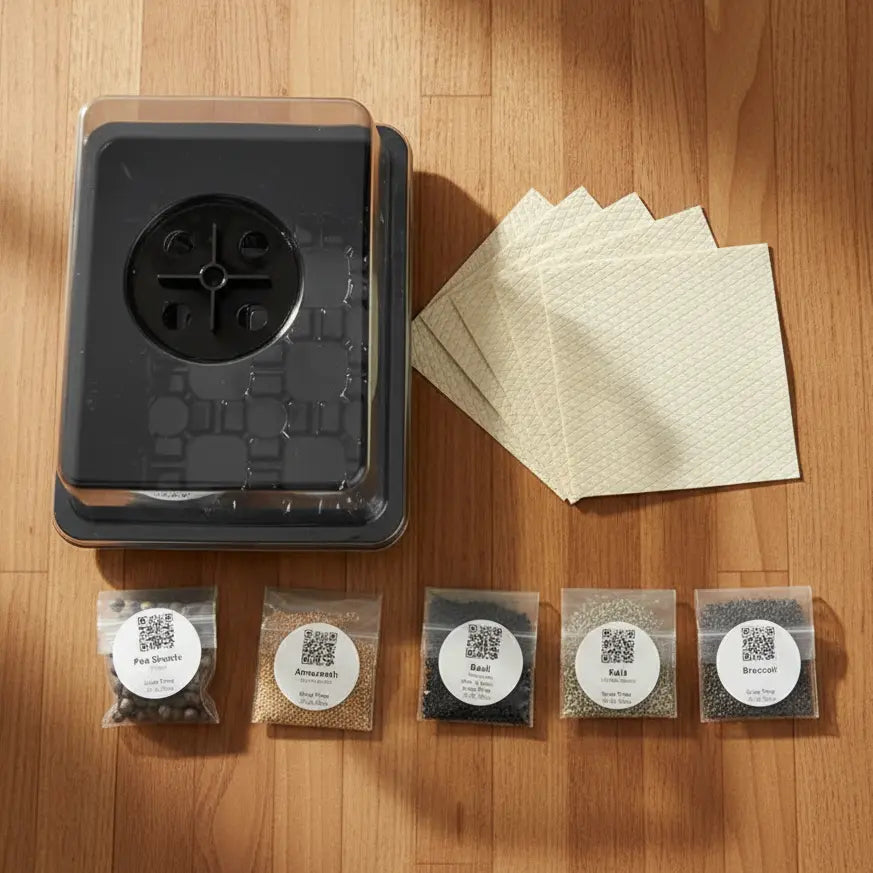
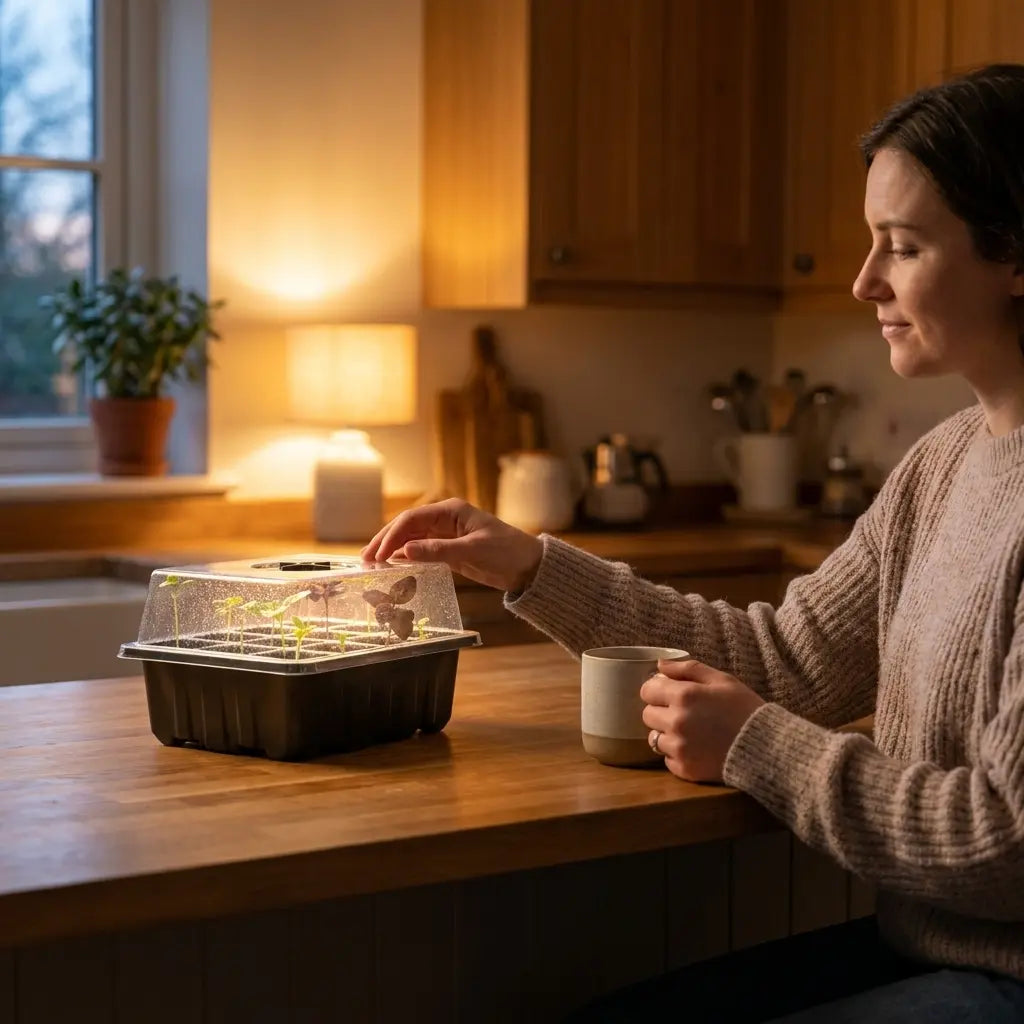
Many beginners choose INDOOR GARDEN KITS because they reduce setup time and eliminate guesswork around spacing and structure. Others prefer PRE-SEEDED GROW MEDIUMS, which make the process even simpler by removing the need to handle seeds entirely. For a full walkthrough, see our guide on how to grow microgreens at home.
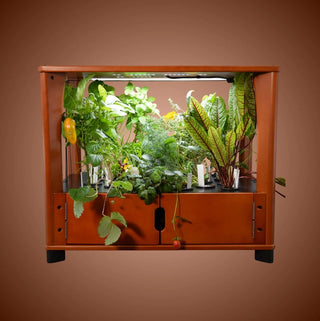
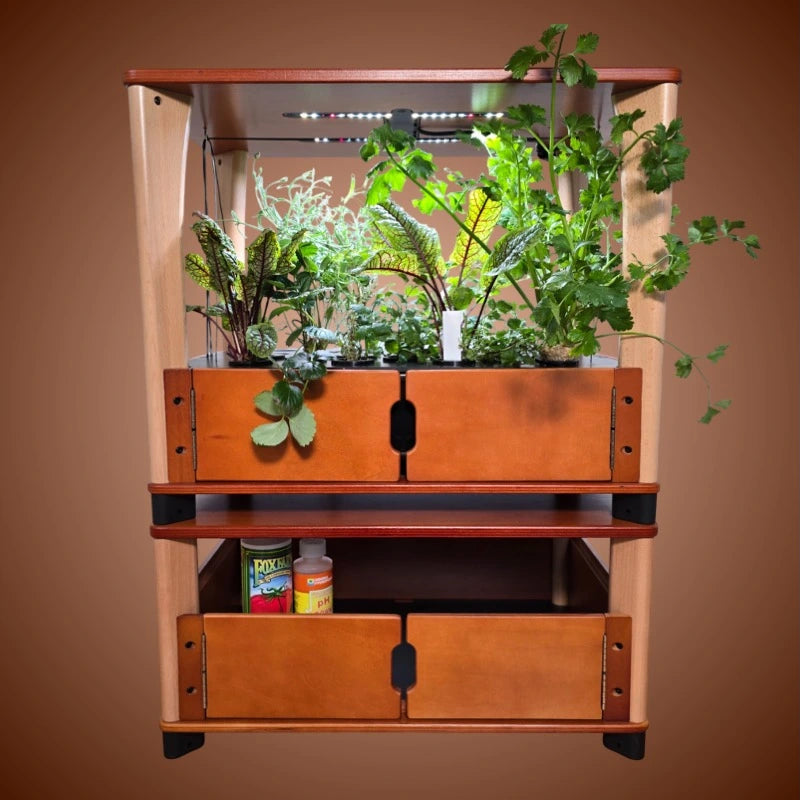
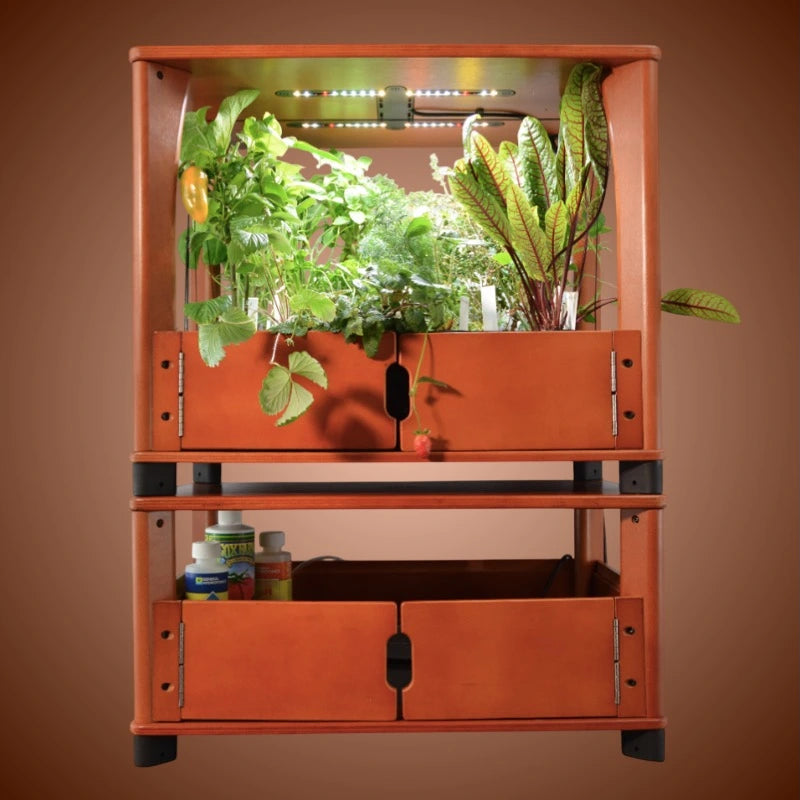
As you become more comfortable, scaling into a larger system such as the HOME FARM allows you to grow multiple plants at once and maintain a steady supply of fresh greens throughout the year.
Microgreens vs Sprouts: Nutrition Comparison
Both microgreens and sprouts are considered nutrient-dense foods, but their nutritional profiles are not identical. The difference comes from how long they are allowed to grow and how the plant develops during that time.
Sprouts are harvested very early, usually within 2 to 5 days, which means they are still in the initial stage of germination. At this point, nutrients are beginning to activate, but the plant has not yet developed leaves or started full photosynthesis.
Microgreens, on the other hand, are grown longer, typically 7 to 14 days, until they develop their first leaves. During this stage, the plant begins producing additional vitamins, antioxidants, and beneficial compounds through exposure to light.
Key nutritional differences
-
Nutrient concentration
Microgreens can contain up to 4 to 40 times higher levels of certain vitamins and antioxidants compared to mature plants, depending on the variety -
Growth stage impact
Sprouts provide early-stage nutrients, while microgreens develop a more complete nutrient profile as the plant matures -
Vitamin content
Microgreens are often rich in vitamins C, E, and K, as well as antioxidants -
Consistency
Microgreens tend to offer more stable nutritional value due to controlled growing conditions -
Serving value
Because microgreens are harvested later, they provide more usable edible material per plant
What this means in practice
Both options are healthy, but microgreens offer a more developed and concentrated nutritional profile. Combined with their longer growth cycle and exposure to light, they provide a more complete source of nutrients for everyday consumption.
For most people, this makes microgreens not only the safer and easier option, but also the more nutritionally efficient choice over time.
Final takeaway
Choosing between microgreens and sprouts is not just about speed, it is about creating a system that you can maintain consistently.
Microgreens provide a balance of safety, ease, and reliability that makes them the better long-term option for most households. By starting simple and building gradually, you can turn a small indoor setup into a dependable source of fresh, high-quality food.

FAQ: Microgreens vs Sprouts
Are sprouts safe to eat raw?
Sprouts can carry a higher risk of bacterial contamination because they are grown in warm, humid environments that promote bacterial growth. While many people consume them safely, they are generally considered a higher-risk raw food compared to other fresh produce.
Are microgreens safe to eat raw?
Yes, microgreens are generally considered safe to eat raw. They are grown above the surface, exposed to light and airflow, and harvested without consuming the root, which reduces the risk of contamination.
What is the main difference between microgreens and sprouts?
The main difference is how they are grown and harvested. Sprouts are grown in water and consumed whole within a few days, while microgreens are grown above a surface and harvested after developing leaves.
Which is easier to grow at home?
Microgreens are easier for most people because they require less daily maintenance and are more forgiving if conditions are not perfect. Sprouts require frequent rinsing and careful monitoring.
Which is healthier: microgreens or sprouts?
Both are nutritious, but microgreens often contain higher concentrations of certain vitamins and antioxidants due to their longer growth period and exposure to light.
How long do microgreens take to grow?
Most microgreens are ready to harvest in 7 to 14 days, depending on the plant type and growing conditions.
How long do sprouts take to grow?
Sprouts typically grow in 2 to 5 days, but require daily rinsing and careful monitoring during that time.
Can beginners grow microgreens successfully?
Yes, microgreens are one of the most beginner-friendly ways to start growing food at home because they require minimal space, simple care, and provide fast results.
Author: Aquager Team · Published: April 1, 2026 · Updated: August 24, 2026 · Reviewed: August 24, 2026 (Phase 3)












0 comments