Grow Food Indoors Easily
(2026)
Why Growing Food at Home Feels Difficult
Most people try to grow food at home and fail within weeks. Not because it is hard — but because the process is unclear.
Plants fail when the system is missing, not when effort is missing. Indoors, conditions are tighter and less forgiving. Small mistakes compound quickly.
The most common issues:
- Inconsistent watering (too much or too little)
- Poor lighting (especially in apartments)
- Weak root development in soil
- No structured growing process
- Starting too big, too fast
This creates frustration early. Many people quit before seeing results. The problem is not growing food. The problem is starting without a system.
Growing food successfully requires a simple, repeatable path:
- Start small
- Control conditions
- Scale gradually
Without this structure, even easy plants fail.
STEP 1
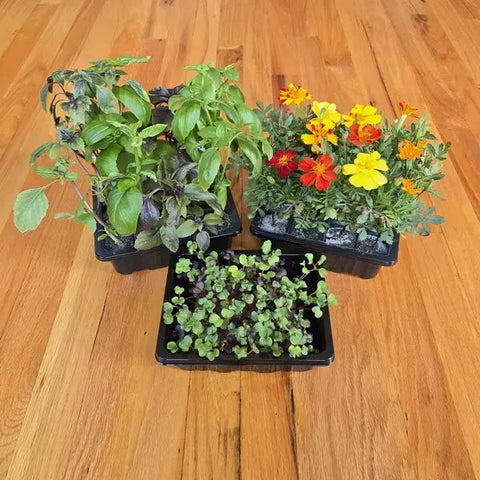
Start Small:
Control the Beginning
Every indoor growing system starts with seeds. This is where most failures happen. Seeds need stable moisture, oxygen, and light. Indoors, this is hard to manage manually.
Typical results:
- Unstructured setup: 40–60% success
- Controlled setup: 85–95% success
Starting small fixes this. The first 7–10 days define everything. Strong starts lead to Faster root growth, Easier transplanting, and More consistent results.
Weak starts slow growth and increase failure. With a simple setup, seeds grow in stable conditions Even moisture, No overwatering, and Clean, repeatable process. Results come fast:
- Microgreens: 5–10 days
- Leafy plants: 7–14 days
Starting seeds is simple. Starting without structure is not.
STEP 2
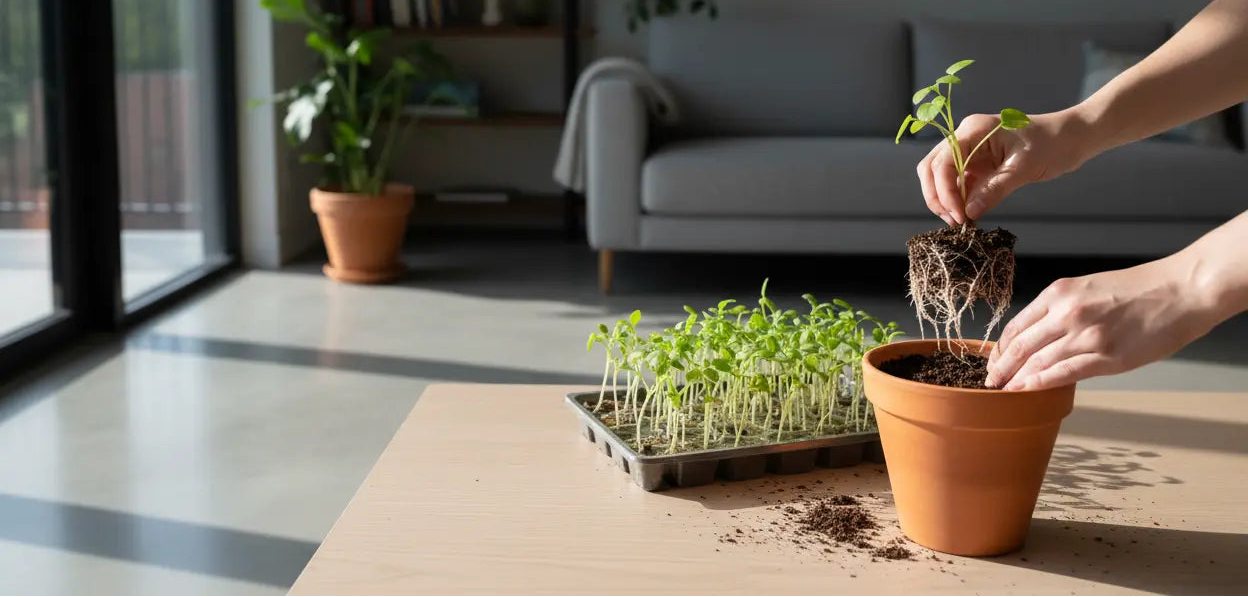
Replant Anywhere:
Stay Flexible
After 14-28 days, plants are ready to move.
You can replant into:
- Garden
- Flower pot
- Hydroponic system
- Aquager Hydroponic Home Farm
You are not locked into one setup. Strong plants perform better:
- Weak: 50–60% survival
- Strong: 80–95% survival
Start indoors, then grow anywhere.
STEP 3
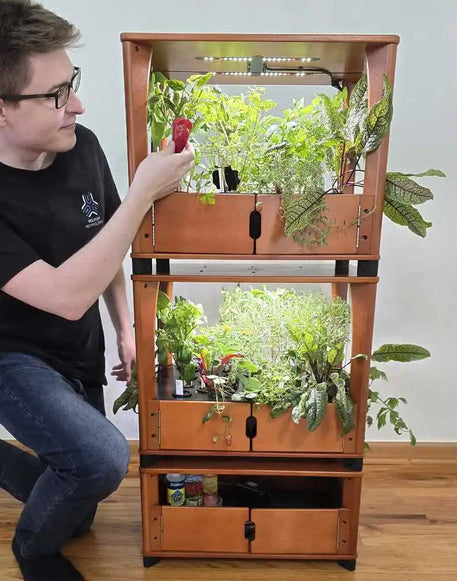
Scale Indoors:
Consistent Growth
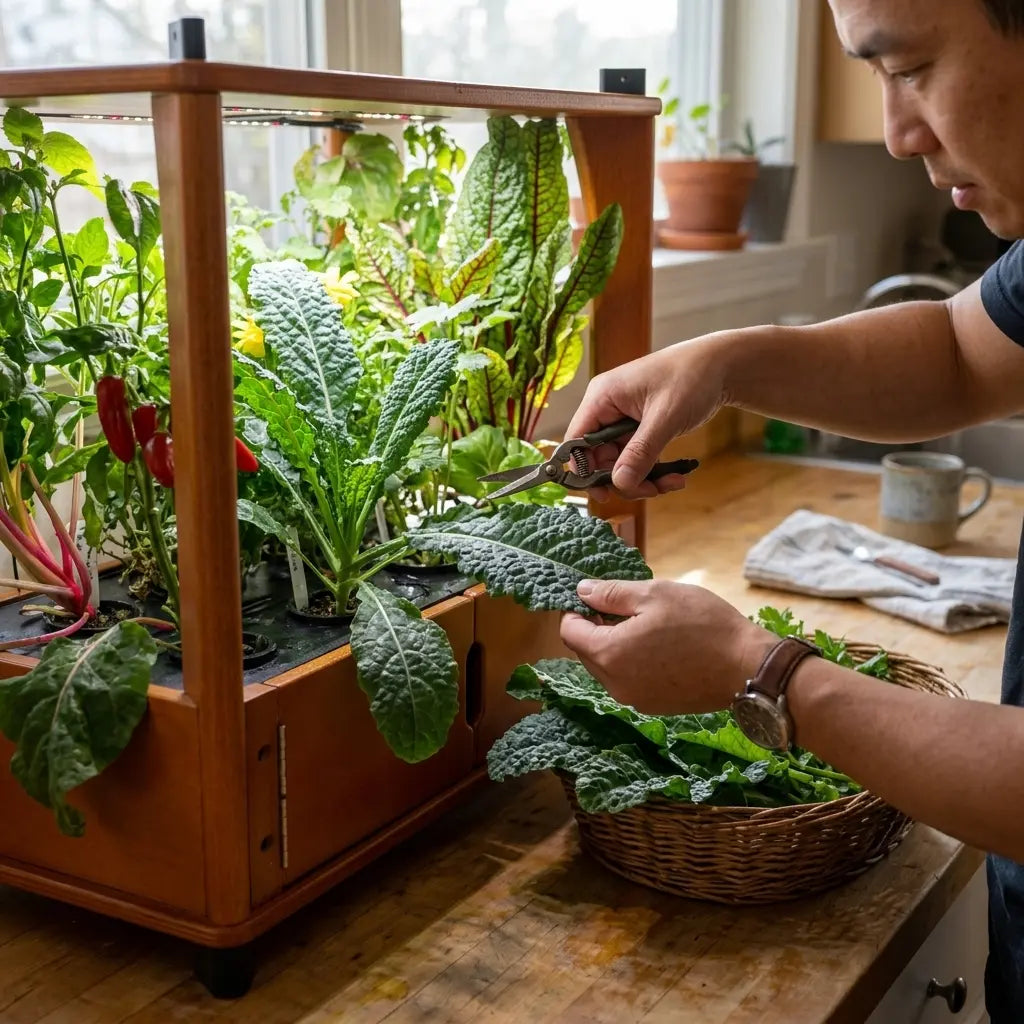
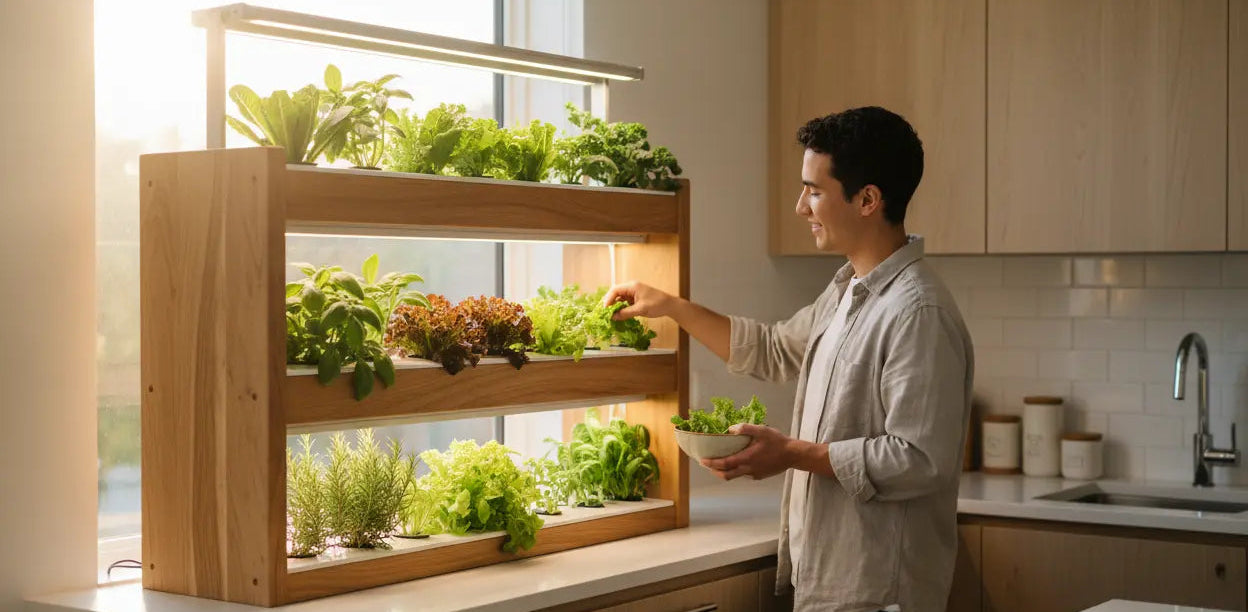
This is where production becomes consistent. Plants move into a structured indoor system. Instead of single pots, you grow multiple plants at once.
Typical capacity:
- Small setups: 5–10 plants
- Structured systems: 24–96 plants
This increases output without increasing effort. Controlled conditions improve growth:
- Faster growth cycles
- Higher yields per plant
- Fewer failures
You can harvest continuously instead of waiting weeks. Indoor systems also remove external risks:
- No weather changes
- No seasonal limits
- No soil issues
This creates predictable, repeatable production at home.
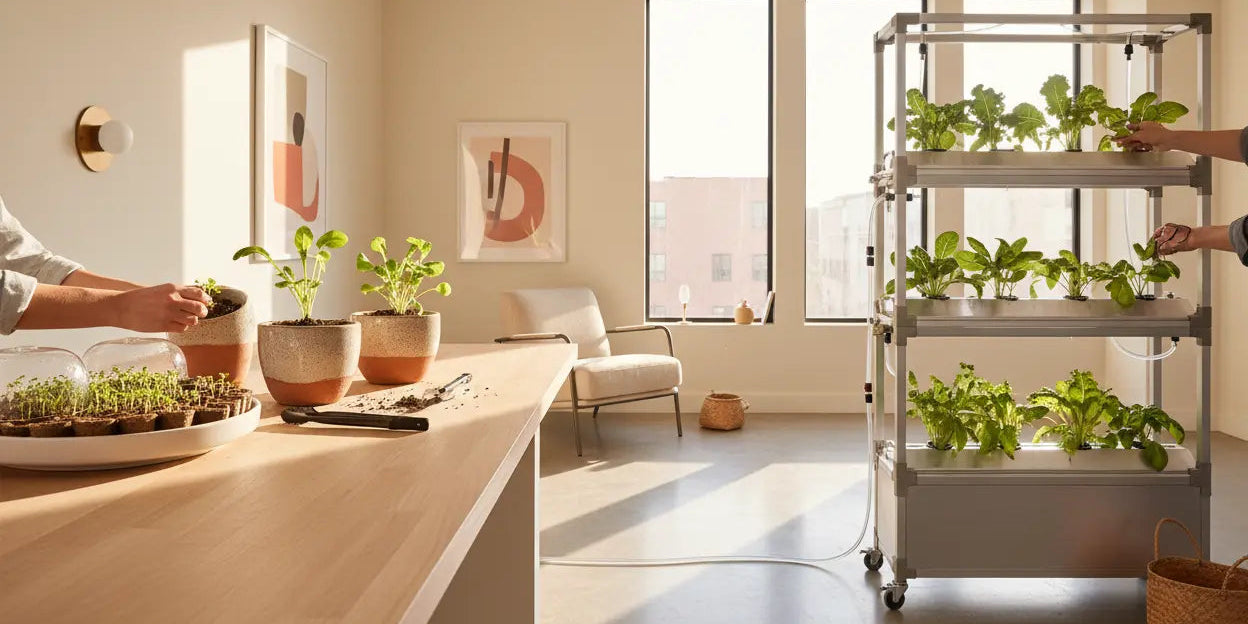
Why This Process Works
This system works because it simplifies the process. You don’t try to do everything at once. You follow a clear path:
- Start with seeds
- Replant based on your needs
- Scale indoors when ready
Each step reduces risk. Early growth is controlled. Replanting adds flexibility. Indoor systems add consistency. This leads to higher success rates:
- Fewer failed plants
- Faster growth cycles
- More predictable harvests
Instead of guessing, you repeat the same process.
Simple systems perform better over time.
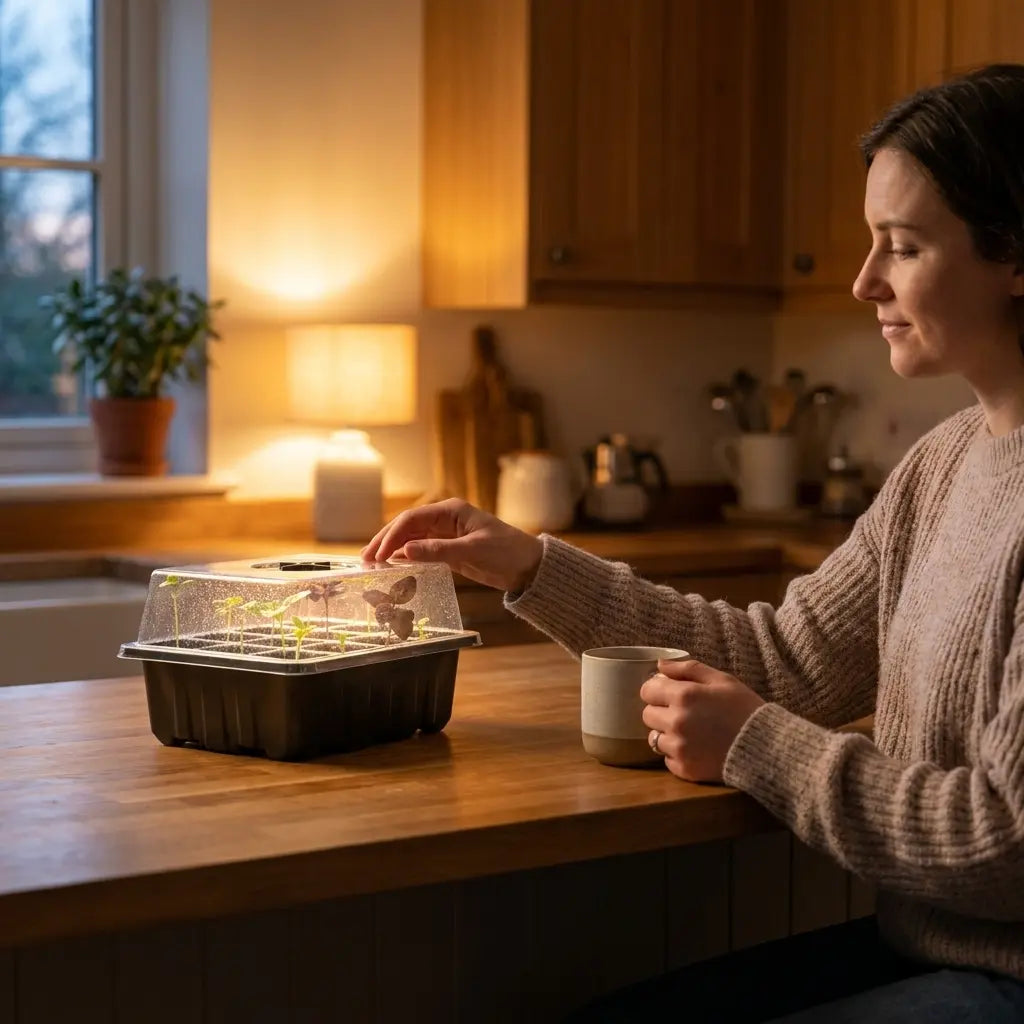

Grab & Grow Pre-Seeded Starter Kit
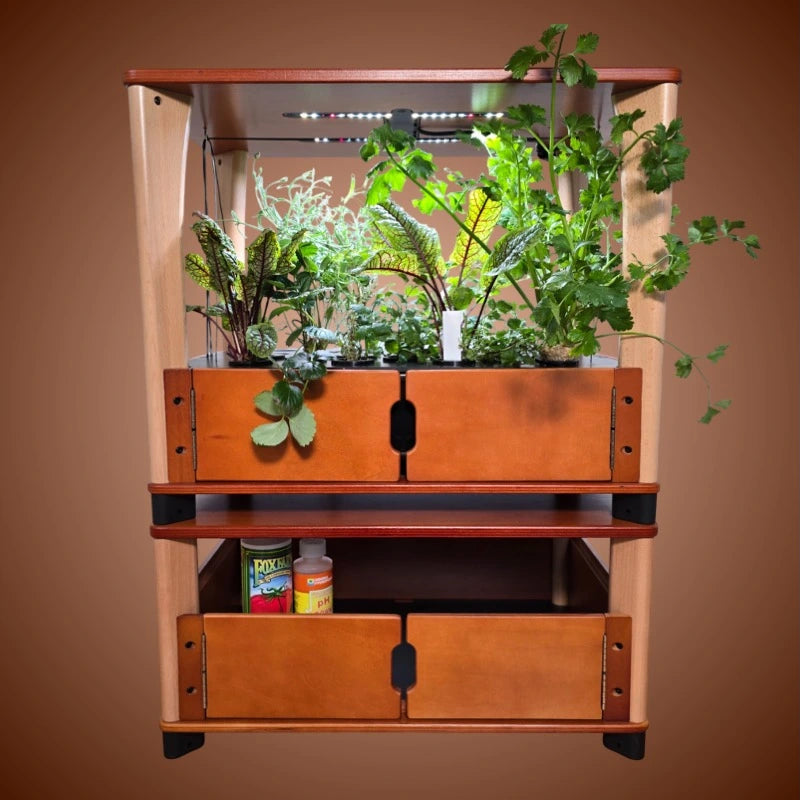
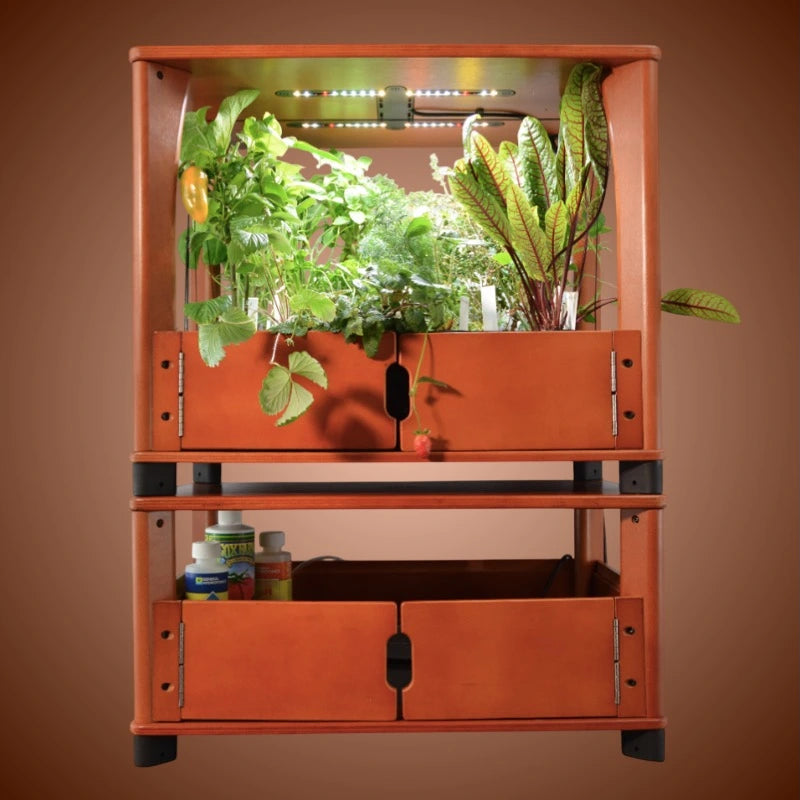
Chef’s Organic Set - Hydroponic Bundle


FAQ section
Can I grow food indoors year-round?
Yes. Indoor systems remove weather and seasonal limits, so plants can grow consistently all year.
Do I need experience to start?
No. Starting with seeds in a simple setup makes the process beginner-friendly and easy to follow.
How long does it take to see results?
Microgreens can be ready in 5–10 days, and most leafy plants are ready to replant in 7–14 days.
Can I move plants outside later?
Yes. You can start plants indoors and replant them outside once they are stronger and weather conditions allow.