Why Hydroponic Net Pot Covers Matter
/ 0 comments

Why Hydroponic Net Pot Covers Matter

Introduction: The Overlooked Cause of Hydroponic Problems

Hydroponic systems are designed to create an ideal growing environment by delivering water, nutrients, and oxygen directly to plant roots. Many growers focus on optimizing lighting schedules, nutrient formulas, and plant varieties to achieve better yields. While these factors are important, one of the most common causes of hydroponic problems is often overlooked: light entering the nutrient reservoir.

In a properly functioning hydroponic system, the nutrient solution should remain clean, stable, and protected from external contamination. However, when light reaches the reservoir, it creates the perfect conditions for algae growth. Hydroponic systems already contain water and nutrients, which means that once light is introduced, algae can begin forming quickly on surfaces such as reservoir walls, tubing, and net pots.

Algae growth may seem like a minor issue at first, but it can lead to several problems inside a hydroponic system. Algae competes with plants for nutrients, consumes dissolved oxygen needed by roots, and can make the nutrient solution unstable over time. As algae spreads, growers may need to clean reservoirs more frequently and adjust nutrient levels more often.

One of the most common ways light enters hydroponic systems is through unused planting holes around hydroponic net pots. Even small openings can allow enough light to reach the nutrient solution to start algae growth.

Fortunately, this problem has a simple solution. Hydroponic net pot covers, sometimes called cup covers or plant spacers, are designed to block light from entering unused planting holes. By keeping the reservoir dark, these covers help maintain a cleaner and more stable hydroponic environment.

In the sections below, we will explain why light exposure causes problems in hydroponic systems and how net pot covers provide a simple way to prevent algae and improve overall system performance.

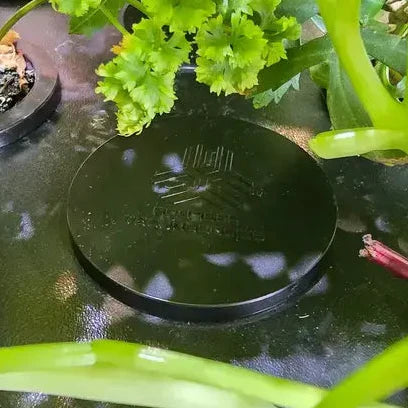
Hydroponic net pot cover 50mm blocking light in growing systemBlack Aquager Hydroponic Net Cup Cover with engraved logo designed to block light and fit standard hydroponic net cups

Many Names for the Same Tool

If you search for this hydroponic accessory online, you may quickly notice that it goes by many different names. Depending on the grower, the type of hydroponic system, or the community discussing it, the same product may be referred to in several ways.

Some of the most common names for Hydroponic net pot covers include:

  • Hydroponic net pot covers
  • Hydroponic cup covers
  • Net pot spacers
  • Plant spacer caps
  • Plant spacers kit
  • Net cup covers
  • Hydroponic hole covers


Although these terms sound slightly different, they all describe essentially the same tool: a small cover designed to block light from entering unused planting holes in a hydroponic system.

In most hydroponic setups, plants are held in place using net pots, also called net cups. These small containers sit inside holes in a lid or grow tray, allowing the plant roots to extend into the nutrient solution below while keeping the plant supported above the reservoir.

However, hydroponic systems often contain more planting holes than plants being grown at one time. When some of these openings remain empty, they create direct pathways for light to reach the nutrient solution.

Once light enters the reservoir, algae can begin forming quickly. Even a small opening around an unused net pot can provide enough light for algae growth to start.

This is where net pot covers come in. By covering unused holes or net cups, these simple accessories block light and help keep the reservoir darker, cleaner, and easier to maintain.

Most covers are designed to fit standard 2-inch (50 mm) hydroponic net pots, which are one of the most widely used sizes across many hydroponic systems. Because of this standardized size, the same covers can often be used in a wide variety of setups, from DIY containers to commercial hydroponic farms.


How Hydroponic Systems Work

Hydroponics is a method of growing plants without soil by delivering nutrients directly through water. Instead of relying on soil to provide nutrients and support plant roots, hydroponic systems use a nutrient-rich solution that supplies everything plants need to grow.

In most hydroponic setups, plants are placed inside net pots, sometimes called net cups. These small containers hold the plant and growing medium while allowing the roots to extend downward into the nutrient solution below. The open structure of the net pot allows water, nutrients, and oxygen to reach the roots efficiently.

A typical hydroponic system includes three key components:

Net Pots
Net pots hold the plant and growing medium in place while allowing roots to grow through the openings into the nutrient solution.

Nutrient Solution
The reservoir contains water mixed with dissolved nutrients that provide plants with essential elements such as nitrogen, potassium, and phosphorus.

Reservoir or Growing Container
This container holds the nutrient solution and allows plant roots to access the water and nutrients they need for growth.

Hydroponic systems can be designed in several different ways, but many of them share similar structures. Some of the most common types include:

  • Deep Water Culture (DWC) systems, where plant roots sit directly in oxygenated nutrient solution
  • Nutrient Film Technique (NFT) systems, where a thin stream of nutrient solution flows past plant roots
  • Kratky systems, which allow plants to grow in a passive reservoir without pumps
  • Aquaponic systems, where nutrients are supplied through fish waste
  • DIY hydroponic buckets or containers built by hobby growers


While these systems differ in design, they all depend on maintaining a clean, stable reservoir environment. The nutrient solution must remain balanced and protected so that plant roots can absorb nutrients efficiently.

One of the biggest threats to this stability is light entering the reservoir, which can trigger algae growth and disrupt the growing environment.


Why Light in Hydroponic Reservoirs Causes Algae

Algae growth in hydroponic systems occurs when three basic conditions are present: water, nutrients, and light. Hydroponic reservoirs already contain two of these elements by design. The nutrient solution provides both water and dissolved nutrients needed for plant growth. This means that if light reaches the reservoir, it creates an environment where algae can begin developing quickly.

Algae are simple aquatic organisms that thrive in nutrient-rich water when exposed to light. In hydroponic systems, even small amounts of light entering the reservoir can allow algae to grow on surfaces such as container walls, tubing, net pots, and plant roots. Once algae begin forming, they can spread rapidly across the system.

Although algae may initially appear as a thin green layer inside the reservoir, its presence can cause several problems for hydroponic growers.

One major issue is oxygen competition. Plant roots require dissolved oxygen in the nutrient solution to remain healthy and absorb nutrients effectively. As algae grow, they consume oxygen in the water, which can reduce the amount available to plant roots.

Algae can also compete directly with plants for nutrients. Because algae absorb the same nutrients used to feed plants, excessive algae growth may reduce the nutrients available to the crops being grown.

Another challenge is system instability. Algae growth can contribute to changes in the nutrient solution, including fluctuations in pH levels and nutrient balance. This can make it more difficult to maintain consistent growing conditions.

In addition, algae increases maintenance requirements. Growers may need to clean reservoirs more often, remove algae buildup, and replace nutrient solutions more frequently to keep the system functioning properly.

For these reasons, preventing light from entering the reservoir is one of the most effective ways to reduce algae growth in hydroponic systems. Keeping the root zone dark helps maintain a cleaner environment and supports healthier plant development.


The Most Common Light Leak: Unused Net Pot Holes

In many hydroponic systems, the reservoir is covered by a lid or grow tray containing multiple planting holes designed to hold net pots. These openings allow growers to cultivate several plants at the same time while keeping the nutrient solution below protected from external light.

However, it is common for some of these planting holes to remain unused during a growing cycle. For example, a system designed to hold twelve plants may only be used to grow eight or nine. When these extra openings are left uncovered, they create direct pathways for light to reach the nutrient solution.

Even small openings can allow enough light to enter the reservoir to trigger algae growth. Because hydroponic nutrient solutions already contain water and nutrients, only a small amount of light is needed for algae to begin developing. Unused planting holes are one of the most frequent sources of light leaks in hydroponic systems.

Once light enters through these openings, algae often begins forming around the edges of the hole or near the surface of the nutrient solution. Over time, this growth can spread across the reservoir walls and other system components.

Because unused planting holes are such a common source of light exposure, many hydroponic growers address the problem by covering these openings. Blocking light at the source helps protect the nutrient solution and reduces the chances of algae forming inside the system.

Side view of black Aquager Hydroponic Net Cup Cover showing ventilated structure designed to fit hydroponic net cups and reduce light exposure

The Solution: Hydroponic Net Pot Covers

Because unused planting holes are such a common source of light entering hydroponic reservoirs, many growers solve the problem by using hydroponic net pot covers. These small accessories are designed to sit on top of or inside unused net pots, blocking light from reaching the nutrient solution below.

Net pot covers are typically made to fit standard 2-inch (50 mm) hydroponic net cups, which are one of the most widely used sizes in hydroponic growing systems. By covering empty planting holes, they help maintain a darker reservoir environment and reduce the likelihood of algae growth.

The concept is simple: if light cannot reach the nutrient solution, algae cannot develop as easily. By sealing unused openings, growers can prevent one of the most common causes of algae formation before it starts.

This solution requires very little effort. Instead of leaving unused holes exposed, growers simply place covers over those openings. Once installed, the covers help maintain a more stable reservoir environment while the plants continue growing in the occupied net pots.

Hydroponic net pot covers are used across many different growing systems, including Deep Water Culture (DWC) setups, NFT channels, Kratky containers, and aquaponic systems. They are also common in DIY hydroponic buckets and other custom-built growing systems where lids contain multiple net pot openings.

For growers using standard 2-inch net cups, reusable covers provide a practical way to improve system cleanliness and reduce maintenance. By blocking light from unused planting holes, they help protect the nutrient solution and support a healthier root environment.

One example of this type of accessory is the Aquager Hydroponic Net Pot Covers, designed to fit standard 2-inch net cups and block light from entering hydroponic reservoirs. More information about these covers can be found here: https://aquagertech.com/products/hydroponic-net-pot-covers

By addressing light exposure at its source, net pot covers offer a simple upgrade that can significantly improve hydroponic system stability.


Hydroponic Systems Compatible With Net Pot Covers

One of the reasons hydroponic net pot covers are widely used is their compatibility with many different types of growing systems. Because they are typically designed to fit standard 2-inch (50 mm) hydroponic net pots, they can be used across a wide range of hydroponic setups.

This standard size is common in both commercial hydroponic systems and DIY builds, which makes net pot covers a versatile accessory for growers using different growing methods.


How to Use Net Pot Covers

Using hydroponic net pot covers is a simple process that can be added to almost any hydroponic system. These covers are designed to block light from unused planting holes, helping maintain a darker reservoir and reducing the risk of algae growth.

The first step is to identify any unused planting holes in the hydroponic system. Many systems are designed with multiple plant sites so growers can adjust spacing depending on what they are growing. If some of these positions are empty during a growing cycle, they can allow light to reach the nutrient solution.

Next, ensure that a standard net pot is placed in the opening, if the system requires one. Many hydroponic lids are designed so that accessories sit inside the net cup rather than directly in the hole.

Once the net cup is in place, the net pot cover can be positioned on top of the opening. The cover should sit securely and block light from entering the reservoir below. Because most covers are designed specifically for standard 2-inch net pots, they usually fit snugly without needing additional adjustments.

After installation, the system can operate normally while the covers help maintain a darker root environment. If plants are later added to one of the covered positions, the cover can simply be removed and reused elsewhere.

At the end of a growing cycle, net pot covers can be cleaned and stored for reuse. Since they are typically made from durable plastic, they can last through many planting cycles.

Although the process is simple, covering unused net pot holes can make a noticeable difference in maintaining a cleaner hydroponic reservoir and reducing overall system maintenance.


FAQ

What are hydroponic net pot covers?
Hydroponic net pot covers are small lids that block light from entering unused planting holes in hydroponic systems.

Are net pot covers the same as cup covers or plant spacers?
Yes, terms like cup covers, net pot spacers, plant spacer caps, and hydroponic hole covers usually refer to the same light-blocking accessory.

Why should unused hydroponic net pots be covered?
Unused planting holes allow light into the nutrient reservoir, which can trigger algae growth.

Do net pot covers prevent algae completely?
Net pot covers significantly reduce algae risk by blocking one of the main causes of algae growth: light exposure.

What size net pots do these covers fit?
Most net pot covers are designed to fit standard 2-inch (50 mm) hydroponic net pots.

Can net pot covers be reused?
Yes, most net pot covers are made from durable plastic and can be reused across multiple growing cycles.

Can net pot covers be used in DIY hydroponic systems?
Yes, they work with most DIY hydroponic setups that use standard 2-inch net cups.

Where can I find hydroponic net pot covers?
You can find reusable covers designed for standard hydroponic systems on the Aquager website.


0 comments

Leave a comment

Please note, comments need to be approved before they are published.