
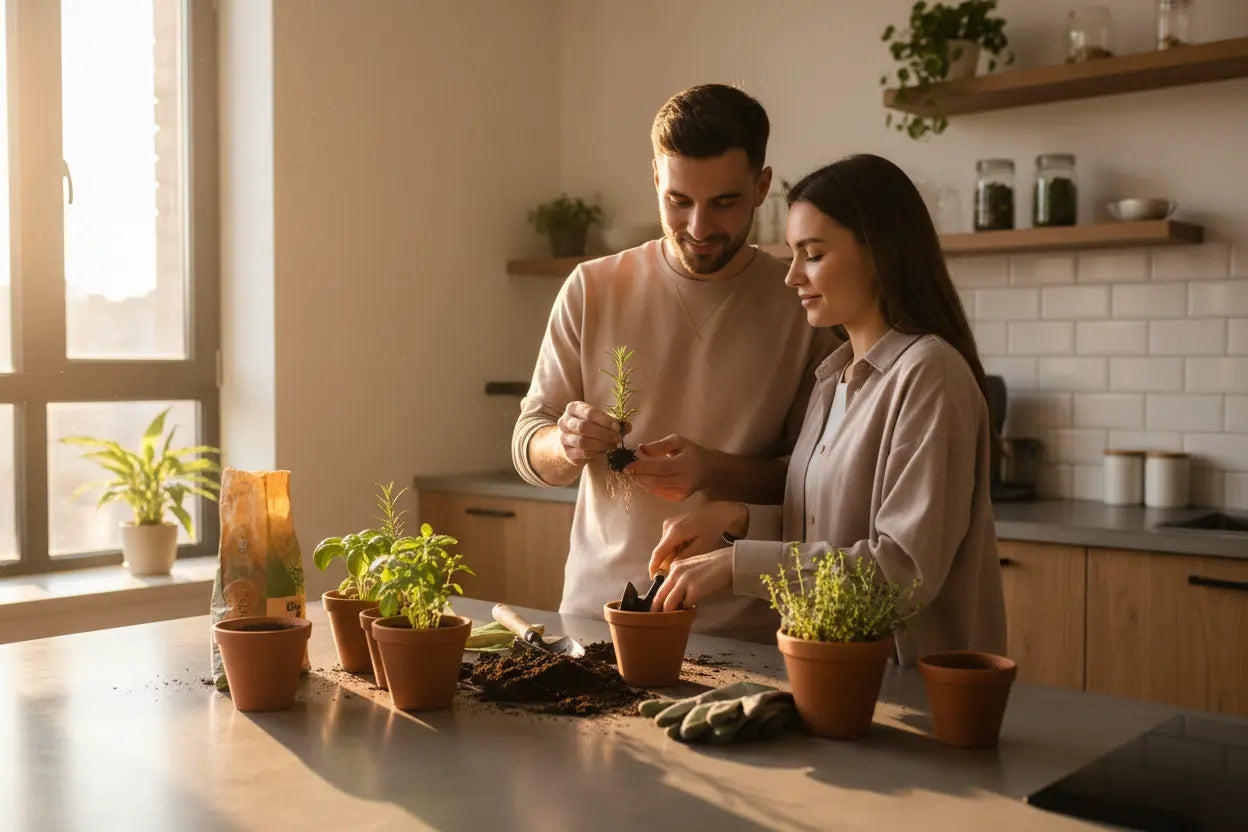
Garden gift for couples - choosing a meaningful gift for a couple can feel surprisingly difficult. Most gifts are objects — things that sit on a shelf or disappear into everyday routines. What many people are really looking for is something shared. Something that becomes part of daily life instead of something that gets opened once and forgotten.
That’s why the idea of a garden gift for couples has become so appealing. Growing something together creates a rhythm. It turns a simple activity into a small ritual — watering in the morning, noticing new leaves, trimming herbs while cooking dinner. The gift becomes less about the item itself and more about the experience it creates.
An indoor garden works especially well for this. It doesn’t require outdoor space, a backyard, or complicated equipment. A windowsill, a countertop, or a small shelf can become enough space to grow herbs or flowers together. Even small apartments can support simple indoor gardens that produce visible growth within weeks.
This is where the concept becomes powerful. A romantic indoor garden isn’t about building a full gardening system. It’s about creating a shared routine — something alive that both people care for and watch change over time.
This issue shows up much faster indoors, because light, airflow, and watering margins are tighter — which is why beginners sometimes think they’re doing something wrong when plants struggle in small spaces.
In reality, the most meaningful indoor garden gifts are the simplest ones. They focus on plants that grow steadily, require only small daily care, and create visible progress over time. Herbs and small flowering plants are perfect for this because they combine beauty with usefulness. You can smell them, cook with them, or simply enjoy watching them grow.
A small indoor herb garden can become part of a couple’s kitchen routine. A flowering windowsill planter can brighten a shared living space. Even a few pots on a shelf can turn into something both people check every day.
The goal isn’t perfection. The goal is participation.
If you’re considering a garden gift for couples, the most important question isn’t which plant to buy. It’s how the garden will fit naturally into everyday life.
And once you think about it that way, indoor gardening becomes less about plants and more about connection.
If you’re new to indoor growing entirely, this guide explains the fundamentals clearly: 👉 Indoor Gardening for Beginners

Why Gardening Works as a Couple Activity
Shared activities tend to fall into two categories. Some are experiences that happen once — dinners, trips, events. Others become routines that slowly weave themselves into everyday life. Gardening belongs to the second category, which is why it works so well as a gift idea for couples.
A small indoor garden creates a gentle rhythm inside a home. It introduces small moments of attention throughout the day. One person might notice the soil looks dry in the morning. The other might see new leaves forming a few days later. These small observations turn into conversations and shared responsibility without feeling like chores.
This is one of the reasons plants are often associated with care and connection. They grow slowly, and that slow pace invites patience. When two people care for something living together — even something as simple as herbs on a windowsill — it creates a sense of collaboration. The goal isn’t productivity or perfection. It’s simply nurturing something that grows over time.
Indoor gardening also removes many of the barriers that make traditional gardening difficult for couples. Outdoor gardens require space, seasonal timing, tools, and sometimes a steep learning curve. Indoor gardens, especially small ones, lower those expectations dramatically. A few pots, a small shelf, or a windowsill can be enough.
Because the scale is small, the commitment stays manageable. Couples can experiment without feeling overwhelmed. If a plant doesn’t thrive, it’s easy to start again. That flexibility is important for beginners who may feel uncertain about their ability to keep plants alive.
Another reason gardening works as a shared activity is that progress becomes visible quickly. Even simple herbs like basil or mint show new growth within days or weeks. Flowering plants gradually produce buds and color. That steady change gives couples something positive to notice together, especially during busy weeks when routines can otherwise feel repetitive.
Indoor plants also integrate naturally with daily habits. A small herb garden near the kitchen might become part of cooking together. A flowering plant near a window might brighten morning coffee. Instead of being a separate hobby, the garden becomes part of the environment where couples already spend time.
For many people, this kind of shared project feels more meaningful than a traditional gift. Objects can lose novelty quickly, but living plants continue to change. The garden becomes a reminder that both people are contributing to something together.
Of course, indoor gardening doesn’t have to be complicated for this effect to happen. In fact, the most successful couple gardens are often the simplest ones. A few well-chosen plants placed where they receive light and regular attention can create a routine that feels natural rather than forced.
When couples approach gardening this way, the plants themselves become secondary. What really matters is the shared experience: noticing growth, caring for something together, and creating a small pocket of life inside the home.

What Makes an Indoor Garden Gift Actually Work
Not every plant makes a good indoor garden gift. Some plants look beautiful in stores but struggle once they are brought home. Others require precise light conditions or complicated care routines that quickly become frustrating for beginners.
When couples try indoor gardening for the first time, the difference between a positive experience and a discouraging one usually comes down to simplicity. The best garden gift for couples is not the most elaborate setup. It’s the one that fits naturally into everyday life.
A good indoor garden gift works when it becomes easy to notice and easy to care for. Plants that require only small, regular attention tend to stay healthy longer. Herbs and small flowering plants are ideal because they grow steadily without needing constant adjustments. When growth is visible and predictable, beginners feel encouraged rather than confused.
Location inside the home also matters more than many people expect. Plants placed where people already spend time are much more likely to succeed. A windowsill near the kitchen sink, a small shelf near a dining table, or a bright corner of a living room often becomes the natural home for indoor plants. When a garden is visible, it becomes part of daily awareness rather than something that gets forgotten.
Light is another factor that quietly determines whether indoor gardening feels enjoyable or frustrating. Most indoor plants do best when they receive steady daylight through a nearby window. This doesn’t require direct sunlight all day, but consistent brightness helps plants maintain healthy growth. Couples often discover that once plants are placed in the right location, much of the care becomes surprisingly simple.
One reason indoor gardens make meaningful gifts is that they grow alongside a couple’s routine. Unlike decorative objects, plants slowly change over time. Leaves expand, stems grow taller, and flowers begin to form. That gradual progress creates a sense of continuity. Each week brings small signs of life that weren’t there before.
For beginners, it’s helpful to remember that indoor gardening does not require large collections of plants. In fact, starting with just a few well-chosen herbs or flowers often leads to better results. Too many plants at once can create confusion about watering schedules, lighting needs, and placement. A smaller garden keeps things manageable and enjoyable.
Indoor gardens also work best when they complement the space rather than overwhelm it. A small arrangement of herbs in matching pots can brighten a kitchen countertop. A flowering plant near a window can add warmth to a living room. When plants blend naturally with the home environment, caring for them feels less like a task and more like a habit.
In many ways, the success of a garden gift has less to do with the plants themselves and more to do with how easily they become part of daily routines. Couples who find a simple rhythm — checking the soil, trimming herbs, watering occasionally — often discover that indoor gardening becomes a relaxing part of their day.
If you’re just beginning to explore indoor gardening, understanding the basics of how plants respond to light, water, and airflow can make the process much clearer.
👉 Indoor Gardening for Beginners
Learning these foundations helps couples approach their indoor garden with confidence rather than uncertainty.

Romantic Indoor Garden Ideas Couples Can Start Together
Once couples understand how simple an indoor garden can be, the next question naturally becomes: what kind of garden makes the experience feel special?
A meaningful garden gift for couples is not just about plants. It’s about creating a small shared space that both people care for over time. The most successful indoor gardens often begin with simple ideas that naturally fit into daily routines.
Below are several indoor garden concepts that couples can start together. Each one focuses on ease, visible growth, and a sense of shared participation.
A Windowsill Herb Garden
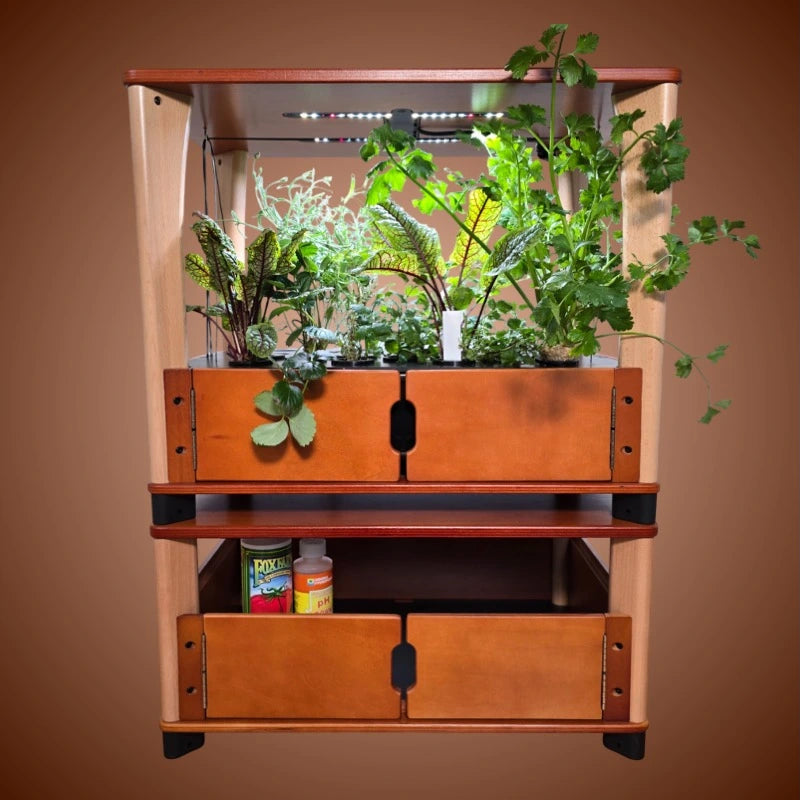
One of the most classic and practical indoor gardens is a small herb collection placed near a kitchen window. Herbs grow steadily indoors and offer something immediately useful. A few leaves of basil, mint, or parsley can become part of everyday cooking.
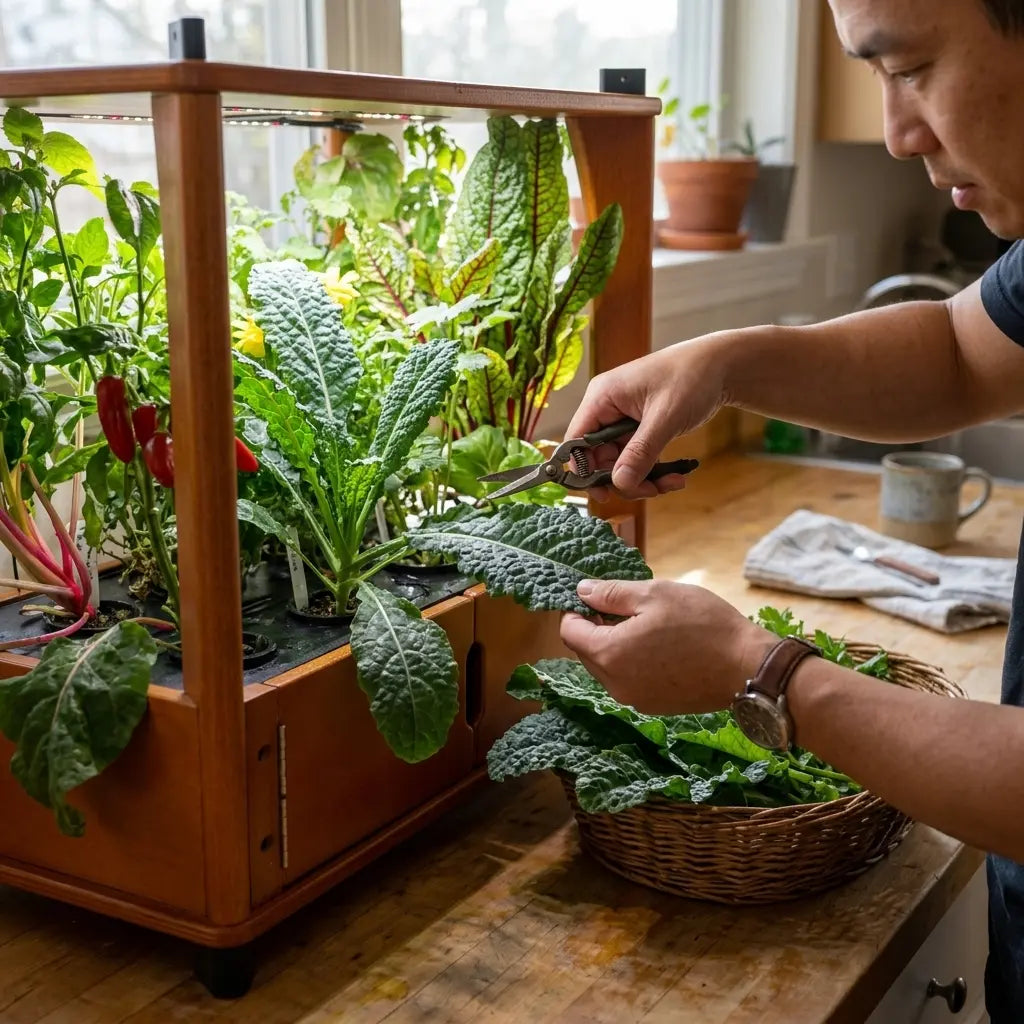
For couples who enjoy preparing meals together, a windowsill herb garden often becomes part of the cooking process itself. One person may trim herbs while the other prepares ingredients. Over time, the small plants become part of the kitchen’s rhythm.
Herb gardens also provide quick visual rewards. Fresh leaves appear regularly, and trimming them encourages new growth. That steady cycle makes herbs particularly satisfying for beginners who want to see results.
Even a simple row of three or four small pots can create a living centerpiece for a kitchen space. The plants bring color, scent, and a sense of care into an area where couples already spend time together.

A Tea Herb Garden
Another charming indoor garden idea is a small tea herb collection. Plants such as mint, lemon balm, or chamomile can be grown in small containers and harvested for homemade herbal tea.
This type of garden naturally encourages quiet routines. In the evening, couples can gather a few leaves, steep them in hot water, and enjoy a cup together. The process feels personal because the ingredients were grown in their own home.
Tea gardens also introduce subtle fragrance into a living space. The scent of mint or lemon balm can fill the air when leaves are touched or trimmed. That sensory experience makes the plants feel alive in a way that decorative objects rarely do.
Because tea herbs grow relatively quickly and tolerate indoor conditions well, they are also forgiving for beginners.
A Flowering Windowsill Planter
Not every indoor garden needs to focus on food. Flowering plants can create a more decorative and romantic atmosphere inside a home.
Small flowering varieties such as violets, miniature roses, or flowering herbs can brighten a room with color. A shared planter box on a sunny windowsill can become a focal point in the home.
Couples often enjoy watching the slow process of buds forming and flowers opening. The transformation from green leaves to colorful blooms can feel surprisingly meaningful when it happens in a space you see every day.
Flowering plants also work well in bedrooms or living rooms where herbs might feel less appropriate. A single planter with multiple flowers can become a small indoor garden that adds warmth to the environment.

A Sunday Watering Ritual
Sometimes the most meaningful indoor garden is not defined by plant type but by routine.
Many couples enjoy establishing a weekly ritual around their plants. Sunday mornings, for example, can become the time when plants are watered, trimmed, and checked for new growth.
These small moments often feel calming. Instead of rushing through the day, couples pause briefly to care for something living. The routine becomes a quiet reset before the week begins.
Over time, these rituals create continuity. Plants grow gradually, and couples begin to recognize subtle changes in their garden from week to week.
This kind of shared attention can be surprisingly rewarding, especially in homes where daily schedules are otherwise busy.
A Shared Kitchen Garden Shelf
For couples who enjoy cooking together, dedicating a small shelf to indoor plants can turn a simple corner of the kitchen into a mini garden.
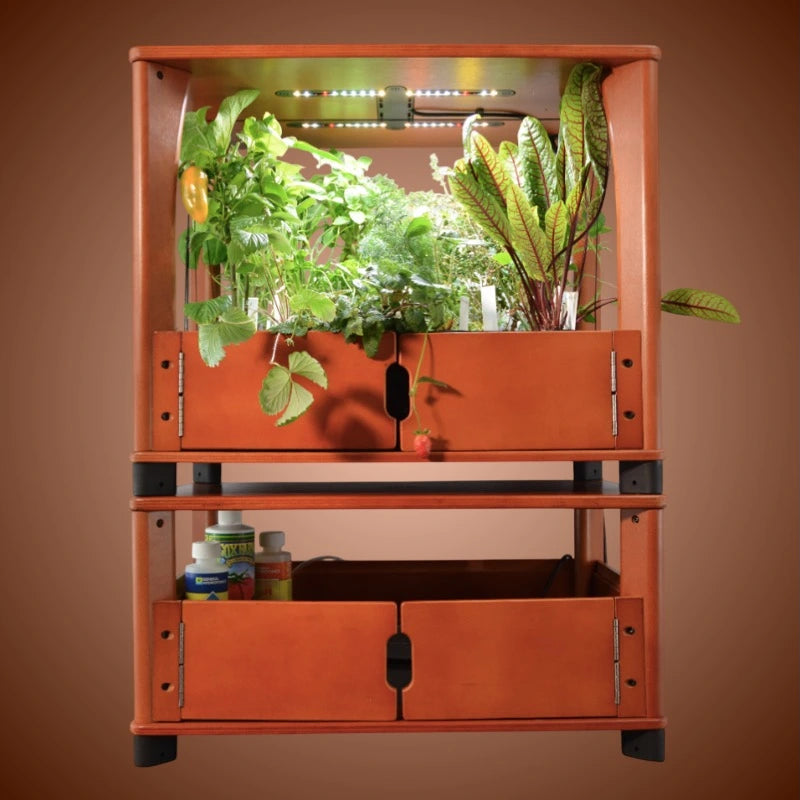
A few pots arranged on a shelf near a window can create a small green space that feels intentional and welcoming. The plants become part of the environment where meals are prepared and shared.
Because the shelf keeps plants organized in one location, care becomes easier. Watering, trimming, and checking soil can happen quickly during everyday kitchen tasks.
This type of indoor garden works particularly well in apartments where windowsill space may be limited. A small shelf allows couples to expand their garden vertically without taking up extra room.

Growing Something Together Matters More Than What You Grow
Across all of these ideas, one principle remains the same: the success of an indoor garden gift depends less on the specific plant and more on the shared experience it creates.
When couples choose plants that grow steadily and fit naturally into their home environment, the garden becomes something they check and care for together.
That shared responsibility — even for a small group of herbs or flowers — often becomes the most meaningful part of the experience.
Why Most Couples Quit Indoor Gardening
While the idea of starting an indoor garden together can feel exciting at first, many couples quietly give up after a few weeks. The plants stop growing, leaves begin to yellow, or the routine simply fades away. What started as a romantic or meaningful activity slowly becomes something forgotten on a windowsill.
In most cases, the problem is not effort or lack of interest. It’s expectations. Many people approach indoor gardening assuming plants will behave the same way they do outdoors. When the results feel inconsistent, it’s easy to assume something has gone wrong.
Indoor environments simply behave differently. Light enters through windows instead of open sky. Air circulation is limited compared to outdoor gardens. Containers hold much less soil than a garden bed. These differences make indoor plants more sensitive to small changes in watering and placement.
This is where many beginners feel discouraged. A plant might look healthy for a few days and then suddenly appear stressed. Leaves may droop, growth may slow, or the soil may stay wet longer than expected. For couples who were hoping for a simple shared activity, these changes can feel confusing.
The good news is that most of these issues have very straightforward explanations. Once people understand how indoor conditions influence plant growth, caring for a small garden becomes much easier.
One of the most common challenges is watering. Because indoor containers hold a limited amount of soil, they can retain moisture longer than people expect. Beginners often water plants too frequently, thinking they are helping them grow. In reality, many plants prefer the soil to dry slightly between waterings. Too much moisture can prevent roots from getting enough oxygen.
Light is another factor that surprises people. Even bright rooms can provide less light than outdoor environments. Plants placed a few feet away from a window may not receive enough consistent brightness to support steady growth. Moving plants closer to a window or adjusting their position can often make a noticeable difference.
Another reason couples abandon indoor gardening is starting with too many plants at once. When several varieties are placed together, each may require slightly different conditions. This can make it difficult to know what each plant needs. Beginning with a few simple herbs or flowers often leads to a much smoother experience.
Sometimes the issue is simply routine. Plants thrive when they are observed regularly, even if they are not watered every day. A quick check every few days allows couples to notice changes early — whether that means trimming leaves, adjusting placement, or waiting a little longer before watering.
When indoor gardening works well, it rarely feels complicated. It becomes a quiet habit rather than a task. Couples check their plants while making coffee, preparing dinner, or opening the window for fresh air.
For beginners who feel unsure about where to start, learning a few basic principles can remove much of the uncertainty. Understanding how light, water, and airflow interact indoors often transforms gardening from guesswork into something predictable. 👉 Indoor Gardening for Beginners
This guide explains the foundational ideas behind indoor plant care and helps new gardeners feel more confident about building a small garden at home.
Most couples discover that once these basics become clear, indoor gardening feels far less intimidating. What once seemed fragile begins to feel manageable. Plants respond more predictably, routines become easier to maintain, and the shared experience becomes enjoyable again.
In many ways, the difference between giving up and continuing often comes down to understanding how indoor environments work. When expectations match reality, a small indoor garden can remain a rewarding part of everyday life.

Mini FAQ:
Romantic Indoor Garden Ideas for Couples
What is a good garden gift for couples?
A meaningful garden gift for couples is usually something simple that both people can participate in caring for. Indoor herb gardens, small flowering planters, or a few pots placed near a bright window can become shared routines. The value often comes from the experience of growing something together rather than from the size or complexity of the garden itself.
Do couples need outdoor space to start a garden together?
No. Many indoor gardens work well in small apartments or homes without outdoor space. Herbs and small flowering plants can grow successfully on windowsills, shelves, or countertops where they receive consistent light. Indoor gardens often succeed because they are smaller and easier to maintain than outdoor plots.
What plants are easiest for couples to grow indoors?
Herbs such as basil, mint, parsley, and thyme are commonly chosen for beginner indoor gardens. These plants grow steadily, tolerate small containers, and can be used in everyday cooking. Small flowering plants like violets or miniature roses are also popular because they add color and warmth to a shared living space.
Why do some indoor gardens fail?
Most indoor plant problems are related to watering, light, or starting with too many plants at once. Indoor environments behave differently from outdoor gardens, which can surprise beginners. Once people understand how indoor light and moisture affect plants, small gardens usually become much easier to maintain.
In Short
A romantic indoor garden is less about plants and more about shared moments.
A few herbs on a kitchen windowsill can turn into part of a couple’s cooking routine. A flowering planter near a window can brighten everyday spaces. Even a small shelf with a few pots can become something both people care for and watch grow.
The most successful garden gift for couples is the one that fits naturally into everyday life. It doesn’t require perfect conditions or complicated care. It simply invites two people to nurture something together.
If you’re struggling with indoor plant care or want to understand how indoor gardens work more reliably, learning the basic principles can make a big difference.
👉 Indoor Gardening for Beginners
This guide explains how light, watering, and airflow influence plant health indoors, helping beginners approach their first indoor garden with confidence.
Author: Aquager Team · Published: March 10, 2026 · Updated: August 2, 2026 · Reviewed: August 2, 2026 (Phase 2)












0 comments