
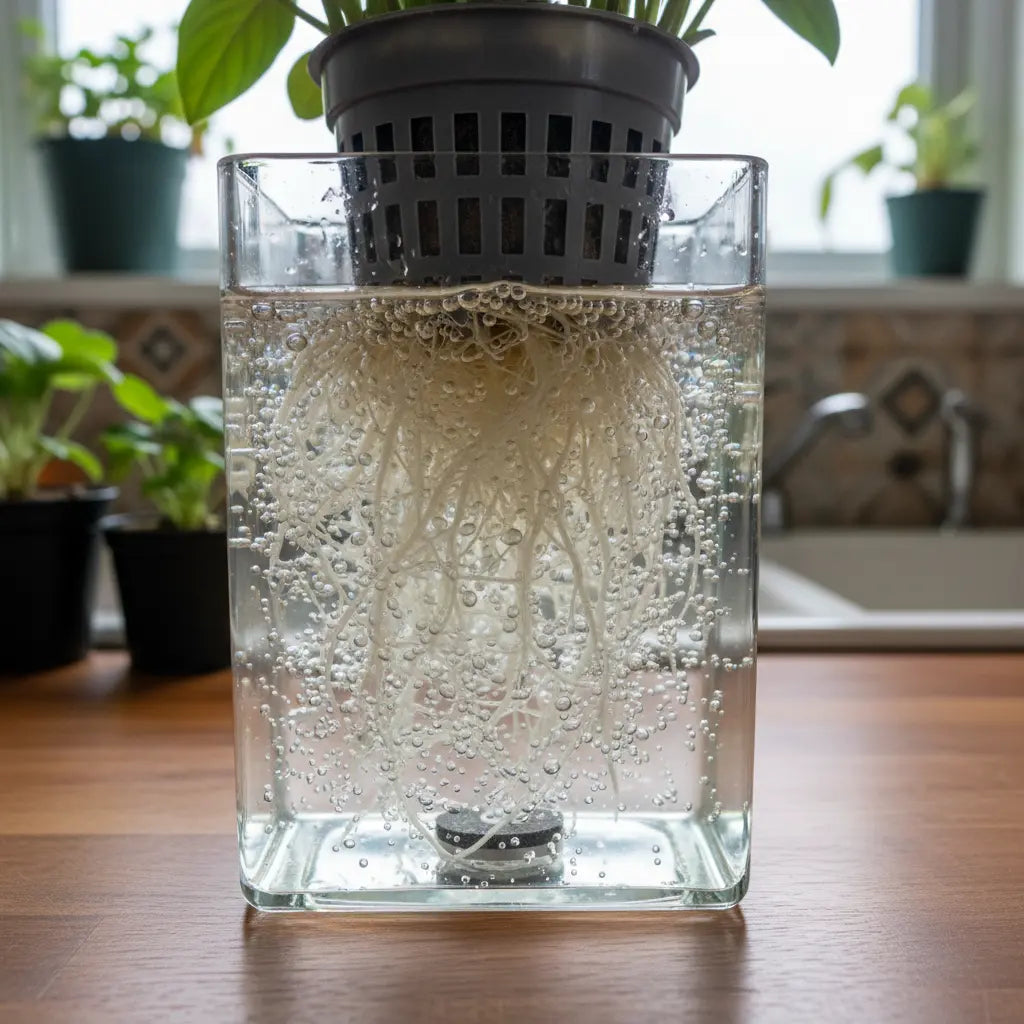
A hydroponic system works because plant roots receive oxygen in water, not just nutrients. This is one of the most misunderstood parts of hydroponic gardening. Many people assume that plants grow in water simply because nutrients are dissolved in it. In reality, oxygen availability at the roots is what determines whether the plant grows or declines.
Plant roots do not just absorb water. They also respire, which means they use oxygen to convert nutrients into usable energy. Without enough oxygen, this process slows down. Even if nutrients are present, the plant cannot use them efficiently.
This is why plants can fail even when they are fully submerged in nutrient-rich water. The issue is not the lack of nutrients. It is the lack of oxygen around the roots.
In traditional soil growing, this problem is less visible because soil naturally contains air pockets. These pockets allow oxygen to reach the roots. In a hydroponic system, those air pockets do not exist unless they are intentionally created. If you are still deciding between the two approaches, our hydroponics vs soil comparison covers this tradeoff in more depth.
This creates a key difference between basic water setups and functional hydroponic systems. Simply placing plants in water is not enough. The system must supply oxygen consistently.
Here is the core idea:
- Roots need oxygen to function properly
- Water alone does not provide sufficient oxygen
- Without oxygen, nutrient uptake slows or stops
- Oxygen levels directly affect plant growth and health
This is why two identical setups can produce very different results. One may show steady growth, while the other declines, even if both contain the same nutrients.
Understanding this changes how hydroponics is viewed. It is not just about feeding plants through water. It is about managing the environment around the roots, especially oxygen.
Once this concept is clear, it becomes easier to understand why some hydroponic systems perform better than others and why oxygen supply is one of the most important variables in plant growth.

In this guide:
Why Plant Roots Need Oxygen (Simple Explanation)
Plant roots need oxygen because they perform a process called respiration. This process allows roots to convert nutrients and sugars into energy that supports growth. Without oxygen, this energy production slows down, and the plant cannot function properly.
Even though plants produce oxygen in their leaves, their roots do not generate oxygen themselves. They depend entirely on their surrounding environment to supply it. In soil, this happens naturally through small air pockets between particles. In a hydroponic system, this must be created intentionally.
This is where confusion often happens. Water is essential for plants, but too much water without oxygen becomes a problem. When roots are surrounded by still water with low oxygen levels, they begin to suffocate. This is why overwatering in soil or poor aeration in hydroponics leads to similar issues.
The process is gradual but predictable. When oxygen levels drop:
- Roots absorb nutrients more slowly
- Energy production decreases
- Growth rate declines
- Root health begins to deteriorate
If the condition continues, the roots can develop rot, and the plant may stop growing altogether.
This explains why plants placed in plain water without movement or aeration often fail after a short period. The water may contain nutrients, but it does not contain enough dissolved oxygen to support long-term growth.
In a properly functioning hydroponic system, oxygen is introduced in a controlled way. This can be done through air pumps, water movement, or specific system designs that expose roots to both air and water.
The key point is that roots require a balance:
- Enough water to deliver nutrients
- Enough oxygen to support respiration
When both are present, plants grow efficiently. When oxygen is missing, the system becomes limited, no matter how much nutrient solution is provided.
Understanding this balance is essential for indoor growing. It explains why some setups produce strong, healthy plants while others struggle under similar conditions.
What Happens Without Oxygen (Failure Case)
When plant roots do not receive enough oxygen, the effects begin below the surface and are often misunderstood. At first, the plant may still look healthy. Leaves remain green, and growth continues slowly. However, the root system is already under stress.
Within 24 to 72 hours of low oxygen conditions, root respiration begins to decline. This reduces the plant's ability to convert nutrients into energy. Even if nutrients are present in the solution, they are not used efficiently.
Over time, this leads to a chain reaction:
- Nutrient uptake slows down
- Growth rate decreases
- Root tips lose activity
- Water absorption becomes inconsistent
After 3 to 5 days, visible symptoms often start to appear above the surface. Leaves may begin to droop, growth becomes uneven, and the plant may look weaker overall. This is often mistaken for nutrient deficiency, but the underlying issue is oxygen limitation.
If the condition continues, root health declines further. The roots may change from white to off-white or light brown. This indicates reduced oxygen availability and the beginning of root damage.
In more severe cases, especially in stagnant water, root rot can develop. This typically occurs after 5 to 10 days of poor oxygen conditions. At this stage, the plant's ability to recover becomes limited.
This explains why plants placed in still water without aeration often fail, even when nutrients are added. The system lacks the oxygen needed to sustain root function.
Here is how the progression typically looks:
- 0 to 24 hours: no visible change, but oxygen begins decreasing
- 24 to 72 hours: slower growth, reduced nutrient uptake
- 3 to 5 days: visible stress, drooping leaves, uneven growth
- 5 to 10 days: root discoloration, potential rot, major decline
This timeline can vary depending on temperature and plant type, but the pattern remains consistent. Oxygen deficiency affects roots first, then the entire plant.
The important takeaway is that water alone does not keep roots healthy. Without oxygen, the system becomes unstable, and plant performance declines even if everything else appears correct.

How a Hydroponic System Delivers Oxygen to Roots
A hydroponic system is designed to solve the main limitation of growing plants in water: oxygen supply. Instead of relying on natural air pockets like soil, these systems actively introduce oxygen into the root zone in a controlled way.
There are several methods used to deliver oxygen, but they all aim to maintain a consistent balance between water and air around the roots. When this balance is stable, roots remain active and continue absorbing nutrients efficiently.
The most common approach is aeration using an air pump and air stone. The pump pushes air through the water, creating small bubbles that increase the amount of dissolved oxygen. This also keeps the water moving, which prevents stagnation.
Another method is water circulation. In some hydroponic systems, water is constantly flowing or cycling. This movement helps bring oxygen into contact with the roots and prevents oxygen depletion in one area.
More advanced systems expose roots directly to air while still providing moisture. These setups alternate between wet and dry conditions, allowing roots to access both water and oxygen naturally. A vertical hydroponic system is a good example of a design built around this kind of airflow.
Here are the main ways a hydroponic system delivers oxygen:
- Air pumps and air stones: create bubbles that increase dissolved oxygen
- Water movement or circulation: prevents oxygen from being depleted in still areas
- Root exposure cycles: allow roots to access both air and moisture
- System design and spacing: improves airflow and oxygen distribution
The impact of these methods is measurable. In well-aerated systems, roots remain white and active, and plants grow steadily. In poorly aerated systems, even with the same nutrients, growth slows down.
For example:
- Low oxygen setup: slower growth rate, smaller leaves, inconsistent development
- Well-oxygenated hydroponic system: faster nutrient uptake, larger and more frequent leaf growth, stable and predictable results
This is why hydroponic systems often outperform basic water setups. The difference is not just nutrients. It is the continuous supply of oxygen to the roots.
Understanding this explains why simple adjustments, such as adding an air pump, can significantly improve plant performance. It is not about increasing nutrients. It is about enabling the roots to use what is already available.

What Improves Oxygen Levels in Hydroponic Systems
Oxygen levels in a hydroponic system are not fixed. They change based on how the system is designed and how it is maintained. Small adjustments can significantly improve how much oxygen reaches the roots and how consistently it stays available.
One of the most important factors is water movement. Still water loses oxygen quickly because there is no exchange with air. When water moves, oxygen is continuously mixed into the solution, keeping levels stable.
Temperature also plays a major role. Warmer water holds less dissolved oxygen than cooler water. Even a small increase in temperature can reduce oxygen availability and affect root performance. This is why indoor setups can behave differently depending on the room conditions.
Another key factor is bubble size. Smaller bubbles provide more surface area, which increases the amount of oxygen that dissolves into the water. This is why air stones are commonly used instead of simply pumping air into the system.
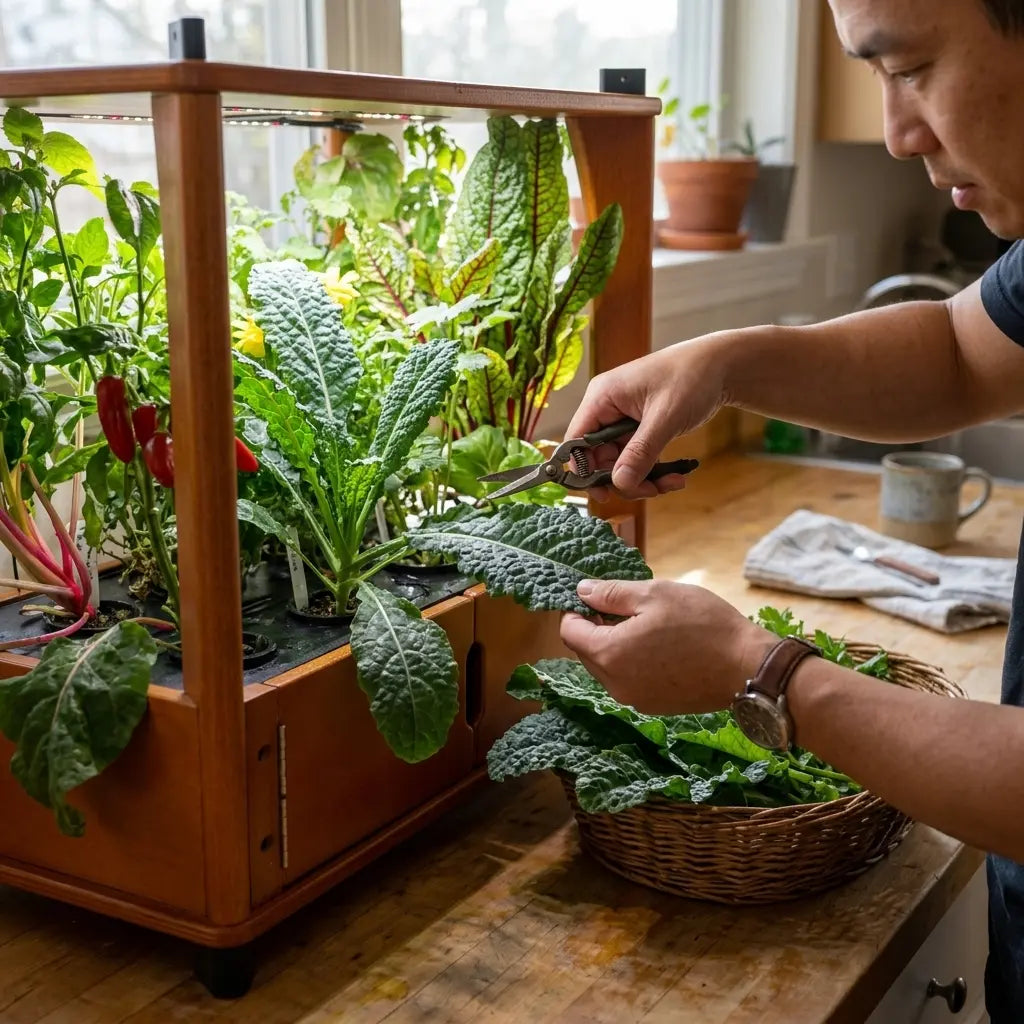
Plant density also affects oxygen levels. More roots in the same space consume oxygen faster. If the system does not compensate with increased aeration, oxygen levels drop over time. This is one reason a well-planned setup, like the produce grown at the scale shown in our kale yield study, depends on aeration that keeps pace with root mass.
Here are the main factors that influence oxygen levels:
- Water movement: keeps oxygen distributed throughout the system
- Water temperature: cooler water holds more oxygen
- Air bubble size: smaller bubbles increase oxygen transfer
- Plant density: more roots require more oxygen supply
- System maintenance: clean systems maintain better oxygen flow
The effect of these factors becomes visible in plant performance.
- Low oxygen conditions: slower growth, weaker root systems, inconsistent results
- Optimized oxygen conditions: faster nutrient uptake, stronger root development, steady and predictable growth
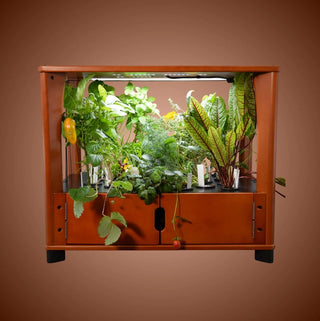
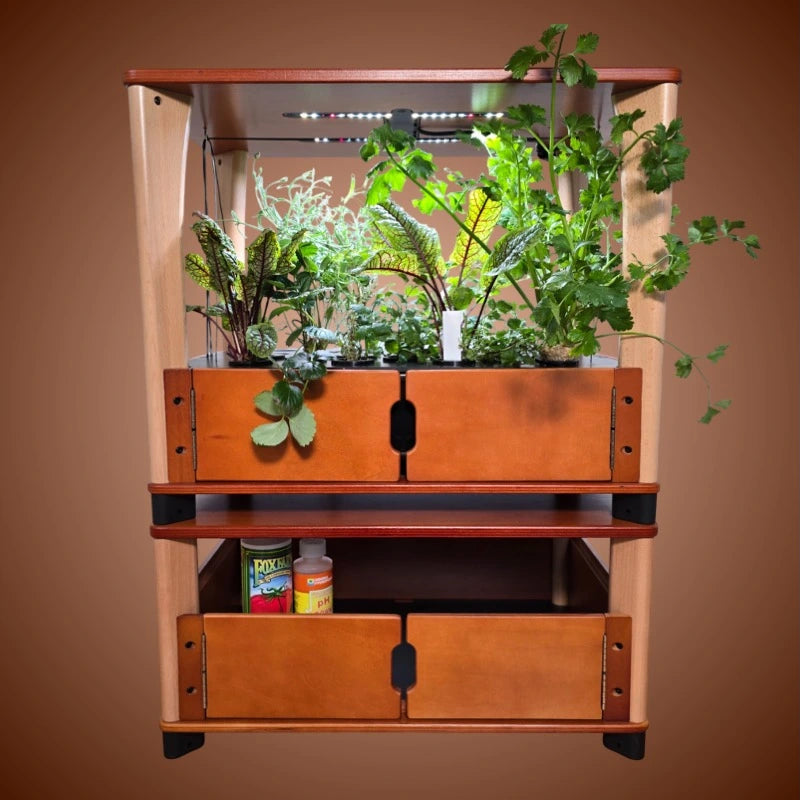
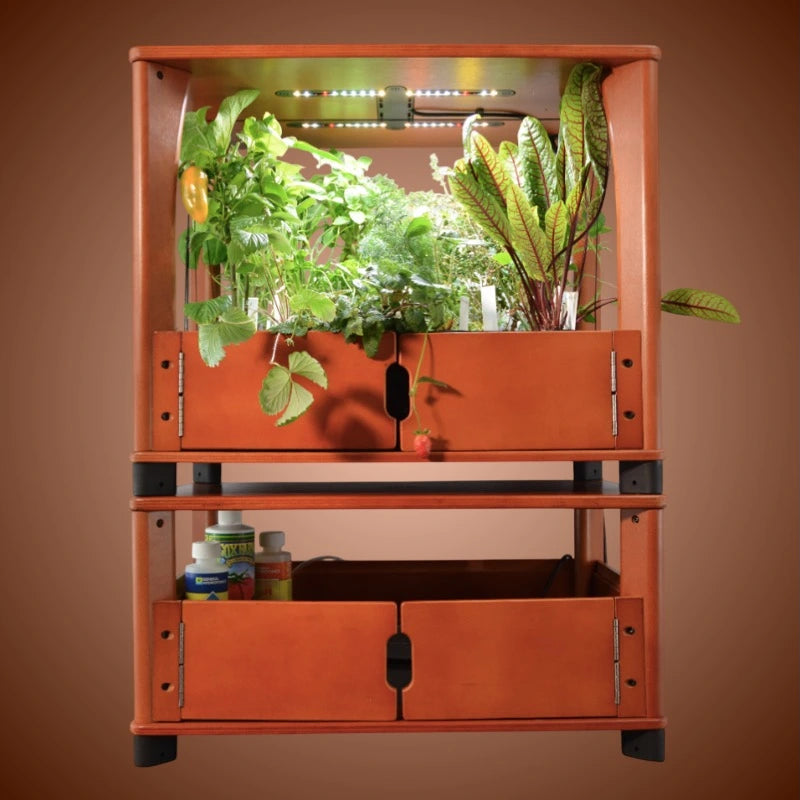
In practical terms, improving oxygen levels does not require major changes. Adjustments such as adding an air stone, improving water flow, or maintaining stable temperatures can make a measurable difference, and a ready-made system like the Aquager Home Farm already accounts for these factors by design.
For example:
- Increasing aeration can improve growth rates within a few days
- Stabilizing temperature can prevent gradual decline over 1 to 2 weeks
- Reducing overcrowding can improve consistency across the entire system
These improvements work because they address the root environment directly. When roots receive enough oxygen, the rest of the plant responds naturally.
This is why oxygen management is one of the most important aspects of hydroponic growing. It directly controls how efficiently plants use water and nutrients.
In Short (Why Oxygen Determines Plant Health in Hydroponics)
Plant roots need oxygen because they use it to produce energy for growth. In a hydroponic system, this becomes the most important factor since roots are surrounded by water instead of air.
In short, hydroponic systems work not just because they deliver nutrients, but because they deliver oxygen to the roots at the same time. Without that oxygen, plants cannot use nutrients effectively, and growth slows down or stops.
Here is the concept simplified:
- Roots respire using oxygen: this powers nutrient uptake
- Water alone is not enough: it must contain dissolved oxygen
- Oxygen levels control growth speed: more oxygen means more active roots
- Low oxygen leads to stress and decline: even if nutrients are present
- Hydroponic systems are designed to manage oxygen: through aeration and movement
This explains why plants placed in still water often fail, while plants in a proper hydroponic system thrive. The difference is not the presence of nutrients. It is the availability of oxygen.
If you are struggling with plant growth in water, the issue is often not what you are adding to the system. It is what is missing from the root environment.
From a practical perspective:
- Healthy roots should appear white and active
- Growth should remain steady and consistent over time
- Plants should respond quickly to stable conditions
If these are not happening, oxygen levels are often the limiting factor.
Understanding this helps simplify hydroponics. It is not about adding more inputs. It is about balancing water, nutrients, and oxygen so the plant can function properly.
Once oxygen is consistently available, plants become more predictable, and growth becomes easier to manage indoors.

Start Growing with the Right System
Understanding how oxygen affects plant roots changes how you approach indoor growing. It explains why some setups work consistently while others struggle, even when using the same nutrients.
In hydroponic systems, the goal is not just to deliver water to the plant. It is to create an environment where roots receive both nutrients and oxygen at the same time. When this balance is stable, plants grow faster, recover quicker, and produce more consistently.
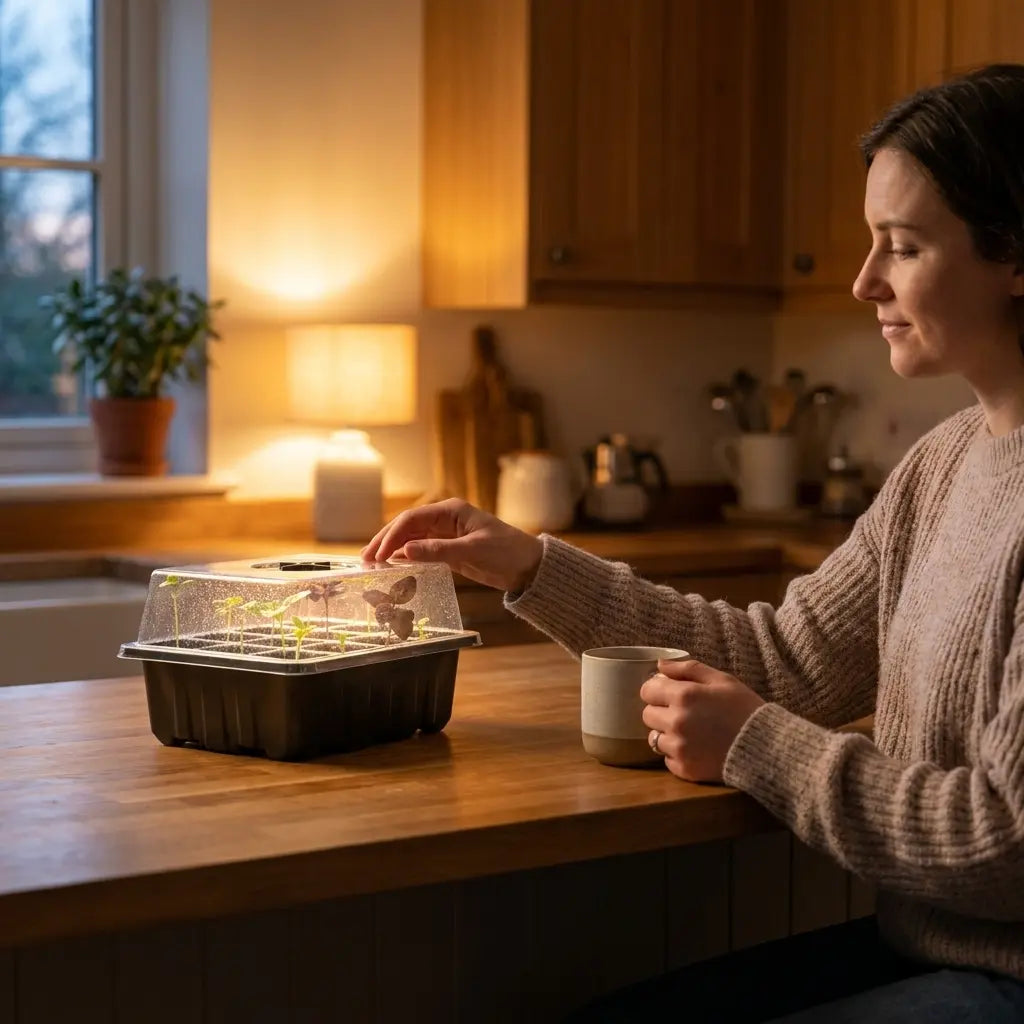
If you are looking to grow plants indoors, it helps to use systems designed with this balance in mind. These setups simplify oxygen delivery through built-in aeration or water movement, making the growing process more predictable.
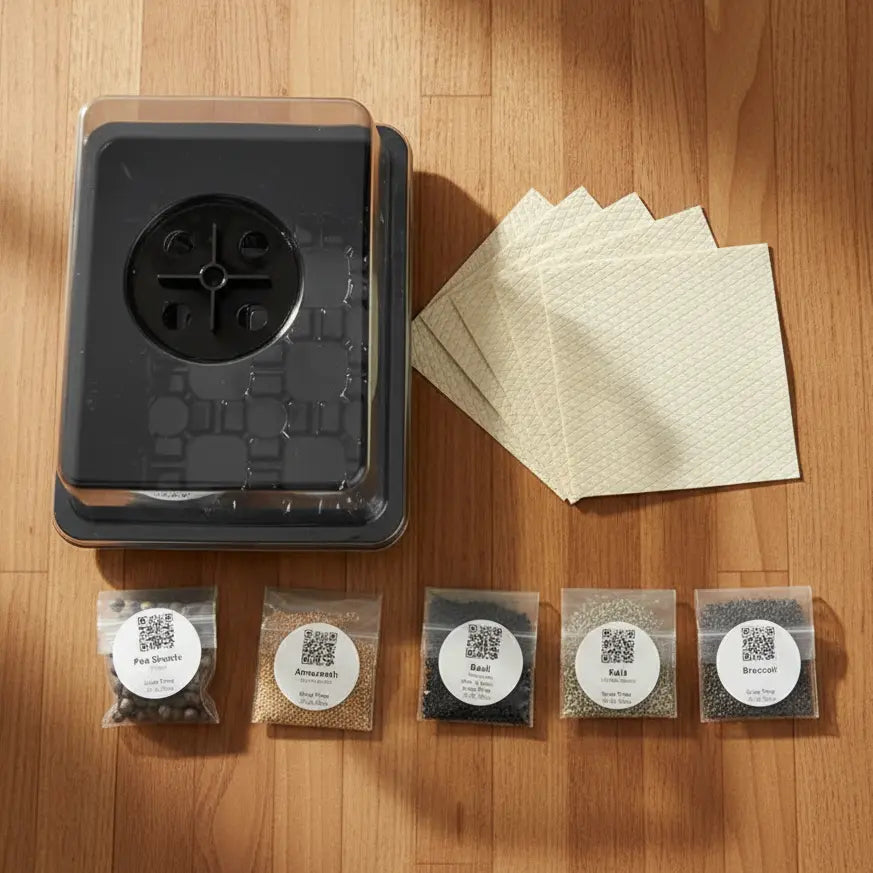
You can explore solutions like the Aquager Hydroponic Home Farm or beginner-friendly options such as the Aquager Grab & Grow Kit to see how structured hydroponic systems manage root conditions effectively.
The goal is not to make growing more complex. It is to remove the variables that cause inconsistency. Once oxygen, water, and nutrients are balanced, plants respond naturally, and indoor growing becomes easier to maintain over time.
Once you have a system that keeps roots properly oxygenated, the next question is how much that translates into actual harvests. Our basil yield study shows what that output looks like in practice, plant by plant.
Mini FAQ
Do plant roots really need oxygen in water?
Yes, plant roots need oxygen even when submerged in water. Without enough oxygen, roots cannot perform respiration, which slows down growth and nutrient uptake.
What happens if hydroponic roots don't get oxygen?
Roots begin to suffocate, nutrient absorption decreases, and growth slows. Over time, this can lead to root damage or rot.
How do hydroponic systems add oxygen to water?
Most systems use air pumps, air stones, or water circulation to introduce oxygen into the nutrient solution and keep it evenly distributed.
Can plants survive in still water without aeration?
Plants may survive temporarily, but long-term growth is usually limited. Without aeration, oxygen levels drop, which affects root health and overall plant performance.
Author: Aquager Team · Published: March 18, 2026 · Updated: August 24, 2026 · Reviewed: August 24, 2026 (Phase 3)












0 comments