
Why Indoor Plants Get Bugs (And Why It Feels So Frustrating)
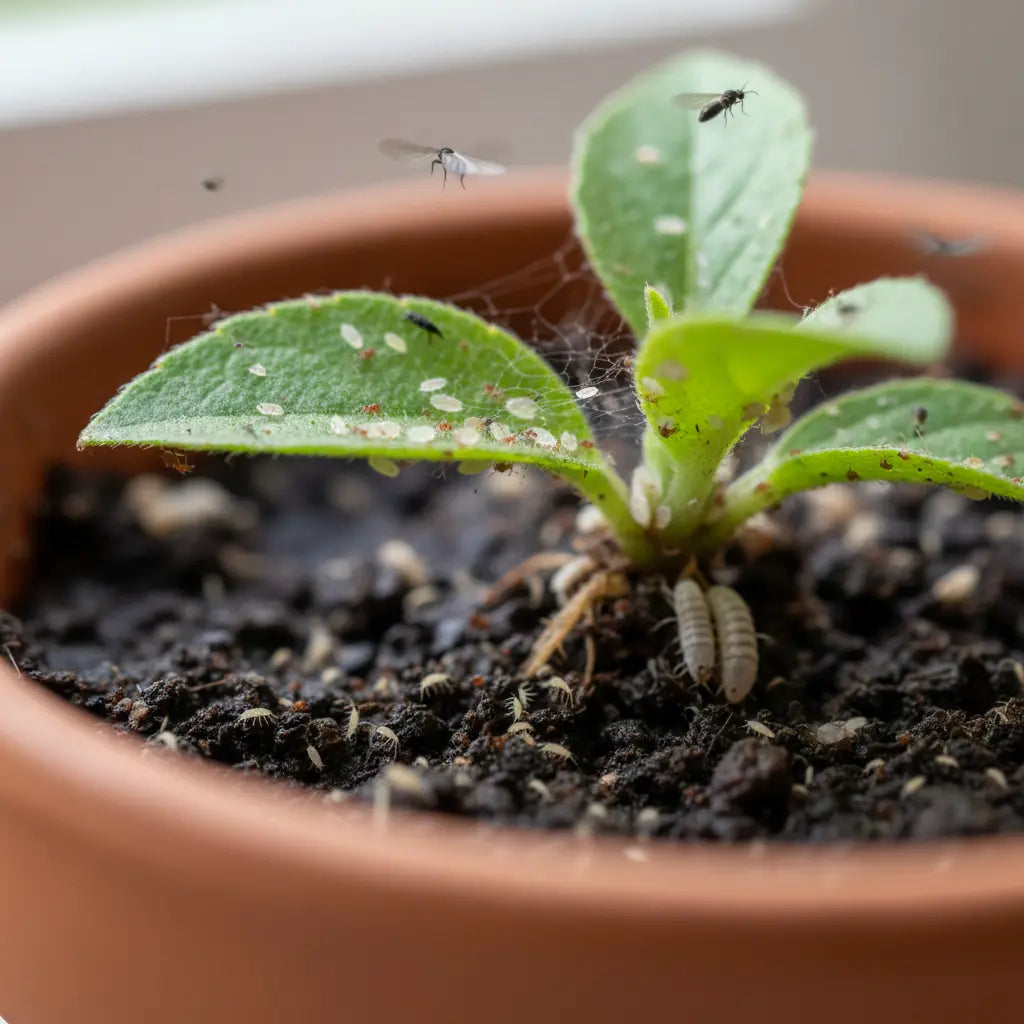
Fungus gnats in indoor plants and other small bugs are one of the most common reasons people give up on growing plants at home. You start with a few herbs or greens, everything looks fine, and then suddenly there are tiny flies hovering around the soil or crawling near the base of the plant.
It feels like the problem appears out of nowhere.
In short: indoor plants get bugs because soil stays moist, airflow is limited, and there are no natural predators to keep pests under control.
This issue shows up much faster indoors than most people expect. Inside a home, the environment is stable. Temperatures stay warm, watering is consistent, and there is very little disturbance. While this sounds ideal for plant growth, it also creates the perfect conditions for pests to multiply.
Fungus gnats are the most common example, but they are not the only ones. Indoor plants can also attract mites, tiny soil insects, and other small pests that are difficult to see at first. These bugs often live in or near the soil, which makes them hard to detect until their population grows.
What makes this especially frustrating is that it happens even when you are doing everything “right.”
You water carefully.
You follow instructions.
You place your plants in a good spot.
And still, the bugs show up.
This leads many people to assume they are making mistakes. But in most cases, the issue is not caused by poor care. It is caused by how indoor growing environments behave.
Inside a home, there is no natural balance. Outdoors, insects compete with each other, weather disrupts breeding cycles, and soil dries out regularly. Indoors, none of that happens. Once pests find a suitable environment, they can reproduce quickly without interruption.
Common signs that something is wrong include:
- Small flies hovering near your plants
- Bugs appearing every time you water
- Soil that stays damp for days
- Plants that suddenly slow down in growth
These signs often appear together, creating a cycle that is difficult to break. Many people try quick fixes like sprays, traps, or changing watering habits. Sometimes these help for a short time, but the problem often comes back.
If you are dealing with this, you are not alone — and more importantly, you are not doing something fundamentally wrong.
There is a more reliable way to grow indoors without constantly fighting pests, and we’ll get to that later in this guide.

Why Soil Is the Real Cause of Most Indoor Plant Bugs
When people deal with bugs in indoor plants, the first instinct is usually to change how they care for the plant. They water less, move the pot, or try different sprays. While these actions can help temporarily, they rarely solve the problem completely.
The reason is simple.
The issue is not just how you care for the plant.
The issue is what the plant is growing in.
In most indoor setups, that means soil.
Soil works very well outdoors because it is part of a living ecosystem. It is constantly exposed to sunlight, airflow, and natural cycles that keep moisture levels changing. Organisms compete with each other, and excess moisture evaporates quickly. This creates a balance that is difficult for pests to dominate.
Indoors, that balance disappears.
Inside a home, soil behaves differently:
- It stays moist for longer periods
- Air movement is limited
- There is no natural disruption from weather
- Microbial activity becomes concentrated
These conditions create an environment where pests can thrive.
Fungus gnats are the clearest example. They are not interested in the plant itself. They are attracted to moist organic material inside the soil. When the top layer stays damp, it becomes a perfect place for them to lay eggs.
Once that happens, the cycle begins:
- Eggs are laid just below the soil surface
- Larvae feed on organic matter and root material
- New adults emerge within days
- The population grows quickly
Because most of this process happens below the surface, it often goes unnoticed at first. By the time you see flies, the problem is already established.
Another challenge with soil indoors is inconsistency. Even when you water carefully, some parts of the pot may stay wet while others dry out. These pockets of moisture allow pests to survive even if you try to reduce watering.
This creates a frustrating loop.
You try to keep the soil drier to stop bugs.
But the plant starts to suffer.
You water again to help the plant.
And the bugs return.
This cycle is one of the main reasons people feel like indoor gardening is unpredictable or difficult.
Understanding that soil is the primary driver of indoor plant pests changes how you approach the problem. Instead of constantly reacting to bugs, you begin to look at the environment that allows them to exist in the first place.
Once you see that pests depend on moist soil conditions, it becomes much easier to understand why certain growing methods avoid these problems entirely — and why others struggle with them again and again.

Why Most Indoor Plant Pest Solutions Don’t Actually Work
Once people notice fungus gnats in indoor plants or other small bugs, the next step is usually to look for a quick solution. There are many common recommendations online, and most of them seem reasonable at first. You try one method, then another, hoping something will finally stop the problem.
The issue is that most of these solutions focus on reducing symptoms, not removing the cause.
Some of the most common approaches include:
- Letting the soil dry out
- Using sticky traps to catch flying insects
- Applying sprays like neem oil
- Changing watering frequency
- Replacing the top layer of soil
Each of these can help temporarily. Sticky traps can reduce the number of visible flies. Drying the soil can interrupt part of the lifecycle. Neem oil can target larvae and insects on contact. These methods are not wrong — in fact, many of them are useful tools.
The problem is that they do not change the underlying environment.
As long as the plant is growing in soil that stays moist, the conditions that allow pests to exist are still present. Even if you reduce the population, it only takes a small number of surviving insects for the cycle to start again.
This is why many people feel like they are constantly fighting the same issue. The pattern often looks like this:
- Bugs appear
- You apply a solution
- The problem improves for a short time
- Bugs return again
Over time, this becomes frustrating. You start to feel like indoor gardening requires constant maintenance just to keep pests under control. What began as a simple idea — growing food at home — turns into an ongoing effort to manage small problems.
Organic solutions like neem oil or beneficial insects can still play an important role, especially if you want to avoid harsh chemicals. They are often the best choice when dealing with active infestations. However, even organic treatments work best when they are part of a broader approach rather than the only solution.
The key insight here is that pest control is much easier when you reduce the conditions that allow pests to thrive in the first place.
Instead of asking, “How do I get rid of these bugs?” the better question becomes, “Why does my growing setup allow them to exist?”
Once you shift your focus this way, the limitations of most common solutions become much clearer. They are helpful tools, but they are not designed to eliminate the root cause of the problem.
Understanding this is an important step, because it opens the door to a different way of thinking about indoor growing — one where the environment itself is designed to reduce pests, rather than constantly reacting to them after they appear.

Why Controlled Growing Environments Reduce Pests
After dealing with bugs in indoor plants and trying different solutions, many people begin to notice a pattern. The issue is not just the presence of insects, but the environment that allows them to appear again and again. Once that becomes clear, the focus naturally shifts from reacting to pests toward preventing them altogether.
This is where controlled growing environments make a significant difference.
Unlike traditional soil-based setups, controlled systems are designed to limit the conditions that pests depend on. Instead of relying on soil, these systems use clean growing methods where plant roots are supported in water or inert materials. Without moist organic soil, one of the main breeding grounds for pests is removed.
This single change has a major impact.
Fungus gnats, for example, rely on damp soil to complete their lifecycle. Without that environment, they lose their primary place to lay eggs and develop. While it is still possible for pests to appear in any indoor setting, their ability to multiply is greatly reduced when the growing medium no longer supports them.
Controlled environments also improve consistency.
In soil setups, moisture levels can vary from one part of the pot to another. Some areas remain wet, while others dry out. These inconsistencies create hidden pockets where pests can survive even when you adjust your watering routine. In a controlled system, water and nutrients are managed more evenly, reducing these unpredictable conditions.
Another important factor is cleanliness.
Soil naturally contains organic matter that breaks down over time. This process supports microbial life, but it can also attract unwanted insects. In contrast, soil-free systems reduce the amount of decomposing material present around the roots. With fewer organic residues, there is less for pests to feed on.
A controlled growing setup typically offers:
- A cleaner root environment with minimal organic debris
- More consistent moisture levels
- Reduced breeding areas for pests
- Easier monitoring of plant health
These factors work together to create a growing environment that is much more stable. Instead of constantly adjusting care routines to fight pests, the system itself helps prevent the problem from developing in the first place.
This does not mean that pests are completely impossible. However, it does mean that they are far less likely to become a persistent issue. When the environment is designed to limit their lifecycle, pest control becomes simpler and more manageable.
For many people, this is the point where indoor growing starts to feel predictable again. Instead of reacting to problems, they are working within a system that reduces the chances of those problems appearing in the first place.

Why Aquager Farms Stay Clean and Predictable
After understanding why fungus gnats in indoor plants appear and why many common solutions only work temporarily, the difference between traditional setups and controlled systems becomes much clearer. The goal is no longer just to remove bugs, but to create an environment where they struggle to exist in the first place.
This is the principle behind how Aquager farms are designed.
Instead of relying on traditional soil, Aquager systems use a clean, controlled growing environment where plant roots have direct access to water, nutrients, and oxygen. The system uses organic grow mediums such as coco coir and peat, which provide structure for the roots without introducing the same risks associated with store-bought soil.
One important advantage of this approach is that the system starts clean. Unlike many soil products, which can already contain fungus gnat eggs or other pests, these grow mediums do not introduce insects into the system from the beginning. This significantly reduces the chances of dealing with bugs early in the growing process.
At the same time, it is important to understand how pests can still appear. Insects are not always created inside the system — they can also be introduced from outside. For example:
- Bringing in plants from outside or from stores
- Placing infested pots near the system
- Leaving windows open in environments with insects
If pests are introduced this way, the moist grow medium can still support their lifecycle. However, this situation is relatively uncommon and much easier to control compared to traditional soil setups, where pests often originate directly from the growing medium itself.
Another important advantage is visibility and control. Because the system is structured and open, it is easier to monitor plant health and spot potential issues early. There are fewer hidden areas where pests can develop unnoticed, which reduces the chances of infestations becoming established.
For many people, this changes the entire experience of growing plants indoors. Instead of reacting to problems, they are working within a setup that minimizes them from the beginning.
This does not mean that organic solutions are no longer useful. Products like neem oil can still play a role, especially if pests are introduced from external sources. In those cases, natural treatments can help address the issue quickly without introducing harsh chemicals into the home.
However, the key difference is that these solutions become occasional tools rather than ongoing necessities. When the growing environment is clean and controlled, pest management becomes far less demanding.
If you are currently dealing with bugs in your indoor plants, shifting the focus from “how do I get rid of them” to “why do they keep appearing” can completely change your approach. Once you remove the conditions that support pests, the problem becomes much easier to manage.
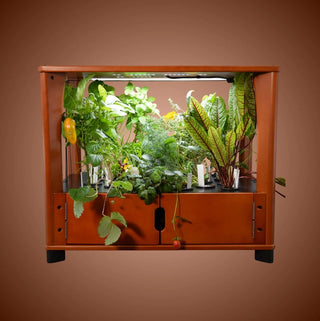
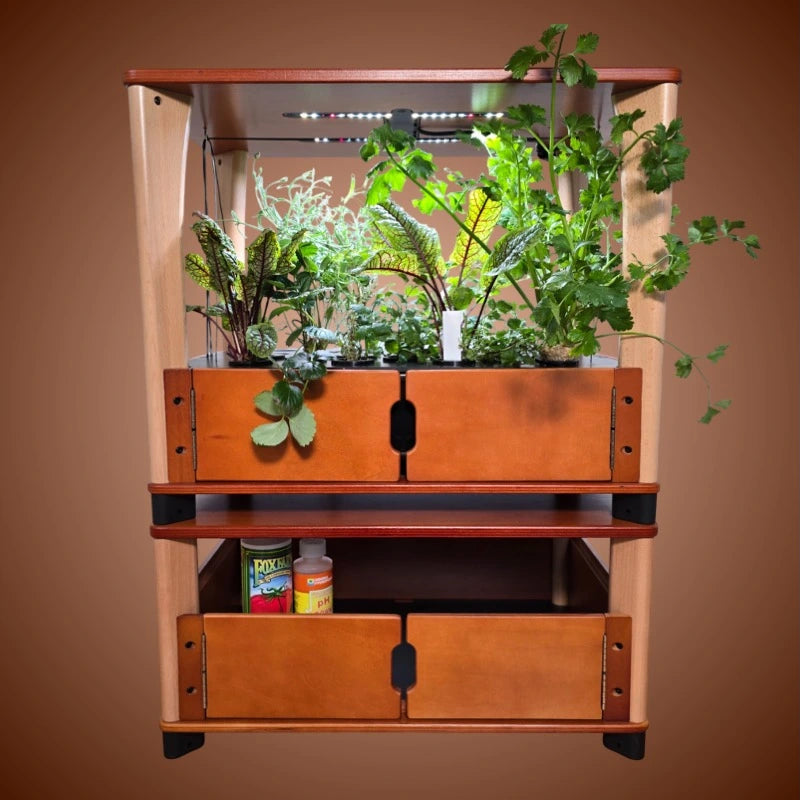
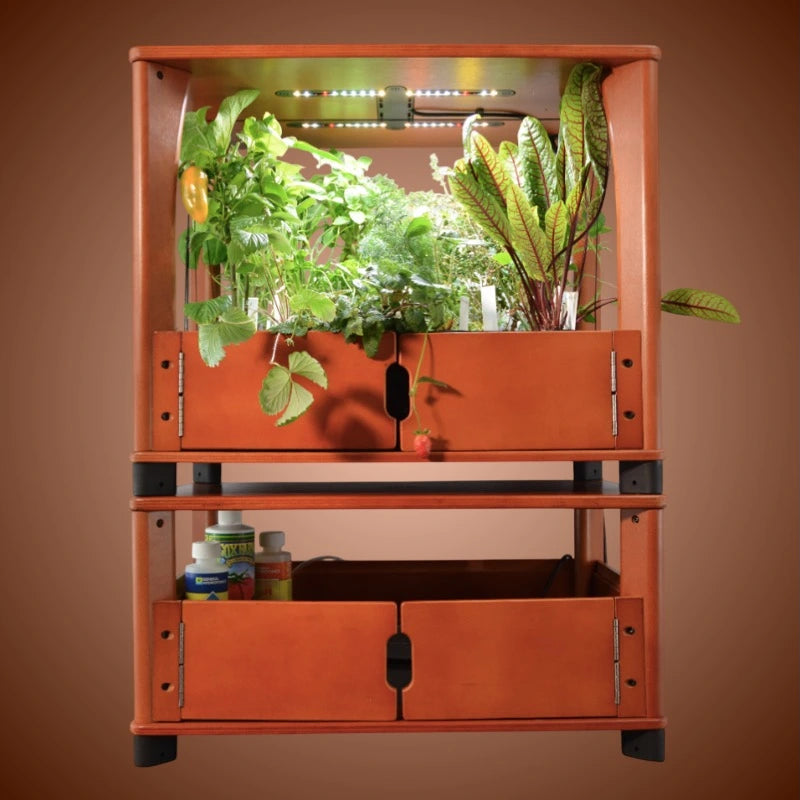
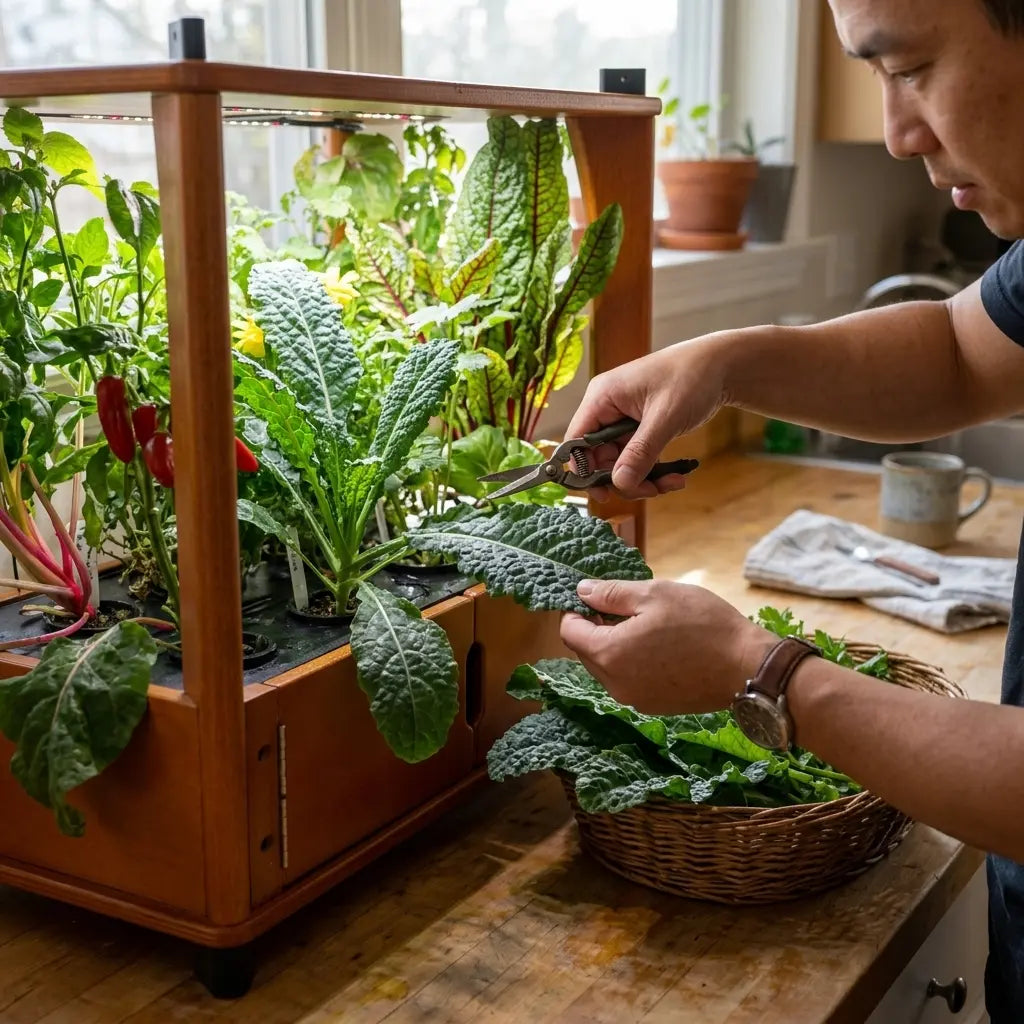
If you want to see how this works in practice, you can explore the Aquager Home Farm, which is designed to provide a soil-free, controlled growing environment that reduces common indoor plant issues.
For those looking to take an additional organic approach, combining a clean growing system with occasional natural treatments like neem oil can create a reliable, low-maintenance setup for indoor ORGANIC food production.

Mini FAQ
Why do indoor plants get fungus gnats?
Fungus gnats are attracted to moist soil where they lay eggs. Indoor conditions allow them to reproduce quickly.
Can you completely avoid bugs indoors?
While no environment is completely immune, starting with clean grow mediums and reducing soil greatly lowers the chances of infestations.
Does hydroponics eliminate pests?
Hydroponic systems reduce the main breeding conditions for pests, making infestations much less likely, though external introduction is still possible.
Is neem oil safe for indoor plants?
Neem oil is a common organic treatment that can help control pests without using harsh chemicals.
Author: Aquager Team · Published: March 16, 2026 · Updated: August 2, 2026 · Reviewed: August 2, 2026 (Phase 2)











0 comments