
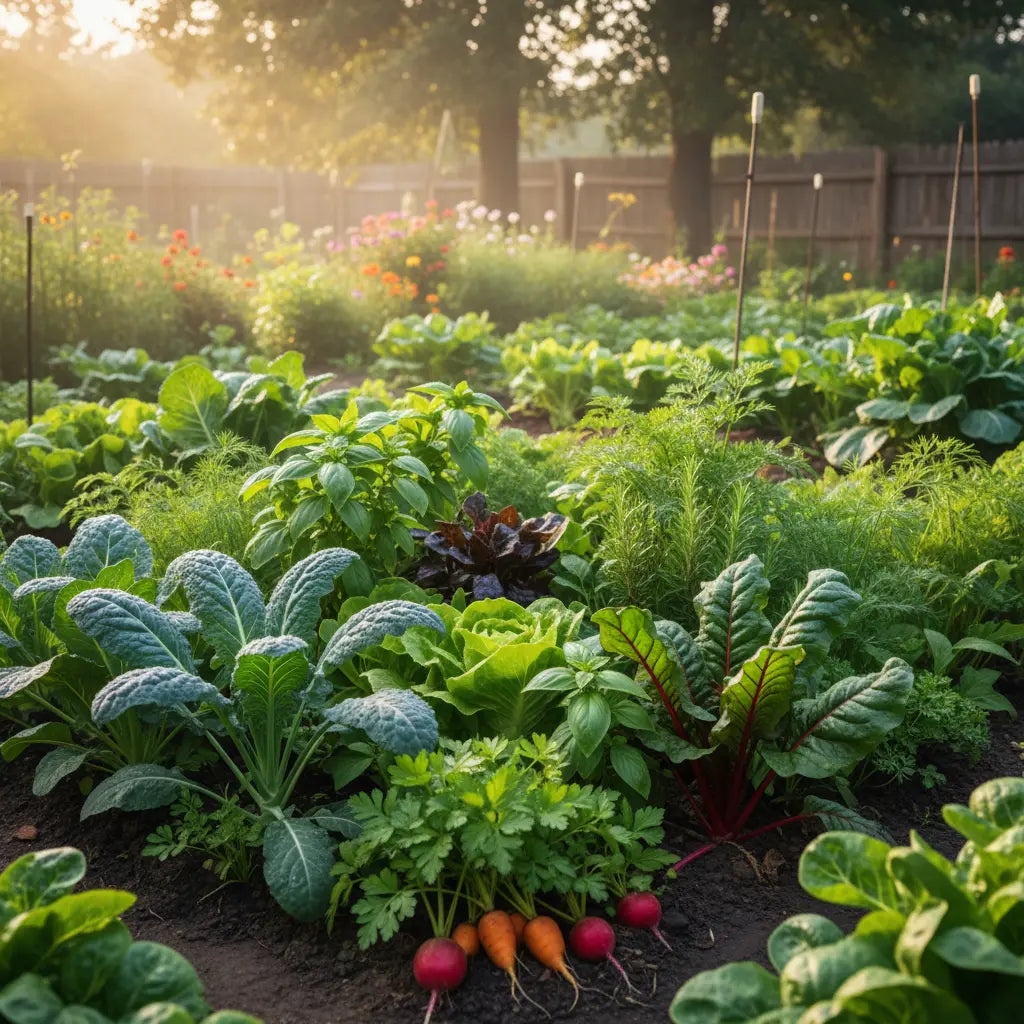
What Organic Gardening Really Means
Organic gardening is often described as growing plants without synthetic chemicals, but for most beginners, the idea is much simpler. It means growing food in a way that feels clean, natural, and safe to consume. People associate it with fresh herbs, vegetables, and fruits that are free from pesticides and artificial inputs.
At a basic level, organic gardening focuses on a few key principles:
- Avoiding synthetic pesticides and fertilizers
- Supporting natural plant growth cycles
- Using clean or naturally derived growing inputs
- Maintaining a healthy growing environment
For many people, this approach starts outdoors. Gardens, raised beds, and backyard setups make it easier to follow organic methods because nature helps maintain balance. Sunlight, airflow, rain cycles, and natural organisms all play a role in keeping plants healthy. If something goes wrong, the environment often corrects itself over time.
Because of this, organic gardening for beginners is usually presented as something accessible and rewarding. You plant seeds, care for them consistently, and eventually harvest fresh food. The process feels intuitive and closely connected to nature.
However, this simplicity changes once you try to bring the same idea indoors.
Inside a home, the environment is no longer supported by natural systems. There is limited airflow, no rain cycles, and no ecosystem to stabilize plant growth. Conditions become much more controlled, which means the responsibility shifts entirely to the grower.
This is where many people start to struggle.
What works outside does not always translate well indoors. Soil behaves differently, moisture stays longer, and problems like pests or inconsistent growth can appear more quickly. The idea of growing clean, organic food at home is still possible, but it requires a different approach than traditional outdoor gardening.
There is a way to grow clean, controlled food indoors without relying on unpredictable conditions, and we’ll explore how that works later in this guide.
Why Organic Gardening Becomes Much Harder Indoors
The idea of organic gardening feels simple when it is described in an outdoor context. Sunlight, airflow, and natural cycles help regulate plant growth, and many problems resolve themselves over time. When you move that same approach indoors, however, the conditions change completely.
Growing plants inside a home removes many of the natural systems that outdoor gardens rely on. There is no rain to flush the soil, no wind to improve airflow, and no natural balance between organisms. Instead, everything becomes more stable and controlled — which sounds beneficial at first, but often creates new challenges.
One of the biggest differences is how moisture behaves. Indoors, soil tends to stay wet for longer periods because evaporation is slower. Without strong airflow or direct sunlight, water does not cycle through the system as efficiently. This creates an environment where small issues can develop quickly.
Another challenge is the lack of natural regulation. Outdoors, temperature changes, weather patterns, and biological interactions constantly shift conditions. Indoors, those variations are minimal. While this stability can support plant growth, it also means that any imbalance — such as excess moisture or poor drainage — remains consistent over time.
This is why many people notice that indoor organic gardening feels less predictable than expected.
Common challenges include:
- Soil staying damp for too long
- Increased risk of pests and mold
- Slower or inconsistent plant growth
- Difficulty balancing watering and plant health
These problems are not caused by a lack of effort. In many cases, they appear even when you follow common advice. The issue is that indoor environments require a different way of thinking about plant growth.
Another important factor is control. Outdoors, organic gardening relies heavily on natural systems to maintain balance. Indoors, that responsibility shifts entirely to the grower. Every input — water, nutrients, light — must be managed more precisely.
This becomes especially important when trying to grow organic food indoors. The goal is not only to grow plants, but to maintain a clean and reliable growing environment without introducing unwanted chemicals or contaminants.
For many beginners, this is where frustration begins. What initially seemed like a simple extension of outdoor gardening becomes a process that requires constant adjustments. Small changes in watering or placement can lead to noticeable differences in plant health.
Understanding this shift is critical. Indoor growing is not just outdoor gardening moved inside — it is a different system entirely. Once you recognize that, it becomes easier to see why certain methods work better than others, and why some approaches feel much more consistent over time.

Why Store-Bought “Organic” Food Isn’t Always What You Expect
As interest in organic gardening grows, many people turn to grocery stores expecting organic produce to offer a cleaner, healthier option. Labels such as “organic,” “natural,” or “pesticide-free” suggest a higher standard of food quality, and in many cases, they do reflect improved practices compared to conventional farming.
However, the reality is often more complex than it appears.
Organic certification focuses on how food is grown, not necessarily on how it is handled, transported, or stored afterward. By the time produce reaches a store, it has usually gone through harvesting, packaging, transportation, and shelf storage. During this process, freshness declines, and the level of control over the product decreases.
For example, organic produce may still:
- Travel long distances before reaching stores
- Sit in storage for extended periods
- Be exposed to varying temperatures and conditions
- Lose flavor and nutritional quality over time
Even though the growing process follows organic standards, the final product may not feel as fresh as expected. Many people notice that herbs wilt quickly, leafy greens lose their texture, or vegetables do not last as long as they would like.
Another important factor is transparency. When you buy produce from a store, you are relying on labels and certifications to understand how it was grown. While these systems are regulated, they still require a level of trust. You do not see the growing process directly, and you have limited control over how the food was handled before it reached you.
This is where the idea of growing your own food becomes more appealing.
When you grow organic vegetables indoors, you gain direct control over the process. You know what inputs are used, how the plants are maintained, and when they are harvested. Instead of relying on supply chains, you are working with a system that exists within your own environment.
At the same time, this raises an important question.
If store-bought organic produce already has limitations, and indoor growing introduces its own challenges, how do you create a system that actually delivers consistent, clean food at home?
The answer lies in control — not just over what you use, but over the environment itself.
Once you start thinking in terms of controlled conditions rather than traditional gardening methods, the gap between store-bought organic food and home-grown produce becomes much clearer. This is where indoor growing begins to shift from trial-and-error toward a more predictable and reliable approach.

What It Takes to Grow Clean Food Indoors
After understanding the limits of traditional organic gardening and the challenges of growing indoors, the next step is to look at what actually makes indoor food production work. The goal is not just to grow plants, but to grow them in a way that is clean, consistent, and reliable over time.
To do that, the environment needs to be controlled.
Unlike outdoor gardening, where natural systems regulate conditions, indoor growing depends entirely on how the system is designed. Every key factor — water, nutrients, light, and airflow — must be managed in a way that supports plant growth without introducing instability.
When people try to apply outdoor methods indoors, problems often come from a lack of control. Soil retains moisture unevenly, lighting conditions vary throughout the day, and small environmental imbalances can affect plant health. Over time, this leads to inconsistent results.
A controlled indoor growing approach focuses on removing these variables as much as possible.
This typically involves:
- Maintaining consistent moisture levels instead of unpredictable wet and dry cycles
- Providing stable lighting conditions that do not depend on sunlight
- Using clean growing mediums that do not introduce contaminants
- Ensuring roots have access to both water and oxygen
- Reducing exposure to external factors that can disrupt plant growth
When these elements are managed together, the growing environment becomes much more predictable. Plants receive what they need in a steady and controlled way, which reduces stress and supports healthier development.
Another important aspect is cleanliness. In traditional soil-based systems, organic matter breaks down over time, which can introduce variability and increase the risk of issues like pests or mold. In a controlled system, the goal is to minimize these variables by using materials and structures that support plant growth without unnecessary complexity.
This is especially important when the goal is to grow organic food indoors. Clean inputs alone are not enough. The environment itself must support consistency, otherwise small problems can quickly affect plant quality.
For many people, this is the point where indoor growing becomes much easier to manage. Instead of adjusting multiple variables at once, they are working within a system that is designed to stay stable.
Once you have a controlled environment, organic growing becomes less about reacting to problems and more about maintaining balance. Plants grow under predictable conditions, and the overall process becomes more reliable.
This shift is what allows indoor growing to move beyond experimentation and become a consistent source of fresh, clean food at home.

How Aquager Enables Clean Organic Food Production at Home
After exploring how organic gardening works outdoors, why indoor growing becomes more challenging, and what it takes to create a controlled environment, the final step is understanding how these principles come together in a practical system.
The goal is simple: create a setup where plants can grow in a clean, stable, and predictable environment, without relying on the inconsistencies that often come with traditional methods.
This is where Aquager farms are designed to fit.
Instead of using conventional soil, the system relies on organic grow mediums such as coco coir and peat, which provide structure for the roots without introducing pests or contaminants from the start. This creates a clean foundation, allowing plants to grow without many of the issues commonly associated with store-bought soil.
At the same time, the system is built around control.
Water, nutrients, and oxygen are delivered in a consistent way, helping plants develop under stable conditions. Lighting is designed to support indoor growth without depending on sunlight, which removes another variable that can affect plant health. By managing these elements together, the system creates an environment where plants can grow reliably over time.
Another important aspect is how the system reduces risk while remaining flexible.
While the grow medium itself starts clean, it is still possible to introduce pests from external sources, such as bringing in plants from outside or placing infested pots nearby. Because the medium remains moist, it can support pests if they are introduced. However, this is relatively uncommon and much easier to control compared to traditional soil setups, where pests are often introduced directly through the soil itself.
This balance is what makes the system practical.
Instead of trying to eliminate every possible risk, it focuses on reducing the most common sources of problems, making indoor growing more predictable and easier to manage. For many people, this changes the experience from trial-and-error to something that feels consistent.
Organic growing also becomes more manageable in this environment. When the system is clean and controlled, you can focus on maintaining plant health rather than constantly reacting to issues. Natural treatments, such as neem oil, can still be used when needed, but they become occasional tools rather than something you rely on continuously.
If you are looking to grow organic food indoors in a way that feels reliable, the key is not just what you use, but how the entire system is structured. A controlled environment makes it possible to maintain clean inputs while reducing the variability that often makes indoor gardening difficult.
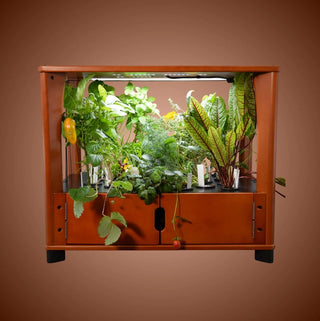
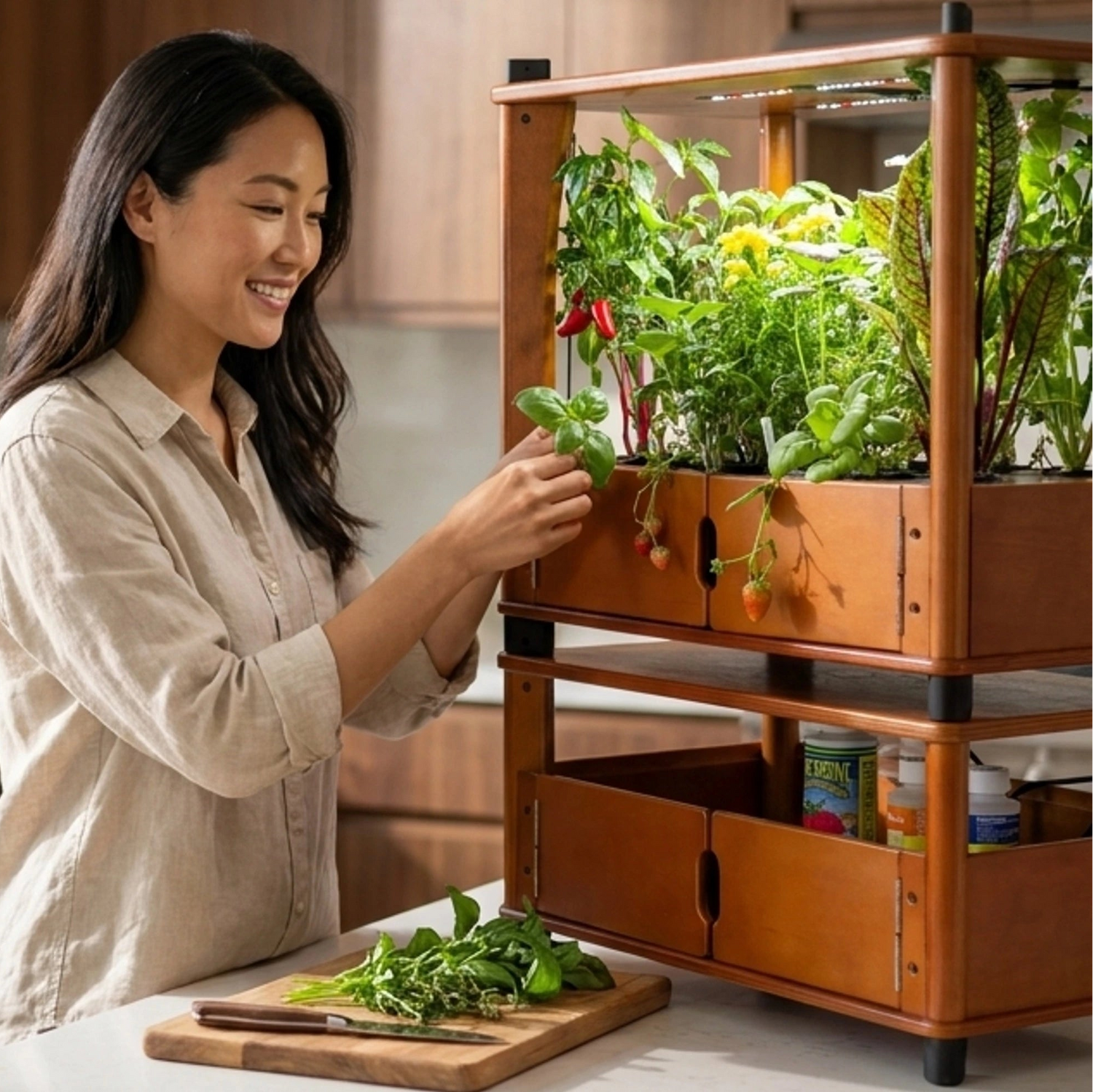
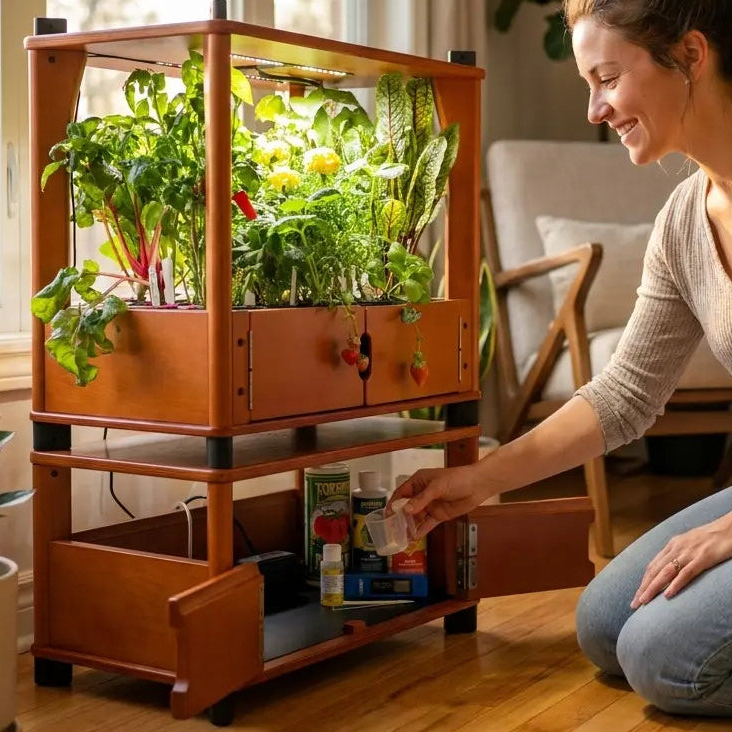
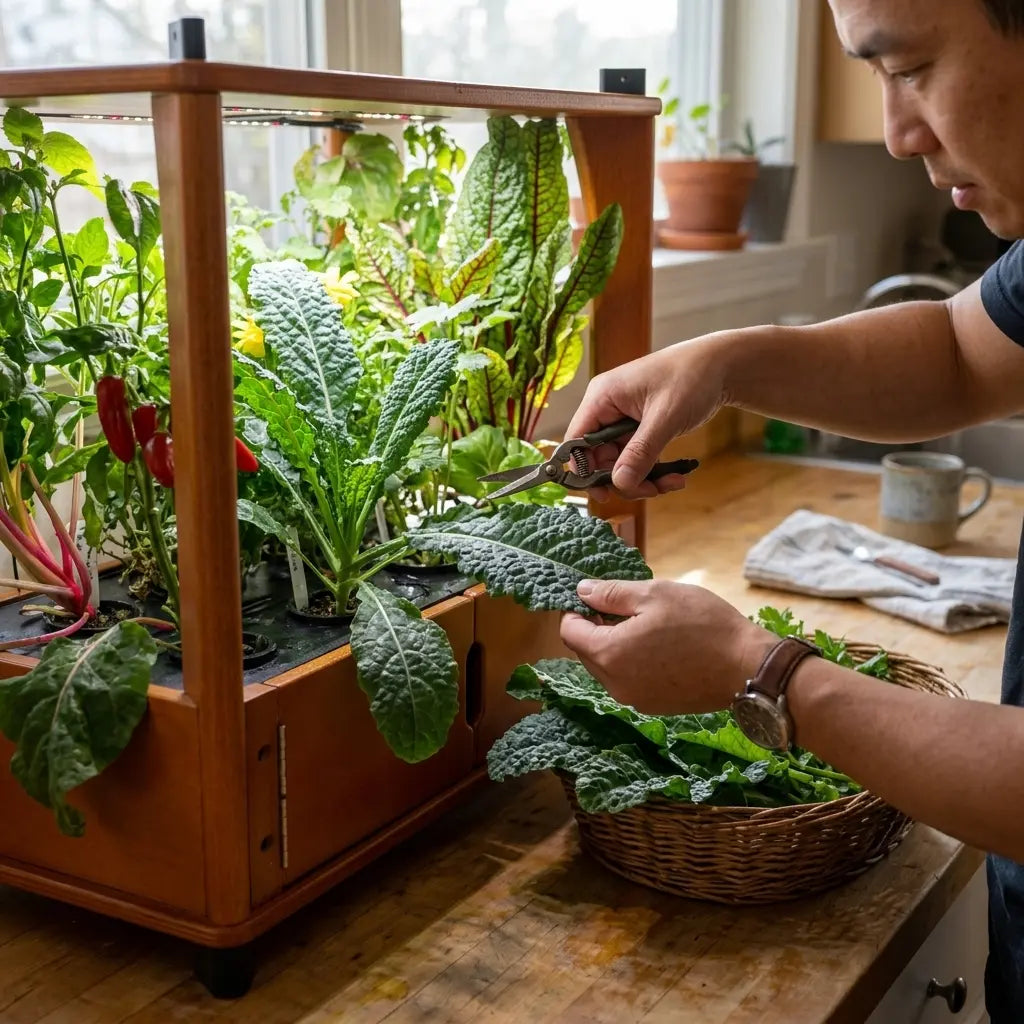
If you want to see how this approach works in practice, you can explore the Aquager Home Farm, which is designed to bring together clean growing mediums, controlled conditions, and a structure that fits naturally into indoor spaces.
By combining a clean starting point with a stable environment, systems like this make it easier to grow fresh, organic food at home without depending on unpredictable conditions.

Mini FAQ
Can you grow organic food indoors?
Yes, organic food can be grown indoors by using clean inputs and maintaining a controlled growing environment.
Is indoor organic gardening better than outdoor?
Indoor gardening offers more control, while outdoor gardening benefits from natural systems. Each has different advantages.
What makes indoor food “organic”?
Using clean growing mediums, avoiding synthetic chemicals, and maintaining a controlled environment all contribute to organic indoor food production.
Do you still need pest control indoors?
Pest risk is MUCH lower in controlled systems, but organic solutions like neem oil can still be used if pests are introduced.
Author: Aquager Team · Published: March 16, 2026 · Updated: August 2, 2026 · Reviewed: August 2, 2026 (Phase 2)












0 comments