
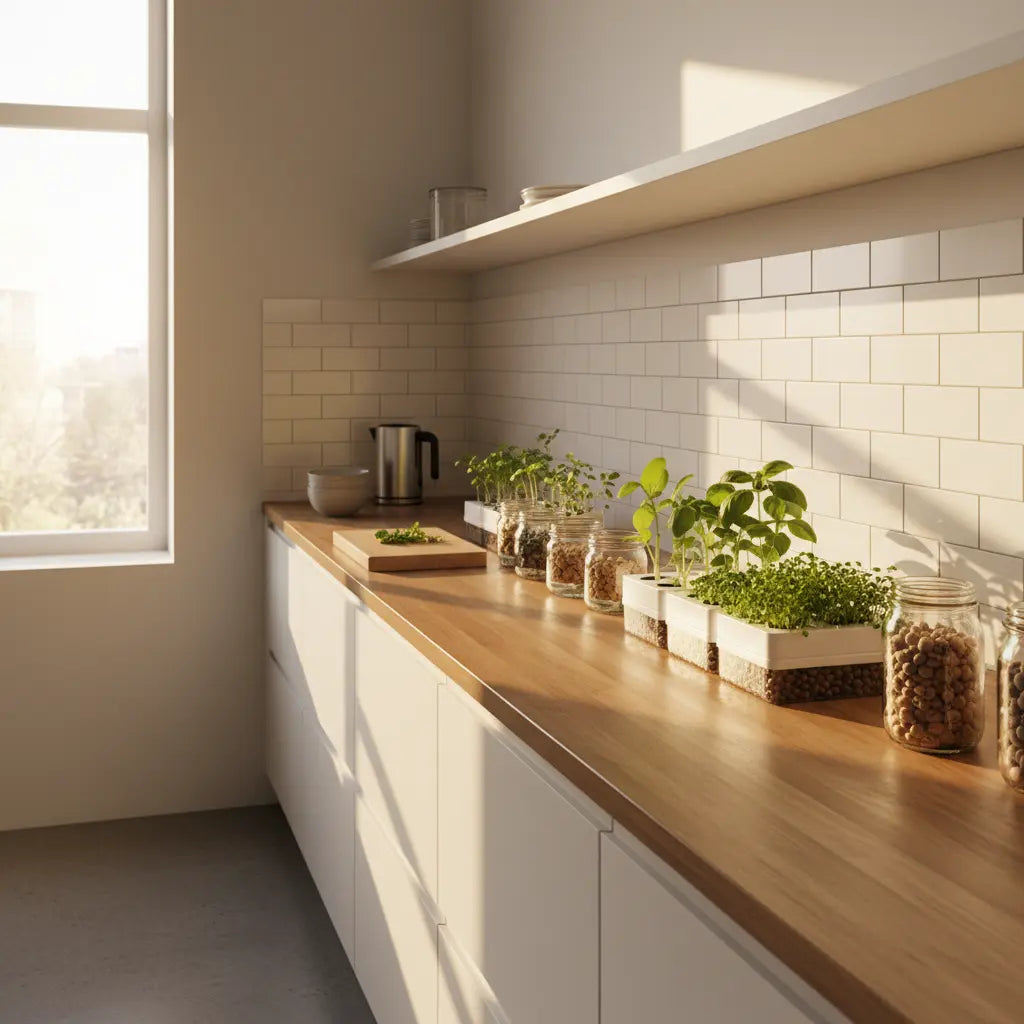
Spring is the best time to start growing food indoors—but most people miss the timing and end up with weak plants or delayed growth. The difference between a successful indoor garden and a failed one often comes down to when you start seeds indoors and how you set them up from day one.
Right now is a critical window. Starting seeds indoors 4–8 weeks before outdoor planting season gives plants enough time to develop strong roots and leaves before being exposed to real conditions. Miss that window, and you either delay your harvest or struggle with underdeveloped plants.
This is why many beginners struggle. They rely on sunlight that isn’t strong enough, use inconsistent watering methods, or start too late. As a result, plants grow thin, weak, and often fail before they ever produce usable food.
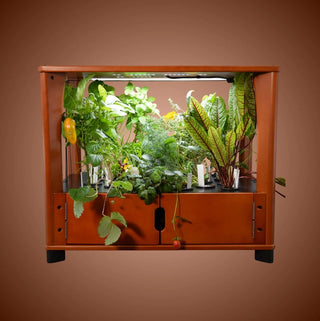
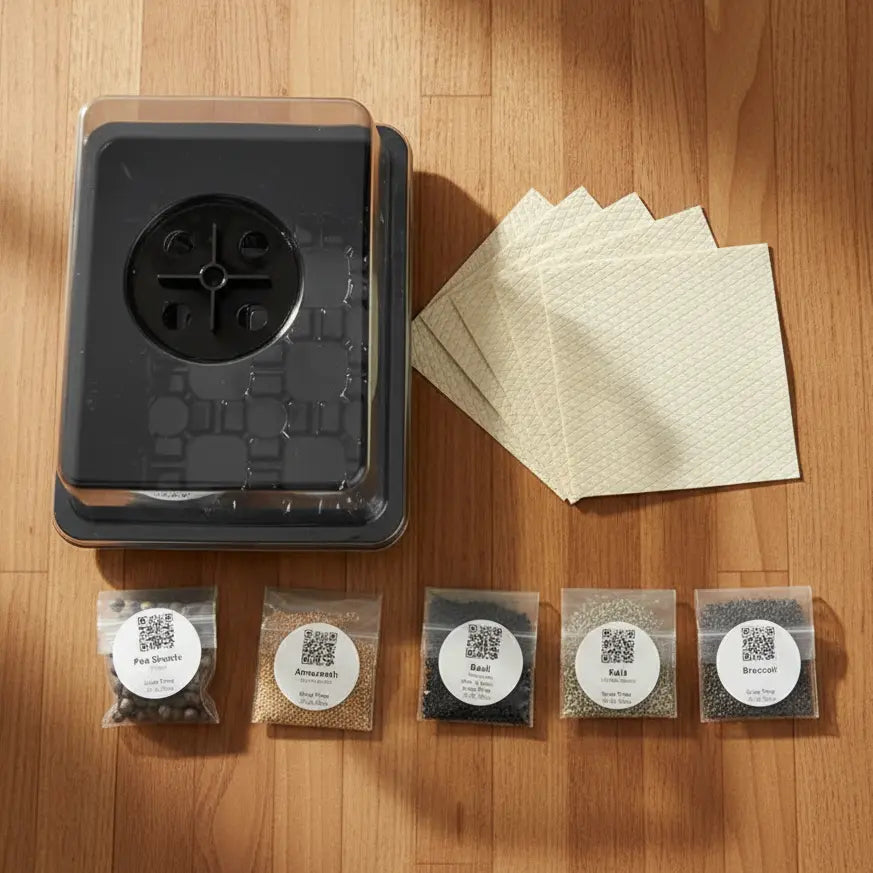
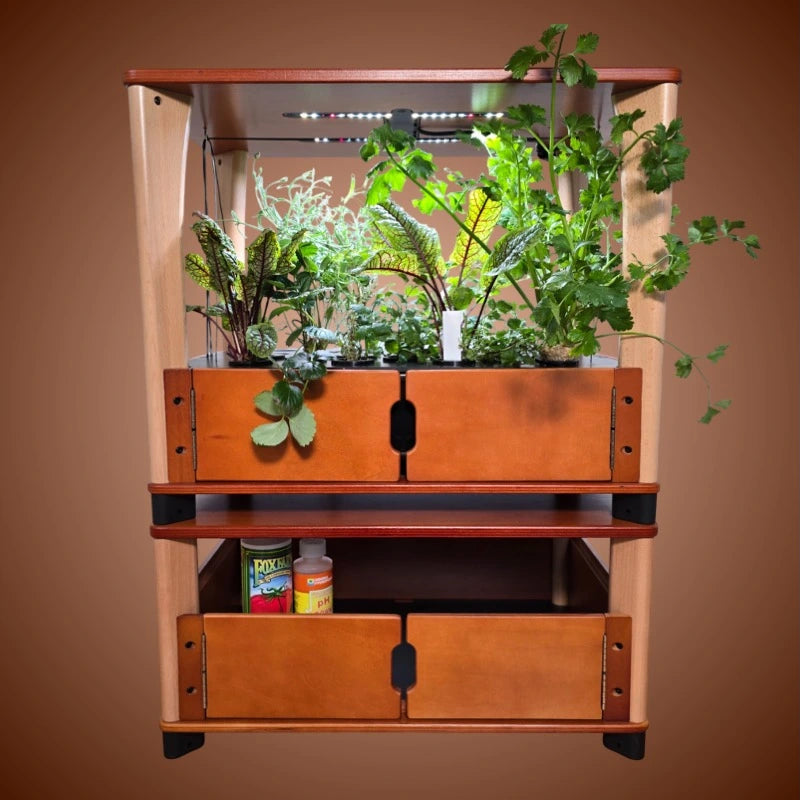
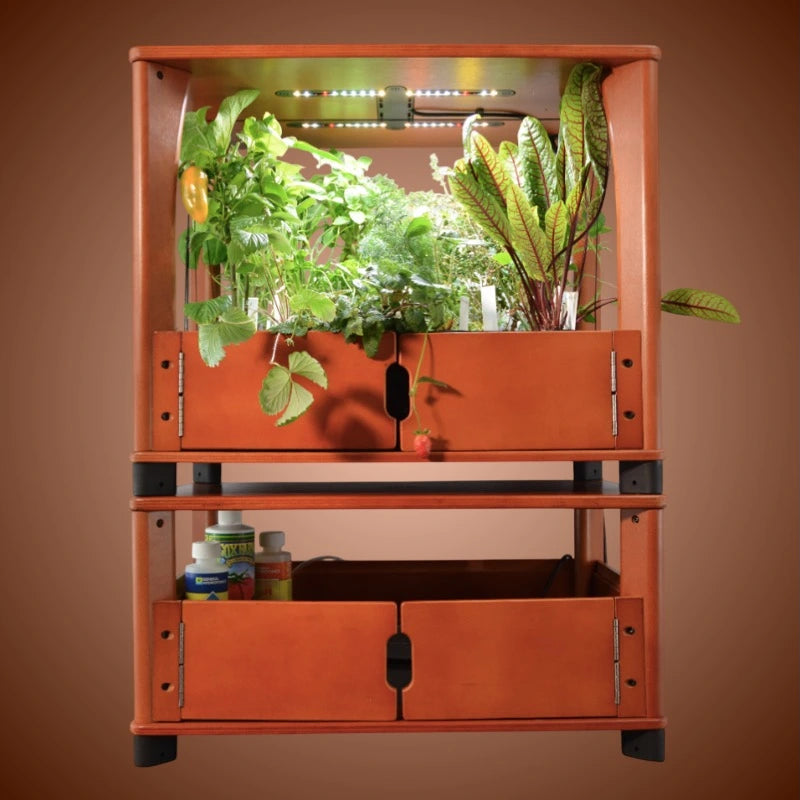
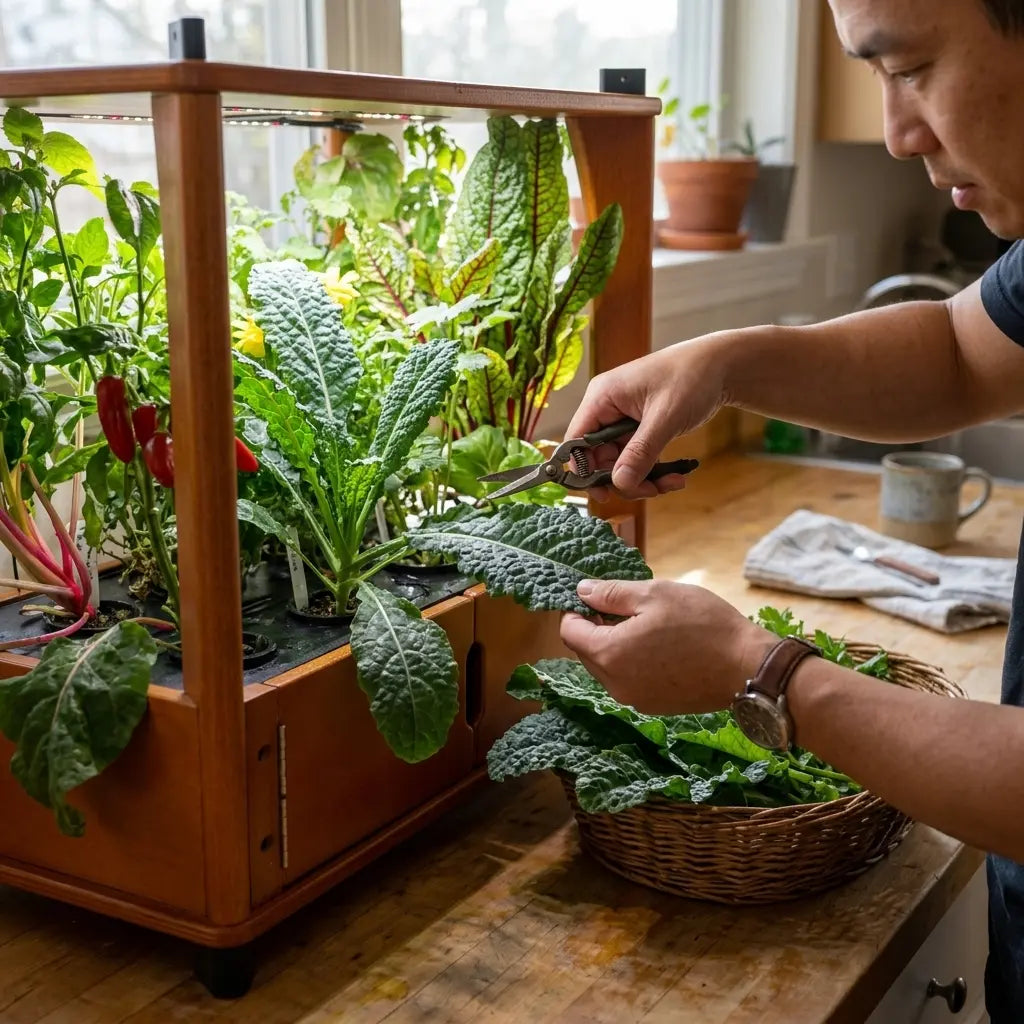
A more reliable approach is to control the environment from the beginning. Many people start with INDOOR SEED STARTING KITS or PRE-SEEDED GROW MEDIUMS to remove guesswork and ensure consistent results, especially when growing in apartments or low-light conditions. From there, scaling into a larger setup like a HOME FARM allows you to grow multiple plants at once and maintain a steady indoor supply.
The key is not just planting seeds—it’s starting them at the right time, under the right conditions, so they actually grow into usable, healthy plants.
When to Start Seeds Indoors (Spring Timing Guide)
The most important part of indoor gardening is timing. Starting too early leads to overgrown, weak plants. Starting too late means missing the growing season entirely. The goal is to begin at the right moment so plants are strong, compact, and ready when conditions improve outside.
For most plants, the ideal timing is 4–8 weeks before the last expected frost date in your area. This gives seedlings enough time to develop roots and leaves without becoming too large or unstable indoors.
General indoor seed starting timeline
- 8 weeks before last frost → tomatoes, peppers
- 6 weeks before last frost → basil, herbs
- 4 weeks before last frost → lettuce, fast-growing greens
In cities like Chicago, where the last frost typically falls around late April to early May, this means starting seeds indoors between early March and early April for most plants.
Why timing matters more indoors
Unlike outdoor gardening, indoor growing allows you to control temperature, light, and watering—but timing still determines how successful your plants will be.
- Start too early → plants stretch and weaken due to limited indoor space
- Start too late → reduced harvest window and slower growth
- Start at the right time → strong, compact, productive plants
This is especially important because indoor light is often weaker than natural sunlight. Without proper timing and conditions, seedlings can become thin and unstable within just a few days.
How to make timing easier
Instead of guessing dates every season, many growers simplify the process by using consistent indoor setups that allow them to start anytime without relying on outdoor conditions.
Simple rule to follow
If you’re unsure when to start: Start seeds indoors 6 weeks before your expected outdoor planting date
This single rule works for most beginner plants and ensures you stay within the optimal growth window.

Best Plants to Start Indoors in Spring
Once you understand the timing, the next step is choosing the right plants. Not all plants perform well indoors, especially in early spring when light levels are still limited. The best choices are those that grow quickly, tolerate indoor conditions, and don’t require perfect environments to succeed.
For beginners, the goal is simple: fast results + high success rate. Plants that sprout quickly and grow reliably help build confidence and make the process rewarding from the start.
Best plants to start indoors right now
-
Basil
One of the easiest herbs to grow indoors. Germinates in 5–10 days and grows quickly with consistent light. Also produces a strong aroma, making it ideal for kitchens. -
Lettuce
Fast-growing and very forgiving. Ready to harvest in as little as 2–4 weeks, making it one of the quickest ways to see results. -
Tomatoes
Require more time but benefit greatly from early indoor starting. Typically started 6–8 weeks before the last frost for strong outdoor or indoor growth. -
Peppers
Similar to tomatoes but slightly slower. Starting indoors early improves yield significantly and shortens the overall growing timeline. -
Mint
Extremely resilient and easy to maintain. Grows well indoors with minimal effort and can tolerate less-than-perfect conditions. -
Parsley
Slower to germinate (10–20 days) but highly productive once established. Works well indoors with consistent moisture and light.
What makes these plants ideal for indoor growing
- Fast germination → visible results within days
- Compact growth → fits easily on countertops or small spaces
- High usability → can be used daily in meals
- Flexible conditions → tolerate minor mistakes
What to avoid (common beginner mistake)
Some plants are technically possible to grow indoors, but are not ideal for beginners:
- Root vegetables (carrots, radishes) → require depth and space
- Large fruiting plants (cucumbers, squash) → need more light and room
- Slow starters → delay feedback and reduce motivation
Choosing the right plants at the beginning can make the difference between a frustrating experience and a system that feels simple and repeatable.
What You Need to Start Seeds Indoors
Starting seeds indoors doesn’t require a complicated setup—but it does require the right combination of conditions. Most failures come from missing one of these key elements, not from the seeds themselves.
At a minimum, every successful indoor setup needs light, moisture, airflow, and stability. When these are controlled properly, seeds germinate faster, grow stronger, and produce more consistent results.
The 4 essentials for indoor seed starting
-
Light
This is the most common issue. Natural sunlight is often not strong enough indoors, especially in early spring. Without sufficient light, seedlings become thin and stretched within 3–5 days. Consistent, direct light is critical for compact, healthy growth. -
Water (controlled moisture)
Seeds need constant moisture to germinate, but too much water leads to rot and mold. The goal is a balanced environment—moist, but not soaked. -
Airflow
Stagnant air increases the risk of mold and weak growth. Even simple airflow helps strengthen stems and maintain a healthier growing environment. -
Structure (growing base)
Seeds need a stable surface to develop roots. A consistent base helps maintain spacing, moisture levels, and overall plant health from the start.
Why most indoor setups fail
Even with good intentions, many beginners run into the same issues:
- Relying only on window light → insufficient growth
- Overwatering → mold or seed failure within days
- Inconsistent spacing → overcrowded plants
- Unstable conditions → uneven germination
These problems usually appear quickly—often within the first 5–7 days—and can stop growth before it really begins.
How to make the process reliable
The easiest way to improve results is to simplify the setup and remove variability. Instead of trying to control everything manually, a consistent system helps standardize the process.
Many beginners switch to INDOOR SEED STARTING KITS or PRE-SEEDED GROW MEDIUMS because they reduce setup time and eliminate common errors like spacing and overwatering. Once plants are established, expanding into a HOME FARM allows for continuous growing without restarting the process each season.
Simple takeaway
If your setup controls light, water, and structure, you will get results. If one of these is missing, growth becomes unpredictable.
Indoor gardening is not difficult—but it only works when the environment is consistent.


Common Mistakes When Starting Seeds Indoors
Even with the right timing and plants, a few small mistakes can quickly ruin the entire process. The problem is that most of these issues appear early—often within the first 3–7 days—and once they happen, it’s difficult to recover the seedlings.
Understanding what to avoid is just as important as knowing what to do.
The most common mistakes beginners make
-
Not enough light
This is the number one issue. Seedlings begin to stretch toward light almost immediately, becoming thin and unstable within a few days. Once this happens, the plant rarely recovers fully. -
Overwatering
Too much water suffocates the roots and creates the perfect environment for mold. Seeds don’t need flooding—just consistent moisture. -
Starting at the wrong time
Starting too early leads to overgrown plants with nowhere to go. Starting too late shortens the growing window and reduces results. -
Poor airflow
Still air can lead to weak stems and increased risk of mold. Even minimal airflow can significantly improve plant strength. -
Overcrowding
Placing too many seeds too close together leads to competition for light and nutrients, resulting in weaker plants overall.
Why these mistakes happen
Most of these issues come from trying to replicate outdoor growing conditions indoors without adjusting for the environment. Indoor spaces have:
- less natural light
- less airflow
- more controlled (but often inconsistent) conditions
Without adapting to these differences, plants respond quickly—and usually negatively.
How to avoid them
The solution is not more effort, but more consistency.
- Use reliable light sources instead of relying on windows
- Keep moisture controlled, not excessive
- Follow a simple timing rule (around 6 weeks before planting)
- Maintain spacing and airflow from the start
When these basics are handled correctly, the process becomes predictable and much easier to manage.
Final Thoughts: Start Now and Keep It Simple
Starting seeds indoors in spring is not about creating a perfect setup—it’s about starting at the right time and keeping the process consistent. If you begin within the 4–8 week window before your last frost and choose easy, fast-growing plants, you already eliminate most of the common problems.
The biggest shift is moving from guessing to a repeatable system. Instead of relying on sunlight, inconsistent watering, or trial and error, a simple structured approach allows you to get reliable results every time you plant.
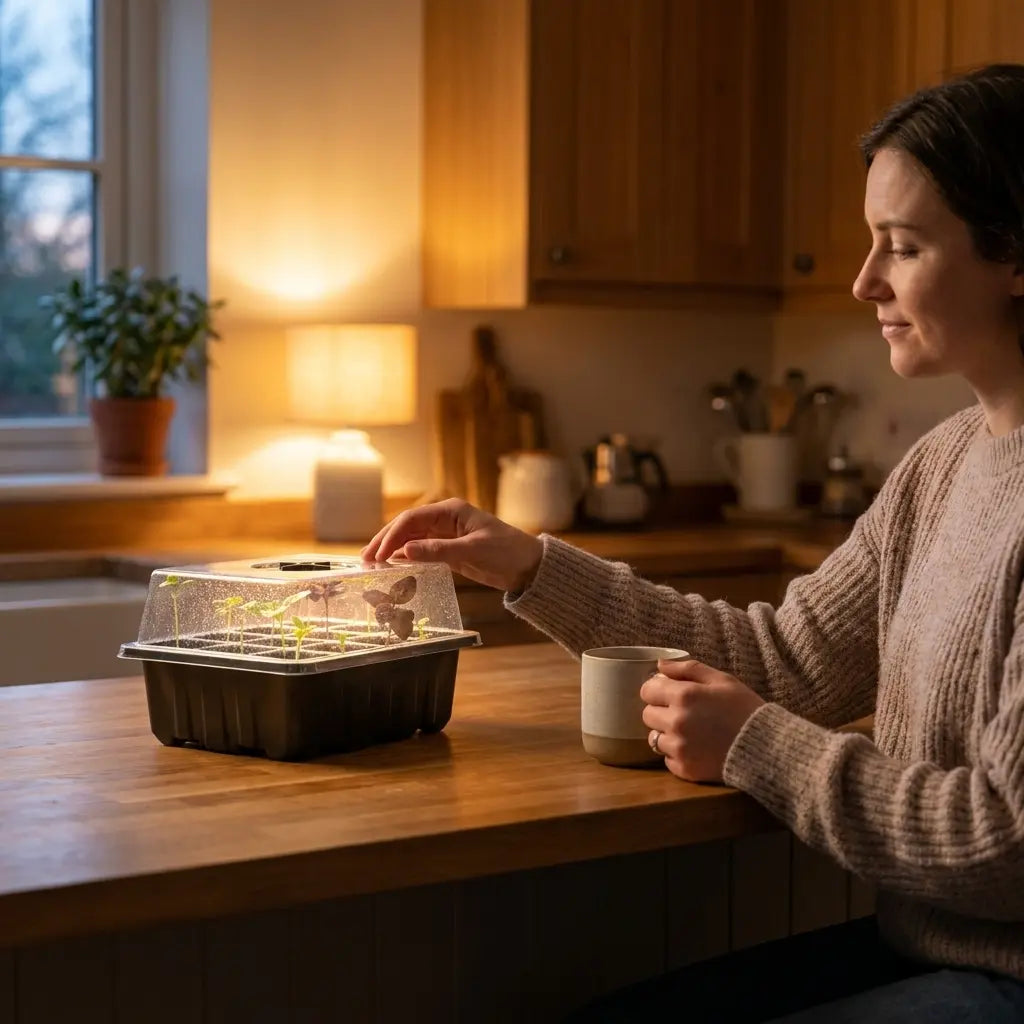
Many beginners start with INDOOR SEED STARTING KITS or PRE-SEEDED GROW MEDIUMS because they remove the most common points of failure—spacing, moisture balance, and early-stage inconsistency. Once plants are established, expanding into a HOME FARM makes it possible to grow continuously rather than restarting each season.
The goal is not just to grow once, but to build a process that works every time. With the right timing and setup, even a small indoor space can produce fresh herbs and vegetables throughout the entire spring—and beyond.
FAQ: Starting Seeds Indoors in Spring
When should you start seeds indoors in spring?
Most seeds should be started indoors 4–8 weeks before the last frost date in your area. For many regions like Chicago, this means starting between early March and early April. This timing allows seedlings to develop strong roots and leaves before being moved outdoors or continuing to grow indoors.
How do you start seeds indoors successfully?
To start seeds indoors successfully, you need four key elements:
- consistent light
- controlled moisture
- proper airflow
- stable growing surface
When these are balanced, seeds typically germinate within 5–10 days and develop into healthy seedlings within a few weeks.
What are the easiest seeds to start indoors?
The easiest plants to start indoors include:
- basil
- lettuce
- tomatoes
- peppers
- mint
These plants grow quickly, tolerate indoor conditions well, and provide visible results within 1–3 weeks.
Can you start seeds indoors without sunlight?
Yes, seeds can be started indoors without natural sunlight, but they still require consistent light. Without enough light, seedlings become thin and weak within a few days. A stable light source ensures compact and healthy growth.
How often should you water seeds indoors?
Seeds should be kept consistently moist but not soaked. Overwatering can lead to mold or root issues, while too little water prevents germination. The goal is a balanced moisture level throughout the growing process.
Why are my seedlings thin and falling over?
This usually happens due to insufficient light. Seedlings stretch toward light sources, becoming weak and unstable. Providing consistent, direct light prevents this issue and supports stronger growth.
What is the fastest plant to grow indoors from seed?
Lettuce is one of the fastest-growing plants, often ready to harvest within 2–4 weeks. Herbs like basil also grow quickly and are ideal for beginners.
Do you need special equipment to start seeds indoors?
No, but having a consistent setup significantly improves results. Many beginners use INDOOR SEED STARTING KITS or PRE-SEEDED GROW MEDIUMS to simplify the process, and some expand into a HOME FARM for continuous growing once they gain confidence.
Author: Aquager Team · Published: April 7, 2026 · Updated: August 8, 2026 · Reviewed: August 8, 2026 (Phase 2)












0 comments