
Most indoor seedlings fail not because of bad seeds or poor care, but because they are placed in the wrong location. Even if you water correctly and use good seeds, poor placement leads to weak growth, stretched stems, and inconsistent results across the tray.
The most common mistake is assuming that any bright spot in the house will work. In reality, indoor environments vary significantly in light, temperature, and airflow. A spot that looks bright may not provide enough consistent light, while areas near windows or vents can create unstable conditions that slow down growth.
Seedlings need three things to grow properly: consistent light, stable temperature, and a controlled environment. If any of these are missing or fluctuating too much, plants will struggle from the beginning. This is why placement is not just a detail: it is one of the main factors that determines whether your seedlings grow strong or fail early.
Another issue is uneven conditions across the setup. When trays are placed in areas with inconsistent lighting or temperature shifts, some seedlings grow faster while others lag behind. This makes the entire tray harder to manage and reduces overall success.
Instead of trying to adjust constantly, the goal is to place seedlings in an environment where conditions remain stable throughout the day. Once placement is correct, everything else becomes easier: seedlings grow more evenly, respond better to care, and develop stronger structure from the beginning.
In This Guide
Why Placement Matters More Than You Think
Placement controls how your seedlings experience light, temperature, and airflow throughout the day. Even small differences in location can lead to major changes in how plants grow. This is why two identical trays can produce completely different results depending on where they are placed.
Light is the most critical factor. Seedlings depend on consistent exposure to develop strong stems and balanced growth. When light is uneven or too weak, plants stretch toward the source, becoming thin and unstable. This is often mistaken for a watering or nutrient issue, but it is almost always a placement problem. A location that provides steady, direct light from above is far more effective than indirect or shifting light from the side.
Temperature stability is just as important. Seedlings grow best within a narrow range, and sudden changes slow down development. Areas near windows, doors, or vents can fluctuate throughout the day, especially between day and night. These changes stress the plants and lead to inconsistent growth across the tray. A stable indoor environment allows seedlings to grow at a steady pace without interruption.
Airflow also plays a role, even if it is not always obvious. Too much direct airflow from vents or fans can dry out the growing medium quickly, while completely stagnant air can lead to excess moisture and poor conditions. The goal is a balanced environment where moisture remains consistent without being disrupted by strong drafts.
Another key factor is consistency across the entire tray. When placement creates uneven conditions, some seedlings receive more light or warmth than others. This leads to uneven growth, making it harder to manage watering and overall care. A well-chosen location ensures that every plant in the tray develops under the same conditions.
By focusing on placement first, you eliminate many of the variables that cause problems later. Instead of reacting to issues as they appear, you create an environment where seedlings can grow evenly and predictably from the start. If you want to see the full list of setup mistakes to avoid, our guide on common indoor seed starting mistakes covers this in more depth.
Best Places to Put Seedlings Indoors
The best location is not the brightest-looking spot in your home: it is the place that provides the most consistent conditions throughout the day. When choosing where to put your seedlings, focus on stability first, then optimize for light. Your choice here also depends a bit on which seeds you are starting indoors, since some varieties are more sensitive to light and temperature swings than others.
Under a Grow Light (Most Reliable)
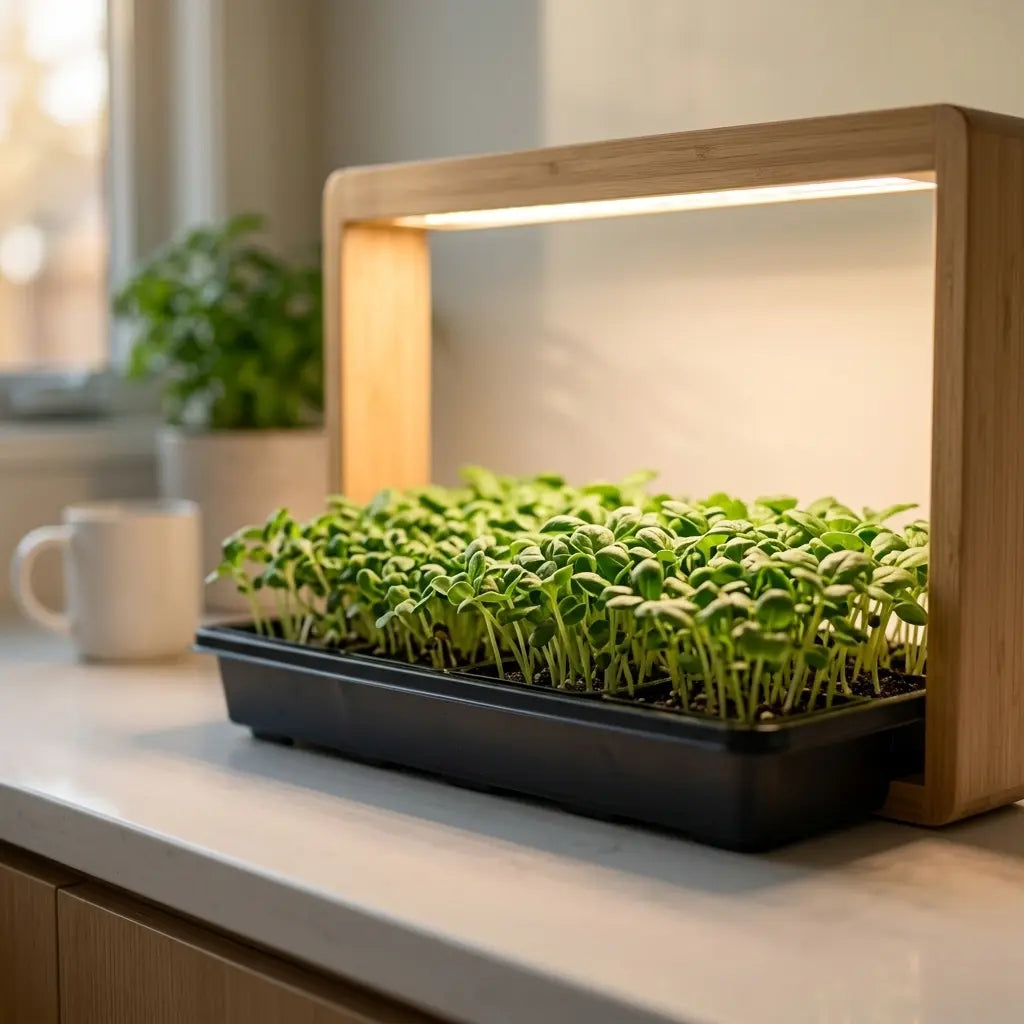
This is the most effective and predictable option. A grow light provides consistent, direct light from above, which is exactly what seedlings need to develop strong, upright growth. Unlike sunlight, it does not shift during the day, so plants receive uniform exposure across the entire tray.
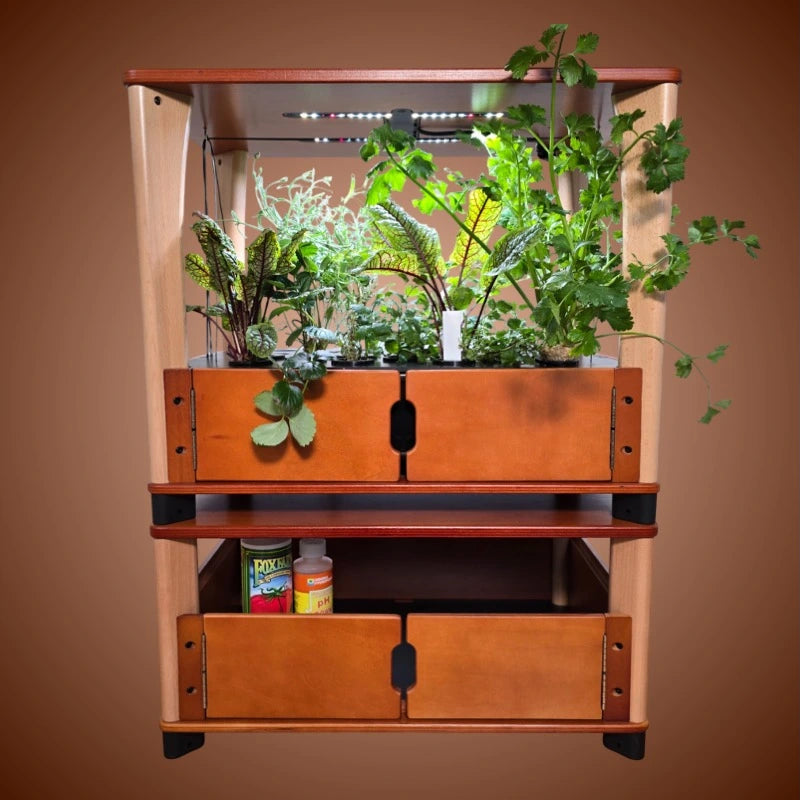
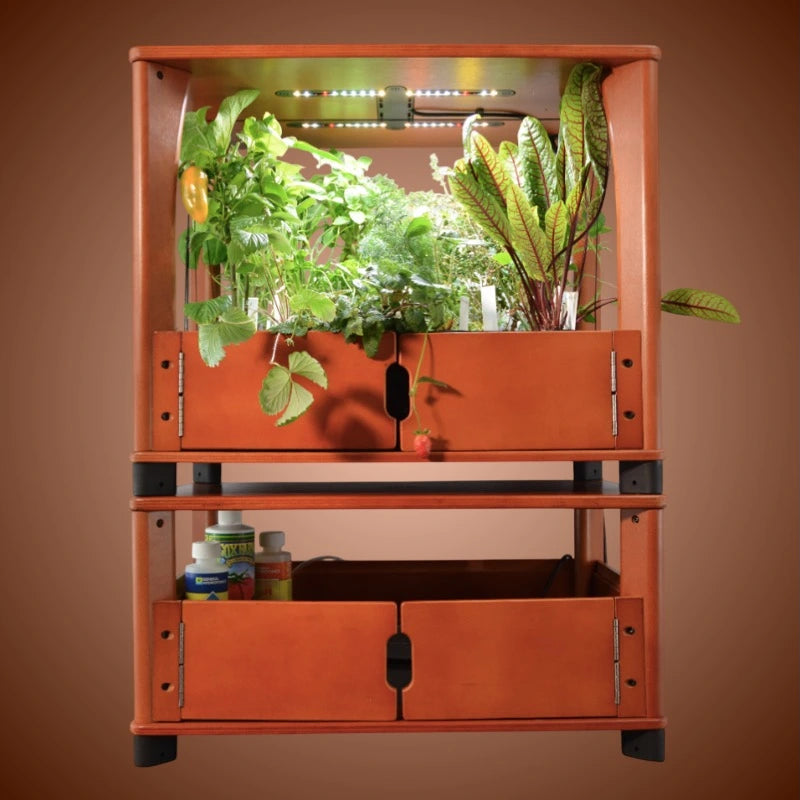
When placed correctly, the light should sit close to the seedlings, creating an even spread across all cells. This prevents stretching and ensures that every plant grows at the same rate. It also removes the dependency on window direction, weather, or time of year, making results far more consistent. A dedicated Indoor Seed Starter Kit makes this setup simple to maintain from day one.
This setup works especially well on a countertop or table where temperature and airflow remain stable.
Countertop or Table Setup
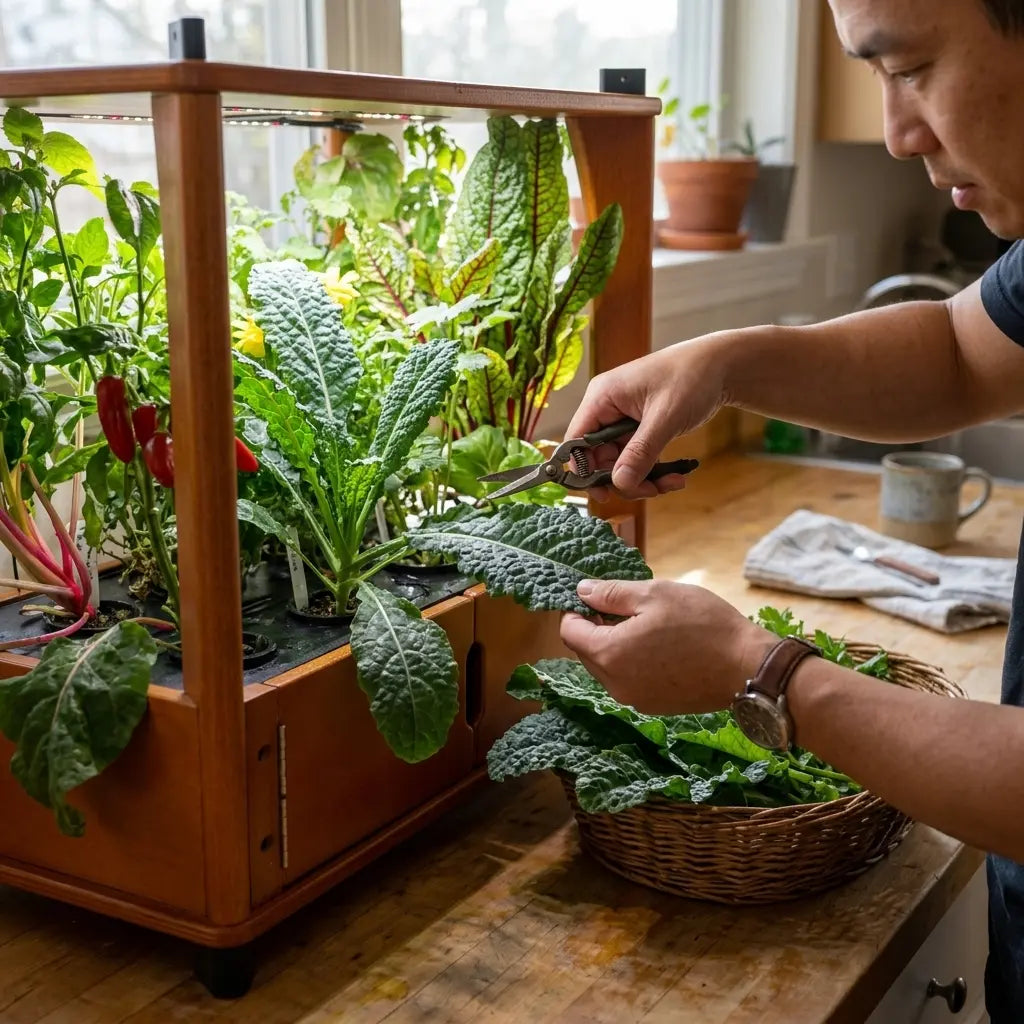
A countertop or table in a controlled indoor space is one of the best environments for seedlings, especially when combined with a grow light. These areas typically avoid extreme temperature changes and are less affected by drafts compared to windows or floor-level placements.
The key advantage here is consistency. Unlike windows, which can fluctuate between warm and cold, a central indoor location maintains a steady environment. This allows seedlings to grow evenly without being exposed to sudden changes.
This setup is simple and repeatable, making it ideal for maintaining multiple trays without constant adjustment.
Windowsill (Limited Use)
A windowsill can work, but only under specific conditions. The light must be strong and direct for several hours per day, and even then, it is often inconsistent. Sunlight changes angle throughout the day, which causes uneven growth as seedlings lean toward the light source.
Temperature fluctuations are another issue. Windows can become cold at night and warm during the day, creating an unstable environment that slows development. This makes windowsills less reliable compared to controlled setups.
If used, seedlings should be rotated regularly to reduce uneven growth, but this adds extra effort and does not fully solve the problem.
Light Requirements
Light is the single most important factor after placement, and it directly determines how strong or weak your seedlings become. The goal is not just to provide light, but to provide it in a way that is consistent, direct, and evenly distributed across the entire tray.
Seedlings need light from above. When light comes from the side, such as from a window, plants naturally grow toward it. This causes stretching, where stems become long and thin instead of compact and strong. Over time, this leads to unstable plants that are more difficult to manage. A top-down light source eliminates this problem by guiding growth straight upward. For the exact steps on getting seeds planted correctly before this stage, see our guide on how to plant seeds indoors.
Consistency is more important than intensity. Many indoor setups fail because light conditions change throughout the day. Sunlight shifts as the sun moves, clouds reduce intensity, and shadows affect different parts of the tray unevenly. This creates inconsistent growth, where some seedlings develop faster than others. A stable light source keeps growth uniform across all plants.
Distance also matters. If the light is too far away, seedlings will stretch to reach it, resulting in weak structure. If it is placed too close, it can create excess heat or uneven exposure. The correct distance ensures that light reaches all seedlings evenly without creating stress.
Duration is another key factor. Seedlings need extended periods of light each day to grow properly. Short or irregular exposure slows development and affects overall health. Keeping a consistent daily cycle allows plants to develop at a steady pace.
The most effective setup is one where light remains stable, evenly distributed, and positioned directly above the seedlings. When these conditions are met, plants grow compact, strong, and uniform without requiring constant adjustments.
Temperature & Airflow Basics
Temperature and airflow are often overlooked, but they directly affect how stable your setup is from day to day. Seedlings do not need perfect conditions: they need consistent ones. Most problems happen when temperature and airflow change throughout the day without you noticing.
Start with temperature. Seedlings grow best in a steady indoor range. Large swings between day and night slow growth and create stress. This commonly happens near windows, doors, or exterior walls where temperatures drop at night and rise during the day. Even if the average temperature seems fine, these fluctuations interrupt development and lead to uneven results across the tray. A Indoor Seed Starter Kit helps buffer against these swings by keeping the growing environment more contained.

Airflow is the second factor. Too much airflow, especially from vents or fans, dries out the growing medium quickly. This forces you to water more often and increases the risk of inconsistency between cells. Too little airflow, on the other hand, traps moisture and can lead to overly damp conditions that slow growth.
The goal is balance. Place seedlings in an area where air moves gently but is not directed at the tray. Avoid placing them directly under vents, near radiators, or in areas with strong drafts. At the same time, avoid completely enclosed spaces where air becomes stagnant.
Another important point is consistency across the entire tray. If one side is exposed to airflow or temperature changes and the other is not, seedlings will grow at different rates. This creates uneven development and makes it harder to manage watering and light.
A stable environment removes these issues. When temperature and airflow remain consistent, seedlings develop evenly and respond better to care. Instead of adjusting constantly, you maintain a setup that supports steady growth from the beginning.
Where NOT to Put Seedlings
Knowing where not to place seedlings is just as important as choosing the right location. Many common spots in a home seem convenient but create unstable conditions that lead to weak or uneven growth.
Avoid placing seedlings near heating or cooling vents. Air coming directly from vents creates constant changes in temperature and airflow. This dries out the growing medium quickly on one side while leaving other areas unaffected, leading to inconsistent moisture levels across the tray. As a result, some seedlings grow well while others struggle under the same setup.
Cold windows are another common issue. While windows provide light, they can also create temperature drops, especially at night. This repeated cooling and warming cycle slows down growth and stresses young plants. Seedlings may still grow, but development becomes uneven and less predictable.
Dark corners or low-light areas should also be avoided. Even if the environment feels stable, insufficient light leads to weak, stretched growth. Seedlings will lean toward any available light source, resulting in thin stems that cannot support the plant properly.
Floor-level placement is another mistake. The floor is often cooler than other parts of the room and may be exposed to drafts that are not noticeable at higher levels. This creates subtle but consistent temperature differences that affect growth.
Finally, avoid frequently changing locations. Moving trays from one spot to another throughout the day might seem like a way to improve light exposure, but it actually creates instability. Each move changes temperature, light angle, and airflow, which interrupts consistent development. Timing matters here too: starting your seeds at the right point in the season, as covered in our guide on when to start seeds indoors for spring, makes it much easier to keep them in one stable spot from the beginning.
The goal is not to find multiple good spots, but to find one stable location and keep the seedlings there. Consistency in placement leads to consistent growth, which is what allows seedlings to develop strong and evenly across the entire tray.
Ideal Setup (Simple System)
The most effective indoor setup is not complicated: it is simply consistent. Instead of trying to balance light from a window, adjust for temperature changes, and manage airflow manually, the goal is to create one stable environment where all key factors stay controlled.
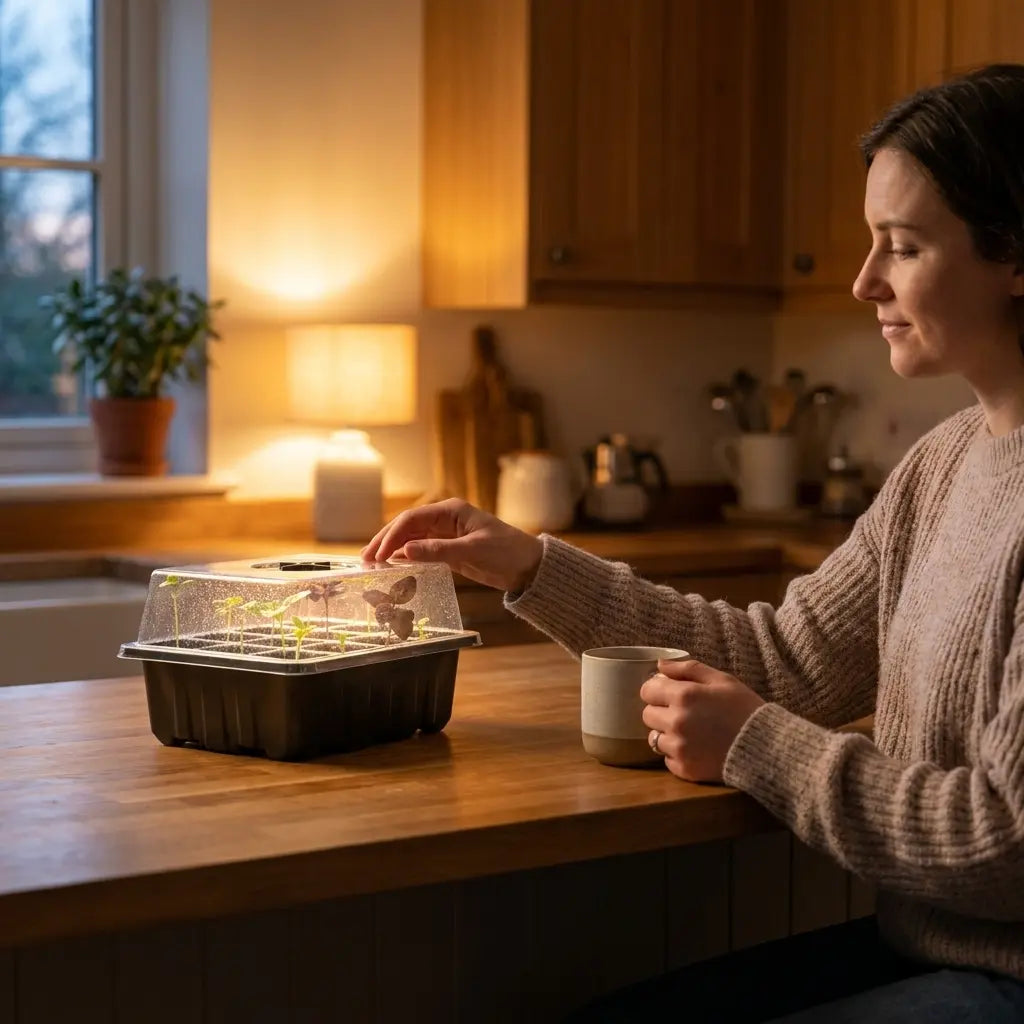
Start with a flat, indoor surface like a countertop or table. This provides a stable base where temperature is consistent and the tray is not exposed to drafts or cold spots. Avoid placing the setup near windows, vents, or doors where conditions change throughout the day.
Next, position a light source directly above the seedlings. A grow light is the most reliable option because it provides even, consistent light across the entire tray. This ensures that all seedlings grow at the same rate and prevents stretching or leaning.
Keep the environment simple. Once the tray is placed, avoid moving it. Maintain steady moisture, consistent light, and a stable temperature. The fewer variables you introduce, the more predictable the results become.
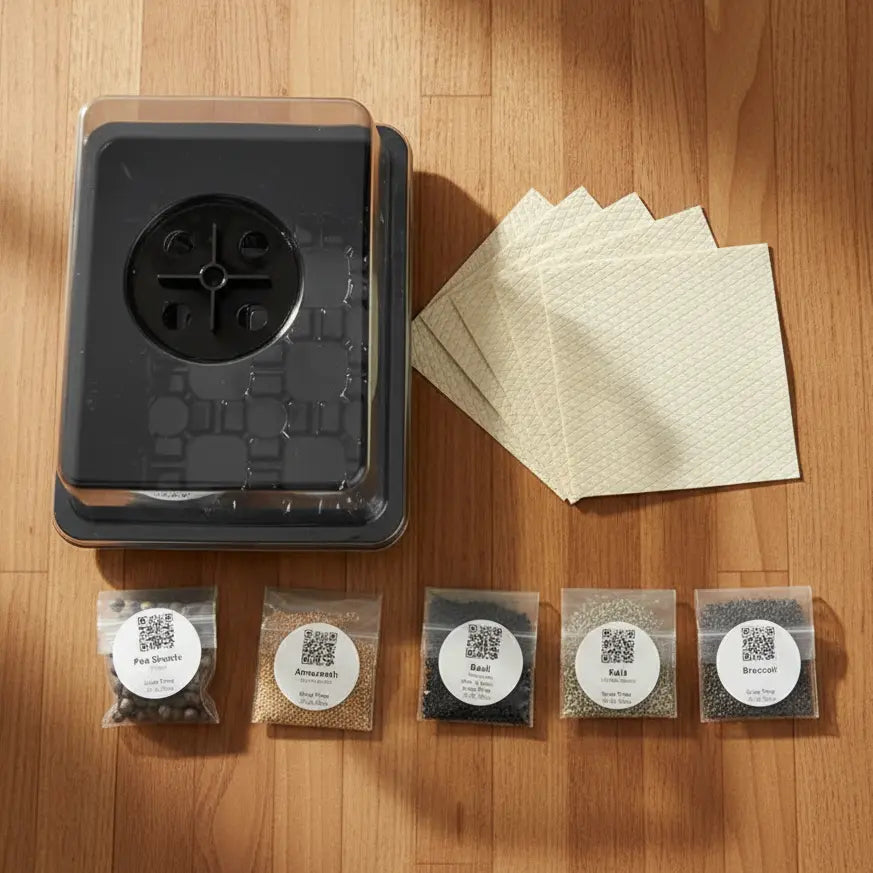
This is where using a structured system makes a difference. Instead of adjusting each factor separately, a setup designed for indoor seed starting combines them into one controlled environment. Shop the Indoor Seed Starter Kit for consistent spacing, moisture retention, and an easy way to maintain stable conditions.

With this type of setup, placement becomes straightforward. You are not searching for the perfect spot: you are creating one. This leads to even growth across all seedlings and removes the need for constant adjustments.
When the environment is stable from the start, seedlings grow stronger, more uniform, and easier to manage throughout the entire process.
Conclusion
Where you put your seedlings indoors has a direct impact on how they grow. Even with the right seeds and proper care, poor placement leads to weak stems, uneven development, and inconsistent results across the tray. Most issues are not caused by what you do, but by where you place your setup.
The goal is to create a stable environment. Seedlings need consistent light from above, steady temperature, and balanced airflow. When these factors remain the same throughout the day, plants grow evenly and develop strong structure from the beginning.
The best results come from keeping things simple. A flat indoor surface, a reliable light source, and minimal movement create conditions that are easy to maintain. Instead of adjusting constantly, you allow seedlings to grow in a controlled environment that supports steady development.
If you want to make placement easier and avoid common mistakes, using a setup designed for indoor growing helps maintain consistency. Shop the Indoor Seed Starter Kit for a stable environment where light, moisture, and spacing work together.
When placement is done correctly, everything else becomes easier. Seedlings grow stronger, more evenly, and with fewer issues, making indoor growing a predictable and repeatable process.
FAQ
Where is the best place to put seedlings indoors?
The best place is a stable indoor surface with consistent light from above, steady temperature, and minimal airflow changes.
Can I grow seedlings on a windowsill?
Yes, but it is often less reliable due to changing light and temperature conditions.
Do seedlings need direct light?
Yes, seedlings need consistent, direct light from above to grow strong and prevent stretching.
Should I move seedlings during the day?
No, moving seedlings creates inconsistent conditions. It is better to keep them in one stable location.
What should I avoid when placing seedlings indoors?
Avoid vents, cold windows, dark areas, and places with temperature fluctuations or strong airflow.
Author: Aquager Team · Published: April 18, 2026 · Updated: August 24, 2026 · Reviewed: August 24, 2026 (Phase 3)












0 comments