
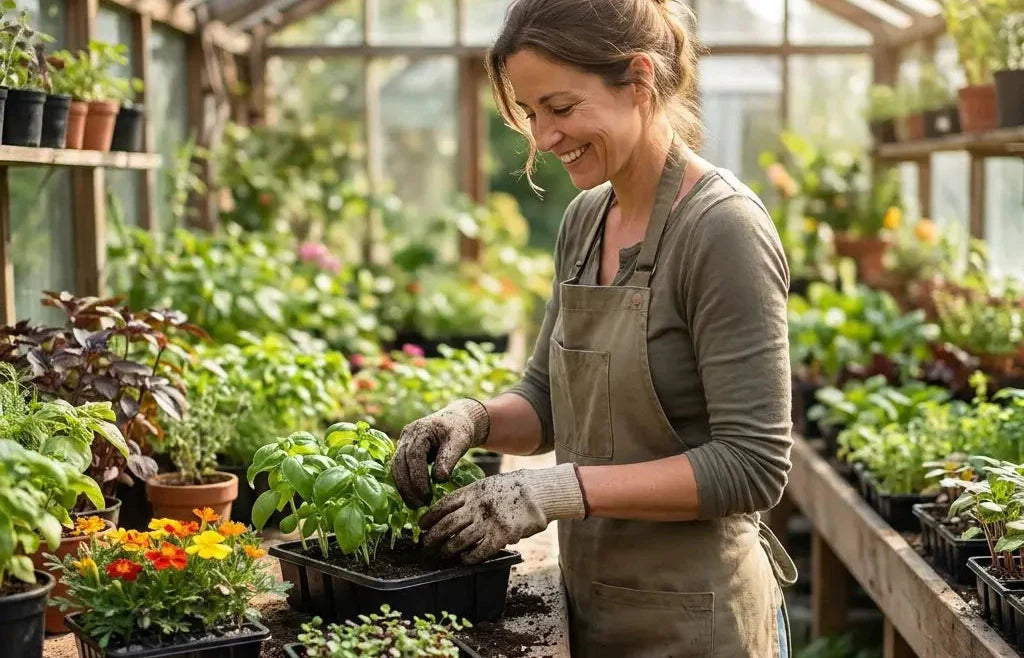
Choosing which seeds to start indoors is one of the most important decisions in the entire growing process. Many people assume all seeds work the same, but that is not the case. Some plants grow quickly and reliably indoors, while others struggle, leading to slow growth, poor germination, or inconsistent results.
The biggest mistake is trying to grow everything at once. Without the right selection, indoor setups become harder to manage, and results vary across the tray. Some seeds sprout easily, while others fail under the same conditions. This creates confusion and makes it difficult to know what actually works.
The goal is not to grow as many plants as possible, but to choose the ones that perform well indoors. Certain herbs, leafy greens, microgreens, and flowers are naturally better suited for controlled environments. They germinate faster, grow more consistently, and are easier to manage from the beginning.
Another important factor is growth speed. Faster-growing plants give quick results and are ideal for beginners, while slower-growing plants require more patience and planning. Understanding this difference helps you avoid frustration and build confidence early.
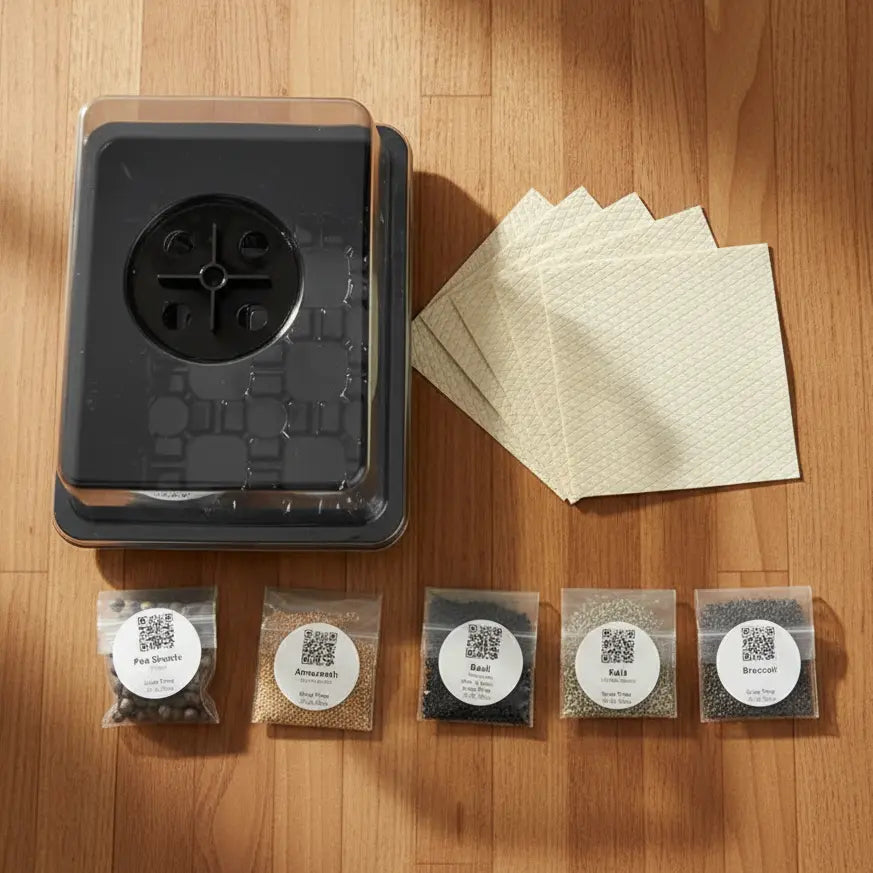
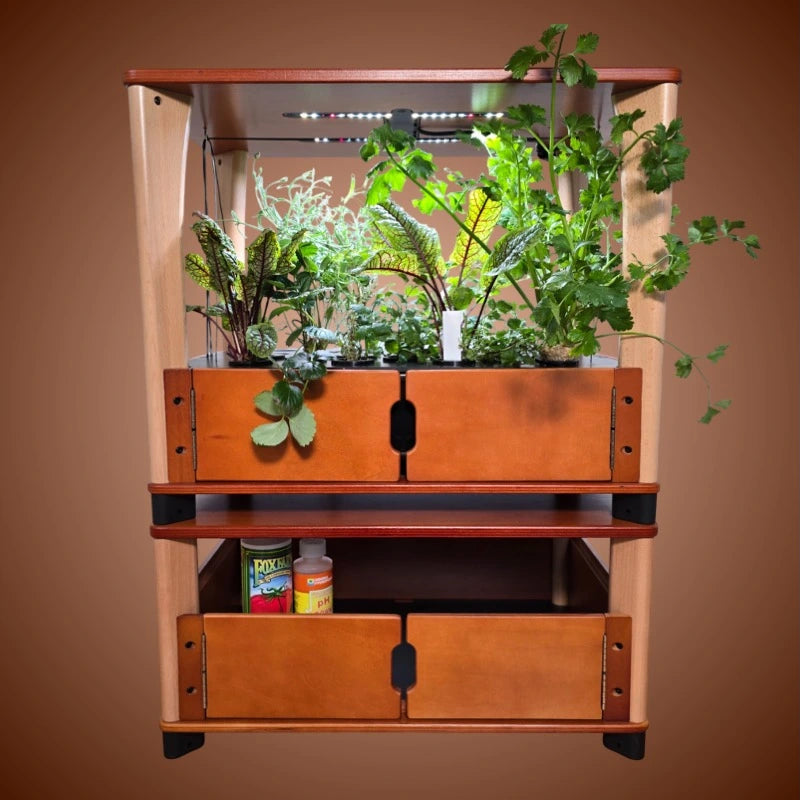
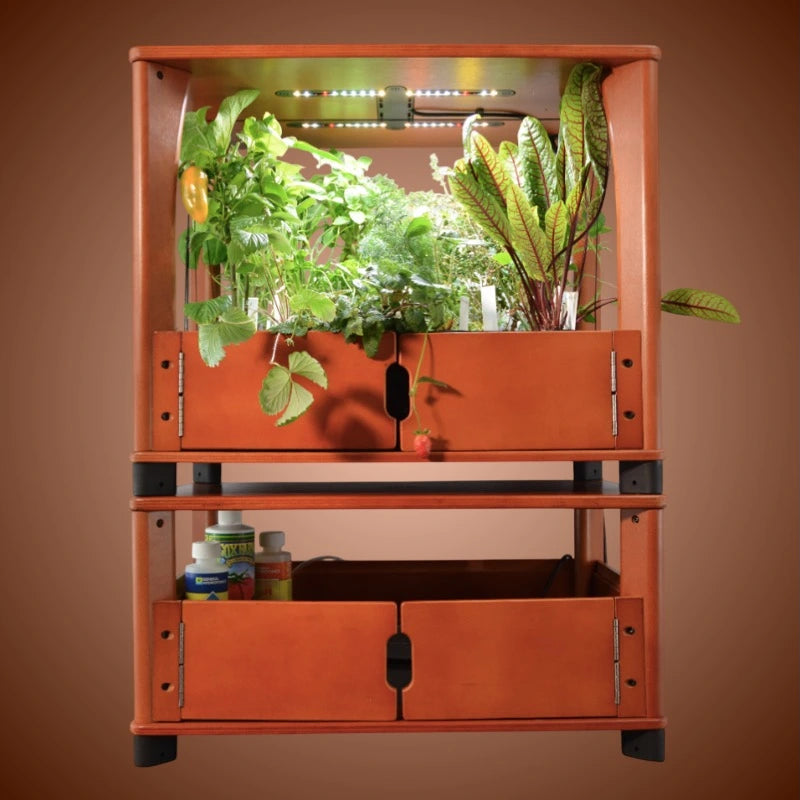
If you want to simplify the process and avoid choosing the wrong seeds, using a structured setup helps create consistent conditions for the plants that perform best indoors. Shop the Indoor Seed Starter Kit for reliable germination and to make it easier to grow the right plants from the start.
Once you focus on the right types of seeds, indoor growing becomes much more predictable. Instead of guessing what will work, you are selecting plants that are naturally suited for the environment, leading to faster and more consistent results.
Why Some Seeds Work Better Indoors
Not all seeds are suited for indoor growing, and the difference comes down to how plants respond to controlled environments. Indoors, conditions like light, space, airflow, and moisture are more limited than outdoors. Seeds that perform well indoors are those that can adapt to these constraints and still grow consistently.
The first factor is growth speed. Seeds that germinate quickly and develop early structure within a short time frame tend to do better indoors. They establish roots and leaves before environmental limitations become a problem. This is why microgreens and many herbs perform reliably: they complete their early stages before space or light becomes restrictive.
The second factor is plant size. Compact plants are naturally better suited for indoor setups. They do not require large root systems or extended vertical space to develop. In contrast, plants that grow large or require significant spacing struggle in small trays because they quickly outgrow the available area.
Light requirements also play a major role. Indoor light, even with grow lights, is more controlled but often less intense than full outdoor sunlight. Seeds that can thrive under moderate, consistent light conditions are more reliable indoors. Plants that demand high-intensity light for extended periods may grow unevenly or become weak if those conditions are not met.
Another key factor is consistency. Seeds that germinate uniformly and grow at a similar pace across the tray are much easier to manage. This creates predictable results and reduces the need for constant adjustments. Seeds that germinate inconsistently lead to uneven growth, making the entire process more difficult.
Finally, resilience matters. Some plants tolerate small variations in moisture or temperature better than others. These are ideal for beginners because they are less sensitive to minor mistakes and still produce good results.
Choosing seeds that match these characteristics makes indoor growing significantly easier. Instead of trying to adapt the environment to difficult plants, you select plants that naturally fit the environment, leading to faster, more reliable success.
Best Seeds to Start Indoors
Choosing the right seeds comes down to selecting plants that grow reliably in a controlled indoor environment. Instead of trying to grow everything, focus on categories that consistently perform well. These plants germinate quickly, grow evenly, and are easier to manage from the start.
Fast Results (Best for Beginners)
Fast-growing plants are the easiest place to start because they produce visible results quickly. This helps build confidence and allows you to see progress within days instead of weeks.
- Radish microgreens
- Broccoli microgreens
These grow rapidly and do not require long-term space or complex care. They are ideal for learning the process and maintaining consistent results.
Easy Herbs
Herbs are well-suited for indoor growing because they remain relatively compact and adapt well to controlled environments. They also provide continuous use once established.
- Basil
- Cilantro
- Parsley
- Dill
These plants germinate reliably and grow steadily without requiring large amounts of space.
Reliable Leafy Greens
Leafy greens are another strong option because they develop quickly and maintain manageable size throughout early growth.
- Arugula
- Kale
- Spinach
- Tatsoi
They respond well to consistent moisture and light, making them dependable in indoor setups.
Longer-Growing Options
Some plants require more time to develop but can still perform well indoors if started correctly.
- Peppers
- Strawberry
These need a longer growth period and more planning, but starting them indoors gives them a strong early advantage.
Flowers
Flowers can also be started indoors, especially those that benefit from early development.
- Marigold
They germinate quickly and are easy to manage, making them a good addition to indoor growing setups.
By focusing on these categories, you simplify the decision process. Instead of experimenting with plants that may struggle, you choose seeds that are proven to work well indoors, leading to faster and more consistent results.
Seeds That Do NOT Work Well Indoors
While many plants grow reliably indoors, some struggle in a controlled environment. The issue is not the quality of the seeds, but the mismatch between what the plant needs and what indoor conditions can provide. Understanding which types of seeds to avoid is just as important as choosing the right ones.
The first group that does not perform well indoors includes plants that grow very large or require extensive root space early. These plants quickly outgrow small starter trays, leading to restricted roots and slowed development. Even if they germinate successfully, they become difficult to manage within a limited indoor setup.
Another common issue is plants that are highly sensitive to disturbance. Some seeds do not respond well to being started indoors and then moved later. Their roots develop quickly and do not tolerate changes in environment, which leads to stress and inconsistent growth after transplanting.
Seeds that require very high light intensity are also challenging indoors. While grow lights provide consistency, they may not match the strength of natural sunlight for certain plants. This can result in weak stems, uneven growth, or slower development. Plants that depend on strong, direct light from the beginning often struggle unless the setup is specifically designed to meet those needs.
Timing sensitivity is another factor. Some plants need to be started and grown continuously without interruption. If they are delayed or transitioned at the wrong time, their growth cycle is affected. Indoors, where timing is already controlled, this adds another layer of difficulty.
Finally, plants that grow slowly but require significant space can become inefficient indoors. They occupy trays for extended periods without producing meaningful results, limiting what else you can grow in the same setup.
Instead of trying to adapt indoor conditions to difficult plants, it is more effective to select seeds that naturally fit the environment. This reduces complications and allows you to focus on plants that grow consistently and predictably.
Beginner Picks (Start With These)
If you want the easiest path to success, the best approach is to start with a small group of plants that are proven to work well indoors. Instead of trying multiple categories at once, focus on a few reliable options that grow quickly, respond well to indoor conditions, and produce consistent results.
Start with fast-growing microgreens. Radish and broccoli microgreens are some of the most reliable options. They germinate quickly, show visible growth within days, and are ready to harvest in a short time. This makes them ideal for learning the process and seeing immediate results without long waiting periods.
Next, add one or two easy herbs. Basil and cilantro are strong choices because they germinate consistently and adapt well to indoor environments. They do not require large amounts of space and provide ongoing use once they are established. Starting with herbs also helps you understand how plants develop beyond the early seed stage.
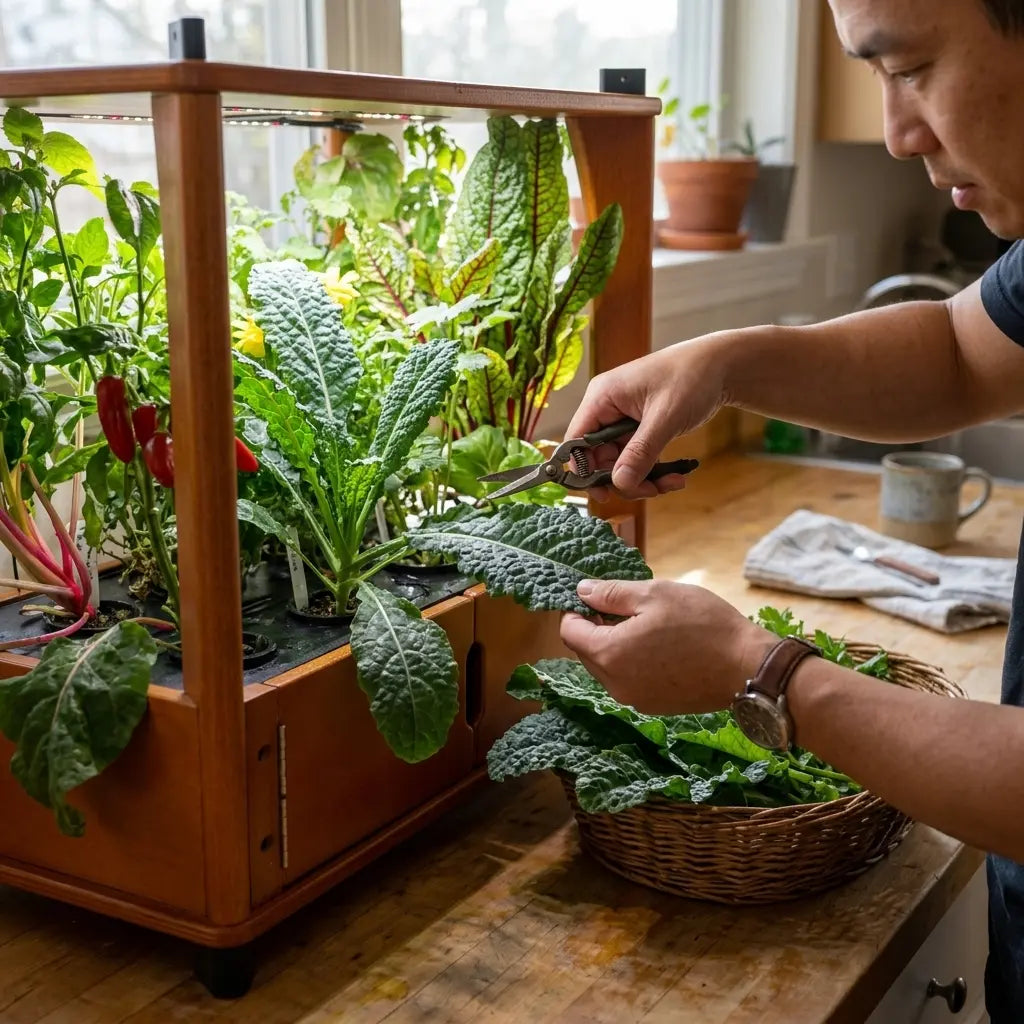
For a slightly longer cycle, include a leafy green such as kale or spinach. These plants grow steadily and are more forgiving than many other vegetables. They help build experience with maintaining consistent conditions over a longer period without becoming difficult to manage.
This combination, fast microgreens, easy herbs, and one leafy green, creates a balanced starting point. You get quick results, steady growth, and a simple learning curve without overwhelming your setup.
To make this process more consistent, using a structured system can help maintain stable conditions across all these plants. Shop the Indoor Seed Starter Kit for even moisture and spacing, making it easier to grow multiple plant types at the same time.
Starting with the right plants removes most of the uncertainty. Instead of guessing what will work, you begin with options that are naturally suited for indoor growing, making the entire process more predictable and easier to repeat.
Conclusion
Choosing the right seeds to start indoors is what makes the entire process either simple or frustrating. When you select plants that are suited for indoor conditions, everything becomes easier. Germination is faster, growth is more consistent, and results are predictable across the entire tray.
The biggest mistake is trying to grow everything instead of focusing on what works. Fast-growing microgreens like radish and broccoli, reliable herbs like basil and cilantro, and steady leafy greens like kale or spinach all perform well because they match the limits of indoor environments. They do not require excessive space, extreme light conditions, or long development periods to succeed.
By narrowing your selection to these types of plants, you remove most of the variables that cause problems. Instead of dealing with uneven growth or failed trays, you create a setup where each plant responds in a similar way. This makes it easier to maintain consistent moisture, light, and spacing without constant adjustments.
If you want to simplify the process even further, using a system designed for indoor seed starting helps maintain stable conditions for these plants. Shop the Indoor Seed Starter Kit for consistent germination and to make it easier to grow the right seeds from the beginning.
When you combine the right seed selection with a stable setup, indoor growing becomes a repeatable process. Instead of guessing what might work, you are choosing plants that are already optimized for success, leading to faster growth and more reliable results every time.
FAQ
Which seeds are best to start indoors?
Seeds that grow quickly, stay compact, and tolerate indoor conditions work best, such as radish, broccoli, basil, cilantro, kale, and spinach.
Can all seeds be started indoors?
Not all seeds perform well indoors. Some require more space, stronger light, or specific conditions that are harder to replicate.
What are the easiest seeds for beginners?
Radish microgreens, broccoli microgreens, basil, and cilantro are among the easiest options due to their fast and reliable growth.
Why do some seeds fail indoors?
Failure is usually caused by selecting plants that do not match indoor conditions, along with inconsistent moisture, light, or environment.
How do I choose the right seeds?
Focus on plants that grow quickly, remain manageable in size, and perform consistently in controlled environments.
Author: Aquager Team · Published: April 18, 2026 · Updated: August 8, 2026 · Reviewed: August 8, 2026 (Phase 2)












0 comments