
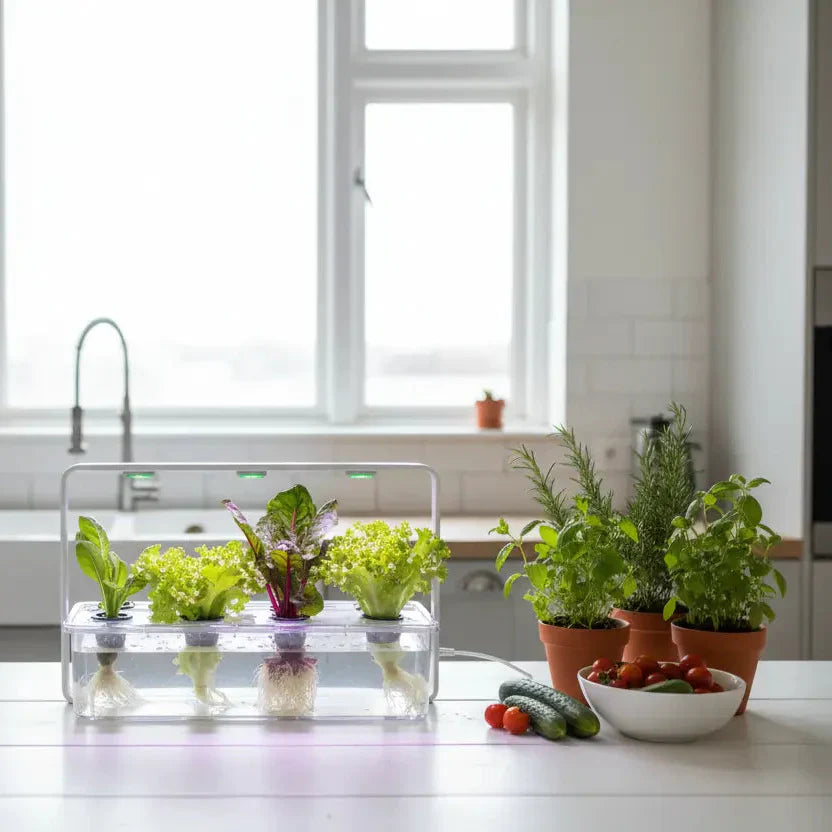
Hydroponics often looks complicated when you first encounter it. Many beginner guides show pipes, pumps, timers, and technical diagrams. That can make starting feel intimidating. In reality, learning how to setup hydroponic system environments at home is much simpler than most people expect.
A basic hydroponic setup only needs a few essential components. Plants grow in nutrient-rich water instead of soil. Roots receive oxygen through air circulation. Light provides the energy plants need for growth. Once these pieces work together, plants can grow quickly and consistently indoors.
Most beginners assume hydroponics requires engineering skills or expensive equipment. This misunderstanding happens because many guides focus on advanced systems. However, a simple hydroponic setup can be assembled with a container, water, nutrients, oxygen, and light. Many first-time growers complete their setup in less than thirty minutes.
If you are new to indoor growing, it also helps to understand the bigger picture behind hydroponic systems for beginners. That guide explains how different hydroponic methods work and why they succeed indoors where soil often struggles.
In short, setting up a hydroponic system means creating a controlled environment where plant roots receive water, nutrients, oxygen, and light without using soil.

What “Setting Up a Hydroponic System” Actually Means
Many beginners hear the word hydroponics and imagine complicated equipment or laboratory-style growing systems. In reality, the process is much simpler. When people search for how to setup hydroponic system environments, they are usually asking how to create the basic conditions plants need to grow without soil.
At its core, hydroponics replaces soil with water that contains dissolved plant nutrients. Roots sit in or near this nutrient solution while receiving oxygen and light. As long as those elements remain balanced, plants can grow quickly and consistently.
A simple hydroponic setup only needs four essential components:
• Water reservoir – holds the nutrient solution that feeds the plants
• Nutrients – dissolved minerals that plants normally obtain from soil
• Oxygen supply – usually provided through air circulation in the water
• Light source – natural sunlight or indoor grow lights
These components create the environment plants require to grow healthy roots and leaves. When beginners understand these fundamentals, hydroponics becomes much easier to visualize and assemble.
In a traditional soil garden, these same elements exist naturally. Soil stores nutrients. Air pockets in the soil provide oxygen to the roots. Sunlight powers photosynthesis above the ground. Hydroponic systems simply recreate those conditions in a more controlled way.
This controlled environment is one reason indoor hydroponics works well for beginners. Instead of depending on unpredictable soil conditions, growers can directly manage water, nutrients, and oxygen. That level of control often leads to faster growth and fewer common gardening problems.
If you are still exploring the basics, understanding the structure of hydroponic systems for beginners can make the setup process much clearer. Different systems organize these same components in slightly different ways, but the core idea always remains the same.
In short, setting up a hydroponic system means building a simple environment where plant roots receive water, nutrients, oxygen, and light in a controlled space.

The Simplest Hydroponic Setup for Beginners
When beginners research how to setup hydroponic system environments, they often expect complicated designs. Many online guides show large vertical farms or multi-pipe systems. Those setups work well, but they are not necessary for getting started.
The simplest hydroponic setup uses a method called deep water culture (DWC). This approach keeps plant roots suspended above a container of nutrient-rich water. An air pump sends small bubbles through the water to provide oxygen. That oxygen allows roots to stay healthy while absorbing nutrients.
Because of its simplicity, deep water culture is one of the most common starting points for beginners. The system contains very few moving parts and is easy to maintain.
A basic beginner hydroponic system typically includes:
-
Container or reservoir to hold water
- Net cup or holder to support the plant
- Grow medium such as clay pebbles or coco material
- Air pump to oxygenate the water
- Air stone to oxygenate the water
- Light source if natural sunlight is limited
Once these elements are in place, plants can begin developing roots in the water. Nutrients dissolved in the water provide the minerals needed for growth. Oxygen bubbles keep the roots healthy and prevent stagnation.
This simplicity is why hydroponics works well indoors. A small hydroponic system can sit on a countertop, shelf, or kitchen corner. With the right lighting and nutrients, leafy greens and herbs can grow consistently throughout the year.
Many beginners also start with smaller plants because they grow quickly and adapt well to water-based systems. Herbs, lettuce, and microgreens are common first choices. These plants develop fast roots and respond well to stable indoor environments.
Understanding this simple structure removes much of the fear around hydroponic growing. Instead of imagining complex equipment, beginners can think of hydroponics as a small container ecosystem where water replaces soil.
Once the basic setup becomes familiar, growers can expand into larger systems or additional plants. But for most beginners, a simple setup like this is more than enough to start learning how hydroponic growing works.

Step-by-Step: How to Set Up a Hydroponic System
Once you understand the basic components, the actual setup process becomes very straightforward. A beginner hydroponic system can often be assembled in less than thirty minutes. The goal is simply to create a small environment where roots receive water, nutrients, oxygen, and light.
If you are learning how to setup hydroponic system environments at home, following a simple step-by-step process removes most of the confusion beginners experience.
1. Choose a Container or Reservoir
Start with a container that will hold the nutrient solution. Many beginners use plastic storage bins, buckets, or small hydroponic containers designed for indoor growing.
The container should be opaque if possible. Blocking light helps prevent algae growth in the water. The size of the container depends on how many plants you want to grow, but beginners often start with a small reservoir that supports one to three plants.
2. Prepare the Nutrient Solution
Fill the reservoir with clean water. Then add hydroponic nutrients according to the recommended concentration. These nutrients contain the minerals plants normally obtain from soil, including nitrogen, phosphorus, potassium, and trace elements.
The water should be mixed thoroughly so the nutrients dissolve evenly. Once prepared, the solution becomes the primary source of food for the plants.
3. Add Oxygen to the Water
Roots need oxygen to stay healthy. In hydroponics, this oxygen usually comes from an air pump connected to an air stone. The air pump pushes bubbles into the reservoir, increasing dissolved oxygen levels in the water.
These bubbles keep the water moving and prevent root suffocation. Oxygen circulation is one of the most important parts of a healthy hydroponic setup.
4. Insert the Plant Holder
Plants are typically supported using a net cup or similar holder. The cup sits in a hole above the reservoir while allowing roots to grow downward into the nutrient solution.
A grow medium inside the cup helps stabilize the plant. Materials like clay pebbles or coco fibers hold the plant upright while allowing water and oxygen to move freely around the roots.
5. Provide Adequate Light
Plants still require light for photosynthesis. If your setup receives strong sunlight from a nearby window, natural light may be enough. However, many indoor growers use LED grow lights to provide consistent lighting.
Position the light source above the plants so leaves receive even illumination. Most leafy greens perform well with 12–16 hours of light each day.
6. Monitor Water Levels
As plants grow, they absorb water and nutrients from the reservoir. The water level should be checked regularly to ensure roots remain in contact with the nutrient solution.
Refilling the reservoir periodically keeps the system stable and supports continuous plant growth.
Following these steps creates a simple but effective hydroponic system that works well for beginners. Once the setup is complete, the system mainly requires occasional monitoring of water levels and plant health.
Common Beginner Mistakes When Setting Up Hydroponics
Most beginner hydroponic problems do not come from complicated system failures. They usually happen because small details are overlooked during the setup process. When people first learn how to setup hydroponic system environments, they often focus on equipment and forget the environmental balance plants require.
Avoiding a few common mistakes can make the difference between slow growth and a healthy hydroponic system.
Forgetting Root Oxygen
Plant roots require oxygen just as much as they require water. In soil, air pockets naturally allow oxygen to reach the roots. In hydroponic systems, oxygen must be supplied through water movement or air bubbles.
Without enough oxygen, roots weaken and plant growth slows. Over time, poor oxygen levels can also lead to root rot. This is why many beginner systems include an air pump and air stone to keep water oxygenated.
Using Too Many Nutrients
Beginners sometimes assume plants grow faster with more nutrients. In reality, excessive nutrients can damage roots and slow plant growth.
Hydroponic nutrients should always be mixed according to recommended concentrations. A balanced nutrient solution supports healthy growth without overwhelming the plant.
Poor Lighting Conditions
Light is the main energy source for plant growth. Even a well-designed hydroponic system will struggle if plants receive insufficient light.
Indoor setups often require LED grow lights to maintain consistent lighting conditions. Without enough light, plants become weak and stretched as they search for energy.
Overcrowding the System
Small hydroponic systems work best when plants have enough space to develop roots and leaves. Overcrowding limits airflow and restricts root expansion.
Beginners often achieve better results by starting with fewer plants and gradually expanding the system later.
Ignoring Water Levels
Hydroponic systems depend on consistent water contact with plant roots. If water levels drop too low, roots can dry out and become stressed.
Checking the reservoir regularly ensures that the nutrient solution continues feeding the plants properly.
These small mistakes are common for beginners, but they are also easy to correct. With proper oxygen, balanced nutrients, and sufficient light, most simple hydroponic setups perform reliably indoors.
When a Hydroponic Setup Becomes More Complex
A simple hydroponic setup can remain easy to manage for a long time. However, complexity increases when systems become larger or when growers attempt to automate many parts of the process. Beginners often encounter confusion when moving beyond small setups.
Large hydroponic systems usually require more equipment. Pumps may circulate water through pipes or channels. Timers can control lighting schedules or water flow. Nutrient monitoring may also become necessary as plant demand increases.
These additions help commercial systems operate efficiently, but they are rarely required for beginners. A small home hydroponic setup typically functions well with only a reservoir, oxygen source, nutrients, and adequate lighting.
Complexity also increases when growers attempt to cultivate many plant varieties in the same system. Different plants sometimes require different nutrient levels or growth conditions. Managing these variables becomes easier once a grower gains experience with simpler systems.
Because of this, beginners often achieve the best results by starting small. A simple hydroponic system allows new growers to understand how water, oxygen, nutrients, and light interact. Once those fundamentals become familiar, expanding the system becomes much easier.
Learning the structure of hydroponic systems for beginners can also help clarify which types of systems remain simple and which designs introduce additional complexity.
Starting with a small, controlled environment allows beginners to build confidence while avoiding unnecessary complications. Over time, that knowledge makes larger hydroponic systems easier to manage and maintain.

FAQ: Beginner Questions About Hydroponic Setup
How long does it take to set up a hydroponic system?
A simple beginner system can usually be assembled in 20–30 minutes once the basic components are prepared.
Do hydroponic systems require pumps?
Many beginner systems use a small air pump and air stone to provide oxygen to plant roots, though some passive systems can operate without one.
What plants grow best in a beginner hydroponic system?
Leafy greens and herbs grow fastest. Common beginner plants include lettuce, basil, kale, spinach, and microgreens.
Can a hydroponic system work without sunlight?
Yes. Many indoor growers use LED grow lights to provide consistent lighting for plants when natural sunlight is limited.
Is hydroponics difficult for beginners?
Most beginners find hydroponics easier than soil gardening because nutrients, water, and oxygen are controlled directly.
Learn More About Hydroponic Systems
Setting up a simple hydroponic system is only the first step in understanding indoor hydroponic growing. Different systems organize water, oxygen, and nutrients in slightly different ways, and each method has advantages depending on the plants you want to grow.
If you want to understand how these systems work and which types are easiest for beginners, the next guide explains the fundamentals in more detail. → Hydroponic Systems for Beginners
0 comments