
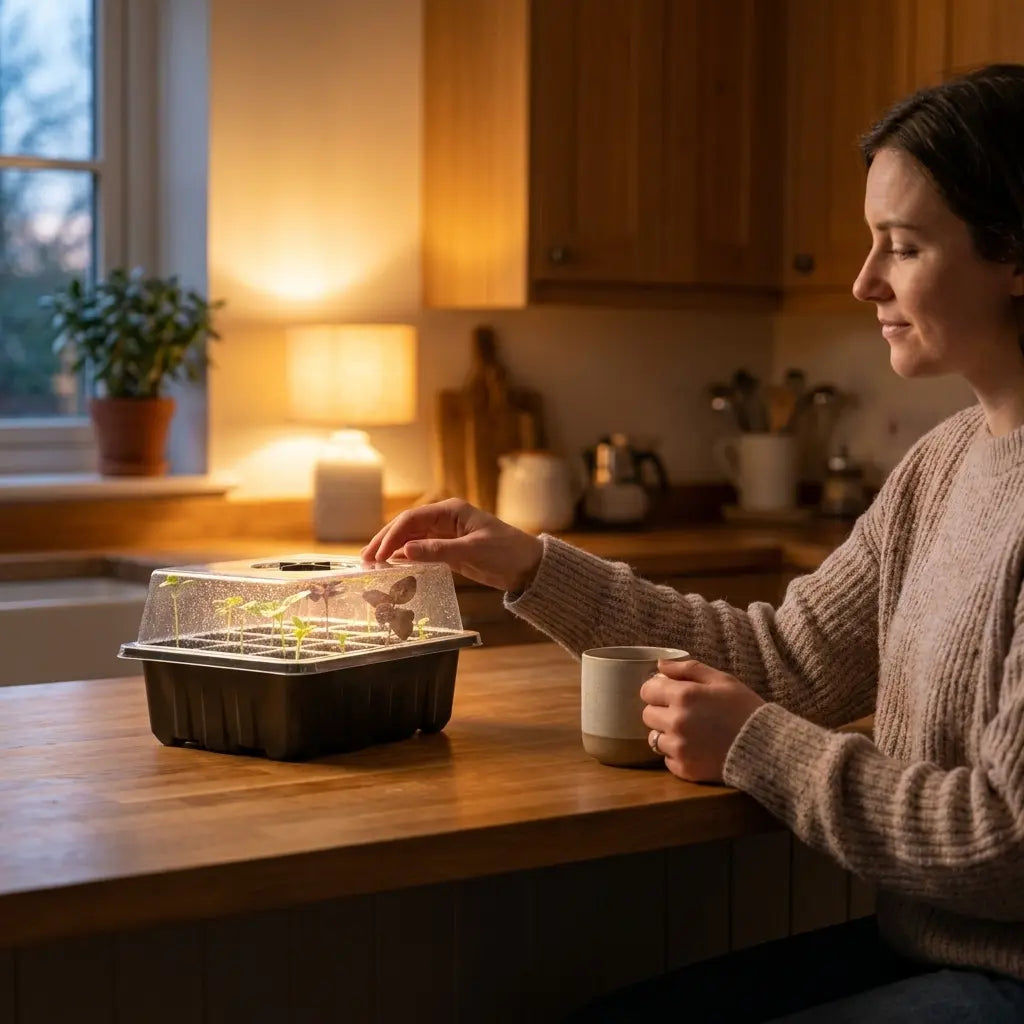
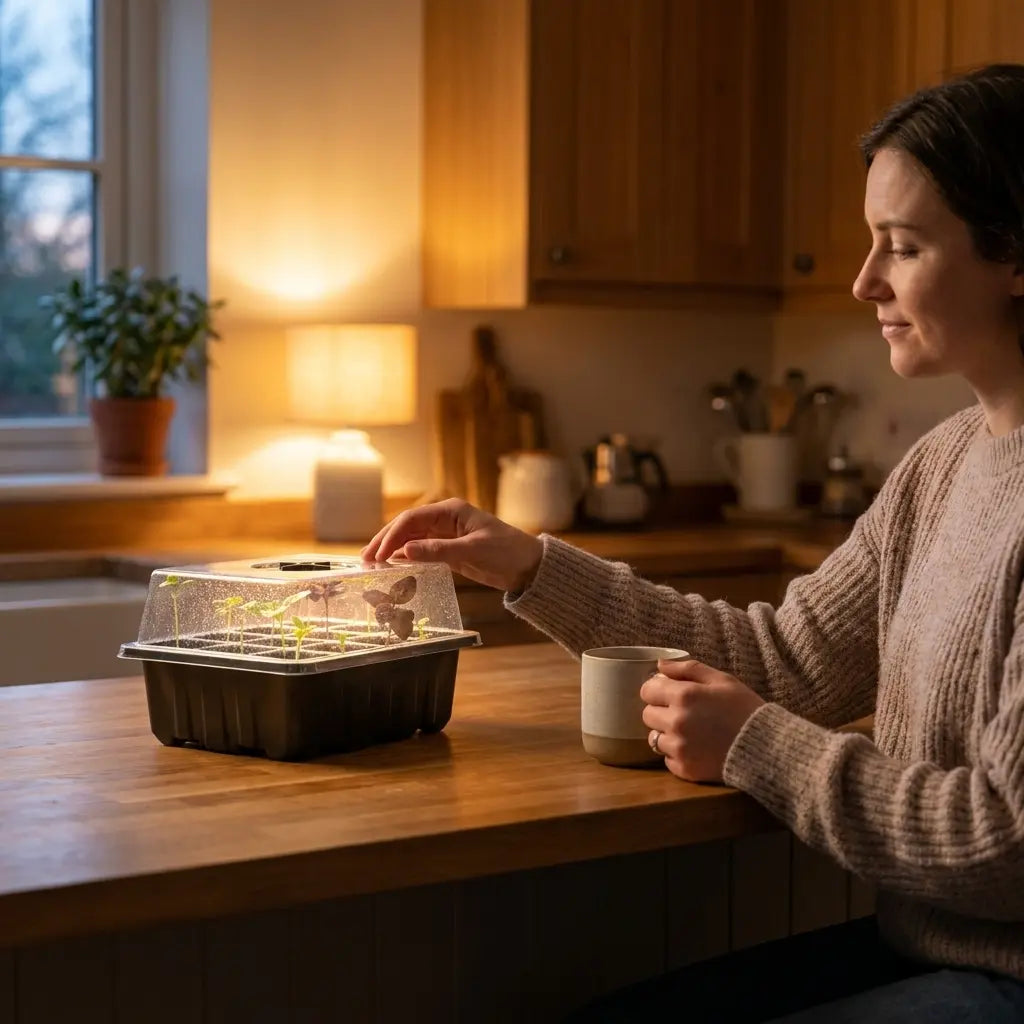
Knowing when to start seeds indoors is the difference between strong, healthy plants and weak growth that never fully develops. Many people assume earlier is better, but starting too early can lead to overcrowded, fragile plants, while starting too late delays growth and reduces results. Timing is not about guessing: it follows a simple, repeatable rule.
Most seeds should be started indoors a few weeks before the last frost, but the exact timing depends on what you are growing. Fast-growing plants like radish microgreens can be started almost anytime, while herbs like basil or vegetables like kale and spinach benefit from a more precise schedule. Getting this timing right ensures that seedlings are ready exactly when conditions are ideal.
The challenge is that indoor environments do not naturally match outdoor seasons. Without a structured setup, it is easy to start too early, let plants outgrow their space, or start too late and fall behind. This is where consistency becomes important. When timing and environment are controlled together, results become predictable instead of random.
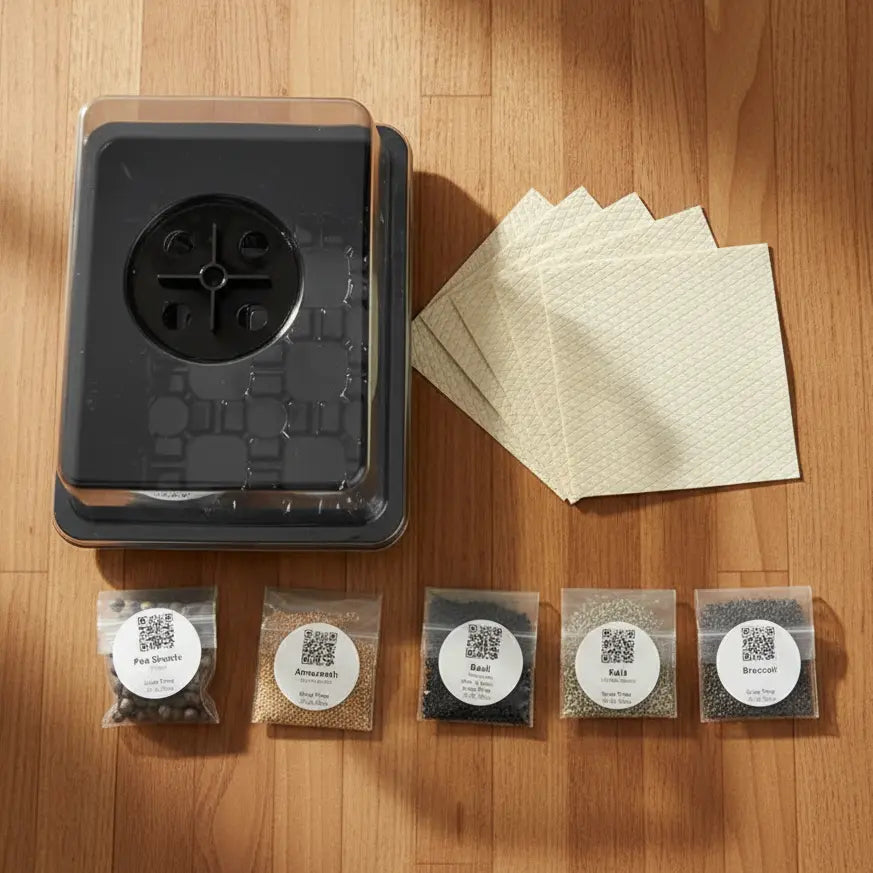
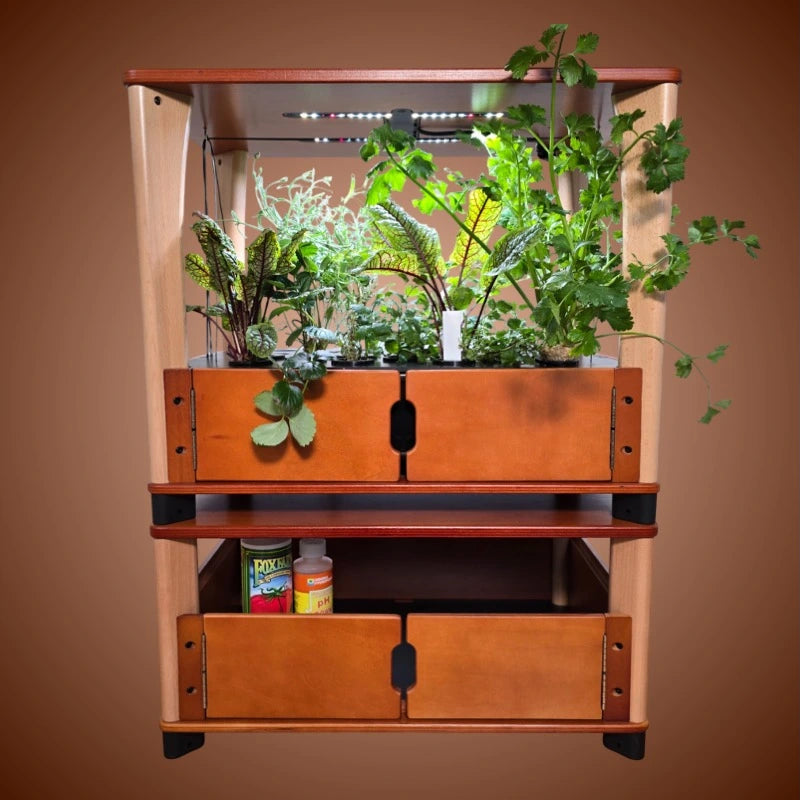
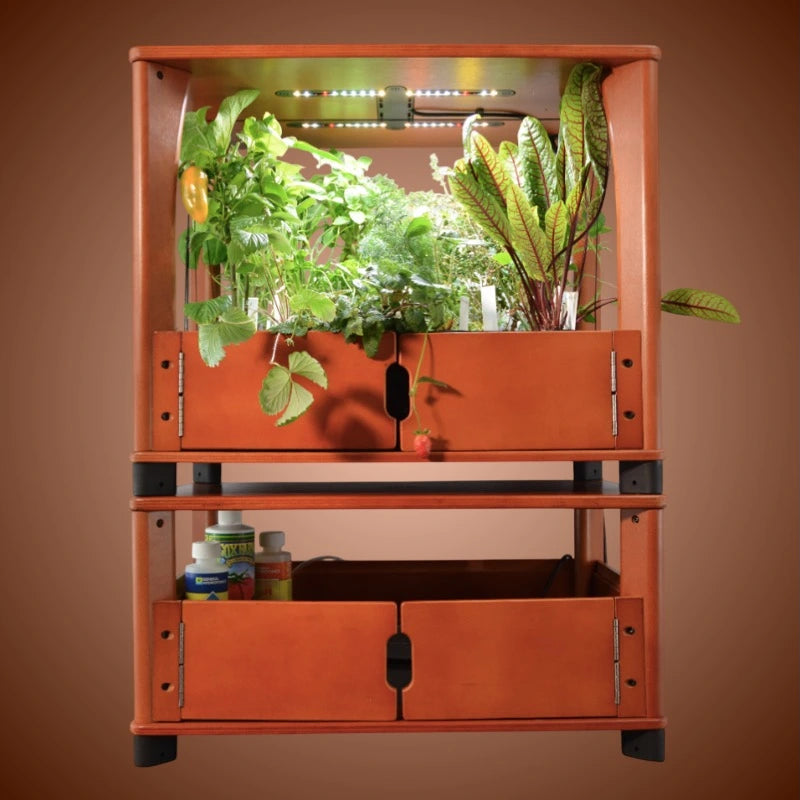
If you want to simplify the process and avoid timing mistakes, using a setup designed for indoor growing helps maintain stable conditions while you follow the correct schedule. Shop the Indoor Seed Starter Kit for a way to start at the right time without worrying about inconsistent conditions.
Once you understand the timing rule and how it applies to different plants, starting seeds indoors becomes a straightforward process that you can repeat every season with consistent results.
Why Timing Matters More Than You Think
Timing is not just about when seeds start growing: it directly affects how strong, healthy, and productive your plants will be later. Many beginners assume that starting earlier gives plants a head start, but in indoor growing, starting too early often creates more problems than advantages.
When seeds are started too early, seedlings outgrow their space before they are ready to be moved. Indoors, light and space are limited. As plants continue growing, they begin competing for light, stretching upward and becoming weak. Stems get thinner, roots become restricted, and the overall structure of the plant suffers. Even if these plants are eventually transplanted, they often struggle to recover and never reach their full potential.
On the other side, starting too late means plants do not have enough time to develop before conditions change. Growth becomes rushed, and plants remain smaller and less productive. This is especially noticeable with herbs and leafy greens like basil, kale, or spinach, where early development plays a big role in final yield. A late start does not just delay growth: it limits how much the plant can produce.
Timing also affects consistency. When seeds are started at the right time, all seedlings develop at a similar pace, making them easier to manage. When timing is off, growth becomes uneven. Some plants grow too fast, others too slow, and maintaining balance becomes difficult.
Another important factor is transition. Indoor seedlings are typically moved to a different environment later, whether that is a hydroponic system, a larger container, or an outdoor setup. If plants are not at the right stage when that transition happens, they experience stress, which slows growth even further.
Getting the timing right removes these problems before they begin. Instead of trying to fix weak plants or catch up with delayed growth, you start with seedlings that are ready at the exact moment they need to move forward.
The Simple Rule: Weeks Before Last Frost
The easiest way to know when to start seeds indoors is to count backward from your last frost date. This removes guesswork and gives you a clear, repeatable system you can use every season.
The last frost date is the approximate time in your area when freezing temperatures stop occurring. After this point, plants can safely grow without risk of cold damage. Instead of trying to predict exact calendar dates, you use this frost point as your reference and plan everything around it.
Most seeds are started indoors between 4 to 8 weeks before the last frost. The exact timing depends on how fast the plant grows. Faster-growing plants need less time indoors, while slower-growing plants need more time to develop before they are ready to move forward.
For example, herbs like basil and leafy greens like kale or spinach typically fall in the middle range. They grow quickly but still benefit from a few weeks of early development indoors. Microgreens, such as radish or broccoli, are different because they grow so fast that they can be started almost anytime, independent of frost timing. On the other hand, longer-growing plants like peppers or strawberries require more time and should be started earlier within that window.
The key is not to overcomplicate it. You do not need a detailed calendar for every plant. Instead, group plants by how fast they grow and apply the same timing rule to each category. This keeps the process simple and repeatable.
If you do not know your local frost date, a quick search using your city or ZIP code will give you a reliable estimate. Once you have that date, everything becomes easier to plan.
Using this method ensures that your plants reach the right stage at the right time. Instead of being too small or overgrown, they are ready to continue growing without interruption, which leads to stronger and more consistent results.
Quick Timing Guide (By Plant Type)
Once you understand the "weeks before last frost" rule, the next step is applying it to specific plants. Instead of memorizing exact dates for every crop, it is much easier to group plants by how fast they grow and follow a simple timing range for each category.
Fast Growers (Start Anytime Indoors)
Fast-growing crops do not depend heavily on frost timing because they develop quickly and are usually harvested early.
These can be started year-round indoors since they are typically ready in 7 to 25 days. Timing is flexible, and results are fast, which makes them ideal for beginners.
Herbs (Start 4 to 6 Weeks Before Last Frost)
Herbs grow at a moderate pace and benefit from a short indoor start before moving forward.
- Basil
- Cilantro
- Parsley
- Dill
Starting too early can lead to overcrowded trays, while starting too late delays usable growth. The 4 to 6 week range keeps them balanced and manageable. Explore all pre-seeded grow mediums to find the right fit.
Leafy Greens (Start 4 to 6 Weeks Before Last Frost)
Leafy greens follow a similar timing to herbs but are slightly more sensitive to delayed starts.
- Arugula
- Kale
- Spinach
- Tatsoi
These plants develop quickly once established, but they still need enough early growth time to produce strong, consistent leaves.
Longer-Growing Crops (Start 6 to 8 Weeks Before Last Frost)
These plants need more time to develop structure before moving forward.
- Peppers
- Strawberry
Starting them earlier gives roots and stems time to strengthen, which improves long-term growth and productivity.
Flowers (Start 4 to 6 Weeks Before Last Frost)
Flowers follow a similar pattern to herbs and leafy greens.
- Marigold
They benefit from early indoor growth but do not require extended time before transitioning.
This approach keeps timing simple. Instead of tracking exact dates for each plant, you only need to remember a few categories. Once you match your plant to the correct group, the timing becomes clear and easy to follow.

When It's Too Early
Starting seeds too early is one of the most common mistakes in indoor growing, and it often happens with good intentions. Many people assume that giving plants more time indoors will lead to better results. In reality, starting too early usually creates weak, overcrowded, and difficult-to-manage seedlings.
The main problem is that indoor conditions have limits. Light, space, and airflow are all restricted compared to outdoor environments. When plants grow too long indoors, they begin to outgrow these limits. Seedlings stretch toward the light source, becoming tall and thin instead of compact and strong. This weak structure makes them harder to support and more likely to fall over.
Root development is also affected. When plants stay in small starter cells for too long, roots become crowded and restricted. Instead of expanding naturally, they begin circling or compacting within the limited space. This slows down growth and reduces the plant's ability to absorb water and nutrients later on.
Another issue is timing mismatch. If plants are ready to move forward but conditions outside or in the next stage are not ready, they remain stuck in the tray. During this period, growth becomes unstable. Plants may continue stretching, leaves may weaken, and overall health declines.
Overcrowding can also become a problem. When multiple seedlings grow at different speeds, faster ones begin to shade slower ones. This creates uneven development across the tray, making it harder to maintain consistent growth.
The result of starting too early is not stronger plants, but stressed ones. Even if they survive, they often take longer to recover and may never reach the same level of growth as properly timed seedlings.
The goal is not to start as early as possible, but to start at the right time so plants grow steadily and are ready to move forward without delay.
When It's Too Late
Starting seeds too late creates a different set of problems, but the result is the same: weaker plants and reduced results. Instead of outgrowing their space, late-started plants fall behind and struggle to catch up.
The main issue with starting too late is that plants miss part of their natural growth window. Early development is when plants build their structure: roots, stems, and initial leaves. If this stage is delayed, the plant has less time to establish itself before it needs to produce usable growth. This is especially noticeable with herbs and leafy greens like basil, spinach, or arugula, where early growth directly impacts how much you can harvest later.
Late starts also create pressure to accelerate growth. Many people try to compensate by increasing watering or light exposure, but this does not replace the time the plant has already lost. Growth becomes uneven, and plants often remain smaller and less productive compared to those started at the correct time.
Another problem is inconsistency. When seeds are started late, environmental conditions may already be changing. Temperature shifts, longer daylight hours, or variations in indoor conditions can make it harder to maintain a stable setup. This leads to uneven germination and unpredictable results across the tray.
For longer-growing plants like peppers or strawberries, the impact is even greater. These plants need time to develop strong roots and structure. If they are started too late, they may never fully reach their potential within the growing cycle.
The key is not to rush or delay the process, but to align it with the natural growth timeline. Starting seeds at the right time ensures they develop steadily and reach the next stage without needing to catch up.
When timing is correct, plants grow at a natural pace, resulting in stronger structure, better consistency, and more reliable outcomes overall.
Indoor vs Outdoor Timing
One of the biggest advantages of starting seeds indoors is control. Outdoors, timing is dictated entirely by weather. Temperature changes, unexpected cold days, and inconsistent conditions make it difficult to predict exactly when seeds will grow successfully. Indoors, you remove most of that uncertainty.
When seeds are started outdoors, they are exposed to natural fluctuations that can slow or interrupt germination. Even if the general season is correct, a few colder days or inconsistent moisture can delay growth. This is why outdoor timing often requires waiting longer to ensure stable conditions, which shortens the overall growing window.
Indoor seed starting changes that dynamic. By controlling temperature, moisture, and light, you can begin the process earlier without exposing seeds to those risks. This allows plants to develop in a stable environment before they move to the next stage. Instead of reacting to weather, you are working ahead of it.
However, this added flexibility can also create mistakes if timing is not adjusted correctly. Starting seeds indoors too early without considering their growth rate leads to the same problems discussed earlier: overgrown or weak seedlings. The advantage of indoor growing is not unlimited time, but controlled timing.
Another key difference is consistency. Indoors, all plants experience similar conditions, which leads to more uniform growth across the tray. Outdoors, even small variations in sunlight, wind, or soil moisture can create uneven results.
The goal is to use indoor growing to prepare plants at the right moment, not simply earlier. When indoor timing is aligned with the natural growth cycle, plants transition smoothly and continue developing without interruption.
Using a controlled indoor setup helps maintain these consistent conditions throughout the process. A system like the Aquager Indoor Seed Starter Kit makes it easier to manage timing and environment together, allowing you to start seeds with confidence and maintain steady growth from the beginning.
Simple Strategy for Beginners
If all of this feels like a lot to manage, the good news is that you do not need a complex schedule to get it right. Most successful indoor growing comes down to following a simple, repeatable strategy instead of trying to optimize every detail.
Start by finding your local last frost date. This is your reference point. Once you have it, count backward based on the type of plant you are growing. Fast-growing plants like radish or broccoli microgreens can be started anytime. Herbs and leafy greens like basil, cilantro, kale, or spinach typically fall into the 4 to 6 week range. Longer-growing plants like peppers or strawberries should be started earlier, around 6 to 8 weeks before the frost date.
Instead of tracking exact dates for every plant, focus on grouping them. This makes the process easier to manage and reduces mistakes. You can start multiple plants at the same time as long as they fall within the same timing range. This keeps your setup simple and your results consistent.
The next part of the strategy is consistency. Once seeds are planted, avoid making constant changes. Keep moisture stable, maintain steady light, and avoid moving the tray unnecessarily. Most problems happen when conditions fluctuate, not when they stay the same.
Finally, use a setup that reduces variables. When the environment is stable, timing becomes much easier to manage. Shop the Indoor Seed Starter Kit to help maintain consistent moisture and structure, so you can focus on following the timing rule instead of constantly adjusting conditions.
When you combine a simple timing rule with a stable setup, indoor seed starting becomes predictable. You are no longer guessing when to start: you are following a process that produces consistent results every time.
Conclusion
Knowing when to start seeds indoors removes one of the biggest sources of frustration in growing. Starting too early leads to weak, overcrowded plants, while starting too late limits growth and reduces results. Both problems come from the same issue: timing that does not match the plant's natural development cycle.
The key is to keep the process simple. Use your last frost date as a reference, group plants by how fast they grow, and follow a clear timing range. Fast growers like radish or broccoli microgreens can be started anytime, while herbs and leafy greens such as basil, cilantro, kale, and spinach perform best when started a few weeks before the frost date. Longer-growing plants like peppers or strawberries need more time and should be started earlier within that window.
Once timing is correct, everything else becomes easier. Plants develop at the right pace, trays stay manageable, and transitions to the next stage happen smoothly. Instead of dealing with weak or delayed growth, you get consistent, predictable results.
If you want to simplify the process even further, using a setup designed for indoor seed starting helps maintain stable conditions while you follow the correct timing. Shop the Indoor Seed Starter Kit for consistent moisture and structure, making it easier to get strong, healthy seedlings without constant adjustments.
When timing and environment work together, indoor seed starting becomes a repeatable process that delivers reliable results every season.
FAQ
When should I start seeds indoors?
Most seeds should be started 4 to 8 weeks before your last frost date, depending on how fast the plant grows.
Can I start seeds indoors anytime?
Fast-growing crops like radish or broccoli microgreens can be started year-round, but most plants follow seasonal timing.
What happens if I start seeds too early?
Plants can become weak, overcrowded, and outgrow their space before they are ready to move forward.
What happens if I start seeds too late?
Plants may not have enough time to fully develop, leading to slower growth and lower yields.
What is the easiest way to manage timing?
Use your last frost date, group plants by growth speed, and follow a simple timing range instead of tracking exact dates.
Author: Aquager Team · Published: April 18, 2026 · Updated: August 8, 2026 · Reviewed: August 8, 2026 (Phase 2)











0 comments