Why Plants Die Indoors (2026)
Oxygen, Light, Moisture
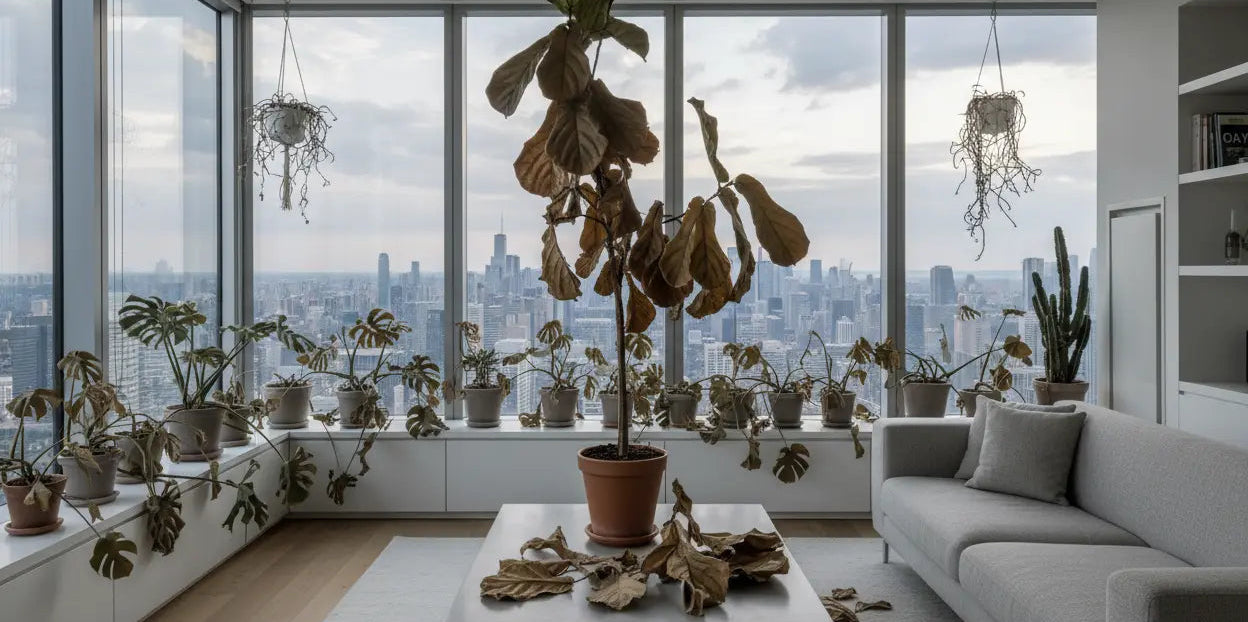
Most indoor plants die because their roots lack oxygen, consistent moisture, and adequate light, which causes stress and decay even when people follow basic care instructions.
Indoor plant failure is rarely about effort or attention. It usually happens because indoor environments remove the natural conditions plants evolved to rely on. This page explains the real reasons plants die indoors, why common advice often fails, and how growing methods that control these variables reduce failure.
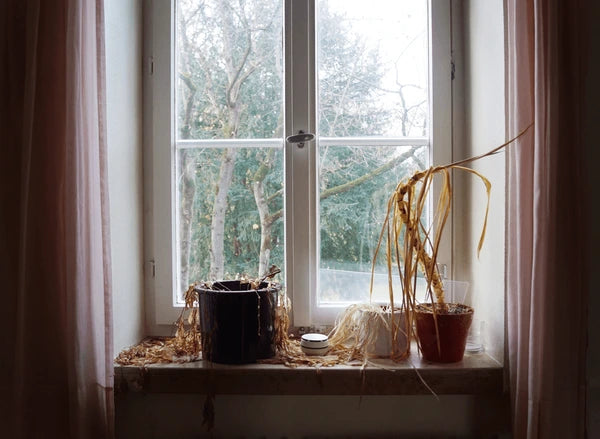
Indoor Plants Fail for Structural Reasons
Most plants are adapted to outdoor conditions where air, moisture, and light fluctuate naturally. Indoors, those systems break down.
The most common indoor failures are not mistakes — they are environmental limitations.
Root Oxygen Is the Most Overlooked Problem
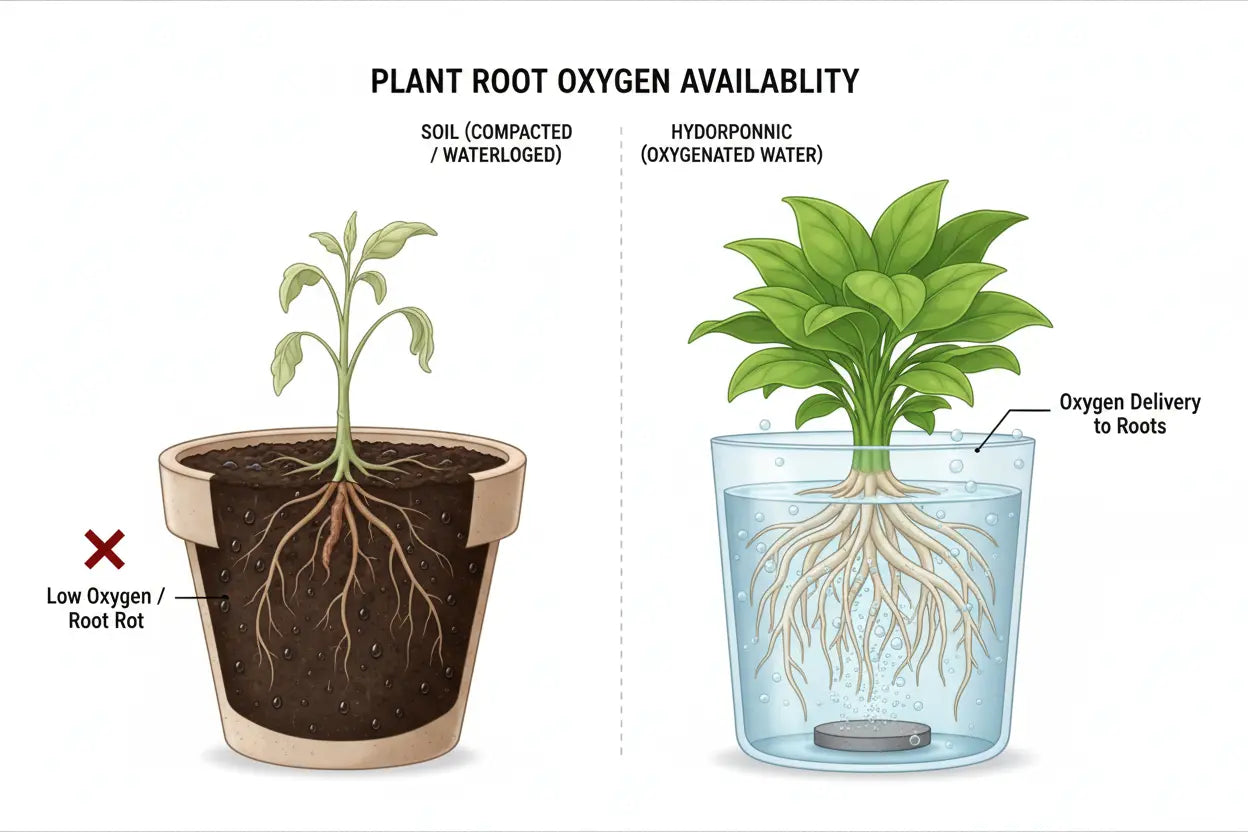
Plant roots need oxygen just as much as they need water. Outdoors, air naturally circulates through soil. Indoors, soil often becomes compacted and saturated.
When roots can’t access oxygen:
- Growth slows
- Roots weaken
- Rot develops
Overwatering is often blamed, but the real issue is oxygen deprivation, not water itself, which is why hydroponic systems for beginners focus on delivering oxygen directly to the root zone.
Inconsistent Watering Stresses Plants
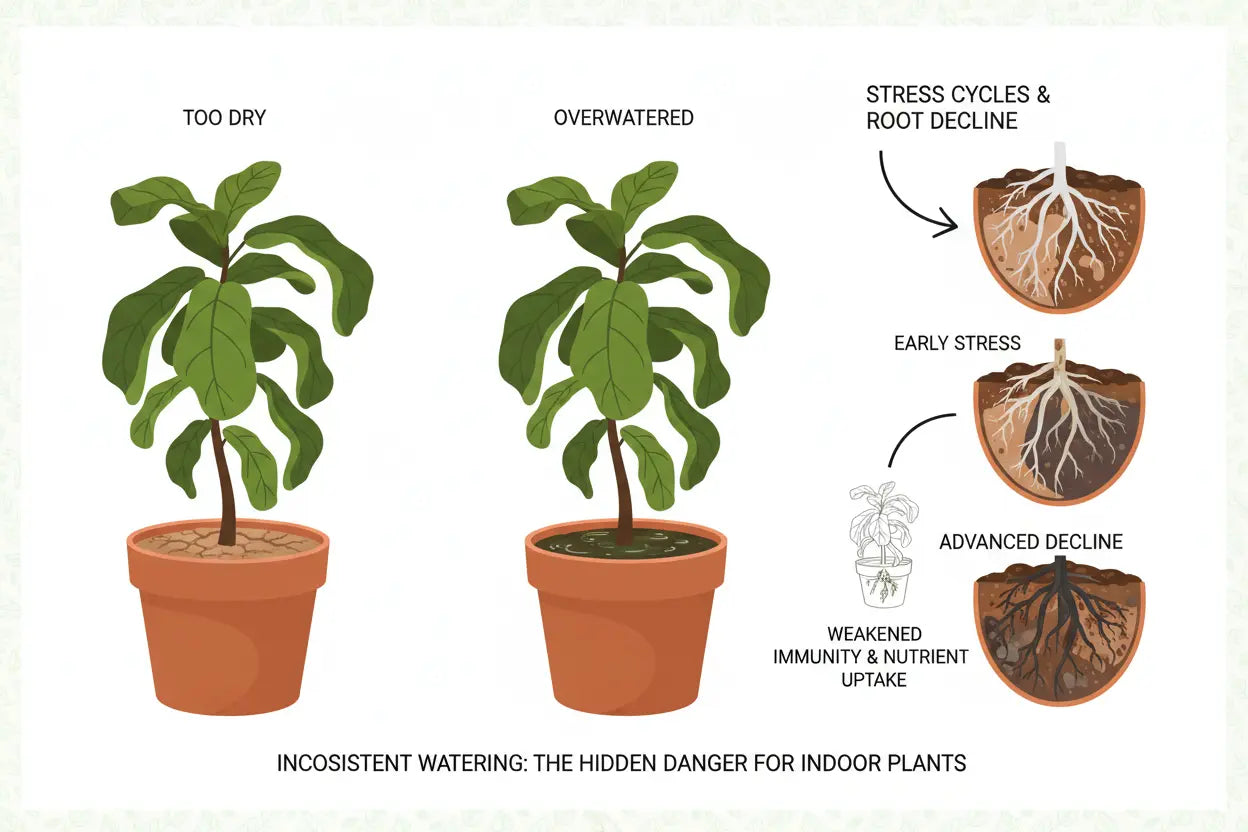
Indoor watering tends to swing between extremes:
- Too dry
- Too wet
Plants respond poorly to inconsistency. Even when schedules are followed, soil dries unevenly indoors, creating stress cycles that weaken roots over time.
This is why many plants decline slowly rather than failing immediately.
Indoor Light Is Almost Always Insufficient
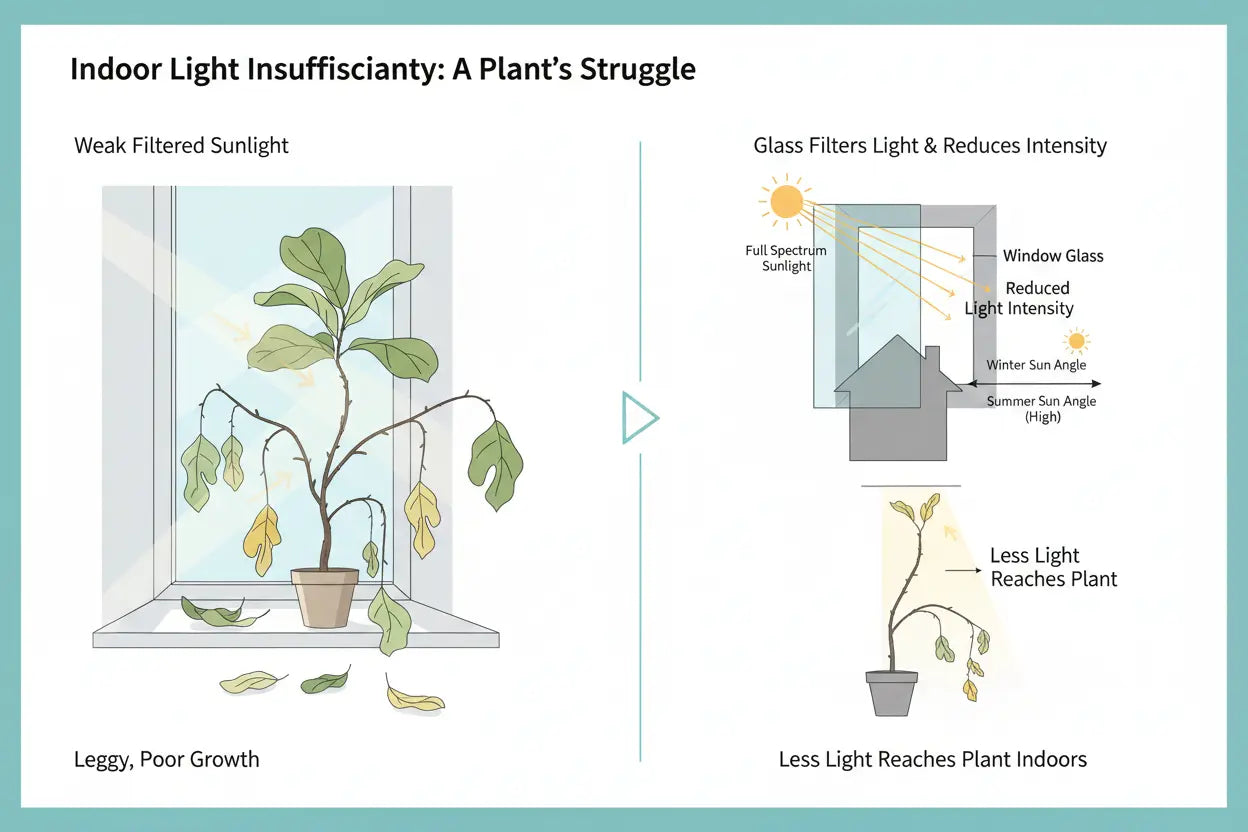
Natural sunlight indoors is far weaker than it appears. Glass filters light, window angles change throughout the day, and seasonal shifts reduce intensity.
As a result:
- Photosynthesis slows
- Growth becomes leggy
- Leaves yellow or drop
This happens even when plants are placed “near a window.”
Why Following Plant Care Instructions Often Doesn’t Work
Most care instructions assume:
- Outdoor light levels
- Well-aerated soil
- Stable temperatures
Indoors, those assumptions fail. The plant may receive “correct” care but still decline because the environment itself is incompatible.
This disconnect is why people feel like they are doing everything right — and still losing plants.
Why These Problems Are Hard to Fix with Soil Indoors
Improving one factor indoors often worsens another:
- More water reduces oxygen
- More drainage dries soil too quickly
- Moving closer to windows increases temperature swings
These tradeoffs explain why indoor soil gardening struggles, which is why many people eventually turn to hydroponic systems for beginners instead.
Why Controlled Growing Systems Reduce Failure
Indoor plant survival improves when:
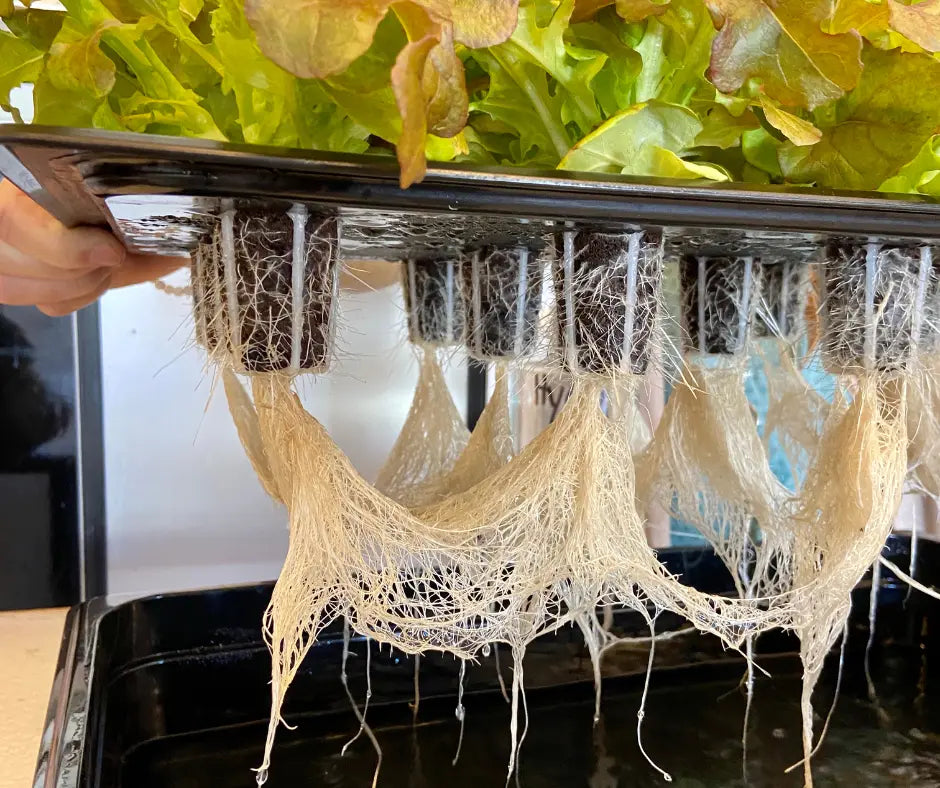
- Roots receive oxygen continuously
- Water is delivered consistently
- Light is stable and predictable
Growing methods that control these variables reduce the chance of stress accumulating over time.
This is why many people start evaluating whether hydroponics is worth it at home once they understand how difficult these conditions are to maintain with soil indoors.
A More Reliable Way to Grow Indoors
Many people regain confidence by starting plants in controlled nurseries and then growing them in systems designed for indoor conditions. This approach avoids the most common failure points without requiring constant correction.
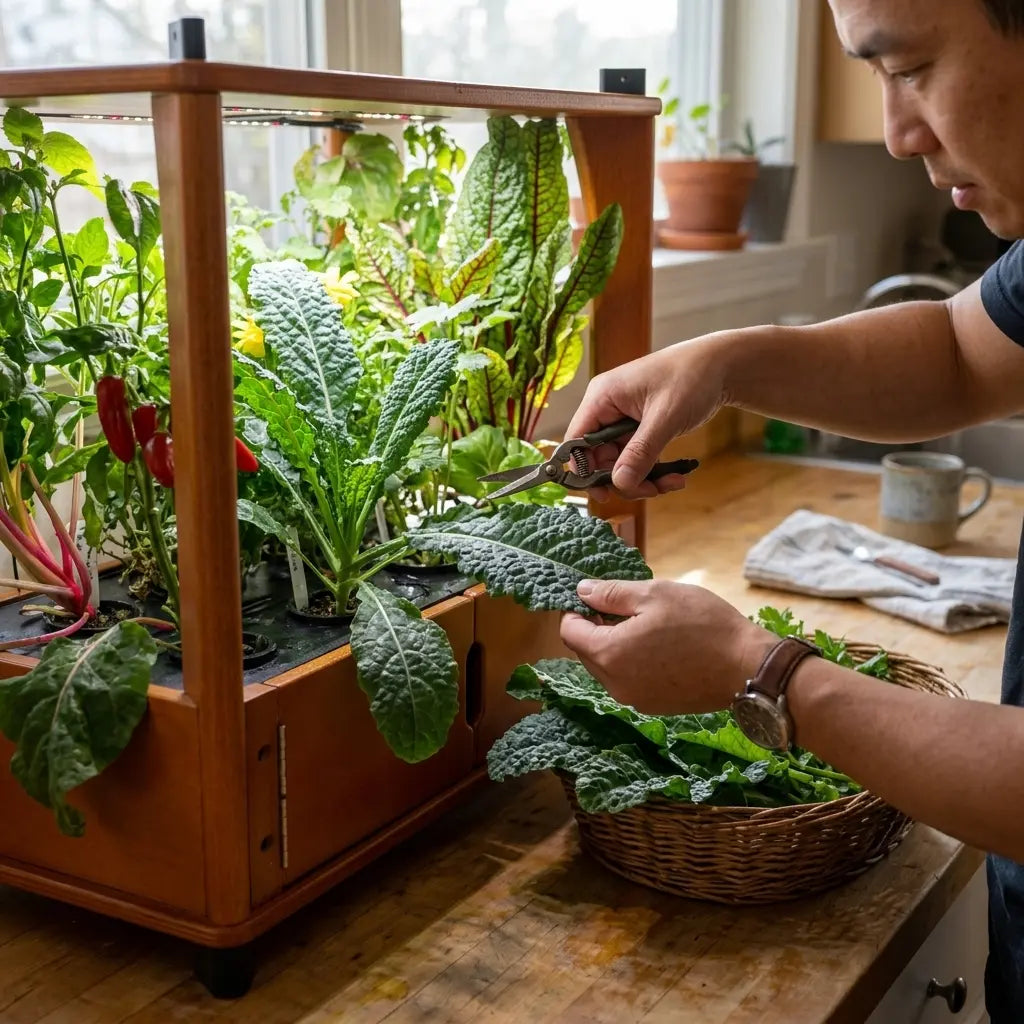
Aquager’s Hydroponic Home Farm is built around this principle — controlling the factors that cause indoor plant failure instead of asking beginners to troubleshoot them.