
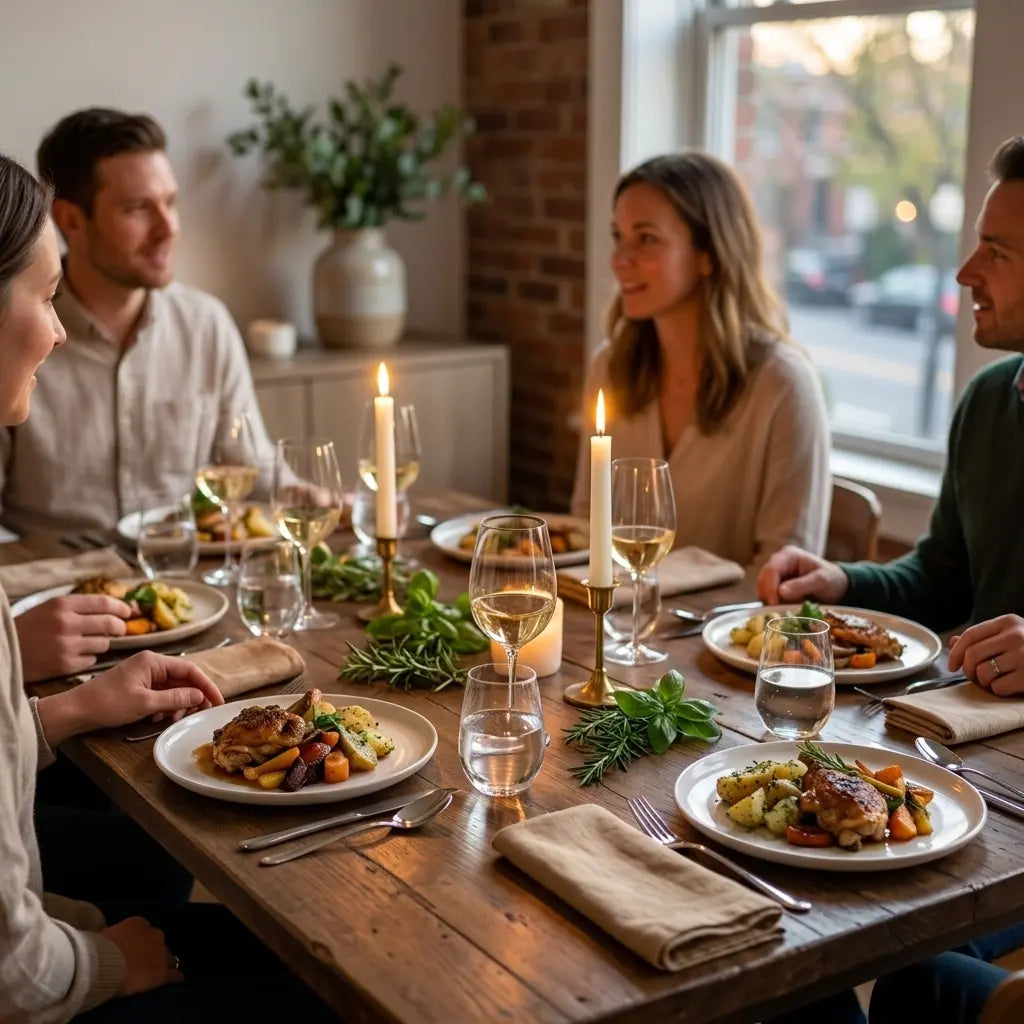
Picture the dinner party you actually want to host: candles lit low, plates that look like they came out of a real restaurant kitchen, and a guest asking how you pulled the whole thing off. Most hosts assume the answer is technique, some fancy knife skill or a culinary school trick they never learned.
It is not. Walk into the kitchen of almost any good restaurant an hour before service and you will see the same thing on every cutting board: fresh herbs, snipped minutes before they hit a plate. Most home cooks skip this step entirely, reaching for a wilted plastic clamshell of basil that has been sitting in the crisper drawer for a week.
That gap, fresh versus tired, is the actual difference between a home cooked meal and a restaurant quality dinner party. It has very little to do with skill and everything to do with timing.
This guide walks you through a full dinner party menu, cocktails through dessert, with one fresh herb doing the heavy lifting at every single course. No culinary degree required. Just six herbs, six courses, and a counter that does most of the growing for you.
Why Fresh Herbs Are the Real Restaurant Secret
Restaurant kitchens do not rely on rare ingredients or secret techniques most home cooks have never heard of. They rely on freshness, and herbs lose their punch faster than almost anything else in the kitchen. Basil bruises within hours of being cut. Thyme turns papery and dull within a week.
Once an herb leaves the plant, the clock starts ticking on its flavor. Grocery store herbs travel for days before they reach a shelf, then sit in a refrigerated case, then sit in your own fridge for several more days before you finally use them.
By the time most home cooks reach for that clamshell of basil, a large share of the essential oils that make fresh herbs taste alive have already faded into something flat and grassy. That fade is the real gap between home cooking and restaurant cooking, and it has nothing to do with how many years someone has spent behind a stove.
Think about the difference between smelling a jar of dried oregano and crushing a fresh basil leaf between your fingers. One is dust. The other is alive. That gap in intensity is exactly what separates a dinner that tastes fine from one that tastes memorable.
Close that timing gap and the rest of the meal gets noticeably easier. A roast chicken rubbed with thyme cut thirty seconds earlier needs almost no other seasoning to taste finished. A cocktail garnished with a rosemary sprig snapped fresh off the stem smells like something poured at a five star hotel bar, with zero bartending experience required.
If you want the deeper version of why fresh herbs perform so differently than the store bought kind, our guide to growing herbs indoors year round breaks down the science behind it in more detail.
Build Your Menu, One Herb at a Time
You do not need six different specialty ingredients to pull off a restaurant quality dinner party. You need one good herb per course, used on purpose instead of as an afterthought garnish.
Below is a full six course menu built around herbs most home entertainers already recognize and many already grow. Each course gets exactly one herb and one simple technique that turns a familiar dish into something that looks and tastes plated by a chef.
Work through the courses in order, or pull out just the ones that fit the menu you already have planned. Either way, the goal is the same: fresh herb, cut close to serving, used with intention.
The Six-Course Dinner Party Menu
Cocktail Hour: Rosemary
Start the night with a drink that smells like a fireplace before your guest takes the first sip. Press a fresh sprig of rosemary between your palms to crack the leaves and release the oils, then drop it straight into a gin and tonic, a whiskey sour, or even sparkling water for guests who are skipping alcohol.
The aroma hits the moment the glass is handed over, which means the impression is made before anyone has tasted a single thing. That is the entire trick behind a great cocktail hour: the nose does most of the convincing. Rosemary is one of the easiest ways into herb cocktails for hosts who do not normally garnish their drinks.
Rosemary holds its shape and its scent far longer than more delicate herbs like mint, which makes it the easiest garnish for a host pouring drinks for a full table of guests. Snip what you need directly from the counter right before cocktail hour starts so it is still fragrant when it lands in the glass.
If you are hosting more than four or five guests, prep a small jar of bruised rosemary sprigs before the party starts. It saves you from disappearing into the kitchen mid conversation every time someone wants a refill.
Amuse-Bouche: Chives
An amuse-bouche is a single bite, which means every ingredient on it has to earn its place. A small spoonful of creme fraiche, one blini, and a light scattering of finely cut chives turns a one bite snack into something that looks like it was plated in a professional kitchen.
Chives bring a mild onion bite without overpowering whatever course comes after them, which matters when you only get one small taste to set the tone for the rest of the night.
Cut chives with kitchen scissors instead of a knife. Scissors keep the hollow stems from bruising and crushing, which keeps the flavor sharp instead of muddy.
Plate the bite on a small spoon or a single cracker rather than a shared platter. The individual presentation is what makes a one bite course feel intentional instead of like a leftover snack.
Starter: Basil
A simple caprese salad or a bowl of tomato soup turns into a starter worth photographing with little more than a few torn basil leaves scattered on top. The trick is in the tearing. Tear the leaves by hand instead of chopping them with a knife.
Basil bruises fast, and a clean knife cut releases less aroma than a rough tear does. Tearing breaks the leaf along its natural lines, which means more of the herb's oil ends up on the plate instead of on your cutting board.
If you want to take this course further, our guide on making fresh pesto and growing the basil at home turns the same herb into a starter sauce you can blend in about five minutes, no food processor skills required.
Main Course: Thyme and Compound Butter
This is the course where the secret really shows up. Restaurants finish proteins with compound butter: softened butter mixed with chopped herbs, a little garlic, and a pinch of salt, then melted over the dish right before it reaches the table.
Mash a few stripped sprigs of thyme into softened butter along with one minced garlic clove and a pinch of salt. Spoon it over roast chicken, a seared steak, or grilled vegetables while they are still hot off the heat.
The butter melts into every bite as it sits, carrying the thyme's flavor through the whole plate instead of leaving it stuck to the surface like a dry rub would. It is a two minute step that looks and tastes like a much longer one.
Compound butter is also one of the few restaurant techniques that gets better the day before. Make a batch, roll it in parchment, and keep it in the fridge until the main course goes on the stove.

Side Dish: Parsley
Parsley is the most underrated herb on this entire menu. A handful of chopped parsley tossed over roasted potatoes, a simple grain side, or a vegetable medley adds color and a clean, slightly peppery finish that balances out a richer main course.
Reach for flat-leaf parsley instead of the curly variety if you have a choice. Flat-leaf carries more flavor per leaf and chops more easily, which matters when you are pulling together a finishing garnish in the last few minutes before plating.
Toss the parsley on at the very last second, right as the side dish leaves the stove. Heat wilts parsley fast, and a wilted garnish reads as an afterthought instead of an intentional finish.
This is also the easiest course to prep ahead. Roast the potatoes or grain earlier in the day, then finish with the fresh parsley right before they go on the table.
Dessert: Lavender
Lavender sounds intimidating until you realize a small amount goes a very long way. Steep a teaspoon of dried buds into warm cream before folding it into a panna cotta, or sprinkle a tiny pinch over shortbread dough before it goes into the oven.
The goal with lavender is a whisper of floral flavor in the background, not a mouthful of perfume. Start with less than you think you need. You can always use a little more on a second batch once you know how strong your particular lavender is.
Pair lavender with something acidic, like a spoon of lemon curd or a few berries, to keep the floral note from tasting soapy. That contrast is what separates a lavender dessert that works from one that overwhelms the table.
Lavender desserts also hold up well overnight, which makes this the one course you can fully finish before guests even arrive.
Stock Your Herb Bar for Every Future Dinner Party
Pulling together six fresh herbs for one dinner party is one thing. Keeping all six fresh and ready for the next one is a different problem entirely, and it is the problem that quietly ends most people's herb forward cooking after the first attempt.
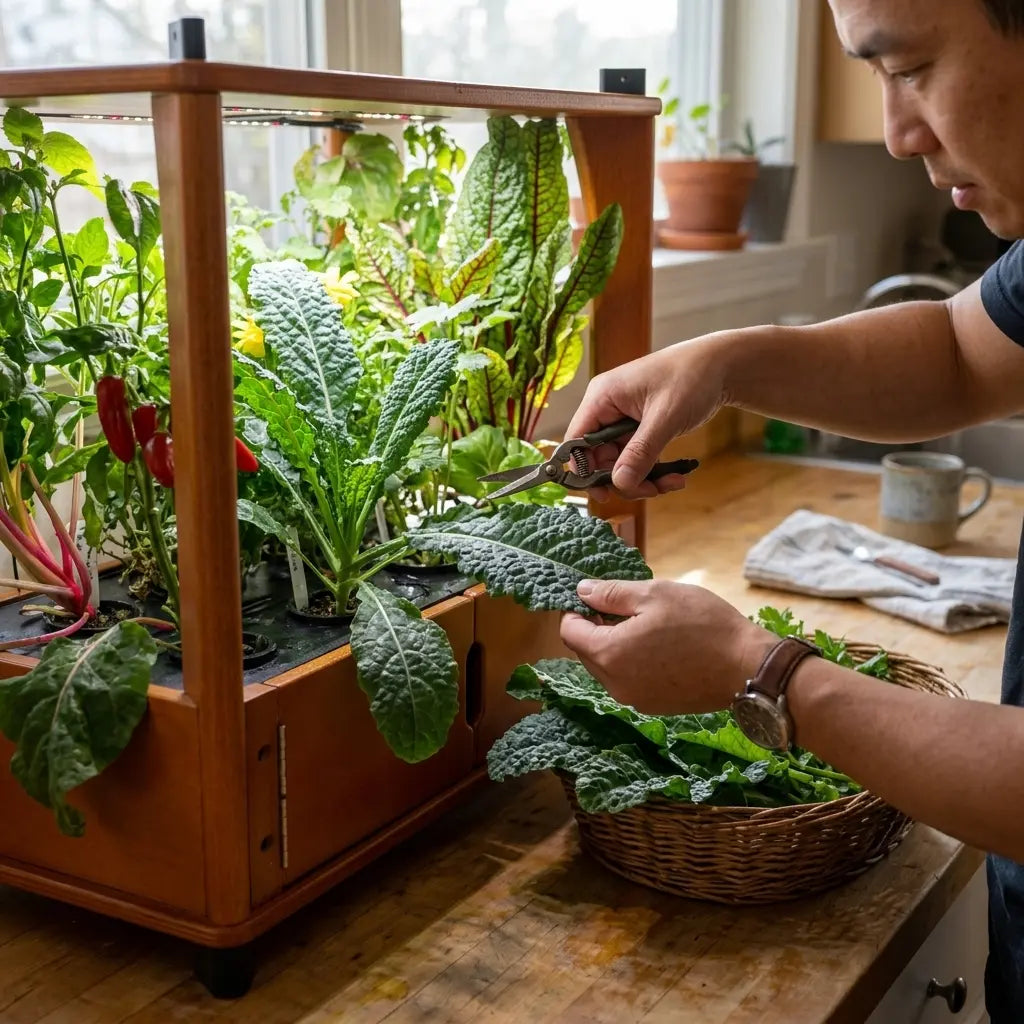
A countertop herb garden solves the timing issue that ruins most home cooking: herbs going limp in the crisper drawer before anyone gets around to using them. Instead of buying six separate bunches for one dinner and tossing out what is left, you grow exactly what you need and harvest it minutes before guests arrive.
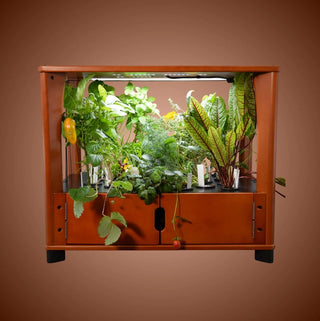
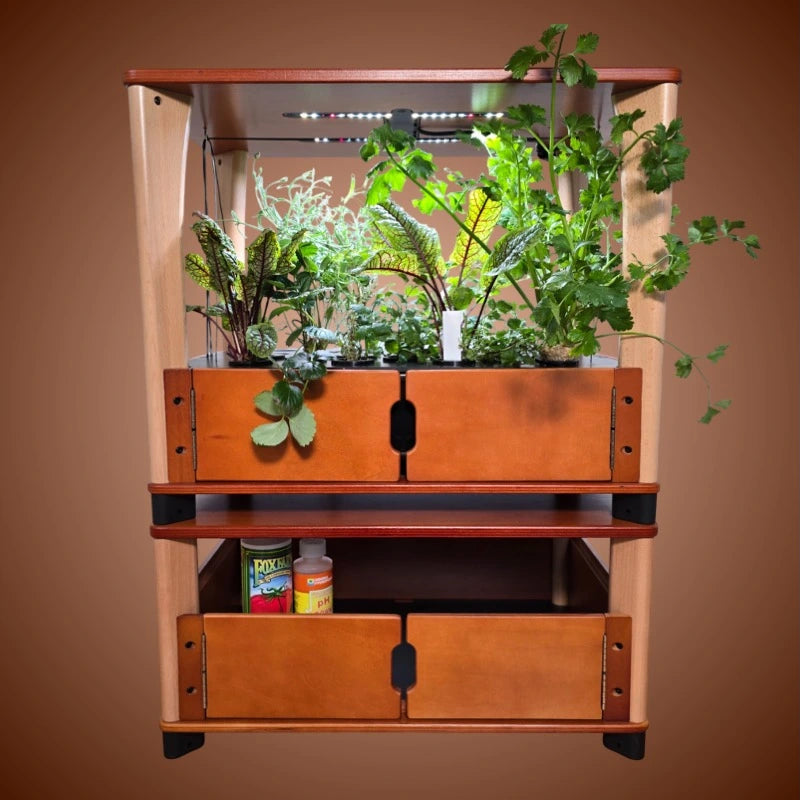
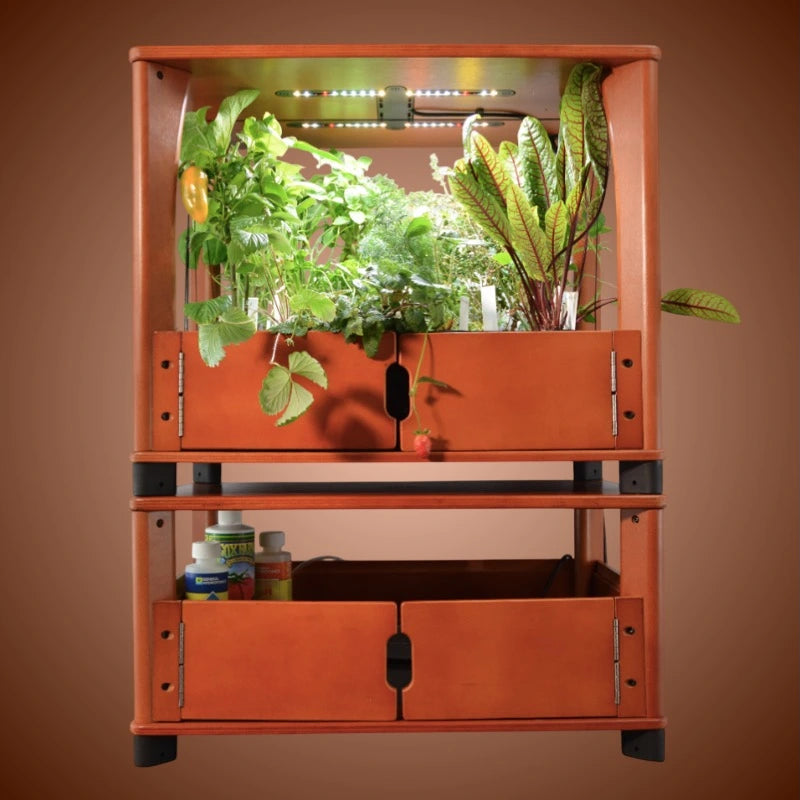
The Chef's Organic Set grows a full rotation of cooking herbs at once, so rosemary, thyme, basil, and the rest of tonight's menu are always a few inches from your cutting board. Snip what tonight's recipe calls for, and the rest keeps growing quietly for the next dinner party, the one after that, and every one after.
It also solves the planning problem that comes with hosting more than once. Instead of building a grocery list around six separate herb bunches every time you throw a dinner party, you walk to the counter, snip what the menu calls for, and the rest of the rotation keeps growing untouched.
Hosts who entertain more than once or twice a season tend to find this pays for itself fast. A single bunch of fresh herbs at the grocery store can run several dollars and gets used once before it wilts. A countertop setup keeps producing for months.
Frequently Asked Questions
Do I need cooking experience to pull off a dinner party like this?
No. Every step in this guide is an addition, not a new technique to master. You are adding one fresh herb to a dish you likely already know how to make. The herb does the work that usually takes years of practice to fake.
How far ahead should I harvest the herbs?
As close to serving time as possible, ideally minutes rather than hours. Most fresh herbs start losing their aroma within an hour of being cut from the plant. Snip rosemary and thyme right before cocktail hour starts, then cut the rest course by course as the night goes on.
What if I only have time to grow one herb before the party?
Start with basil or thyme. Both work across multiple courses on this menu, both are forgiving for first time growers, and both are easy to find already pre-seeded so you are not starting from a bare seed packet days before guests arrive.
Can fresh herbs really replace cooking technique?
Not entirely, but they can replace more of it than most people expect. A roast chicken finished with thirty second old thyme butter tastes more impressive than the same chicken cooked by someone with twice the experience using herbs that sat in a drawer for a week.
What is the easiest course to start with if I am nervous about hosting?
Cocktail hour. A rosemary garnish takes about ten seconds to prepare, leaves almost no room for error, and sets the tone for the whole evening before a single guest has tasted any food.
Your Next Dinner Party Starts on the Counter
The difference between a good dinner party and a restaurant quality one usually comes down to six small decisions, one per course, made in the minutes right before each dish goes out. None of those decisions require a culinary degree. All of them require fresh herbs that are actually fresh.
Save this menu, or adapt pieces of it into whatever you are already planning to cook. The herb is the variable that changes the outcome, not the recipe underneath it.
If late spring and early summer have you entertaining more often than usual, a batch of fresh herb recipes built for the season can help round out the rest of your menu beyond this one dinner.
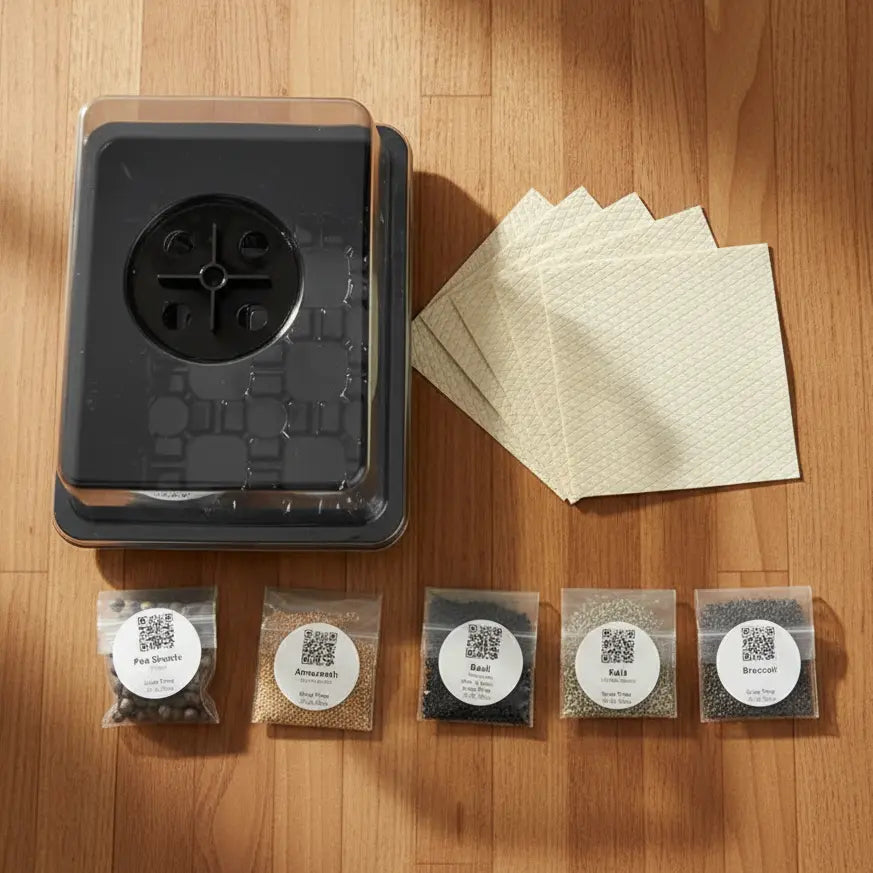
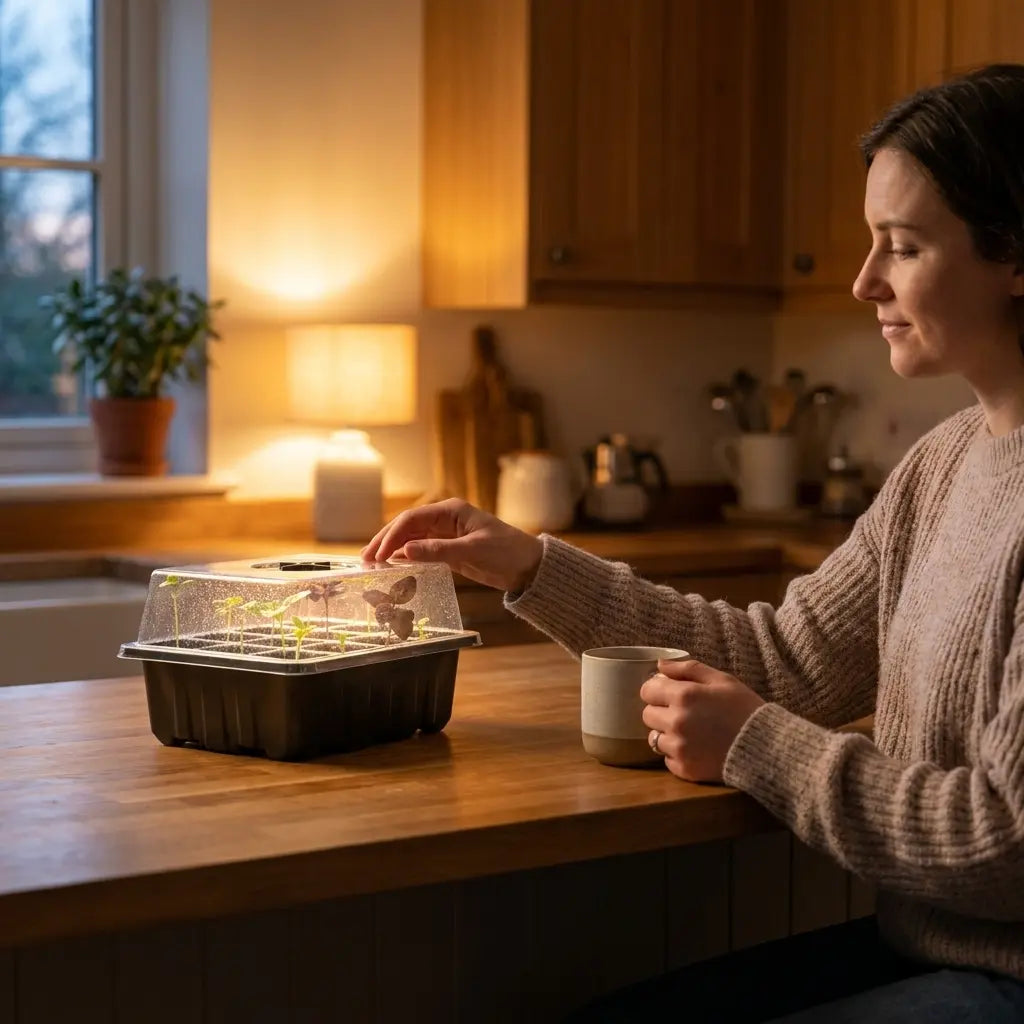
For hosts who are not ready to commit to the full six herb setup, the Grab and Grow Kit is a lighter way to start. It comes pre-seeded, needs nothing beyond water and light, and gets your first herb growing before your next guest list even goes out.

Author: Aquager · Published: June 28, 2026 · Updated: June 28, 2026












0 comments