
You have probably heard the claim before: herbs you grow yourself taste better than anything from the grocery store. It sounds like the kind of thing gardening blogs say to sell seeds, so it is fair to be skeptical.
We were skeptical too. So instead of just repeating the claim, we ran an actual blind taste test comparing hydroponic herbs to store-bought basil, oregano, and thyme, and we are sharing exactly how we did it and what our tasters said.
If you have ever wondered whether hydroponic herbs are worth the counter space, this is the closest thing to a real answer you will find. Here is what the science says, what our test showed, and how you can run the same experiment in your own kitchen.
Why Fresh Herbs Taste Different at All
Herb flavor comes from essential oils stored in tiny glands on the leaves. Basil's peppery sweetness comes largely from a compound called eugenol, oregano's sharp bite comes from carvacrol, and thyme's earthy aroma comes from thymol. These oils are fragile and start changing the moment a leaf is harvested.
The instant a stem is cut, the plant stops producing new oils, and the oils already stored in the leaf begin to oxidize and evaporate. Heat speeds this up, light speeds it up further, and physical damage from packing and handling speeds it up even more.
Research on post-harvest herb quality generally shows a noticeable drop in aromatic compounds within the first 24 to 48 hours after cutting, even under refrigeration. At room temperature, or under grocery store lighting, that decline happens faster still.
Most store-bought herbs travel for several days before they land in your cart. Between harvesting, packing, refrigerated trucking, and sitting under store lights, a meaningful share of the essential oil content can be gone before you ever get to cook with them.
This is the whole premise behind the idea that hydroponic herbs taste better. It is not about hydroponics being magic. It is about the time between harvest and plate, and how much oil degradation happens in between.
Hydroponic vs Store-Bought: What Actually Changes Flavor
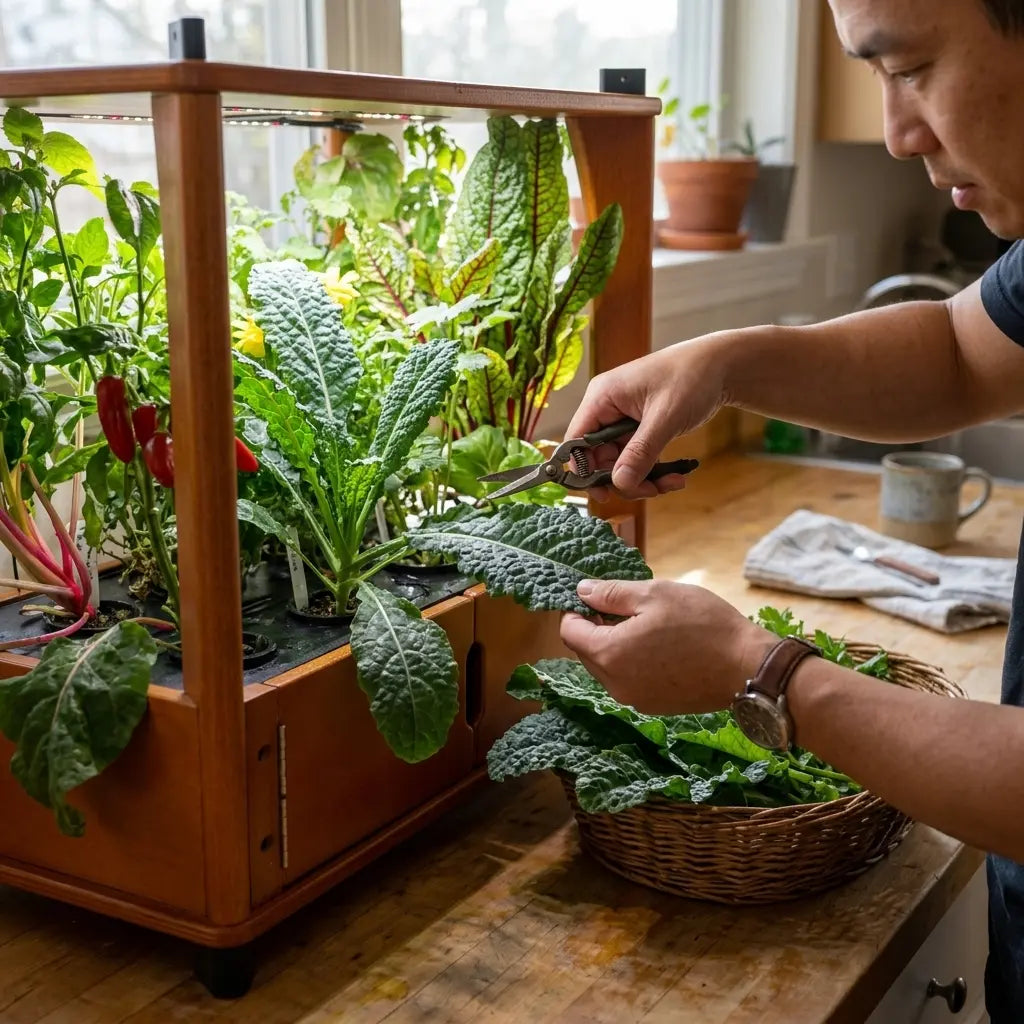
A hydroponic herb garden shortens that gap to almost nothing. You snip a leaf, and it goes straight into your dish, often within minutes of harvest, rather than days after it left a farm.
Growing conditions matter too. Store-bought herbs are usually grown outdoors or in large commercial greenhouses, where nutrient levels, water, and light exposure vary from week to week depending on weather, season, and the specific farm's practices.
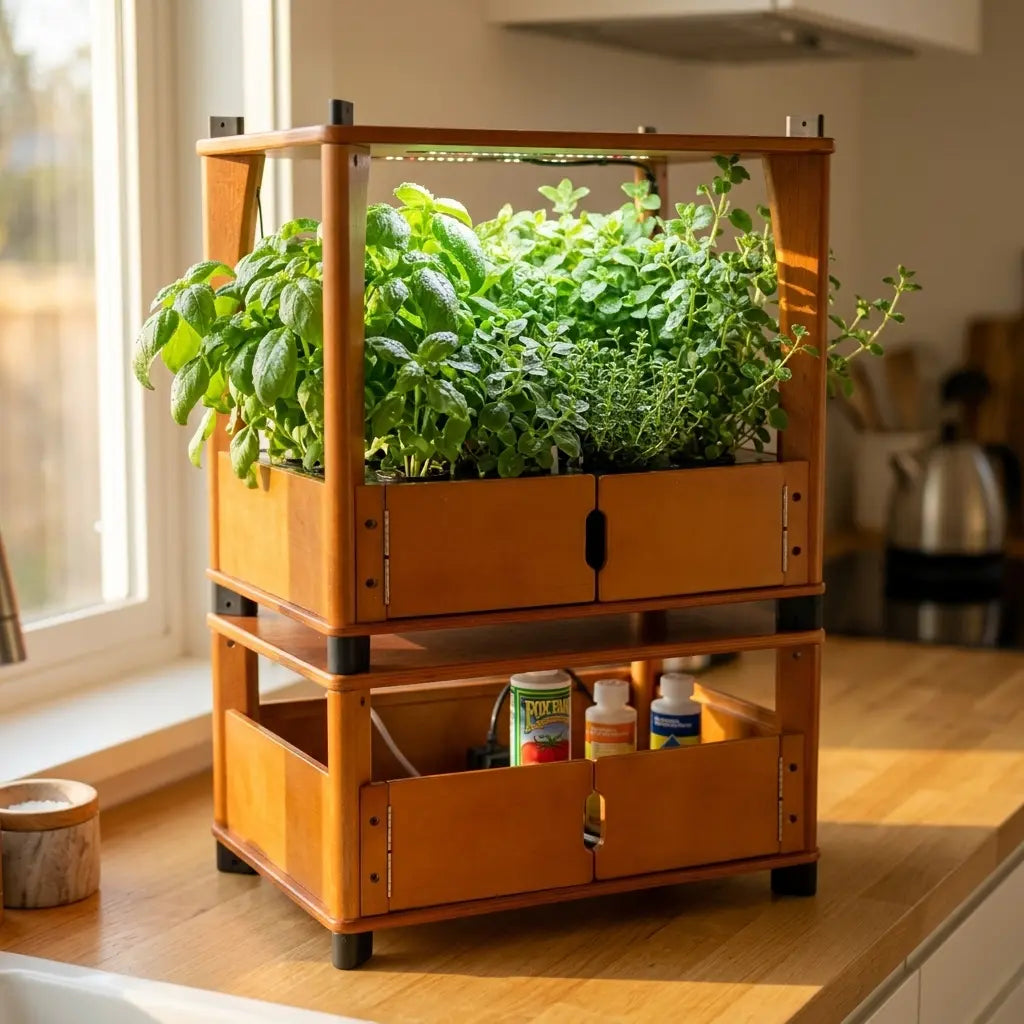
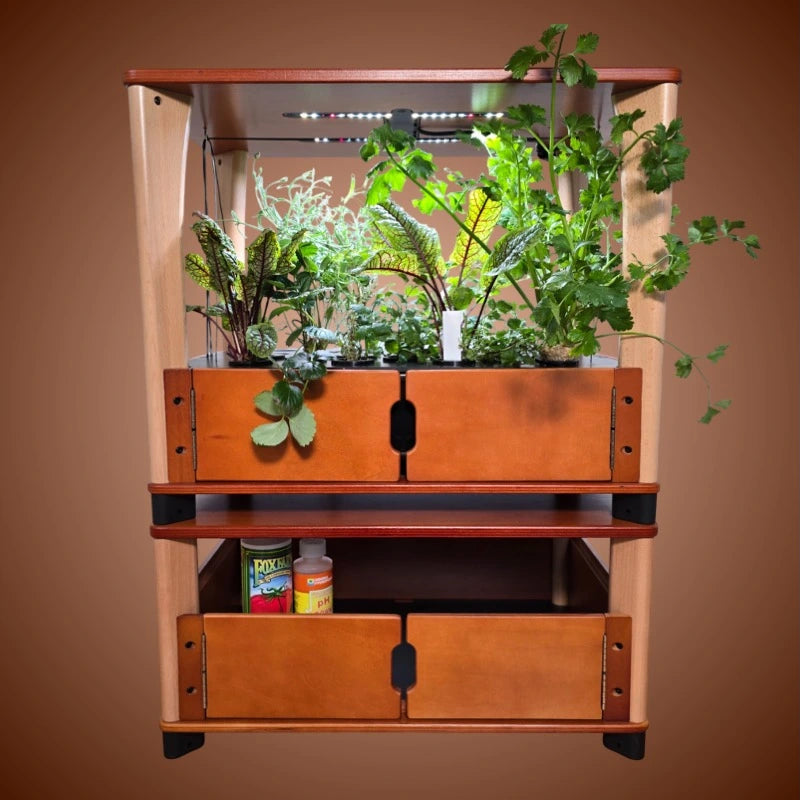
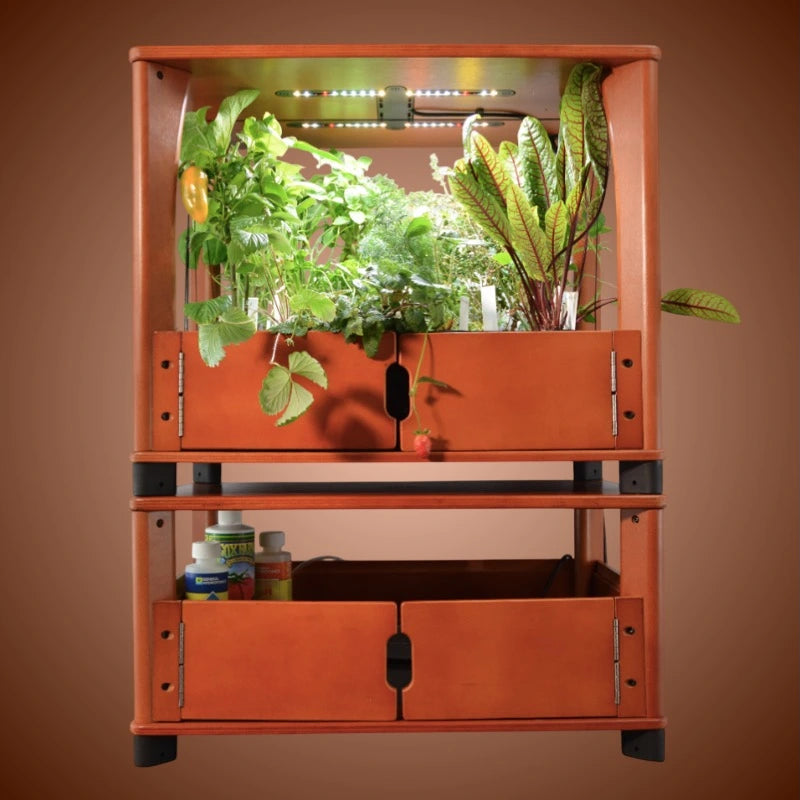
A setup like the Aquager Hydroponic Home Farm keeps nutrients, water, and light consistent every single day. That consistency is a big part of why hydroponic basil, oregano, and thyme tend to develop stronger, more concentrated essential oil content compared to herbs grown under less controlled conditions.
There is also the supply chain to consider. A typical bunch of grocery store basil might be harvested on a farm, driven to a packing facility, shipped to a regional distribution center, trucked to a local store, and then sit on a shelf for a day or two before you buy it. Each stop adds hours, and every hour matters when the flavor compounds you care about are actively breaking down.
None of this proves hydroponic herbs taste better on its own. It just explains why they might. To actually answer the question, we needed a real test, not just a theory.
How We Ran the Blind Taste Test (And How You Can Too)
We wanted a test that was simple enough to repeat at home, so here is exactly what we did.
Step 1: Pick Matching Herbs
We compared three herbs: basil, oregano, and thyme. For each one, we grew a hydroponic version at home and bought the closest equivalent from a local grocery store on the same day, matching variety as closely as the store selection allowed.
Step 2: Harvest and Prep at the Same Time
We harvested the hydroponic herbs right before the test and opened the store-bought package at the same time. Both were chopped the same way, with no dressing, oil, or seasoning added that could mask the natural flavor.
Step 3: Label Blind
Each herb was placed on a small plate labeled only "A" or "B," with the labels randomized and hidden from the tasters. Nobody, including the person serving the samples, knew which plate was which until after scoring was complete.
Step 4: Score on Three Traits
Tasters rated each sample on aroma, flavor intensity, and overall preference using a simple 1 to 5 scale. We used five tasters per herb to keep the test manageable, though a larger group would sharpen the results further.
What We Controlled For
We kept portion sizes equal, served everything at room temperature, and had tasters rinse their palate with water between samples. We also mixed up the serving order so "A" was not always the same type of herb, which helps prevent tasters from guessing a pattern instead of tasting honestly.

If you want to try this yourself, you do not need lab equipment. A cutting board, two labels, and a few honest friends are all it takes to see if you can taste the difference too.
The Results: What Our Tasters Said
Across all three herbs, the hydroponic samples scored higher on aroma and flavor intensity. The gap was largest with basil, where tasters described the hydroponic leaves as "sweeter" and "more peppery," while the store-bought basil was called "dull" or "grassy" more than once.
- Basil: hydroponic samples averaged noticeably higher scores on both aroma and flavor, and four of five tasters correctly identified the hydroponic sample without being told which was which.
- Oregano: hydroponic samples scored higher on flavor intensity, with tasters picking up a sharper, more pungent bite compared to the milder store-bought sample.
- Thyme: this had the smallest gap of the three herbs, though tasters still leaned toward the hydroponic version for aroma and overall preference.
Every taster correctly identified which sample was hydroponic more often than random chance would predict. That is not proof beyond doubt with a small sample size, but it lines up with what the essential oil science would predict.
It is worth being honest about the limits here. Five tasters per herb is a small group, our test was not run in a controlled lab, and personal taste preferences always play a role. A larger, more rigorous version of this test would strengthen the conclusion, but the direction of the results was consistent and repeatable across all three herbs.
Does This Apply to Every Herb Equally?
Not quite, and our results hint at why. Tender, leafy herbs like basil store more of their essential oils close to the surface of the leaf, which means they lose flavor faster once cut. That is likely why basil showed the biggest gap between hydroponic and store-bought in our test.
Woody herbs like thyme and rosemary hold their oils deeper in tougher, more fibrous leaves. That structure protects the flavor compounds a bit longer after harvest, which lines up with thyme showing the smallest difference of the three herbs we tested.
Oregano sits in between. It is more delicate than thyme but sturdier than basil, and its results split the difference too. If you are deciding which herb to grow first for the most noticeable payoff, this pattern is a useful shortcut: soft, leafy herbs reward homegrown freshness the most.
Why Hydroponic Basil, Oregano, and Thyme Win on Flavor
The pattern in our results matches a simple idea: freshness and consistent growing conditions protect the essential oils that give herbs their flavor. Grow your own, and you control both of those variables directly.
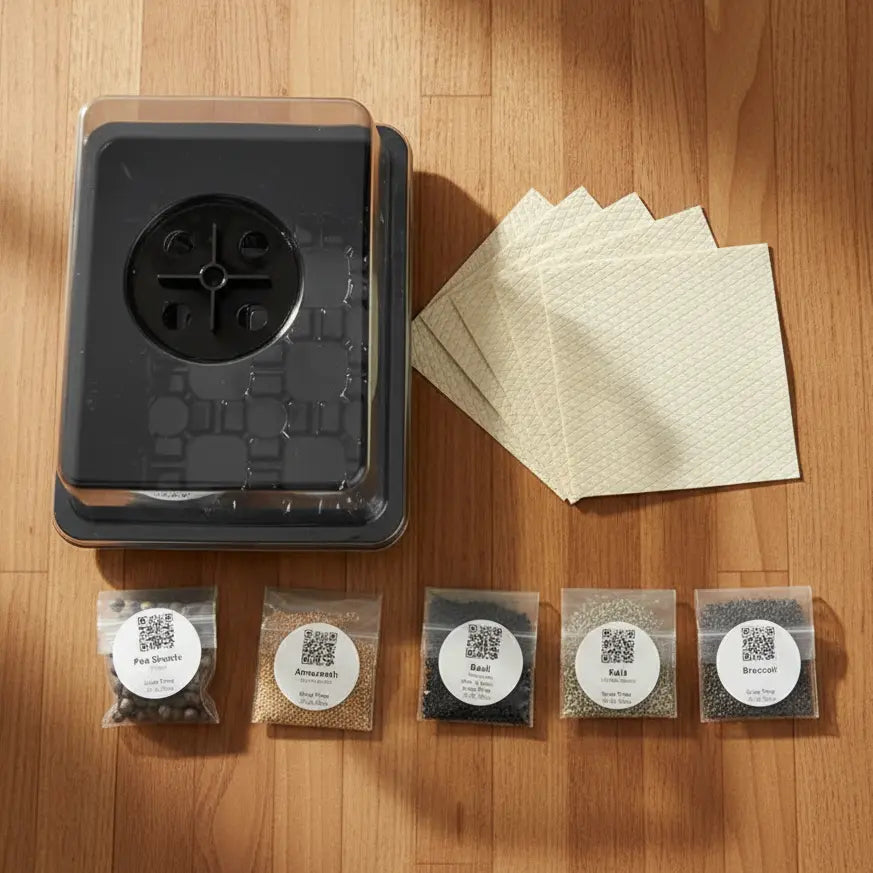
Starting with strong, reliable varieties makes a real difference here. Basil Genovese seeds are the classic sweet Italian variety, bred for the intense aroma that made basil the standout in our test.
Greek oregano seeds deliver the bold, robust leaves that home cooks reach for in sauces and roasted dishes, while Summer thyme seeds bring the earthy, pungent flavor that holds up well in slow-cooked meals.
All three come pre-seeded on organic grow mediums, so there is no guesswork in getting them started in a hydroponic setup. You add water, give them light, and the plant does the rest.
If you only try one herb from this test, basil is the easiest place to start. It showed the biggest flavor gap in our results and grows quickly enough that you will notice a difference within a few weeks of planting.
If you have read our 10 Common Myths About Hydroponic Gardening post, you already know that better flavor is not the only benefit. It is simply the one that is easiest to prove with a fork.
Frequently Asked Questions
Does hydroponic basil really taste different than store-bought basil?
Yes, according to our blind taste test, tasters consistently rated hydroponic basil higher on aroma and flavor intensity. The difference was noticeable enough that most tasters could correctly guess which sample was hydroponic.
Why do store-bought herbs lose flavor so fast?
Herb flavor comes from essential oils that begin breaking down the moment a leaf is cut. Store-bought herbs often travel for days between harvest and purchase, giving those oils more time to degrade before you cook with them.
Can you really taste the difference in a blind test?
Our small test suggests yes, at least for basil and oregano. Thyme showed a smaller but still noticeable gap. Running your own version at home with a few friends is the best way to see if your palate agrees.
Do hydroponic herbs actually have more essential oils?
Consistent nutrients, light, and water reduce plant stress, which supports stronger essential oil development. Combined with the shorter time between harvest and use, this is the most likely explanation for our results.
Which herb should I grow first if I want to notice a difference?
Basil showed the largest flavor gap in our test and grows quickly, which makes it the easiest way to see for yourself whether hydroponic herbs taste better in your own kitchen.
Is it hard to grow hydroponic herbs at home?
Not with a pre-seeded setup. Our guide to growing basil indoors walks through the basics, and most herbs follow a similar routine of consistent light and nutrient solution.
How much fresher are hydroponic herbs compared to what I buy at the store?
Hydroponic herbs go from plant to plate in minutes, while store-bought herbs typically travel for several days between harvest and purchase. That gap in time is the main reason for the flavor difference our tasters noticed.
Conclusion: Should You Grow Your Own Herbs?
Our blind taste test was small, but the results were consistent with the science behind essential oil degradation. Hydroponic basil, oregano, and thyme outperformed their store-bought counterparts on aroma and flavor, especially basil.
If you have ever wondered whether hydroponic vs soil growing matters for taste, freshness at harvest seems to matter more than the growing medium itself, as we cover in our Hydroponics vs Soil comparison.

The easiest way to find out for yourself is to grow a few herbs at home and run your own version of this test. A complete hydroponic setup makes that simple, with consistent light and nutrients doing most of the work for you.
Whether you start with a single pot of basil or a full countertop system, the difference between a leaf harvested seconds before dinner and one that has traveled for days is something you can genuinely taste. Our tasters noticed it, and there is a good chance you will too.
Author: Aquager · Published: July 1, 2026 · Updated: July 1, 2026












0 comments