
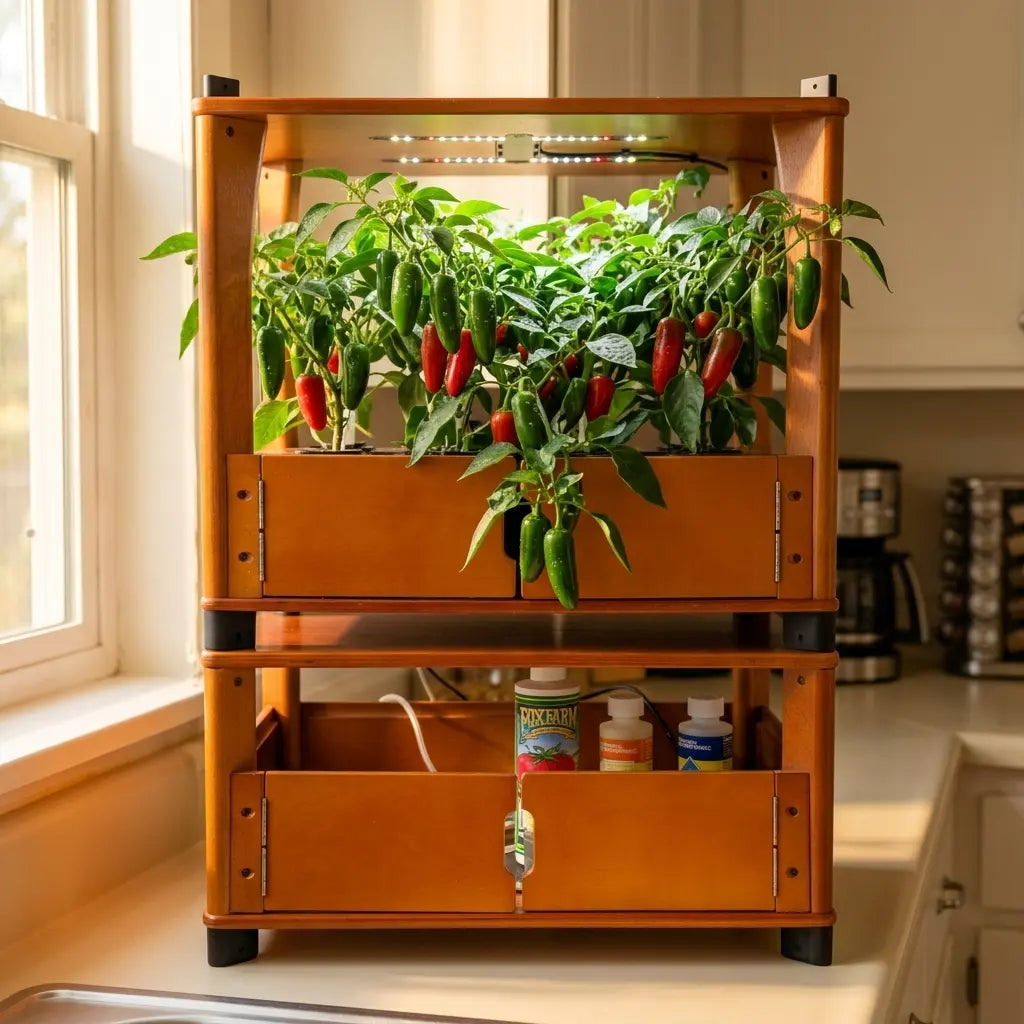
If you have ever stood in the seed aisle wondering whether jalapenos are even possible without a backyard, you are not alone. Plenty of home cooks assume peppers need full outdoor sun, real soil, and a steady breeze to set fruit. None of that is actually true, and growing jalapenos indoors is one of the more forgiving projects you can take on once you understand the handful of steps peppers need that tomatoes and herbs do not.
The catch is that indoor jalapenos run into two specific snags outdoor plants rarely face: slow, inconsistent germination, and flowers that drop before they ever turn into peppers. Both have simple fixes, but only once you understand why they happen in the first place.
This guide walks through the entire process start to finish: germinating stubborn seeds, caring for seedlings, hand pollinating flowers indoors, fixing flower drop, and timing your harvest for maximum heat and flavor. By the end, you will have a clear plan for a steady jalapeno supply for salsa, hot sauce, and everyday cooking.
Can You Actually Grow Jalapenos Indoors?
Yes. Jalapenos (Capsicum annuum) are compact plants that adapt well to containers and indoor light, as long as three conditions are met. They need plenty of light, somewhere between 12 and 16 hours a day under a full spectrum grow light or in a very bright south facing window. They need warm, stable temperatures, ideally between 65 and 85 degrees Fahrenheit. And they need a pollination assist, since there is no wind or bees moving pollen between flower parts indoors.
In a lot of ways, jalapenos are actually easier indoors than outdoors. They are not photoperiod sensitive, so they do not care whether your days are getting longer or shorter the way some plants do. They are also spared the usual outdoor headaches: no aphids blowing in on the wind, no surprise cold front wiping out a week of growth, and no squirrels deciding your peppers look interesting. Indoors, you control every variable, which means most problems trace back to one of three things: starting from the wrong seed, letting germination drag out without intervention, or skipping hand pollination entirely.
If you are still deciding between a full indoor pepper garden or something more specific to jalapenos, our guide on Can You Grow Peppers Indoors? covers the broader basics for growing peppers of all kinds. This guide goes deeper and focuses specifically on getting jalapenos from seed all the way to salsa.
What You Need to Get Started
A successful indoor jalapeno setup comes down to four things: a container with room for roots to spread, a reliable light source, warm and stable temperatures, and a consistent feeding routine once the plant starts flowering.
For containers, jalapenos want at least 3 to 5 gallons of root space if you are growing in soil, or a properly sized net pot if you are growing hydroponically. Cramped roots are one of the quiet reasons indoor peppers stall out around the seedling stage, since the plant simply cannot support new growth above ground without room to expand below it.
For light, a full spectrum LED grow light positioned 4 to 6 inches above the canopy will outperform even a bright window in most homes, since window light drops off fast as you move away from the glass. If you are relying on a window, choose the brightest south facing one you have and expect to supplement with a light during shorter winter days.
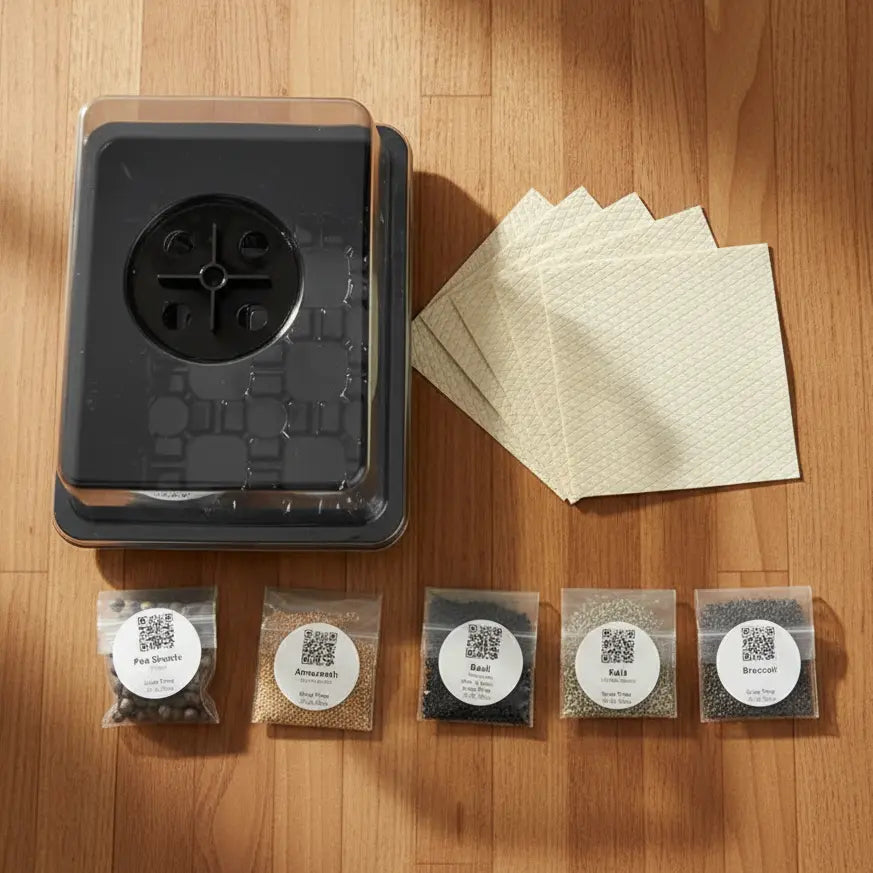
Starting with Early Jalapeno Pepper Seeds, a variety bred to mature and set fruit faster than standard jalapenos, gives you a head start, since indoor light is rarely as intense as full outdoor sun. The seeds come pre-seeded in organic grow mediums, which removes the guesswork around soil mix and planting depth that trips up a lot of first-time indoor growers.
If you are weighing soil against a hydroponic setup specifically for jalapenos, the honest answer is that both work, but hydroponics removes a lot of the variability that causes problems in the first place. Soil-grown jalapenos depend on you to judge moisture by feel and guess at nutrient levels, and both are easy to get wrong on a plant as sensitive to flower drop as a pepper. A hydroponic system delivers a measured nutrient solution on a consistent schedule, which keeps the plant out of the feast-or-famine watering pattern that causes so much of the flower drop covered later in this guide. For a plant where consistency matters this much, that difference tends to show up directly in your harvest.
Germination: Why Jalapeno Seeds Take Their Time
Jalapeno seeds are slower to germinate than most herbs, often taking 1 to 3 weeks compared to 5 to 7 days for something like basil. If you are used to faster-sprouting crops, this delay can feel like something has gone wrong. In most cases, nothing has. Peppers are simply slow starters.
The biggest driver of pepper germination speed is soil temperature, not moisture, which surprises a lot of new growers. Seeds germinate fastest in grow medium that stays between 80 and 85 degrees Fahrenheit, and germination slows dramatically, sometimes stalling completely, once the medium drops below 65 degrees. A cool windowsill or an unheated room is one of the most common reasons jalapeno germination drags on for a month or longer.
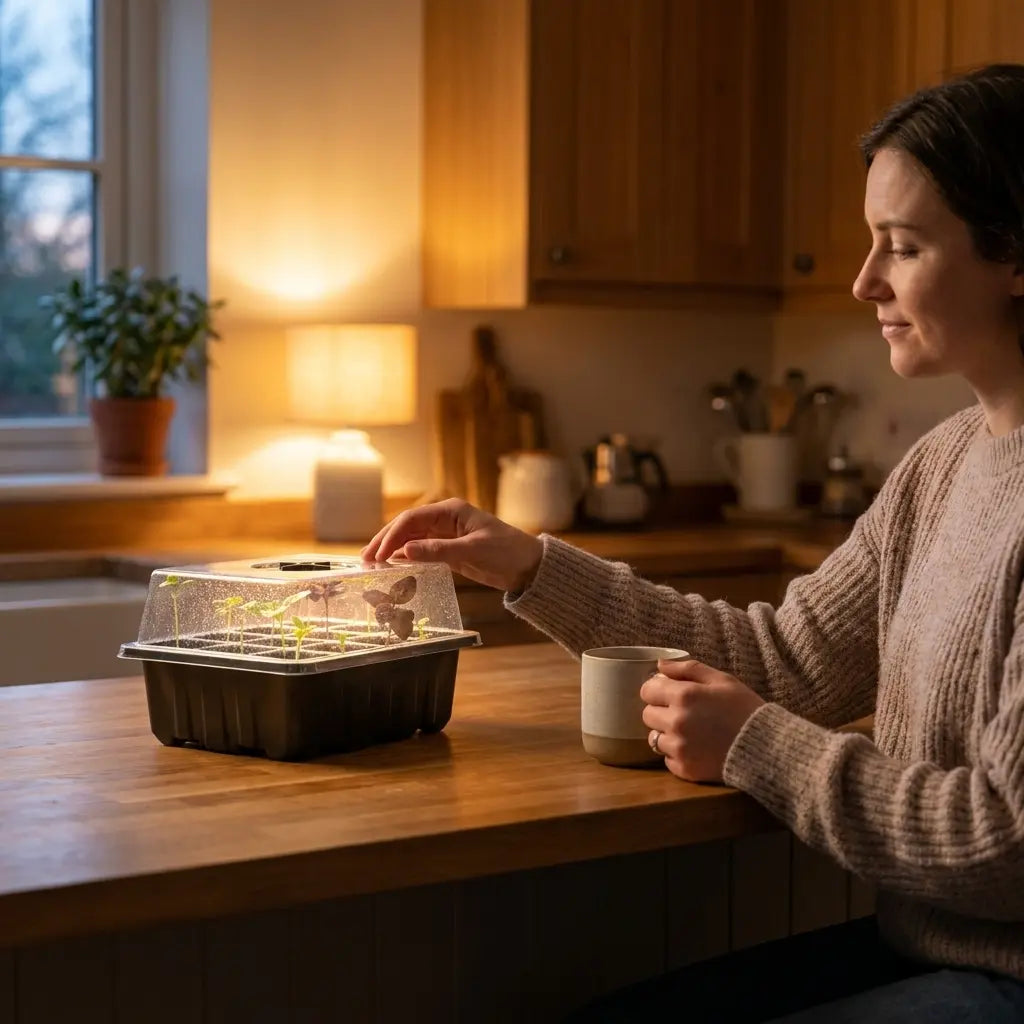
A few practical steps speed things along. Keep the grow medium consistently damp, never soggy, since waterlogged seeds rot before they sprout. Use a seedling heat mat or place your tray near a warm appliance if your growing space runs on the cool side. Cover the tray loosely with a humidity dome or plastic wrap to lock in warmth and moisture until you see the first sprout, then remove it right away to avoid damping off. And resist the urge to give up before the three week mark. Jalapenos test the patience of growers used to faster germinating plants, but slow does not mean dead.
If germination has stalled for more than three weeks with no sign of life, it is worth troubleshooting rather than just waiting longer. Our Indoor Seed Starting Mistakes guide walks through the most common culprits, and for peppers specifically, a grow medium that is either too wet or too cold is almost always the cause.
Transplanting and Caring for Jalapeno Seedlings
Once a jalapeno seedling has two sets of true leaves, usually 3 to 4 weeks after germination, it is ready to move into its permanent container or hydroponic net pot. True leaves look distinctly different from the small, rounded seed leaves the sprout first emerges with, so wait for that second, more pepper-shaped set before transplanting.
Keep light close during this stage. Seedlings that do not get enough intensity stretch upward looking for more, which leaves you with a tall, thin, weak stem that struggles to support the plant later. Position your grow light 4 to 6 inches above the seedling canopy and raise it gradually as the plant grows taller.
Hold off on heavy feeding until the seedling has settled into its new container, then start with a light, balanced nutrient solution. As the plant approaches its first flowers, typically 6 to 8 weeks after transplanting, you can shift toward a feeding ratio with a bit more phosphorus and potassium to support flowering and fruit set rather than leaf growth alone.
The Hand Pollination Step Indoor Jalapenos Need
Outdoors, wind and visiting insects move pollen within and between jalapeno flowers without you doing a thing. Indoors, that job falls to you. Skip it, and you will usually still get plenty of flowers, just very few peppers to show for them. This is the single most common reason people give up on indoor peppers after an otherwise healthy looking plant produces almost nothing.
The good news is that jalapeno flowers are what is known as perfect flowers, meaning each individual bloom contains both the male and female parts needed for pollination. You do not need a second plant, and you do not need to transfer pollen between separate flowers. You just need to help each flower pollinate itself.
Once a flower is fully open, gently brush or vibrate the center of the bloom for a few seconds to dislodge pollen and help it settle onto the flower's own stigma. Late morning, once any overnight humidity has burned off, tends to be when pollen is most viable, so that is the best time of day to do this. Repeat the process every day or two for as long as the plant is actively flowering.
A dedicated Pollination Brush makes this faster and gentler than improvising with a cotton swab or your finger, and its soft bristles are sized to work with small pepper flowers without damaging them. Keeping one next to your growing setup turns hand pollination into a 30 second daily habit instead of a chore you have to remember to do separately. For the fuller technique, including how to tell when a flower is ready and how to confirm pollination worked, see our complete guide to hand pollinating pepper plants indoors.

Why Jalapeno Plant Flowers Drop Before Fruiting
Flower drop is the most common complaint among indoor jalapeno growers, and it almost always traces back to one of four causes.
- Skipped pollination. Unpollinated jalapeno plant flowers simply wither and fall off within a few days, since there is no fertilized seed inside to develop into a pepper.
- Temperature swings. Flowers abort when temperatures dip below 60 degrees Fahrenheit or climb above 90, even briefly, such as a draft near a window or a grow light sitting too close.
- Inconsistent watering. Letting the grow medium dry out completely and then soaking it heavily stresses the plant into shedding blooms it cannot currently support.
- Too much nitrogen. Heavy nitrogen feeding pushes the plant to grow lush leaves at the expense of flowers and fruit, a common mistake when growers reuse an all-purpose leafy green fertilizer on peppers.
The fix for most of this is stability rather than any single dramatic change. Keep temperatures in that 65 to 80 degree range as consistently as you can, water on a regular schedule rather than waiting for visible wilting, and switch to a bloom-focused nutrient ratio once flowering begins instead of sticking with a leafy green formula.
Supporting Your Plant as the Peppers Grow
Indoor jalapeno plants miss out on the natural wind that gradually toughens stems outdoors, which means a heavily fruiting plant indoors can topple in its container or snap a branch under the combined weight of several peppers. This tends to catch growers off guard right around the point where the harvest finally starts looking promising.
A simple set of Bamboo Support Sticks staked next to the main stem and tied loosely with a soft tie gives the plant the structural backup it would otherwise build up on its own outside. Start staking once the plant sets its first few peppers rather than waiting until a branch is already bending, since it is much easier to support a plant early than to rescue one that has already started to lean.
Harvest Timing for Heat and Flavor
Most jalapeno varieties are ready for their first harvest 65 to 80 days after transplanting, when the peppers reach roughly 2.5 to 3.5 inches long and shift from a glossy, almost shiny dark green to a slightly duller, firmer green. This is the stage most salsa and hot sauce recipes are written for, delivering the classic grassy flavor and medium heat most people associate with jalapenos.
If you want more heat, simply leave peppers on the plant a little longer. As jalapenos ripen toward red, capsaicin, the compound responsible for heat, continues to concentrate in the flesh, so a fully red jalapeno from the same plant will taste noticeably hotter and slightly sweeter than a green one picked weeks earlier. Genetics still set the overall ceiling, since jalapenos generally fall between 2,500 and 8,000 Scoville heat units regardless of how you grow them, but ripeness is what determines exactly where in that range your harvest lands.
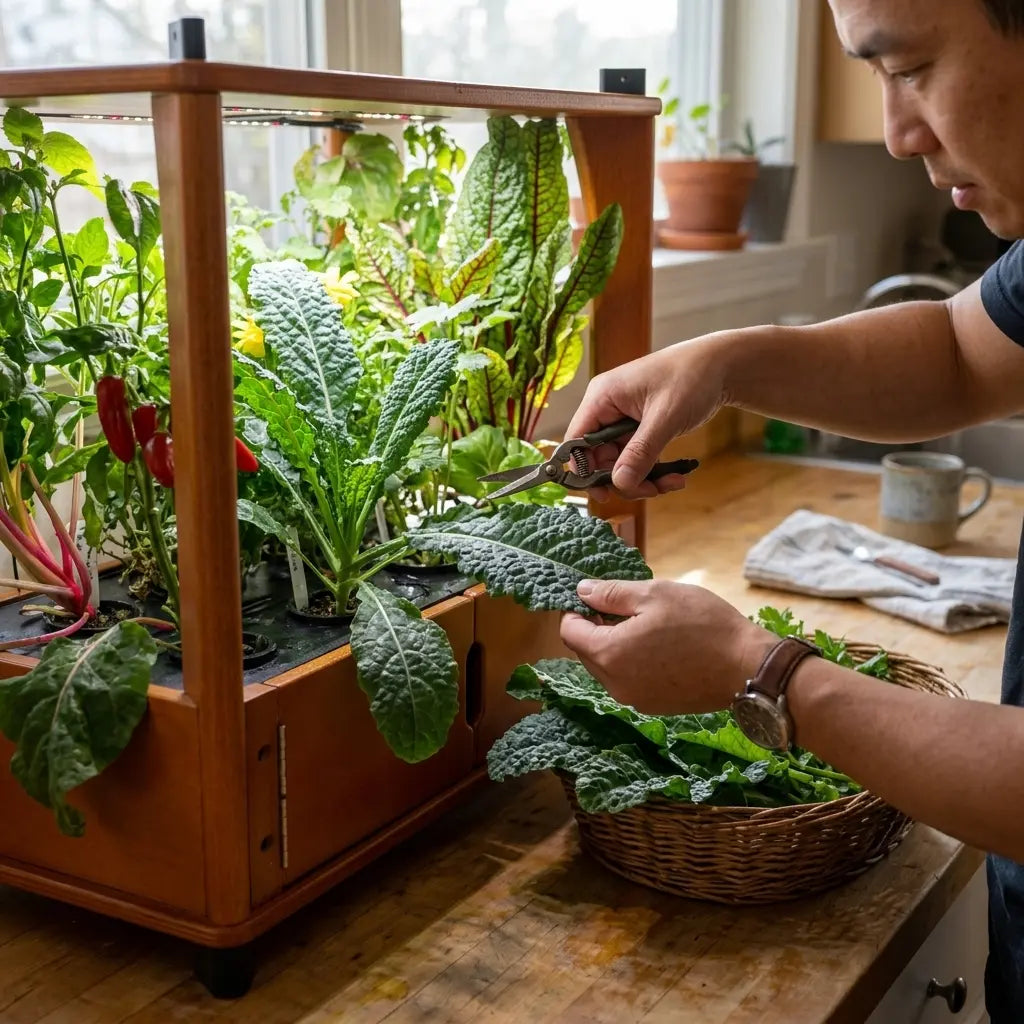
Harvest by cutting the stem just above the pepper rather than pulling, which protects the brittle branches from snapping. Regular harvesting also encourages the plant to keep flowering and producing, so picking peppers as soon as they are ready, rather than letting them pile up, tends to extend your total harvest window.
Once you have a steady harvest coming in, our Salsa Garden guide pairs jalapenos with the cilantro, onions, and tomatoes you will want growing alongside them, so you can make fresh salsa whenever the mood strikes rather than planning a grocery run around it.
Get Everything You Need in One Setup
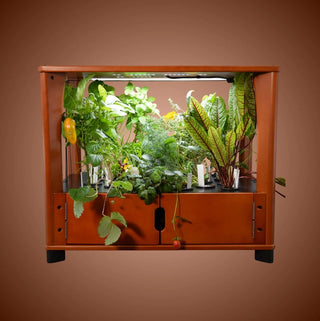
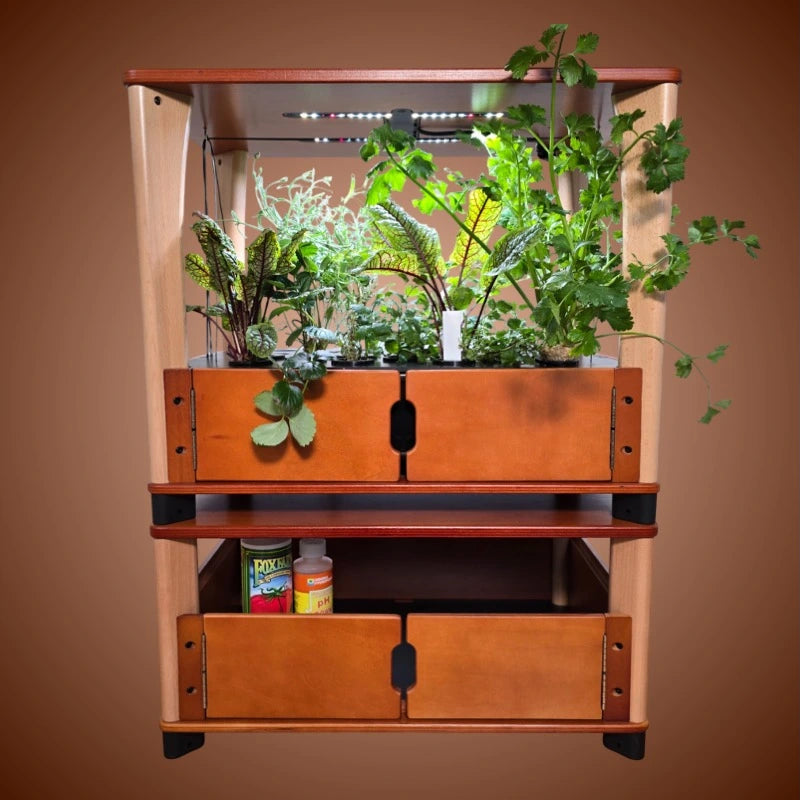
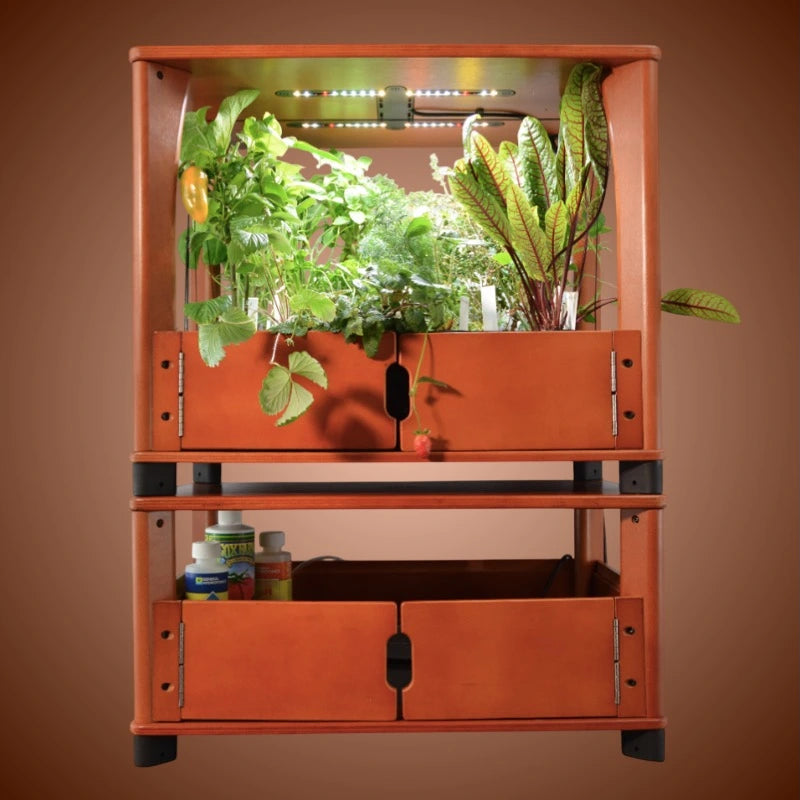
Germination, hand pollination, and plant support all go more smoothly when your growing environment is dialed in from day one rather than pieced together as problems come up. The Aquager Chef's Organic Set pairs the hydroponic Home Farm with a matching storage unit, giving you consistent light, water, and nutrient delivery without the guesswork of a windowsill setup, plus enough room to grow your jalapenos alongside the herbs that round out a good salsa or hot sauce recipe.
Because the system handles temperature stability and watering consistency for you, two of the four causes of flower drop covered earlier are largely solved before you even start troubleshooting. That leaves you free to focus on the two steps that actually need your hands on: hand pollination and the occasional staking as peppers grow heavy.
Frequently Asked Questions
How long does it take to grow jalapenos indoors from seed to harvest?
Expect 10 to 21 days for germination, another 6 to 8 weeks to reach a mature, flowering plant, and 65 to 80 days from transplant to your first ripe peppers. Most indoor growers reach a full harvest within 3 to 4 months of starting their seeds.
Why are my jalapeno seeds not germinating?
Cold grow medium is the most common cause. Pepper germination slows dramatically below 65 degrees Fahrenheit and speeds up significantly between 80 and 85 degrees. Check your room and grow medium temperature before assuming the seeds themselves are bad.
Why are my jalapeno plant's flowers falling off?
Unpollinated flowers, temperature swings, inconsistent watering, and excess nitrogen are the four most common causes of flower drop. Hand pollination with a small brush solves the most frequent one on its own.
Do I really need to hand pollinate indoor jalapenos?
Yes, in almost all indoor setups. Indoor environments do not have the wind or visiting insects that move pollen outdoors, so without some form of hand pollination, you will typically see plenty of flowers but very few peppers.
Why isn't my jalapeno spicy?
Heat builds as the pepper ripens, so a green jalapeno picked early will taste noticeably milder than the same pepper left to ripen toward red on the same plant. Inconsistent watering can also mute heat, while controlled stress right before harvest tends to intensify it.
Growing Your Own Steady Jalapeno Supply
Growing jalapenos indoors is entirely doable once you treat germination, hand pollination, and flower drop as the three checkpoints they are, rather than mysteries that only outdoor gardeners can solve. Get those three things right, and a single healthy plant can keep you stocked with fresh jalapenos for salsa, hot sauce, and everyday cooking for months at a time.

Author: Aquager Team · Published: June 27, 2026 · Updated: September 11, 2026 · Reviewed: September 11, 2026 (Phase 2)











0 comments