
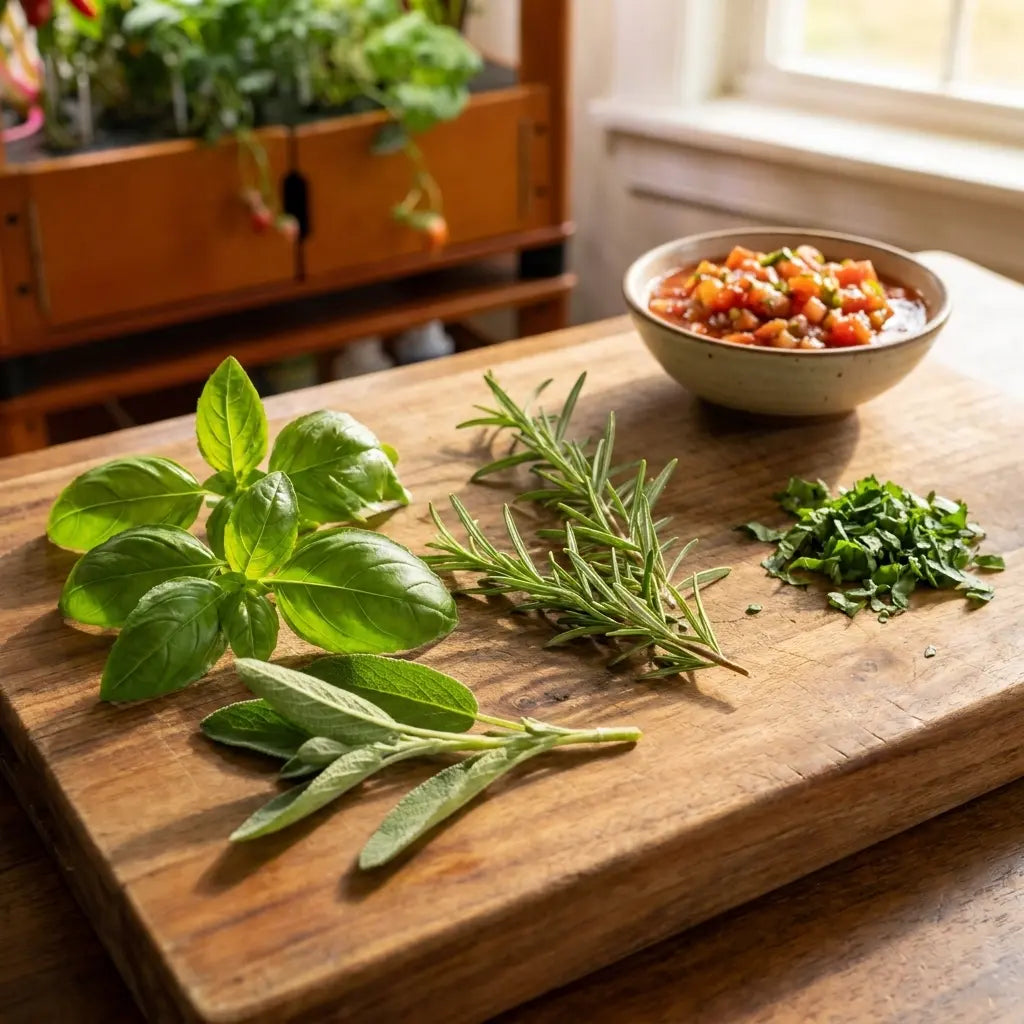
If you make your own salsa, you already know the problem. You buy a bunch of cilantro, use three sprigs, and watch the rest go slimy in your fridge a week later. You grab jalapeños at the grocery store only to find they're completely mild. You pay $4 for a single bell pepper. And between produce costs and inevitable waste, homemade salsa starts to feel more expensive than just buying a jar.
There's a better way — and it fits on your kitchen counter. You can grow jalapeños indoors alongside cilantro, bell peppers, and shishito peppers, all at the same time, in the same hydroponic system. That means fresh salsa ingredients on demand, picked right before you need them, all summer long.
This guide walks you through how to build your own indoor salsa garden before the 4th of July — what to plant, when to harvest, and how to get maximum flavor out of every ingredient.
Why Store-Bought Salsa Ingredients Keep Letting You Down
Cilantro has one of the shortest shelf lives of any fresh herb. It wilts within days of purchase, and most bunches end up in the trash before you use half. Store jalapeños are notoriously inconsistent — heat levels vary wildly, and the "fresh" ones at the grocery store were likely picked weeks ago. Bell peppers are expensive for what you get, and the flavor of a truly vine-ripened one is something most people have never actually tasted.
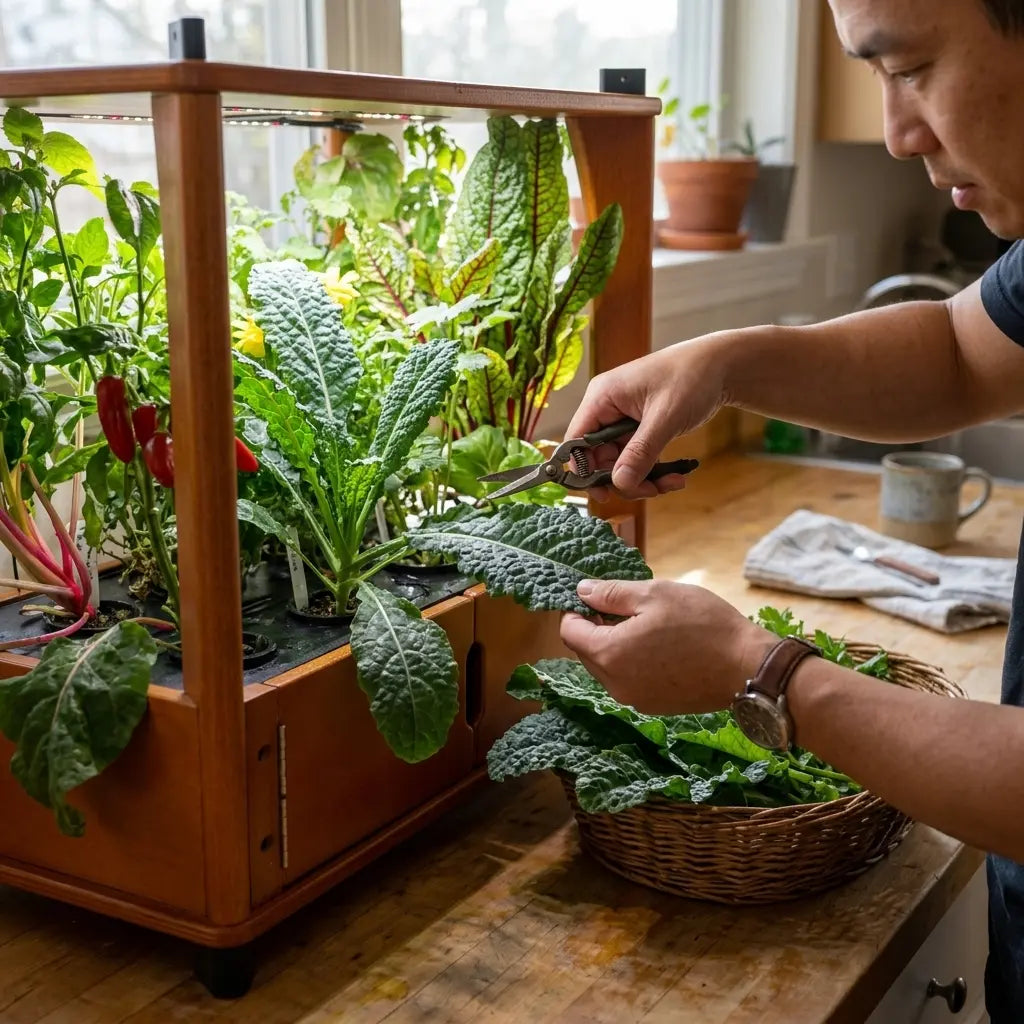
Growing your own changes everything. Hydroponically grown produce is harvested at peak ripeness, not optimized for shipping and shelf life. Cilantro grown at home is fragrant and bright in a way the bagged stuff isn't. When you grow your own jalapeños, you can even control the heat by managing water stress during the ripening phase — something no grocery store can offer.
The people who stick with indoor growing aren't just doing it to save money (though they often do). They're doing it because the quality is genuinely better, and because having fresh herbs and peppers on demand changes how you cook.
What to Grow: Your Indoor Salsa Bar Lineup
All four of these salsa staples grow well hydroponically, and they coexist beautifully in the same system. Here's what you're working with.
Jalapeños — The Heat (45–70 Days)
Jalapeños are one of the most rewarding plants to grow indoors because they're compact and prolific. The Early Jalapeño variety is bred specifically for indoor and container growing, producing a steady harvest of 3–4" peppers with moderate, consistent heat — none of the guesswork you get from store-bought.
One tip that most guides skip: peppers need pollination, and there's no breeze or bees in your kitchen. A gentle daily shake of the flowering stems — or a quick pass with a soft brush — is all it takes to set fruit. Do this a few times a week once flowers appear and your yield improves dramatically.
Cilantro — The Freshness (10–60 Days)
Cilantro indoor growing works best when you treat it as a cut-and-come-again herb — harvest outer leaves regularly and the plant keeps producing for weeks. Full-plant cilantro reaches a good harvest size in 45–60 days, but if you want it faster, cilantro microgreens are ready to harvest in 10–14 days and pack even more intense citrusy flavor — perfect for topping fresh salsa or guacamole right before serving.
Indoor cilantro also tends to stay in the leafy stage longer than outdoor plants. Without the heat stress of summer sun, it's slower to bolt — meaning more harvests before it goes to seed.
Bell Peppers — The Sweetness (60–80 Days)
Bell peppers take a bit longer than jalapeños but are low-maintenance once established and produce multiple peppers per plant. Bell pepper hydroponic growing means consistent moisture at the roots, which results in fewer issues with blossom drop and fruit set than traditional pots. The flavor of a homegrown, fully ripened bell pepper versus one picked green at the store is genuinely incomparable.
Like jalapeños, bell peppers benefit from hand pollination once flowers appear. Keep a soft brush nearby during the flowering stage.
Shishito Peppers — The Roaster's Choice (60–70 Days)
If you haven't grown shishitos yet, they deserve a spot in any salsa garden. They're mild with occasional surprise heat, blister beautifully in a dry cast iron pan, and make a perfect appetizer alongside fresh salsa. Shishito plants are compact, productive, and consistently ready to harvest in 60–70 days. They're also always the first thing guests ask about.
Simple Fresh Salsa from Your Indoor Garden
Once your garden is producing, this becomes your go-to summer recipe. It takes about 10 minutes and tastes completely different from anything jarred.
Ingredients: 4 ripe tomatoes (Roma or vine), 2–3 homegrown jalapeños (adjust to heat preference), 1 cup fresh cilantro leaves, ½ white onion, 2 garlic cloves, juice of 1–2 limes, salt to taste.
Method: Roughly chop the tomatoes, jalapeños, onion, and garlic. Add everything to a blender or food processor with the cilantro and pulse 5–6 times — you want texture, not a purée. Add lime juice and salt, taste and adjust. For a roasted version, char the jalapeños and tomatoes in a dry cast iron pan first. Serve immediately or refrigerate for up to three days.
The difference when you use cilantro and jalapeños picked minutes before blending is immediately noticeable. The cilantro is brighter and more fragrant. The jalapeños have real flavor depth behind the heat. Once you've made salsa this way, the store version is hard to go back to.
Start These Now to Have Them by the 4th
If you're planting on June 1, here's what you can realistically expect by July 4:
Cilantro microgreens: Ready to harvest in 10–14 days. Planted June 1, you'll have multiple harvests well before the holiday. Keep succession planting every two weeks for a continuous supply all summer.
Cilantro (full plant): Harvestable outer leaves at 35–45 days. Planted June 1, you'll have pickable growth by mid-to-late June — weeks before the 4th.
Jalapeños: First harvest at 45–70 days from transplant. With the Early Jalapeño variety started June 1, expect first ripe peppers in the window of July 15–August 10. Plant now and your jalapeños will be hitting their stride right around and just after the 4th — with a full harvest carrying you through the rest of summer.
Bell peppers and shishito peppers: First harvest at 60–80 days. Planted June 1, expect first peppers in early-to-mid August — setting you up perfectly for the rest of cookout season through September.
The smart move is to plant everything now. Your cilantro will be ready weeks before the 4th. Your jalapeños will be at or near peak right around the holiday. Your bell peppers and shishitos carry the garden through August and September. For keeping the harvest going past summer, this guide on growing herbs indoors year-round covers how to maintain continuous production through any season.
The Aquager Hydroponic Home Farm: One System for Your Whole Salsa Bar
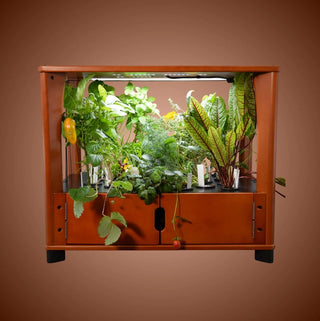
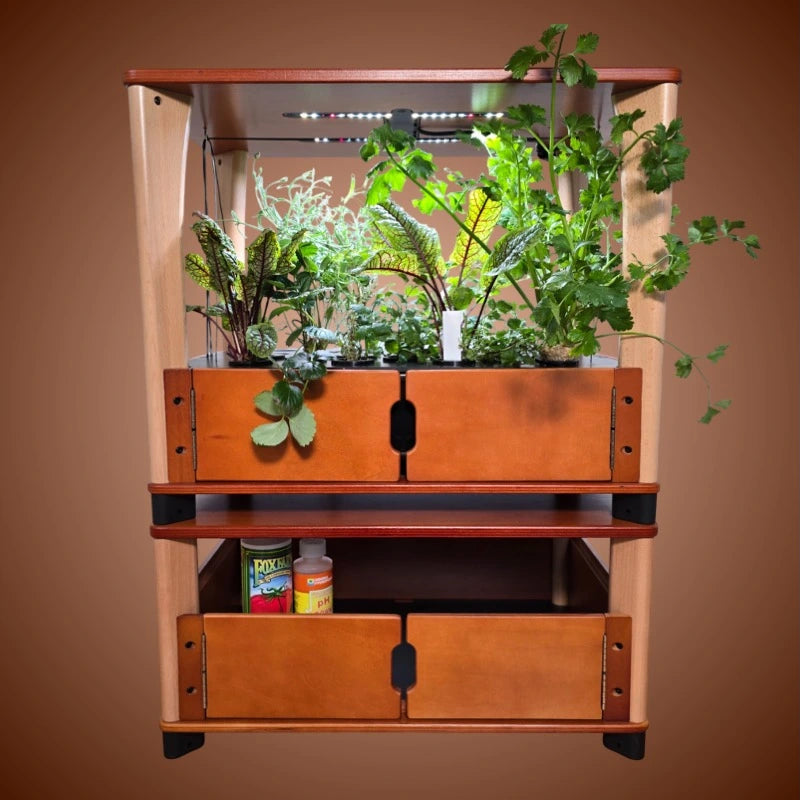
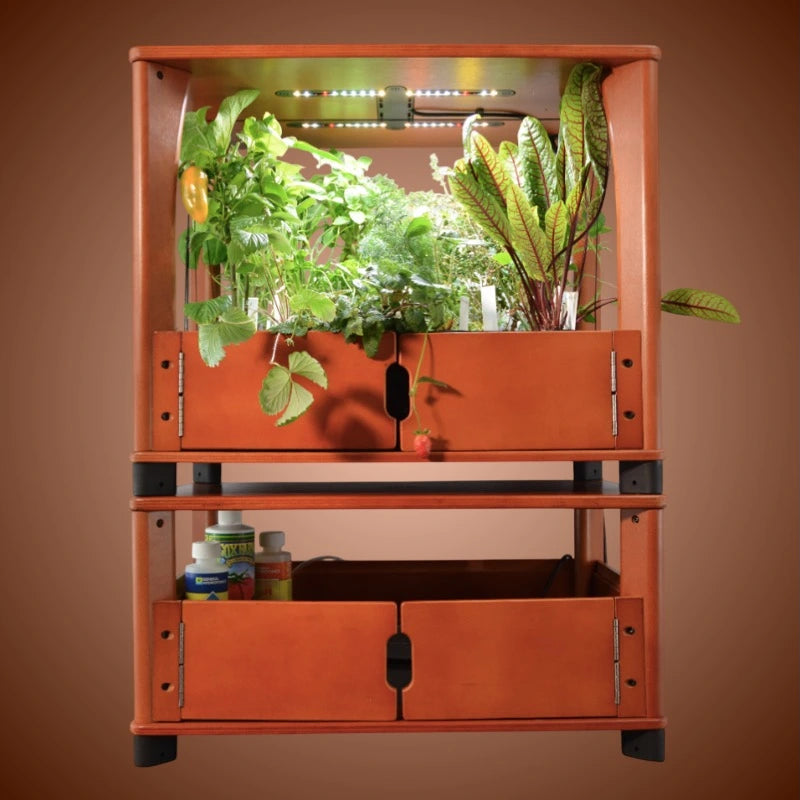
What makes growing all four of these plants together so practical is having the right system. The Aquager Hydroponic Home Farm holds 24 plants in a single counter-ready unit — enough room for jalapeños, cilantro, bell peppers, and shishitos side by side, with space left over for basil, oregano, or anything else you want at the cookout table.
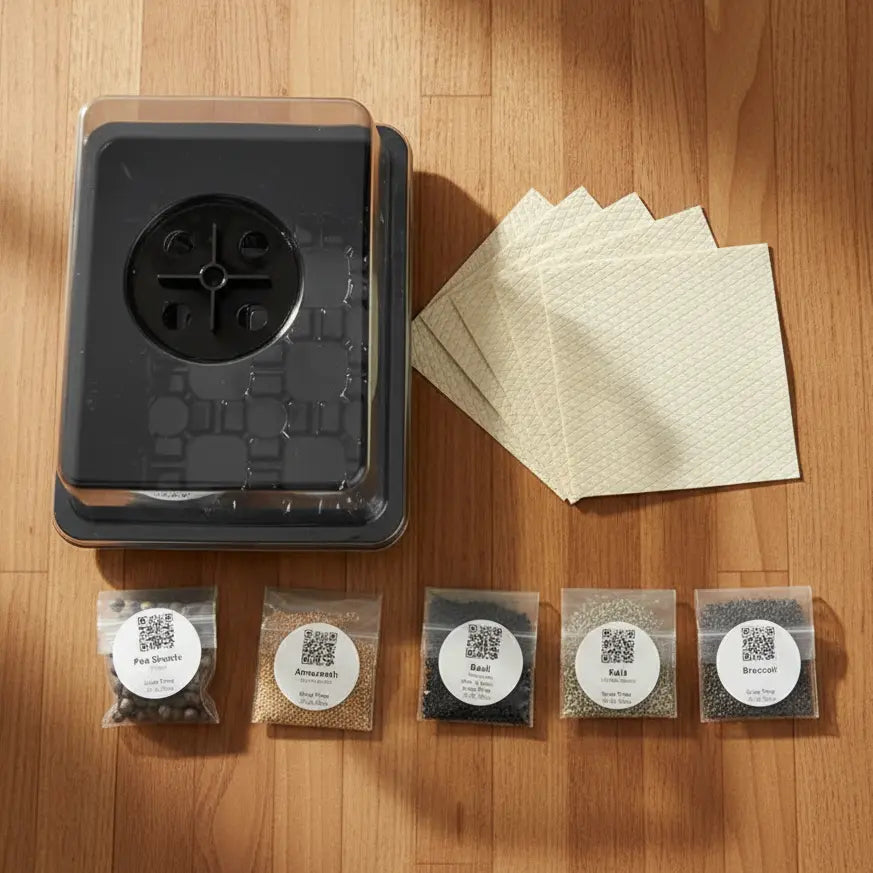
The system is water-based with no soil to manage, making it ideal for fruiting plants like peppers that are sensitive to inconsistent watering in traditional containers. Seeds come pre-seeded in organic grow mediums and drop directly into the farm — no seed-starting trays, no germination guesswork, no spacing calculations. You add water, add nutrients, and the plants do the rest.
Shop individual seeds: Jalapeño · Cilantro Microgreens · Bell Pepper · Shishito Pepper
Frequently Asked Questions
Can you grow jalapeños indoors without sunlight?
Yes. Hydroponic systems with full-spectrum grow lights provide everything peppers need to flower and produce fruit without any natural light. The controlled indoor environment also removes heat stress and outdoor pest pressure that can affect pepper plants. The Aquager Home Farm is designed for exactly this — no south-facing window required.
How do you pollinate peppers indoors?
Without wind or insects, indoor peppers need a little hands-on help. Gently shake the flowering stems each day to distribute pollen, or use a soft brush to transfer pollen between open flowers. Do this every two to three days when flowers are open and you'll see significantly better fruit set — meaning more peppers per plant.
How long does cilantro last when grown hydroponically indoors?
Hydroponically grown cilantro that is regularly harvested can produce continuously for 4–8 weeks before bolting. Because indoor conditions don't expose the plant to outdoor summer heat, it stays in the leafy, harvestable stage longer. For a continuous supply all summer, succession plant a new batch every two weeks.
Can jalapeños, bell peppers, and cilantro grow in the same hydroponic system?
Yes — all three, plus shishito peppers, share similar pH and nutrient requirements, making them fully compatible in the same system. The Aquager Home Farm's 24-plant capacity gives you room for a complete salsa garden with space left over for additional herbs.
What's the fastest salsa ingredient to grow indoors?
Cilantro in microgreen form is by far the fastest — harvestable in 10–14 days with intense flavor. If you're new to indoor growing, starting with something you can harvest quickly is the best way to build momentum. This guide on timing cilantro for 4th of July salsa and guacamole goes deeper on how to get it perfectly ready for the holiday.
Your Summer Salsa Bar, Grown on Your Counter
The indoor salsa garden is one of those ideas that sounds like extra work until you actually try it — and then it becomes the thing you talk about at every cookout. There's something genuinely satisfying about picking jalapeños and cilantro off your kitchen counter and having them in a bowl of salsa 15 minutes later.
Plant now and your cilantro will be ready in weeks. Your jalapeños will be at peak right around the 4th. Your bell peppers and shishitos will carry your salsa garden through the rest of summer — one fresh, vibrant batch at a time.
Author: Aquager Team · Published: May 24, 2026 · Updated: August 8, 2026 · Reviewed: August 8, 2026 (Phase 2)












0 comments