
The answer is yes. You can absolutely grow peppers indoors — jalapeños, bell peppers, shishitos — in a hydroponic setup on your kitchen counter, year-round. The harvest timeline is longer than herbs, but a single jalapeño plant can produce 30–40 peppers over a season, and the flavor of home-grown peppers at peak ripeness is genuinely different from anything you’ll find at a store.
If you’ve been using the Aquager farm for herbs and you’re ready to grow something that actually fruits, peppers are the right next step. This guide covers variety selection, the complete growing process, and the one thing that trips up almost every first-time indoor pepper grower — hand pollination.
Which Peppers Grow Best Indoors?
Not all pepper varieties are equally suited to indoor hydroponic growing. The best choices balance compact plant size, reliable fruiting, and a relatively reasonable time to harvest.
Jalapeño is the top recommendation for indoor growing. The plants are compact (typically 18–24 inches tall), heavy-producing, and adapt well to the controlled environment of the hydroponic farm. Flavor is consistently more complex than store jalapeños. Harvest in approximately 70–85 days from transplant. Early Jalapeño Pepper seeds — $8.99 for a 4-pack.
Shishito is the easiest indoor pepper by a margin. Compact plant, thin-walled fruits that mature quickly (60–70 days), and the “one in ten is spicy” characteristic that makes them interesting to cook with. Great for high-yield production with minimal space.
Bell peppers are more demanding — they need more light and more time (80–90 days to harvest) than jalapeños — but they absolutely grow indoors. The lunchbox mini bell pepper varieties are better suited to indoor growing than large California Wonder types.
Lunchbox Mix peppers are mini sweet peppers that produce heavily on compact plants. One of the most visually striking indoor crops — a plant covered in small colorful peppers is genuinely impressive.
Avoid for indoor growing: large hot peppers like habanero and ghost pepper (very long growing seasons), and oversized sweet bell peppers that need more root space than hydroponic net pots provide.
What Pepper Plants Need Indoors
Peppers are more demanding than herbs in three areas: light, nutrients, and temperature. Get these right and they’re straightforward.
Light. Peppers need 14–16 hours of light per day for good vegetative growth and fruit production. The Aquager Home Farm’s built-in lighting system handles this automatically at the correct spectrum and intensity. If you’re supplementing with a separate grow light, look for full-spectrum LEDs rated for fruiting plants.
Nutrients. Peppers are heavier feeders than herbs, especially during the flowering and fruiting phase. They benefit from higher potassium levels when flowers appear — potassium drives fruit development and quality. Maintain consistent nutrient solution levels and monitor closely during the flowering stage.
Temperature. Peppers thrive at 70–85°F and suffer below 55°F. Most indoor environments are well within the ideal range. Cold drafts near windows or air conditioning vents can cause flower drop — keep plants away from direct AC airflow.
For more on how hydroponic growing compares to soil for fruiting vegetables, see our guide on hydroponics vs. soil for indoor growing.
How to Grow Peppers Indoors Step by Step
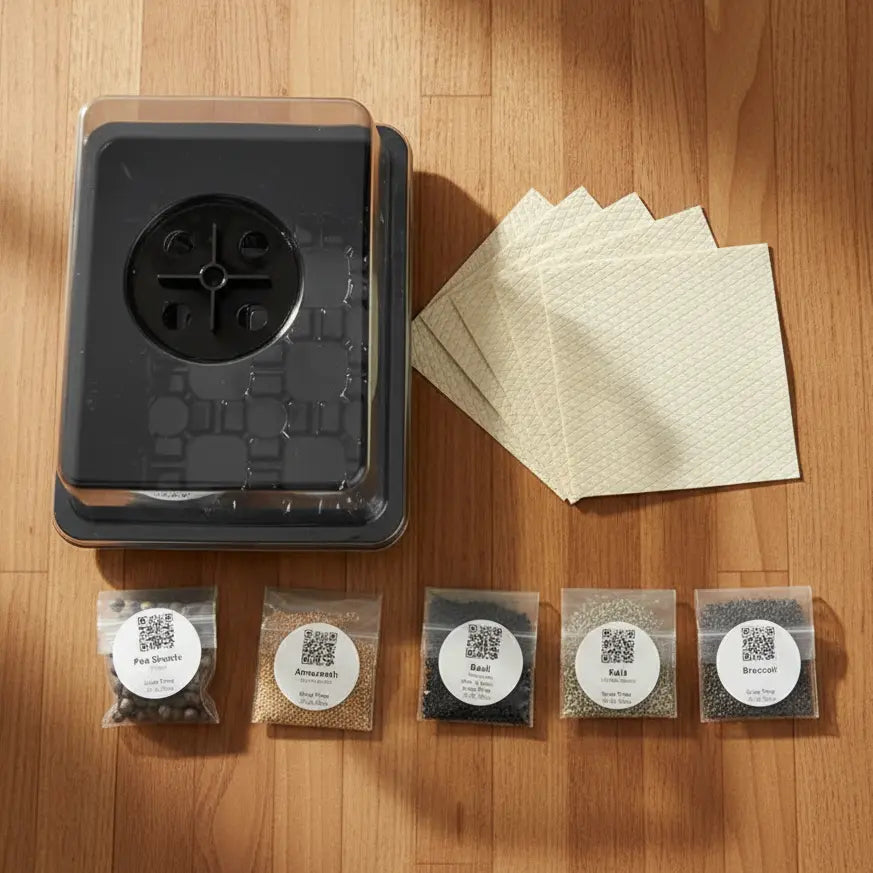
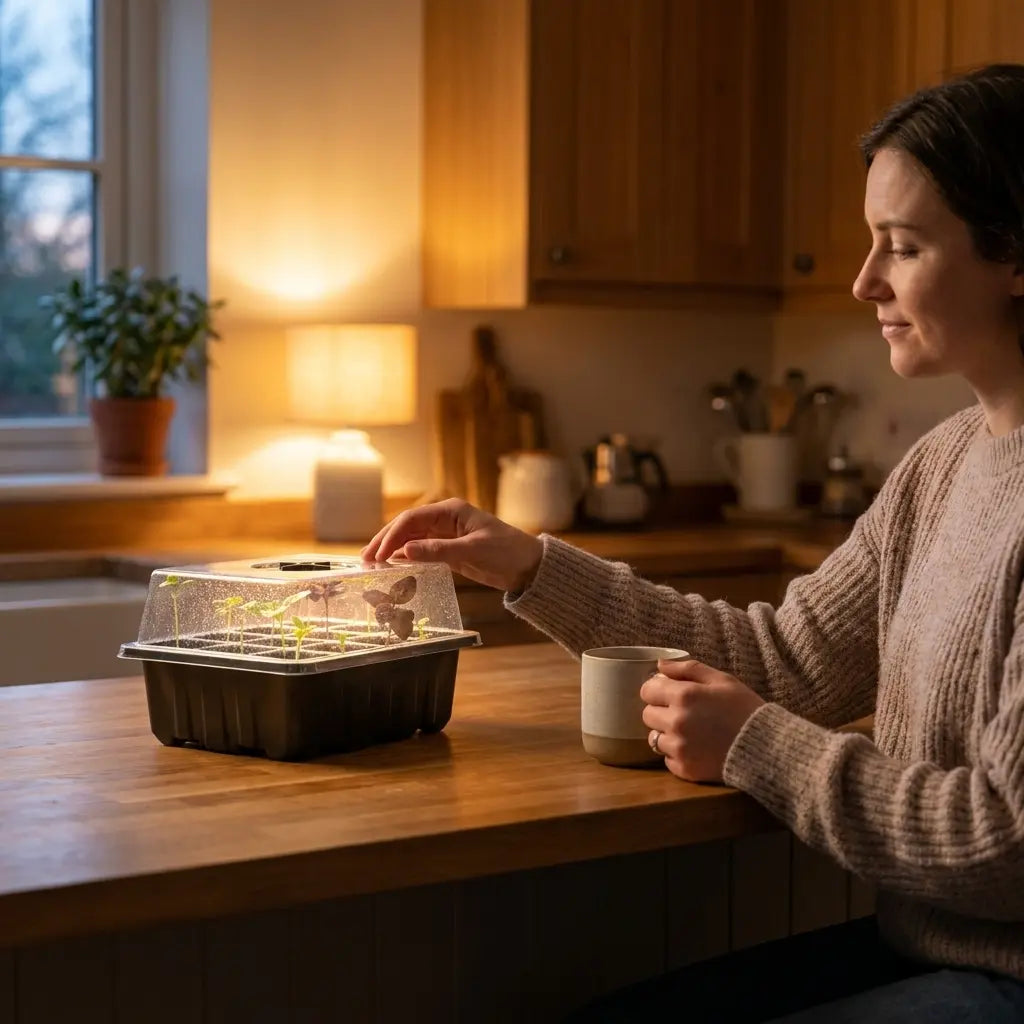
Stage 1 — Germination (Days 1–14). Plant pepper seeds in the hydroponic net pots with the provided grow medium. Peppers germinate at 75–85°F and are slow compared to herbs. Keep the environment warm and be patient. Most jalapeño and shishito seeds germinate in 7–14 days; bell peppers can take up to 21 days.
Stage 2 — Seedling (Weeks 2–5). Once seedlings have their first true leaves, ensure full light exposure and stable temperatures. Roots are establishing in the hydroponic system. Nutrient levels should be on the lighter side — young pepper seedlings don’t need heavy feeding.
Stage 3 — Vegetative growth (Weeks 5–8). The plant grows rapidly. Maintain consistent light and nutrients. Jalapeños and shishitos may reach 12–15 inches tall before first flowering. Install Bamboo Support Sticks now — add them early so you don’t disturb roots later.
Stage 4 — Flowering (Weeks 8–12). Small white flowers appear. This is the critical moment where most indoor growers fail — see the hand pollination section below. Without pollination, flowers develop but no fruit sets.
Stage 5 — Fruiting (Weeks 12–20). Pollinated flowers swell into small peppers and develop over several weeks. Harvest continuously — picking mature peppers encourages the plant to produce more flowers and fruit.
The Most Important Thing Nobody Tells You — Hand Pollination
This is where indoor pepper growing either succeeds or frustrates.
Outdoors, pepper flowers are pollinated by wind and by bees. The mechanical movement of wind vibrates the flowers, transferring pollen from the stamen to the pistil within the same flower. Bees do the same job more directly.
Indoors, there is no wind. There are no bees. A pepper plant will flower prolifically — and without pollination, every single flower will develop a tiny bud, swell slightly, and then drop. You’ll watch dozens of potential peppers fall off the plant without understanding why.
The fix: hand pollination.
When flowers are fully open (they open for 2–3 days), use a soft-bristled brush to gently transfer pollen within each flower. The Pollination Brush from Aquager is specifically designed for this — the bristle size and flexibility is right for pepper flowers without damaging them.
How to pollinate:
- Wait for flowers to be fully open — you can see the yellow pollen on the stamen.
- Gently insert the brush into the center of the flower, making contact with both the pollen-covered stamen and the sticky pistil.
- Rotate the brush gently to transfer pollen from the stamens to the pistil.
- Move to the next open flower and repeat.
Do this every day or every other day while flowers are open. The whole process takes 2–3 minutes once you’re familiar with it. You’ll know pollination is working when the base of the flower stays attached to the plant and swells into a tiny pepper. For a deeper dive into timing, technique, and troubleshooting across pepper varieties, see our complete guide to hand pollinating pepper plants indoors.
How Long Until Harvest?
From seed to first harvest, expect:
| Variety | Days to Transplant | Days to First Harvest | Total Timeline |
|---|---|---|---|
| Jalapeño | 25–35 days | 70–85 days | ~3.5–4 months |
| Shishito | 20–30 days | 60–70 days | ~3 months |
| Bell Pepper | 25–35 days | 80–90 days | ~4–4.5 months |
| Lunchbox Mix | 25–35 days | 75–85 days | ~3.5–4 months |
Once a plant starts fruiting, it produces continuously for months. See our guide on growing a salsa garden indoors for using homegrown peppers alongside cilantro and other salsa ingredients.
Common Problems and How to Fix Them
Flowers dropping without fruiting. Almost always a pollination issue. Start hand pollinating every open flower daily. For a jalapeño specific deep dive on this, including the other three causes of flower drop, see our indoor jalapeno care and flower drop guide.
Leggy, thin stems. Insufficient light. Increase light duration to 16 hours or add supplemental grow light positioned closer to the canopy.
Yellowing lower leaves. Nitrogen deficiency. Increase nutrient concentration slightly and ensure the grow medium stays moist and aerated.
Slow or no germination. Temperature too low. Pepper seeds need 75–85°F to germinate reliably. Try a warmer location during germination.
Plant falling over with fruit weight. Install bamboo support sticks and use loose ties to stabilize the main stem. Do this preventively before the plant gets heavy.
The Complete Indoor Pepper Setup
Four products make the difference between success and frustration growing peppers indoors.
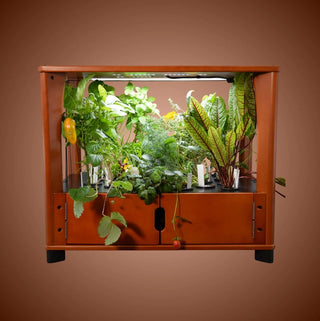
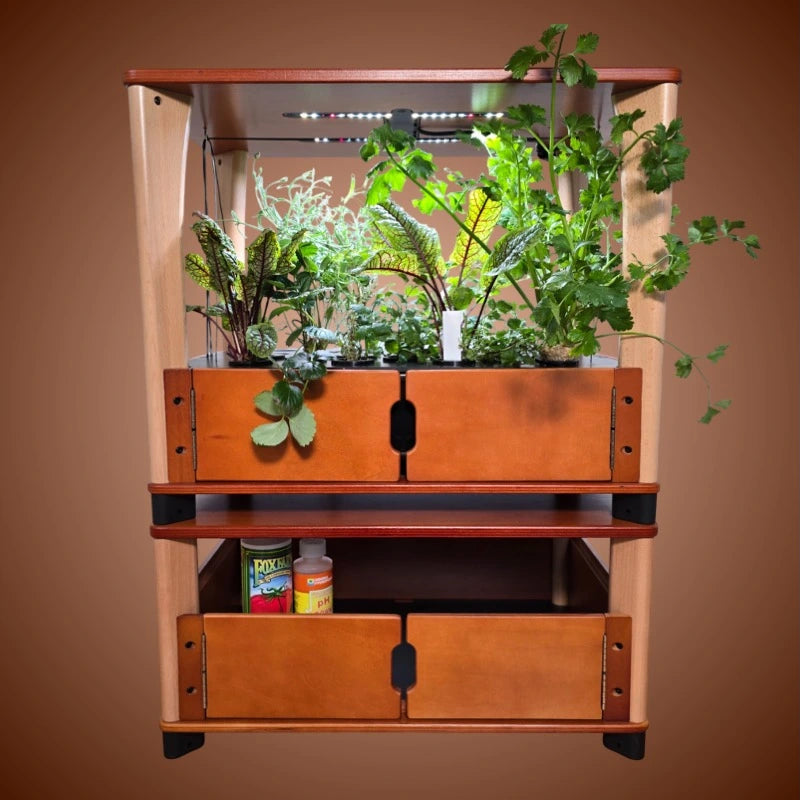
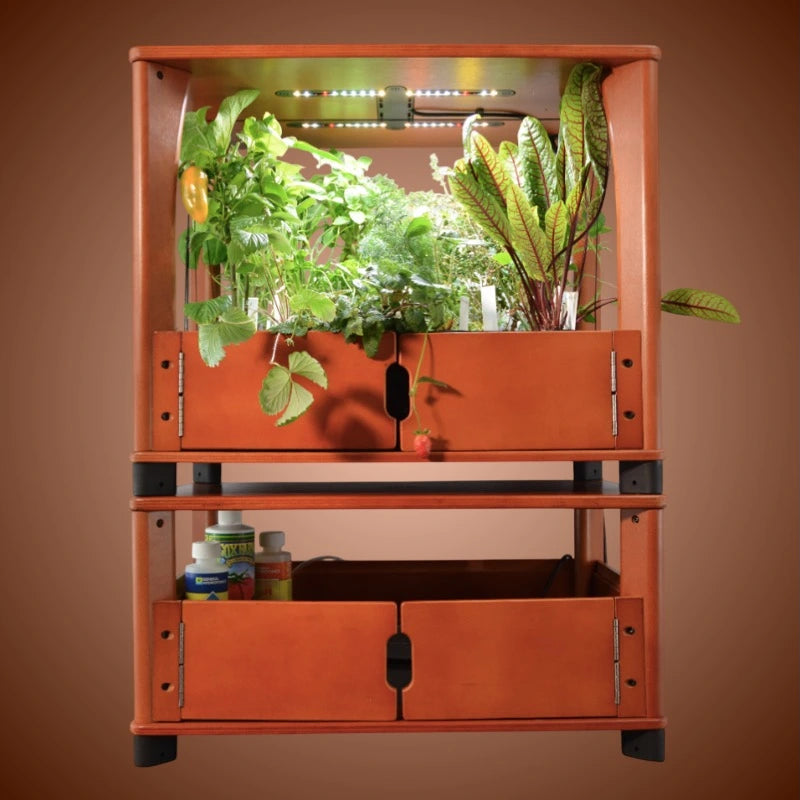
The Aquager Home Farm — 24 Plants provides the built-in full-spectrum lighting (16 hours/day), the nutrient delivery system, and the structural support that makes fruiting plant production reliable. Herbs work on windowsills; pepper plants — which produce fruit over 3–4 months — need the consistency that only a controlled lighting system provides.
The Pollination Brush ($4.99) is the most important accessory in this list. Without hand pollination, you get flowers and no peppers.
The Bamboo Support Sticks ($4.99 for a pack of 5) prevent stem breakage as plants get heavy with fruit. Install them at the 6–8 week mark before the plant becomes top-heavy.
For seeds: Early Jalapeño Pepper seeds ($8.99 for 4) are the recommended starting point for first-time indoor pepper growers.
Frequently Asked Questions
Do indoor hydroponic peppers taste different than store-bought?
Yes — significantly. Hydroponic peppers harvested at peak ripeness have more complex flavor than commercial peppers picked before maturity and shipped. Jalapeños ripened fully on the plant are more aromatic and have a distinct fruity quality beneath the heat.
How many peppers can one plant produce?
A healthy jalapeño plant produces 30–50 peppers per season with consistent pollination and care. Shishito plants are even more prolific. Bell pepper plants produce fewer but larger fruits — typically 8–15 per season.
Can I grow peppers from store-bought pepper seeds?
Technically yes, but results are unreliable. Commercial peppers are often harvested before seeds are fully mature, and varieties sold in stores are often hybrids that don’t breed true. Use seed-specific varieties designed for growing.
Do I need the specific Aquager pollination brush?
Any soft, clean, dry small brush works — a clean watercolor brush, a soft-bristle makeup brush, or a cotton swab all work. The Aquager pollination brush is sized specifically for pepper flowers and the bristle texture is right, but the key variable is that it must be dry, clean, and soft enough not to damage the flower.
What happens if I miss pollinating some flowers?
That flower will drop. The plant will produce new flowers in rotation — missing a few is normal and fine. Focus on being consistent with open flowers rather than perfect with every single one.
From Herb Garden to Pepper Harvest
Growing herbs is the right starting point with the Aquager farm. Peppers are the natural next challenge: a longer timeline, more involved care, and a genuinely different category of reward.
A jalapeño plant producing fresh peppers in your kitchen in January is the kind of thing that shifts how you think about cooking from home. It’s not just convenience — it’s access to something the supermarket simply can’t replicate.
The Aquager Home Farm, Jalapeño seeds, a Pollination Brush, and Bamboo Support Sticks are everything you need. Start seeds today and your first jalapeños will be ready in about four months.
Author: Aquager Team · Published: May 30, 2026 · Updated: September 11, 2026 · Reviewed: August 8, 2026 (Phase 2)












0 comments