
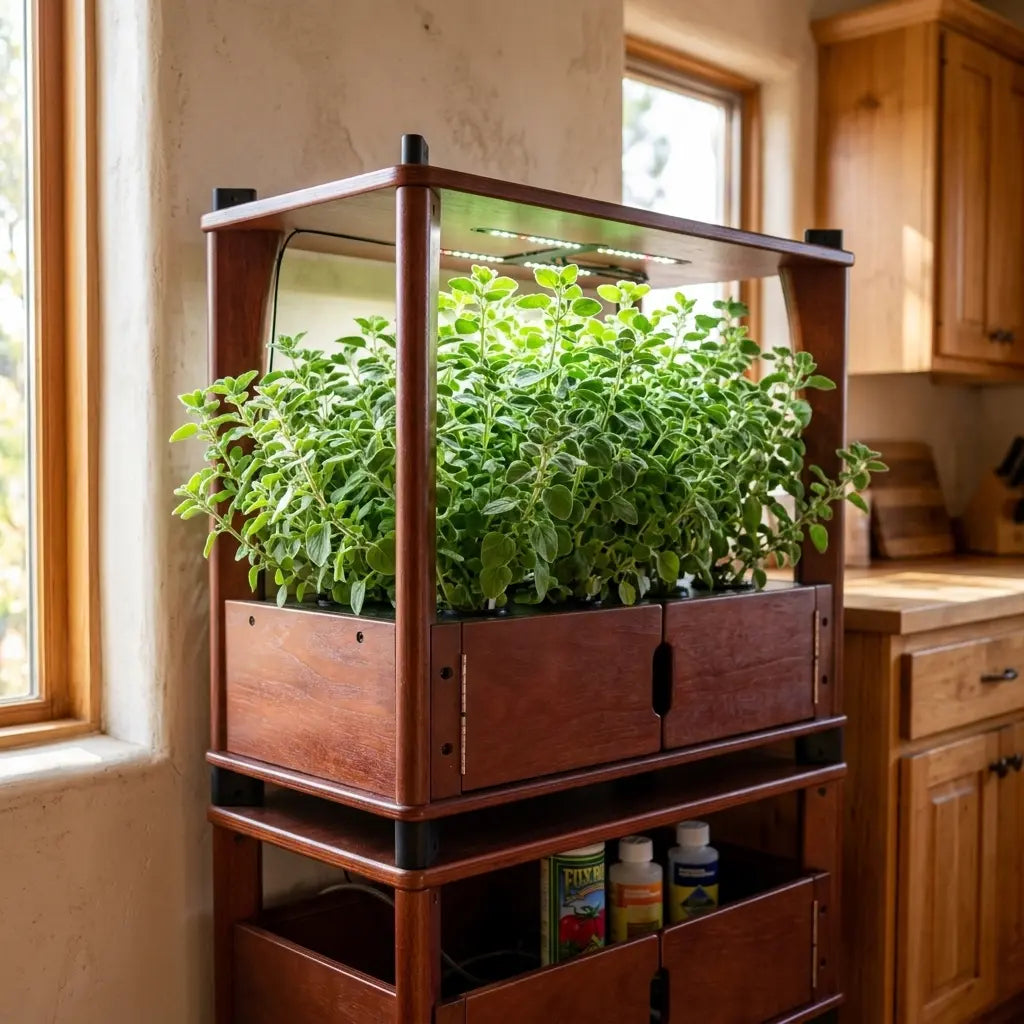
Oregano has a reputation problem. People assume any herb worth cooking with must be fussy, and skip straight to buying it dried at the store instead of growing their own.
That reputation is wrong. If you want to grow oregano, you are working with one of the most forgiving plants in the entire herb garden, drought-tolerant and low-maintenance once it gets established. The catch is that "once established" part, since oregano has a slow, easy-to-mess-up start.
This guide walks through exactly what oregano needs from seed to harvest, including the two mistakes that trip up most beginners: poor drainage and cutting it too early, before the flavor peaks.
By the end, you will know how to set oregano up to succeed from the very first seed, how to spot and fix the handful of problems that actually threaten it, and when to harvest for the strongest flavor a leaf can offer.
Why Oregano Is One of the Easiest Herbs to Grow Indoors
Hardy oregano earns that description honestly. It is a Mediterranean native, which means it evolved for rocky, dry, sun-baked hillsides rather than rich garden soil. That background makes it remarkably tolerant of inconsistent watering and the kind of neglect that kills more delicate herbs like basil.
Once oregano is established, it needs less fussing than almost anything else on a windowsill. It does not demand daily attention, does not wilt dramatically the moment you forget to water it, and keeps producing usable leaves for months from a single planting.
The tradeoff is a slower start. Oregano seeds are tiny and germinate unevenly, so the first few weeks require more patience than herbs like cilantro that sprout almost overnight. Push through that stage and the plant more or less takes care of itself.
There is also a durability factor most people do not think about until they need it. Oregano bounces back from a missed watering, a stretch of low light, or an overly enthusiastic pruning session in a way that basil or cilantro simply cannot. That resilience is exactly why it has survived for centuries as a staple in Mediterranean gardens with minimal intervention.
Growing Oregano Indoors vs Outdoors
Oregano handles both environments well, but each comes with its own tradeoffs worth knowing before you commit to one.
Outdoors, oregano behaves almost like a weed once established, spreading steadily and surviving through dry spells and cold snaps in most climates. The downside is exposure. Rain can waterlog poorly draining garden beds, pests have easy access, and in colder regions the plant goes dormant or dies back entirely over winter.
Indoors, you trade some of that hands-off resilience for control. You decide the light schedule, the watering amount, and the soil composition, which removes most of the variables that cause outdoor oregano to struggle. It also means year-round harvests instead of losing the plant to the first hard frost.
For most home cooks, indoor growing wins simply because it turns oregano into a kitchen staple available every time a recipe calls for it, rather than something seasonal you have to plan around.
What Oregano Needs to Thrive
Good oregano care comes down to getting a handful of basics right, then mostly leaving the plant alone. Light, drainage, and temperature matter far more than fertilizer or attention.
Oregano wants as much light as you can give it, ideally six or more hours a day. A south-facing windowsill works if your home gets strong sun, but a small grow light solves the problem reliably if natural light is inconsistent.
Drainage is the detail that trips up the most beginners. Oregano's Mediterranean roots evolved in soil that never stays wet for long, so anything that holds water around the roots invites rot fast. A well-draining potting mix, or a hydroponic setup that does not let roots sit in stagnant water, solves this automatically.
Temperature-wise, oregano is comfortable in the same range most people keep their homes, generally between 60 and 80 degrees Fahrenheit. It has no special humidity requirements, which is one more reason it tolerates indoor conditions better than tropical herbs.
Soil composition matters almost as much as drainage itself. A heavy, moisture-retentive potting mix works against oregano even in a well-drained pot, because the individual soil particles hold water against the roots longer than the plant wants. Mixing in perlite or coarse sand lightens a standard potting mix enough to mimic the rocky, fast-draining hillsides oregano evolved in.
If you would rather skip the soil chemistry altogether, a hydroponic setup sidesteps the whole issue. The growing medium is engineered for oxygen flow around the roots, so there is no mix to get wrong and no guessing about how much perlite is enough.
How to Grow Oregano From Seed, Step by Step
Growing oregano from seed is not complicated, but the timeline runs longer than most seed packets imply. Here is the process broken into the parts that actually matter.
1. Start with a variety bred for flavor
Greek oregano is the variety most cooks reach for, prized for its strong, slightly peppery flavor compared to milder ornamental types. Starting with Oregano (Greek) Seeds means you already know exactly what you are growing, instead of guessing at a generic seed packet's flavor profile.
2. Sow shallow and be patient with germination
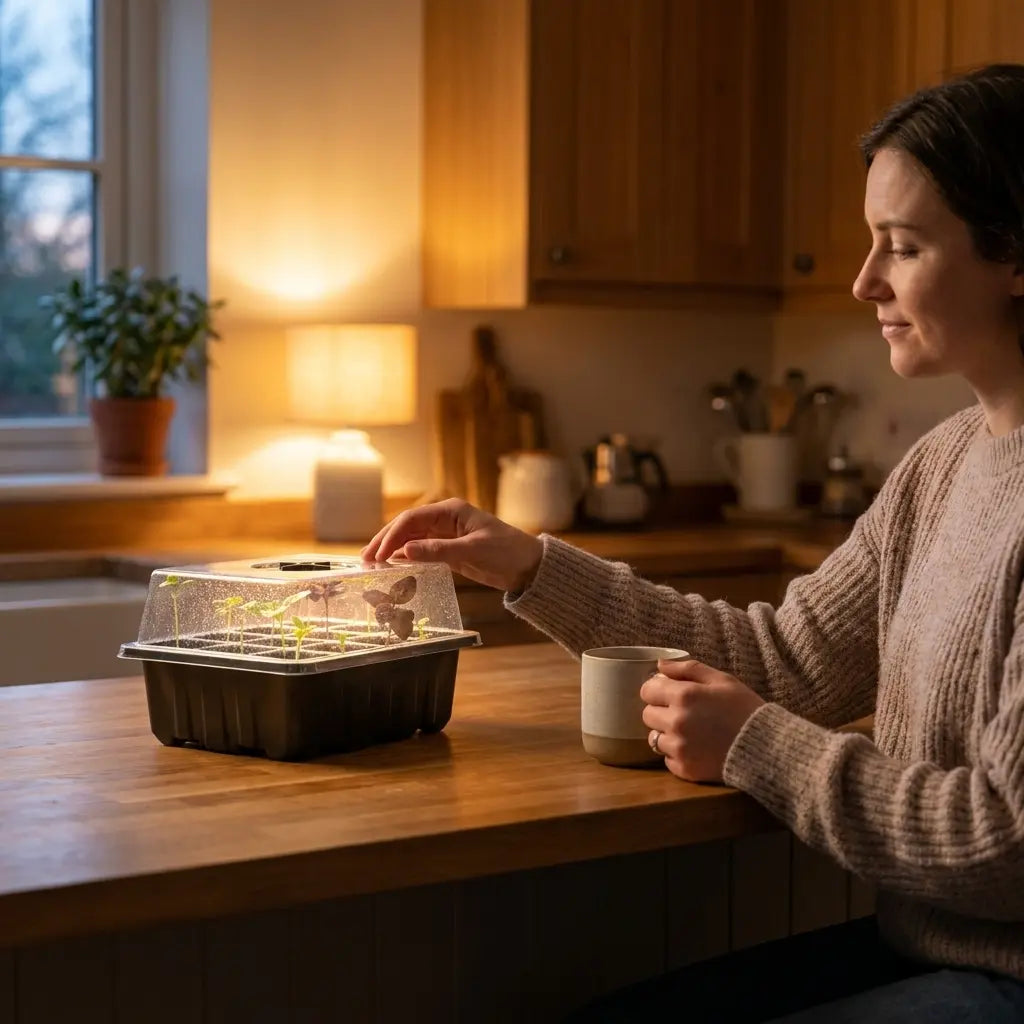
Oregano seeds are tiny and need light to germinate, so press them lightly into the surface of the growing medium instead of burying them. Oregano seedlings are notoriously slow and uneven, often taking 10 to 14 days to show any growth, and sometimes longer in cooler conditions.
This is the stage where most people give up too early, assuming the seeds failed. Keep the medium consistently moist, not soaked, and resist the urge to add more seeds on top of ones that simply need more time.
3. Move seedlings to their permanent spot
Once seedlings have a couple sets of true leaves, they are ready to move into a pot or a hydroponic net pot for good. Oregano in pots does best in a container with real drainage holes, since even a short period of waterlogged soil can stall young roots.
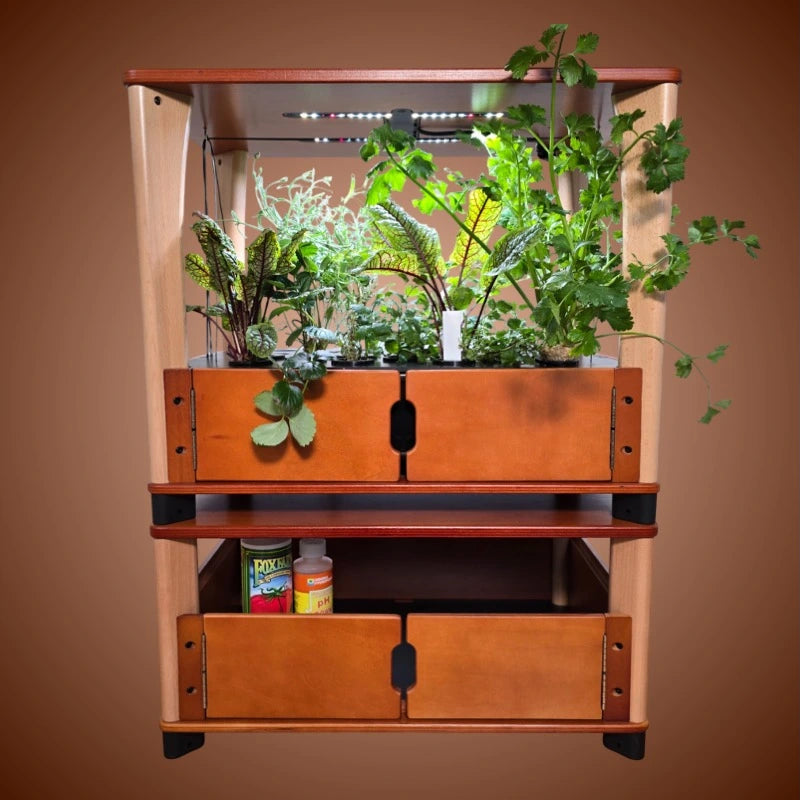
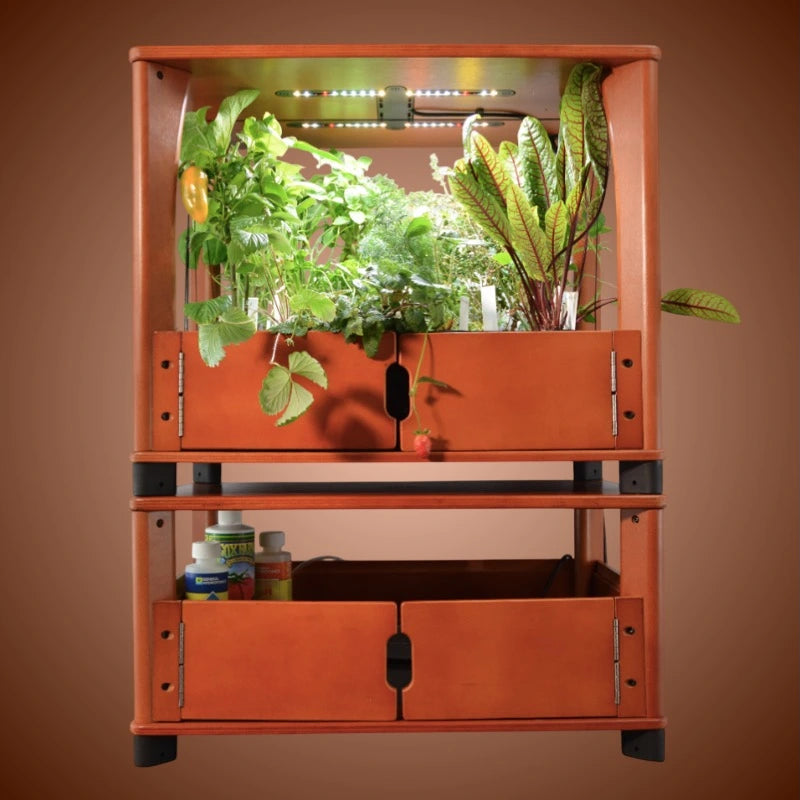
A hydroponic system like the Aquager Hydroponic Home Farm removes the guesswork here entirely, since the growing medium is designed to keep roots oxygenated instead of sitting in standing water. If you are setting up a hydroponic system for the first time, this beginner's guide to hydroponics covers the basics before you start.
4. Harden off before a permanent windowsill spot
If your seedlings started somewhere shaded or under a grow light, give them a few days of gradually increasing light exposure before settling them into their brightest permanent spot. Moving a seedling straight from low light into full sun can stress it enough to stall growth, even though mature oregano handles strong light just fine.

Seeds, Cuttings, or Starts: Which Should You Use?
Seeds are not the only way to grow oregano, and it is worth knowing the alternatives even if you end up starting from seed anyway. Each method trades speed for a bit of extra effort or cost.
Cuttings are the fastest route to a full-size plant. Snipping a four-inch stem from an established oregano plant, stripping the lower leaves, and placing it in water or moist growing medium usually produces roots within two to three weeks, far quicker than the same window most seeds need just to germinate. The tradeoff is that you need access to an existing plant to take a cutting from in the first place.
Nursery starts skip the wait entirely. Buying a small potted oregano plant gets you a harvestable herb almost immediately, though it costs more than a seed packet and limits you to whatever variety the nursery happens to stock.
Seeds remain the most economical option and the only way to guarantee you are growing a specific named variety like Greek oregano rather than an unlabeled generic plant. For most home growers, the extra patience seeds require is a fair trade for the certainty of knowing exactly what is in the pot.
Common Oregano Growing Problems and How to Fix Them
Even a hardy plant runs into trouble sometimes, and most oregano problems trace back to one of a few repeat offenders.
- Leggy, stretched-out growth with sparse leaves usually means insufficient light. Move the plant closer to a window or add a small grow light to encourage denser, bushier growth.
- Yellowing lower leaves combined with a musty smell from the soil almost always point to overwatering or poor drainage. Let the growing medium dry out more between waterings and check that excess water has somewhere to go.
- Sudden wilting despite moist soil can indicate root rot has already set in. At that point, trimming away affected roots and repotting into fresh, well-draining medium is often the only fix.
- Fine webbing or tiny specks on the undersides of leaves point to spider mites, common in dry indoor air. An occasional wipe with a damp cloth keeps them from establishing.
Most of these problems share a root cause: too much water and not enough light. Fixing those two variables first, before reaching for fertilizer or pesticide, resolves the majority of oregano complaints without any extra products.
Caring for Oregano and Harvesting at Peak Flavor
Once oregano is established, care shifts from active management to mostly staying out of its way. Water only when the top layer of growing medium feels dry, since oregano would rather be slightly underwatered than sitting in soggy soil.
Skip heavy fertilizing. Oregano actually develops a stronger, more concentrated flavor when it is grown a little lean, since the same Mediterranean hardiness that makes it drought-tolerant also means it does not need rich soil to thrive. A light feeding once a month is plenty, and in a hydroponic system, the nutrient solution typically already covers this without any additional guesswork.
Harvest timing is where flavor is won or lost. Oregano's essential oil content, the compounds responsible for its flavor and aroma, peaks right before the plant flowers. Once it blooms, the plant redirects energy into producing seeds and the leaves turn noticeably milder.
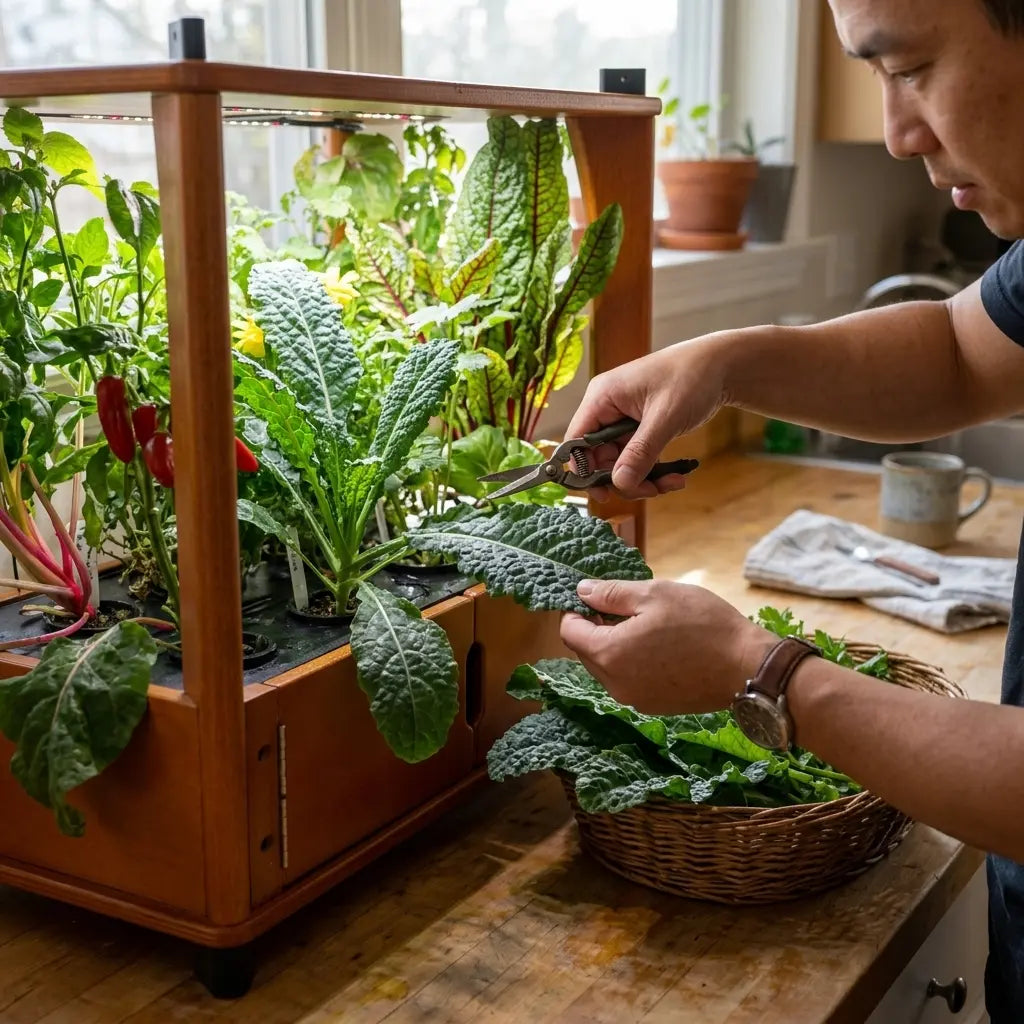
Watch for small flower buds starting to form and harvest before they open. Snip stems in the morning after any dew has dried, and always leave at least a third of the plant intact so it can keep growing back.
Regular light harvesting, rather than one big cut, also keeps the plant from rushing toward flowering in the first place. Pinching back stems encourages bushier, denser growth and delays the flowering cycle, giving you a longer window of peak-flavor leaves.

Why Growing Your Own Oregano Beats Buying Seeds Elsewhere
Generic seed packets rarely tell you which oregano variety you are getting, which means the flavor is a gamble even after weeks of waiting for germination. Starting with a named variety removes that uncertainty from the process.
Pairing the right seed with the right growing setup solves the two problems that cause most oregano failures: unreliable germination and drainage issues that lead to root rot. A hydroponic system handles both by controlling moisture precisely, instead of leaving it to guesswork with a watering can.
It is also one of the easiest herbs to grow indoors once you get past the slow start, so the upfront effort pays off with months of low-maintenance harvests afterward.
There is a cost angle worth mentioning too. A single seed packet produces far more oregano over a growing season than most households buy dried in a year, at a fraction of the per-ounce price of a spice jar. Once the plant is established, the only ongoing cost is the occasional light watering.
Oregano Growing FAQ
Why won't my oregano seeds germinate?
Oregano seeds need light to germinate, so seeds buried too deep often fail to sprout at all. Give it more time before assuming the seeds are bad. Oregano seedlings can take up to two weeks to appear, longer than most other kitchen herbs. Consistent, gentle moisture during that window matters more than any other single factor in getting them to sprout at all.
How do I know if my oregano has drainage problems?
Yellowing leaves, a musty smell from the soil, or stems that feel soft near the base are all signs of waterlogged roots. Letting the top layer of growing medium dry out between waterings is usually enough to prevent this.
Can oregano survive being forgotten about for a week?
Once established, yes. Hardy oregano tolerates missed waterings far better than it tolerates being overwatered, which is part of why it is such a forgiving plant for beginners.
When is the best time to harvest oregano for cooking?
Right before the plant flowers, when essential oil content and flavor are at their peak. After flowering, the leaves turn noticeably milder and less aromatic.
Does oregano grow back after cutting?
Yes, and it typically grows back bushier if you leave enough stem for the plant to recover. Regular light harvesting keeps it productive for months.
Does oregano need to be repotted as it grows?
A mature oregano plant can outgrow a small starter pot within a season, especially if it is growing vigorously. Signs it is time include roots visible at drainage holes or the plant drying out unusually fast between waterings, both of which mean moving up to a larger container.
Can I grow oregano from a store-bought sprig?
Sometimes. If the sprig still has a bit of stem and has not been treated to prevent rooting, placing the cut end in water can occasionally produce roots. Results are inconsistent, though, which is why starting from seed or a dedicated cutting from a healthy plant is more reliable.
Conclusion
Oregano rewards patience at the start and gives almost nothing back in maintenance once it is established. The slow germination and the drainage requirements are the only real hurdles, and both are solved with the right setup from day one.
Starting with a reliable variety like Oregano (Greek) Seeds and a system built to manage moisture correctly turns oregano from an intimidating herb into one of the easiest plants on your counter. Once it is established, you are looking at months of fresh, peak-flavor harvests for the cost of a few minutes of setup.
Give it good drainage, enough light, and a little patience through germination, and oregano will do the rest of the work on its own. Few herbs offer that much return for that little ongoing effort.
Author: Aquager · Published: July 10, 2026 · Updated: July 10, 2026












0 comments