
Most kitchens have a jar of dried oregano sitting untouched behind the olive oil. That is a shame, because the oregano benefits backed by real research go far past a sprinkle on pizza.
Oregano carries one of the highest antioxidant capacities of any food ever tested, and its active compound carvacrol has been studied for genuine antimicrobial effects. Most people just do not know it, and even fewer realize how much of that potential gets lost by the time a jar reaches their pantry.
This guide breaks down what the science actually shows, what gets oversold, and how to get more oregano into your routine without swallowing a supplement capsule.
What Makes Oregano So Antimicrobial?
Oregano's antimicrobial properties come from two compounds in its essential oil: carvacrol and thymol. Both are phenols, and both have been tested in lab studies against a range of bacteria and fungi, including strains like E. coli, Staphylococcus aureus, and Candida albicans.
Carvacrol appears to work by disrupting the outer membrane of bacterial cells, making it harder for the microbe to regulate what passes in and out. Some researchers have even studied oregano oil as a natural addition to food packaging, since it can slow spoilage in certain conditions.
Most of this research happens in test tubes or petri dishes, not inside the human body, so it is worth being careful about the claims you see on supplement bottles. Oregano is not a substitute for antibiotics, and nothing here should be read as medical advice. What the evidence supports is that oregano is a genuinely bioactive food, not just a flavor.
Oregano is not alone here. Thyme and rosemary contain related compounds and show up in similar antimicrobial research, which is part of why Mediterranean cooking leans so heavily on this whole family of herbs. What sets oregano apart is the sheer concentration of carvacrol relative to other common kitchen herbs, often several times higher by weight, which is why it gets singled out more often in comparative studies.
One detail matters more than most people realize: oregano's oil content, and therefore its concentration of carvacrol, varies a lot depending on the plant's freshness, growing conditions, and how it was dried. A jar that has been sitting on a store shelf for a year has already lost a meaningful share of its essential oil to evaporation.
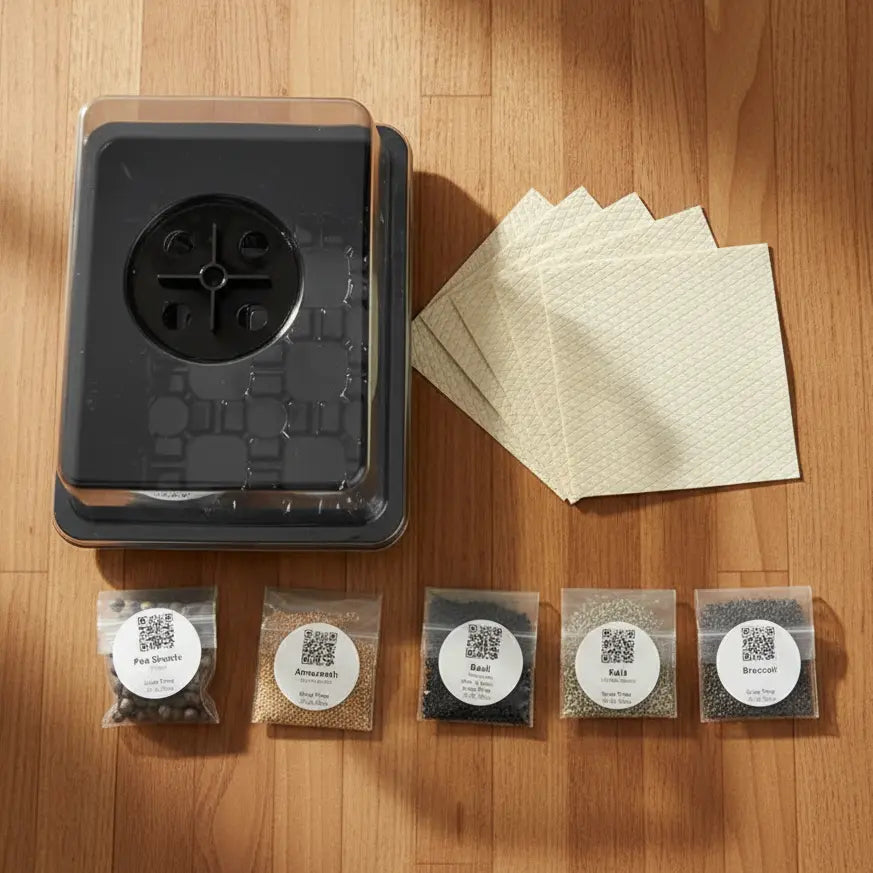
That is one reason growing your own is worth considering. A plant like Oregano (Greek) Seeds lets you harvest leaves at peak oil content and dry or use them immediately, instead of relying on a jar of unknown age.
Dried Oregano's Antioxidant Capacity: Why This Spice Rack Staple Outperforms Most Foods
Here is the part that surprises most people. Gram for gram, dried oregano has one of the highest antioxidant capacities of any food that has been measured, ranking above blueberries, pomegranates, and most other foods typically marketed as antioxidant powerhouses.
The reason comes down to drying itself. Oregano is loaded with polyphenols, including rosmarinic acid and various flavonoids, and removing the water concentrates those compounds into a much smaller volume. A tablespoon of dried oregano packs in far more polyphenol content than the same volume of fresh leaves.
Antioxidants matter because they help neutralize free radicals, unstable molecules linked to cellular stress over time. Diets consistently higher in polyphenol-rich foods, herbs included, are associated with better long-term health outcomes in population studies, though oregano itself is eaten in small enough amounts that it is a contributor, not a cure-all.
It helps to see the comparison in context. Foods are often ranked by their antioxidant capacity per gram, and on that scale, dried herbs like oregano consistently land near the top of the list, well above most fruits and vegetables people already consider antioxidant-rich:
- Dried oregano ranks among the highest antioxidant-capacity foods measured per gram, ahead of many berries and dark chocolate on a weight basis.
- The polyphenols responsible, primarily rosmarinic acid and various flavonoids, are concentrated during drying rather than created by it.
- Storage still matters. Light, heat, and time gradually degrade those same polyphenols, so a fresher jar or a home harvest retains more of the original capacity.
The takeaway is simple: do not skip the dried oregano just because fresh feels more virtuous. Both have a place, and drying your own herb at home lets you capture that antioxidant capacity before it fades.
Oregano Nutrition and Everyday Health Benefits
Beyond antimicrobial and antioxidant activity, oregano nutrition holds up well for a spice you use in small amounts. A single tablespoon of dried oregano contributes meaningful amounts of a few key nutrients relative to how little of it you actually eat:
- Vitamin K, important for normal blood clotting and bone health.
- Manganese, involved in metabolism and antioxidant enzyme function.
- Iron, though in small amounts compared to a full serving of meat or leafy greens.
- Fiber, a small but real contribution given how concentrated dried herbs are.
The flavonoids in oregano have also been studied for mild anti-inflammatory activity, which is part of why traditional Mediterranean and Middle Eastern cooking leans on it so heavily. It shows up in everything from roasted vegetables to marinades to slow-simmered sauces.
Some people brew oregano into a tea for digestive discomfort or a scratchy throat, a use with a long folk history and some early supporting research, though it is not a replacement for medical care when symptoms are serious or persistent.
For most home cooks, the realistic oregano health benefit is this: it is an easy way to add flavor without salt or fat, while getting a small but real dose of antioxidants and antimicrobial compounds with almost no effort.
How to Grow Fresh Oregano at Home for the Most Potency
If freshness is what drives both the antimicrobial power and the antioxidant capacity, growing oregano yourself is the most direct way to maximize both. It is also one of the easiest herbs to grow indoors, even for people who have killed a plant or two before.
1. Start with a variety bred for oil content
Not all oregano is equal. Greek oregano is prized specifically for its high essential oil concentration, which is why it is the variety most cooks and herbalists reach for over milder Mediterranean types. Seed packets rarely specify oil content, so buying from a source that names the variety, rather than a generic "oregano" packet, is worth the extra minute of research.
2. Give it consistent light and water
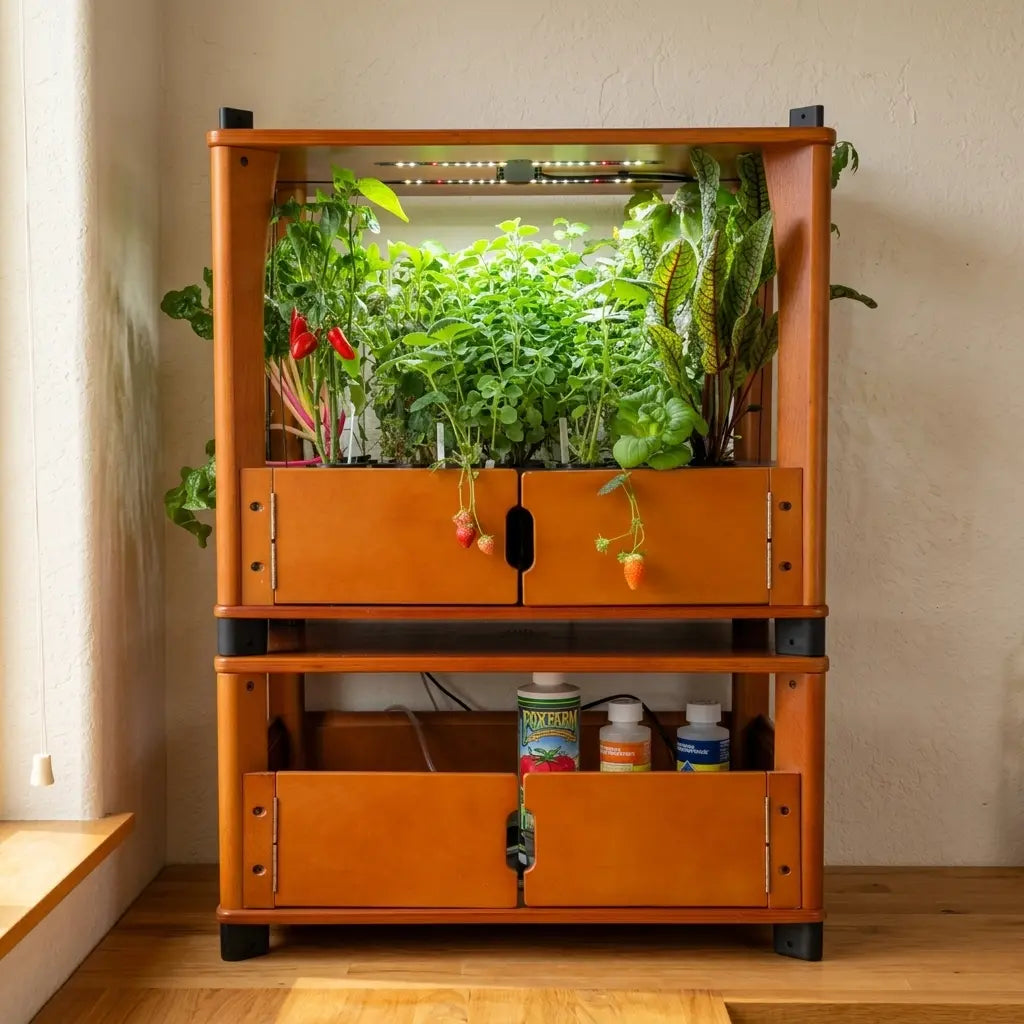
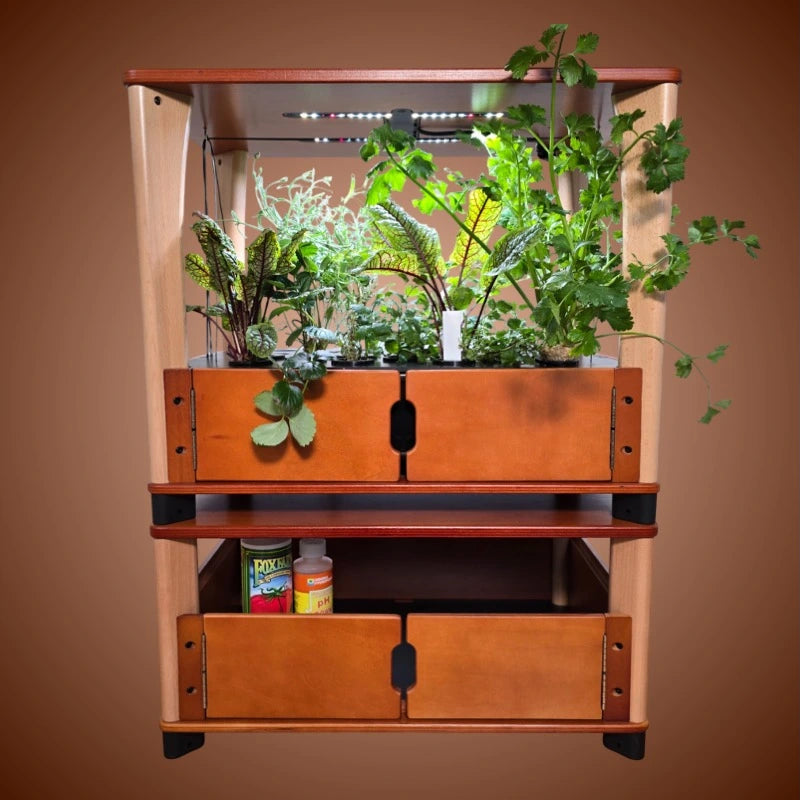
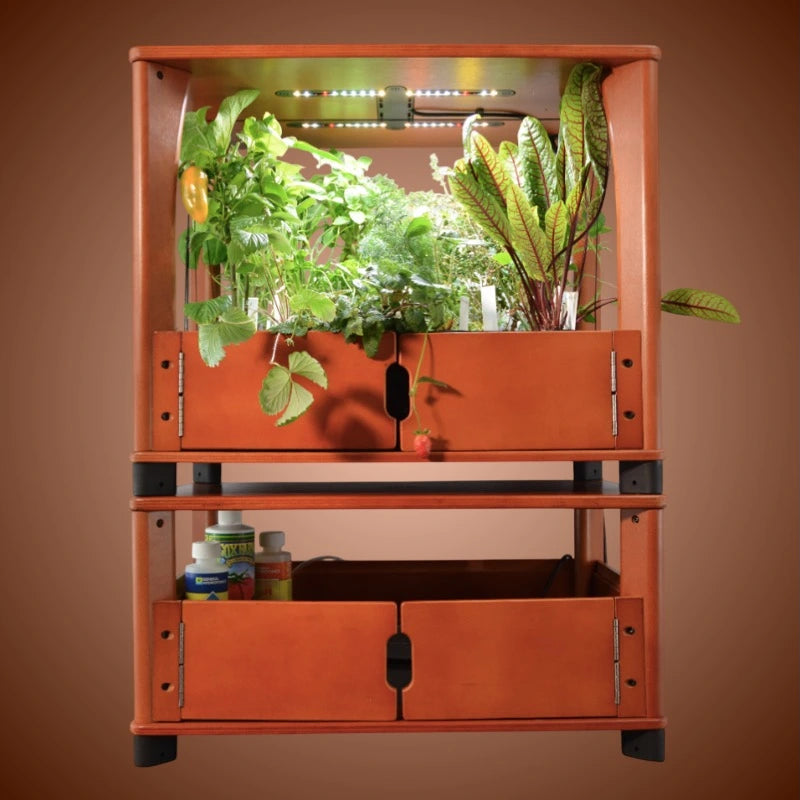
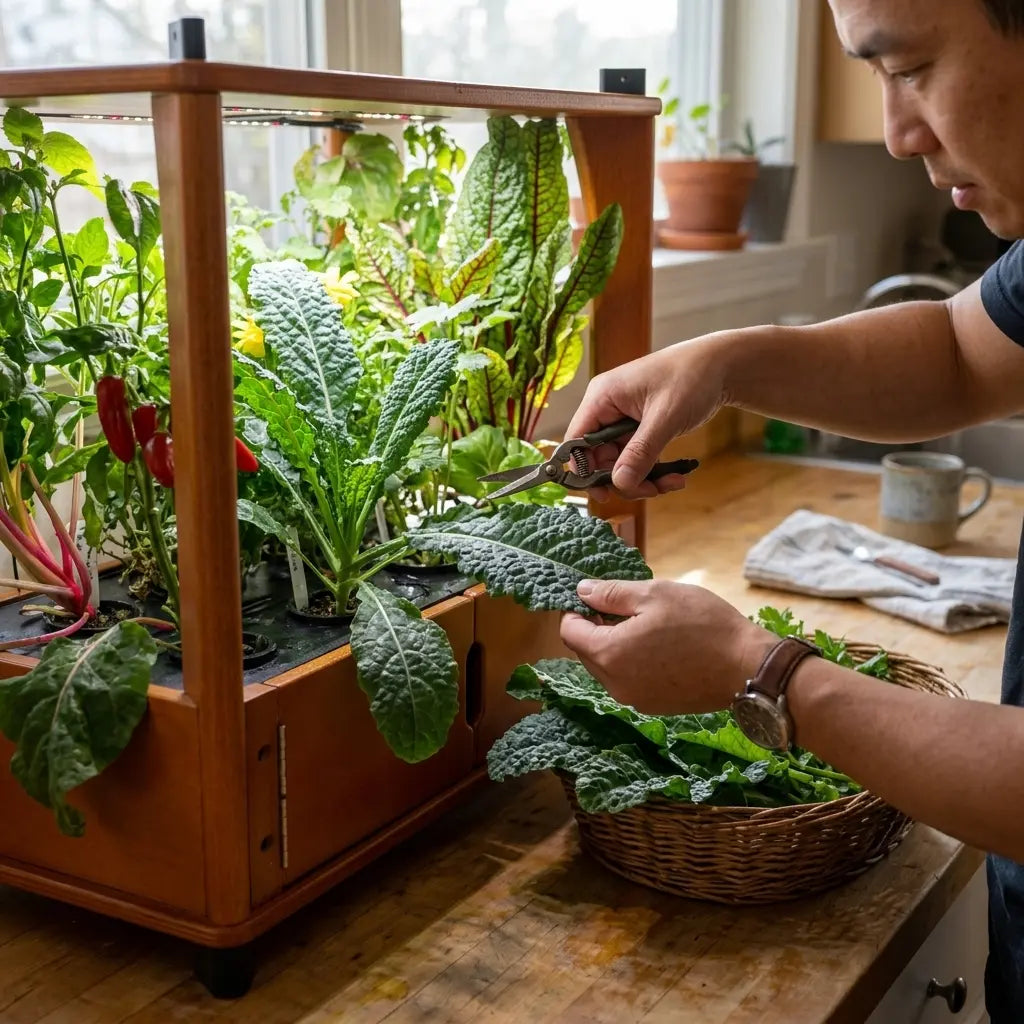
Oregano is forgiving, but it produces the most oil when it gets steady light and does not sit in soggy soil. A hydroponic setup like the Aquager Hydroponic Home Farm keeps both dialed in automatically, which matters if you tend to forget watering schedules. If you have never set one up before, this beginner's guide to hydroponic systems walks through the basics.
3. Harvest before it flowers
Essential oil content peaks right before the plant flowers, then drops once it puts energy into blooming. Snip stems in the morning, after the dew has dried but before the heat of the day, for the strongest flavor and highest carvacrol content.
4. Prune regularly to keep it productive
Oregano actually grows bushier the more you cut it, as long as you leave enough stem for the plant to recover. Regular light harvesting, rather than one big cut at the end of the season, keeps essential oil production steady and gives you a rolling supply instead of one large batch.
Indoors, oregano rarely deals with the pests that plague outdoor gardens, but keep an eye out for tiny webs or sticky residue on the underside of leaves, both signs of spider mites in a dry indoor environment. A quick wipe with a damp cloth every so often usually keeps them from taking hold.
5. Dry it slowly, out of direct light
Hang small bundles upside down in a dark, dry spot, or use a low-heat dehydrator. Direct sun speeds up drying but also breaks down the antioxidant compounds you are trying to preserve. Once the leaves crumble easily between your fingers, strip them from the stems and store them in a sealed jar away from heat.

Why Growing Your Own Oregano Beats a Store Bought Jar
Most dried oregano on grocery shelves was harvested, dried, shipped, warehoused, and stocked long before it reached your cart. Every step in that chain gives the essential oils more time to evaporate, which quietly weakens both the antimicrobial properties and the antioxidant capacity you are counting on.
Growing your own oregano removes almost every one of those steps. You control the harvest timing, the drying method, and how long it sits before use, which means the leaves you cook with are consistently closer to peak potency than anything bought pre-dried.
It also solves a smaller but real problem: those little spice jars are expensive per ounce, and a single healthy plant produces far more oregano over a season than most households use in a year. Once you are set up, refilling your supply costs nothing but a few minutes of harvesting and drying.
There is also a taste difference most people notice immediately. Home dried oregano tends to have a rounder, more herbal flavor than the slightly dusty, muted taste of a jar that has been sitting for a long stretch. Once you cook with a fresher batch, it is hard to go back to the grocery store version.
Oregano Benefits FAQ
Does oregano really have antimicrobial properties?
Lab studies show carvacrol and thymol, the main compounds in oregano essential oil, can inhibit the growth of several bacteria and fungi in controlled settings. Most of this evidence comes from test tube research rather than human trials, so it supports oregano as a beneficial food, not a medical treatment.
What is the difference between oregano and oil of oregano?
Oil of oregano is a concentrated extract, often diluted in a carrier oil, with a much higher dose of carvacrol than you would get from cooking with the dried herb. That concentration is also why oil of oregano needs more caution around dosage and interactions than sprinkling oregano on food.
How much dried oregano do I need for antioxidant benefits?
There is no official target amount, but a teaspoon or two used regularly in cooking is a reasonable, low-risk way to add polyphenols to your diet. Oregano is meant to be a consistent seasoning habit, not a supplement dose.
Is fresh or dried oregano healthier?
Dried oregano has a higher antioxidant capacity by weight because drying concentrates the polyphenols. Fresh oregano offers a brighter flavor and some of the same benefits in a milder form, so the better choice usually comes down to what the recipe calls for.
Can I use oregano every day?
Using oregano as a regular cooking herb is considered safe for most people. Concentrated oregano oil supplements are a different story and are worth discussing with a doctor before daily use, especially alongside medications.
Does cooking destroy oregano's antioxidant benefits?
Heat reduces some polyphenol content, but oregano holds up better than many herbs because its compounds are relatively stable. Adding it earlier in a long-simmered dish still delivers meaningful antioxidant and flavor benefits, even if a small amount degrades along the way.
Conclusion
Oregano earns its reputation. The oregano benefits that matter, real antimicrobial properties from carvacrol, one of the highest antioxidant capacities of any food, and a solid nutrition profile for how little you use, hold up under actual research.
The freshest, most potent version of any of that comes from growing it yourself rather than reaching for a jar that has been sitting in a warehouse for months. A bundle like the Chef's Organic Set gives you the growing system and the storage to keep your harvest fresh, so the oregano on your plate is always close to peak potency.
None of this requires a garden, a green thumb, or much space. A single oregano plant on a countertop is enough to keep a household stocked, and once it is established, the upkeep is closer to watering a houseplant than tending a vegetable bed.

Author: Aquager · Published: July 10, 2026 · Updated: July 10, 2026













0 comments