

Fall cooking leans hard on three herbs: sage, rosemary, and thyme. They show up in stuffing, brown butter sauces, roasted squash, and the herb butter tucked under a turkey's skin every Thanksgiving. If you want fresh sprigs on hand all season instead of wilted grocery store bunches, now is the time to grow sage, rosemary, and thyme indoors.
All three are slow growing woody perennials, unlike soft herbs such as basil, which means the earlier you plant them, the more you will have ready to harvest by Halloween and Thanksgiving. None of them need much space, and none of them need soil if you would rather skip potting mix altogether.
An indoor herb garden solves the biggest problem with growing these herbs once fall weather turns colder. A hard frost stunts or kills young rosemary and sage plants fast, even though both handle cold better than basil. Bringing them inside protects the harvest through the exact weeks you need it most, and this guide covers how to start and grow all three from seed.
Growing Rosemary for Roasts, Stuffing, and Herb Butter
Rosemary is the most forgiving of the three, but it is also the slowest to establish. A seedling can take 2 to 3 months to produce enough growth for regular cooking use, which is exactly why starting now matters if you want sprigs ready for Thanksgiving.
Rosemary wants bright light for at least 6 hours a day and does not like sitting in soggy growing medium. If you are growing in a traditional pot, let the top inch of soil dry out between waterings. Overwatering kills more indoor rosemary than anything else.
Once established, rosemary holds up to roasting, browning in butter, and long braises better than almost any other herb, which is why it shows up in so much fall and holiday cooking. Fresh rosemary also keeps its oils and flavor far better than the dried version sold in stores.
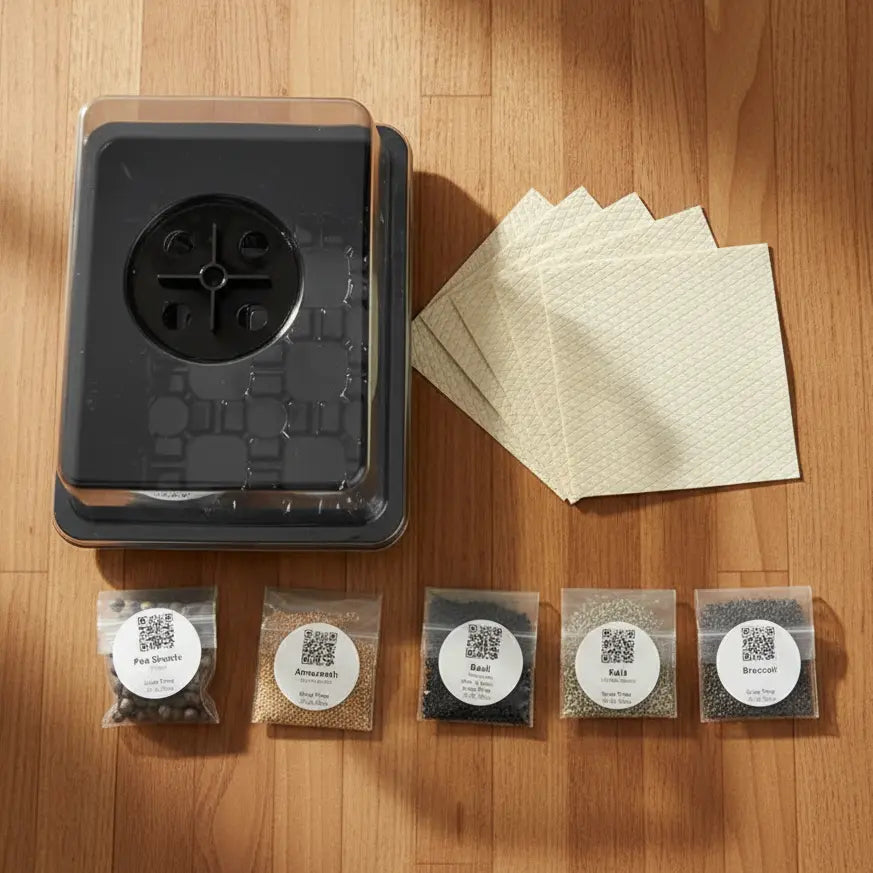
Growing rosemary hydroponically instead of in soil sidesteps the overwatering problem completely, since the roots pull only what they need. The Aquager Rosemary Seeds come pre-seeded in an organic grow medium, so there is no guessing about depth or spacing.

How to Grow Sage Indoors, Step by Step
Sage is the herb behind brown butter sage sauce, stuffing, and the classic pairing with roasted squash and pork. It grows a little faster than rosemary but still needs patience compared to soft herbs like basil or cilantro.
To grow sage indoors:
- Start seeds or a pre-seeded grow medium in a spot that gets bright light for 6 to 8 hours a day, or under a grow light on the same schedule.
- Keep the growing medium moist but never soaked, since sage is prone to root rot in wet conditions.
- Once seedlings have 3 to 4 sets of true leaves, begin harvesting the outer leaves first so the plant keeps producing from the center.
- Pinch back the growing tips occasionally to encourage a fuller, bushier plant instead of one tall stem.
Sage leaves toughen and lose some flavor as the plant ages, so younger leaves from an actively growing plant taste noticeably better in brown butter and stuffing recipes. That is the real advantage of growing your own over buying a bunch at the store: you control exactly how old the leaves are when they hit the pan.
The Aquager Sage Seeds come with 4 pre-seeded organic grow mediums, so you can start more than one plant at once and stagger your harvest through the season.
Growing a Thyme Plant for Fall Soups and Braises
A thyme plant is the smallest and slowest of the three to look full, but it is also the lowest maintenance once established. Thyme actually prefers slightly drier conditions than sage or rosemary, which makes it a good match if you tend to forget watering schedules.
Thyme's tiny leaves hold their flavor through long cooking times, which is why it ends up in soups, braises, and stocks that simmer for an hour or more. A few sprigs added early to a pot of soup will still be noticeable by the time it is done.
Harvest thyme by snipping whole stems rather than picking individual leaves. Strip the leaves off with your fingers right before using them, since they fall off the stem easily once the herb is fresh.
The Aquager Thyme Seeds grow well alongside sage and rosemary in the same setup, since all three prefer similar light and watering conditions, making them an easy trio to grow together.
Simple Fall and Halloween Recipes to Use the Harvest
Once your plants are established, the payoff is having exactly the right herb on hand for the recipes that define fall cooking. A few simple ideas make good use of a fresh harvest without much prep work.
- Brown butter sage: melt butter in a pan until it turns golden and smells nutty, then drop in whole sage leaves for 30 seconds until crisp. Spoon it over roasted squash, pumpkin ravioli, or gnocchi.
- Rosemary roasted root vegetables: toss carrots, potatoes, and parsnips with olive oil and chopped rosemary, then roast until the edges caramelize. It is one of the easiest sides for a Halloween or Thanksgiving table.
- Thyme braised soup or stock: add a few whole sprigs to a pot of turkey stock, squash soup, or braised greens early in the cooking time so the flavor has a chance to build.
- Herb garnished drinks for a Halloween party: a sprig of rosemary or thyme makes a simple, seasonal garnish for cider, mocktails, or a witch's brew style punch bowl.
None of these recipes need much fresh herb at all, which is part of why growing your own pays off. A single plant can supply garnish quantities for weeks, long after a store bought bunch would have wilted in the crisper drawer.
The Easiest Way to Grow Sage, Rosemary, and Thyme Together
Growing sage, rosemary, and thyme together is easiest when they are all in one system instead of three separate pots on three separate watering schedules. All three prefer similar bright light and moderate moisture, which makes them a natural match for a single setup.
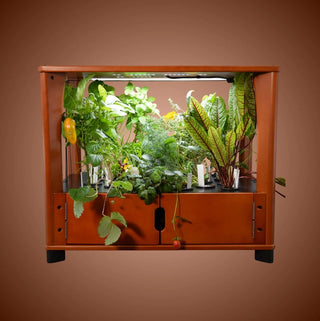
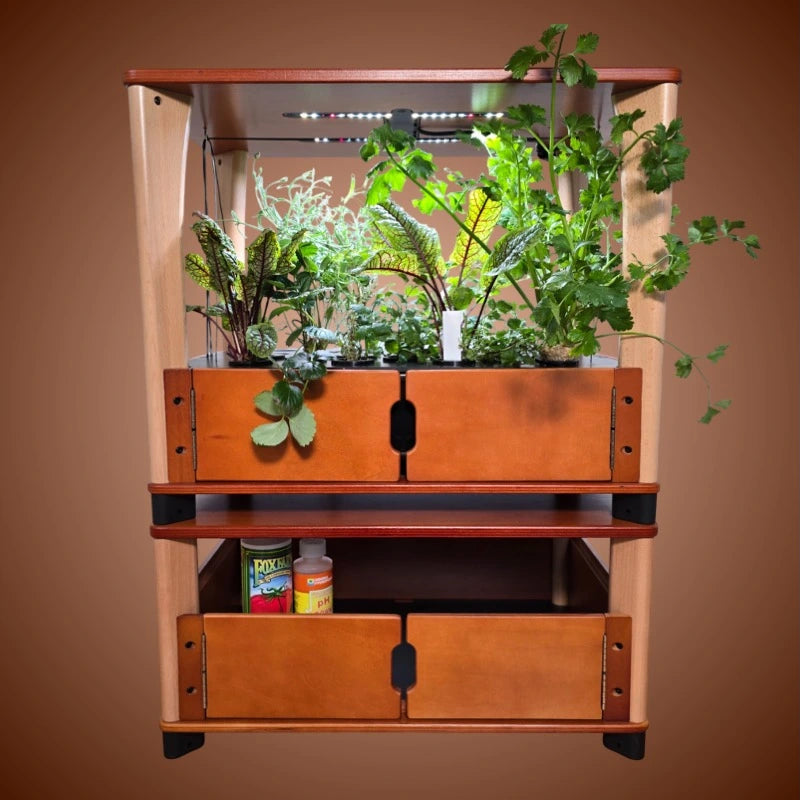
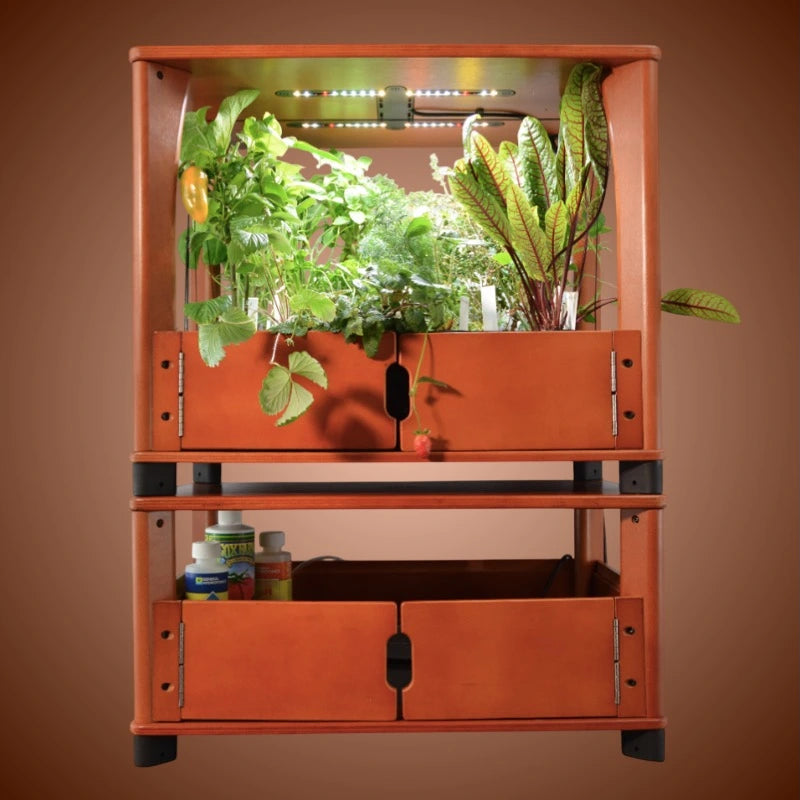
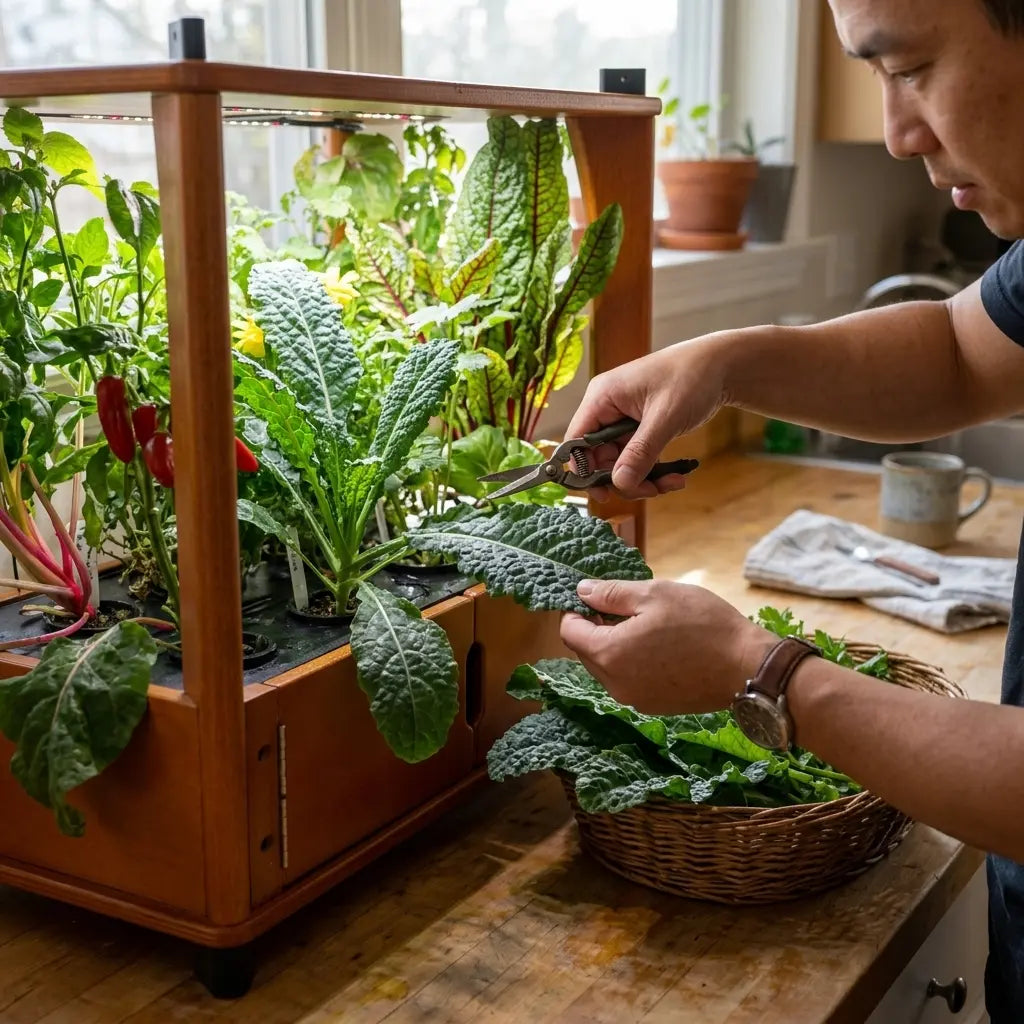
The Aquager Home Farm bundle grows multiple plants at once with one watering system to manage, which is the main reason it works well for a fall herb trio instead of juggling separate pots on different schedules. The bundle includes two grow boxes, so you can dedicate one to your fall herbs and still have room for greens or another crop in the second.
Because the system handles water and nutrients automatically, you avoid the two most common fall herb mistakes in one tray: overwatering rosemary and underwatering thyme.
Fall Herb Growing FAQ
How long does it take to grow sage, rosemary, and thyme indoors?
Rosemary is the slowest, often taking 2 to 3 months to reach a useful size. Sage and thyme typically need 6 to 8 weeks before they are ready for regular harvesting.
Can I grow sage, rosemary, and thyme together in one system?
Yes. All three prefer similar bright light and moderate moisture, which makes them one of the easier herb combinations to grow side by side.
Do these herbs need direct sunlight?
They do best with 6 to 8 hours of bright light a day. A south facing window works in most homes, though a grow light is more consistent through shorter fall days.
Is fresh rosemary better than dried for fall cooking?
Fresh rosemary holds more of its natural oils, which means a stronger, brighter flavor in roasts, stuffing, and herb butter compared to the dried version.
Why did my sage or thyme turn yellow or leggy?
Yellowing usually means overwatering, while leggy, stretched growth usually means the plant needs more light. Both are easy to fix by adjusting watering or moving the plant closer to a light source.
How do I store extra sage, rosemary, or thyme?
Chop fresh herbs and freeze them in olive oil in an ice cube tray for an easy addition to winter cooking. Sage and rosemary also dry well if hung in small bundles, though thyme keeps more flavor frozen than dried.
Bringing It All Together for Fall and Halloween Cooking
By the time Halloween rolls around, a fall herb garden started now will be ready for browned sage butter, rosemary roasted vegetables, and thyme worked into soups and stocks. Starting in early fall gives rosemary especially enough time to catch up to the other two.

None of these herbs need a complicated setup, just consistent light and the right amount of water. Whether you are growing in traditional pots or the same Aquager Home Farm bundle, starting sage, rosemary, and thyme now means fresh herbs on hand for the entire fall cooking season.
For more on building out your setup, see our guides on growing herbs indoors year-round and the 10 easiest herbs to grow indoors. If you are planning other seasonal cooking, our fresh herb recipes for Memorial Day post has ideas that translate well to fall too.
Author: Aquager · Published: July 4, 2026 · Updated: July 4, 2026












0 comments