

Thanksgiving dinner runs on four herbs: sage, rosemary, thyme, and parsley. Stuffing herbs alone (sage, thyme, and parsley) can make or break the dish, and the same trio shows up again in the turkey and the gravy. If you are still buying small plastic clamshells of each one at the store, growing your own solves a real problem: those clamshells almost always have more than you need, and half goes to waste before your Thanksgiving cooking even starts.
None of these herbs are hard to grow, and unlike a fall garden bed, this batch does not need to survive outdoors. A few weeks of light and consistent water is enough to have a windowsill of fresh herbs ready well before the fourth Thursday in November.
This guide breaks down which herbs go where (turkey, stuffing, and gravy), when fresh actually outperforms dried, and how to grow the whole set indoors so you are snipping instead of shopping this Thanksgiving.
Herbs for the Turkey
Rosemary, sage, and thyme all show up under the skin or in the cavity of a roast turkey, but rosemary is the one that holds up best through the full roasting time. Its needle like leaves keep releasing flavor for hours in the oven without turning bitter or burning off.
A simple herb butter rubbed under the turkey skin, made from softened butter, chopped rosemary, and a little sage, is one of the easiest ways to season a turkey without a long ingredient list. Rub it directly against the meat, not just the skin, for the most flavor.

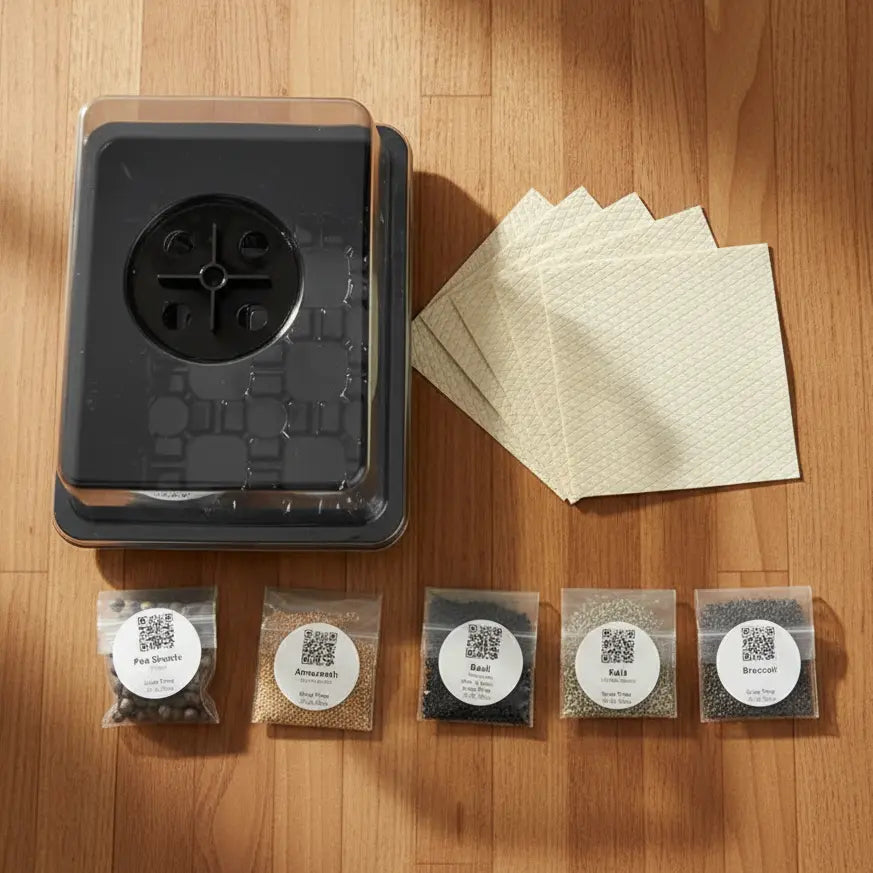
Fresh rosemary also holds its oils far better than the dried version once it hits high oven heat, which is part of why so many turkey seasoning blends lean on rosemary as the backbone flavor. Growing your own with the Aquager Rosemary Seeds means you can cut exactly as much as the recipe calls for, right before the turkey goes in.
Timing matters almost as much as the herbs themselves. Applying an herb butter the night before and letting the turkey sit uncovered in the fridge gives the flavor more time to work into the meat, and it dries the skin slightly for a crisper roast the next day.
Stuffing Herbs: The Sage, Thyme, and Parsley Blend
Stuffing herbs almost always come down to the same three: sage for the earthy, slightly peppery backbone, thyme for a savory undertone that holds up through baking, and parsley added at the end for brightness. Miss one and the stuffing tends to taste flat.
Sage carries the most flavor of the three, so it is usually added early, cooked into the butter or sausage before the bread cubes go in. The Aquager Sage Seeds grow quickly enough that a plant started in early fall will have plenty of leaves ready by Thanksgiving.
Thyme's smaller leaves work well stripped straight off the stem and mixed into the bread mixture, where they hold their flavor through the full baking time. A few sprigs go a long way, so one small plant is usually enough for a full stuffing recipe.
Parsley goes in last, right before serving, since its flavor fades fast with heat. The Aquager Parsley Seeds give you a fresh handful to chop over the stuffing right at the table, which brightens the whole dish.
A Simple Herb Finish for the Gravy
Gravy usually pulls double duty from the same herbs already in the turkey and stuffing. A sprig of thyme simmered in the pan drippings adds a savory background note without overpowering the gravy's flavor.
Parsley works best here as a finishing touch too, chopped and stirred in or scattered over the gravy boat right before it goes on the table. It adds a small pop of color and freshness that dried herbs cannot match at that stage.
Because gravy only needs a small amount of each herb, growing your own means you are not stuck buying a full bunch of parsley or a container of dried thyme just to use a pinch.
Fresh vs Dried: Which Herbs Actually Matter Fresh for Thanksgiving
Dried herbs are not wrong for Thanksgiving cooking, but fresh makes a bigger difference in some spots than others. Long-cooked dishes like gravy and the inside of a stuffing casserole are more forgiving of dried herbs, since heat and time help release their flavor anyway.
Where fresh genuinely matters is anywhere the herb is used raw or added at the very end, like parsley scattered over stuffing or gravy right before serving. Dried parsley in particular loses most of its flavor and color in storage, so fresh is worth prioritizing there specifically.
Rosemary and sage are more flexible. Both hold up reasonably well dried, but fresh sprigs still make a better herb butter and roast far more evenly than dried flakes, which can scorch on the turkey skin.
As a rule of thumb, substitute 1 teaspoon of dried herb for every tablespoon of fresh if a recipe was written for one and you only have the other on hand.
If you like to prep ahead of the holiday, fresh herbs freeze better than most people expect. Chop rosemary, sage, and thyme and freeze them in a little olive oil or softened butter in an ice cube tray, then pop out a cube whenever a recipe needs one. Parsley is the exception. It wilts and darkens quickly once frozen, so it is worth harvesting that one fresh the morning of, even if everything else was prepped days ahead.
Growing Your Own Stuffing Herbs Instead of Buying at the Store
Sage, rosemary, thyme, and parsley all prefer similar bright light and moderate moisture, which makes them an easy group to start together in one system instead of four separate pots to manage.
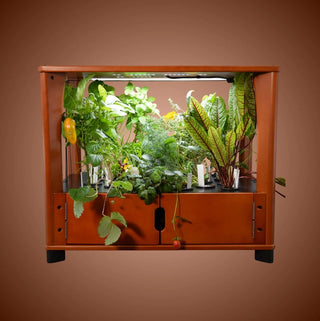
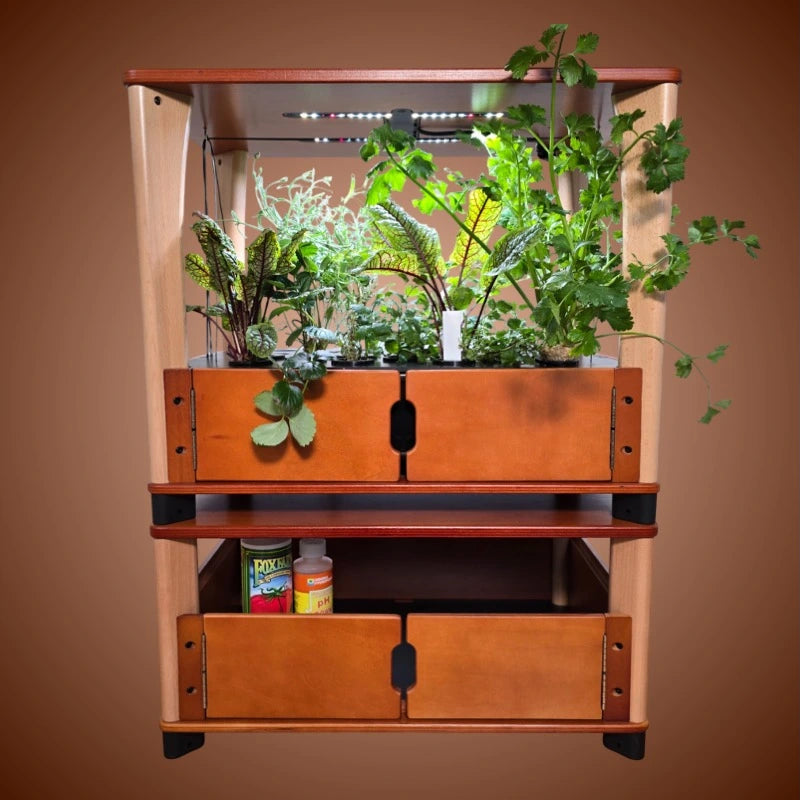
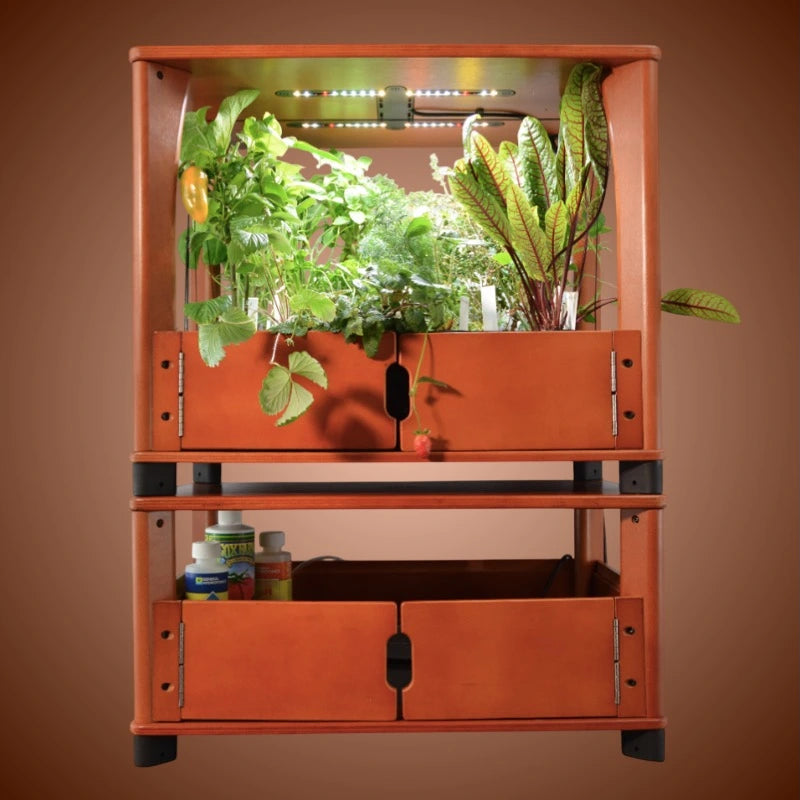
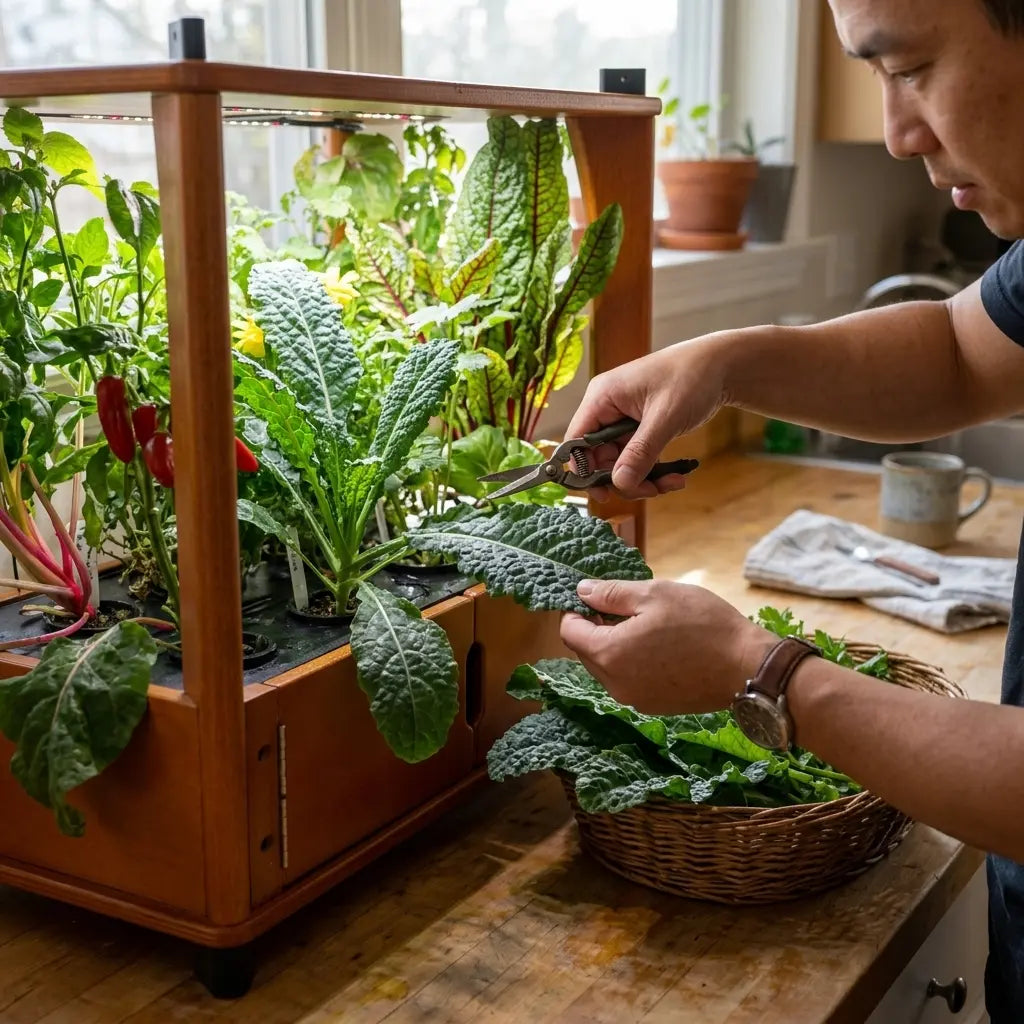
The Aquager Home Farm bundle grows all four at once with one watering system, so there is no juggling different schedules for four small pots on a windowsill. The bundle's two grow boxes give you room for the full Thanksgiving herb lineup plus something extra, like a tray of greens.
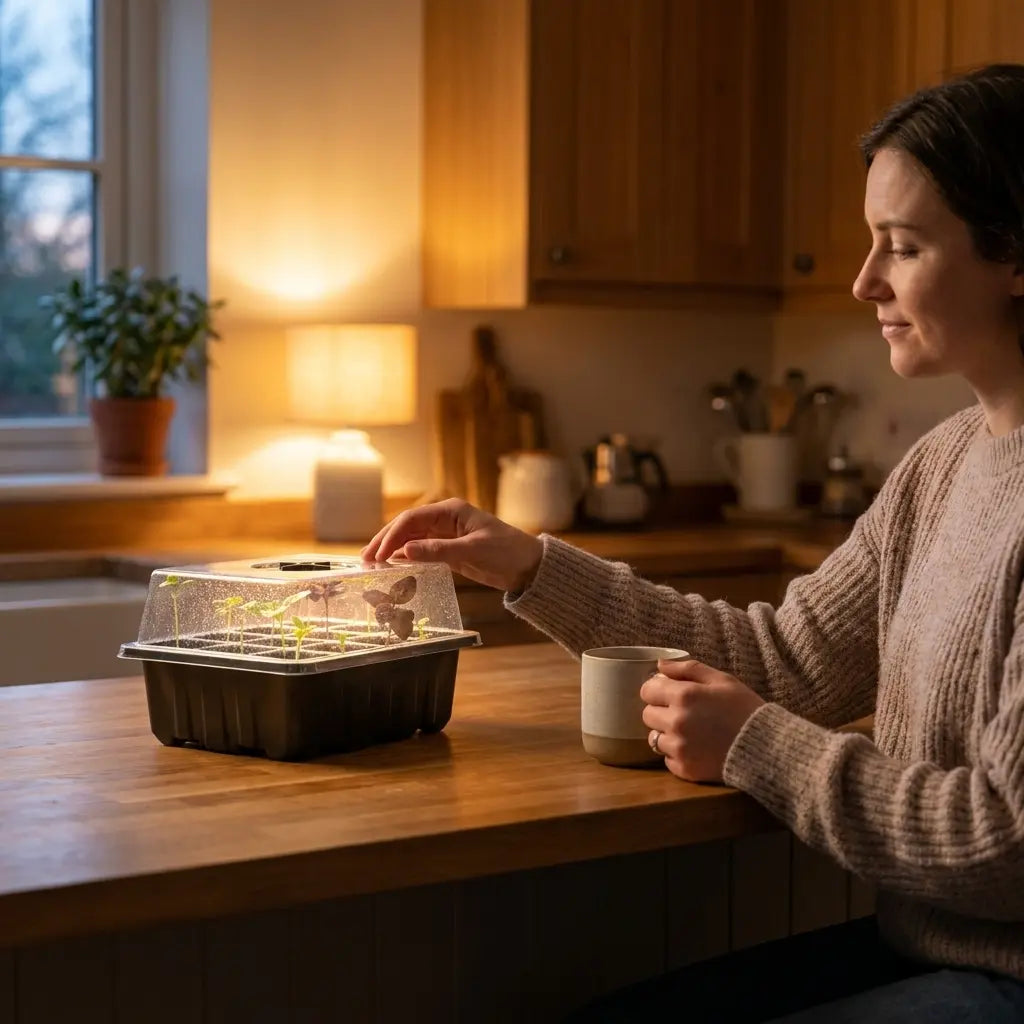
Starting your herbs in early fall gives rosemary, the slowest of the four, enough time to fill in before the holiday. For more on setting up your system and getting the most from it, see our guide on getting the most out of your Aquager Home Farm.
Thanksgiving Herb Growing FAQ
How far in advance should I plant Thanksgiving herbs?
Start rosemary at least 2 to 3 months ahead since it is the slowest grower. Sage, thyme, and parsley can be started 6 to 8 weeks out and still be ready in time.
Can I use dried herbs instead of fresh for stuffing?
Yes, though sage and thyme hold up best dried. Parsley loses most of its flavor when dried, so fresh is worth prioritizing if you only grow one herb fresh.
Do sage, rosemary, thyme, and parsley grow well together?
Yes. All four prefer similar bright light and moderate moisture, which makes them a natural group to grow in the same system.
How much fresh herb do I need for a Thanksgiving turkey and stuffing?
Most recipes only call for a few tablespoons of each herb, which is why a single small plant of each is usually enough for the whole meal.
Why did my parsley wilt so fast after harvesting?
Parsley loses moisture quickly once cut. Store it stems down in a glass of water in the fridge, and it will stay fresh for several days.
Can I prep Thanksgiving herbs ahead of time?
Rosemary, sage, and thyme can be chopped and frozen in oil or butter days or even weeks ahead. Parsley is best harvested and chopped the same day you plan to use it, since it loses flavor and color fastest of the four.
Bringing It to the Table
By Thanksgiving morning, a windowsill herb garden started in early fall means the turkey, stuffing, and gravy all pull from the same few pots instead of a stack of grocery store clamshells.

Parsley is worth growing even if you skip the rest, since it is the herb that store bought bunches fail the hardest and the one that makes the biggest visual difference scattered over a finished dish. Whichever combination you grow, starting now means fresh herbs are ready exactly when the holiday needs them.
As a quick recap of where each herb goes:
- Rosemary: herb butter under the turkey skin and inside the cavity, since it holds up best through a long roast.
- Sage: cooked early into stuffing for an earthy, peppery base flavor.
- Thyme: simmered in gravy and mixed into stuffing, where its small leaves hold flavor through baking.
- Parsley: added last, over stuffing and gravy right before serving, for brightness and color.
For more on setting up an herb garden that lasts beyond the holidays, see our guides on growing herbs indoors year round and the 10 easiest herbs to grow indoors.
Author: Aquager · Published: July 4, 2026 · Updated: July 4, 2026












0 comments