
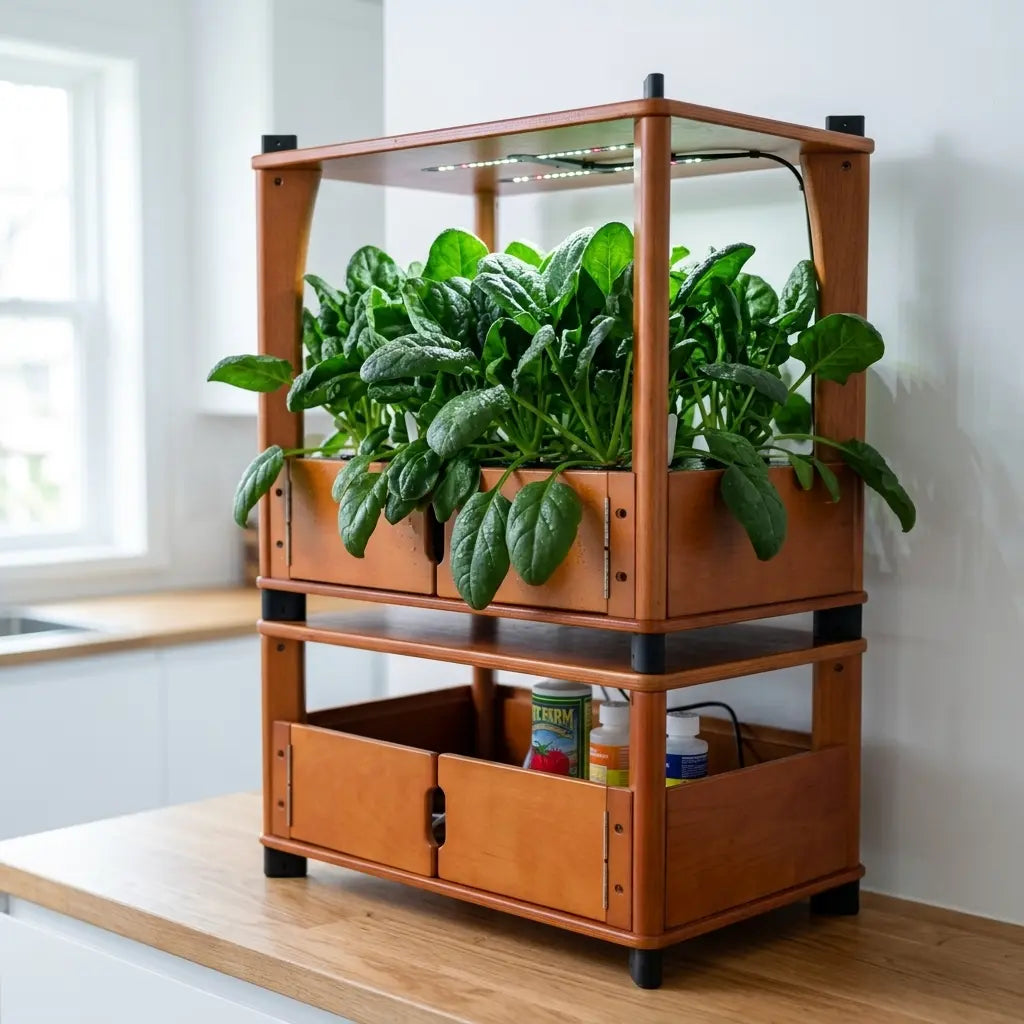
Spinach has a reputation for being finicky, and outdoors, that reputation is earned. A few warm days is all it takes for a healthy patch to shoot up a flower stalk and turn bitter.
Grow spinach indoors instead, and that whole problem mostly disappears. Spinach is a genuine cool-weather crop that starts bolting above roughly 75 degrees Fahrenheit, and a controlled indoor environment sidesteps the temperature swings that trigger it outdoors in the first place.
This guide covers why spinach bolts, what it actually needs to thrive indoors, a full step-by-step growing process, and how to time your harvest between tender baby leaves and fuller mature ones.
Why Spinach Bolts, and Why Indoor Growing Fixes It
Bolting is a plant's stress response, a shift from producing leaves to rushing toward seed production. For spinach, the main trigger is heat combined with long daylight hours, conditions that tell the plant summer is coming and it needs to reproduce quickly.
Once spinach bolts, the plant redirects its energy into a central flower stalk, and the leaves that are left turn tougher and noticeably more bitter. There's no reversing it once it starts, which is why prevention matters far more than trying to fix a bolted plant.
Outdoor gardeners deal with this by racing the calendar, planting early enough to harvest before the first genuinely hot stretch. Indoors, that race disappears entirely. A hydroponic setup keeps the growing environment at a steady, moderate temperature year-round, well under the threshold that triggers bolting regardless of what the weather is doing outside.
That single advantage is a big part of why hydroponic spinach growers can harvest for months rather than racing a narrow spring or fall window. Consistent temperature control removes the single biggest variable that ends a spinach plant's productive life early.
It's worth noting that light duration plays a supporting role alongside temperature. Long summer days are part of what pushes outdoor spinach toward bolting, so an indoor setup with a controlled light cycle addresses both triggers at once rather than just the temperature half of the equation.
What Hydroponic Spinach Needs to Thrive
Spinach grown hydroponically needs four things: cool, stable temperatures, consistent moisture, moderate light, and a nutrient solution suited to leafy greens.
Temperature is the priority. Spinach grows best between 50 and 70 degrees Fahrenheit, and normal indoor room temperature usually falls right in that range without any extra effort. The main thing to avoid is placing your setup somewhere that runs hot, like next to a sunny window in summer or above a heat-generating appliance.
Light matters too, though spinach is more forgiving here than many fruiting vegetables. It grows well under moderate light, whether from a bright indirect window or a dedicated grow light set on a consistent daily cycle.
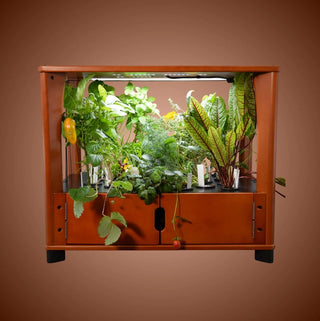
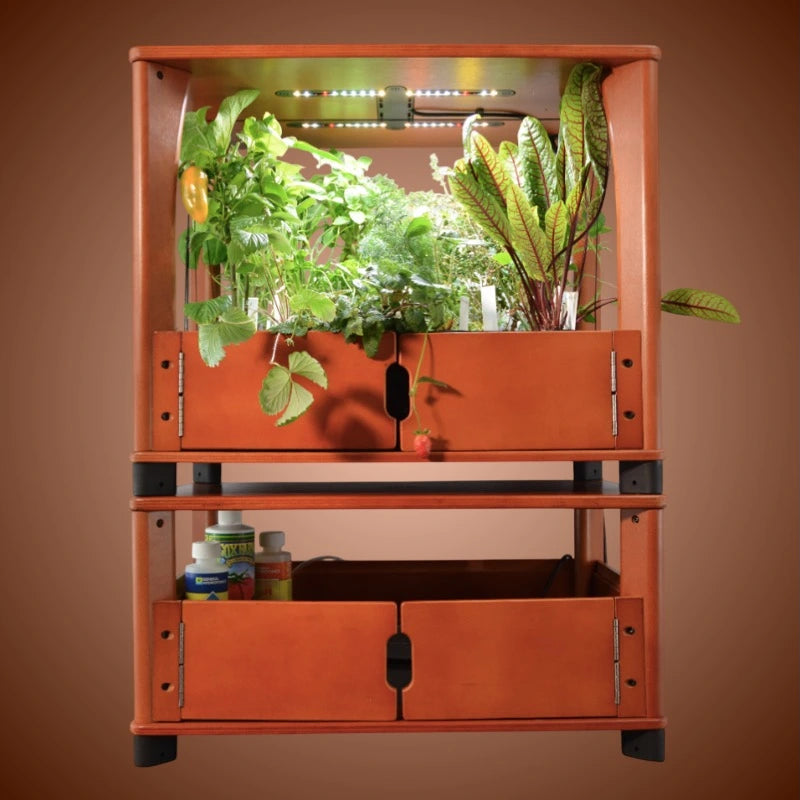
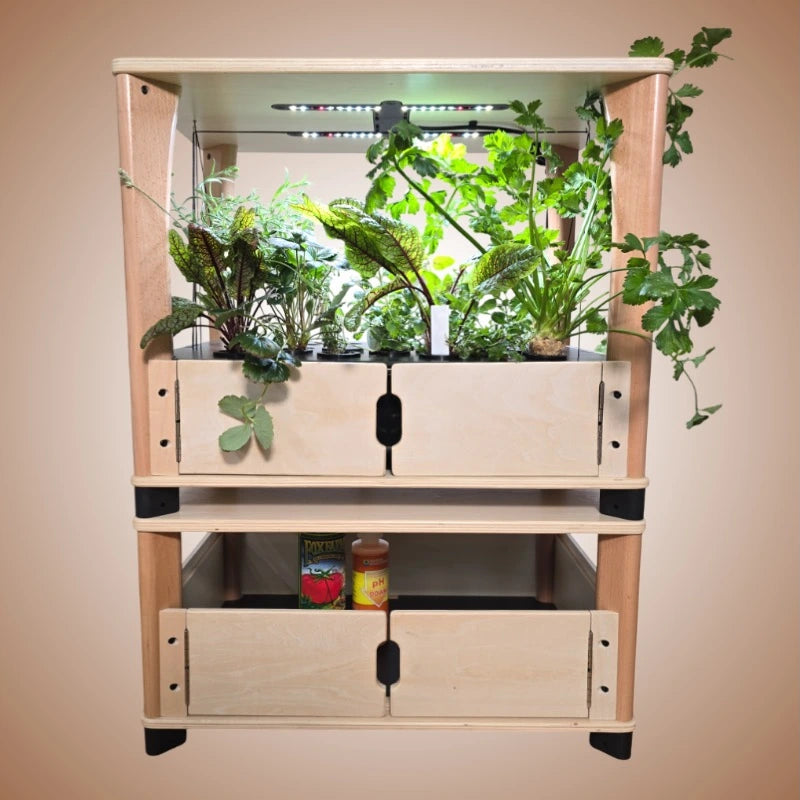
A system like the Aquager Hydroponic Home Farm handles the moisture and nutrient side automatically, keeping roots consistently supplied without the wet-dry swings that stress soil-grown spinach. That consistency, paired with stable indoor temperatures, is what lets hydroponic spinach avoid the bolting problem that cuts outdoor harvests short.
Airflow rounds out the list. Spinach grown in a stagnant, humid spot is more prone to fungal issues on its leaves, so a little air movement around the plant, even from a small fan on low, goes a long way toward keeping it healthy.
Nutrient solution strength matters as well. Spinach is a moderately heavy nitrogen feeder, which is part of why its leaves grow so dark and dense compared to lighter greens like lettuce. Most all-in-one hydroponic systems adjust nutrient concentration automatically as the plant matures, which removes the need to test and rebalance the solution by hand.
Spinach Varieties Worth Growing Indoors
The Space variety is a smooth-leaf type, meaning its leaves are flat rather than the crinkled, savoy-style texture found in some spinach types. Smooth-leaf spinach is generally easier to clean and slightly faster growing, both useful traits for an indoor setup where you want a dependable, low-fuss crop.
Savoy and semi-savoy varieties, with their characteristic crinkled leaves, tend to hold up a little better to cooking and have a heartier texture, but they're also more prone to trapping soil or debris in their folds, a non-issue in a clean hydroponic system but worth knowing if you ever compare notes with an outdoor gardener.
For most indoor growers, a smooth-leaf variety like Space is the more practical choice. It germinates reliably, grows quickly, and works equally well harvested young for salads or left a bit longer for cooking.
How to Grow Spinach From Seed, Step by Step
Growing hydroponic spinach from seed follows a clear sequence. Here's the full process from seed to first harvest.
Step 1: Start With Fresh Spinach Seeds
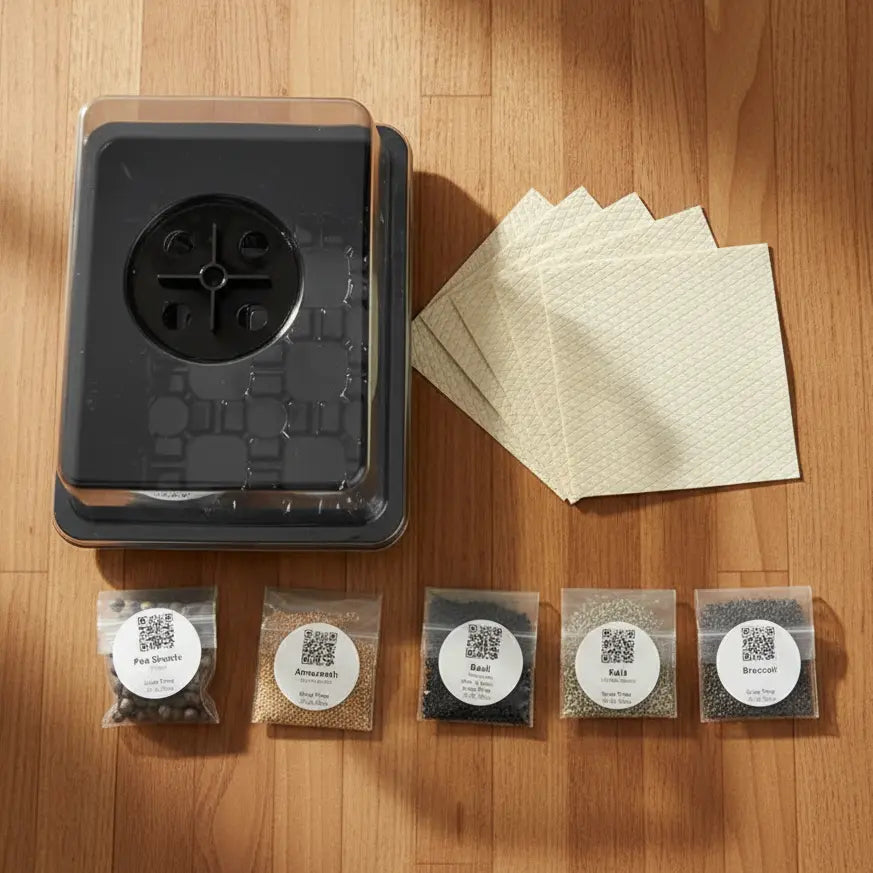
Spinach (Space) Seeds is a reliable variety bred for smooth, tender leaves and dependable germination, a solid starting point whether this is your first hydroponic crop or your fiftieth.
Press seeds gently into a moist grow medium rather than burying them deep. Spinach seeds have a notoriously variable germination rate compared to other leafy greens, so starting a few extra seeds per spot as insurance is a reasonable practice.
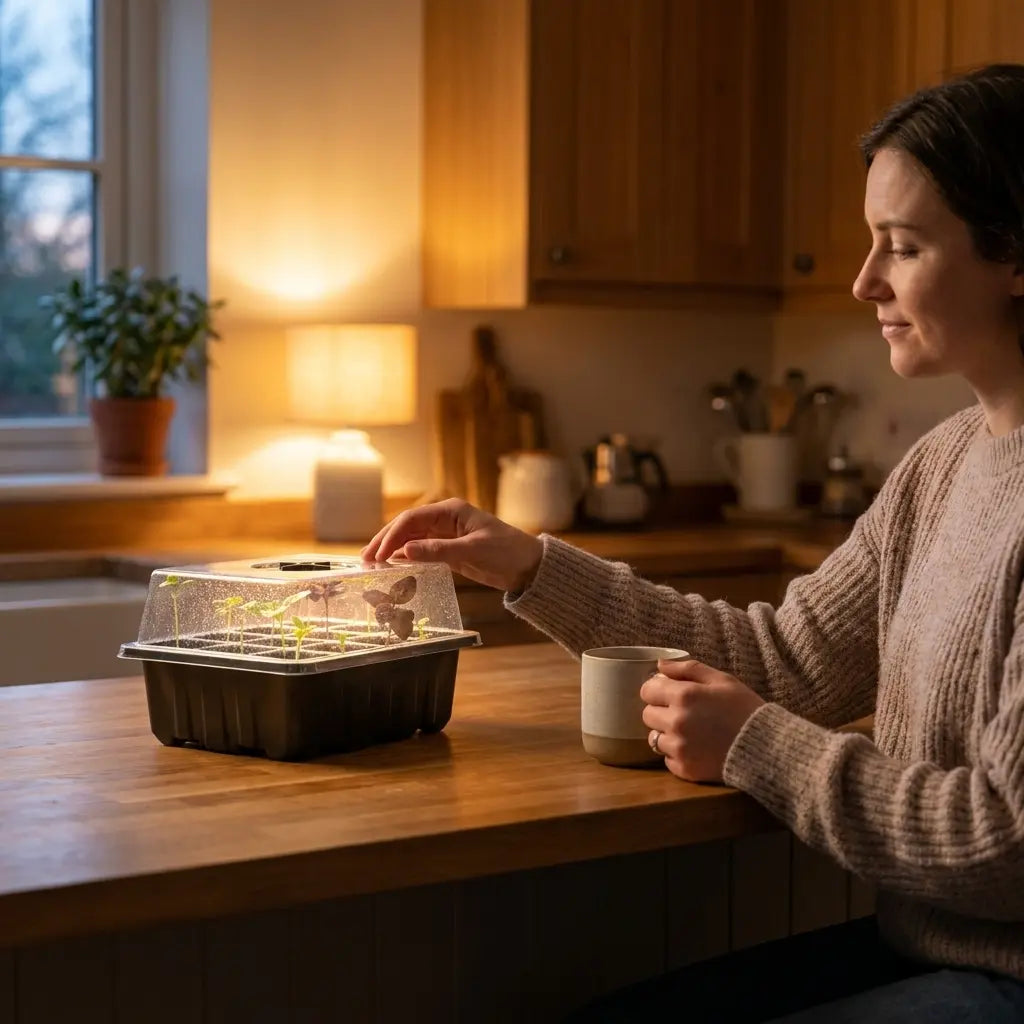
Step 2: Keep Conditions Cool and Moist During Germination
Spinach germinates best in cooler conditions than most vegetables, ideally between 50 and 68 degrees Fahrenheit. Warmer temperatures during this stage can slow or even prevent germination entirely, which trips up growers who assume warmer always means faster.
Expect germination within 7 to 14 days under the right conditions. The grow medium should stay consistently moist throughout, since spinach seeds that dry out during this window often fail to sprout.
Step 3: Provide Moderate, Consistent Light
Once true leaves appear, move seedlings into consistent light on a 12 to 14 hour daily cycle. Spinach doesn't need the intense light that fruiting vegetables demand, but consistent exposure produces sturdier, more compact plants than sporadic or dim conditions.
Keep an eye on temperature at this stage too. Even strong grow lights can raise the ambient temperature around a plant if positioned too close, which works against the cool conditions spinach prefers.
Step 4: Feed With a Leafy-Green Nutrient Solution
Spinach responds well to a balanced hydroponic nutrient solution formulated for leafy greens, delivered on a consistent schedule. Most all-in-one systems handle this automatically, adjusting as the plant moves from seedling to full growth.
Dark green, glossy leaves are a good sign the feeding schedule is working. Pale or yellowing leaves, particularly on older growth, usually point to a nutrient gap worth addressing.
Step 5: Monitor Temperature Closely as Plants Mature
This is the step most likely to determine whether your spinach bolts or keeps producing. As plants mature, keep the growing area as close to that 50 to 70 degree range as your space allows, and avoid any sustained stretch above 75 degrees if at all possible.
A consistent indoor environment removes most of the guesswork here, which is precisely why spinach grown hydroponically indoors tends to have a much longer productive window than the same variety grown in an outdoor garden bed.
Step 6: Maintain Steady Care Between Harvests
Once plants are established, ongoing care is mostly about consistency. Check moisture and nutrient levels every few days, refresh the reservoir on whatever schedule your system recommends, and keep monitoring the growing area's temperature, especially if it's near a window that gets warmer as seasons change.
Rotate plants occasionally if they're near a single-direction light source so growth stays even rather than leaning toward the light. This small habit keeps leaves growing in a fuller, more uniform shape.

Baby Leaf vs. Mature Harvest: Timing and Technique
Spinach harvest timing comes down to a simple tradeoff: baby leaves are more tender and mild, while mature leaves are larger and slightly more robust in flavor. Knowing which you're after changes how and when you cut.
Baby leaf spinach is typically ready 3 to 4 weeks after germination, once leaves reach roughly 2 to 3 inches. At this stage, the leaves are sweet, tender, and ideal eaten raw in salads. Harvesting this early also encourages the plant to keep producing new growth rather than pushing toward maturity and eventually bolting.
Mature spinach takes closer to 6 to 8 weeks and produces larger, sturdier leaves better suited to cooking, where their slightly stronger flavor holds up well against heat. The tradeoff is a shorter overall harvest window, since mature plants are closer to the point where they'll bolt if conditions shift even slightly.
Succession growing bridges the gap between these two approaches. Rather than harvesting one plant all the way to maturity, start a new batch of seeds every 2 to 3 weeks so you always have some plants at the baby leaf stage and others approaching maturity. This keeps a steady, varied supply going instead of one all-or-nothing harvest.
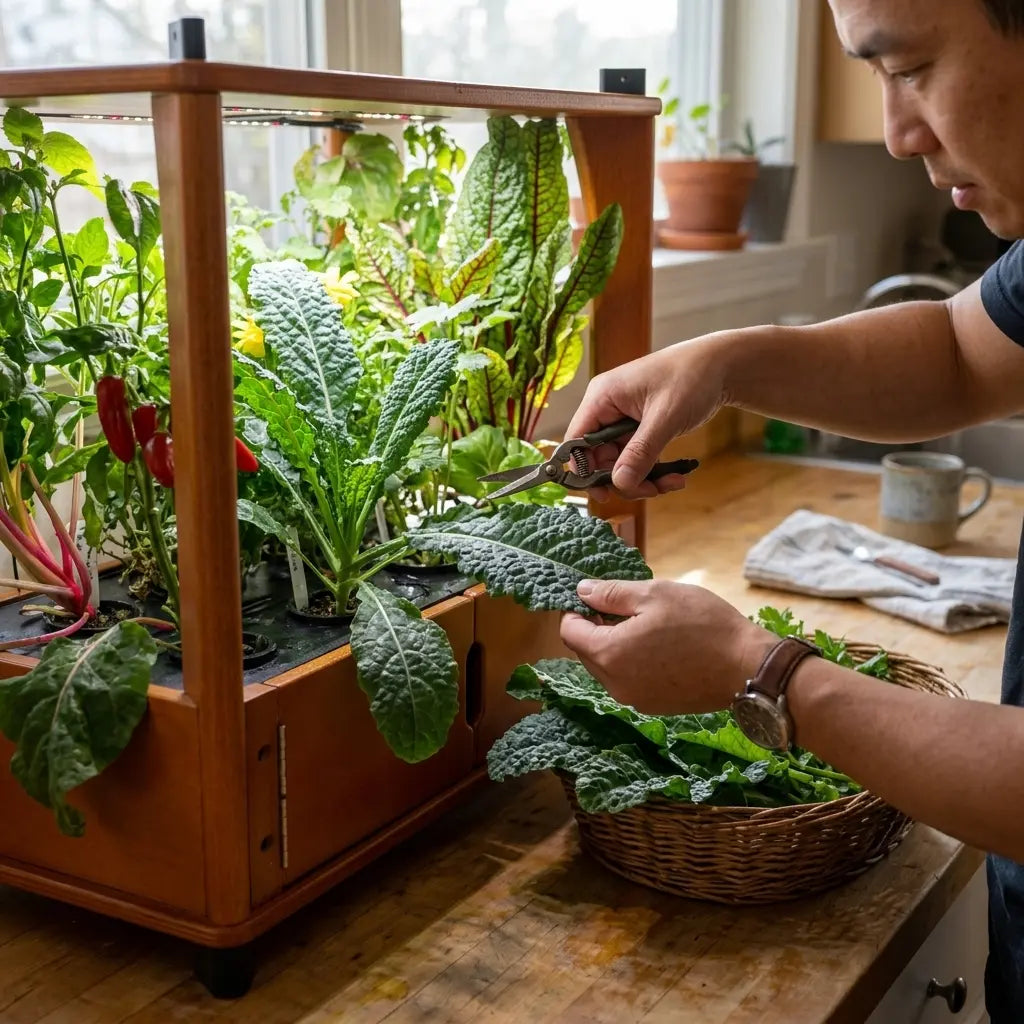
Whichever stage you're harvesting, use the same cut and come again approach that works well for other leafy greens: take outer leaves first, leave the center growth point intact, and never remove more than about a third of the plant's leaves in a single harvest.
Nutritionally, both stages hold their own. Baby leaves are marginally higher in vitamin C relative to their weight, while mature leaves pack more total iron and folate simply because there's more leaf mass per harvest. Neither stage is a clear winner, which is part of why growing your own and choosing based on the recipe at hand makes more sense than always defaulting to one or the other.
Common Spinach Growing Problems and How to Fix Them
Spinach is generally low-maintenance indoors, but a handful of issues come up often enough to know in advance.
Bolting despite your best efforts is usually a temperature problem, either a sustained warm spell in the growing area or a grow light positioned too close and generating extra heat. Moving the setup to a cooler spot or repositioning the light usually resolves it for the next batch.
Patchy or poor germination often traces back to temperature during the germination stage specifically. Spinach seeds started in conditions above 68 degrees Fahrenheit germinate far less reliably than those kept cooler.
Pale, yellowing leaves typically signal a nutrient deficiency, particularly nitrogen, which spinach uses heavily to produce its dense, dark green foliage. Checking the nutrient solution concentration and feeding schedule usually corrects this within a week or two.
Slow growth after a strong start is often a light issue rather than a temperature one. Spinach still needs consistent daily light even though it tolerates cooler, lower-intensity conditions better than most vegetables.
Crispy or browning leaf edges, sometimes called tip burn, usually point to a calcium uptake issue tied to inconsistent moisture rather than a lack of calcium itself. Keeping water delivery steady rather than letting the medium swing between wet and dry typically resolves it.
Small holes in leaves are usually pest damage, most often from aphids, though indoor hydroponic growing sees far fewer pest issues than an outdoor garden bed. Periodically checking the undersides of leaves catches most problems early, before they spread to the rest of the plant.
Stunted plants that never quite take off are sometimes a root space issue rather than anything wrong with feeding or light. Spinach develops a modest but real root system, and a pod or container that's too small can limit growth even when every other condition is dialed in correctly.
Why Growing Your Own Spinach Beats the Bagged Kind
Bagged spinach starts losing its texture and nutritional value quickly after harvest, and by the time it reaches a store shelf, it's often been in transit and cold storage for days. Growing your own means every leaf goes from plant to plate in minutes, not days.
There's also the bolting problem baked into the supply chain. Commercially grown spinach is often harvested earlier than ideal specifically to beat bolting in the field, which is one reason store-bought spinach can taste inconsistent from one bag to the next.
The Aquager Hydroponic Home Farm keeps temperature and moisture steady year-round, which is exactly the combination spinach needs to avoid bolting and keep producing far longer than an outdoor bed ever could. If you're new to hydroponics generally, this beginner's setup guide covers the basics before you get started.
For growers curious about what a full leafy-green harvest cycle looks like over time, our breakdown of kale yield per plant covers similar principles that apply across most leafy greens grown this way.
Hydroponic Spinach FAQ
At what temperature does spinach start to bolt?
Spinach generally starts bolting once temperatures rise above roughly 75 degrees Fahrenheit, especially when combined with long daylight hours. Keeping the growing area below that threshold is the single most effective way to prevent it.
How long does it take to grow spinach indoors?
Baby leaf spinach is ready in about 3 to 4 weeks, while fully mature leaves take closer to 6 to 8 weeks. Growing conditions and light consistency affect the exact timing.
Is baby spinach or mature spinach better?
Neither is objectively better, they suit different uses. Baby leaves are milder and better raw, while mature leaves are heartier and hold up better to cooking.
Can hydroponic spinach really avoid bolting entirely?
Not entirely, since spinach will eventually bolt as it ages regardless of conditions, but a stable, cool indoor environment delays it significantly compared to an outdoor garden exposed to seasonal heat.
What is succession growing and why does it help with spinach?
Succession growing means starting new batches of seeds every few weeks instead of one large planting. It keeps a continuous supply of fresh spinach coming, since some plants are always at the ideal harvest stage while others are just getting started.
Does spinach need less light than other vegetables?
It needs moderate, consistent light rather than the intense light fruiting vegetables require, but it still needs a reliable daily light cycle to grow well and avoid getting leggy.
What's the difference between smooth-leaf and savoy spinach?
Smooth-leaf varieties like Space have flat leaves, germinate reliably, and are easier to clean, while savoy varieties have crinkled leaves with a heartier texture better suited to cooking. Both grow well hydroponically indoors.
Why do my spinach leaves have brown, crispy edges?
This is usually tip burn, caused by inconsistent moisture affecting calcium uptake rather than an actual calcium shortage. Keeping the grow medium consistently moist rather than alternating between wet and dry typically fixes it.
Conclusion
Spinach's tendency to bolt is really a temperature problem, and growing it indoors with steady, cool conditions solves that problem directly. Understanding the difference between a fast baby leaf harvest and a fuller mature one lets you tailor the growing cycle to how you actually plan to use it.
Starting with reliable Spinach (Space) Seeds in a system that keeps temperature and moisture consistent turns a notoriously finicky crop into one of the more dependable additions to an indoor garden.

Author: Aquager · Published: July 11, 2026 · Updated: July 11, 2026












0 comments