
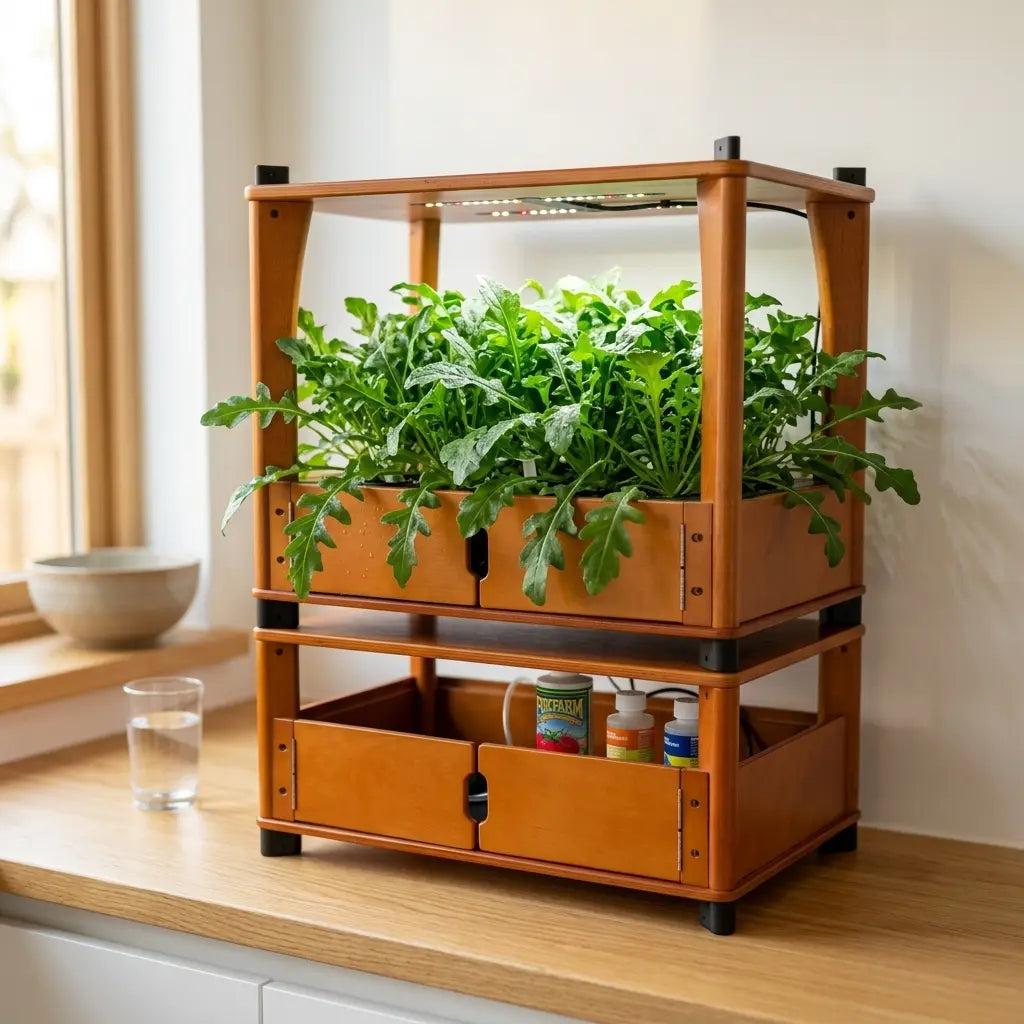
Most vegetables ask for patience. Arugula barely asks for any.
If you're wondering how to grow arugula indoors, the short answer is that almost nothing else rewards you this fast. A first harvest in 3 to 4 weeks is realistic, and from there a single plant keeps producing peppery leaves for weeks, all for less than the cost of a couple of those $6 to $8 grocery store bags that wilt within days.
This guide covers why arugula grows so quickly indoors, what it actually needs to thrive, a full step-by-step process from seed to first harvest, and how to keep it producing well past that first cut.
By the end, you'll know exactly what separates a fast, dependable arugula harvest from a slow or bitter one, and why this particular vegetable has become a favorite starting point for new hydroponic growers.
Why Arugula Is One of the Fastest Vegetables to Grow Indoors
Arugula belongs to a small group of fast growing vegetables that prioritize leaf production over the slower work of building fruit, roots, or a woody structure. That biological head start is why it outpaces lettuce, spinach, and nearly every herb in the race to first harvest.
Its short life cycle also means it doesn't demand the patience or precision that slower crops do. Arugula germinates quickly, grows steadily without much fuss, and reaches a harvestable size well before most other vegetables have even finished sprouting.
That speed makes it an ideal starting crop for anyone new to hydroponic growing. A fast turnaround from seed to harvest means quick feedback on whether your setup is working, instead of waiting weeks to find out something needs adjusting.
It's also forgiving of minor setup imperfections in a way slower-growing plants aren't. A slightly inconsistent light schedule or a few degrees of temperature swing rarely derails arugula the way it might a more finicky crop.
That combination of speed and low maintenance is exactly why arugula tends to show up on nearly every list of fast growing vegetables recommended for beginners. It builds confidence quickly, since you see real, usable results before other seeds started the same day have even sprouted.
What Hydroponic Arugula Needs to Thrive
Hydroponic arugula needs four things in place: consistent moisture, moderate light, a mild leafy-green nutrient solution, and reasonable spacing so leaves aren't competing for room.
Moisture consistency matters more than intensity. Arugula's roots are shallow and fine, which means they respond quickly to both underwatering and overwatering. A hydroponic system that delivers steady moisture without the wet-dry swings of hand watering removes most of the risk here.
Light needs are moderate rather than intense. Arugula grows well under a bright window or a dedicated grow light set on a consistent 12 to 14 hour daily cycle, without requiring the high-intensity light that fruiting vegetables need.
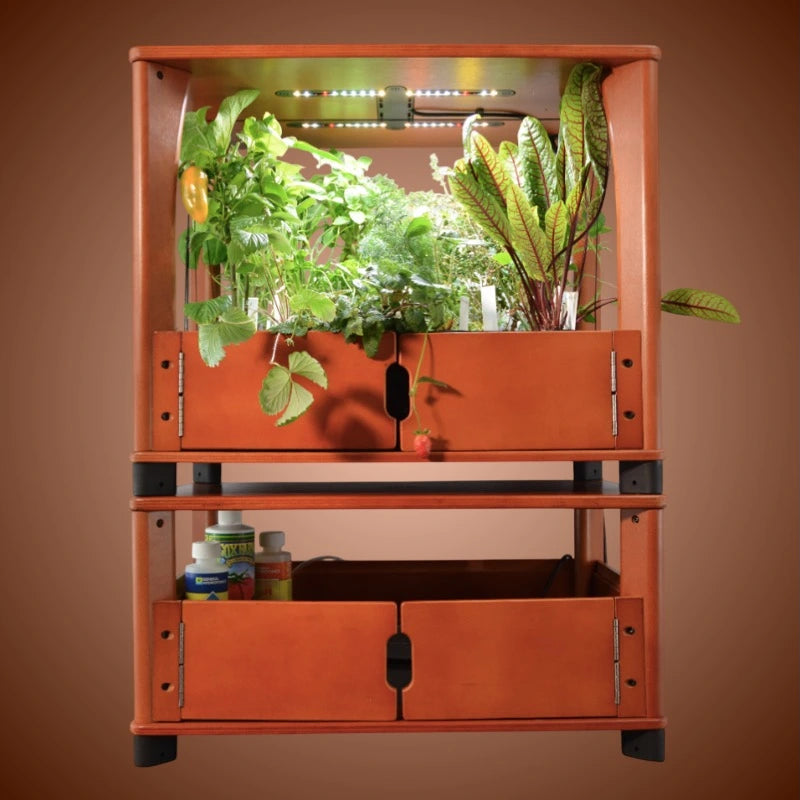
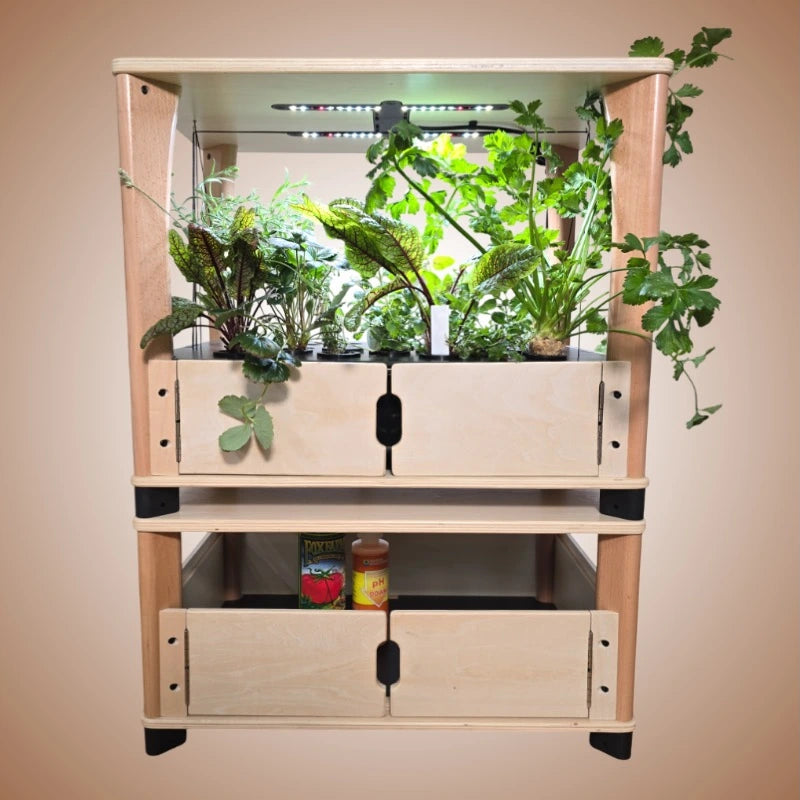
A system like the Aquager Hydroponic Home Farm handles moisture and nutrient delivery automatically, which suits arugula's fast growth cycle particularly well since there's little room for setup delays to eat into an already short timeline. Consistent conditions from day one translate directly into a faster, more reliable first harvest.
Temperature is fairly forgiving, with arugula performing well in typical indoor room temperature. Like many leafy greens, it prefers things on the cooler side and can bolt if conditions run consistently hot, though it's more heat-tolerant than spinach in this respect.
Spacing matters less for arugula than for larger vegetables, since its leaves stay relatively compact compared to something like kale or chard. Still, giving each plant a bit of breathing room improves airflow and helps prevent the lower leaves from staying damp longer than they should.
Arugula Varieties Worth Growing Indoors
Astro arugula is bred specifically for a fast, compact growth habit and a milder pepperiness than some heirloom types, making it a dependable choice for indoor growing where consistency matters more than novelty.
Wild arugula, sometimes labeled as Sylvetta, is a different species entirely with narrower, more deeply lobed leaves and a notably sharper, more intense flavor. It grows slightly slower than standard arugula and tends to be more heat tolerant, which can make it a useful pick if bolting has been a recurring issue.
For most indoor growers focused on a fast, dependable first harvest, a standard variety like Astro remains the more practical starting point. Its predictable growth habit and mild flavor also make it more versatile in the kitchen than the sharper wild types.
How to Grow Arugula From Seed, Step by Step
Growing arugula from seed is about as straightforward as hydroponic growing gets. Here's the full process from seed to first harvest.
Step 1: Start With Fresh Arugula Seeds
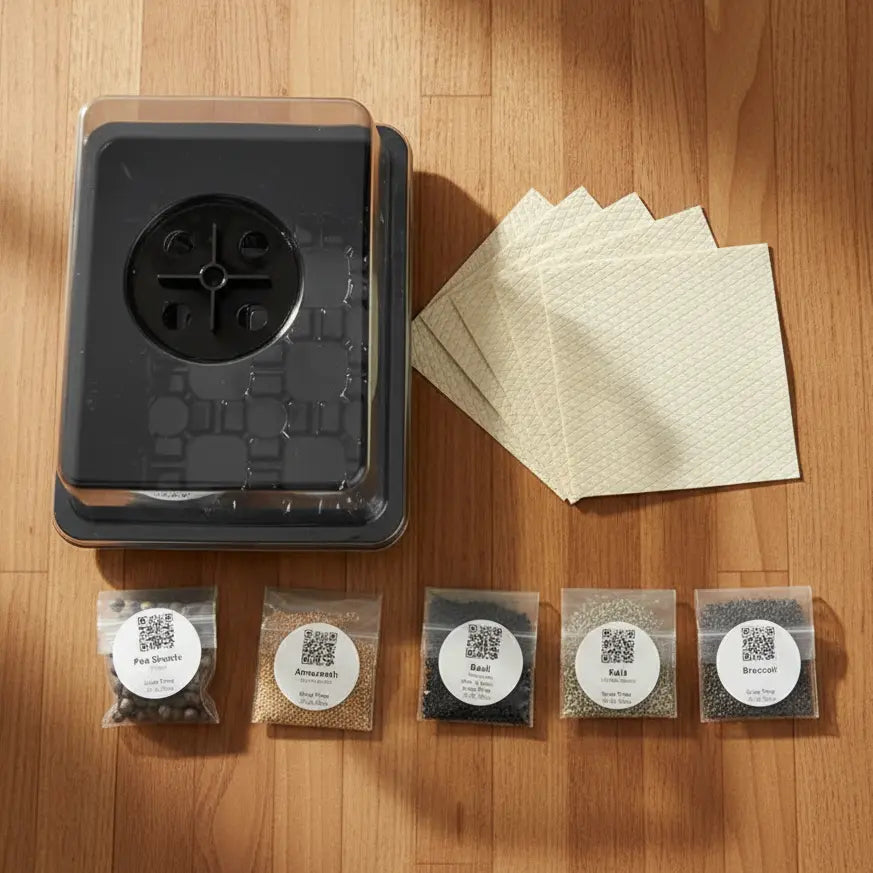
Arugula (Astro) Seeds is a reliable variety known for quick, even germination and a classic peppery flavor that intensifies slightly as the plant matures.
Press seeds gently into a moist grow medium, keeping them shallow since arugula seeds need light exposure to germinate well. There's no need for any pre-treatment or soaking beforehand.
Step 2: Expect Fast Germination
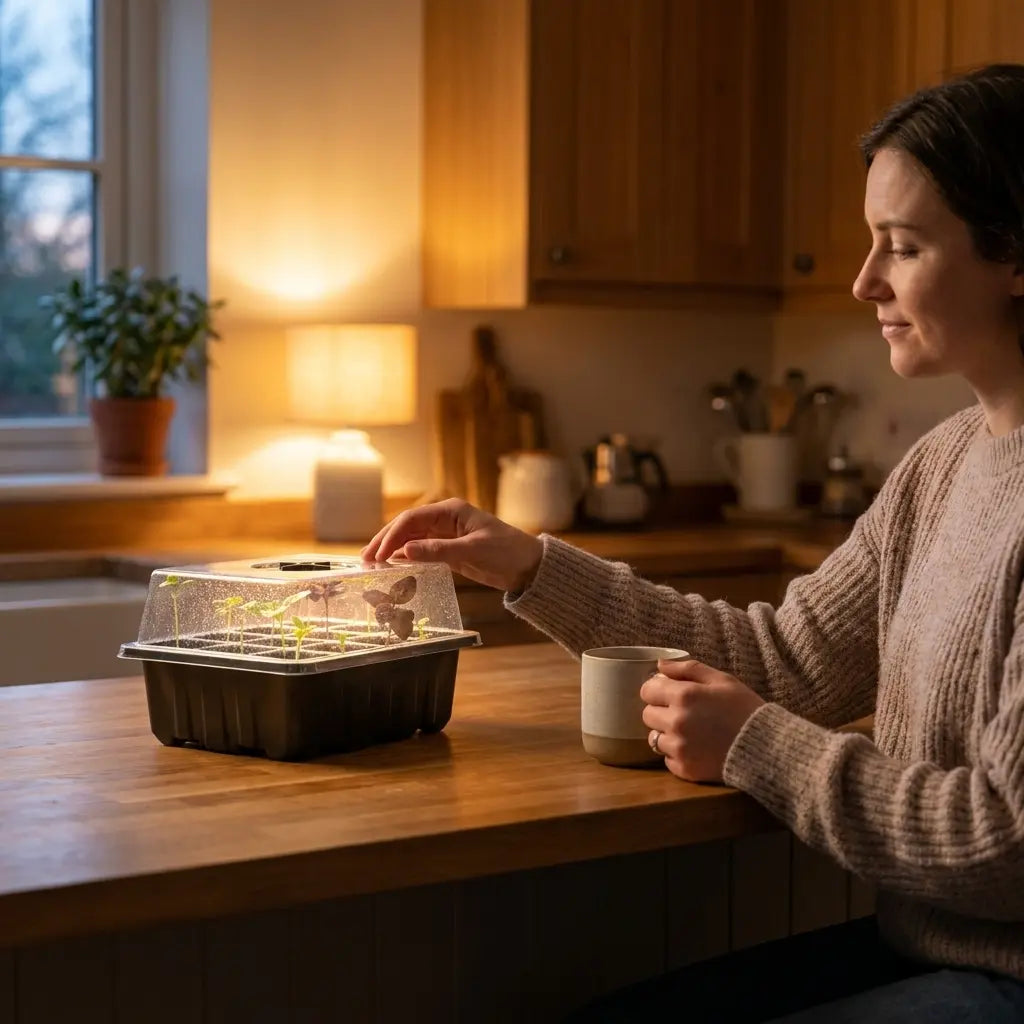
Arugula germination time is short compared to most vegetables, typically just 3 to 7 days under the right conditions. Keep the grow medium consistently moist during this window, since even a brief dry stretch can slow or stall germination.
This is one of the clearest signs of arugula's speed advantage. Where many vegetables take a week or two just to sprout, arugula seedlings are often visible within days.
Step 3: Provide Consistent Light Once Seedlings Emerge
As soon as true leaves appear, move seedlings into consistent light on a steady daily cycle. Strong, even light at this stage produces compact, sturdy seedlings rather than tall, leggy ones stretching toward a weak light source.
Thin out the weakest seedlings if you started several seeds close together, giving the strongest ones room to fill out without competing for space and light.
Step 4: Feed With a Mild Leafy-Green Nutrient Solution
Arugula is a relatively light feeder compared to heavier vegetables like kale, so a standard leafy-green nutrient solution works well without needing much adjustment. Most all-in-one hydroponic systems dose this automatically on a schedule tuned to leafy greens.
Deep green leaves with a slightly glossy look mean the feeding schedule is on track. Pale or yellowing leaves usually mean it's time to check the nutrient concentration.
Step 5: Harvest as Soon as Leaves Reach a Usable Size
Most arugula is ready for its first harvest around 3 to 4 weeks after germination, once leaves reach roughly 2 to 3 inches. Waiting longer isn't necessary and generally just means a stronger, more peppery bite as the leaves mature.
This is where arugula's speed really shows. Compare that 3 to 4 week timeline to the 6 to 8 weeks many other vegetables need, and it's clear why arugula is often the first thing new hydroponic growers harvest successfully.
Step 6: Maintain Steady Care for Repeat Harvests
Once a plant is established and producing, upkeep is minimal. Check moisture and nutrient levels every few days, top off as needed, and keep an eye on temperature if the setup sits near a window that warms up during the day.
Because arugula's productive window is shorter than slower-growing vegetables, it's worth starting a new batch of seeds every couple of weeks if you want a truly continuous supply rather than a single plant's worth at a time.

Harvesting Arugula: Baby Leaf vs. Mature, Cut and Come Again
Harvest arugula early for a milder, more delicate leaf, or let it grow a bit longer for the sharper, peppery bite the plant is known for. Both are valid choices depending on what you're using it for.
Baby arugula, harvested around the 3 to 4 week mark, has a mild pepperiness that works well raw in salads or as a garnish. It's also the more tender option, with a texture closer to spring mix than the sturdier mature leaf.
Mature arugula, left to grow past that point, develops a noticeably sharper, spicier flavor and a slightly tougher texture that holds up better to being tossed with warm ingredients like pasta or roasted vegetables.
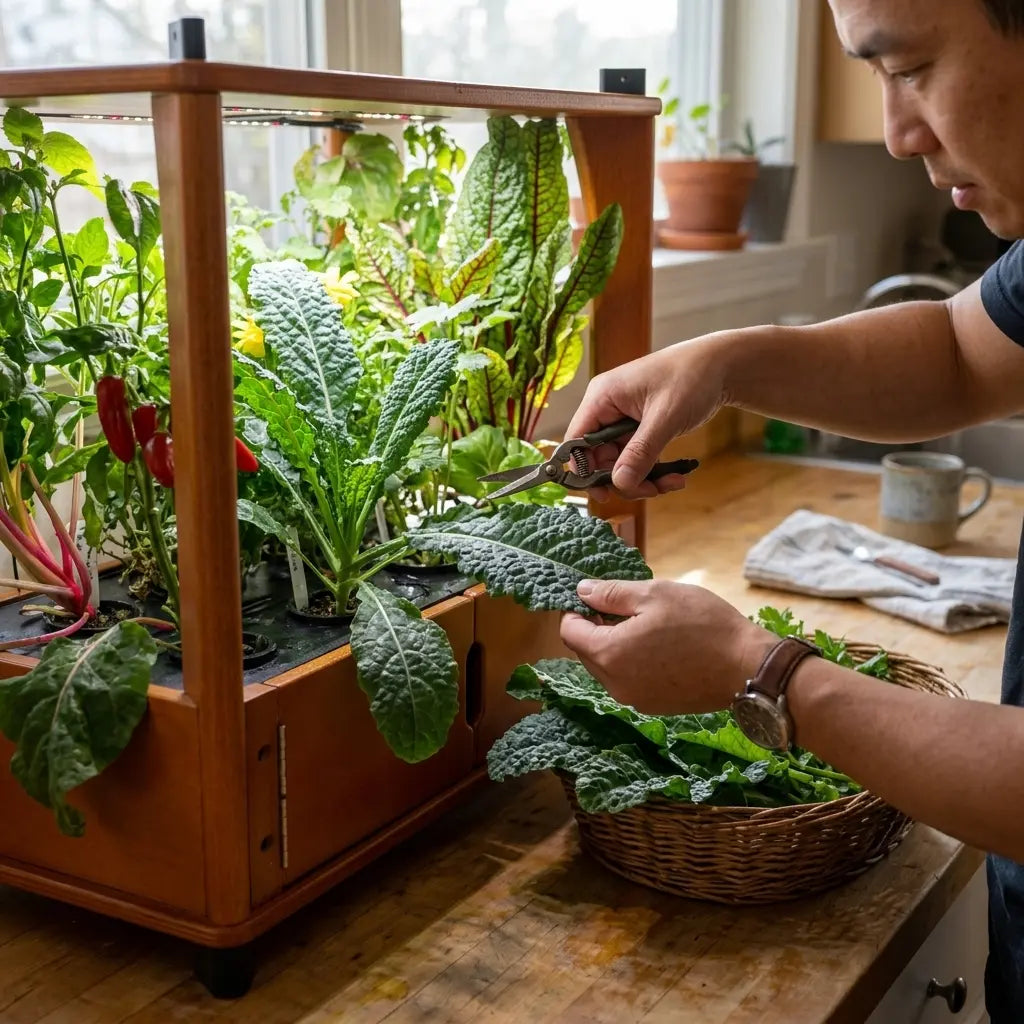
Either way, the cut and come again method keeps a single plant productive well past the first harvest. Snip outer leaves near the base, leave the center growth point untouched, and the plant will keep sending up new leaves for several more rounds of harvest.
A single arugula plant grown this way can often support a light harvest every 5 to 7 days for a month or more before it eventually bolts and needs replacing. Staggering a few plants at different growth stages keeps a steady supply going without any gaps.
Nutritionally, arugula punches above its weight for a leafy green, offering a solid dose of vitamin K along with modest amounts of vitamin C and folate. Its peppery compounds, related to the same family found in mustard and horseradish, are also what give it that distinctive bite rather than just being a flavor gimmick.
Common Arugula Growing Problems and How to Fix Them
Arugula is about as forgiving as leafy greens get, but a few issues do come up.
Bolting, where the plant shoots up a flower stalk and the leaves turn bitter, is usually triggered by heat or inconsistent light. Moving the setup to a cooler, more consistently lit spot for the next batch is the most reliable fix.
Leggy, stretched seedlings almost always point to insufficient light early on. Moving seedlings closer to a grow light or extending the daily light cycle typically corrects this within days given how fast arugula responds to changed conditions.
Overly bitter or excessively spicy leaves usually mean the plant was left to grow too long past the baby leaf stage, or was stressed by heat or inconsistent watering. Harvesting a bit earlier next round usually solves the flavor issue.
Small holes in leaves are typically minor pest damage, most often from flea beetles or aphids, though indoor hydroponic setups see far less of this than outdoor gardens. Wiping leaves down periodically catches most issues before they spread.
Slow, uneven germination is usually a moisture consistency problem rather than a seed quality one. Since arugula seeds need light and shallow contact with moisture, letting the surface dry out even briefly during germination can result in patchy sprouting.
Yellowing on older, lower leaves while new growth stays green is often just natural leaf aging rather than a problem to fix. Removing those older leaves during a regular harvest keeps the plant looking and growing its best.
Leaves that turn tough or fibrous rather than crisp are usually a sign the plant sat too long between harvests. Since arugula grows quickly, letting a full week or two pass without cutting anything often means catching up to leaves that have already toughened past their prime.
Why Growing Your Own Arugula Beats the $6 to $8 Grocery Bag
A small clamshell of arugula at the grocery store routinely runs $6 to $8, and it's often wilted or past its peak within a few days of getting it home. That's a lot of money for a product with a short shelf life and inconsistent quality.
A single seed packet paired with a productive hydroponic setup produces far more arugula over its lifespan than the equivalent spent on repeated store trips, especially once you factor in how much of a wilted bag typically ends up tossed rather than eaten.
There's a freshness gap too, not just a cost one. Store-bought arugula has usually been harvested, packaged, shipped, and shelved for days before it reaches your kitchen, and its peppery flavor compounds start fading from the moment it's cut. Homegrown arugula goes from plant to plate in minutes, with a flavor noticeably sharper and fresher than anything that traveled to get to you.
The Aquager Hydroponic Home Farm is well suited to arugula's fast cycle, keeping conditions steady enough that a first harvest in 3 to 4 weeks is a realistic expectation rather than a best-case scenario. If you're new to hydroponics generally, this beginner's setup guide covers the basics before you get started.
For growers curious about what a full leafy-green harvest cycle looks like over a longer timeline, our breakdown of kale yield per plant covers similar principles that apply broadly across leafy greens grown this way.
Arugula Growing FAQ
How long does it take to grow arugula indoors?
Most arugula is ready for a first harvest in 3 to 4 weeks from germination, making it one of the fastest vegetables you can grow indoors. Germination itself typically takes just 3 to 7 days.
Is hydroponic arugula easy to grow for beginners?
Yes, arugula is widely considered one of the most forgiving crops for anyone new to hydroponic growing, thanks to its fast germination, moderate light needs, and tolerance for minor setup imperfections.
Should I harvest arugula as baby leaves or let it mature?
It depends on preference. Baby leaves are milder and more tender, ideal for salads, while mature leaves have a sharper, spicier bite that holds up better in cooked dishes.
How many times can I harvest from one arugula plant?
Using the cut and come again method, a single plant can typically support a harvest every 5 to 7 days for a month or more before it eventually bolts.
Why does my arugula taste overly bitter or spicy?
This usually means the leaves grew past the baby stage or the plant experienced heat or watering stress. Harvesting a little earlier in future rounds typically results in a milder flavor.
Does arugula need special hydroponic nutrients?
No, a standard leafy-green nutrient solution works well. Arugula is a relatively light feeder compared to heavier vegetables like kale or chard.
What's the difference between standard and wild arugula?
Standard varieties like Astro have a milder, more consistent flavor and grow faster, while wild arugula has narrower, more deeply lobed leaves with a sharper bite and slightly more heat tolerance.
Can I regrow arugula after cutting it?
Yes, using the cut and come again method, an arugula plant will keep producing new leaves from its center growth point for several rounds of harvest before it eventually bolts.
Is arugula a good first crop for hydroponic beginners?
Yes, its fast germination, forgiving nature, and short time to first harvest make it one of the most commonly recommended starter crops for anyone new to hydroponic growing.
Conclusion
Few vegetables reward effort as quickly as arugula. A first harvest in 3 to 4 weeks, minimal fuss along the way, and a flavor that beats anything sitting in a $6 to $8 grocery bag make it one of the best crops to start with, whether you're new to hydroponic growing or just want a fast, reliable green in regular rotation.
Starting with reliable Arugula (Astro) Seeds in a system built for consistent conditions turns that quick timeline into a dependable one, harvest after harvest.

Author: Aquager Team · Published: July 11, 2026 · Updated: September 11, 2026 · Reviewed: September 11, 2026 (Phase 2)












0 comments