
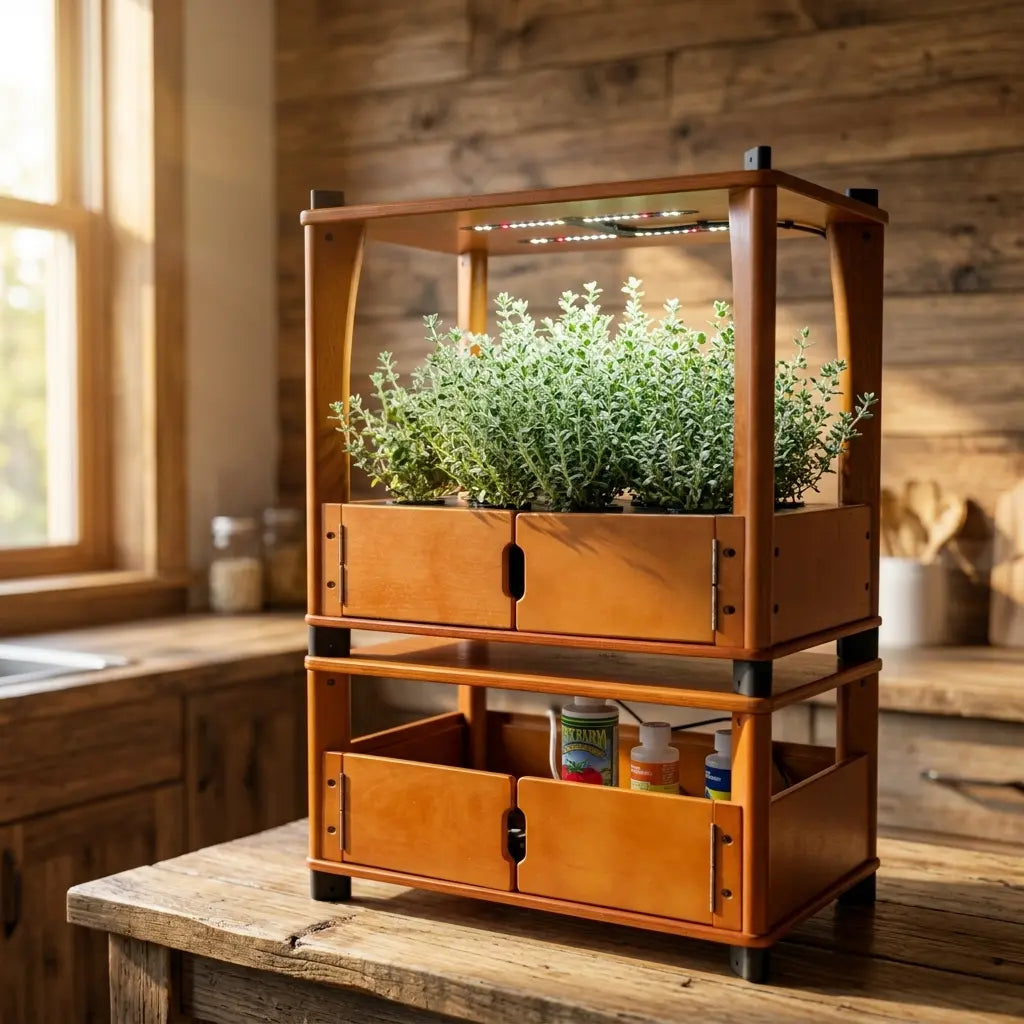
If you grow thyme from seed and see nothing happen for two or three weeks, you have not failed. You are simply experiencing thyme's famously slow start.
This is one of the few herbs where the beginning is genuinely the hardest part. Once thyme gets going, it becomes one of the most productive, low-maintenance herbs available.
This guide covers why thyme takes its time to germinate, how to get through that slow start successfully, and everything needed to grow it from seed to a thriving, low-maintenance plant.
Why Thyme Seeds Take So Long to Germinate
Thyme seeds are tiny, among the smallest of common culinary herb seeds, and small seeds generally carry fewer stored energy reserves to fuel early growth compared to larger seeds.
This means thyme seedlings develop more slowly in their earliest stage than herbs with larger seeds, since there is simply less stored energy available before the plant can start producing its own through photosynthesis.
Thyme germination is also naturally uneven. Not every seed sprouts on the same timeline, and a lower overall germination rate is normal compared to more reliable herbs like basil.
Thyme seeds also need light to trigger germination, meaning they should sit at or very near the surface of the growing medium rather than buried the way larger seeds often are.
What to Expect Week by Week
In week one after planting, expect to see nothing above the surface yet, even though the seed has begun absorbing moisture and starting the slow germination process beneath it.
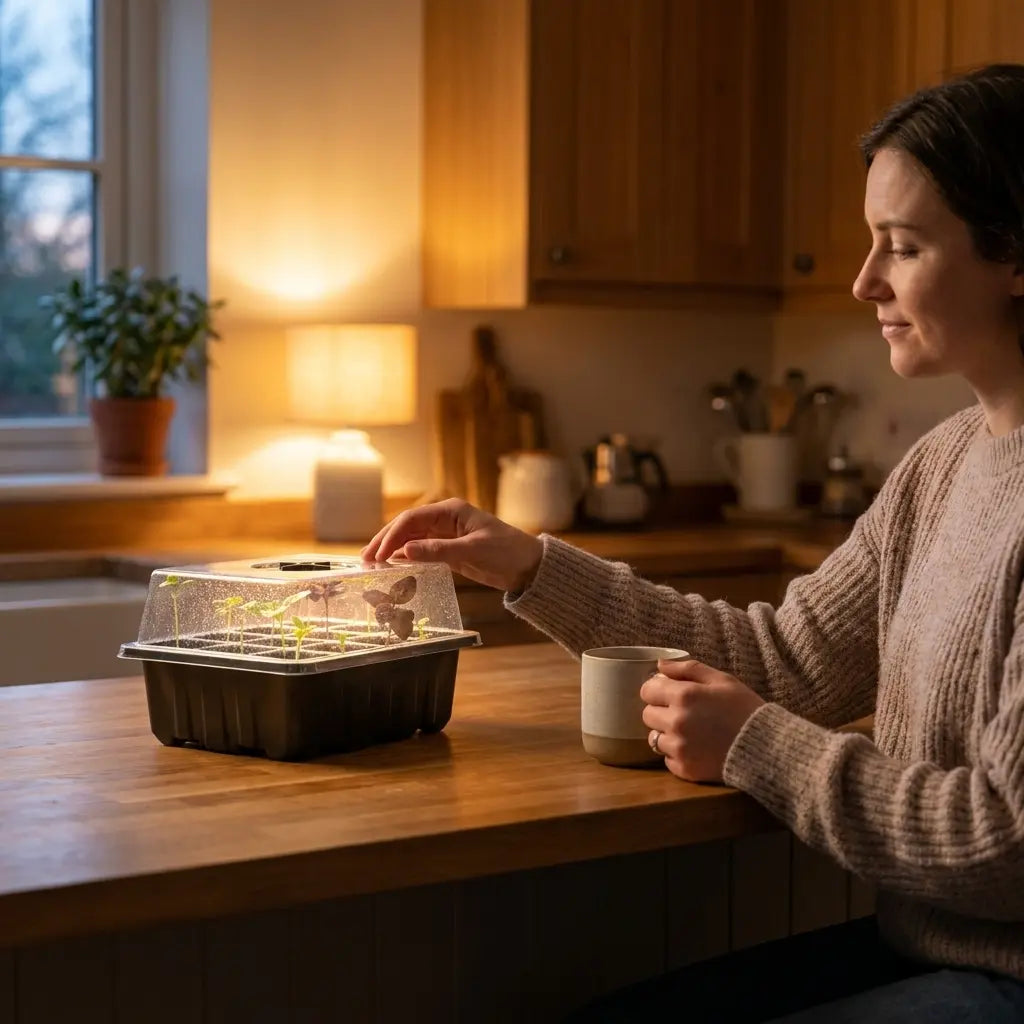
By weeks two to three, small, thread-like seedlings typically begin appearing, though not all at once. Thyme's uneven germination means new sprouts can keep appearing gradually over several more days.
By weeks four to six, seedlings develop their first true leaves and begin to look more like a recognizable young herb rather than a fragile thread of green.
From around week ten onward, roughly the 70 to 80 day mark from planting, the plant typically has enough growth to support its first light harvest.
What to Expect During the Slow Start
Two to three weeks of little to no visible progress above the surface is a completely normal part of growing thyme from seed, not a sign that something has gone wrong.

Sowing more seeds than the final number of plants wanted is a practical way to account for thyme's naturally uneven germination rate, since not every seed will sprout.
Marking a planting date and checking back rather than judging progress day to day helps avoid the common mistake of assuming a slow tray has failed before it's had a fair chance.
Speeding Up Thyme Germination Where Possible
Keeping the growing medium consistently moist, without oversaturating it, supports more even germination across a batch of thyme seeds during this slow window.
A slightly warmer environment, around 70 degrees Fahrenheit, tends to support faster and more even germination than cooler conditions, which can stretch out an already slow timeline further.
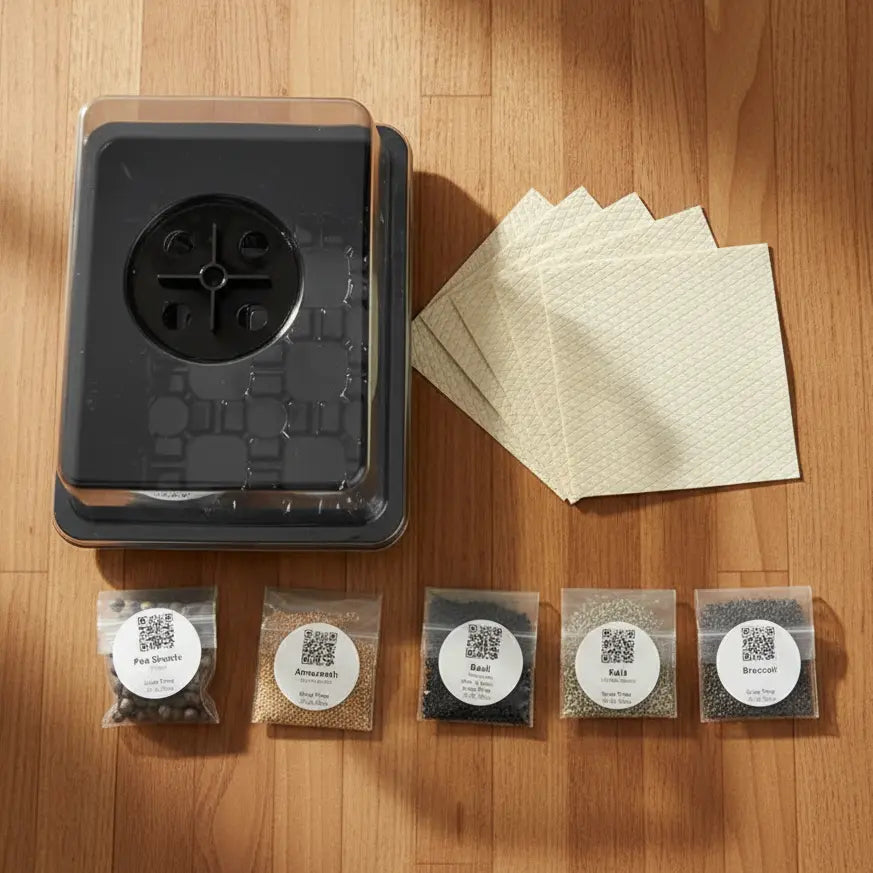
Pre-seeded organic grow mediums help by placing seeds at a consistent, shallow depth, since thyme seeds need light to germinate and should not be buried deeply.
Growing Thyme From Cuttings Instead of Seed
Taking a cutting from an established thyme plant and rooting it in water or moist growing medium sidesteps the slow seed germination process entirely.
Thyme cuttings typically root within two to three weeks, a far more predictable timeline than seed, making this a good option for anyone who wants to skip the uncertain germination window.
The tradeoff is needing access to an existing thyme plant to take a cutting from, which is why starting from seed remains the more common route for a first thyme planting.
Choosing the Right Thyme Variety to Grow
Upright common thyme is the standard culinary variety and the one most seed packets and this guide's germination expectations are based on.
Creeping thyme, sometimes grown as ground cover, has a similar germination profile but a low, spreading growth habit better suited to wide, shallow containers than tall growing systems.
Lemon thyme, a citrus-scented variety, grows similarly to common thyme but with a slightly different flavor profile, making it a good second variety to add once the first planting is established.
For a first attempt at growing thyme indoors, common thyme is the most straightforward choice, since it's the most widely available and most predictable of the varieties in terms of germination and growth habit.
Setting Up Thyme to Grow Indoors
Thyme needs 6 to 8 hours of bright light daily once established, tolerating slightly less than the most sun-hungry herbs but still needing a genuinely bright spot to thrive.
A well-draining growing medium suits thyme best. Like many Mediterranean herbs, it strongly prefers drying out somewhat between waterings over sitting in consistently damp conditions.
Normal indoor room temperature works well for established thyme, and it tolerates a wider humidity range than more sensitive herbs once past the seedling stage.
Soil vs. Hydroponic Growing for Thyme
Thyme grows well in both traditional potting soil and hydroponic systems, though its strong preference for drying out between waterings makes each method's watering rhythm meaningfully different.
In soil, a loose, sandy, well-draining potting mix mimics thyme's native rocky hillside conditions far better than a rich, moisture-retentive mix does.
A hydroponic setup requires a bit more attention to avoid overwatering thyme specifically, since a reservoir-fed system naturally keeps roots consistently moist unless deliberately managed otherwise.
Despite this, many home growers find hydroponic thyme easier overall, since the consistent moisture during the slow, sensitive germination window outweighs the slightly different watering approach needed once the plant matures.
Positioning Thyme Alongside Other Herbs
Thyme pairs naturally with other Mediterranean herbs like rosemary and oregano, since all three share a strong preference for bright light and well-draining, slightly dry conditions.
Grouping thyme with thirstier herbs like basil in the same watering schedule risks overwatering thyme to keep up with basil's higher water needs, so separating them by watering group works better when possible.
Rotating a thyme plant occasionally, if it relies partly on a window for light, helps prevent uneven, lopsided growth toward the strongest light source.
Step-by-Step: Growing Thyme From Seed to Harvest
Plant thyme seeds at a very shallow depth, barely covered, in a consistently moist growing medium, and expect two to three weeks before meaningful germination appears.
Once seedlings emerge, continue careful, consistent moisture until the plant is a few inches tall, at which point thyme starts tolerating some drying out between waterings.
Position the plant under 6 to 8 hours of bright light daily as it grows, and by around 70 to 80 days from seed, thyme typically reaches a size ready for regular harvesting.
Growing Thyme the Easy Way, Once Past the Slow Start
The Aquager Thyme (Summer) Seeds come with pre-seeded organic grow mediums, placing seeds at the correct shallow depth without any guesswork during the trickiest part of thyme's growing process.
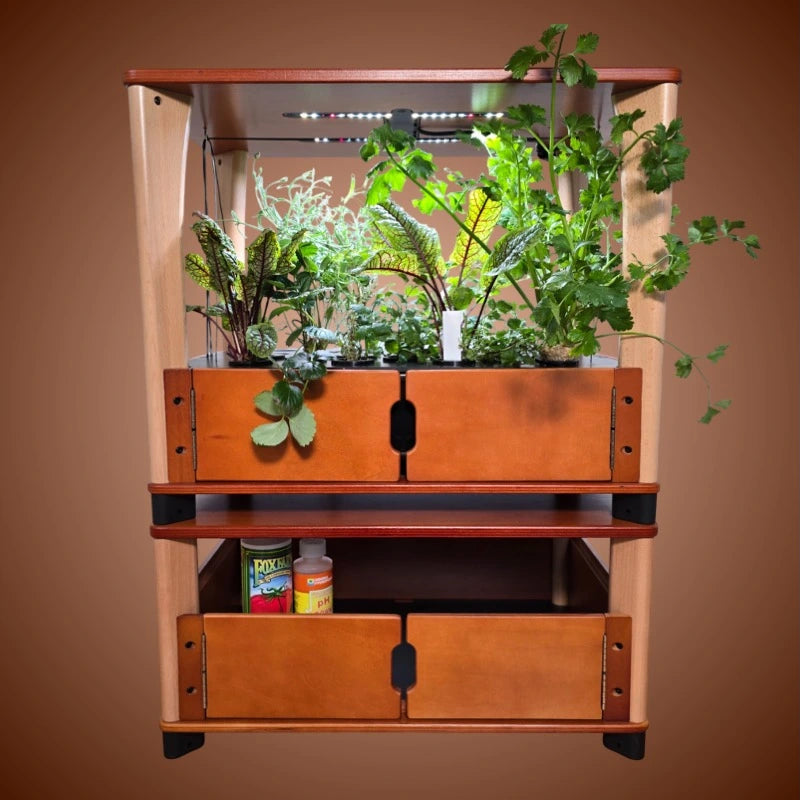
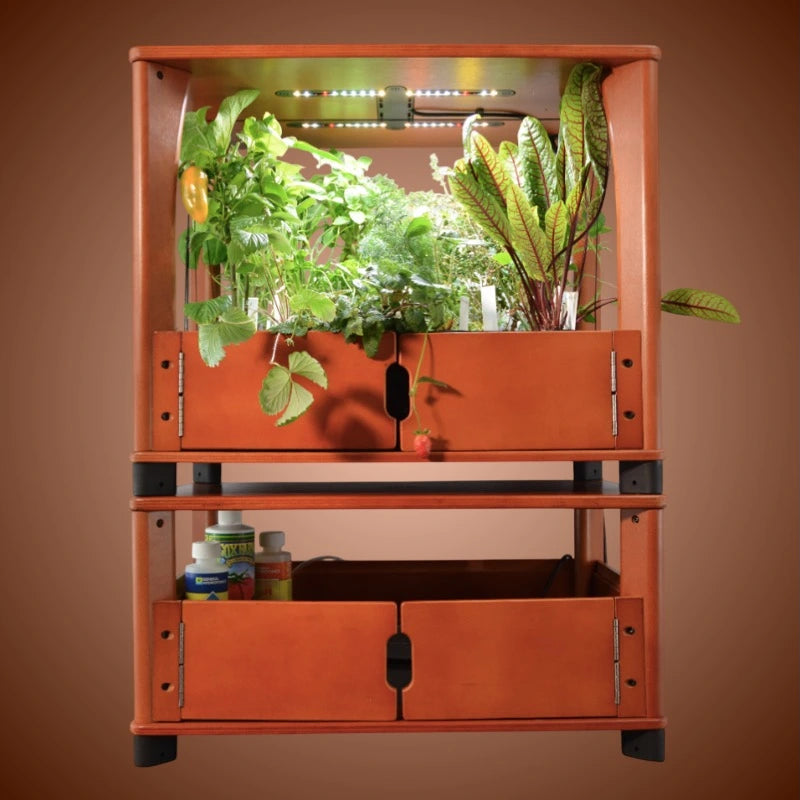
Growing thyme in an Aquager Home Farm keeps moisture and light consistent through the slow germination window, when consistency matters most for an uneven-sprouting seed like thyme.
Why Thyme Becomes Low-Maintenance Once Established
Once past its slow start, thyme becomes remarkably forgiving. It tolerates missed waterings, temperature swings, and general neglect far better than most herbs its size.
This resilience comes from thyme's Mediterranean origins, where it evolved to survive lean, dry, inconsistent conditions on rocky hillsides rather than the pampered environment of a garden bed.
A mature thyme plant can keep producing usable sprigs for months, or even years in the right conditions, with very little day-to-day attention required to keep it going.
This makes thyme a genuinely good long-term investment for anyone building out an indoor herb garden, since the effort front-loads almost entirely into the first few weeks rather than spreading evenly across the plant's life.
How to Harvest Thyme Without Killing the Plant
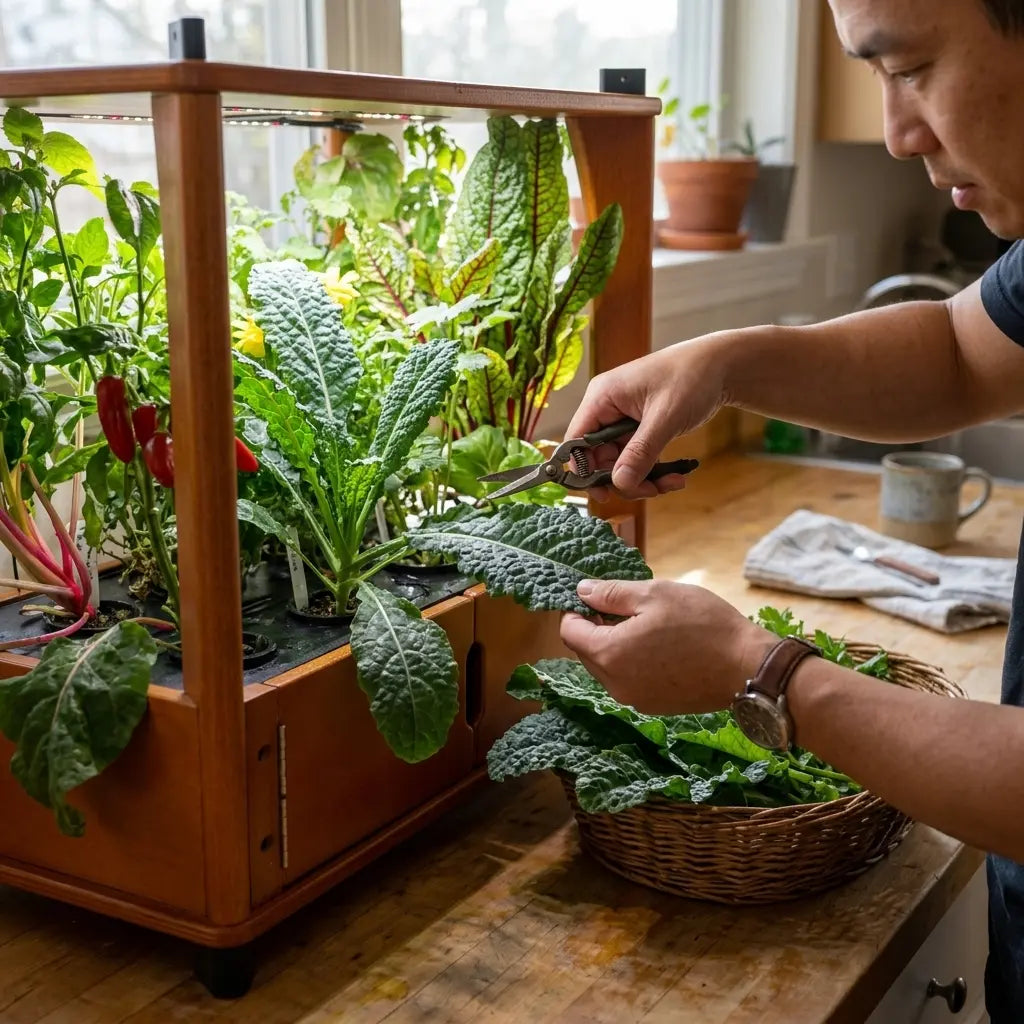
Snip sprigs from the outer, more mature growth rather than cutting from the woody center, which allows the plant to keep producing new tender growth from its base.

Leaving enough foliage intact after each harvest, generally at least half the plant, keeps thyme productive rather than forcing it to regrow from almost nothing each time.
Regular light harvesting actually encourages bushier, denser growth over time, which is part of why an established, frequently harvested thyme plant tends to look fuller than one left alone.
Pruning Thyme to Keep It Productive for Years
Thyme naturally develops woody stems as it matures, and a plant left entirely unpruned can become sparse and overly woody at the center over a year or two.
A yearly rejuvenation prune, cutting back a third of the plant's growth in early spring, encourages fresh, tender new growth and keeps a thyme plant productive for years rather than declining into mostly woody stems.
Avoid cutting back into completely bare woody stems with no green growth, since older wood on thyme is much slower to resprout than the softer green growth further out on each stem.
With this kind of yearly maintenance, a single thyme plant can remain productive for several years, which is unusual longevity compared to shorter-lived herbs that need frequent replanting.
Common Thyme Growing Mistakes
Giving up during the two to three week germination window is the single most common mistake, since this slow start is normal rather than a sign of failure.
Overwatering, especially once the plant is established, is the second most common mistake. Thyme's Mediterranean roots are far more tolerant of dryness than of consistently soggy conditions.
Harvesting from the woody center rather than the outer growth can slow a plant's ability to keep producing new, tender stems over time.
Assuming thyme needs the same watering frequency as thirstier herbs like basil leads to overwatering that thyme, unlike basil, does not tolerate well long term.
Skipping the yearly rejuvenation prune allows a plant to become increasingly woody and sparse over time, gradually reducing the amount of usable soft growth it produces.
Burying thyme seeds too deep at planting, rather than leaving them at or near the surface, can prevent germination entirely, since thyme seeds need light exposure to sprout.
Troubleshooting Common Thyme Problems
Yellowing lower leaves on an otherwise healthy plant are often just older growth being naturally shed, not necessarily a sign of a care problem.
A plant that looks consistently wilted despite regular watering more often points to overwatering and root stress than to a lack of water, given thyme's strong preference for dry conditions.
Leggy, sparse growth on a mature plant that hasn't been pruned in over a year is a sign it's due for a rejuvenation prune, not a sign of a light or nutrient problem.
A musty smell from the growing medium, especially in a hydroponic setup, usually signals the roots are staying wetter than thyme prefers, and adjusting the watering schedule typically resolves it.
Growing Thyme Indoors FAQ
Why hasn't my thyme germinated after two weeks?
This is normal. Thyme's small seeds and naturally uneven germination mean two to three weeks of little visible progress is a typical part of the process, not a sign of failure.
Is it normal for some thyme seeds to never sprout?
Yes. Thyme has a naturally lower and more uneven germination rate than many herbs, which is why sowing more seeds than the final number of plants desired is a practical strategy.
Can I grow thyme from a cutting instead of seed?
Yes, and cuttings typically root within two to three weeks, a far more predictable timeline than starting from seed.
How much light does thyme need indoors?
Six to eight hours of bright light daily once established, tolerating slightly less than the most sun-hungry herbs but still needing a genuinely bright location.
Does thyme really become low-maintenance after it establishes?
Yes. Once past its slow germination and early seedling stage, thyme tolerates missed waterings and general neglect notably better than most common kitchen herbs.
How often should I water established thyme?
Let the growing medium dry out somewhat between waterings. Thyme tolerates dryness far better than consistently damp conditions, unlike thirstier herbs.
How long until thyme is ready to harvest?
Around 70 to 80 days from seed to a size worth regular harvesting, though the slow germination window at the start accounts for a meaningful chunk of that timeline.
Do I need to prune my thyme plant regularly?
A yearly rejuvenation prune, cutting back about a third of the plant in early spring, keeps thyme productive and prevents it from becoming overly woody and sparse over time.
Can thyme grow hydroponically, or does it need soil?
Thyme grows well in both, though hydroponic growers should watch watering more carefully once the plant matures, since thyme prefers drying out between waterings more than most hydroponic setups naturally allow.
Why does my thyme seed packet have such a low germination rate listed?
Thyme naturally has a lower and more uneven germination rate than many herbs, which is normal and part of why sowing extra seeds is a common practice.
Worth the Wait, Every Time
Thyme's slow start is a genuine test of patience, but it gives way to one of the most productive, low-maintenance herbs available once past those first few weeks.
Our list of the easiest herbs to grow indoors shows how thyme compares to faster-starting options, and our guide to growing herbs indoors year-round covers the broader light and setup principles this guide builds on.
For anyone building a first indoor herb garden, our guide to growing basil indoors makes a good companion, since basil's fast germination is a nice contrast to thyme's slower timeline.
A single thyme planting, once established, can supply fresh herb for a long stretch of time, making those first patient weeks a genuinely good investment.
Author: Aquager · Published: July 10, 2026 · Updated: July 10, 2026












0 comments