
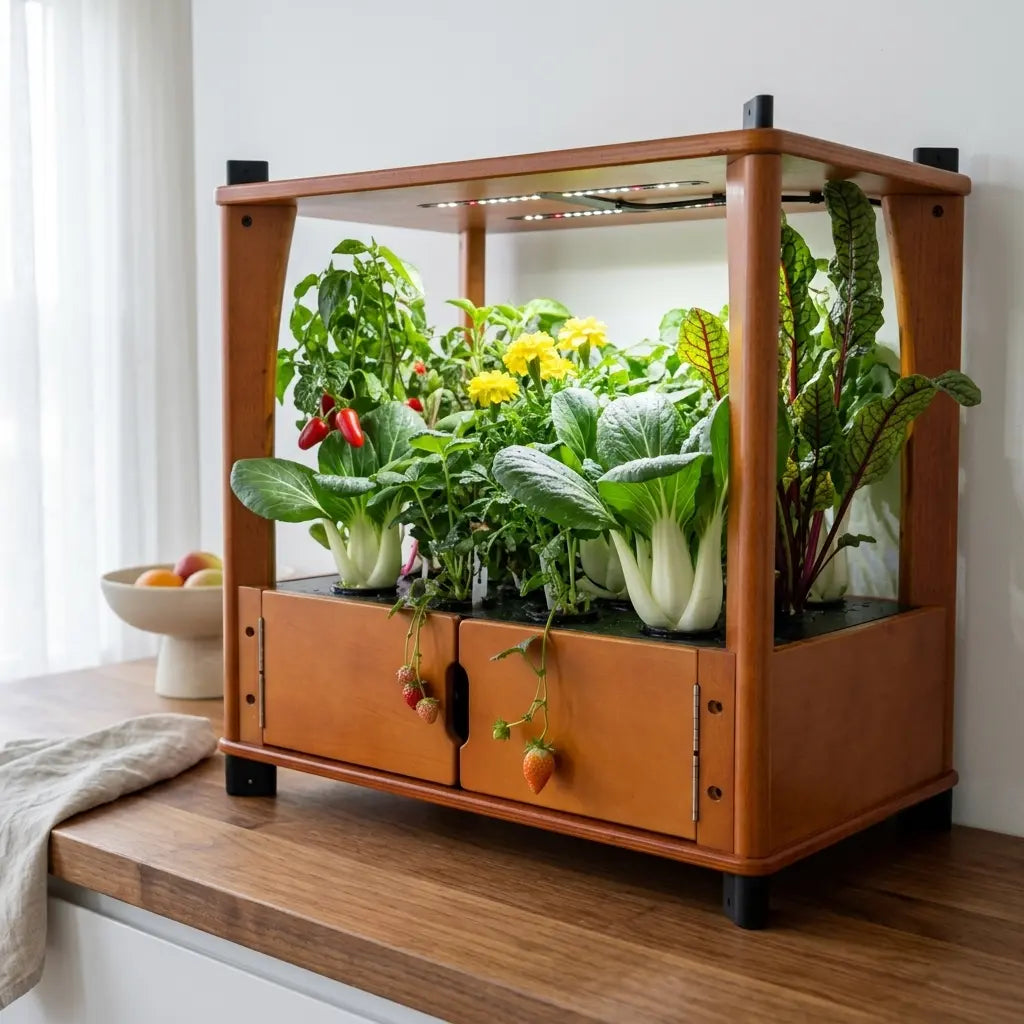
Ask experienced indoor growers what to plant first, and bok choy comes up more than almost anything else. There's a reason for that.
If you're looking to grow bok choy indoors, you're picking one of the most cooperative vegetables available for hydroponic growing. It's compact enough to fit in a small system, fast enough to reward you quickly, and genuinely prefers the kind of cool, stable temperature that most homes already provide without any extra effort.
This guide covers why bok choy suits hydroponic growing so well, what it actually needs to thrive, a full step-by-step process from seed to harvest, and how to time your harvest for the best results.
By the end, you'll understand exactly why this particular vegetable earns its reputation as one of the most dependable choices for a hydroponic system, and how to set it up for a consistently strong harvest.
Why Bok Choy Is Arguably the Best Vegetable for Hydroponic Growing
Bok choy checks nearly every box that makes a vegetable easy to grow hydroponically. It's compact, so it doesn't outgrow a small system the way larger brassicas like kale eventually do. It's fast, typically reaching harvest size in a fraction of the time many vegetables need. And it's a genuine cool-weather crop, which means normal indoor room temperature is close to ideal rather than something to work around.
That last point matters more than it sounds. Plenty of vegetables tolerate indoor conditions; bok choy actually prefers them. Where warm-season vegetables need extra heat or intense light to perform well indoors, bok choy grows comfortably in the same 60 to 70 degree range most people keep their homes at anyway.
Its compact, upright growth habit also makes it one of the more space-efficient vegetables for a hydroponic pod system. A mature plant takes up meaningfully less room than sprawling greens, which means more plants per system and a bigger harvest for the same footprint.
Put those traits together, fast growth, compact size, and a genuine preference for indoor conditions, and it's easy to see why bok choy is often the vegetable experienced hydroponic growers recommend first to beginners. Few other crops line up this cleanly with what a small indoor system does best.
What Hydroponic Bok Choy Needs to Thrive
Hydroponic bok choy needs four things in place: cool, stable temperatures, consistent moisture, moderate light, and enough spacing for its compact rosette shape to fill out.
Temperature is where bok choy really stands out. It grows best between 55 and 70 degrees Fahrenheit, comfortably within normal indoor room temperature. The main thing to avoid is a spot that runs consistently warm, like next to a sunny window in summer, since sustained heat is the main trigger for premature bolting.
Bok choy spacing matters even though the plant stays relatively compact. Each plant needs enough room for its leaves to fan out without crowding its neighbors, since tight spacing reduces airflow and can slow growth or invite mildew on the lower leaves.
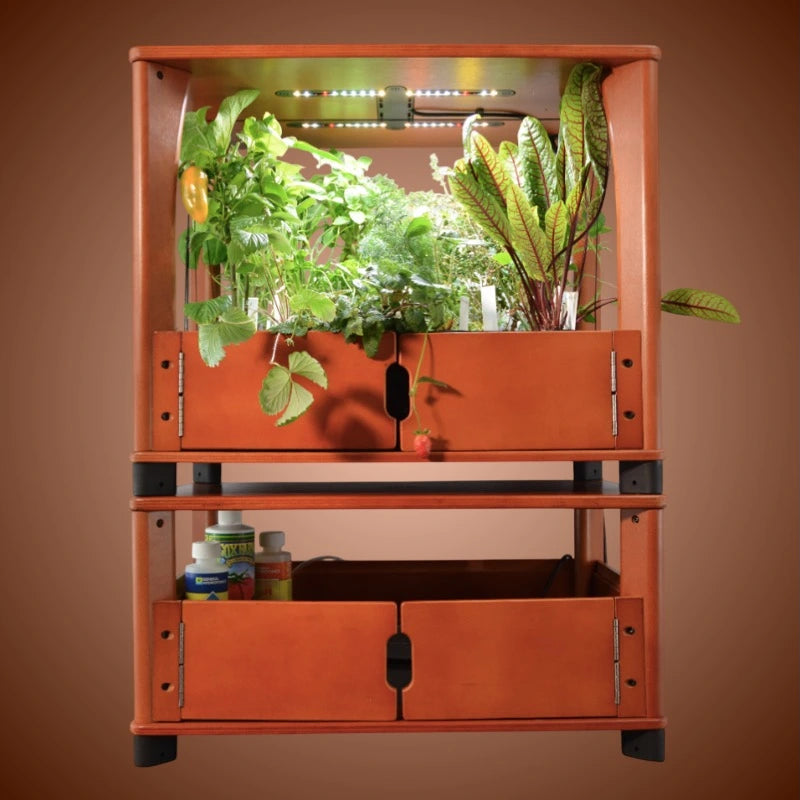
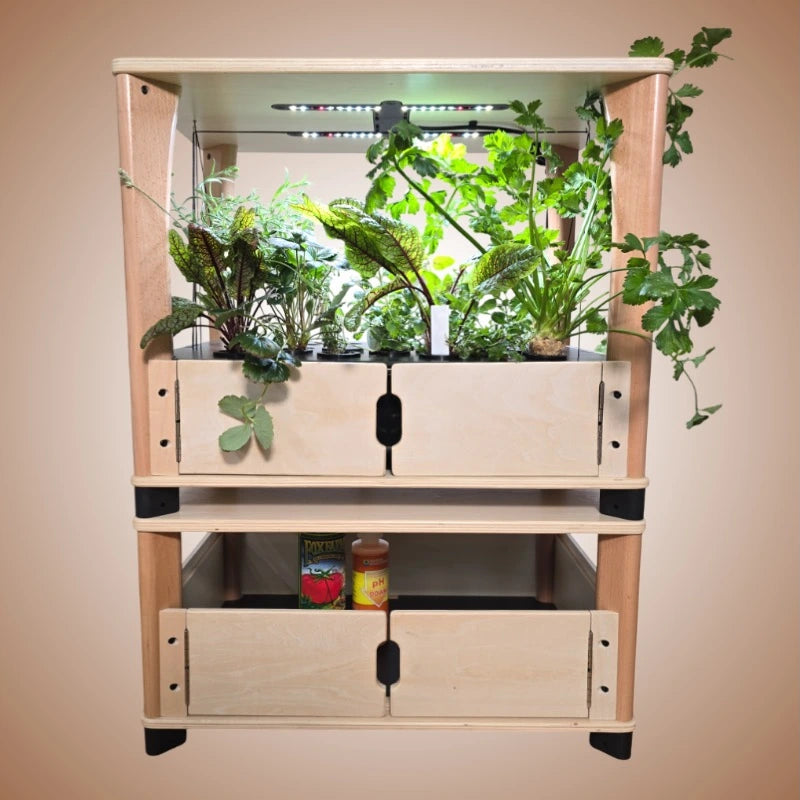
A system like the Aquager Hydroponic Home Farm handles moisture and nutrient delivery automatically, which pairs well with bok choy's preference for consistent, moderate conditions rather than anything intense or variable. That consistency is a big part of why hydroponic bok choy tends to grow more evenly than the same variety grown outdoors, where temperature swings are harder to control.
Light needs are moderate. Bok choy grows well under a bright window or a dedicated grow light on a steady 12 to 14 hour daily cycle, without requiring the high-intensity light that fruiting vegetables demand.
Nutrient solution strength rounds out the list. Bok choy is a moderate feeder, benefiting from a balanced leafy-green nutrient mix rather than anything especially heavy. Most all-in-one hydroponic systems adjust this automatically as the plant grows, which removes the need to test and rebalance by hand.
Bok Choy Varieties Worth Growing Indoors
The Little Shanghai variety is a compact, baby-sized type bred specifically for smaller growing spaces, with tender pale green stalks and a milder flavor than larger standard varieties. Its small mature size makes it particularly well suited to a hydroponic pod system.
Standard bok choy varieties grow larger, with the classic white stalks and deep green leaves most people picture, but they need more room and a slightly longer timeline to reach full size. For a hydroponic setup with limited space, a compact variety like Little Shanghai is usually the more practical choice.
Both types share the same cool-weather preference and general care requirements, so the choice mostly comes down to how much space you have and whether you prefer a smaller, milder baby size or a larger, more substantial head.
How to Grow Bok Choy From Seed, Step by Step
Growing hydroponic bok choy from seed follows a straightforward sequence. Here's the full process from seed to harvest.
Step 1: Start With Fresh Bok Choy Seeds
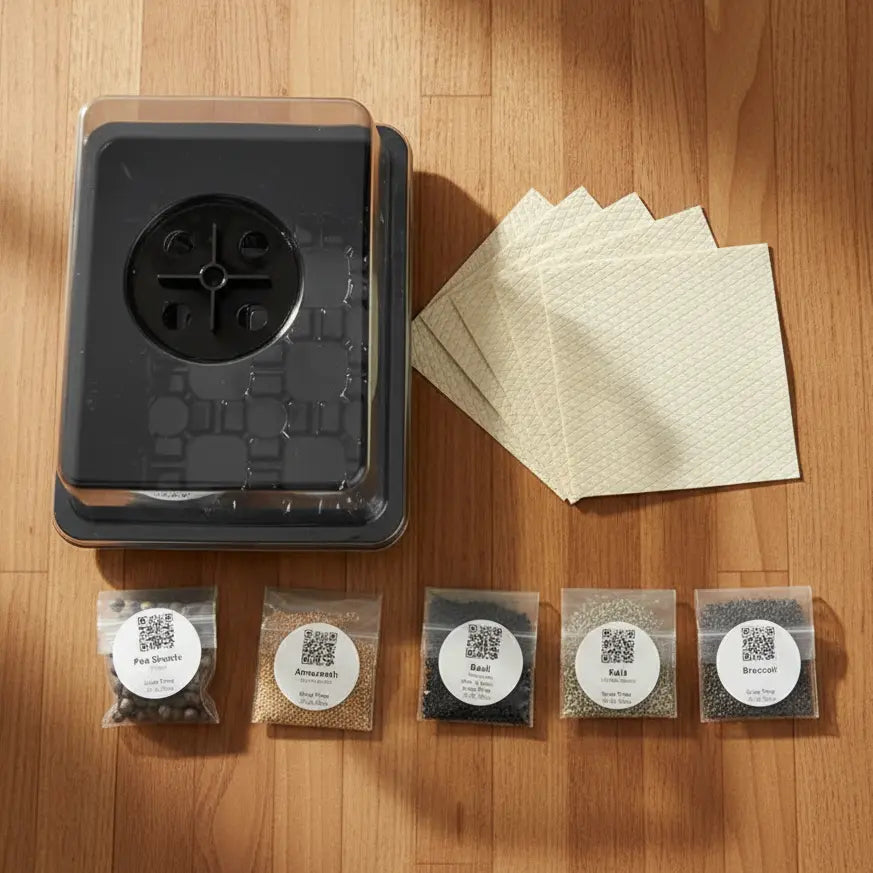
Bok Choy (Little Shanghai) Seeds is a compact variety well suited to indoor growing, with the classic glossy white stalks and dark green leaves bok choy is known for.
Press seeds gently into a moist grow medium rather than burying them deep. Bok choy germinates reliably without any special pre-treatment needed.
Step 2: Keep Conditions Cool and Moist During Germination
Bok choy germinates best in cool conditions, generally between 50 and 70 degrees Fahrenheit. Expect germination within 4 to 7 days, faster than many leafy vegetables, provided the grow medium stays consistently moist throughout.
A hydroponic system with automatic moisture delivery removes most of the guesswork here, keeping conditions steady without requiring constant checking.
Step 3: Provide Moderate, Consistent Light
Once true leaves appear, move seedlings into consistent light on a 12 to 14 hour daily cycle. Even, reliable light at this stage produces compact, sturdy seedlings rather than tall, leggy ones stretching toward a weak source.
This is also when proper bok choy spacing starts to matter. If multiple seeds were started close together, thin the weakest seedlings now so the stronger ones have room to develop their full rosette shape.
Step 4: Feed With a Leafy-Green Nutrient Solution
Bok choy responds well to a balanced hydroponic nutrient solution formulated for leafy greens, delivered on a consistent schedule. Most all-in-one systems handle this automatically, adjusting as the plant grows from seedling to full size.
Glossy, deep green leaves with crisp white stalks are a good sign the feeding schedule is working well. Pale leaves or thin, weak stalks usually point to a nutrient gap worth addressing.
Step 5: Monitor Temperature as Plants Mature
As plants approach harvest size, keep the growing area as close to that cool 55 to 70 degree range as possible. A sustained warm spell is the most common reason an otherwise healthy bok choy plant suddenly bolts before reaching full size.
A stable indoor environment removes most of this risk, which is a big part of why hydroponic bok choy grown indoors often outperforms the same variety grown in an outdoor garden exposed to unpredictable weather.
Step 6: Maintain Steady Care Until Harvest
Once established, ongoing care is minimal. Check moisture and nutrient levels every few days, top off as needed, and keep monitoring temperature, especially if the setup sits near a window that warms up during the day.
Rotate plants occasionally if they're near a single-direction light source so growth stays even on all sides rather than leaning toward the light.

Harvesting Bok Choy: Timing and Technique
Bok choy harvest time depends on which size you're after, and both are worth knowing since they suit different uses in the kitchen.
Baby bok choy is typically ready 3 to 4 weeks after germination, once plants reach around 4 to 6 inches tall. At this stage, the stalks are especially tender and the flavor is mild, ideal for quick stir-fries or eaten whole.
Full-size bok choy takes closer to 6 to 8 weeks and produces the larger, more substantial heads most people picture when they think of the vegetable. The tradeoff is a longer growing window, during which temperature control becomes more important to avoid bolting.
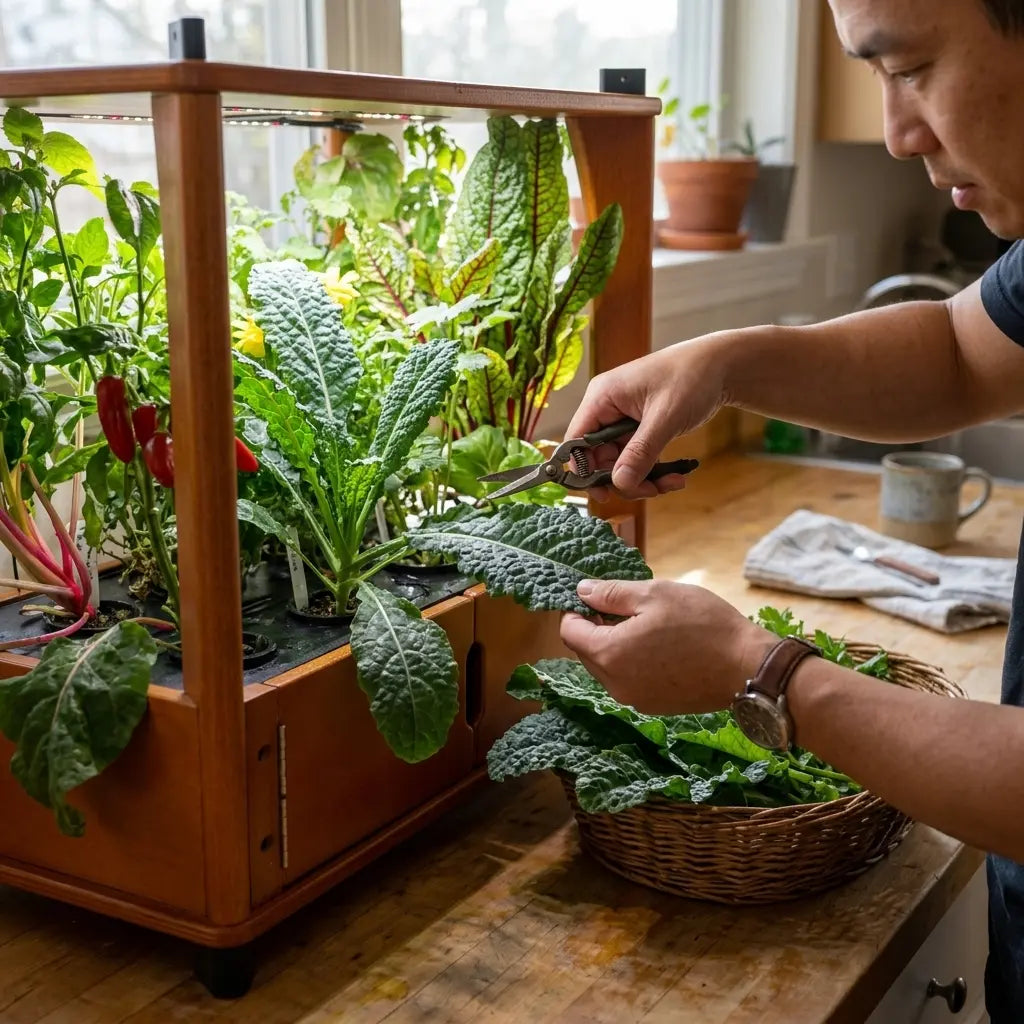
There are two harvesting approaches. Cutting the entire plant at the base gives you one full harvest and ends that plant's productive life. Alternatively, snipping only the outer leaves and leaving the center growth point intact lets the plant continue producing smaller leaves over several more weeks, similar to the cut and come again method used with other leafy greens.
For most home growers, harvesting whole baby bok choy plants on a staggered schedule, starting new seeds every couple of weeks, produces a steadier and more predictable supply than trying to coax repeat harvests from a single plant.
Nutritionally, bok choy is hard to beat for a leafy green. It's a solid source of vitamin C, vitamin K, and calcium, all packed into a low-calorie vegetable that cooks down quickly without losing much of its texture. That nutrient density is part of why it shows up so often in quick stir-fries rather than slow-cooked dishes.
Common Bok Choy Growing Problems and How to Fix Them
Bok choy is fairly low-maintenance, but a handful of issues come up often enough to know about in advance.
Bok choy bolt is the most common complaint, and it's almost always a temperature issue. A sustained warm spell, especially combined with long daylight hours, signals the plant to rush toward seed production. Moving the setup to a cooler, more consistent spot for the next batch is the most reliable fix.
Yellowing lower leaves usually point to a nutrient deficiency or simply natural aging, which is normal as the plant matures. If newer leaves are also pale, check the nutrient solution strength first.
Leggy, stretched seedlings almost always mean insufficient light during the early growth stage. Moving young plants closer to a grow light or extending the daily light cycle usually corrects this within about a week.
Slow or stunted growth after a strong start often traces back to overcrowding. Bok choy spacing that's too tight limits airflow and light to the lower leaves, which slows the whole plant down even when every other condition is right.
Soft or mushy stems near the base usually point to excess moisture and poor airflow around the root zone. A little air movement, even from a small fan on low, helps prevent this kind of rot.
Small holes or ragged edges on leaves are typically minor pest damage, most often from aphids or small caterpillars, though indoor hydroponic setups see far less of this than outdoor gardens. Checking the undersides of leaves periodically catches most issues before they spread.
Stunted growth despite otherwise good conditions is sometimes a root space issue. Bok choy develops a modest but real root system, and a pod or container that's too small can limit growth even when temperature, light, and nutrients are all dialed in correctly.
Why Growing Your Own Bok Choy Beats Store-Bought
Store-bought bok choy starts losing crispness and flavor within days of harvest, and by the time it reaches a grocery shelf it's often been in transit and cold storage for a while already. Growing your own means every stalk goes from plant to plate in minutes, not days.
There's also a cost advantage over time. A single seed packet paired with a productive hydroponic setup can produce several rounds of bok choy for less than the cost of repeated store trips, especially once you account for how often a wilting head gets tossed before it's fully used.
There's a texture difference too, not just a cost one. Bok choy's crisp stalks are one of its defining qualities, and that crispness fades quickly once the plant is cut and shipped. Homegrown bok choy harvested minutes before cooking keeps that signature crunch in a way store-bought rarely does after days in transit.
The Aquager Hydroponic Home Farm is particularly well suited to bok choy given how closely its cool, stable conditions match what the plant actually wants, making it one of the more forgiving crops to keep in regular rotation. If you're new to hydroponics generally, this beginner's setup guide covers the basics before you get started.
For growers curious about what a full leafy-green harvest cycle looks like over a longer timeline, our breakdown of kale yield per plant covers similar principles that apply broadly across leafy greens grown this way.
Hydroponic Bok Choy FAQ
What temperature does bok choy need to avoid bolting?
Bok choy grows best between 55 and 70 degrees Fahrenheit, and sustained temperatures much above that are the main trigger for premature bolting. Normal indoor room temperature usually falls right in that ideal range.
How long does it take to grow bok choy indoors?
Baby bok choy is ready in about 3 to 4 weeks, while full-size heads take closer to 6 to 8 weeks. Growing conditions and consistency affect the exact timing.
What is the ideal spacing for bok choy plants?
Bok choy stays fairly compact, but each plant still needs enough room for its leaves to fan out without crowding its neighbors. A hydroponic pod system with pre-set spacing removes most of the guesswork.
Is bok choy really easier to grow than other vegetables?
For hydroponic growing specifically, yes. Its compact size, fast growth, and genuine preference for cool indoor temperatures make it one of the most forgiving vegetables for both beginners and experienced growers.
Should I harvest bok choy as baby leaves or full-size?
It depends on preference. Baby bok choy is more tender and mild, ideal for stir-fries, while full-size heads are heartier and better suited to dishes that need more substance.
Can I get more than one harvest from a single bok choy plant?
Yes, if you snip only the outer leaves and leave the center growth point intact, the plant will keep producing smaller leaves for several more weeks before it eventually bolts.
What's the difference between Little Shanghai and standard bok choy?
Little Shanghai is a compact, baby-sized variety with milder flavor and tender pale green stalks, while standard varieties grow larger with classic white stalks and a slightly stronger flavor. Both share the same cool-weather care requirements.
Does bok choy need less light than other vegetables?
It needs moderate, consistent light rather than the intense light fruiting vegetables require, but a reliable daily light cycle is still important to prevent leggy, weak growth.
Conclusion
Bok choy's combination of speed, compact size, and a genuine preference for cool indoor conditions makes a strong case for it being the best vegetable to grow hydroponically. Understanding proper spacing, watching temperature as plants mature, and choosing the right harvest timing turns that potential into a reliably good crop.
Starting with reliable Bok Choy (Little Shanghai) Seeds in a system that keeps temperature and moisture consistent makes it easy to see why this vegetable earns its reputation among hydroponic growers.

Author: Aquager · Published: July 11, 2026 · Updated: July 11, 2026











0 comments