
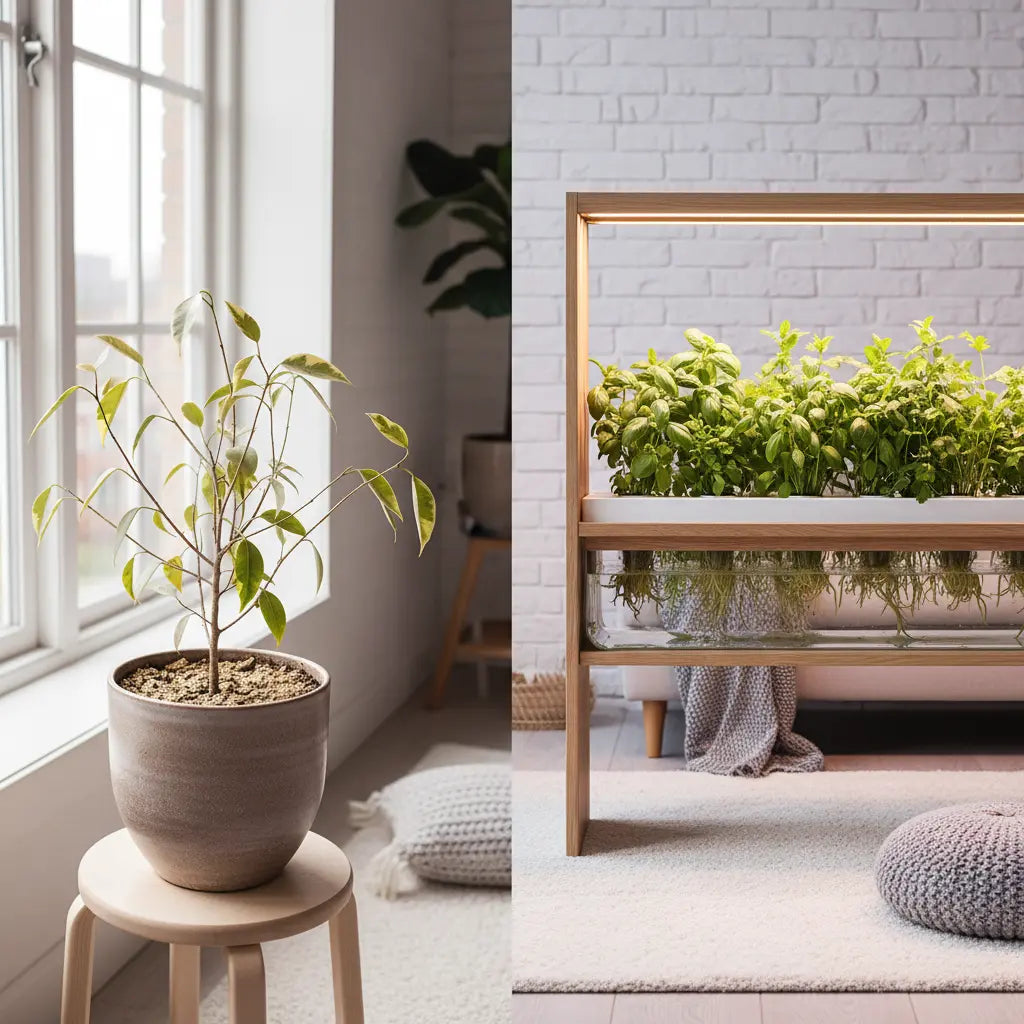
Most people searching hydroponics vs soil indoors expect a simple answer. They want to know which one is better and which one they should choose. But indoors, that is not the real problem. If you want a simple breakdown of how these systems actually work, start with this guide to Hydroponic Systems for Beginners.
The reason this comparison feels confusing is because plants behave very differently inside a home. Light is weaker, airflow is limited, and water does not evaporate the same way. This creates a much narrower margin for error, where small mistakes have a much bigger impact than they would outdoors.
In soil, water distribution becomes unpredictable indoors. The top layer can appear dry while deeper layers remain saturated. This often leads to overwatering without realizing it. Studies and controlled indoor growing tests show that overwatering is responsible for more than 60% of indoor plant failures, mainly because roots lose access to oxygen over time.
At the same time, indoor light levels are significantly lower than natural outdoor conditions. A sunny window typically provides only a fraction of the light intensity plants receive outside. This slows down growth and makes recovery harder when plants are stressed. Instead of steady development, plants grow unevenly, stretch toward light, and produce weaker leaves.
This creates a frustrating cycle. You water more because the plant looks dry. The roots become more stressed. Growth slows down even further. The plant looks worse, even though you are putting in more effort. This is why so many beginners feel like indoor growing is unpredictable.
Hydroponics changes this by removing the two biggest variables: water inconsistency and oxygen limitation. In a controlled system, roots receive constant hydration while also being exposed to oxygen through aeration. This prevents the suffocation effect that is common in soil indoors.
Here is how the two approaches actually compare for indoor growing:
Hydroponics vs Soil at a Glance
| Factor | Soil | Hydroponics |
|---|---|---|
| Price | Low upfront cost (pots, soil, seeds) | Moderate upfront cost, less wasted produce over time |
| Time to Result | Slower, and mistakes can take days to correct | Faster, up to 30 to 50% quicker growth in controlled comparisons |
| Effort and Maintenance | Frequent watering checks and guesswork | Lower daily effort once the system is dialed in |
| Best For | Occasional, hands-on hobby growing | Reliable, repeatable harvests indoors |
| Verdict | For consistent indoor growing, hydroponics is the stronger choice. Soil can still work if you enjoy the hands-on process and do not mind a steeper learning curve. | |
Consistency and Control: Why Soil Struggles Indoors
Most people do not realize how quickly soil becomes unstable indoors. It looks simple, familiar, and natural, but inside a home it behaves very differently than outside. The same pot, the same watering routine, and the same plant can produce completely different results.
The biggest issue is that soil was never designed for indoor conditions. Outdoors, wind, sun, and temperature changes constantly regulate moisture and oxygen levels. Indoors, those forces are limited. This means water stays trapped longer, and roots depend entirely on how the soil holds and releases moisture.
In practice, this creates hidden problems. You water the plant, and everything looks fine on the surface. A few days later, the top layer dries out, but deeper layers are still wet. This makes it very easy to overwater without noticing. Over time, this leads to root stress, slow growth, and eventually plant decline. Our guide to why roots need oxygen covers exactly what happens once that stress sets in.
Data shows that indoor soil can retain moisture up to 2 to 3 times longer than expected depending on pot size, airflow, and light exposure. That means even careful watering schedules often become inaccurate. What feels like safe watering can slowly turn into constant overhydration.
At the same time, oxygen becomes limited. Roots need both water and air, but in dense or wet soil, oxygen levels drop quickly. Once oxygen is reduced, nutrient absorption slows down. The plant may still look alive, but growth becomes weak and inconsistent.
This is where most beginners lose confidence. The plant does not respond the way they expect. Leaves may yellow, growth may stall, and adjustments do not seem to fix the issue. It feels unpredictable because the root problem is not visible.
Common indoor soil issues include:
- Water sitting below the surface without being visible
- Roots receiving less oxygen over time
- Slow recovery after stress or overwatering
- Uneven growth due to inconsistent light exposure
- Constant need to adjust watering habits
This problem also compounds over time. A slightly overwatered plant becomes a stressed plant. A stressed plant absorbs nutrients less efficiently. Slower growth then makes the plant even more sensitive to light and watering changes, and once roots are deprived of oxygen for extended periods, recovery can take significantly longer than expected.
Hydroponic systems solve these exact problems by removing soil entirely. Instead of relying on drainage and guesswork, water and oxygen are delivered in a controlled way. Roots are never sitting in stagnant moisture, and they always have access to air through aeration.
This creates a stable environment where plants can grow without interruption. Instead of reacting to problems after they appear, the system prevents them from happening. If you have ever felt like your plant care routine should work but does not, this is usually the reason. Soil indoors introduces variables that are difficult to manage consistently. A controlled system removes those variables and replaces them with stability.

Growth Speed: What the Data Actually Shows
Most people assume hydroponics is more complicated than soil. It sounds technical, unfamiliar, and harder to manage. But indoors, the opposite is usually true.
Hydroponics feels easier because it removes the need to guess. There is no checking if the soil is dry on top but wet underneath. There is no trying to figure out if the plant needs more water or less. The system handles the balance automatically.
In a hydroponic setup, roots receive water, nutrients, and oxygen at the same time. This is important because plants do not just need water. They need access to oxygen to absorb nutrients efficiently. In soil, this balance constantly shifts. In hydroponics, it stays consistent.
This consistency is what makes the biggest difference. Instead of reacting to problems, the system prevents them. Plants do not go through cycles of stress and recovery. They grow steadily, which leads to stronger leaves and faster development.
Data from indoor growing environments shows that hydroponic plants can grow up to 30 to 50% faster than soil-grown plants under the same indoor conditions. This is not because hydroponics is better in every scenario, but because it is better suited for controlled indoor spaces.
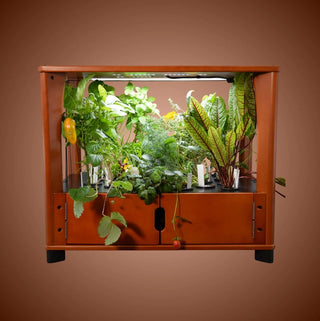
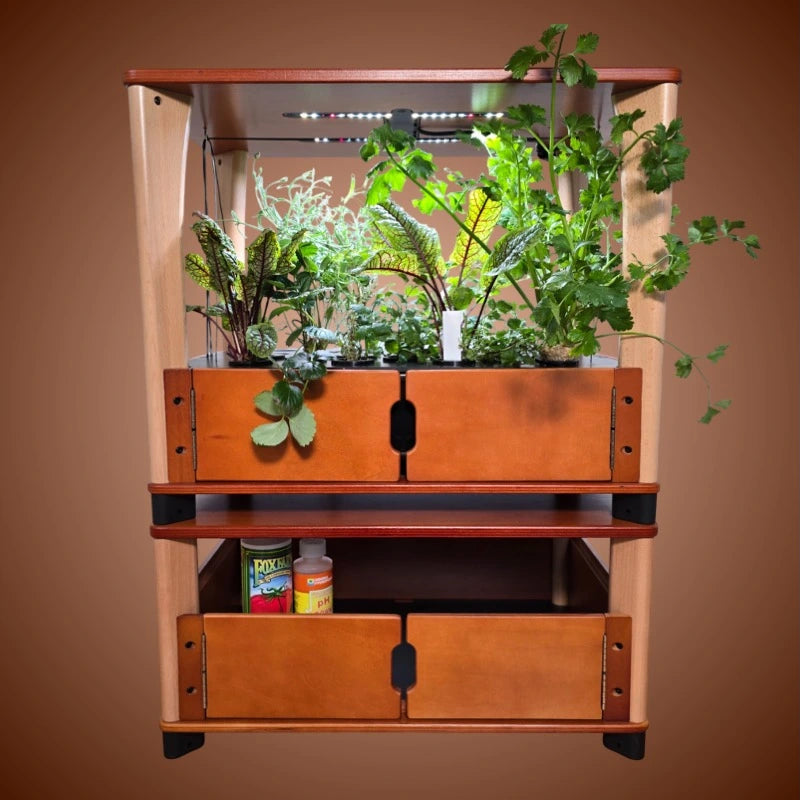
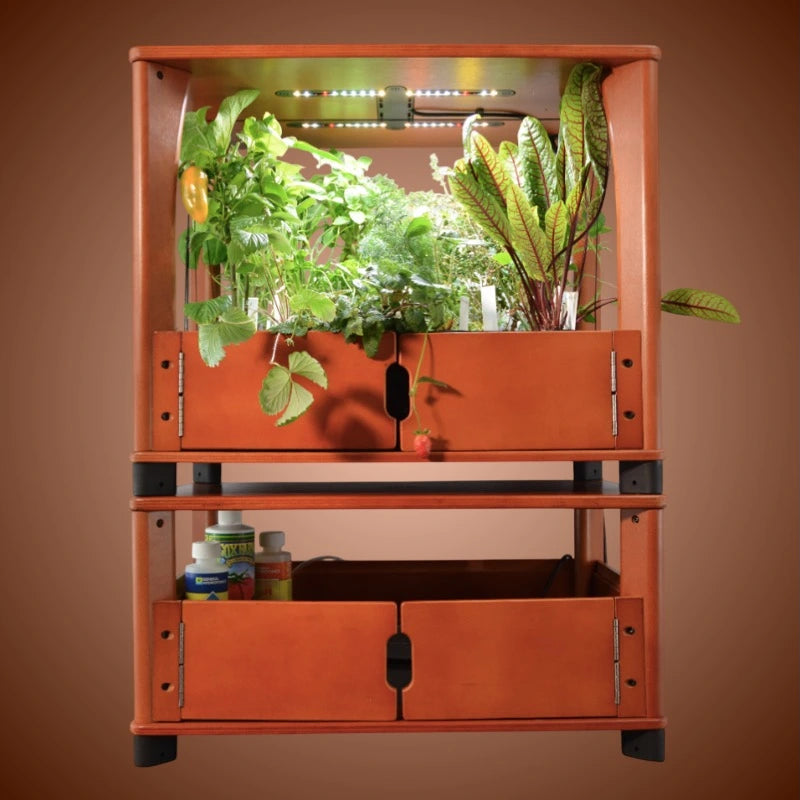
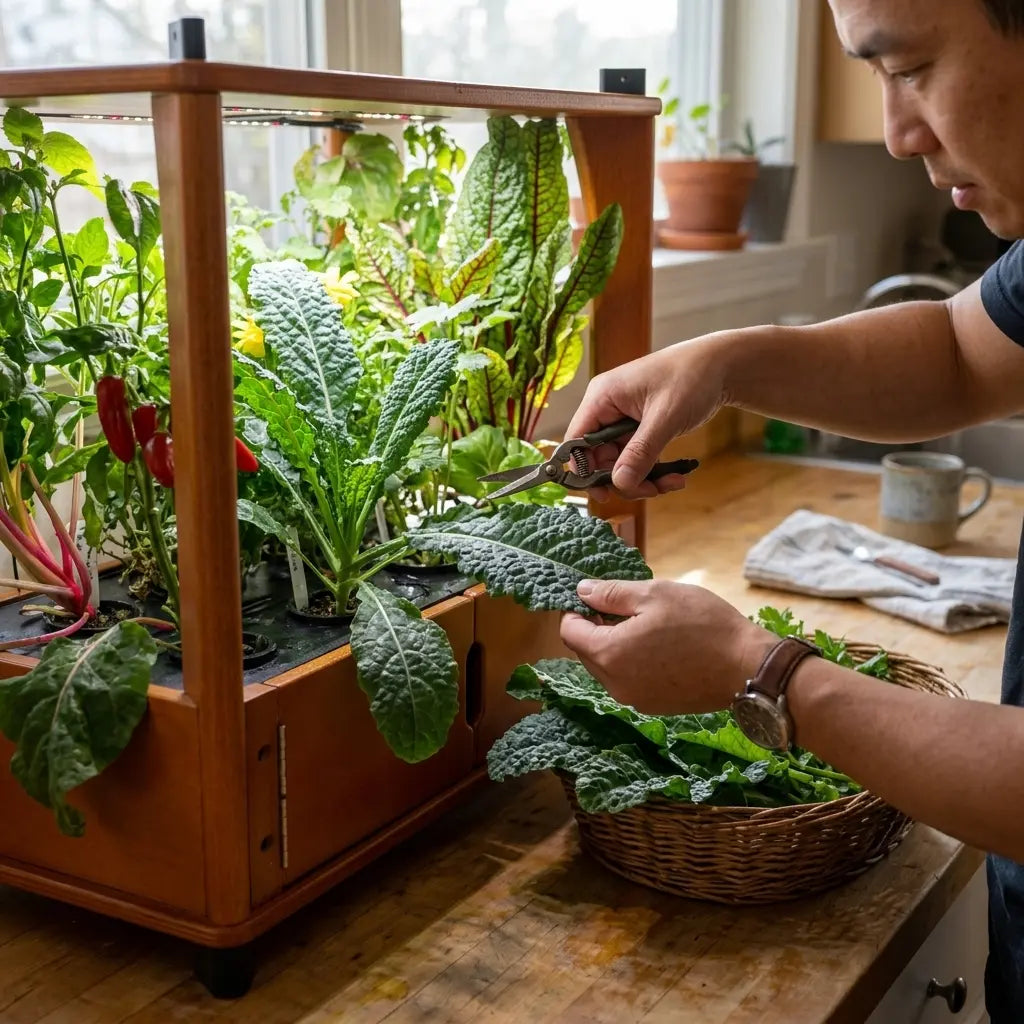
This is where a setup like the Aquager Home Farm pulls ahead: automated, dialed-in delivery of water, nutrients, and oxygen is exactly what turns that 30 to 50% growth-speed advantage into a repeatable habit instead of a one-time result. For a real-world look at what that advantage adds up to in actual harvests, see our basil yield study.
Another key difference is time. With soil, small mistakes can take days or even weeks to correct. Overwatering, for example, cannot be fixed immediately. You have to wait for the soil to dry out. During that time, the plant continues to struggle.
With hydroponics, adjustments are immediate. Water levels, nutrients, and light exposure can be controlled and stabilized quickly. This reduces downtime and keeps growth consistent.
This is why many beginners find hydroponics less frustrating. It removes uncertainty. Instead of constantly adjusting care routines, they can rely on a system that works the same way every day.
Typical differences beginners notice:
- Less guesswork with watering
- Faster and more even growth
- Healthier root systems with visible oxygen access
- More consistent results over time
- Reduced risk of common indoor plant problems
Hydroponic systems designed for homes take this even further. They simplify the process so that setup is straightforward and daily maintenance is minimal. If you want to understand how a system like this works, our Hydroponic Systems for Beginners page explains it clearly.

Effort and Maintenance
If your goal is to grow plants indoors consistently, the biggest shift is not choosing a better method. It is choosing a system that matches indoor conditions.
Soil was designed for outdoor balance. It depends on sunlight, airflow, and natural drying cycles. Indoors, those factors are limited, which makes soil harder to manage over time.
Hydroponics is built for controlled environments. It does not rely on external conditions to function properly. This is why it tends to perform more reliably inside homes, apartments, and kitchens.
The difference becomes clear when you look at consistency. With soil, results can vary week to week depending on small changes in light, temperature, and watering. With hydroponics, those variables are stabilized, which leads to more predictable growth.
This is also where time becomes important. Many beginners spend weeks adjusting their routine, trying to find the right balance. Even when they improve, results can still fluctuate. A controlled system removes that trial-and-error phase and replaces it with a repeatable process.
Instead of asking what did I do wrong, the focus shifts to how do I maintain what is already working. This is a much easier position to be in, especially if you want to grow regularly without constant troubleshooting.
- More consistent growth week after week
- Less time spent adjusting watering routines
- Faster recovery when something changes
- Healthier plants with stronger structure
- More predictable results regardless of placement
This does not mean soil never works indoors. It means it requires more attention and a narrower margin for error. For people who want reliability, a controlled system is usually a better fit.
If you are aiming to grow food, herbs, or greens at home on a regular basis, consistency matters more than anything else. A system that removes guesswork will always outperform one that depends on perfect conditions.

Common Beginner Mistakes
Most beginners comparing hydroponics vs soil indoors focus on the surface. They think the difference is about equipment, cost, or complexity. But the real difference is how each system handles mistakes.
With soil, small mistakes stay hidden. You cannot see what is happening below the surface. The plant may look fine for a few days, but the roots can already be under stress. By the time symptoms appear, the problem has already developed.
This delay is what makes indoor growing feel unpredictable. You react to what you see, but the real issue started earlier. This is why many beginners feel like they are always one step behind.
Hydroponics removes that delay. The system is transparent and controlled. Water levels are visible. Root health is easier to observe. Adjustments happen immediately instead of over several days.
This changes how beginners learn. Instead of guessing and waiting, they can see cause and effect much faster. If something changes, the plant responds quickly. This creates a more predictable experience.
Another common misunderstanding is that soil is more natural and therefore easier. Outdoors, that can be true. Indoors, it often works against you. The environment is already artificial, so relying on soil adds another layer of instability.
Hydroponics aligns better with indoor conditions because it is designed for control. It does not depend on drainage, weather, or perfect placement. It creates its own environment inside your home.
This is why many people switch after struggling with soil. Not because they failed, but because they realize the system was not built for the space they are using.
- Thinking watering more will fix slow growth
- Assuming dry soil on top means the plant needs water
- Believing sunlight near a window is always enough
- Expecting consistent results from inconsistent conditions
- Trying to fix symptoms instead of root causes
If you are experiencing these issues, you are not alone. This is the exact stage where most people start looking for alternatives. They want something that works consistently without constant adjustments.
The Verdict: Which Should You Choose?
At this point, the question hydroponics vs soil indoors starts to shift. It is no longer about which method is better in general. It becomes about which method works better inside your specific environment.
Indoors, conditions are controlled but limited. Light is weaker than outdoors. Airflow is minimal. Temperature stays relatively stable. These factors make consistency more important than anything else.
Soil can still work, but it depends heavily on getting everything right at the same time. Watering needs to be precise. Light placement needs to be optimal. Airflow needs to be sufficient. Small mistakes can disrupt the balance quickly.
Hydroponics reduces that dependency. It creates its own controlled system where water, oxygen, and nutrients are delivered in a stable way. Instead of relying on external conditions, it compensates for them.
This is why the question should not be which is better. The better question is: which system gives you consistent results with the least effort?
For most indoor setups, that answer tends to favor hydroponics. Not because soil cannot work, but because hydroponics is designed for environments where natural balance is missing.
If your goal is occasional plant care and you enjoy experimenting, soil can still be a good option. But if your goal is reliable growth, especially for food, herbs, or regular harvesting, consistency becomes the priority.
- Soil depends on balance that is harder to maintain indoors
- Hydroponics creates a controlled environment from the start
- Soil mistakes are often delayed and harder to correct
- Hydroponic adjustments are immediate and visible
- Indoor success depends more on stability than simplicity
This is why many people who start with soil eventually transition to hydroponics. They are not necessarily looking for something more advanced. They are looking for something that works the same way every time.
If consistent, reliable growth matters more than the process itself, a setup like the Aquager Home Farm is built exactly for that: it removes the guesswork this whole comparison keeps coming back to, delivering water, nutrients, and oxygen the same way every day.
If you are deciding what to do next, focus less on the label of the method and more on the experience you want. If you want fewer variables, fewer mistakes, and more predictable growth, a controlled system will get you there faster.
Mini FAQ
Many beginners still have the same questions when comparing hydroponics vs soil indoors. These usually come from early struggles and uncertainty about what is actually going wrong.
Is hydroponics really easier than soil indoors?
In most indoor environments, yes. Hydroponics removes guesswork with watering and oxygen levels. Instead of trying to balance soil conditions, the system provides consistency from the start.
Do plants grow faster in hydroponics than soil indoors?
In controlled indoor setups, plants can grow up to 30 to 50% faster. This happens because water, nutrients, and oxygen are always available without delay.
Is soil bad for indoor growing?
Soil is not bad, but it is harder to manage indoors. It depends on balance, and that balance is more difficult to maintain without outdoor conditions like strong sunlight and airflow.
Why do my indoor plants keep dying in soil?
The most common reason is overwatering combined with low oxygen at the roots. This often happens even when the soil surface looks dry.
Can beginners start with hydroponics?
Yes. Modern systems are designed to be simple and beginner-friendly. They reduce trial and error and help create predictable results.
Is hydroponics expensive to start?
It depends on the setup, but simple indoor systems are becoming more accessible. Many people find that the consistency and reduced plant loss offset the initial cost.
If you are struggling with indoor growing, the problem is usually not effort. It is the system you are using.
Author: Aquager Team · Published: March 24, 2026 · Updated: August 24, 2026 · Reviewed: August 24, 2026 (Phase 3)










0 comments