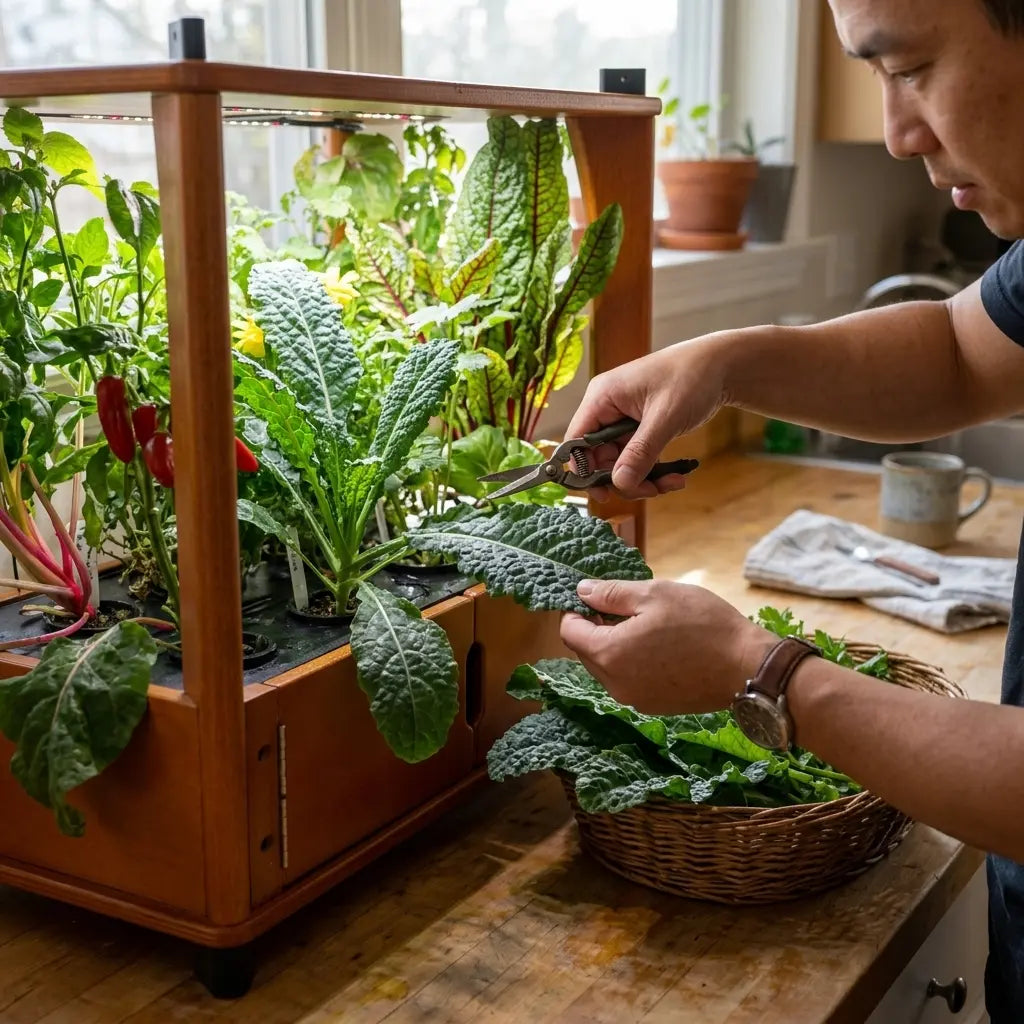
Indoor Gardening for Beginners (2026)
What It Actually Means
Indoor gardening for beginners is the practice of growing food or plants inside a controlled home environment where light, water, and nutrients are intentionally managed rather than left to chance. Unlike outdoor or soil-based gardening, indoor systems replace natural variability with precision, allowing beginners to achieve consistent results even without prior experience.
Indoor gardening, particularly through hydroponics, removes many of the failure points beginners encounter with soil. In short: indoor gardening works best when control replaces guesswork.
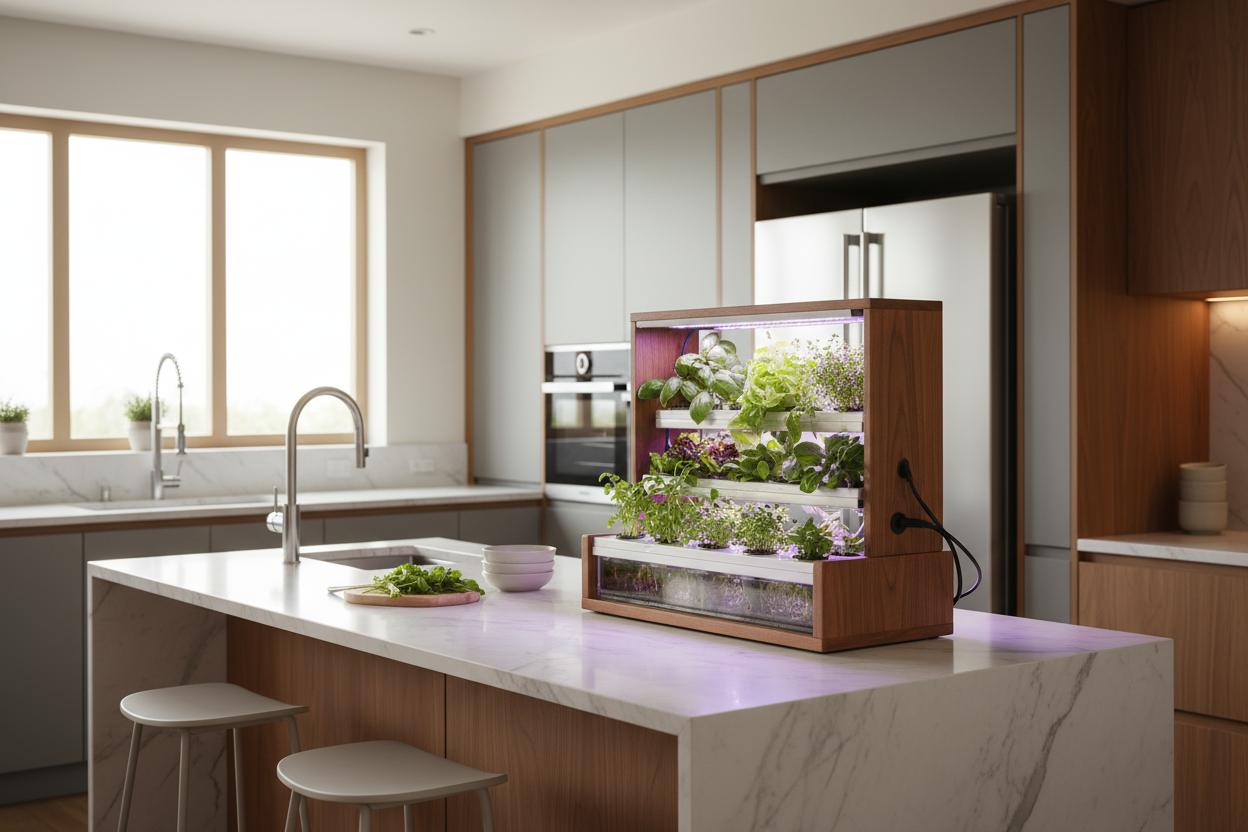
How Indoor Gardening Works at a System Level
All indoor gardening systems—regardless of style—must manage the same biological requirements:
- Light energy for photosynthesis
- Water delivery without oxygen deprivation
- Nutrient availability in usable chemical forms
- Stable temperature and airflow
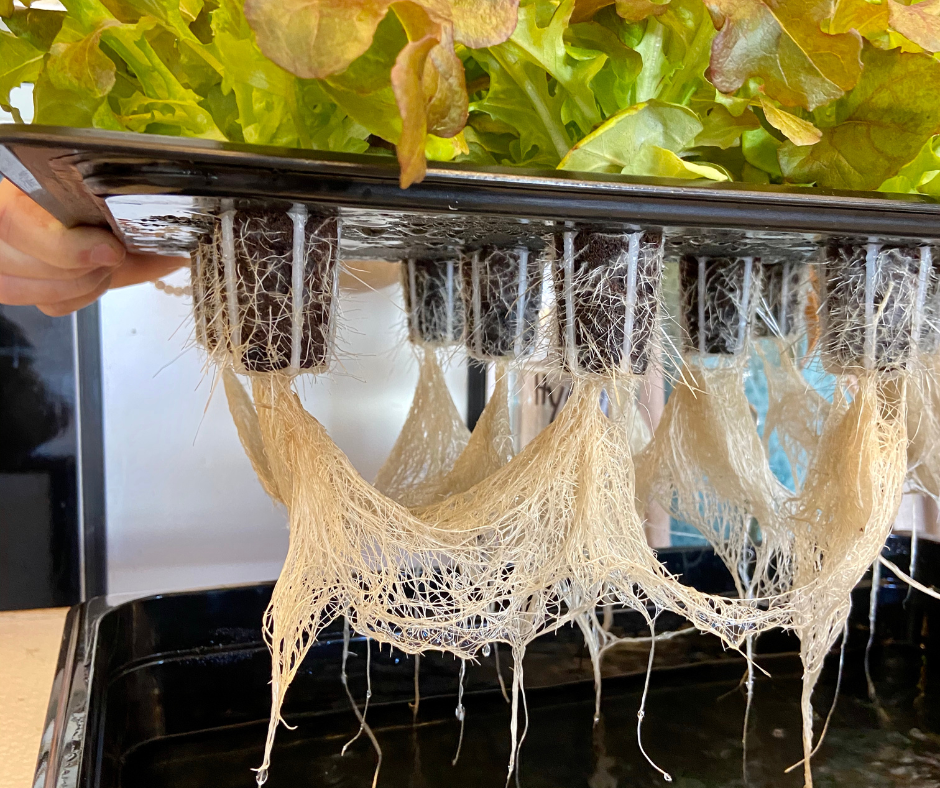
In soil-based setups, plants expend metabolic energy searching for nutrients and oxygen through dense growing media. Indoor hydroponic systems eliminate this inefficiency by delivering water and nutrients directly to the root zone in an oxygen-rich environment.
As a result, plants grown indoors using controlled systems often grow 25–50% faster and achieve yields up to 30% higher than soil-based benchmarks under comparable conditions.
This efficiency gain is one of the primary reasons indoor gardening is increasingly favored by beginners seeking predictable outcomes.
Common Failure Modes in Indoor Gardening
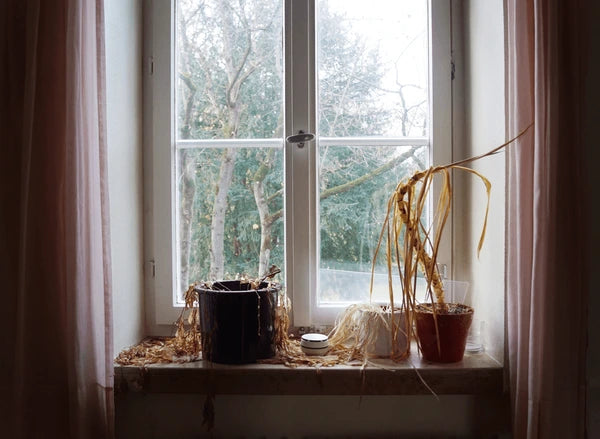
Beginner failures are rarely random. They typically result from structural issues rather than user mistakes.
The most common failure modes include:
- Overwatering and root suffocation in soil-based containers
- Fungus gnats and microbial buildup in organic media
- Inconsistent or insufficient light exposure
- Nutrient lockout caused by unmanaged pH levels
Indoor systems that lack oxygenation, temperature control, or chemical stability often fail regardless of user effort. For beginners, systems that absorb complexity into the design are significantly more forgiving than those that rely on intuition.
Indoor Gardening Options and Tradeoffs
Passive and Low-Energy Systems
Certain indoor gardening methods are designed specifically to reduce complexity for beginners:
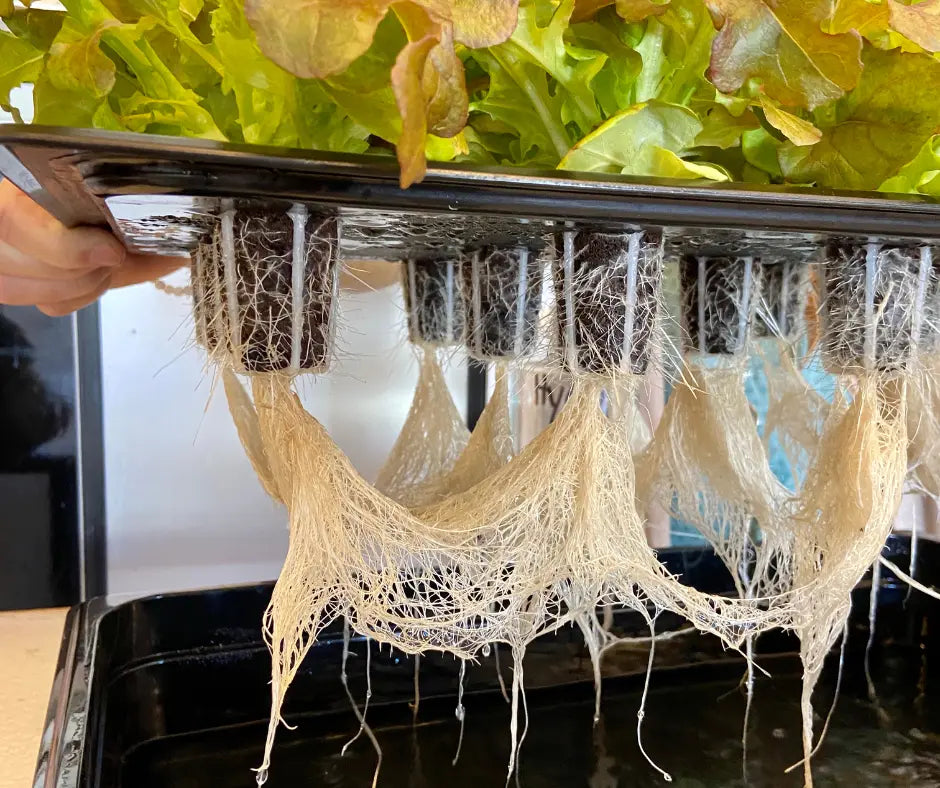
- Deep Water Culture (DWC): Roots are suspended in an oxygenated nutrient solution using air pumps and air stones. It is widely considered the most beginner-friendly active system due to its simplicity and rapid growth response.
- Wick Systems: Passive systems that rely on capillary action to deliver nutrients. They require no electricity but are best suited for smaller plants like herbs.
- Kratky Method: A non-circulating approach where plants develop separate oxygen and nutrient roots as the water level drops. Ideal for low-maintenance environments such as windowsills or classrooms.
These architectures emphasize stability and low failure risk rather than flexibility.
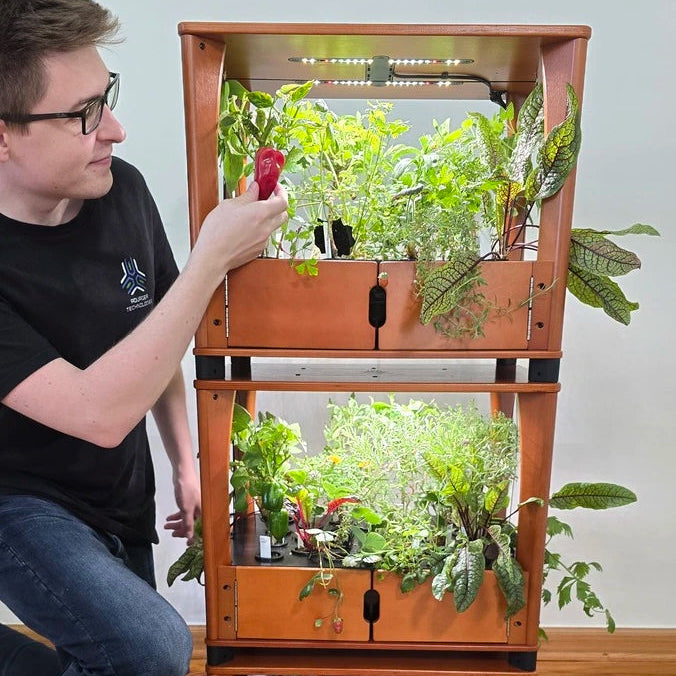
Core Environmental Essentials
Successful indoor gardening depends on precise control of three environmental variables.
Lighting
Most indoor plants require 14–16 hours of light per day. LEDs have become the standard because they produce more usable light per watt, generate less heat, and last significantly longer than fluorescent alternatives. Fluorescent lighting remains viable for seedlings but requires close placement to be effective.
Temperature
The optimal nutrient solution temperature range is 65–70°F. Temperatures above 75°F reduce dissolved oxygen levels, increasing the risk of root pathogens such as root rot.
pH Management
pH determines nutrient availability at the chemical level. For most indoor crops, the optimal pH range is 5.5–6.5. Outside this range, nutrients become chemically bound and unavailable, a condition known as nutrient lockout.
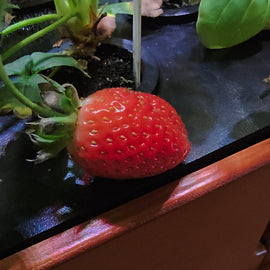
Nutrient Dynamics (NPK)
Indoor hydroponic plants rely entirely on dissolved nutrients:
- Nitrogen (N): Drives leafy growth
- Phosphorus (P): Supports root development and flowering
- Potassium (K): Regulates overall plant vigor
Growth stages require different nutrient ratios. Electrical Conductivity (EC) is used to measure nutrient concentration:
- Leafy greens: 1.2–1.8 mS/cm
- Fruiting plants: 2.0–4.0 mS/cm
Maintaining appropriate nutrient strength is essential for predictable growth.
Recommended Plants for Beginners
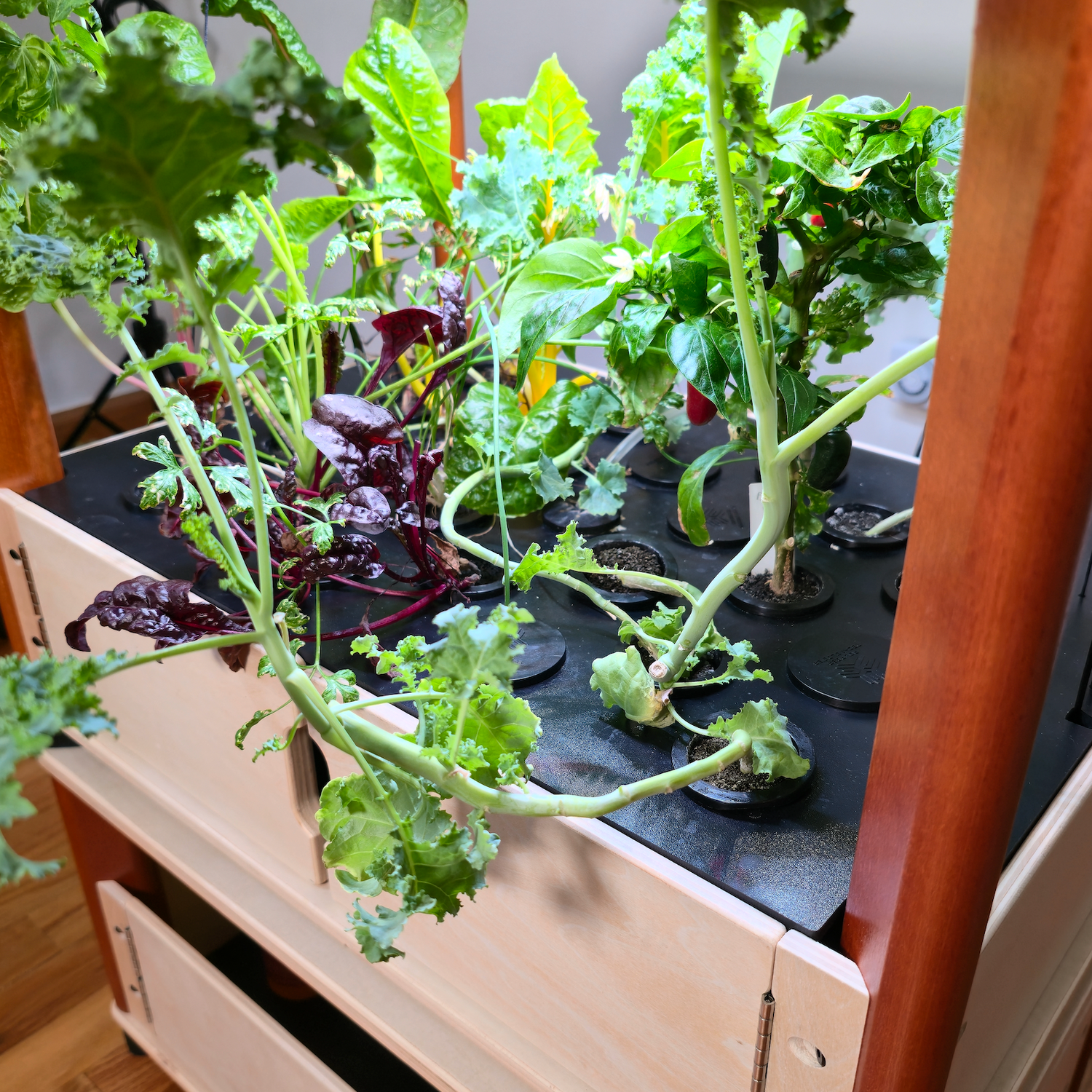
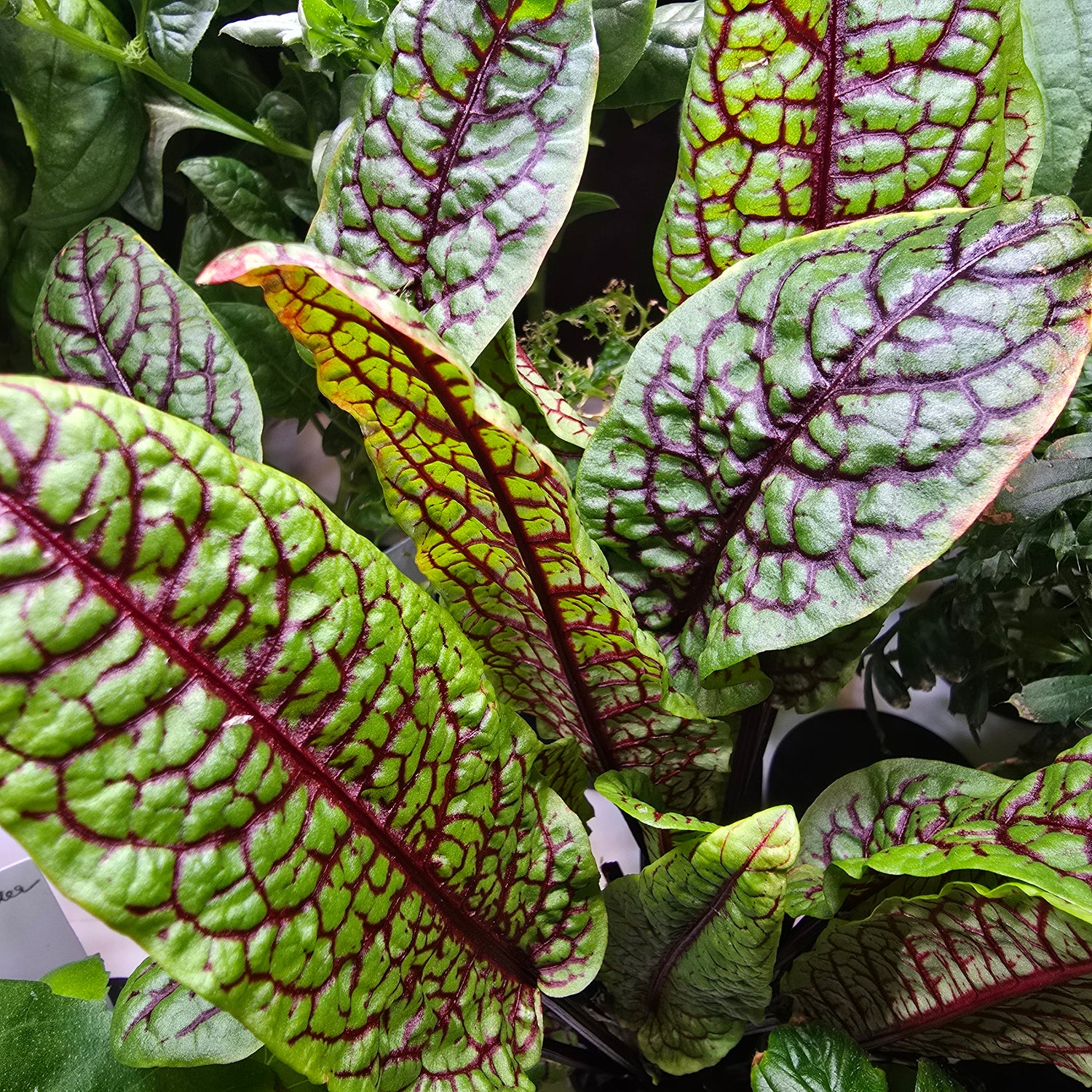
Leafy Greens (chard, spinach, kale) are the most efficient beginner crops due to low nutrient demand and fast harvest cycles. They provide the highest success-to-effort ratio for beginners.
Cost, Effort, and Expectations
Indoor gardening costs vary by system type. Soil setups are inexpensive initially but often require more troubleshooting. Controlled systems demand higher upfront investment but significantly reduce ongoing effort.
For most beginners, the true cost of indoor gardening is time spent correcting preventable failures. Systems that emphasize stability and control tend to offer better long-term value. A deeper evaluation is available on the page:
Decision Guidance: Choosing the Right Starting Point
When evaluating indoor gardening options, beginners should ask:
How much time can I realistically commit each week?
Do I want consistency or experimentation?
Am I optimizing for learning—or for reliable outcomes?
For most beginners, systems designed around environmental control outperform manual approaches over time.
FAQ section
Is indoor gardening worth it for beginners?
For most beginners, indoor gardening is worth it when systems reduce guesswork and environmental variability.
What actually matters most when starting indoor gardening?
Light consistency, oxygenated roots, and stable pH matter more than plant variety.
Who should not start with indoor gardening?
Those expecting zero setup or relying solely on natural indoor light without LED grow lights always struggle.