
Your cat eats grass. If you’ve ever watched them do it — deliberately seeking out a patch of lawn, chewing methodically, and then throwing it up almost immediately — you may have wondered why does my cat eat grass when the obvious result is a mess on the carpet.
The answer is both simple and a little gross: it’s working exactly as intended. And for indoor cats who can’t access fresh grass naturally, the absence of it creates a real physiological gap that most cat owners don’t know exists.
This post covers the biology, the indoor cat problem, how fresh home-grown cat grass solves it, and the difference between cat grass and catnip — because they’re not the same thing and both are worth growing.
Why Do Cats Eat Grass? The Biology
Cats are obligate carnivores — their digestive systems evolved to process meat, not plant fiber. Yet virtually all wild cats, and most domestic ones given access, voluntarily eat grass.
The primary mechanism is digestive clearance. Cats groom extensively, swallowing loose fur in the process. That fur accumulates in the stomach. Unlike dogs, cats cannot easily digest plant material to produce the intestinal contractions that move material through. Instead, they use a different mechanism: eating indigestible grass irritates the stomach lining, triggering regurgitation that expels the fur and other indigestible material before it reaches the intestine.
This is the gross-but-true part: eating grass to vomit isn’t a malfunction. It’s intentional. The cat is performing digestive maintenance.
A secondary function is nutritional. Wild grasses contain folic acid — a B vitamin that supports oxygen transport in the blood. Cats can’t synthesize it internally in adequate amounts and historically accessed it through small prey animals’ stomach contents and by eating grass directly. Indoor cats have no access to this source.
There’s also the physical function: grass fiber acts as a mild laxative, helping move hairballs through the digestive tract when regurgitation isn’t the chosen path.
None of this is mysterious or concerning. A cat eating grass is a cat doing exactly what cats do.
The Indoor Cat Problem
Wild and outdoor cats have continuous access to fresh grass. They find it, chew it as needed, and maintain their digestive systems naturally.
Indoor cats don’t. The options available to them are the carpet (not ideal) and whatever you provide.
The “cat grass” sold in stores — those small plastic pots with dried or barely-alive sprouts — is the conventional solution. But dried or wilted grass doesn’t trigger the same physiological response as fresh, actively growing grass. The moisture content, the texture, and the enzymatic activity in fresh grass are all part of what makes it functional for cats.
Fresh-grown cat grass, harvested at peak growth and offered immediately, is what a cat would encounter in a natural environment. It’s the right texture, the right moisture level, and — because it’s growing continuously — it’s available whenever the cat needs it.
Why Home-Grown Cat Grass Beats the Store Version
It’s fresh. Grocery store cat grass is typically germinated, shipped, and then sits on a shelf for days or weeks. By the time you bring it home, it may already be past peak. Cat grass you grow at home is offered at exactly the right stage.
It’s continuous. Once you’re growing on a rotation, you can start a new tray every week. Your cat always has access to grass at peak freshness, rather than getting a single dying pot that runs out in three days.
It’s cheaper. A pack of wheatgrass/cat grass seeds costs $3.99 and yields multiple trays. The store version typically runs $5–8 per pot for something that lasts a week.
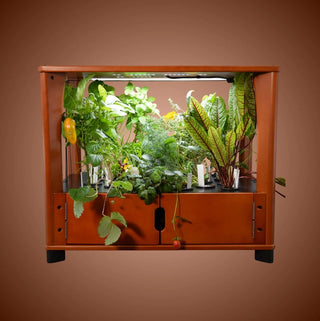
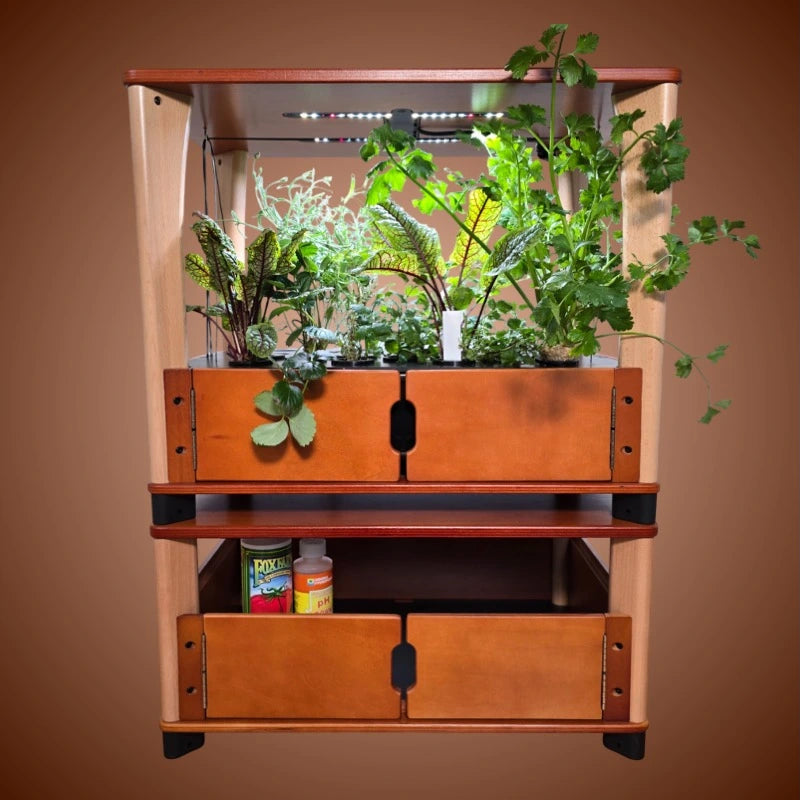
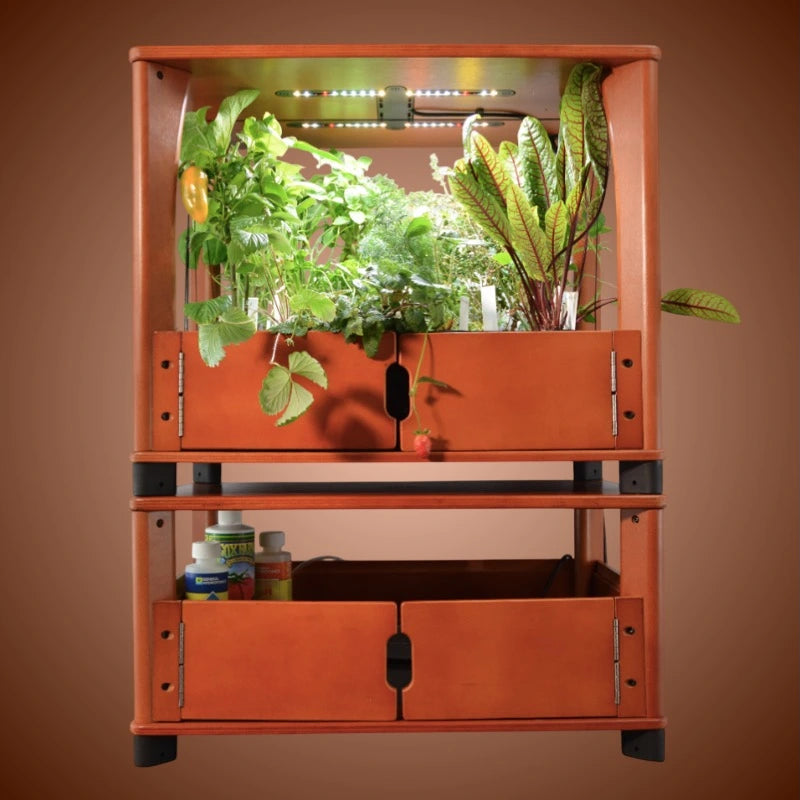
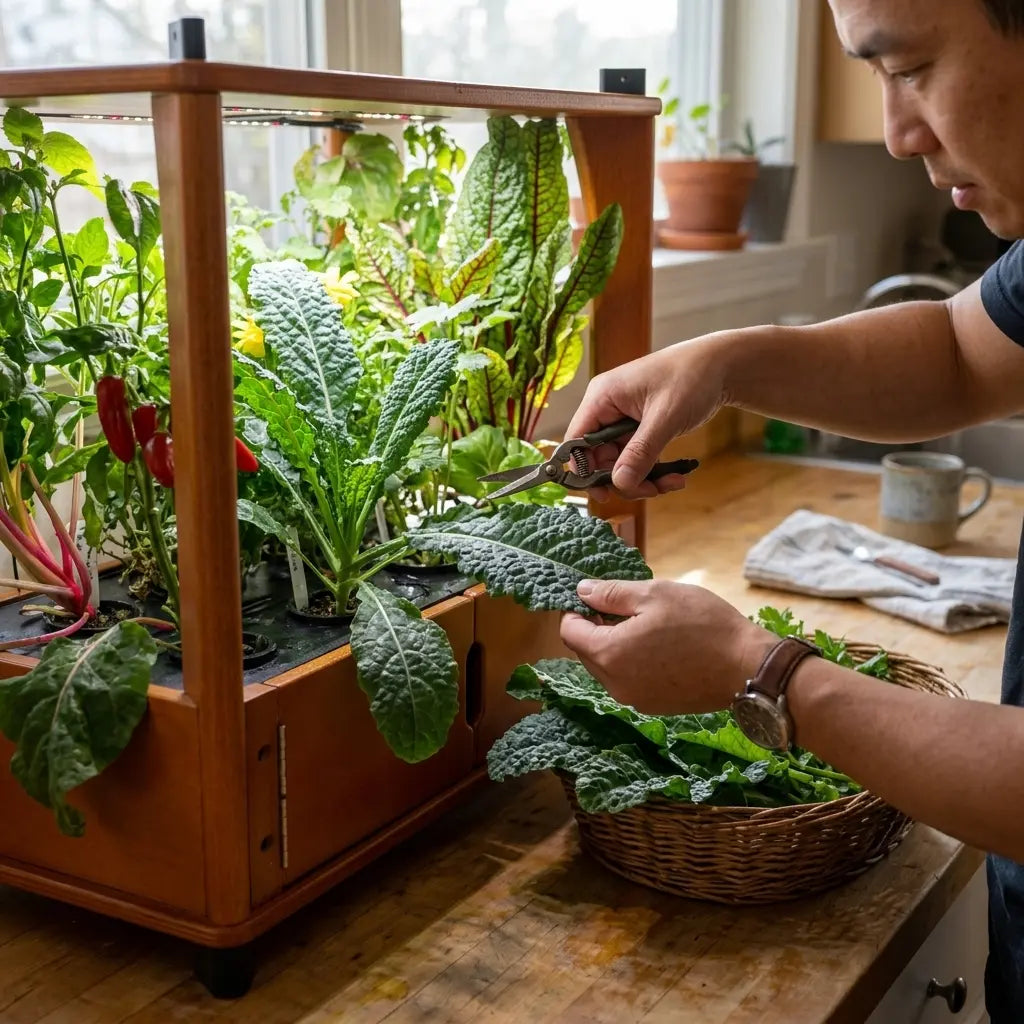
You know what’s in it. No pesticides, no synthetic fertilizers, no post-harvest treatments. The Aquager grow setup uses organic coco coir growing medium and no chemical inputs.
For more detail on growing cat grass from seed, see our dedicated guide on why your cat needs fresh wheatgrass.
Cat Grass vs. Catnip — What’s the Difference?
These are two completely different plants with completely different effects on cats, and it’s worth understanding both.
Cat grass is typically wheatgrass (Triticum aestivum) or other cereal grasses. It has a digestive function — cats eat it for the physiological reasons described above. Most cats will eat cat grass calmly, as they would eat any plant. There’s no behavioral response. It’s maintenance, not entertainment.
Catnip (Nepeta cataria) triggers a neurological response in approximately 50–70% of cats (the response is genetic — not all cats have it). The active compound, nepetalactone, binds to receptors in the cat’s olfactory system and triggers a short-lived euphoric response: rolling, rubbing, vocalizing, and generally acting like the cat has briefly lost its mind. The effect lasts 5–15 minutes and then the cat becomes temporarily immune to catnip for about 30 minutes.
The key distinction: cat grass is eaten for digestive function and is calming. Catnip is smelled and rubbed in for neurological stimulation and is exciting and temporary.
They serve completely different purposes. A well-provisioned indoor cat benefits from having both: cat grass for ongoing digestive health, catnip for enrichment and play.
How to Grow Cat Grass at Home in 7 Days
Cat grass is one of the fastest and simplest things you can grow. The process is nearly identical to growing microgreens.
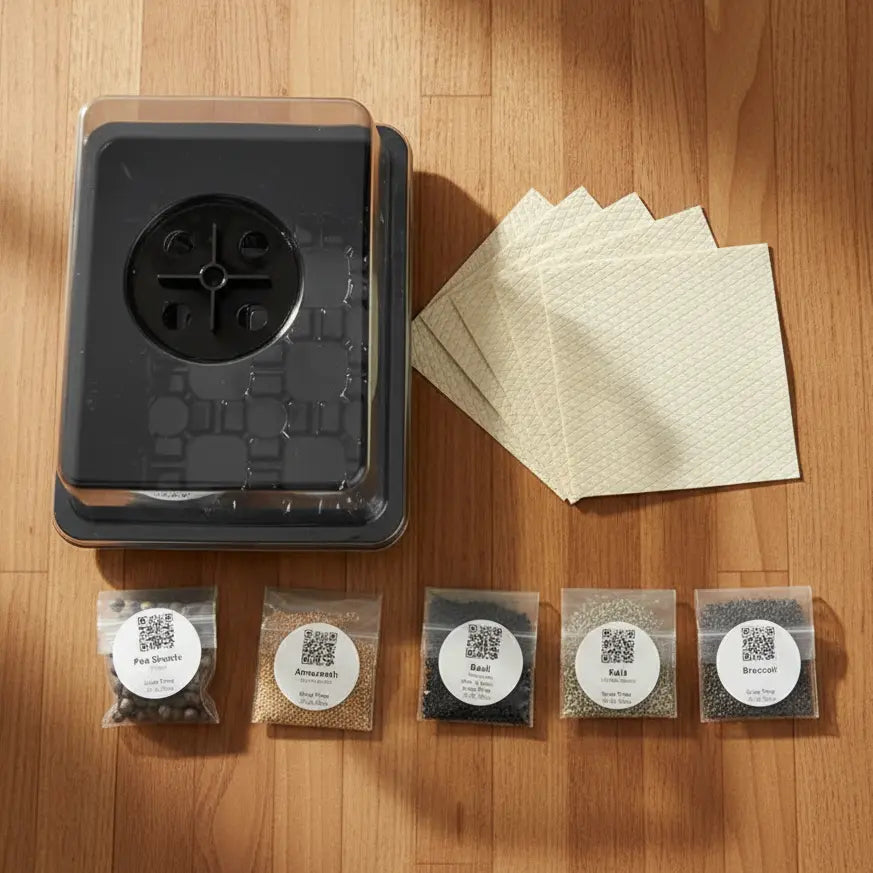
What you need: Cat grass seeds (wheatgrass), a growing tray with humidity dome, and an organic coco coir grow mat.
Day 1. Wet the grow mat. Scatter Wheatgrass Cat Grass seeds evenly and densely across the surface. Cover with the humidity dome and place in a dark, room-temperature spot.
Days 2–3. Check moisture daily. By Day 2, seeds will begin splitting and showing white root tips.
Day 4. Move the tray to a bright windowsill. Remove the dome. The pale shoots will begin greening up within 24 hours.
Days 5–7. The cat grass grows rapidly — you’ll see noticeable height gain each day. By Day 7, the grass should be 3–5 inches tall, vibrant green, and fully ready.
Offering it. Place the tray directly on the floor or at cat height. Most cats will find it immediately. Monitor the first few sessions — your cat may eat eagerly and vomit shortly after. This is normal and expected, especially the first few times. It means the grass is doing its job.
Rotation. Start a new tray every 5–7 days so there’s always fresh grass available. One tray supports a single cat for about a week.
The Two Things Every Indoor Cat Needs
For cat grass: The Grab & Grow Pre-Seeded Starter Kit — Cat Grass variant is $39.99 and the simplest possible starting point. Seeds are already embedded in the growing medium — add water and set in a window. No seeding step, no setup, just add water. Ready in 7 days.
For those who prefer to grow from scratch with reusable equipment, the Wheatgrass Cat Grass Microgreens Seeds are $3.99 and include an organic grow mat. Pair with the Microgreens Starter Kit for a reusable setup that runs multiple tray cycles.
For catnip: Catnip seeds are $8.99 for a 4-pack of hydroponic pre-seeded pods. Catnip grows as a perennial — plant it once in the Aquager farm or a standard pot on a sunny windowsill and it keeps producing. Fresh catnip is significantly more potent than dried store catnip.
Frequently Asked Questions
Is cat grass safe for all cats?
Yes — cat grass (wheatgrass) is safe for virtually all cats. The only exception is cats with wheat or grain allergies, which are rare. If your cat has a history of food sensitivities, consult your vet before introducing cat grass.
Why does my cat vomit after eating grass? Is that bad?
No — this is the intended effect for many cats. The grass stimulates regurgitation that clears hairballs and indigestible material from the stomach. It’s normal, expected, and healthy. If your cat vomits blood, continues vomiting repeatedly, or shows signs of distress beyond a single episode, contact your vet.
My cat doesn’t seem interested in the grass. What’s wrong?
Some cats take a few days to discover and accept new items in their environment. Try offering the grass at different times of day, or try moving the tray to different locations. Some cats need to watch another cat using it before they engage. Also ensure the grass is fresh — wilted or yellowing grass isn’t attractive to cats.
Does catnip affect all cats?
No — approximately 50–70% of cats carry the genetic receptor that responds to nepetalactone. Kittens under six months and some adult cats don’t respond at all. If your cat ignores catnip, they simply don’t have the receptor. Cat grass, however, works for nearly all cats regardless of genetics.
How often should I replace the cat grass tray?
A fresh tray every 5–7 days is ideal for one cat. Once the grass turns yellow or brown, or begins to look sparse, start a new tray. Running two trays staggered by a few days means there’s always fresh grass available.
The Simplest Thing You Can Do for Your Indoor Cat
Indoor cats live healthier, longer lives — but they trade access to natural enrichment and resources for the safety of an indoor environment. Cat grass is one of the easiest things you can restore.
A fresh tray takes 7 days to grow and costs less than a bag of cat treats. A catnip plant in the window costs even less and produces for months. Together, they address the two most common forms of plant-based enrichment that indoor cats are missing: digestive support and neurological stimulation.
Start with the Grab & Grow Cat Grass Kit for the most immediate result, and add Catnip seeds for the next layer. Your cat will tell you how much they needed it.
Author: Aquager Team · Published: May 30, 2026 · Updated: August 8, 2026 · Reviewed: August 8, 2026 (Phase 2)













0 comments