
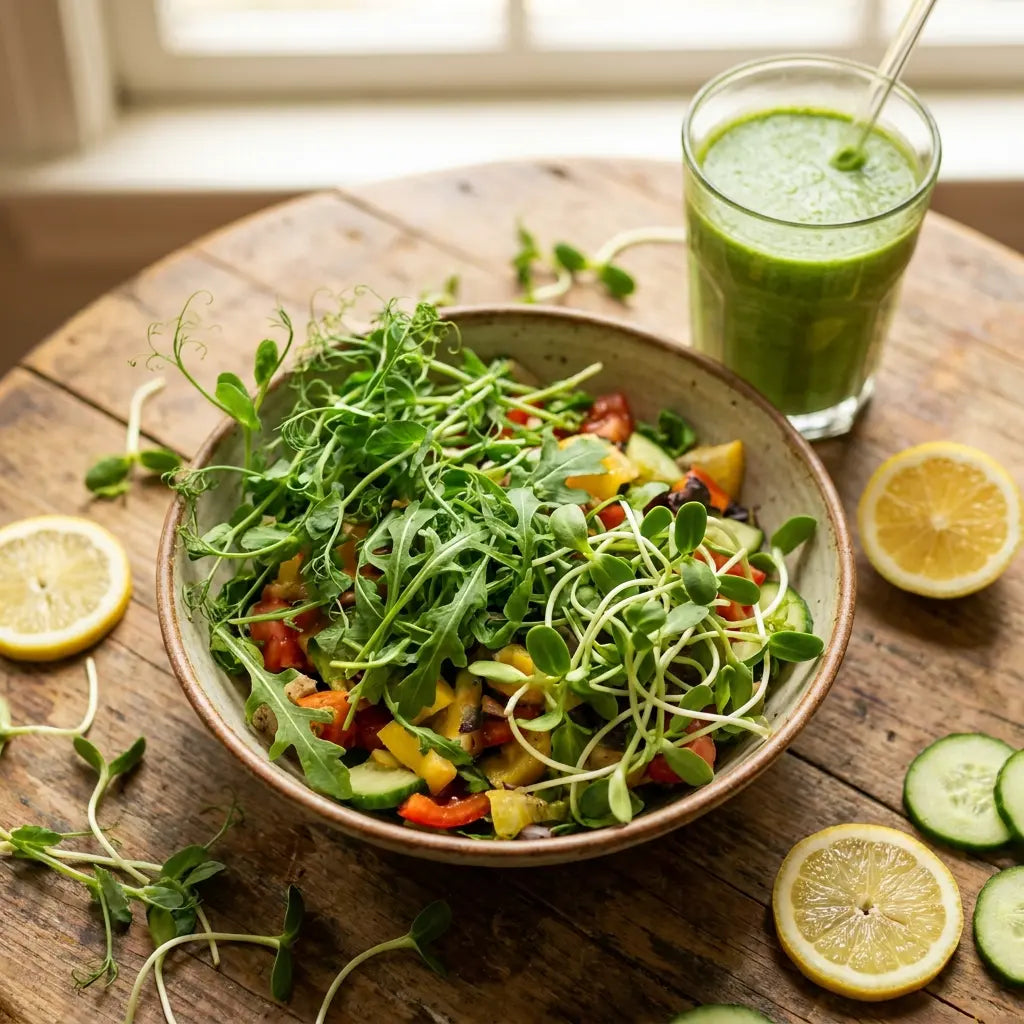
Summer is the season of color, flavor, and eating as fresh as possible. And if you've been adding microgreens to your cooking, summer is when they really earn their place: their concentrated flavors cut right through a simple salad, brighten up smoothies, and make every dish taste genuinely alive.
The problem most people run into is variety fatigue. You get comfortable with one type of microgreen, repeat it every week, and suddenly the novelty is gone. Summer salads deserve better than that.
This guide covers the 6 best microgreens for summer salads and summer salad recipes, with a specific flavor note and at least one dish idea for each variety. Whether you're already growing or just starting out, you'll find something worth trying here.
Why Summer Is Peak Microgreens Season
Microgreens don't ask much of summer. No garden bed, no outdoor space, no full sun required. What they do benefit from is warmer indoor temperatures that speed up germination and the natural light abundance that comes with longer days.
From a culinary standpoint, summer produce is peak microgreens territory. Watermelon, peaches, tomatoes, avocado, cucumber: every summer staple benefits from something green and intensely flavored on top. And because most summer dishes are served raw or lightly dressed, microgreens deliver their full flavor profile without being cooked away.
The other advantage: summer is when smoothies shift from a once-in-a-while thing to a daily habit. Microgreens blend easily into fruit-based smoothies, adding chlorophyll, vitamins, and plant-based nutrition without dramatically changing the flavor.
The 6 Best Microgreens for Summer Salads and Smoothies
1. Pea Shoots: Sweet, Bright, and Endlessly Versatile
Pea shoots taste exactly like fresh garden peas: sweet, clean, and unmistakably fresh. They're one of the mildest microgreens available, which makes them easy to incorporate into almost any dish without competing with other flavors.
Flavor: Sweet, clean, slightly vegetal, like the inside of a sugar snap pea.
Best summer use: Toss a generous handful onto a grilled peach and burrata salad, or blend into a cold coconut water and mint smoothie. They work beautifully as a base under sliced strawberries with a balsamic drizzle: the sweetness of both ingredients plays off each other perfectly.
Grow your own with the Pea Shoots microgreens kit, one of the fastest-growing varieties and consistently one of the largest harvests you'll get from a single tray.
2. Sunflower Microgreens: Nutty, Hearty, and Filling
Sunflower microgreens have a rich, nutty flavor that makes summer salad recipes feel genuinely satisfying rather than just a side dish. They're thicker than most microgreens, with a satisfying crunch that holds up even after dressing.
Flavor: Nutty, slightly sweet, reminiscent of sunflower seeds, but fresher and more complex.
Best summer use: Use as the base green for a grain-free summer bowl with sliced avocado, cucumber ribbons, and a tahini-lemon dressing. They're also an excellent topping for cold soba noodles or a filling add-in for a protein smoothie with frozen banana and almond butter.
The Sunflower microgreens kit produces a dense, impressive harvest, and the thick stems make them easy to harvest cleanly with kitchen scissors.
3. Arugula Microgreens: Peppery, Bold, and Full of Personality
Arugula microgreens deliver the same sharp, peppery punch as full-grown arugula, but in a more tender, delicate form. They're not subtle, which is exactly why they're so effective in summer cooking, where dishes can taste flat without a contrasting edge.
Flavor: Peppery, slightly bitter, assertive: the kind of contrast that makes a bowl come alive.
Best summer use: Top a watermelon and feta salad with arugula microgreens for a combination that's impossible to improve on: sweet, salty, and peppery in every bite. Or stir into cold tomato gazpacho just before serving for an herbaceous finish that usually takes fresh basil or parsley to achieve.
Grow your own with the Arugula microgreens kit, they germinate fast and consistently, with a first harvest ready in 7 to 10 days.
4. Cilantro Microgreens: Citrusy, Herbal, and Surprisingly Clean
Cilantro microgreens taste like cilantro at its best, without the sharp, soapy note that puts some people off the full herb. The flavor is more citrusy, cleaner, and genuinely more pleasant across a wider range of uses.
Flavor: Bright citrus, herbal, lightly floral: fresh and clean rather than sharp.
Best summer use: Layer into a mango and black bean salad, or use as the herb component on grilled fish tacos with a summer salsa. For a smoothie, a small handful in a pineapple and citrus blend adds herbal complexity that makes it taste far more interesting than a standard tropical smoothie.
The Cilantro microgreens kit takes about 12 to 14 days to harvest, a little longer than most, but worth the wait for the flavor.
5. Clover Microgreens: Mild, Delicate, and Always Reliable
Clover microgreens are the workhorses of the microgreens world. Their flavor is mild and slightly grassy: nothing dramatic, but exactly right when you want fresh green flavor without anything competing for attention.
Flavor: Mild, clean, faintly sweet: a background note that supports everything around it.
Best summer use: Use as a base for a simple cucumber and herb salad with rice wine vinegar and sesame oil, or blend into a green smoothie where you want the nutrition without changing the flavor profile. They're also a beautiful topping for avocado toast when you want something that looks impressive and tastes fresh without complicating the dish.
The Clover microgreens kit is one of the easiest varieties to grow consistently, a reliable choice if you're building your first multi-tray rotation.
6. Kale Microgreens: Earthy, Nutritious, and Surprisingly Tender
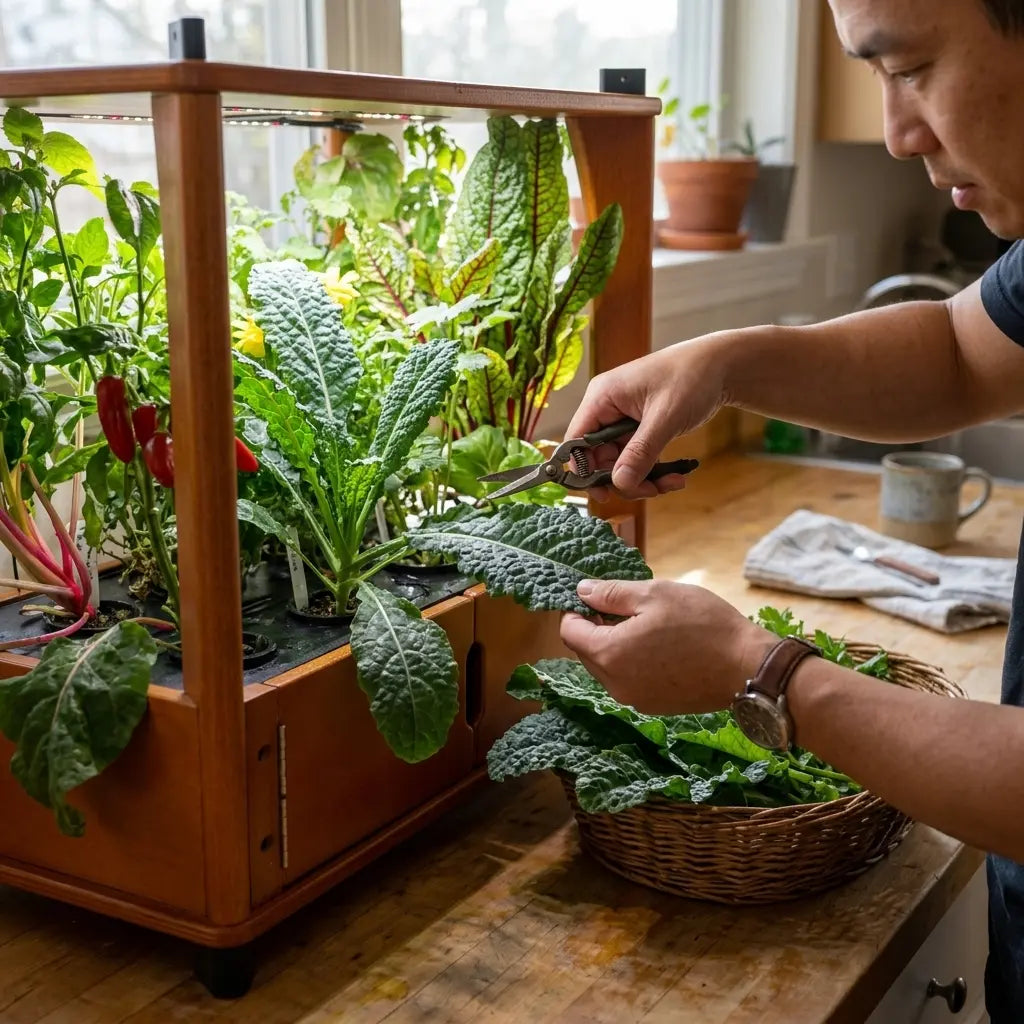
Full-grown kale can be tough and bitter raw. Kale microgreens are neither. At the microgreen stage, they're tender, mild, and earthy in a way that works beautifully in both salads and smoothies: no massaging, no blanching required.
Flavor: Earthy, lightly brassica, mild: the green depth you expect from kale without the bitterness.
Best summer use: Blend into a summer green smoothie with frozen mango, fresh ginger, and cucumber for a base that's genuinely nutritious and tastes intentional. Or toss with a lemon-herb vinaigrette alongside roasted beets and toasted walnuts for a summer salad that holds up well as a full meal.
The Kale Kalefetti Mix microgreens kit grows a beautiful blend of red and green kale microgreens that adds visible color contrast to any dish.
Build Your Summer Microgreens Garden
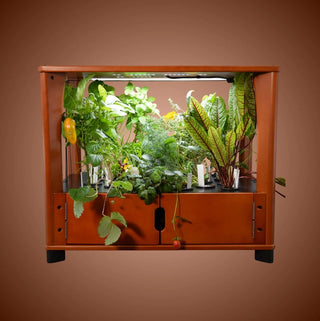
The best part about growing microgreens in summer is that you don't have to pick just one variety. A few trays on rotation means you always have something ready to harvest: pea shoots one week, sunflower the next, cilantro and arugula running alongside each other when the timing overlaps.
If you're new to growing, start with our guide to microgreens for beginners for a full overview of the basics. If you've grown a tray or two and want to know which varieties come in fastest, the fastest-growing microgreens guide will help you plan your rotation. And if you're thinking about summer growing conditions specifically, see which varieties hold up best in heat.
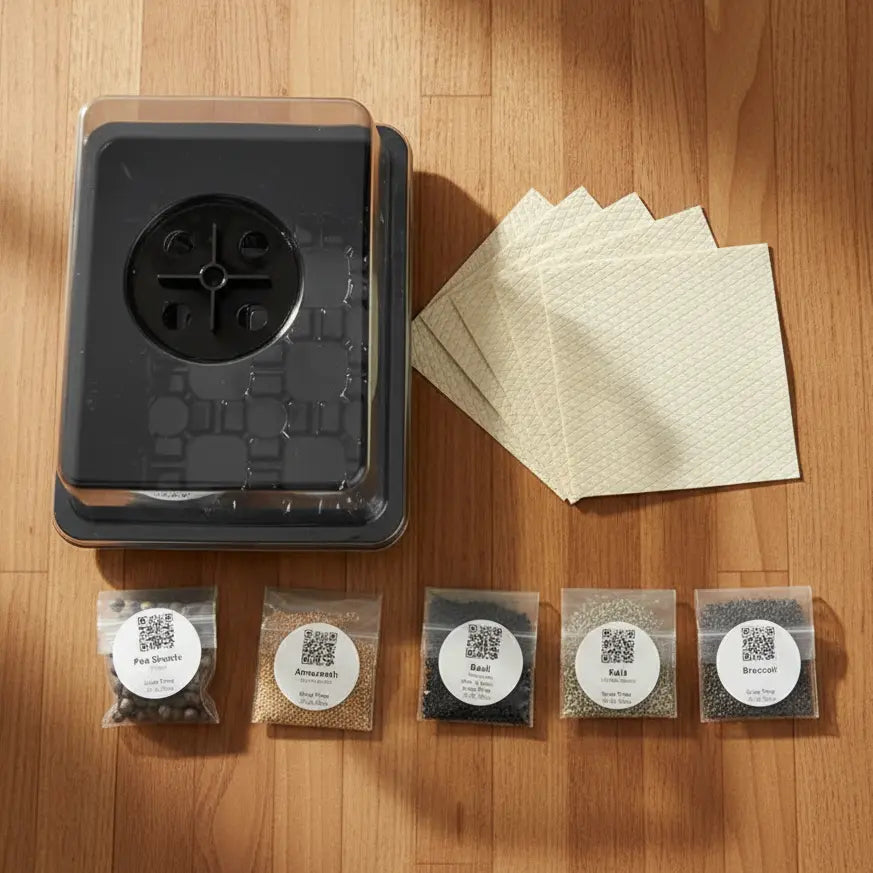
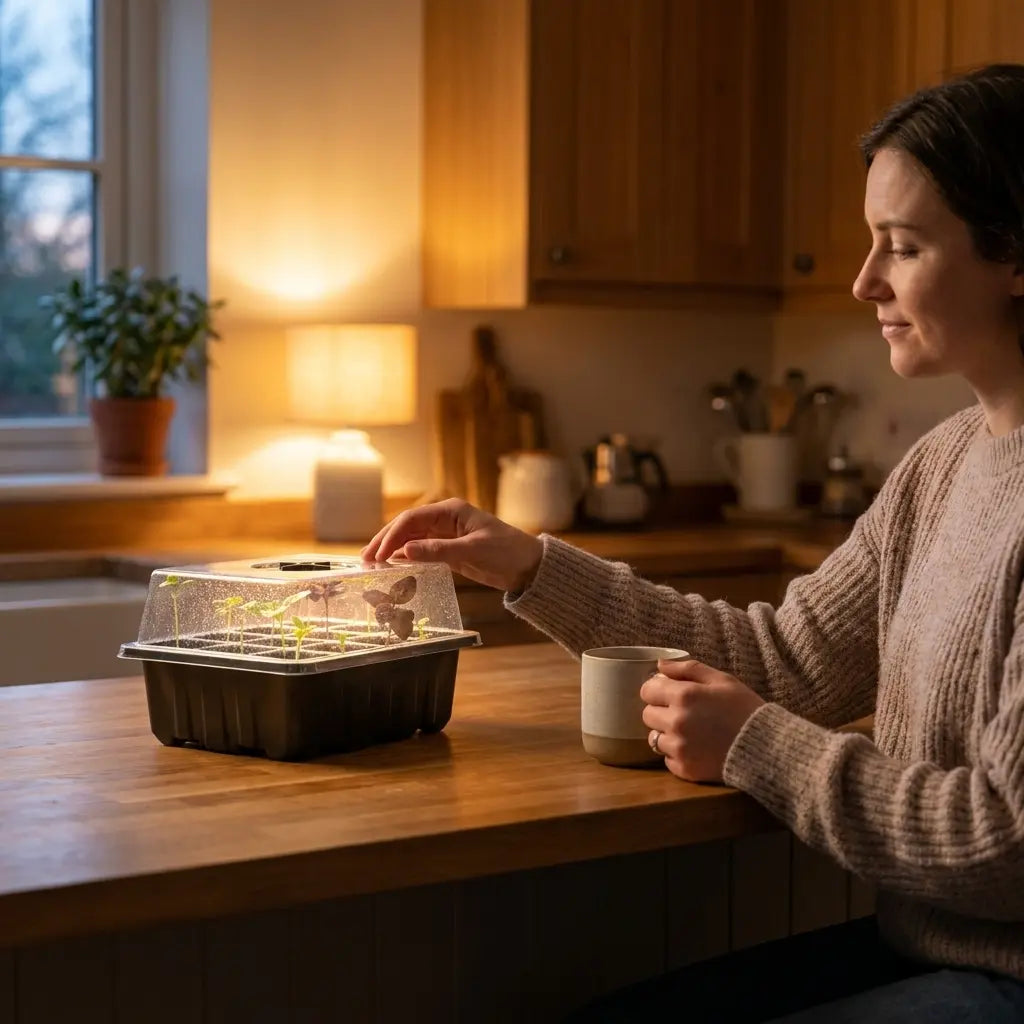
To get started, you need a shallow tray, a grow medium that holds moisture correctly, and a dome to control humidity during germination. Get those three basics right and the seeds practically grow themselves.
The Microgreens Starter Kit has everything in one box: tray, dome, and grow mat, so you can start your first tray the same day it arrives. Each of the six variety kits above is designed to work directly with it.
Frequently Asked Questions
Can I put microgreens in smoothies?
Yes, and they work better than most people expect. Varieties like pea shoots, kale, and clover are mild enough to blend into fruit-based smoothies without changing the flavor noticeably. They add concentrated chlorophyll, vitamins, and minerals. Start with a small handful and increase from there.
Which microgreens are sweetest for summer salads?
Pea shoots are the mildest and sweetest of the commonly grown varieties. Sunflower microgreens have a nutty sweetness as well. Clover is clean and neutral. If you want contrast rather than sweetness, arugula's pepper or cilantro's citrus note adds the kind of edge that makes summer salad recipes more interesting.
How long do microgreens take to grow?
Most varieties are ready in 7 to 14 days from seeding. Pea shoots and arugula are on the faster end at 7 to 10 days. Sunflower and cilantro take 10 to 14 days. Staggering multiple trays means you always have something finishing when the last harvest runs out.
Do I need special equipment to grow microgreens?
You need a shallow tray, a grow medium, and seeds. A humidity dome makes a significant difference during germination. A Microgreens Starter Kit has everything in one order so you don't have to piece it together separately.
How do I store harvested microgreens?
Harvest just before using whenever possible, that's when flavor is at its peak. If you need to store them, wrap loosely in a dry paper towel, place in an airtight container, and refrigerate for up to 5 days. Don't wash before storing; moisture accelerates wilting.
Your Summer Cooking Just Got More Interesting
Six varieties, six distinct flavor profiles, and a whole season of peak summer produce to pair them with. Summer salads don't have to follow the same template every week: rotating through pea shoots, sunflower, arugula, cilantro, clover, and kale microgreens keeps every bowl different and the nutrition genuinely varied.
If you're already growing one variety, adding a second tray costs almost nothing and opens up a completely different set of dish options. If you're just starting, growing your own means the freshest possible result: microgreens that go from tray to bowl in under an hour taste completely different from anything pre-packaged.
Start with the Microgreens Starter Kit and pick two or three variety kits above to run in parallel. By week two, you'll have a rotation going, and your summer salads will show it.
Author: Aquager Team · Published: May 27, 2026 · Updated: August 8, 2026 · Reviewed: August 8, 2026 (Phase 2)












0 comments