
Dill usually gets treated as a garnish, the feathery green sprig on top of a pickle jar or a plate of salmon. That undersells it badly.
The dill benefits that matter go back thousands of years, well before anyone was using it to top a bagel. Ancient physicians reached for dill specifically for digestive complaints, and modern nutrition data backs up at least part of that reputation, including a calcium content that catches most people off guard for a leafy herb.
This guide covers what dill actually does, what its long medicinal history gets right, and how to get more of it into your kitchen beyond a pickle spear.
By the end, you will know why dill has held onto its digestive reputation for millennia, what its nutrition profile actually offers, and how fresher dill changes both the flavor and the benefit you get from it.
Dill's Long History as a Digestive Remedy
Dill has one of the longer medicinal track records of any kitchen herb. Records of its use for digestive complaints stretch back to ancient Egypt and later Greek and Roman medicine, where it was recommended for upset stomachs, gas, and general digestive discomfort.
That history is not just folklore. Dill contains compounds, including flavonoids and volatile oils like carvone and limonene, that have been studied for their effect on digestive muscle activity. Some research suggests these compounds may help relax the digestive tract, which lines up with centuries of traditional use for bloating and cramping.
Dill seed, in particular, has the strongest traditional association with digestion. It is where the word "dill" itself likely comes from, tracing back to an old Norse word meaning to soothe or lull, a fitting origin for an herb used to calm an upset stomach.
That soothing reputation shows up in one specific, well-known application: dill water, a preparation given to infants for generations to ease colic and gas. Versions of it are still sold today, and while modern pediatric guidance varies on infant use specifically, the underlying idea, that dill relaxes digestive discomfort, has stuck around across cultures and centuries for a reason.
Herbalists have also traditionally used dill tea, made by steeping fresh or dried fronds, as a milder everyday version of the same remedy for adults dealing with bloating after a heavy meal. It is a low-effort way to use dill beyond the kitchen without needing a concentrated extract or supplement.
As with most traditional remedies, most of the modern research is preliminary, done in small studies or in labs rather than large clinical trials. Dill is not a substitute for medical treatment, but the benefits of dill herb as a digestive aid are supported by both a long history and a growing, if still early, body of research.
Dill's Surprisingly High Calcium Content
Ask someone to name a calcium-rich food and dill is not going to come up. It should.
Fresh dill nutrition punches well above its weight for a leafy herb. A small amount contributes meaningfully to several nutrients relative to how little of it you typically eat:
- Calcium, at a level that is unusually high for a leafy garnish herb, comparable ounce for ounce to some dairy products.
- Vitamin C, supporting immune function and antioxidant activity.
- Vitamin A, important for eye health and immune function.
- Manganese and iron, both involved in metabolism and oxygen transport in smaller supporting amounts.
Since dill is eaten in small quantities as a garnish or seasoning rather than a full serving of greens, its per-ounce nutrient density matters more than it would for a food eaten in bulk.
Calcium plays an obvious role in bone health, but it is also involved in muscle function, nerve signaling, and blood clotting. Most people associate calcium almost exclusively with dairy, which makes an unexpected source like an herb worth pointing out, especially for anyone eating less dairy than they used to.
Dill will not replace a glass of milk on its own. What it does is stack small nutritional wins on top of a food most people already reach for, which is a better deal than it sounds.
This is also a case where using dill generously rather than sparingly pays off. A hearty handful of fresh fronds stirred into a sauce or salad delivers meaningfully more of these nutrients than the token pinch most recipes call for, without changing the dish's calorie count in any real way.
Other Everyday Benefits: Anti-Inflammatory Compounds and Fresh Flavor
Beyond digestion and calcium, dill carries a handful of other benefits worth knowing about. Its flavonoids and essential oils have been studied for mild anti-inflammatory activity, in line with many culinary herbs that carry these compounds.
Dill also has some traditional use as a mild antimicrobial and has been studied in a few small trials for supporting healthy blood sugar levels, though this research is early and should not be read as a treatment recommendation.
Some of the same volatile oils responsible for dill's aroma, particularly carvone, have also shown antimicrobial activity against certain bacteria in lab settings. It is one more thread connecting dill's kitchen role to its older reputation as more than just a seasoning, even though none of this makes it a replacement for medical care.
Then there is the dill flavor itself, which is reason enough on its own. Dill brings a bright, slightly grassy, faintly anise-like taste that lifts heavier dishes like potato salad, creamy sauces, and fatty fish without adding real calories or sodium.
That flavor profile is also why dill shows up so often in dishes built around digestion-friendly ingredients, like yogurt-based dips and pickled vegetables, a pairing that may not be an accident given its traditional digestive reputation.
Dill also pairs unusually well with acidic ingredients like lemon and vinegar, which is part of why it shows up so consistently in pickling brines and vinaigrettes. The herb's bright, slightly sweet edge softens the sharpness of the acid, which is a big part of why the combination has stuck around in cuisines from Scandinavia to the Eastern Mediterranean for so long.
How to Get More Fresh Dill Into Your Diet
Dried dill loses aroma fast, so the difference between fresh dill and the jar in most spice racks is bigger than with sturdier herbs like oregano or thyme. Growing your own solves that gap directly.
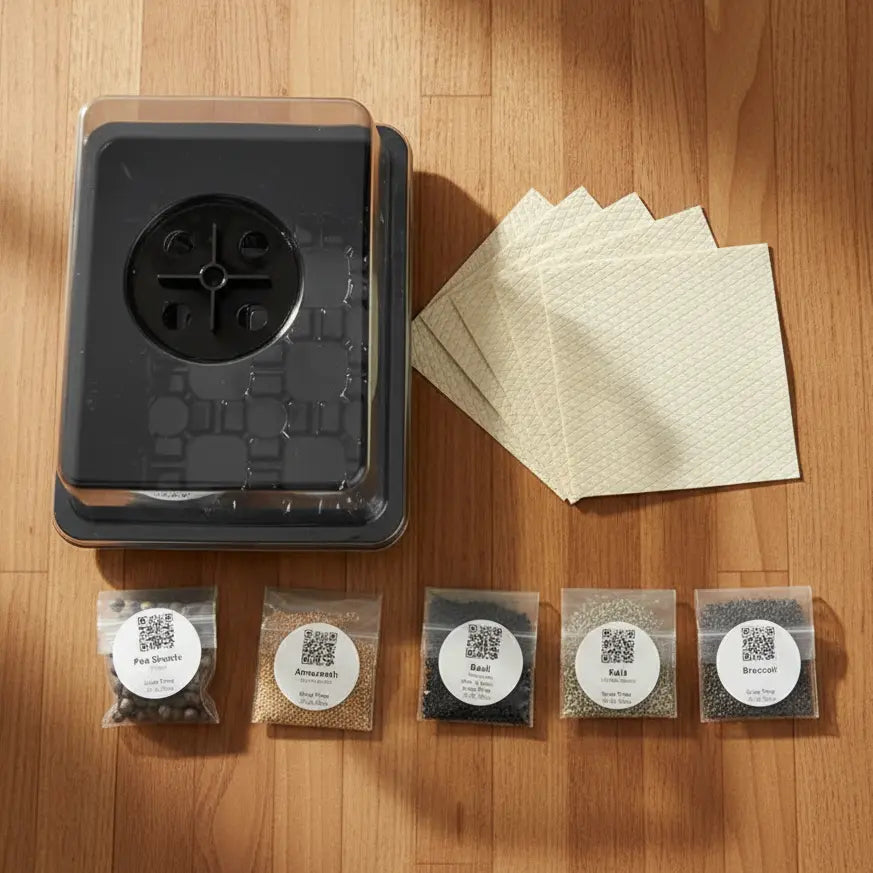
Starting with Dill (Ella) Seeds gives you a steady supply of fronds to snip as needed, which matters since dill's volatile oils, the same compounds tied to its digestive and flavor benefits, begin fading almost immediately after cutting.
Dill is also one of the easiest herbs to grow indoors, with fast germination and minimal care once it gets going, so there is little tradeoff for growing it yourself instead of buying it dried.
Dill germinates faster than many kitchen herbs, often showing sprouts within a week under the right conditions, and it prefers consistent moisture and plenty of light rather than anything complicated. Because it grows tall and a bit feathery, giving it some space and, once established, a light support like a small stake keeps it from flopping over as it matures.
Unlike woody herbs that keep producing for months, dill has a shorter productive window before it bolts and goes to seed, especially once the weather warms or the light gets strong and consistent. Succession planting, starting a new batch every few weeks, keeps a steady supply of fresh fronds instead of one big flush followed by a gap.

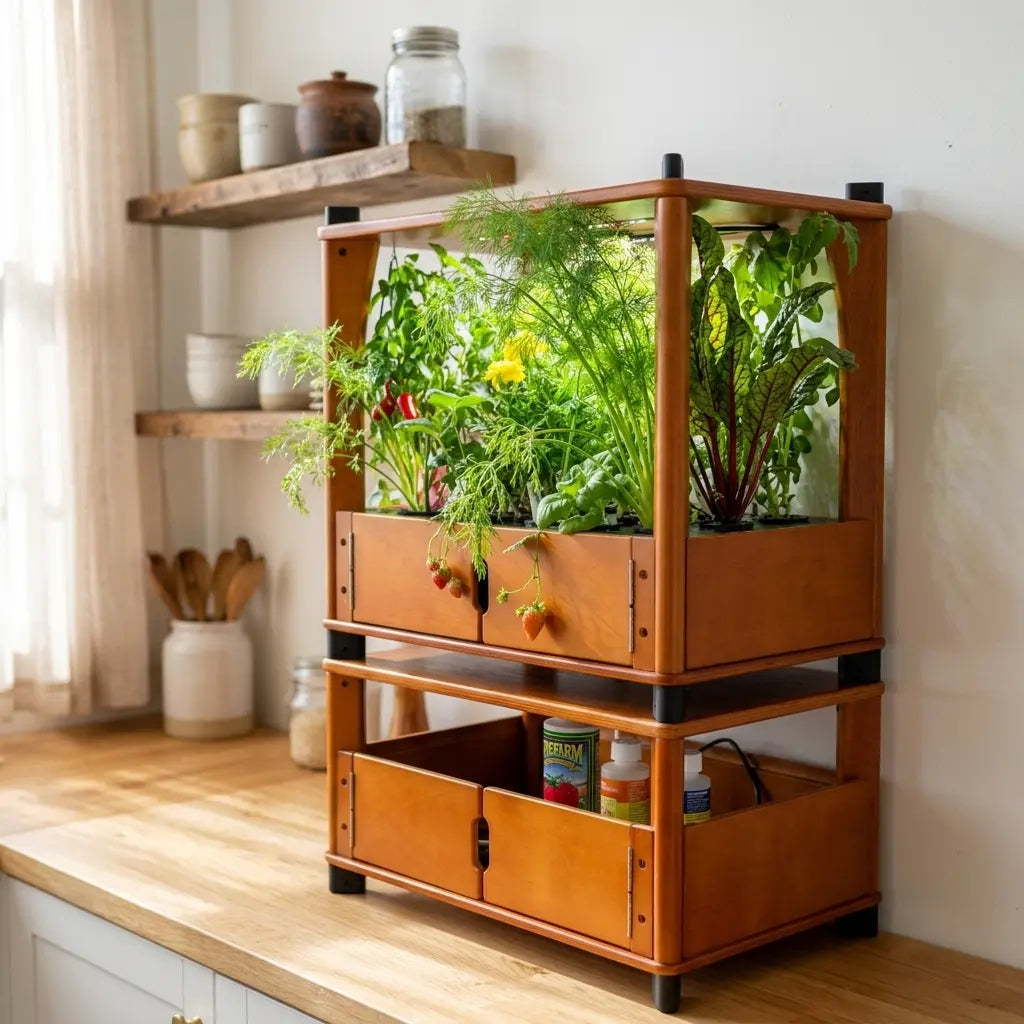
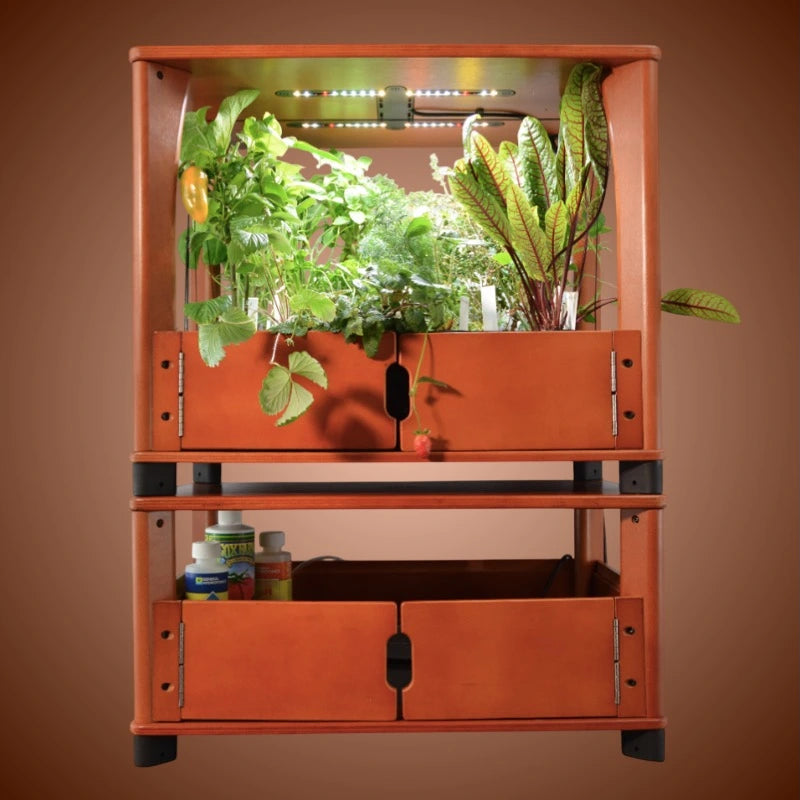
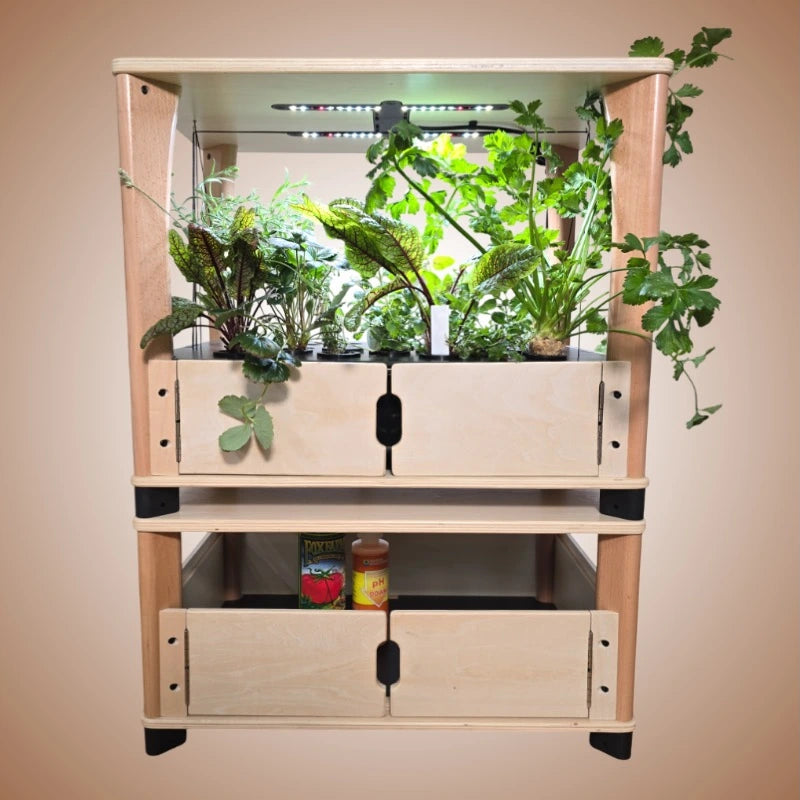
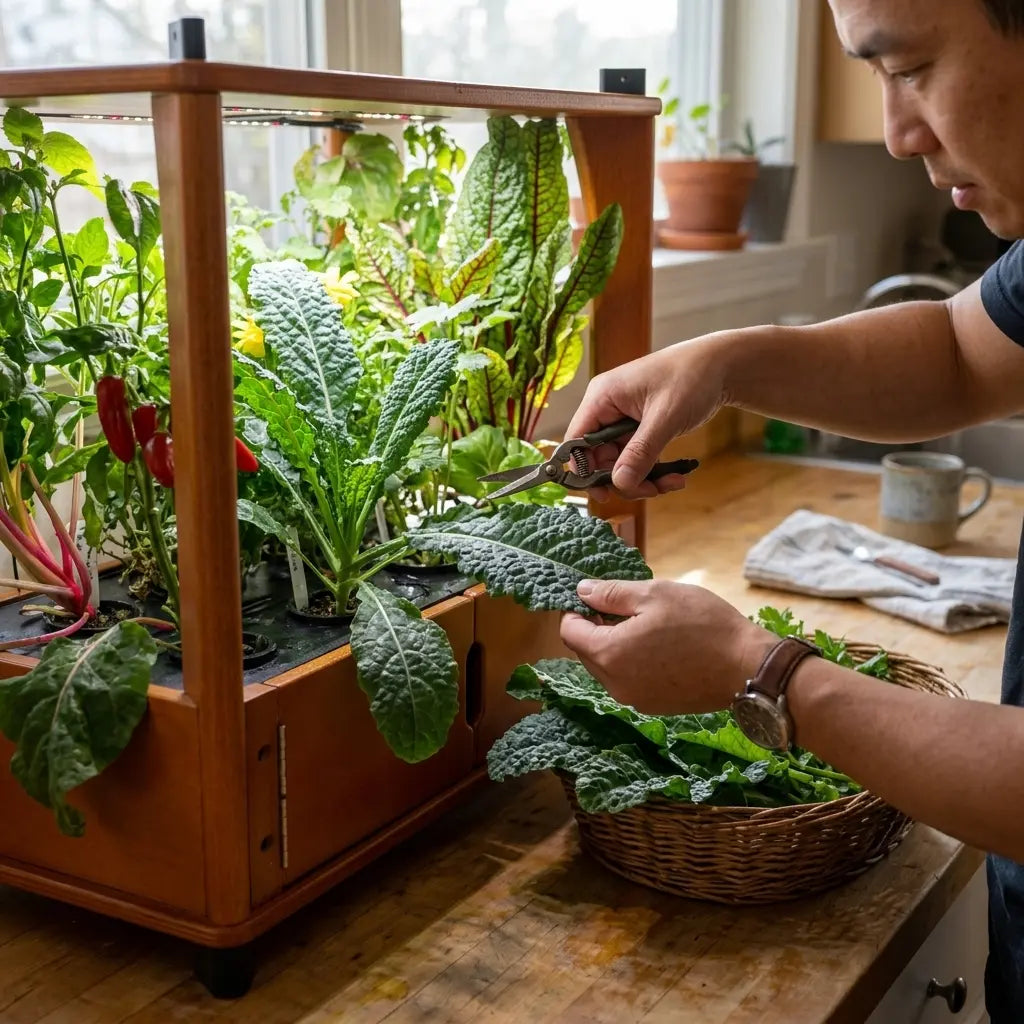
A hydroponic setup like the Aquager Hydroponic Home Farm keeps a dill plant productive for months, since consistent light and water encourage steady new growth instead of one big harvest that fades fast. If you are new to hydroponics, this beginner's setup guide covers what you need to get started.
Why Growing Your Own Dill Beats the Spice Rack
Dill loses potency faster than almost any other common kitchen herb once it is cut or dried. The volatile oils responsible for both its flavor and much of its traditional digestive benefit start degrading within days of harvest, which means a dried jar that has been sitting for months is delivering a fraction of what fresh dill offers.
Growing your own means you are cutting dill minutes before it hits the plate, not weeks or months before it reached a store shelf. That timing difference matters more for dill than for hardier herbs like rosemary or oregano, which hold their potency much longer after drying. Dill does have a few quirks worth knowing before you start, especially around transplanting, so our complete guide to growing dill indoors is worth a look before you sow the first seed.
It also solves the practical problem of having fresh dill on hand exactly when a recipe calls for it, rather than making a special grocery trip for a bunch you will only partly use.
There is a cost side to this too. A single dill plant produces far more fronds over its productive window than most households buy fresh in a single grocery bunch, and that bunch typically costs more per ounce than a seed packet that keeps producing for weeks.
Dill Benefits FAQ
Is dill actually good for digestion?
Dill has been used for digestive complaints for thousands of years, and modern research on its flavonoids and volatile oils offers early support for that traditional use. It is a helpful addition to a healthy diet, not a treatment for digestive conditions.
How much calcium does dill actually have?
Fresh dill contains a meaningful amount of calcium for a leafy herb, more than most people expect. Since it is eaten in small amounts, it works best as one contributor among several calcium-rich foods rather than a primary source.
Is dill seed different from dill weed?
Yes. Dill weed refers to the feathery leaves and stems, with a fresh, bright flavor, while dill seed is the dried fruit of the plant, with a stronger, slightly bitter, caraway-like taste. Dill seed has the longer traditional association with digestive remedies.
Does cooking destroy dill's benefits?
Heat reduces some of dill's volatile oil content, which is why it is often added at the end of cooking or used fresh entirely. For both flavor and nutritional benefit, adding fresh dill just before serving preserves the most.
Can I use dill every day?
Using dill regularly as a culinary herb is considered safe for most people. As with any herb used in larger, concentrated amounts or supplement form, it is worth checking with a doctor if you are pregnant or on medication.
What foods pair well with dill for both flavor and digestion?
Yogurt-based dips, cucumber, salmon, and potatoes are classic pairings, and it is not a coincidence that several of these are foods people already associate with lighter, easier-to-digest meals. Dill's brightness also balances richer, fattier dishes without needing extra salt.
Why does store-bought dried dill taste so much weaker than fresh?
Dill's flavor and much of its benefit come from volatile oils that evaporate quickly once the plant is cut, faster than in sturdier herbs like oregano or rosemary. Dried dill on a shelf for months has lost a significant share of what made it worth using in the first place.
Conclusion
Dill deserves more credit than the garnish role it usually gets stuck with. The dill benefits worth knowing, a genuine digestive tradition backed by early research, a surprising calcium content, and a fresh flavor that makes healthy food taste better, hold up under a closer look.
Getting the most out of any of that starts with fresher dill than a spice jar can offer. Dill (Ella) Seeds paired with a setup that keeps the plant productive turns dill from an occasional garnish into a regular part of your cooking.
Fast germination, minimal care, and a flavor that fades quickly once cut make dill one of the clearest cases for growing your own instead of relying on a spice jar. A few minutes of setup buys weeks of fronds that are worth using generously, not rationing.

Author: Aquager Team · Published: July 10, 2026 · Updated: September 11, 2026














0 comments