
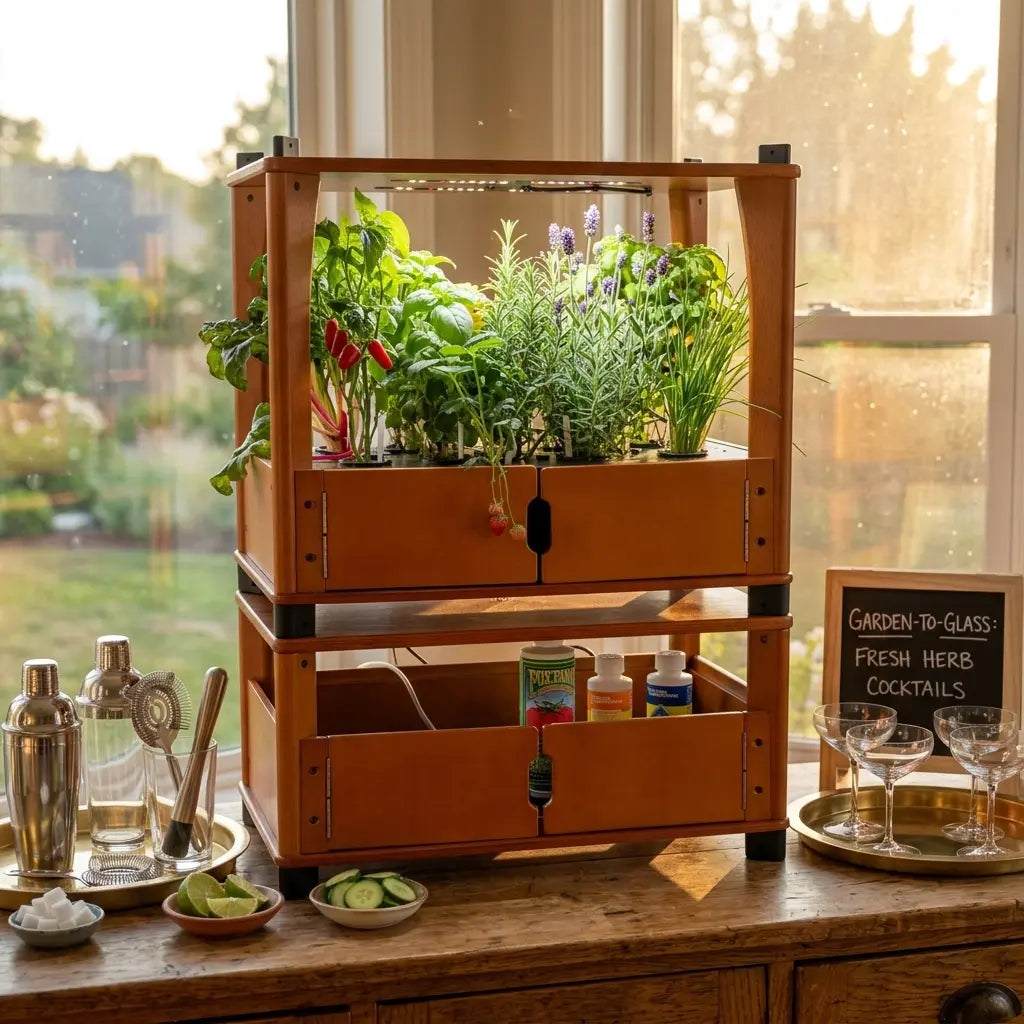
Fresh herbs are the simplest way to make a holiday dinner taste like someone cared. Rosemary and thyme on the turkey, sage in the stuffing, chives on the potatoes, parsley over everything at the end.
If you host more than one dinner this season, it helps to plan the herbs once instead of running to the store before every meal. This guide covers which herbs you need, when to plant each one for Thanksgiving, Christmas Eve, Christmas dinner, and New Year's Eve, and what is realistic if you are starting in October.
One honest note up front: herbs grown from seed take 50 to 90 days, so some of this year's dates have already passed. We show what you can still grow and where store-bought plants are the better call.
In this guide:
- Which herbs you need
- When to plant for each event
- What you can still harvest if you start now
- How to harvest and store herbs before a big dinner
- Whether growing holiday herbs is worth it
- How to grow herbs indoors without a sunny window
- Frequently asked questions
Which Herbs Do You Need for Holiday Entertaining?
Most holiday menus use the same six herbs: rosemary and thyme for roasts, sage for stuffing and brown butter, parsley as the finishing herb, chives for potatoes and eggs, and dill for smoked salmon. Growing all six from seed takes 50 to 90 days, so start with the herbs your menu uses most.

| Herb | Best for | Seed to harvest |
|---|---|---|
| Rosemary | Turkey, lamb, roasted potatoes | About 90 days |
| Thyme | Roasts, stuffing, gravy | About 60 days |
| Sage | Stuffing, brown butter | About 90 days |
| Parsley (Giant of Italy) | Finishing over every course | About 75 days |
| Chives | Mashed potatoes, eggs, salmon | About 50 days |
| Dill (Bouquet) | Smoked salmon, Christmas Eve starters | About 50 days |
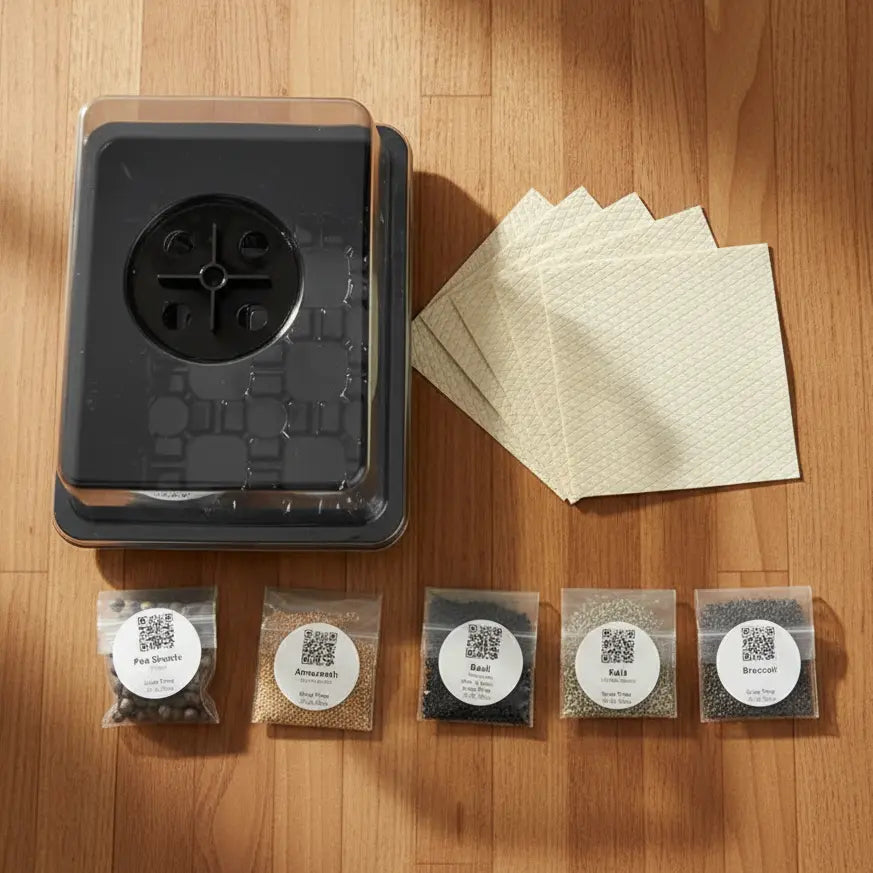
Each Aquager herb seed pack is $17.99 and includes 30 seeds and 12 compostable grow mats.
Sage and rosemary are the herbs to plan around, because they take the longest. For a closer look at how each one works in the dish, see our guides to stuffing herbs and Thanksgiving herbs from an indoor garden.
When Should You Plant Herbs for Each Holiday Event?
Count back from the dinner using each herb's grow time. For Christmas dinner on December 25, seed parsley by October 11, thyme by October 26, and chives and dill by November 5. Thanksgiving dates, and the rosemary and sage dates for every event, have already passed this year.
| Herb | Thanksgiving (Nov 26) | Christmas Eve (Dec 24) | Christmas (Dec 25) | New Year's Eve (Dec 31) |
|---|---|---|---|---|
| Rosemary | Aug 28 | Sep 25 | Sep 26 | Oct 2 |
| Sage | Aug 28 | Sep 25 | Sep 26 | Oct 2 |
| Parsley | Sep 12 | Oct 10 | Oct 11 | Oct 17 |
| Thyme | Sep 27 | Oct 25 | Oct 26 | Nov 1 |
| Chives | Oct 7 | Nov 4 | Nov 5 | Nov 11 |
| Dill | Oct 7 | Nov 4 | Nov 5 | Nov 11 |
These are seed-by dates for 2026. If a date has passed, buy a potted plant for that event and use the date to plan next year. Sprouting takes 7 to 14 days, and the grow times above run from seeding to first harvest.
What Can You Still Harvest If You Start Now?
If you seed on October 11, chives and dill are ready around November 30, thyme around December 10, and parsley around December 25. Rosemary and sage take until about January 9. That covers most of Christmas and all of New Year's Eve, but not Thanksgiving, rosemary, or sage.

| Event | Ready from seed started Oct 11 | Buy potted instead |
|---|---|---|
| Thanksgiving (Nov 26) | Nothing yet | Rosemary, thyme, sage, parsley, chives |
| Christmas Eve (Dec 24) | Chives, dill, thyme | Rosemary, sage, parsley |
| Christmas dinner (Dec 25) | Chives, dill, thyme, and a first light cut of parsley | Rosemary, sage |
| New Year's Eve (Dec 31) | Chives, dill, thyme, parsley | Rosemary, sage |
Hosting Hanukkah too? Chives and dill are ready by then, and our Hanukkah herb guide covers the menu night by night. For a table piece guests can snip from, see the living Christmas herb centerpiece and the Thanksgiving version.
How Do You Harvest and Store Herbs Before a Big Dinner?
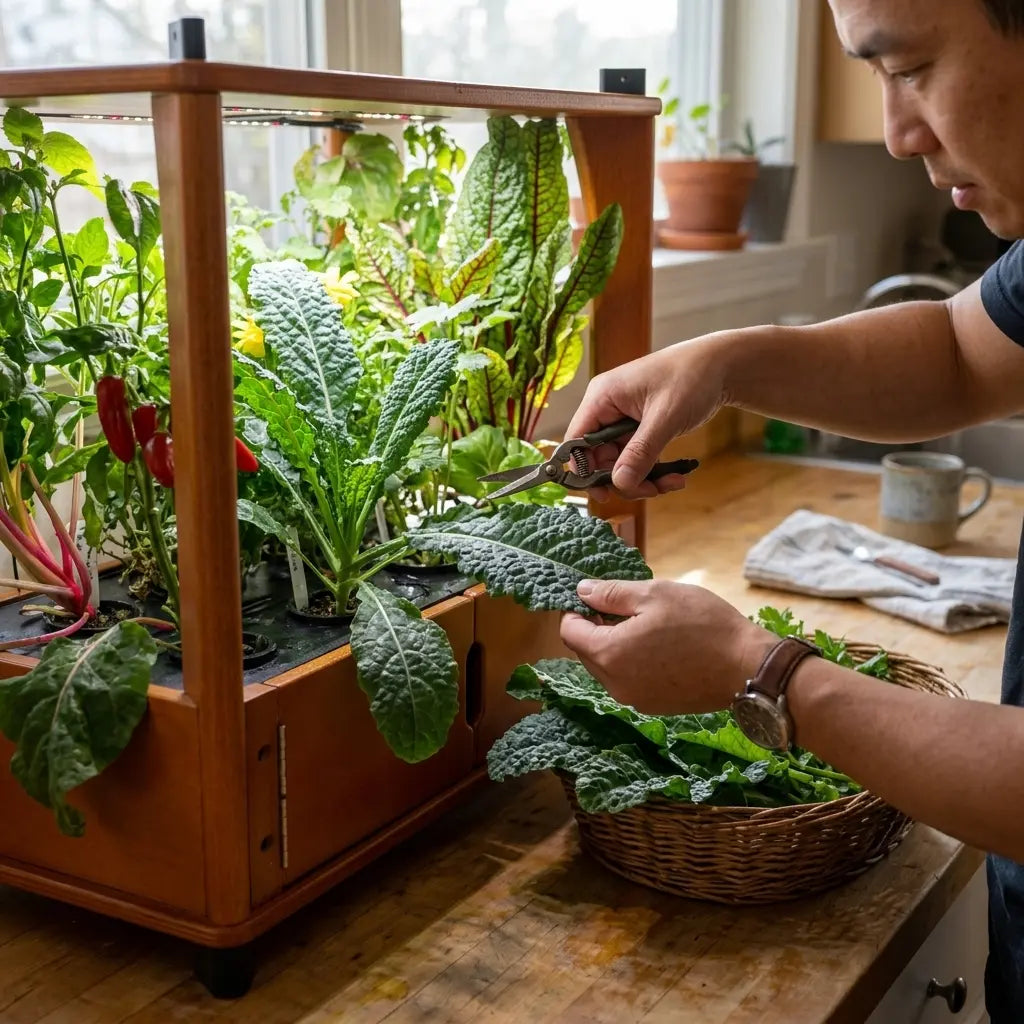
Cut woody herbs like rosemary, thyme, and sage a day or two ahead and keep them in a glass of water or wrapped in a damp cloth in the fridge. Cut soft herbs like parsley, chives, and dill the morning of the meal, because they wilt the fastest.

- Two days before: Rosemary, thyme, and sage. Keep them cool and slightly damp.
- The day before: Anything for herb butter or infused oil.
- The morning of: Parsley, chives, and dill, cut straight onto the plate at serving.
As a rule, leave most of each plant in place so it keeps growing, and cut a little from several plants instead of stripping one.
Is Growing Your Own Holiday Herbs Worth It?
For one dinner, store bundles are cheaper. A grocery bundle costs a few dollars, while an Aquager herb seed pack is $17.99 and the Chef's Organic Set is $199.99. The case for growing is freshness, no waste, and herbs you can cut all winter from one setup, not payback within a single season.
| Item | Price | What you get |
|---|---|---|
| Herb seed pack | $17.99 each | 30 seeds and 12 compostable grow mats |
| All six herbs | $107.94 | Six seed packs, one per herb |
| Chef’s Organic Set | $199.99 | Farm, storage unit, lights, nutrients, pH kit, air pump, and 24 plants (chard and basil) |
A store bundle often holds far more than one recipe needs, and the rest wilts in the fridge. Growing lets you cut exactly what the dish needs, hours before you serve it. One seed pack also covers far more than a single dinner, so the cost spreads across every meal you cook this winter.
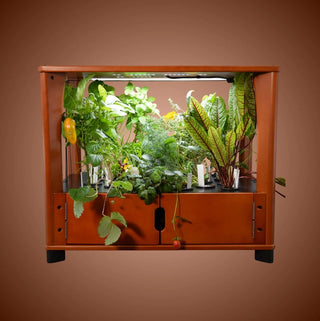
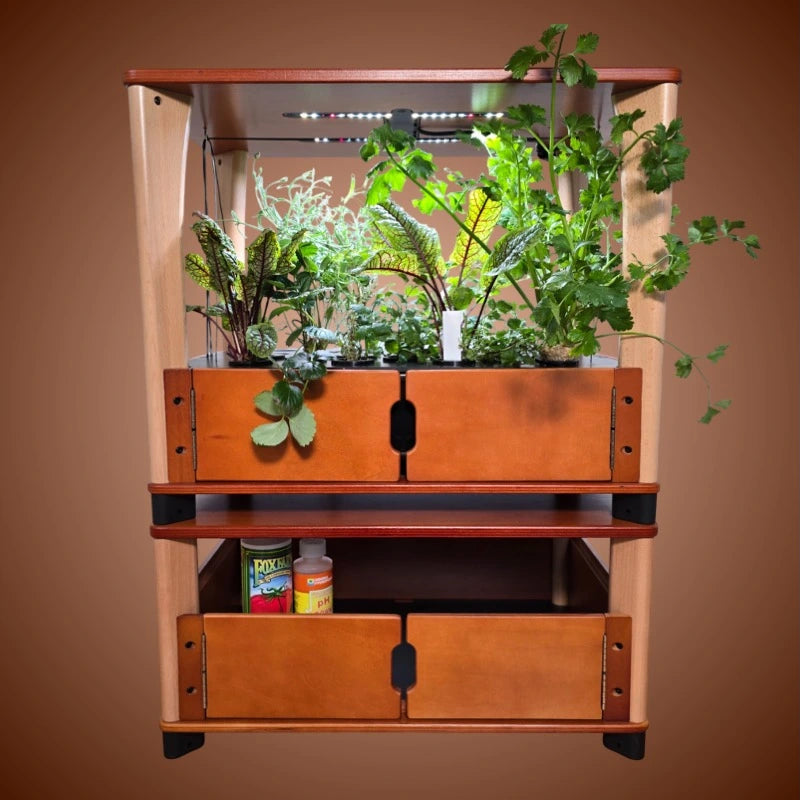
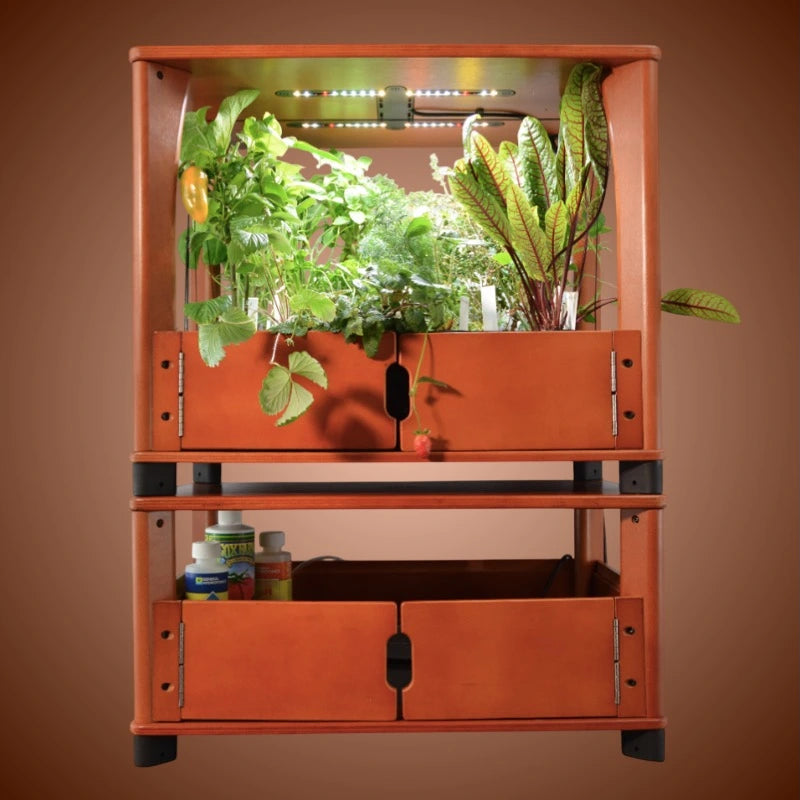
The Chef’s Organic Set is the part that lasts. It is a real-wood farm, about 22 by 15 by 30 inches, that looks like furniture and sits on the counter where hosting happens. Herb seeds are sold separately, so add the packs for the herbs on your menu.
How Do You Grow Holiday Herbs Indoors Without a Sunny Window?
Winter windowsills give short, weak light, and rosemary and sage stall quickly in a dim spot. That is the usual reason herbs fail before the dinner they were meant for.

The Chef’s Organic Set solves the light problem. The built-in LED lights run on a timer, 16 hours on and 8 hours off, so growth does not depend on your window. The water tank lasts 2 plus weeks, and the set includes the nutrients and pH kit, so a first-time grower has everything needed to start. The 24 plants that come with it show first sprouts in 6 to 9 days, which lets you see the system working while your herb seeds germinate.
Frequently Asked Questions
Can I still grow herbs for Thanksgiving this year?
Not from seed. Even the fastest herbs, chives and dill, need about 50 days, and Thanksgiving on November 26 is 46 days from October 11. Buy potted herbs for Thanksgiving, then seed now for Christmas and New Year's Eve.
Which herb should I seed first?
Seed parsley first, because it takes about 75 days. Then thyme at about 60 days, then chives and dill at about 50 days. Rosemary and sage take about 90 days, so seed them now for January cooking and next year's holiday table.
Do the herbs need care between holiday events?
Check the water level every week, top up the tank when it runs low, and add nutrients as directed. Trim stems that grow past harvest size, which keeps plants bushy instead of leggy. It takes a few minutes a week.
What about mint, bay, and tarragon?
Aquager does not sell seeds for them. Buy potted mint, bay laurel, and tarragon from a nursery, and use the farm for the herbs on this list.
Will one seed pack cover a whole season?
Yes, for one herb. A pack has 30 seeds and 12 compostable grow mats, enough to start 12 cups, which is more than most kitchens need for a single herb. Plant only as many cups as you need and save the rest.
What Is the Simplest Holiday Herb Plan?
Buy potted herbs for Thanksgiving. Seed parsley now, thyme by October 26, and chives and dill by November 5 for Christmas and New Year's Eve. Seed rosemary and sage now too, for January cooking and for next year's holiday table.

That plan gets fresher herbs on the table for the dinners you can still reach, and a setup that keeps producing long after the holidays. For hosting beyond the season, see our guide to fresh herbs for dinner parties. The Chef’s Organic Set is where it all starts.
Author: Aquager Team · Published: June 8, 2026 · Updated: October 11, 2026 · Reviewed: October 11, 2026 (Phase 3)












0 comments