
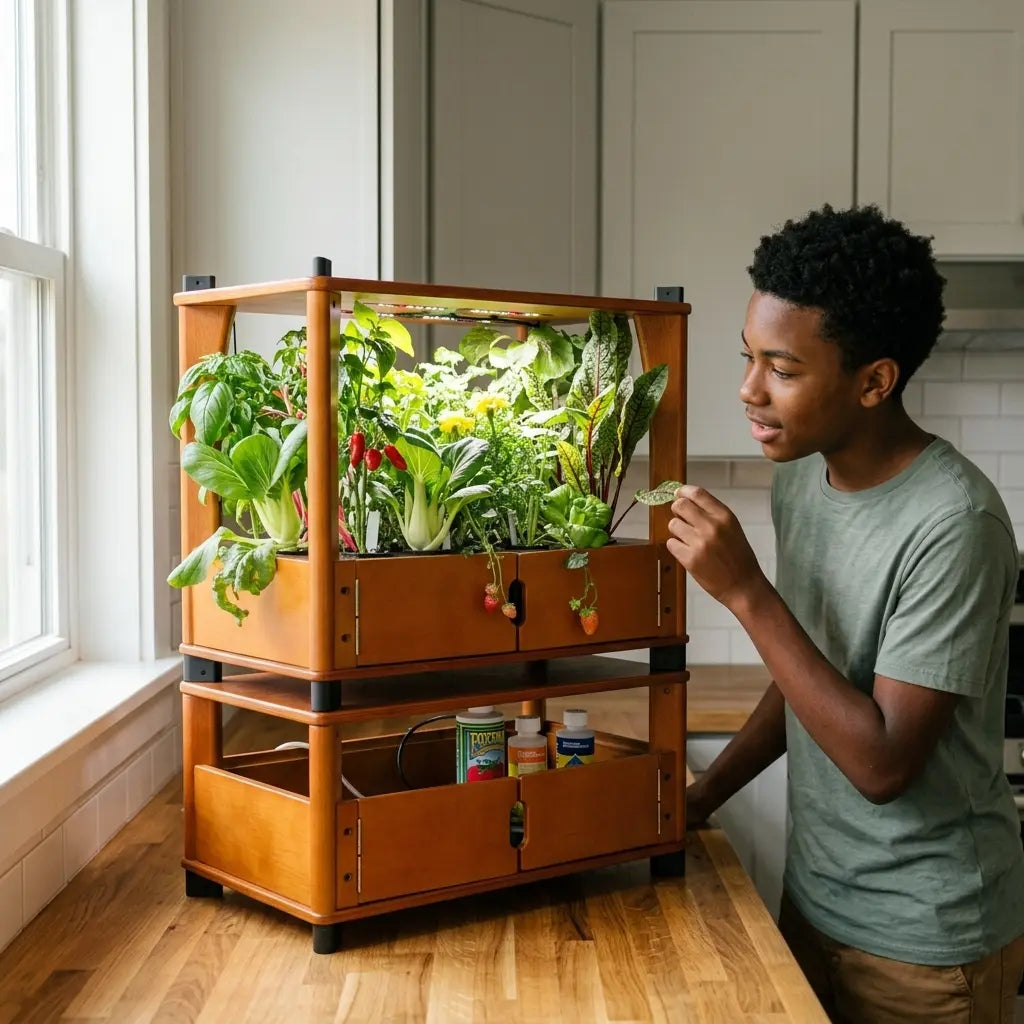
Every August, the same question shows up in parent group chats and teacher lounges: what is a good science project that will not turn the kitchen table into a disaster zone?
Volcanoes are messy. Baking soda experiments are one-and-done. Most classic science project ideas give you a single result and then they are over, which is not much of a science project at all.
Growing food with hydroponics solves both problems. There is no soil to spill, the growth is visible day by day, and the same setup can support a simple observation chart for a five-year-old or a real chemistry unit for a high schooler.
Why Hydroponics Makes Such a Good Science Project
A strong science project needs three things: a clear starting point, something that changes in a way you can observe, and results you can measure. Hydroponics checks all three boxes without the usual mess.
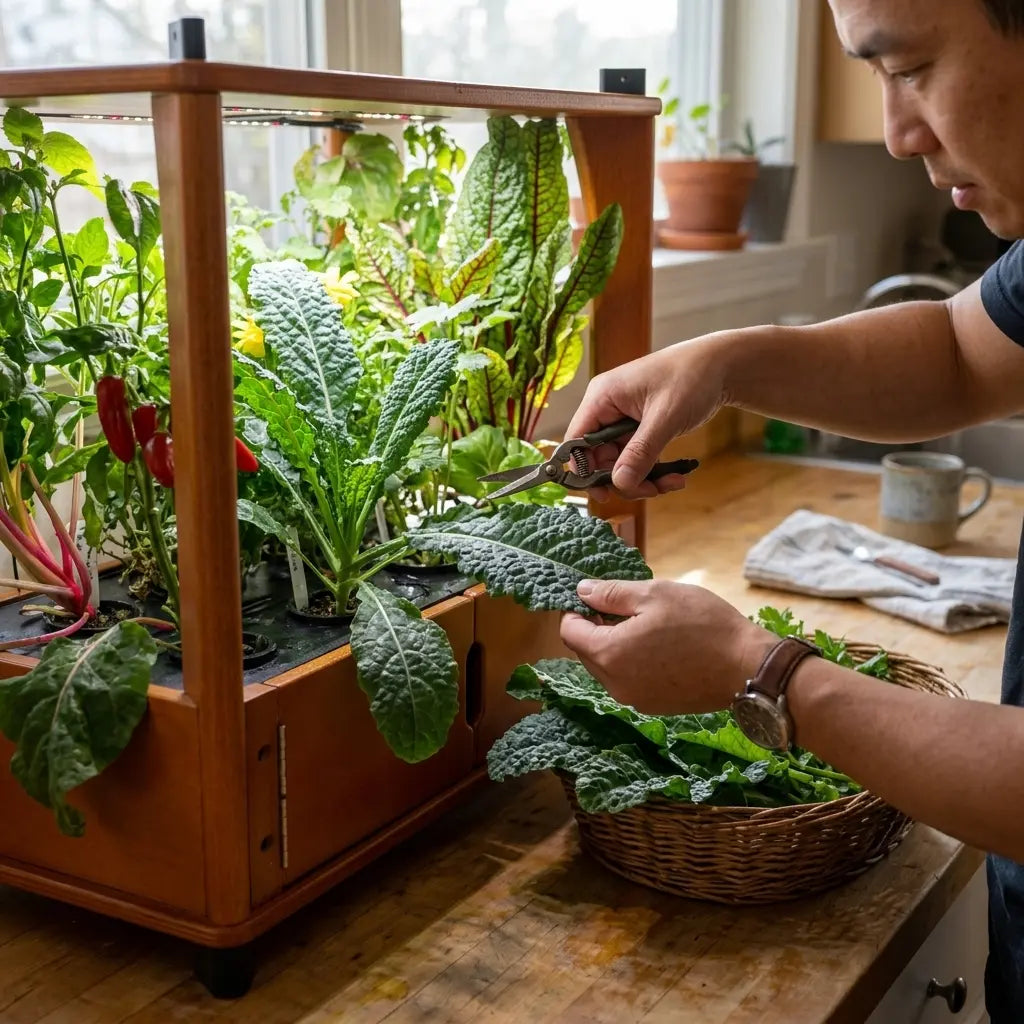
Because there is no soil, kids can see the roots directly through the clear net pots, which makes root growth an actual visual lesson instead of something buried and invisible. That alone makes it a stronger classroom or kitchen table setup than most science fair projects that only show a before-and-after photo.
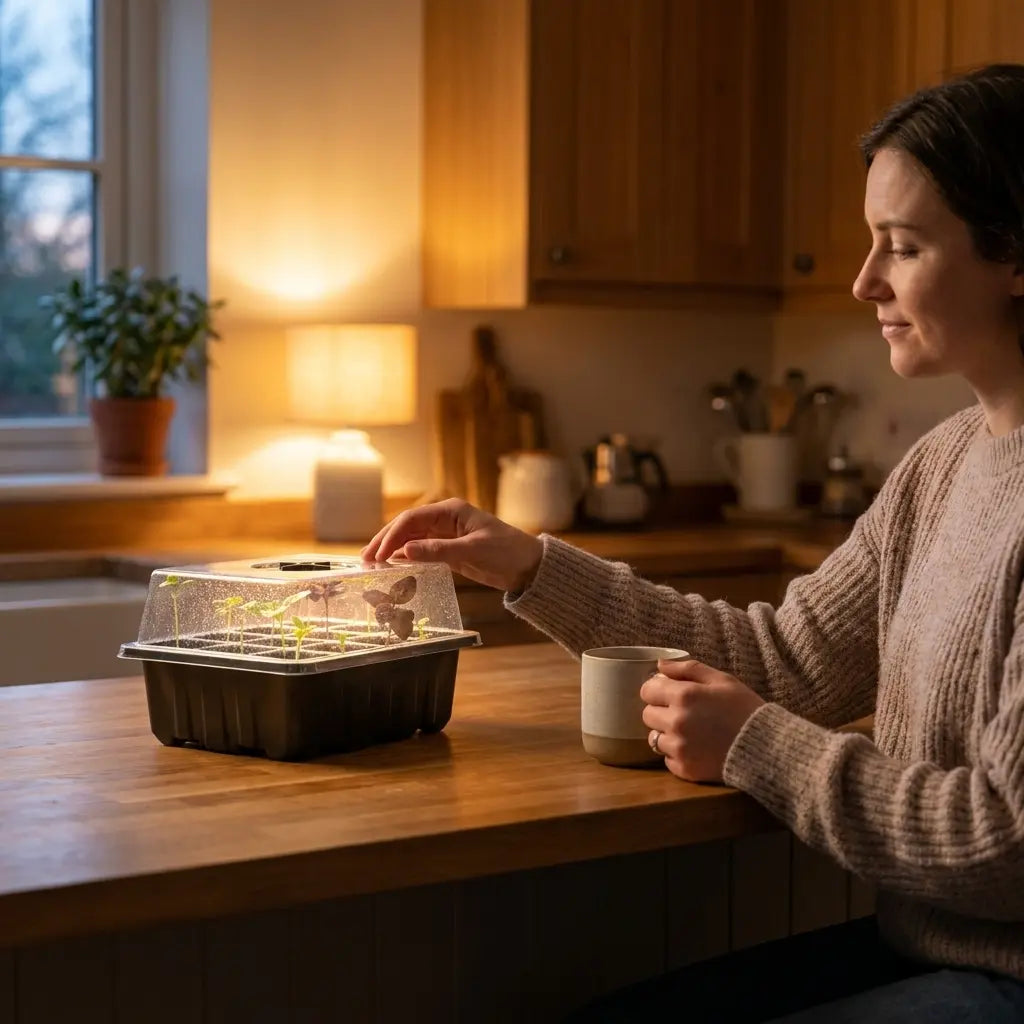
It also runs on a timeline that fits a school schedule. Germination shows up within days, visible growth continues for weeks, and there is always something new to check in on, which keeps a stem project interesting past the first weekend.
There is also a practical reason teachers and parents like it: cleanup. A soil-based science fair project usually means dirt on the counter, spilled potting mix, and a plant that has to be babysat outdoors once it gets too big. A compact hydroponic setup stays contained on a counter or windowsill for the entire length of the project.
What You Need for a Home Hydroponic Science Project
You do not need a greenhouse or a chemistry lab to get started. A basic setup covers everything most science fair projects require.
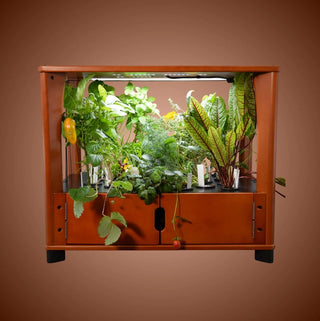
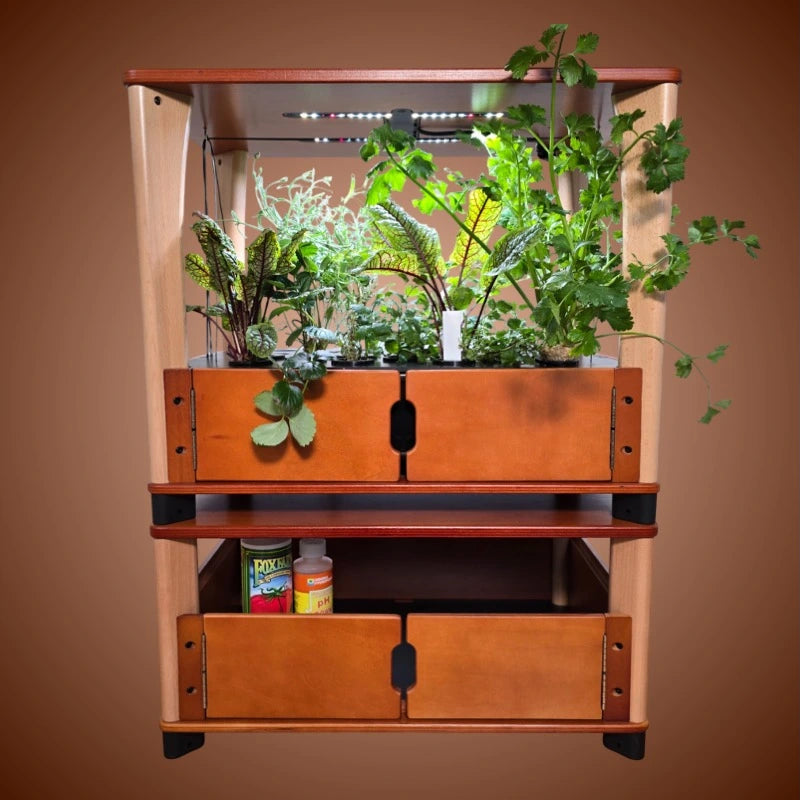
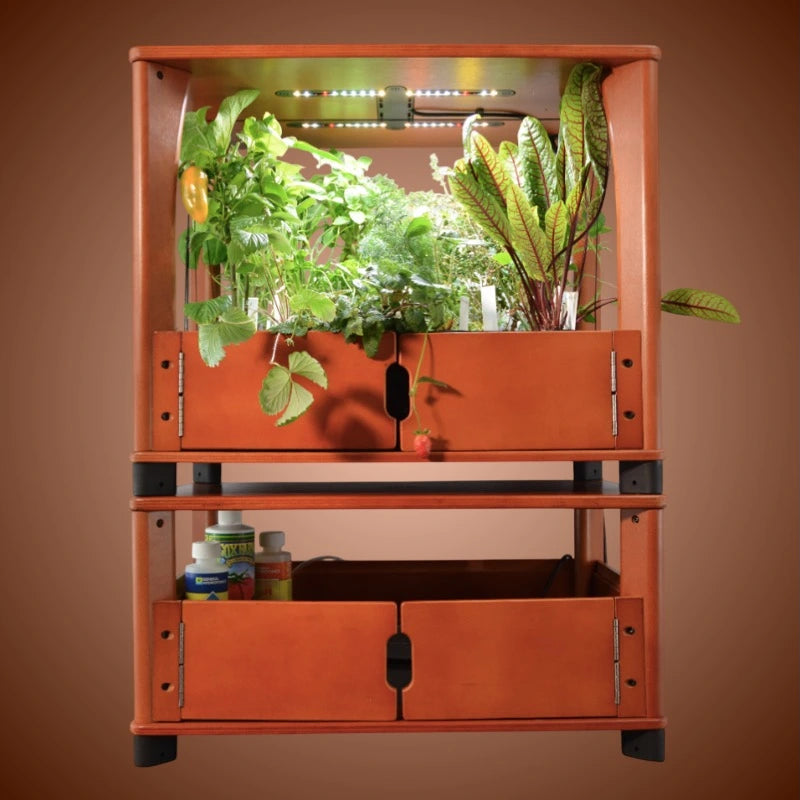
- A hydroponic growing system, like the Aquager Hydroponic Home Farm, which keeps water, light, and nutrients consistent without any guesswork.
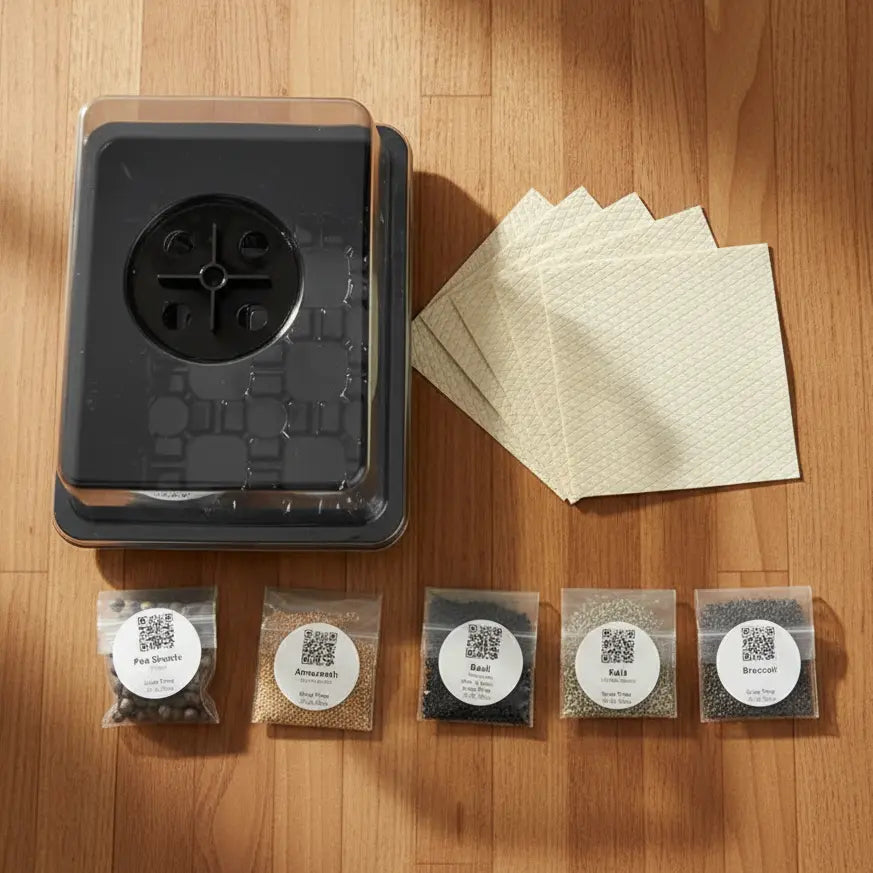
- Pre-seeded grow mediums for a few different plants, such as basil, kale, and arugula, so kids can compare growth rates side by side. Our complete guide to growing basil indoors is a helpful reference if this is the family's first time growing anything indoors.
- A simple pH testing kit for older students who want to measure and adjust water chemistry as part of the project.
- A liquid nutrient solution for anyone testing how concentration affects growth speed.
- A notebook or printed chart for recording daily or weekly observations.
Once the setup is running, the actual project becomes a matter of what your student is old enough to measure and explain.
K to 5 Science Project Ideas: Simple Observation
Younger kids get the most out of projects built around watching and recording, not testing variables. Keep the questions concrete and the answers visible.
- Plant growth diary: have the student draw or photograph the plant every few days and describe what changed, building an early habit of scientific observation.
- Root watching: since roots are visible through the net pot, kids can track how root length compares to the leaves growing above the water line.
- Which grows faster: plant two different seeds at the same time and let the student guess, then check, which one sprouts first.
These ideas work well for a science fair board too, since the daily photos or drawings give a natural before-and-after story to present.
At this age, the goal is not a perfect experiment. It is building the habit of looking closely and describing what changed, which is the foundation every later science project builds on.
Middle School Science Project Ideas: Testing Variables
Middle schoolers are ready to test a single variable and explain why it matters, which is the heart of the scientific method.
- Light exposure test: grow two of the same plant, but give one extra hours of light each day, then measure and graph the height difference over two weeks.
- Water pH test: use a pH testing kit to check water pH daily and record how it drifts as the plant grows, then explain why hydroponic systems need pH in a specific range.
- Germination speed comparison: soak some seeds before planting and leave others dry, then compare which group sprouts first and by how much.
This age group is also a good fit for turning results into an actual science fair project board, since they can graph their data and present a clear hypothesis and conclusion.
The key skill middle schoolers are practicing here is isolating one variable at a time. Changing light and pH at once makes it impossible to say which one caused the result, so keep every other condition identical between the test group and the control.
High School Chemistry Project Ideas: Measurement and Analysis
High schoolers can take the same hydroponic setup and turn it into a real chemistry project with quantitative data and a testable hypothesis.
- Nutrient concentration study: dilute a liquid nutrient solution to a few different strengths and measure growth rate, dry weight, or leaf count at each concentration.
- pH buffering experiment: test how much pH up or pH down solution it takes to shift water by a full point, and graph the relationship between volume added and pH change.
- Electrical conductivity and nutrient uptake: use a PPM or EC meter to track how dissolved nutrient concentration changes over time as the plant absorbs what it needs.
These projects line up well with an actual chemistry curriculum, since they involve real measurement, graphing, and a conclusion that has to be backed by data rather than a guess.
If you want more background on why root oxygen and water chemistry matter in the first place, our post on why plant roots need oxygen in hydroponics is a good next read before starting a higher-level project.
The Everything You Need Kit for a Hydroponic Science Project
The easiest way to avoid a mid-project trip to the store is to start with a complete setup instead of piecing one together.
The Aquager Hydroponic Home Farm handles the water, light, and nutrient delivery automatically, which means the student can focus on the actual science instead of troubleshooting equipment.
Pair it with pre-seeded basil seeds for a fast-growing starter plant, kale and arugula for growth rate comparisons, a pH kit for water chemistry testing, and a bottle of liquid nutrients for concentration experiments. Together, that combination covers every age tier described above.
Buying these separately usually means multiple orders and a delay while something ships late. Starting with the full setup means the project can begin the same week school starts, rather than waiting on a missing part to arrive.
If your student has never grown anything indoors before, our beginner's guide to setting up a hydroponic system walks through the basics before the project starts.

Frequently Asked Questions
Is hydroponics safe for a classroom or kitchen table science project?
Yes. There is no soil to spill and no chemicals beyond a small amount of pH solution and liquid nutrients, both of which are handled in small, measured amounts under adult supervision.
How long does a hydroponic science project take?
Germination usually shows results within a few days, and most projects run two to four weeks to capture enough growth data for a science fair board or report.
What grade levels work best for this kind of science project?
Hydroponics scales from simple observation projects in kindergarten through fifth grade, to variable-testing projects in middle school, up to full chemistry-based measurement projects in high school.
Do I need special skills to set up a hydroponic science project?
No. A pre-seeded, self-contained system handles the technical parts, so the adult and student can focus on observing, measuring, and recording results instead of managing equipment.
Is a hydroponic science fair project actually different from a regular potted plant?
Yes. Hydroponic systems let you see the roots, control water and nutrients precisely, and adjust variables like light and pH in ways that are much harder to isolate in soil.
Can one setup be reused for multiple science projects over the school year?
Yes. Since the system itself does not change, the same hydroponic farm can support a new question each semester, from a simple growth diary in the fall to a nutrient concentration study in the spring.
Conclusion: A Science Project That Actually Holds Up
A good back-to-school science project should be interesting enough to finish and clean enough that nobody dreads the setup. Hydroponics checks both boxes, whether the student is drawing a growth chart in kindergarten or graphing nutrient concentration in AP chemistry.
Starting with a complete kit means less time troubleshooting and more time on the actual science, which is the whole point of a science fair project in the first place.

Whichever age tier your student falls into, the setup itself does not need to change, only the questions being asked of it.
Author: Aquager · Published: July 1, 2026 · Updated: July 1, 2026












0 comments