
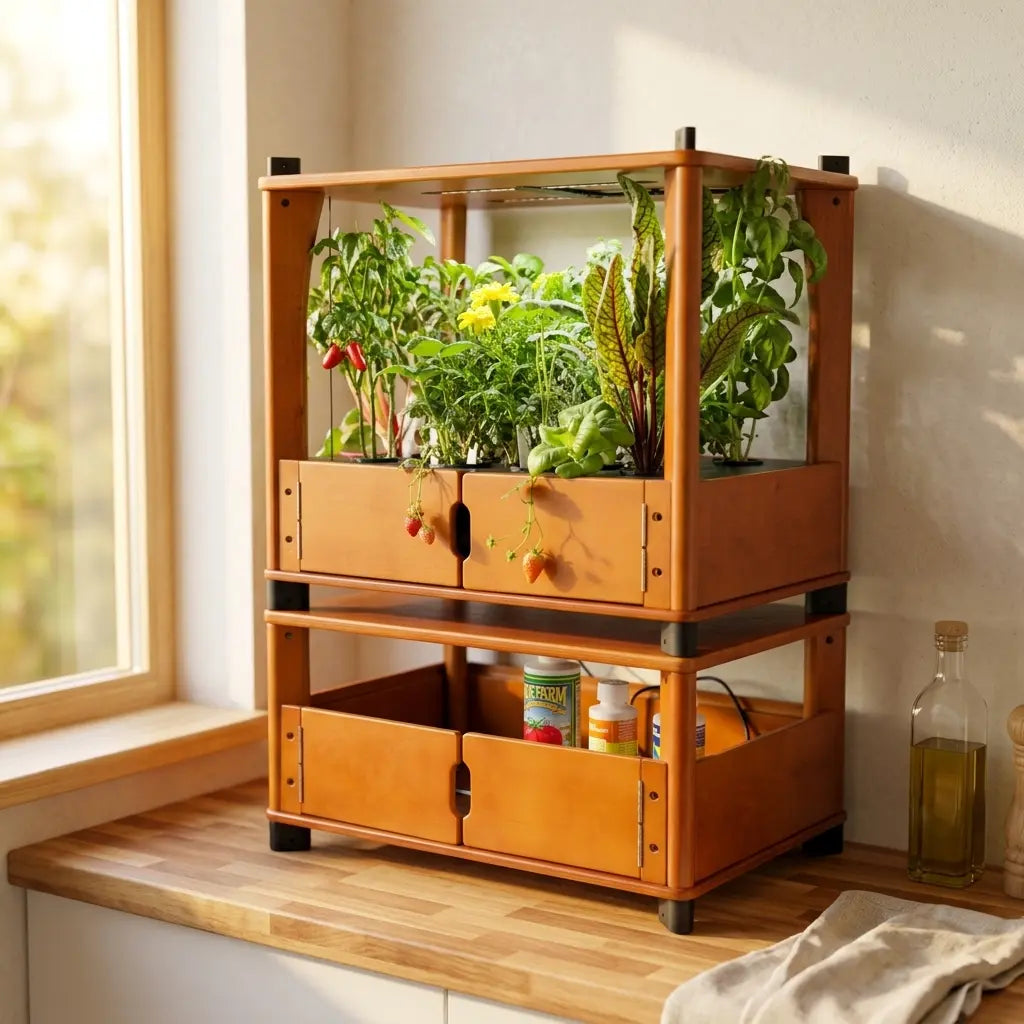
It is a common claim in gardening circles: hydroponic vegetables are just as nutritious, or even more nutritious, than vegetables grown in soil. It is also the kind of claim that deserves a closer look before anyone repeats it.
So we went looking for the actual research. Not marketing copy, not gardening blog opinions, but peer-reviewed studies that measured real nutrient levels in hydroponic vegetables compared to their soil-grown counterparts.
What we found was more nuanced than a simple yes or no, but the direction of the evidence is clear enough to matter for anyone deciding how to grow their own food.
What the Research Actually Measured
Several peer-reviewed studies have compared hydroponic and soil-grown produce for specific nutrients, mainly vitamin C, vitamin E, beta-carotene, and polyphenolic compounds. These are the same nutrients most associated with the health benefits of eating vegetables.
A 2015 study from the University of Nevada, Reno, published in the journal Food and Nutrition Sciences, compared soil-grown and soilless (hydroponic) strawberries and raspberries grown in a greenhouse. The researchers found that the soilless berries had 74 percent higher vitamin C, 53 percent higher vitamin E, and 22 percent higher total polyphenolic compounds than the soil-grown fruit.
A separate 2010 study published in Food Chemistry compared basil grown hydroponically and in soil. The hydroponic basil showed higher levels of vitamin C, vitamin E, and rosmarinic acid, a polyphenol linked to antioxidant activity, compared to the soil-grown plants at a comparable growth stage.
More recently, a 2025 study published in Food Science and Nutrition examined spinach, tomatoes, and strawberries grown hydroponically and in soil in Kiambu County, Kenya. It found higher vitamin C and vitamin E in the hydroponic samples across multiple crops, along with higher beta-carotene specifically in the hydroponic spinach.
What About Hydroponic Lettuce and Tomatoes?
Since lettuce and tomatoes are two of the most common vegetables people actually grow hydroponically at home, they deserve their own look.
A 2013 study, also from the University of Nevada, Reno, published in Food and Nutrition Sciences, tested four lettuce varieties, comparing hydroponic and soil-grown versions of each. Three of the four varieties, Waldmann's Dark Green, Red Lollo Antago, and Red Romaine Annapolis, showed significantly higher ascorbic acid (vitamin C) and tocopherol (vitamin E) in the hydroponic samples.
The differences were substantial. Hydroponic Red Romaine Annapolis had roughly twice the vitamin C of its soil-grown counterpart, and the hydroponic samples across all three varieties showed tocopherol levels more than double, and in some cases nearly six times higher, than soil-grown lettuce of the same variety. The fourth variety tested, Butterleaf, showed no statistically significant difference between growing methods.
For tomatoes, the picture is thinner but points the same direction. The 2025 Kiambu County study found hydroponic tomatoes had higher vitamin C and vitamin E than soil-grown tomatoes, though fewer dedicated tomato-specific studies exist compared to leafy greens like lettuce and spinach.
This matters practically because lettuce and tomatoes are two of the crops most people already try first in a home hydroponic setup. Knowing there is real research behind the lettuce numbers specifically, rather than just a general hydroponic reputation, gives that choice more weight.
Why Hydroponic Vegetables Might Come Out Ahead
The proposed explanation across these studies is fairly consistent: hydroponic systems let growers deliver a precise, consistent nutrient supply directly to the root zone, without the variability of soil chemistry.
In soil, a plant's nutrient uptake depends on rainfall, soil pH, existing mineral content, and competition from other organisms, all of which shift throughout a growing season. A hydroponic system controls these variables directly, which appears to reduce the kind of stress that can limit nutrient accumulation in the plant.
The lettuce researchers also pointed to a more specific mechanism. Hydroponic lettuce in their study reached harvest maturity faster than the soil-grown lettuce, and other research has linked increased light exposure and controlled nitrogen availability directly to higher vitamin C production during a plant's growth.
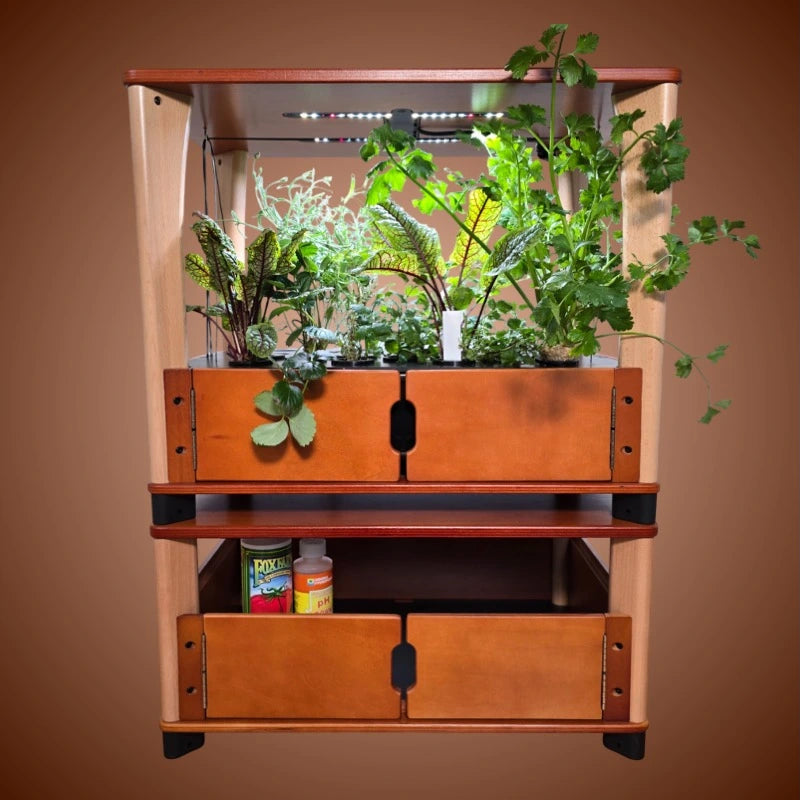
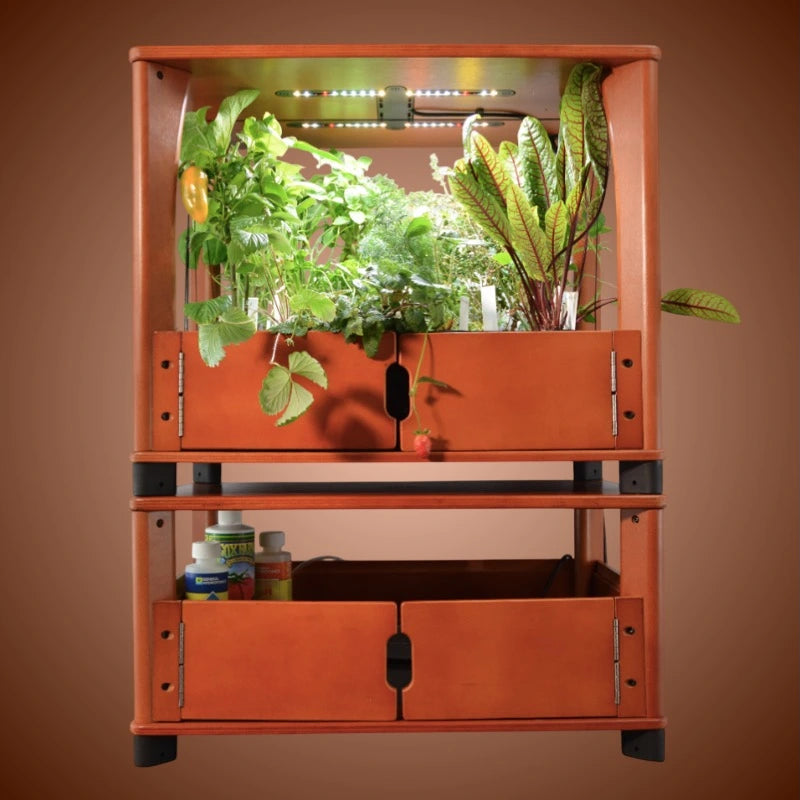
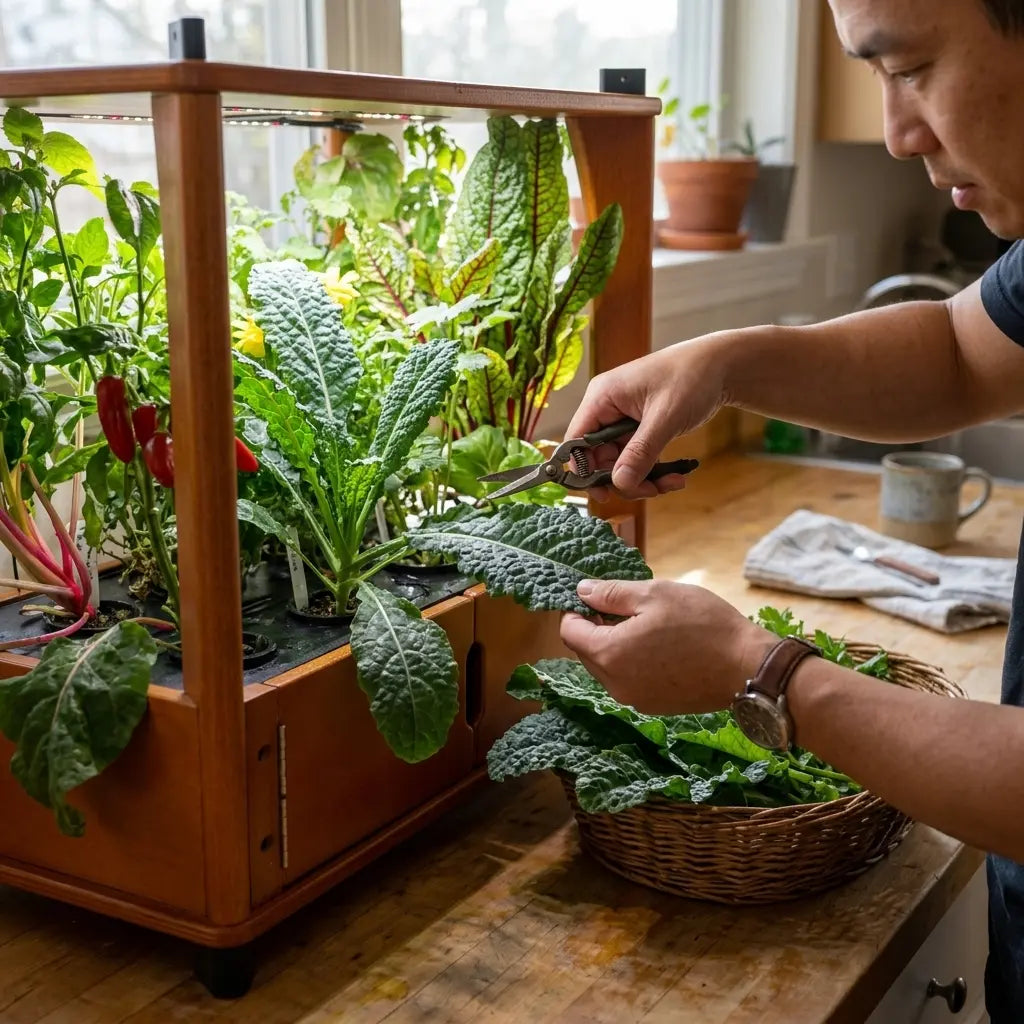
A system like the Aquager Hydroponic Home Farm applies this same principle at home, delivering a balanced nutrient solution and consistent light on a fixed schedule rather than leaving nutrient availability to chance.
None of this means every hydroponic vegetable automatically wins on every nutrient. It means the growing conditions that hydroponics makes easy to control happen to be the same conditions linked to higher nutrient density in these studies.
The Research Is Not Unanimous
A research-first answer has to include the caveats, and there are real ones here.
The nutrient solution used in a hydroponic system has to be properly formulated. Several researchers note that poorly balanced or incomplete nutrient solutions can produce mineral-deficient plants, regardless of the growing method. The advantage hydroponics shows in these studies depends on getting that formulation right, not on hydroponics being inherently superior in every case.
Results also vary by crop and by specific nutrient. Some studies find comparable mineral content, like calcium, potassium, and magnesium, between hydroponic and soil-grown leafy greens rather than a clear hydroponic advantage. The most consistent hydroponic advantage across studies shows up in vitamin C, vitamin E, and certain antioxidant compounds, not across every nutrient measured.
The lettuce study's own authors were candid about their limitations too. Their hydroponic and soil-grown plants were positioned in different parts of the same greenhouse, with different sun and wind exposure, which the researchers acknowledged could have influenced the results alongside the growing method itself.
Researchers also point out that genetics sets the upper limit. The specific variety of basil, kale, or lettuce being grown determines how much vitamin C or beta-carotene that plant can produce in the first place, regardless of whether it grows in soil or water.

The Microgreens Exception: An Even Bigger Nutrient Gap
If nutrient density is the goal, one category of research stands out even more than the hydroponic versus soil comparisons: microgreens versus mature vegetables.
A well-known 2012 study from USDA's Agricultural Research Service, done in collaboration with the University of Maryland and published in the Journal of Agricultural and Food Chemistry, tested 25 varieties of commercially grown microgreens against USDA nutrient data for the same vegetables at full maturity.
The results were striking. Microgreen cotyledon leaves contained 4 to 40 times higher concentrations of vitamin C, carotenoids, vitamin K, and vitamin E than their fully grown counterparts, depending on the specific nutrient and variety. Every microgreen tested was nutritionally superior in at least one measured nutrient compared to its mature equivalent.
Cilantro stood out specifically in that study for its high vitamin C content among all 25 varieties tested. Growing Cilantro Monogerm Microgreens Seeds at home is a simple, research-backed way to add a genuinely nutrient-dense ingredient to meals within about two weeks of planting.
The proposed reason microgreens test so much higher is straightforward. A young cotyledon leaf is concentrating nutrients into a much smaller amount of plant tissue than a fully grown vegetable eventually spreads them across, so gram for gram, the concentration comes out higher even though the total nutrient content of one mature plant is larger overall.
What This Means for What Ends Up on Your Plate
None of this research means soil-grown vegetables are unhealthy, or that everyone needs to switch growing methods immediately. Soil-grown produce, especially from a well-managed garden or a good farmers market, remains a genuinely nutritious choice.
What the research does support is a more modest, practical claim: if nutrient density specifically is a priority, hydroponic growing at home, especially for basil, lettuce, and leafy greens, along with microgreens for an extra concentration boost, is a reasonable, evidence-backed way to move the needle.
The bigger and more consistent factor across nearly every study reviewed here was not hydroponics alone. It was freshness. Store-bought produce loses nutrients during transport and storage regardless of how it was grown, while a hydroponic system at home lets you harvest minutes before a meal.
Growing Nutrient-Dense Vegetables at Home
Taken together, the research points to a practical takeaway: freshness, light, and growing consistency all matter for nutrient content, and hydroponics makes each of them easier to control at home than a backyard garden does.
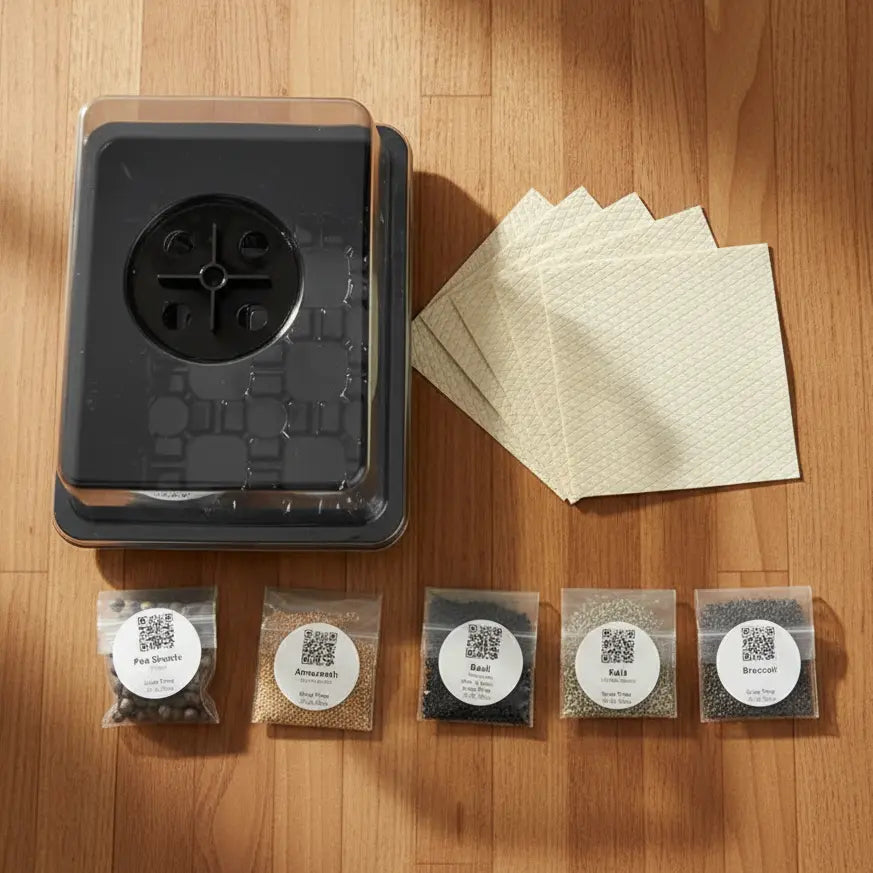
Basil Genovese seeds are a strong starting point, since basil is one of the most studied crops in this research and consistently shows a hydroponic advantage in vitamin C and antioxidant compounds.
Greek oregano and Kale Mamba round out a nutrient-focused starter selection, giving you a mix of a culinary herb and a leafy green known for strong vitamin and mineral content, both grown the same pre-seeded way as the basil.
Consistent results depend on a properly balanced nutrient supply, which is exactly what a good hydroponic setup is built to deliver. Pre-seeded organic grow mediums and a quality liquid nutrient solution keep that supply steady from seed to harvest.
If you want more background on how hydroponic systems compare to traditional growing overall, our Hydroponics vs Soil comparison and our Organic Gardening vs Indoor Growing post both cover the broader tradeoffs beyond nutrition alone.
Frequently Asked Questions
Are hydroponic vegetables actually more nutritious than soil-grown vegetables?
Several peer-reviewed studies show higher vitamin C, vitamin E, and antioxidant compounds in hydroponically grown strawberries, basil, lettuce, spinach, and tomatoes compared to soil-grown versions, though results vary by crop and specific nutrient.
What did the University of Nevada, Reno studies find?
A 2015 study in Food and Nutrition Sciences found soilless strawberries and raspberries had 74 percent higher vitamin C and 53 percent higher vitamin E than soil-grown fruit. A related 2013 study from the same university found hydroponic lettuce had roughly double the vitamin C and vitamin E of soil-grown lettuce in three of four varieties tested.
Does hydroponic growing improve mineral content too, like calcium and potassium?
The evidence here is mixed. Several studies find comparable mineral content between hydroponic and soil-grown vegetables, with the clearest hydroponic advantage showing up in vitamins and antioxidants rather than minerals.
Are microgreens more nutritious than regular hydroponic vegetables?
Based on the 2012 USDA and University of Maryland study, yes, often significantly so. Microgreens showed 4 to 40 times higher concentrations of several vitamins compared to the same vegetables at full maturity.
Does the type of hydroponic system matter for nutrient content?
Yes. Researchers consistently note that a properly formulated, balanced nutrient solution is what drives these results, not hydroponics on its own. A consistent, well-managed setup matters more than which specific system you use.
Is soil-grown produce less nutritious than hydroponic produce?
Not necessarily. Well-managed soil-grown produce, especially fresh from a garden or farmers market, remains genuinely nutritious. The research suggests hydroponics has an edge in certain vitamins under certain conditions, not that soil-grown food is deficient.
Conclusion: What the Evidence Supports
The research does not support a blanket claim that hydroponic vegetables always beat soil-grown ones on every nutrient. What it does support is a more specific, defensible claim: several well-designed studies have found meaningfully higher vitamin C, vitamin E, and antioxidant levels in hydroponically grown basil, lettuce, strawberries, spinach, and tomatoes.
Add in the microgreens research, and growing a mix of hydroponic herbs, vegetables, and microgreens at home is a genuinely evidence-backed way to increase the nutrient density of what ends up on your plate.

Starting with a consistent setup and a few well-studied crops, like basil, kale, and cilantro microgreens, is the most direct way to put this research into practice at home.
Author: Aquager · Published: July 1, 2026 · Updated: July 1, 2026













0 comments