
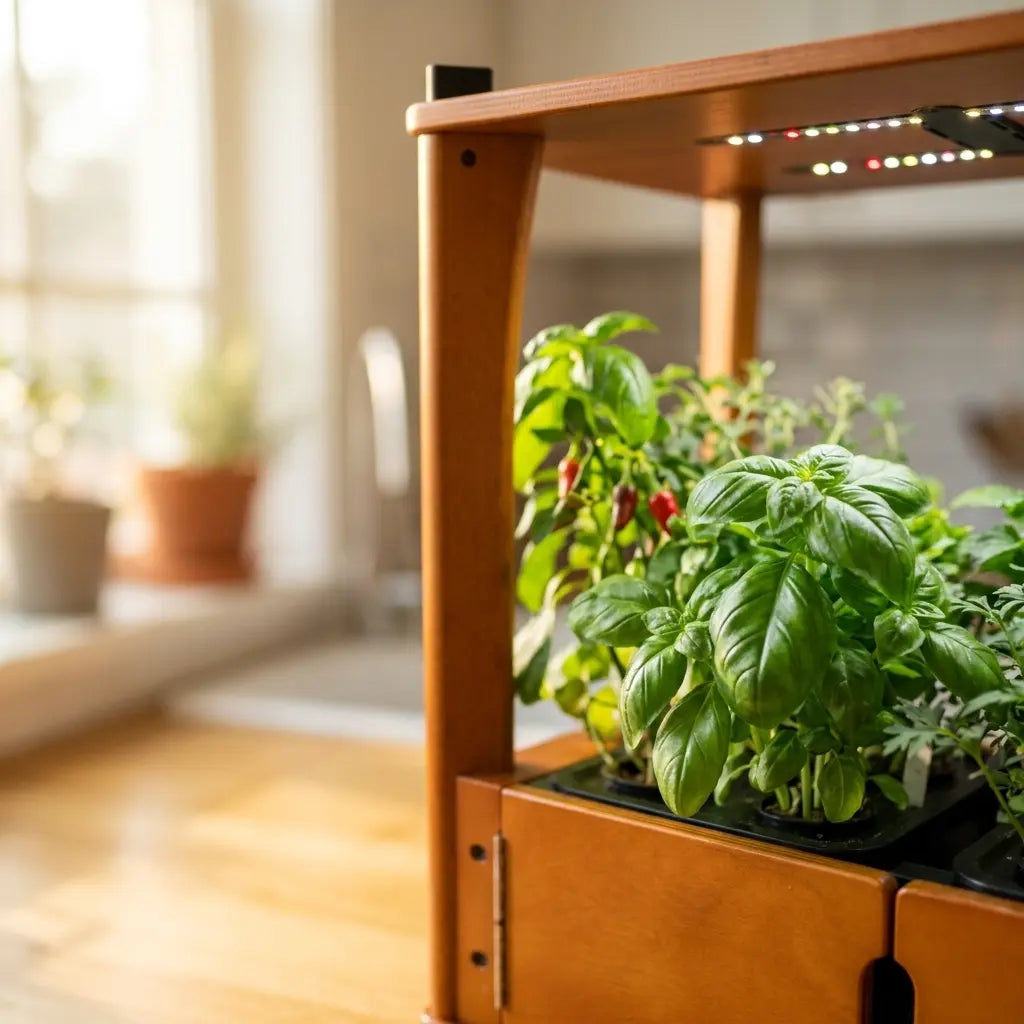
Basil sits on nearly every kitchen windowsill, but most people know it only as a pizza topping or the base of a good pesto. Understanding basil benefits starts with looking past the leaf and into its chemistry.
Genovese basil, the sweet Italian variety behind most classic recipes, carries a specific set of nutrients and aromatic compounds that researchers can name and measure. Vitamin K, rosmarinic acid, linalool, and eugenol are not marketing terms. They are the actual reasons this herb smells the way it does, tastes the way it does, and shows up in traditional remedies across cultures.
This guide breaks down basil nutrition, the compounds behind its reputation, and why Genovese basil in particular has earned its spot as the king of Italian herbs.
Basil Nutrition: The Vitamin K Story Behind Every Leaf
Basil is disproportionately high in vitamin K for a leafy herb. A quarter cup of fresh chopped basil provides roughly a third of the daily recommended intake for adults, which is a notable amount for an ingredient usually used in small quantities.
Vitamin K plays a central role in blood clotting and supports normal bone metabolism. Because most people eat basil in small garnish-sized portions rather than large servings, the concentration per leaf matters more than it would for a bulkier vegetable.
For context, that puts basil in similar territory to kale and spinach on a per-gram basis, which is a notable comparison for an herb most people think of as a garnish rather than a leafy green. The difference is serving size. A cup of spinach in a salad delivers its vitamin K across a much larger portion, while basil delivers a similar concentration in a fraction of the volume, which is worth knowing if you are trying to get more variety into your vitamin K intake without eating another bowl of greens.
Basil nutrition does not stop at vitamin K. A typical serving of fresh leaves also contributes meaningful amounts of several other nutrients, even in small quantities:
- Vitamin A, which supports normal vision and immune function and is present in basil at levels comparable to other dark leafy greens.
- Manganese, a trace mineral involved in bone formation and metabolism that basil provides in surprisingly concentrated amounts for its serving size.
- Iron, in smaller amounts, which is more easily absorbed when eaten alongside vitamin C rich ingredients like tomatoes, a pairing basil shows up in constantly.
- Calcium and magnesium, both present in trace amounts that add up when basil is used generously rather than as a single garnish leaf.
None of these nutrients are unique to basil on their own. What makes basil nutrition notable is the combination, packed into an herb most people use by the tablespoon rather than the cup. That density is also why the plant compounds discussed next, rather than the vitamin and mineral content alone, do most of the heavy lifting in basil's reputation.
Rosmarinic Acid: Why Basil Is a Natural Anti-Inflammatory
Rosmarinic acid is a polyphenol found throughout the mint family, and basil is one of its richer culinary sources. It is classified as an antioxidant compound, meaning it helps neutralize unstable molecules called free radicals before they can damage cells.
Researchers have also studied rosmarinic acid for its anti-inflammatory activity. Early laboratory and animal research suggests it may help calm inflammatory pathways in the body, though human clinical evidence is still developing and basil should be treated as a supporting dietary habit rather than a treatment for any condition.
Here is the part most people miss: rosmarinic acid content is not fixed. It degrades over time and with heat exposure, which means the freshest basil available to you typically carries the most of it. Basil that has traveled from a farm to a grocery shelf to your refrigerator has usually lost a meaningful share of its original potency by the time it reaches your cutting board.
That is one reason home growers turn to Genovese Basil Seeds for a hydroponic setup. Basil harvested minutes before you cook with it simply has less time to lose these delicate compounds.
Antioxidant Power: How Basil Compares to Other Herbs
Researchers often measure a food's antioxidant capacity using lab assays that track how effectively a compound neutralizes free radicals. Basil consistently ranks well in these comparisons among common culinary herbs, largely thanks to rosmarinic acid working alongside other polyphenols like quercetin and various flavonoids present in smaller amounts.
This puts basil in similar territory to herbs like oregano and rosemary, which share the same rosmarinic acid backbone. What sets basil apart in an Italian kitchen context is that it delivers this antioxidant activity in a mild, sweet package that works in far more dishes than rosemary's strong pine-like flavor allows.
It is worth being precise about what this means in practice. Antioxidant capacity in a lab dish is not the same as a guaranteed health outcome in a person, and basil should be understood as one contributor among many in an overall diet pattern rather than a stand-alone remedy.
Linalool and Eugenol: The Aromatic Oils Behind Basil's Antimicrobial Power
The smell of fresh basil comes from its essential oil content, and two compounds do most of the work: linalool and eugenol.
Linalool is a floral, slightly peppery terpene also found in lavender and coriander. It is one of the main reasons basil smells sweet rather than sharp, and it has been studied for mild calming and antimicrobial properties in laboratory settings.
Eugenol is the same compound responsible for the warm, spicy scent of cloves. In basil it contributes a peppery undertone and has documented antimicrobial activity against several common bacteria and fungi in controlled studies, which likely explains why basil shows up in traditional food preservation and folk medicine across so many cultures.
Genovese basil in particular tends to carry a more balanced linalool to eugenol ratio than spicier varieties like Thai basil, which lean much heavier on eugenol and clove-like notes. That balance is part of why Genovese basil reads as sweet and mellow rather than sharp, and why it pairs so well with the mild flavors common in Italian cooking.
Together, these oils make basil more than a flavor ingredient. A few things affect how much of them survive into your food:
- Heat destroys aromatic oils quickly, which is why basil is usually added at the end of cooking rather than the beginning.
- Drying reduces oil content significantly compared to using the leaf fresh.
- Time between harvest and use matters, since essential oils begin evaporating from the moment a leaf is cut.

Why Fresh-Cut Genovese Basil Beats the Store-Bought Kind
Given how quickly rosmarinic acid and aromatic oils degrade, the biggest lever most people have over basil's nutritional and flavor potential is not variety selection. It is freshness at the moment of harvest.
Store-bought basil is usually cut days before it reaches a shelf, then bagged and refrigerated through a supply chain that was never designed to protect delicate plant chemistry. By the time it reaches your kitchen, a real but hard-to-quantify share of its vitamin content, rosmarinic acid, and aromatic oils has already broken down.
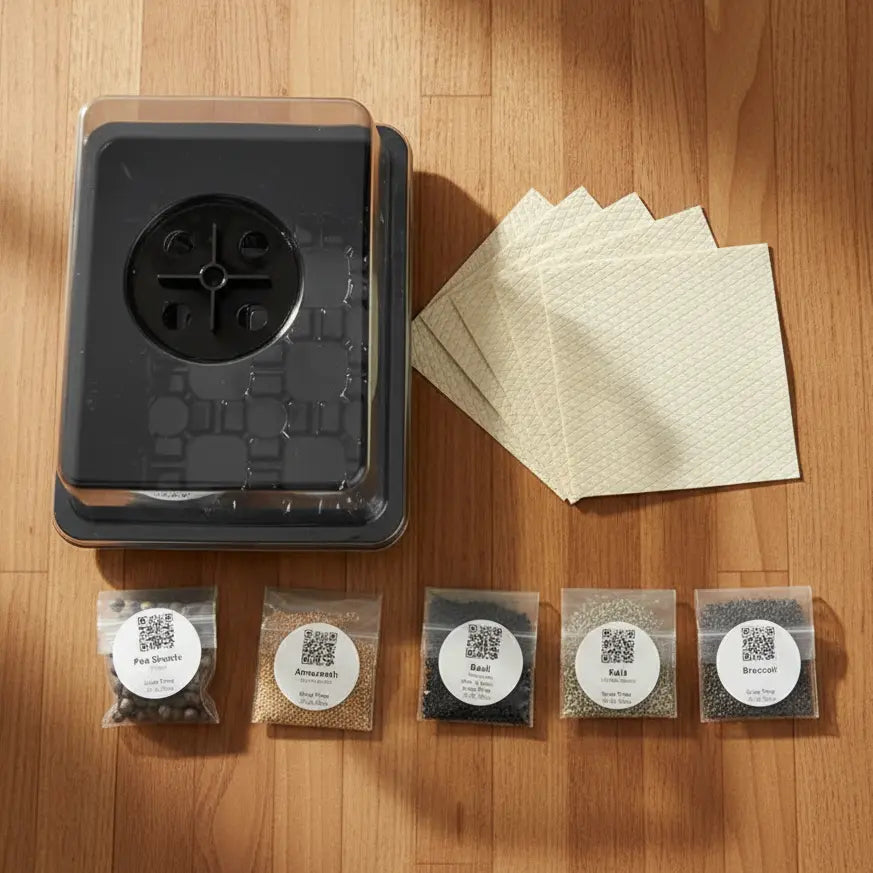
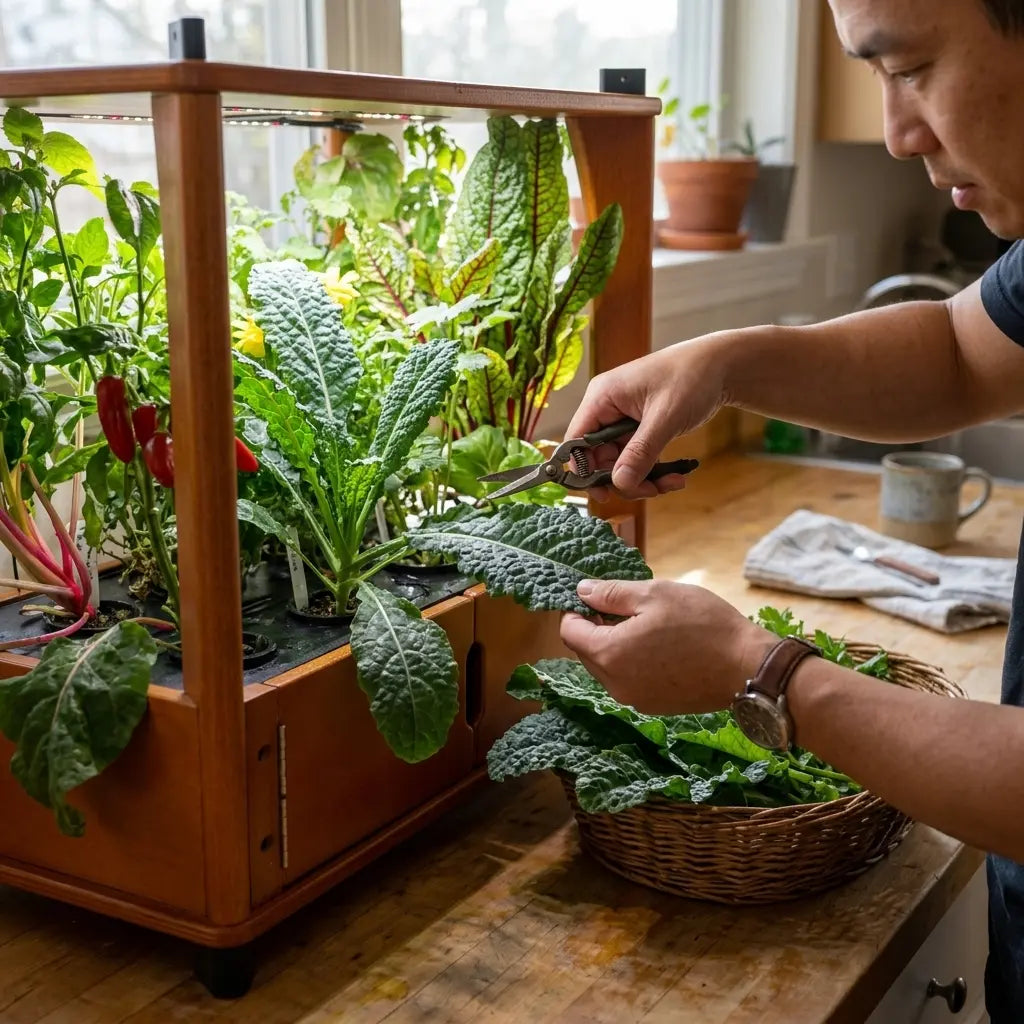
Growing your own solves this timing problem directly. Genovese Basil Seeds from Aquager come pre-seeded in organic grow mediums, so you go from seed to a full harvestable plant without guessing on spacing, soil quality, or watering schedules. Snip what you need right before you cook, and the compounds discussed above are still close to their peak.
If you want the full walkthrough on setting up your plants for a strong harvest, our complete guide to growing basil indoors covers light, water, and timing in more detail.
Why Genovese Basil Reigns as the King of Italian Herbs
Italian basil, and Genovese in particular, did not earn its reputation by accident. It is the variety behind traditional Genovese pesto, the herb most associated with Caprese salad, and a staple of Italian cooking from Liguria to Naples.
Part of the appeal is practical. Genovese basil has broad, tender leaves with a balanced sweet and slightly peppery flavor that pairs well with tomato, garlic, olive oil, and cheese, which are the backbone of Italian cuisine. Other basil varieties, like Thai or holy basil, lean spicier or more medicinal in flavor and do not translate as cleanly into classic Italian dishes.
Basil plant benefits also compound the longer a plant is established. A mature, well-maintained Genovese basil plant produces more leaf mass, and regular harvesting through pinching encourages bushier growth and a steady supply rather than a single one-time cut.
The reputation runs deep enough that basil grown in the Liguria region of Italy, the birthplace of pesto, carries a protected designation of origin under European Union food labeling rules, similar to how Parmigiano-Reggiano or Champagne are tied to specific regions. That level of protection is rare for an herb, and it says something about how central Genovese basil is to Italian culinary identity rather than being just one ingredient among many.
You do not need Ligurian soil to get a good result at home. The variety's characteristics, broad leaves, balanced aromatic oils, and manageable growth habit, travel well into a hydroponic setup, which is part of why it remains one of the most popular herbs for indoor growers.
If pesto is your endgame, our guide on how to make fresh pesto and grow the basil at home walks through turning a home harvest into the traditional Genovese sauce.
If Genovese basil is your first herb, it also happens to be one of the more forgiving ones to start with. Our roundup of the easiest herbs to grow indoors puts it near the top of the list for beginners, alongside a few other low-maintenance options worth pairing it with.
Basil Benefits: Frequently Asked Questions
Is Genovese basil the same as sweet basil?
Genovese is a specific cultivar of sweet basil, Ocimum basilicum. It is bred for large, glossy leaves and a classic sweet basil flavor, which is why it is the standard choice for Italian recipes.
Does basil have more nutrients fresh or dried?
Fresh basil retains more of its vitamin K, rosmarinic acid, and aromatic oils. Drying concentrates some minerals by removing water weight, but heat and time during the drying process reduce the more delicate compounds significantly.
How much basil do you need to get a health benefit?
There is no single agreed-upon dose, since basil is typically eaten as a culinary herb rather than a supplement. Regularly including fresh basil in meals, rather than an occasional garnish, is the more realistic way to benefit from its nutrition profile.
Can you eat basil every day?
Yes, basil is safe as a regular part of a normal diet for most people. As with any concentrated plant compound, anyone on blood-thinning medication should talk to a doctor before significantly increasing vitamin K intake from any leafy green, including basil.
Why is Genovese basil considered better than other basil varieties for cooking?
Genovese basil was bred specifically for large leaves, a sweet and balanced flavor, and reliable growth, which is why it became the standard in Italian cooking. Other varieties, like Thai or holy basil, carry different aromatic ratios suited to different cuisines, but they are not direct substitutes in classic Italian recipes.
Conclusion: A Simple Herb With Real Chemistry Behind It
Basil benefits are not a marketing invention. Vitamin K, rosmarinic acid, linalool, and eugenol are measurable compounds with documented roles in nutrition, antioxidant activity, and antimicrobial defense, and Genovese basil is one of the more concentrated culinary sources of all four.
Because so much of that potential fades with time and heat, the single biggest upgrade available to most home cooks is freshness, not a new variety or supplement. Growing your own Genovese basil closes the gap between harvest and plate to almost nothing.

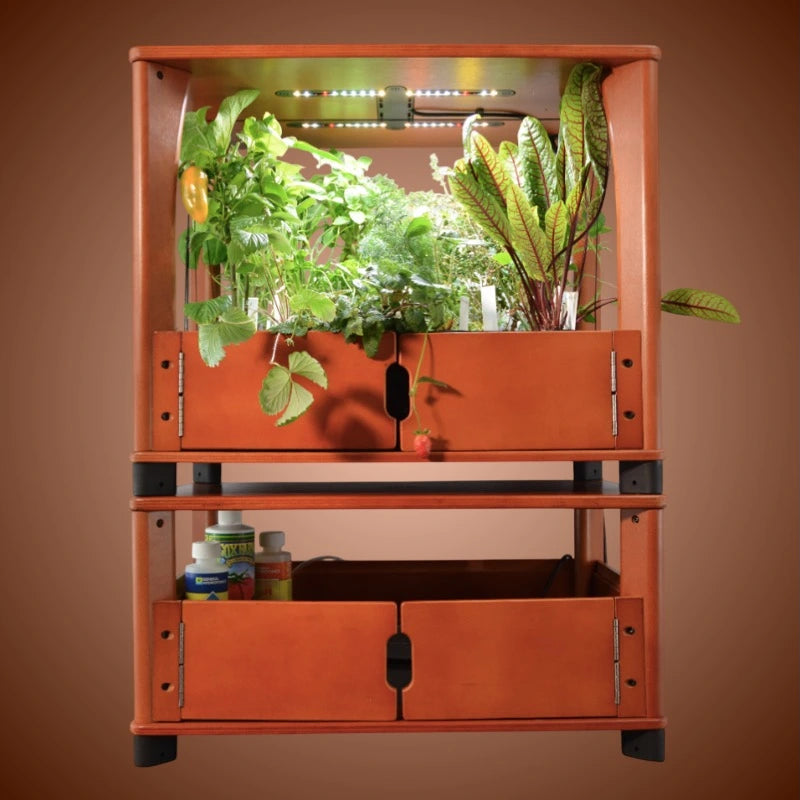
A countertop hydroponic setup makes that realistic even without a yard or a green thumb. If you are ready to start, our herb-growing customers usually begin with the Home Farm bundle and their first basil planting on the same day.
Author: Aquager · Published: July 3, 2026 · Updated: July 3, 2026














0 comments