
Labor Day is the last great cookout of the year. After this, the weather turns, the grill gets covered, and the outdoor herb garden starts winding down. That makes this weekend worth doing right — and doing right means fresh herbs on everything.
Six herbs. Six dishes. One weekend that tastes like summer made a real effort.
If you’re already growing on the Aquager farm, you know what to harvest this weekend. If you’re not — there’s a note at the end about why this Monday is the perfect time to start.
1. Cilantro → Grilled Corn and Guacamole
Fresh cilantro is the herb that most elevates a cookout spread — and also the one most often skipped because it bolts so fast outdoors. If you’re growing cilantro on the farm, you have it under control. If you’re buying it, use every last leaf.
On grilled corn: Brush with lime butter, grill until charred, then pile fresh cilantro on top. The contrast between the smoky sweetness of the corn and the bright herbal hit of the cilantro is one of the best flavor combinations in summer cooking.
On guacamole: The classic ratio — two avocados, half a jalapeño, lime juice, salt, and an entire handful of fresh cilantro. If you’re tired of store-bought cilantro that’s half-wilted before you open the bag, growing your own on the farm means harvesting it minutes before you eat it. The difference is significant.
Growing note: Cilantro bolts fast outdoors in summer heat. On the farm’s controlled environment, it holds in the vegetative stage much longer. See our guide to growing cilantro without bolting for the technique.
2. Basil → Caprese and Flatbreads
Fresh basil is the cookout herb that doubles as a centerpiece. A plate of tomatoes, fresh mozzarella, and Genovese basil from the farm doesn’t look like something you threw together — it looks like you planned it.
Caprese: Slice the best tomatoes you can find (late-August heirlooms if you can get them). Layer with fresh mozzarella. Tear basil leaves directly over the top — never chop basil with a knife; it bruises and turns black. A good olive oil, flaky salt, and cracked pepper. That’s it.
On flatbreads off the grill: Pull grilled flatbreads or pizzas off the grill, wait 30 seconds for the surface to cool slightly below 140°F, then scatter fresh basil over the top. The residual heat slightly wilts the basil without cooking it — this is the technique Italian restaurants use to get that wilted-but-still-green look.
Growing note: Basil needs consistent warmth and light — one of the most rewarding herbs on the farm once established. Full guide: How to Grow Basil Indoors.
3. Dill → Potato Salad and Salmon Burgers
Dill is the herb that elevates the side dishes everyone else treats as an afterthought.
Potato salad: Red potatoes, Dijon mustard, a little mayo, lemon juice, salt — and fresh dill stirred in generously just before serving. The dill has to be fresh; dried dill in potato salad is a fundamentally different (lesser) dish. Fresh dill has bright, slightly citrusy notes that dried dill completely loses.
Salmon burgers: Mix fresh dill into the burger patty, layer it in a lemon-dill aioli for the bun, or scatter it over a simply grilled fillet immediately after pulling from the heat. The anise-citrus note of fresh dill cuts through the richness of salmon in a way no other herb does.
Growing note: Dill grows quickly on the farm (3–4 weeks to first harvest), produces delicate feathery leaves, and regrows well after cutting from the tips.
4. Oregano → Marinades and Kebabs
Fresh oregano is dramatically better than dried for grilling applications — and most people have only ever used dried because fresh oregano is difficult to find in grocery stores. If you’re growing it on the farm, this weekend is when it pays off.
The grilling marinade: Mix fresh oregano (stripped from stems and roughly chopped) with olive oil, lemon juice, garlic, red wine vinegar, and salt. This is the base for a Greek-style marinade that works on chicken, lamb, shrimp, and vegetables. Marinate for at least 2 hours, ideally overnight.
On kebabs: Skewer chicken thighs or lamb cubes marinated in the above, then finish with fresh oregano leaves scattered over the platter when they come off the grill. The heat briefly wilts the oregano and releases its essential oils.
Growing note: Greek oregano on the farm produces intensely aromatic leaves — significantly more flavorful than what’s in any dried spice jar on any grocery store shelf.
5. Chives → Baked Potatoes
Chives are the herb that makes people say “this is better than the steakhouse.”
Baked potatoes at the cookout: Wrap in foil and put on the grill an hour before everything else. When they come off, split, hit with butter and sour cream, then add a generous pile of freshly snipped chives. The chive-to-potato ratio most people use is too conservative. Use more.
Fresh chives have a clean, delicate onion flavor that doesn’t overpower. They’re also the fastest herb to harvest — 3–4 weeks from seed to first cut on the farm, and they regrow continuously. Beyond baked potatoes: deviled eggs, compound butter for corn, stirred into sour cream for a dip, and over any grilled fish.
6. Thyme → Grilled Chicken
Thyme is the working herb of grilling. It doesn’t get the attention that basil or cilantro do, but every experienced grill cook uses it.
On chicken: Whole chicken thighs, olive oil, salt, pepper, and fresh thyme (stripped from stems). Let it sit for an hour minimum, or overnight in the fridge. The thyme infuses the fat under the skin, giving you chicken that’s fragrant and subtly herbal all the way through.
In compound butter for corn and steaks: Softened butter with minced fresh thyme, salt, and a squeeze of lemon. Melt over a hot steak immediately after it comes off the grill, or brush over corn in the last minute of grilling.
Growing note: Thyme is one of the easiest herbs on the farm — it grows steadily, doesn’t bolt, and survives slightly imperfect conditions better than most herbs. It’s also the herb that justifies growing through fall and winter.
When the Cookouts End: Keep Growing All Fall
Labor Day is the seasonal shift point. The grill goes under the cover. The outdoor herb garden starts winding down. And every fall and winter dinner suddenly needs the herbs that aren’t growing outside anymore.
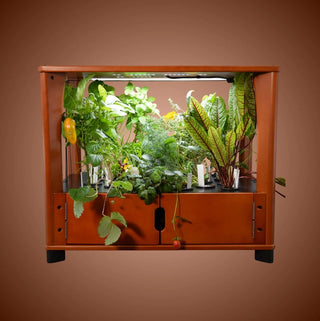
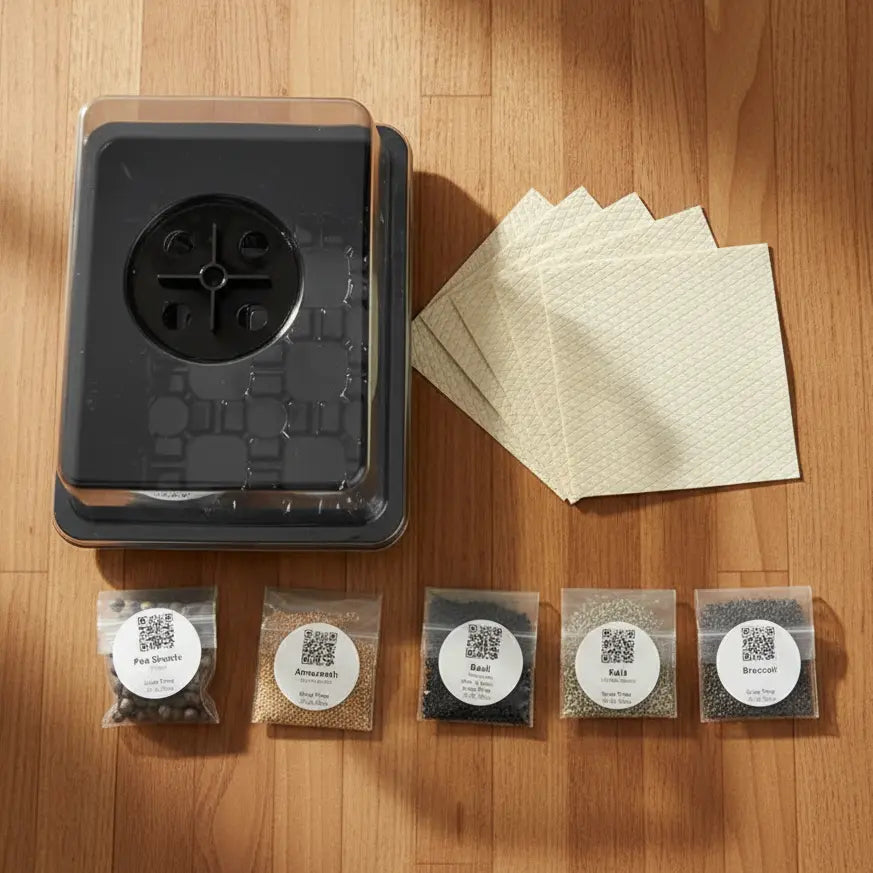
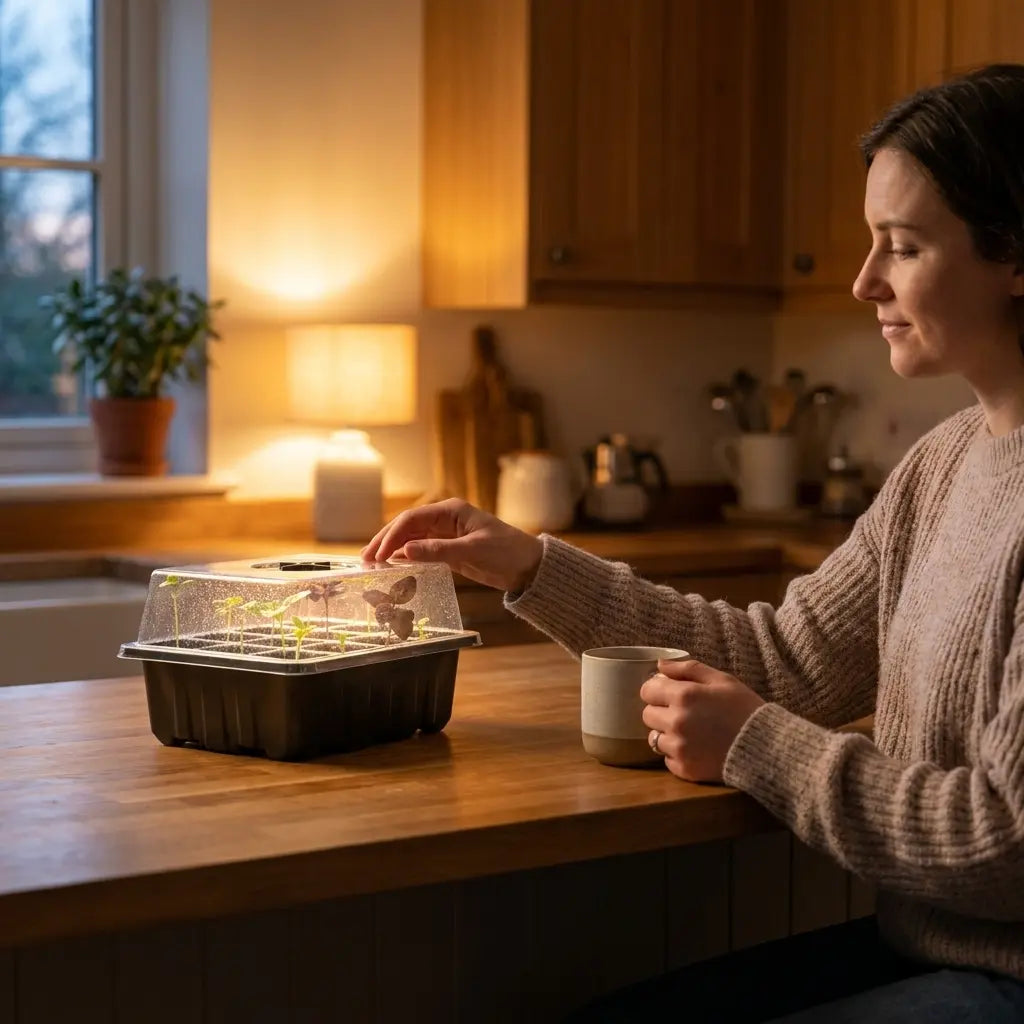
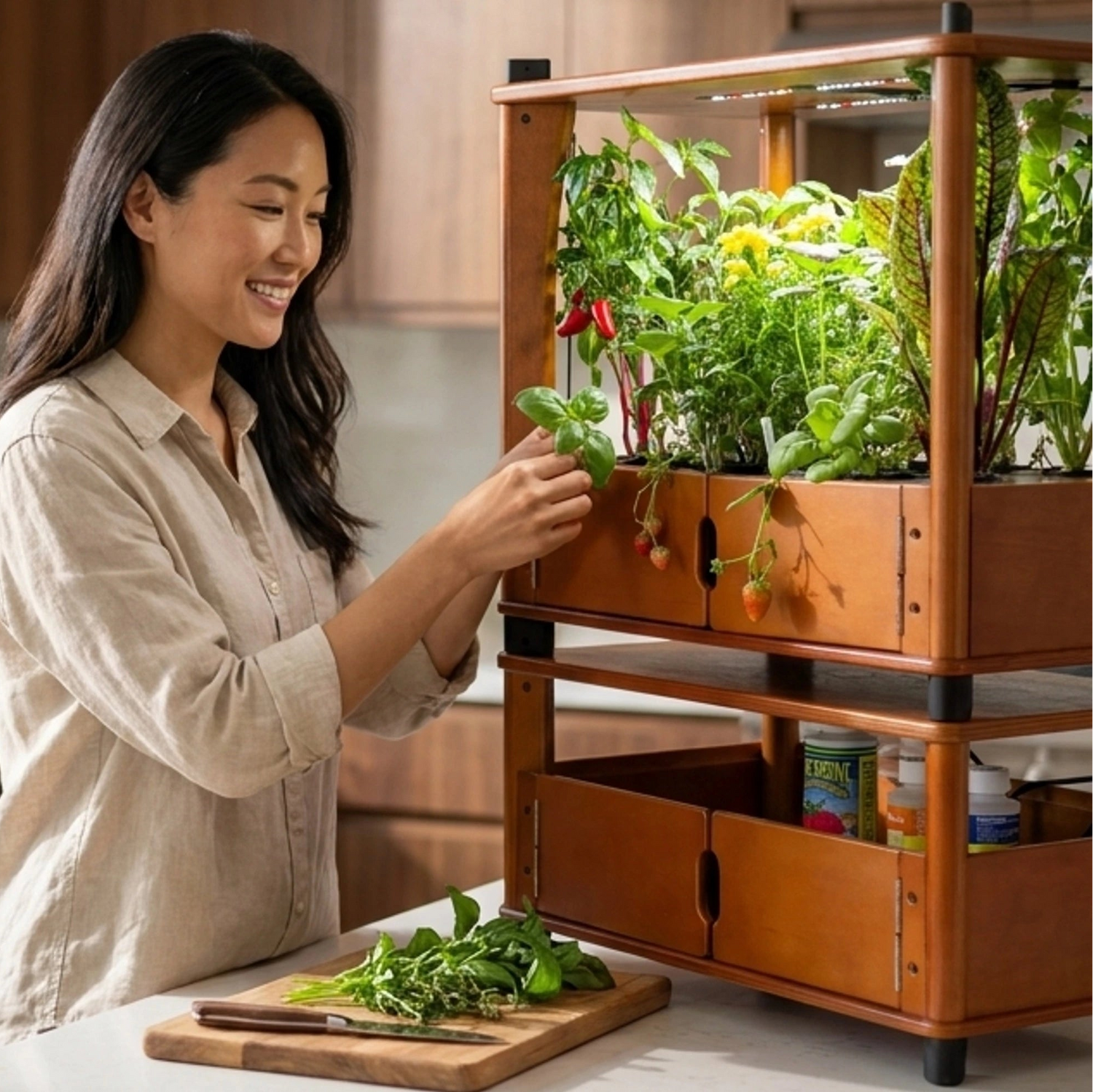
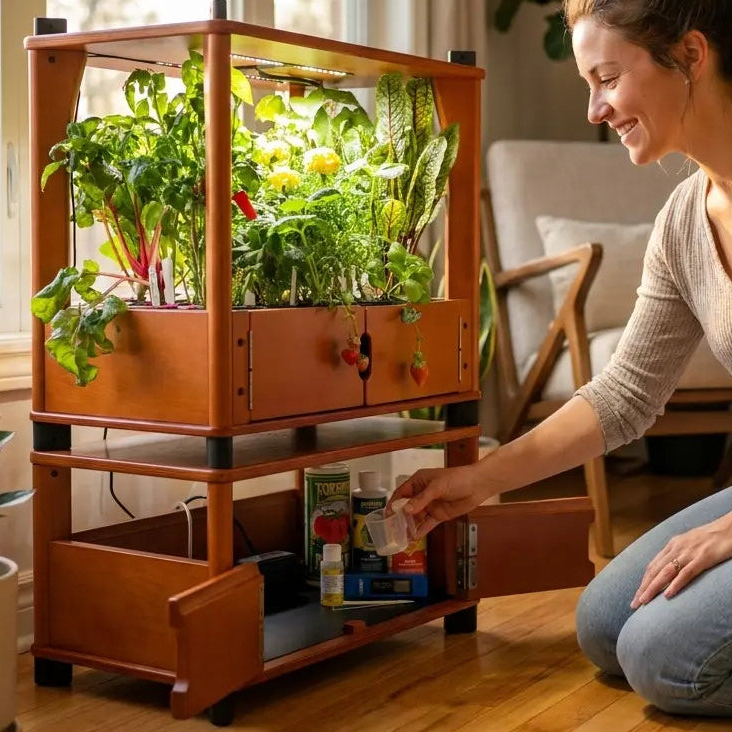
The Aquager farm produces fresh basil, cilantro, thyme, and dill year-round — regardless of what the weather is doing outside. If this is the weekend that makes you think “I should start growing my own herbs,” the timing is exactly right: herbs started this week will be harvestable in 3–6 weeks, well before fall cooking season begins.
Our complete fall indoor herb garden setup guide covers exactly what to plant now and what you’ll be harvesting by Thanksgiving.
Frequently Asked Questions
What’s the best herb for someone new to grilling with fresh herbs?
Thyme. It’s forgiving in application, it goes with almost everything you’d grill (chicken, potatoes, corn, fish), and it’s one of the most reliably productive herbs on the farm. Start there.
Can I use herbs from the farm the same day I plant them?
You’d be surprised how fast things move. Chives are harvestable in 3–4 weeks. Basil in 3–4 weeks. Thyme, oregano, and parsley in 4–6 weeks. Start this weekend and your first fall harvests begin arriving before the weather changes.
The cilantro at the store always goes bad before I use it all. What do I do?
Grow it yourself — the farm keeps it growing rather than dying. You harvest exactly what you need, when you need it. For the specific technique: How to Grow Cilantro Without It Bolting.
The Tools
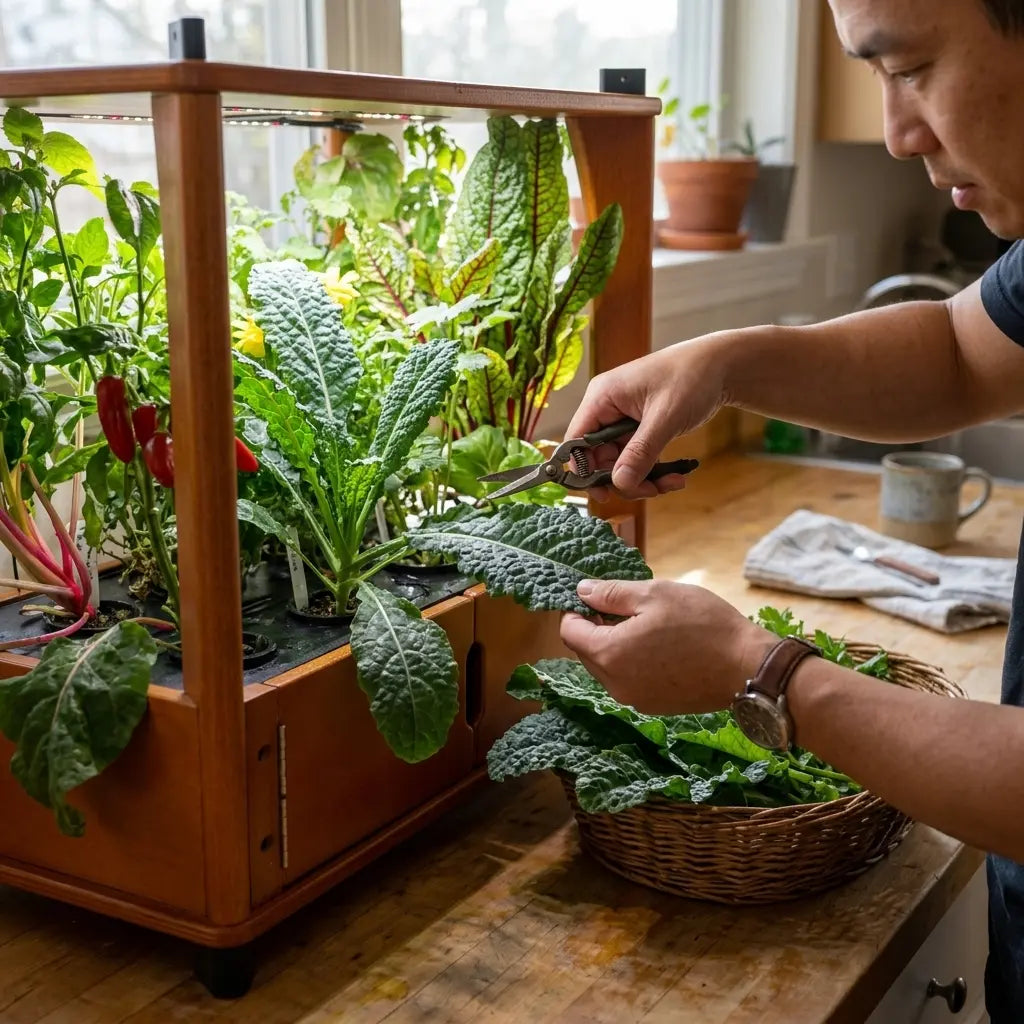
One more essential for the cookout weekend: the Pruning Shears. A sharp pair of herb shears is the difference between a clean harvest that encourages regrowth and a rough tear that stresses the plant. For all the herbs above, cut cleanly just above a leaf node — the plant will produce a lateral shoot and be fuller next time you need it.
Have a great last cookout of summer. The herbs will be ready.
Author: Aquager | Published: June 4, 2026 | Updated: June 4, 2026












0 comments