
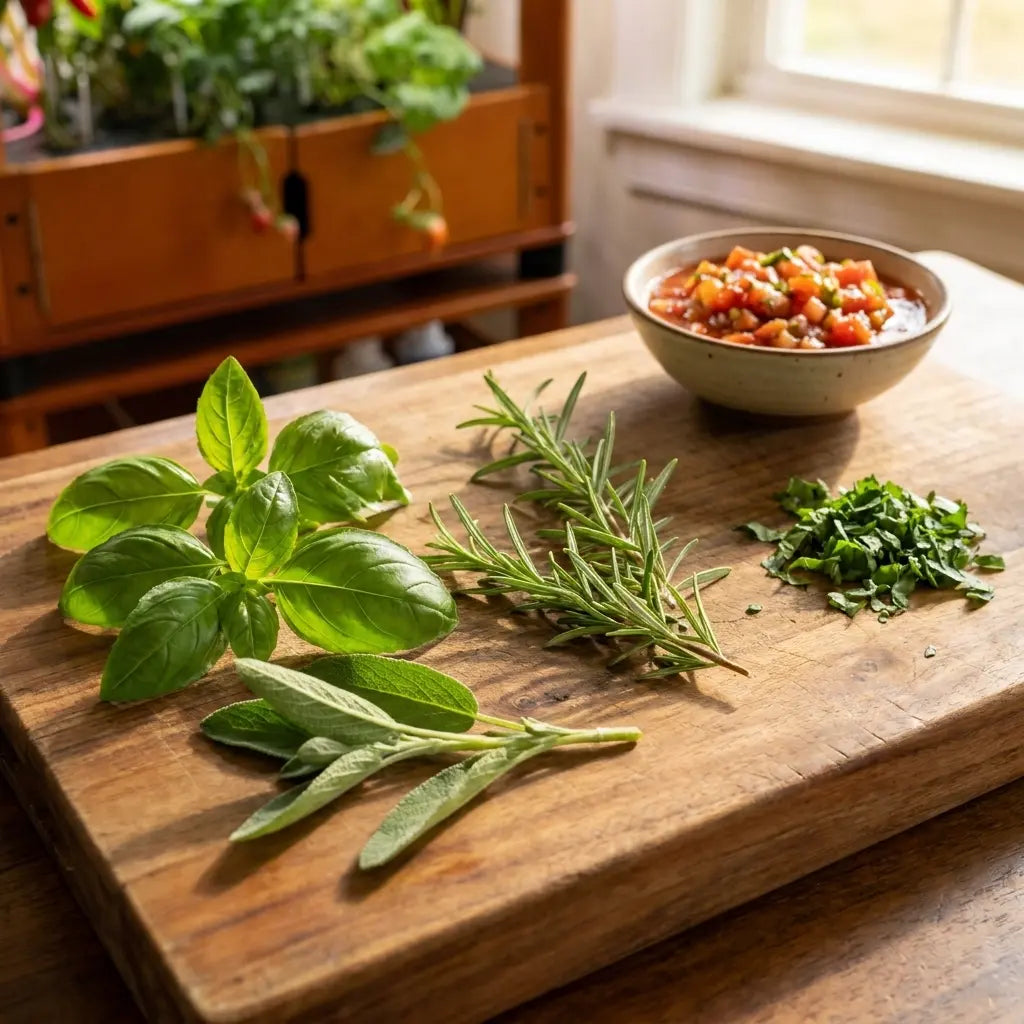
Cilantro bolting is one of the most searched frustrations in herb gardening — and for good reason. You plant it, watch it sprout quickly, enjoy a few promising weeks of dense green growth, and then almost overnight a tall flowering stalk shoots up, the leaves go sparse and spindly, and the flavor turns from clean and citrusy to bitter. You’re left with seeds instead of the herb you actually wanted.
If this has happened to you more than once, the temptation is to assume you’re doing something wrong. You’re not. Cilantro is biologically programmed to bolt, and it bolts fast. Understanding exactly why that happens — and how to engineer an environment that works against that instinct — is what separates growers who get two weeks of cilantro from those who get two months.
This guide covers the science behind cilantro bolting, the techniques that delay it, and the indoor setup that consistently outperforms soil growing for this particular herb.
Why Cilantro Bolts — The Biology Behind It
Cilantro (Coriandrum sativum) is native to the Mediterranean and parts of Southwest Asia, where it evolved as a fast-completing annual. Its survival strategy is straightforward: produce seeds as quickly as possible before summer heat arrives and kills the plant.
Unlike basil, which can produce leaves for 3–6 months before bolting, or mint, which is effectively perennial, cilantro’s entire architecture is optimized for speed. It’s a short-lived annual that naturally wants to complete its lifecycle in 30–45 days under normal conditions. The moment it detects an environmental signal that suggests stress, heat, or extended daylight — all of which the plant interprets as “summer is coming” — it immediately shifts resources from leaf production to seed production.
This is not a response to poor care. It is the plant’s default programming. Cilantro is genuinely one of the most bolting-prone herbs you can grow, and any honest guide has to start by acknowledging that: you cannot stop bolting entirely. What you can do is meaningfully delay it by removing or reducing the triggers that set it off.
What Triggers Cilantro Bolting Indoors
Three factors account for nearly all premature indoor cilantro bolting — and the important thing is that all three are controllable indoors in a way they never are outdoors.
Temperature above 75°F (24°C) is the primary trigger. Cilantro reads consistent warmth as a signal that it’s late spring or early summer, which means it’s time to seed. A kitchen windowsill that catches afternoon sun, a spot near a stove or oven, or a grow setup without adequate airflow will push a cilantro plant to bolt weeks earlier than it otherwise would. The plant’s sweet spot is 60–75°F (15–24°C). Outdoors, you can’t control this. Indoors, you can.
Inconsistent watering and moisture stress. This is the second most common trigger and the reason soil-grown cilantro bolts significantly faster than hydroponically grown. When cilantro roots dry out — even briefly — the plant interprets it as an environmental stressor and rushes to reproduce. Consistent, reliable moisture at the root zone is one of the single most effective ways to slow bolt cilantro, and it’s one of the hardest variables to manage by hand.
Extended day length above 13–14 hours. Cilantro is a long-day plant, which means prolonged light exposure signals that summer is approaching. If you’re running grow lights 16+ hours per day, you’re actively telling the plant it’s midsummer. For cilantro specifically, 12–13 hours of light is the target — shorter light cycles than most herb growers use for basil or leafy greens.
Outdoors, all three variables trend in the wrong direction as spring turns to summer. Indoors, you can hold all three steady — and that’s the entire advantage.
How to Slow Bolt Cilantro — Techniques That Work
Even before optimizing your growing setup, these five techniques can extend the productive leaf window considerably:
1. Choose a slow bolt variety. This is the change most home growers never make, and it has the biggest single impact. Standard unlabeled cilantro from generic seed packets bolts in 3–4 weeks. Slow bolt varieties — bred specifically to delay the flowering response — reliably produce 6–8 weeks of harvestable growth under identical conditions. If you’re growing from grocery store seeds or a generic herb starter, you’re working with the fastest-bolting varieties available. The Cilantro Monogerm Microgreens Seeds from Aquager are selected for dense, rapid leaf production — which gives you the flavor concentration you’re after before the plant has a chance to bolt.
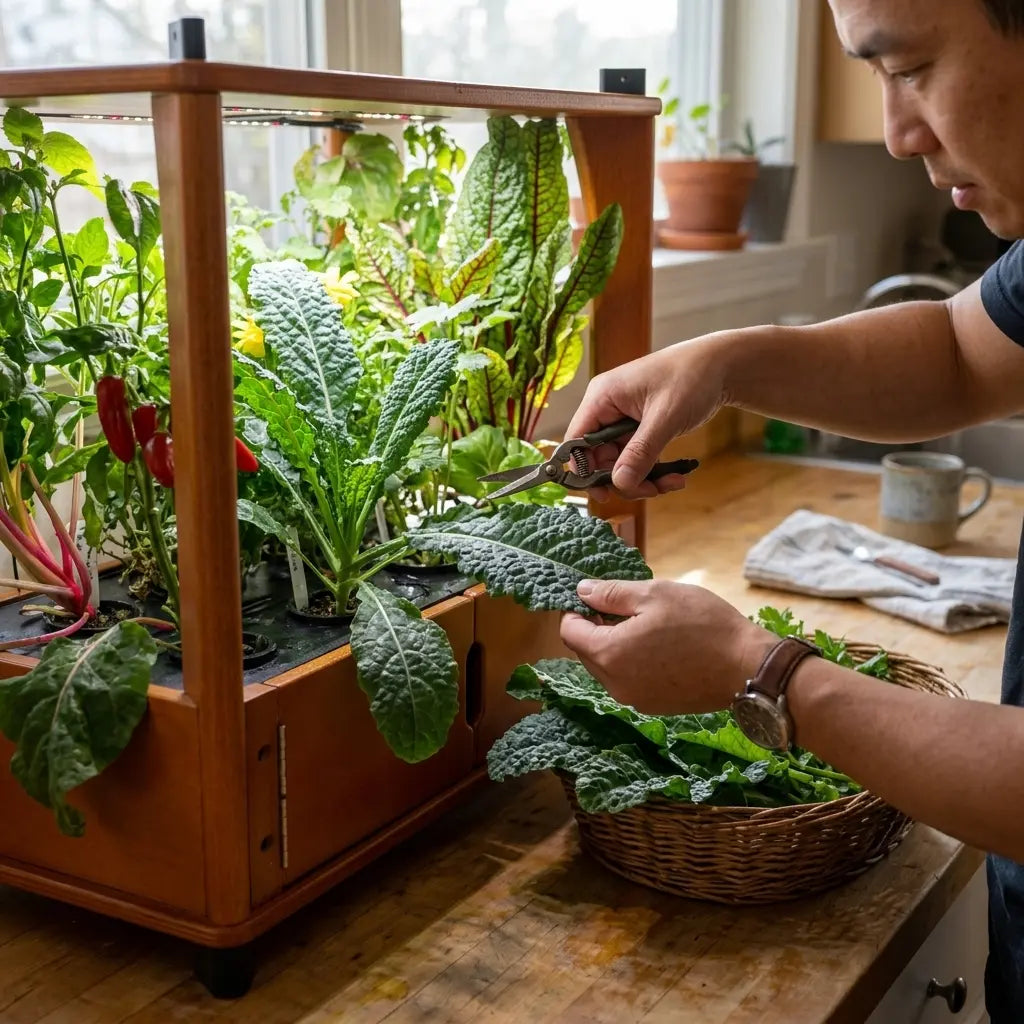
2. Harvest early and often. Regular cilantro care starts with harvesting before the plant gets overloaded. Begin harvesting when the plant reaches 4–6 inches tall — don’t wait for it to be “big enough.” Cut the outer stems at the base, leaving the central growing point intact. Remove no more than one-third of the plant per session, and repeat every 7–10 days. This continuous light harvesting keeps the plant in vegetative mode longer than infrequent heavy cutting, which stresses the plant and can actually accelerate the bolting response.
3. Keep temperatures stable and cool. Move your cilantro away from heat sources: stovetops, ovens, heating vents, and south-facing windows that get intense afternoon sun. Even brief temperature spikes of an hour or two daily add up. Consistency matters more than achieving any specific temperature — wide swings tell the plant its environment is unstable, which increases the urgency to seed.
4. Limit light to 12–13 hours. If you use grow lights, set a timer. More light hours help most herbs, but they actively hurt cilantro by mimicking long summer days. Twelve to thirteen hours is the ideal photoperiod for slow bolt cilantro growth.
5. Never let the roots dry out. Check soil moisture daily rather than watering on a schedule. Cilantro prefers consistently moist — not soggy — conditions. In a pot, water before the top inch dries out. The goal is steady moisture, not a wet-dry cycle. This single change in cilantro care delays bolting more reliably than almost any other adjustment.
The Indoor Setup That Actually Prevents Bolting
Here’s the practical problem with the technique-based approach: every variable is a potential failure point. You forget to water one weekend, the kitchen gets hot while you’re cooking a big dinner, or the light timer runs long. Each of those events nudges the plant closer to bolting. Managing cilantro’s environment by hand is a constant, low-level maintenance task.
The more reliable solution is to control the environment structurally rather than reactively. A hydroponic system removes the two most common bolting triggers — temperature fluctuation and moisture inconsistency — by design. The reservoir maintains consistent root-zone hydration around the clock, with no dry cycles between waterings. Water temperature naturally runs a few degrees cooler than ambient air, which cilantro prefers. Nutrients are delivered uniformly and steadily rather than in the feast-or-famine rhythm of hand watering.
The result is measurable: the same cilantro variety that bolts in three to four weeks in a soil pot reliably produces five to seven weeks of harvest in a hydroponic system before the first signs of flowering appear. That’s nearly double the productive window from the same variety under the same roof.
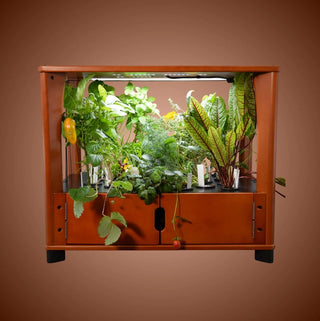
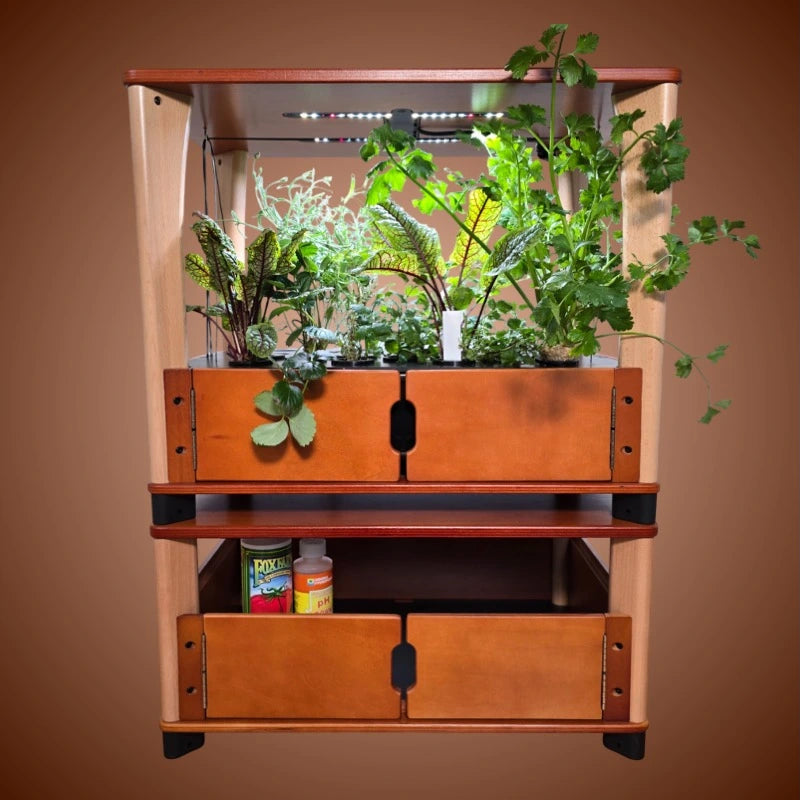
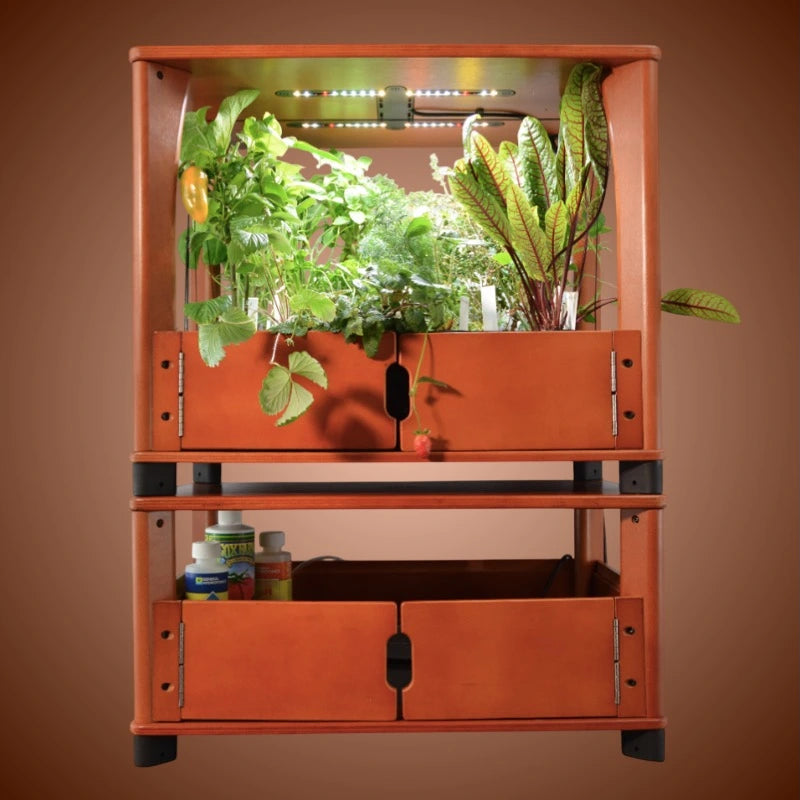
The Aquager Hydroponic Home Farm holds 24 plants and fits on a standard kitchen counter. Run three to four cilantro pods simultaneously at staggered two-week planting intervals — one new pod every two weeks — and you create a rotating harvest system where at least one plant is always at peak leaf production. By the time the first planting starts bolting, the third or fourth is just reaching its prime.
Get the Cilantro Flavor Today While Your Plant Grows
Growing cilantro from a seed pod means waiting three to four weeks before the first real harvest, even in ideal conditions. For most cooking needs — tacos, salsa, guacamole, pho — that’s not a gap most people want to sit with.
Cilantro microgreens fill that gap exactly. Harvested at 10–14 days after planting, microgreens are cut before the bolting instinct has any chance to develop. The flavor profile is closer to mature cilantro than many people expect: bright, citrusy, and herbal, with excellent concentration. Because you’re harvesting the whole tray at once rather than managing a long-lived plant, there’s no bolting to worry about — the crop is done well before any flowering signal could occur.
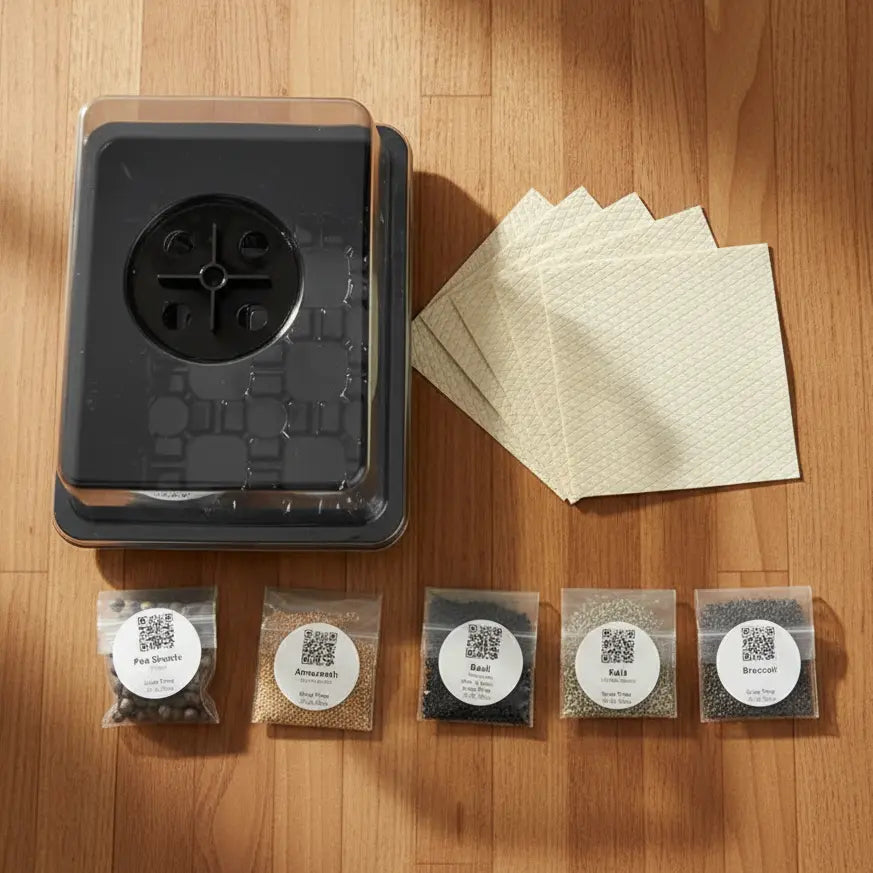
Cilantro Monogerm Microgreens Seeds are specifically selected for uniform germination. Monogerm means each seed capsule contains a single seed rather than the standard two-seeded cilantro fruit — the result is tighter, more uniform tray coverage and more predictable yields than standard cilantro seeds used for microgreens.
The practical rotation to never run out: start a tray of cilantro microgreens the same day you plant your first Home Farm pod. By the time the microgreens are harvested at 10–14 days, the farm cilantro is approaching the 3–4 week mark and nearly ready for its first leaf harvest. Continuous supply, zero gap.
For ideas on how to use cilantro in summer cooking — salsa, guacamole, and tacos especially — see: Grow Cilantro Microgreens for 4th of July Salsa and Guacamole.
Frequently Asked Questions About Cilantro Bolting
Why does my cilantro keep bolting even when I grow it indoors?
The most common indoor cause is temperature. Cilantro bolts at consistent temperatures above 75°F (24°C), and kitchen environments frequently hit that range — especially near stoves, ovens, or south-facing windows in the afternoon. Even brief daily heat spikes are enough to trigger the response over time. Check your growing spot’s temperature at different times of day before assuming the cause is anything else.
Can you stop cilantro from bolting once it starts?
No. Once the flowering stalk begins forming, the plant’s hormonal state has committed to seed production and cannot be reversed. You can cut the bolt stalk at the base, which occasionally prompts the plant to push additional lateral leaf growth for another week or two — but the productive phase is effectively over. The best practice is to start a new pod before the current one bolts, maintaining rotation without a gap.
What is the best slow bolt cilantro variety to grow indoors?
Varieties specifically bred for slow bolting — including Calypso, Santo, and Monogerm types — delay the flowering trigger by two to four additional weeks compared to standard unlabeled varieties. If you’re sourcing cilantro seeds from a generic packet or grocery store, you almost certainly have the fastest-bolting type available. Variety choice matters more than most cilantro care adjustments.
How often should I harvest cilantro to slow bolting?
Harvest every 7–10 days starting when the plant is 4–6 inches tall. Cut the outer stems to the base, remove no more than one-third of the plant per session, and always leave the central growing tip intact. Light, frequent harvesting consistently outperforms infrequent heavy cuts for extending vegetative production time.
Does cilantro grow back after bolting?
Sometimes — small leaves may regrow from lateral nodes after bolting, but they’re typically smaller and more bitter than pre-bolt leaves. Plan your rotation around replanting every 3–5 weeks in soil, or every 5–7 weeks in a hydroponic system, rather than expecting meaningful recovery from a bolted plant.
Grow Cilantro That Actually Lasts
Cilantro bolting is a solvable problem — but you have to solve the right thing. The issue isn’t your technique. It’s the environment. Give cilantro stable temperatures, consistent moisture, and limited light hours, and the bolting trigger delays significantly. Remove the need to manage those variables manually, and you remove most of the failure points entirely.
The Aquager Hydroponic Home Farm handles the environment for you — consistent root-zone hydration, steady temperature, and a countertop footprint that fits into a real kitchen. Add Cilantro Monogerm Microgreens Seeds to your first order and you’ll have fresh cilantro within two weeks, with the longer-term farm crop coming online right behind it.
For a broader look at building an indoor herb and vegetable rotation that includes cilantro alongside jalapeños, tomatoes, and more: How to Grow Jalapeños Indoors: A Complete Salsa Garden Guide and How to Grow Herbs Indoors Year-Round.
Author: Aquager Team · Published: May 28, 2026 · Updated: August 8, 2026 · Reviewed: August 8, 2026 (Phase 2)












0 comments