
Most people abandon outdoor gardening when summer hits its peak. The basil bolts before you can harvest it. The cilantro flowers within two weeks. The heat brings aphids and spider mites. The soil dries out faster than you can water, and then the weekend rain turns it waterlogged. By July, half the garden is either bolted, burned, or buried under pests.
Here’s the thing almost nobody talks about: summer is actually the best time to start an indoor garden. The same season that destroys outdoor herbs is, indoors, ideal growing weather — warm ambient temperatures, long daylight hours, and consistent conditions that your plants love. You’re not fighting the season. You’re using it.
This guide covers why summer gardening indoors outperforms outdoor growing in heat, which plants thrive right now, and everything you need to get set up — including a complete summer shopping list so you can start this weekend.
Why Summer Is the Best Time to Start an Indoor Garden
Outdoor summer gardening works against three variables simultaneously: temperature, pests, and water consistency. In most of the US, summer means daytime highs above 85°F — hot enough to trigger bolting in leafy herbs, stress fruiting plants, and create the warm, humid conditions that pests love. Even dedicated outdoor gardeners lose significant crops every year to summer heat.
Indoors, none of those variables apply the same way. Your home runs at 68–75°F year-round — which is, not coincidentally, the ideal temperature range for most herbs and vegetables. There are no aphids, no spider mites, no fungus gnats from outdoor soil. Rain doesn’t wash your nutrients into the drain one day and leave the soil cracked the next.
Summer also brings a genuine advantage for indoor growing: natural light. In June, July, and August, your home gets more ambient light than at any other point in the year. South- and east-facing windows that are marginal in winter become genuinely useful supplemental light sources in summer. If you run grow lights, you can cut the hours back and let the longer days do part of the work.
The counterintuitive truth about summer gardening is this: the plants that struggle most outdoors in summer heat — cilantro, lettuce, arugula, delicate herbs — are the ones that grow best in a controlled indoor environment. Meanwhile, summer-loving crops like basil and peppers do well both inside and out, but indoors they’re protected from the pests and unpredictability that cut outdoor seasons short.
The Best Plants for Your Summer Indoor Garden
Not everything is worth growing indoors in summer. The best choices are crops you use constantly, that prefer the temperature range your home provides, and that actively benefit from not being exposed to outdoor summer conditions.
Basil — the star of the summer indoor garden. Basil is the rare herb that genuinely loves warmth. It thrives at 70–85°F, which means your summer kitchen is nearly perfect for it. Outdoor basil bolts aggressively in heat, but indoors the temperature is stable and consistent, giving you weeks more productive leaf growth before the plant starts to flower. Basil (Genovese Aroma 2) Seeds — 4x Pack is the classic Italian pesto variety: large, fragrant leaves that peak right when summer cooking demands are at their highest. Start two packs staggered two weeks apart for a continuous harvest through September.
Indoor herbs for grilling season. The herbs that matter most in summer are the ones that go on everything coming off the grill: thyme, oregano, and rosemary. All three are drought-tolerant, heat-loving Mediterranean plants that grow reliably indoors with consistent moisture. Having fresh thyme while marinating chicken, or rosemary for roasted potatoes, is a fundamentally different cooking experience than reaching for the dried jar. The flavor intensity of freshly cut indoor herbs versus dried is not subtle.
Thai basil — the summer addition most people miss. If you cook Thai, Vietnamese, or Southeast Asian food, Thai basil is one of the most valuable things you can grow. It’s used in stir-fries, curries, pho, and summer rolls, and it’s nearly impossible to find fresh in most grocery stores. It grows even more vigorously than Genovese in warm conditions, making summer the ideal time to start it.
Cilantro — the outdoor nightmare that thrives indoors. Cilantro bolts in 2–3 weeks outdoors in summer heat. Indoors, with stable temperatures and consistent moisture, you get 5–7 weeks of productive growth from the same plant. If you cook Mexican, Latin, or Asian food regularly, growing cilantro indoors is one of the highest-value moves in your summer herb garden.
Jalapeños — the long-season summer vegetable. Peppers love heat and thrive in warm indoor conditions, but they take 70–90 days from planting to first harvest. Starting them now means fresh jalapeños on your counter by late summer. They require hand pollination indoors (a soft brush transferred between flowers does it), but are otherwise low-maintenance and highly productive.
What the Aquager Farm Does That a Backyard Garden Can’t
The core advantage of a hydroponic indoor garden in summer isn’t just avoiding pests. It’s removing the three failure points that end most outdoor summer gardens early: heat stress, inconsistent watering, and unpredictable conditions.
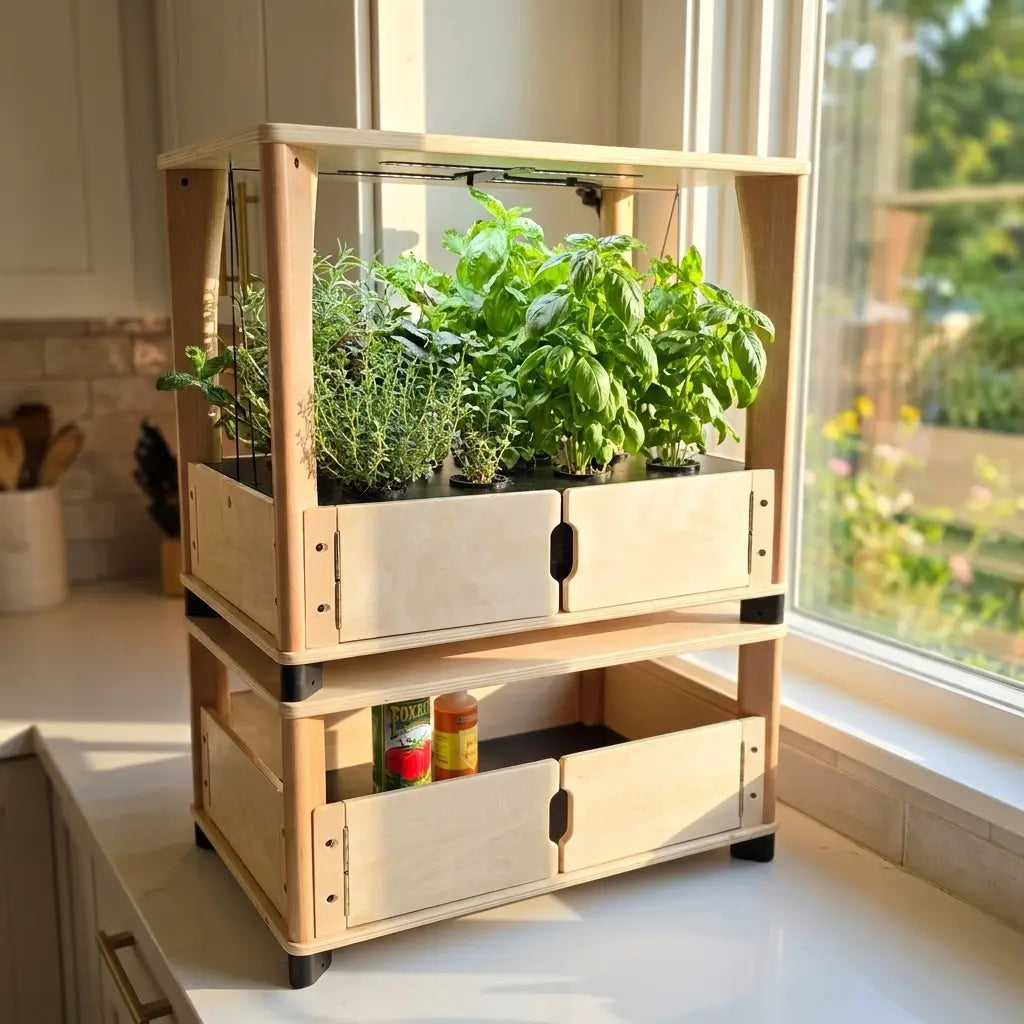
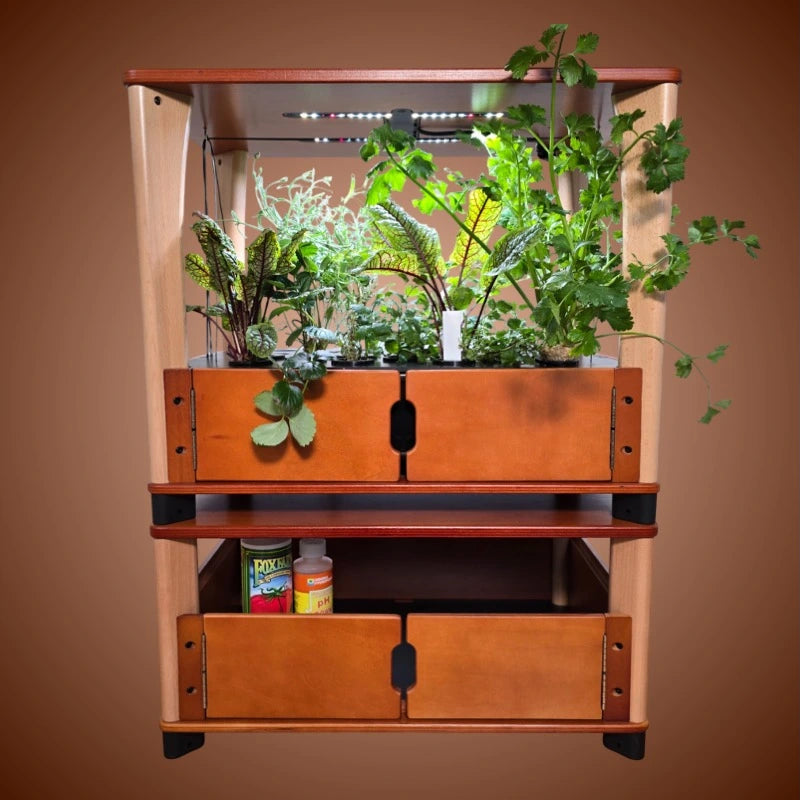
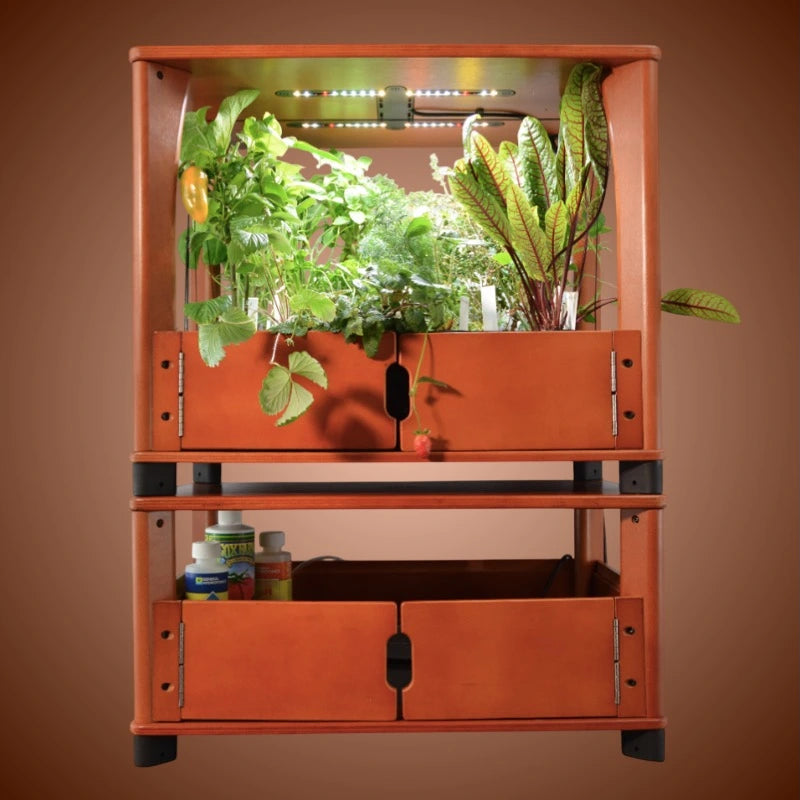
The Aquager Hydroponic Home Farm runs at countertop level inside your home, where the temperature is stable and the environment is fully controlled. The reservoir provides continuous moisture to the roots — no dry spells between waterings, no flooding after rain. Plants receive balanced liquid nutrients on a consistent schedule rather than the feast-or-famine cycle of outdoor soil and unpredictable weather.
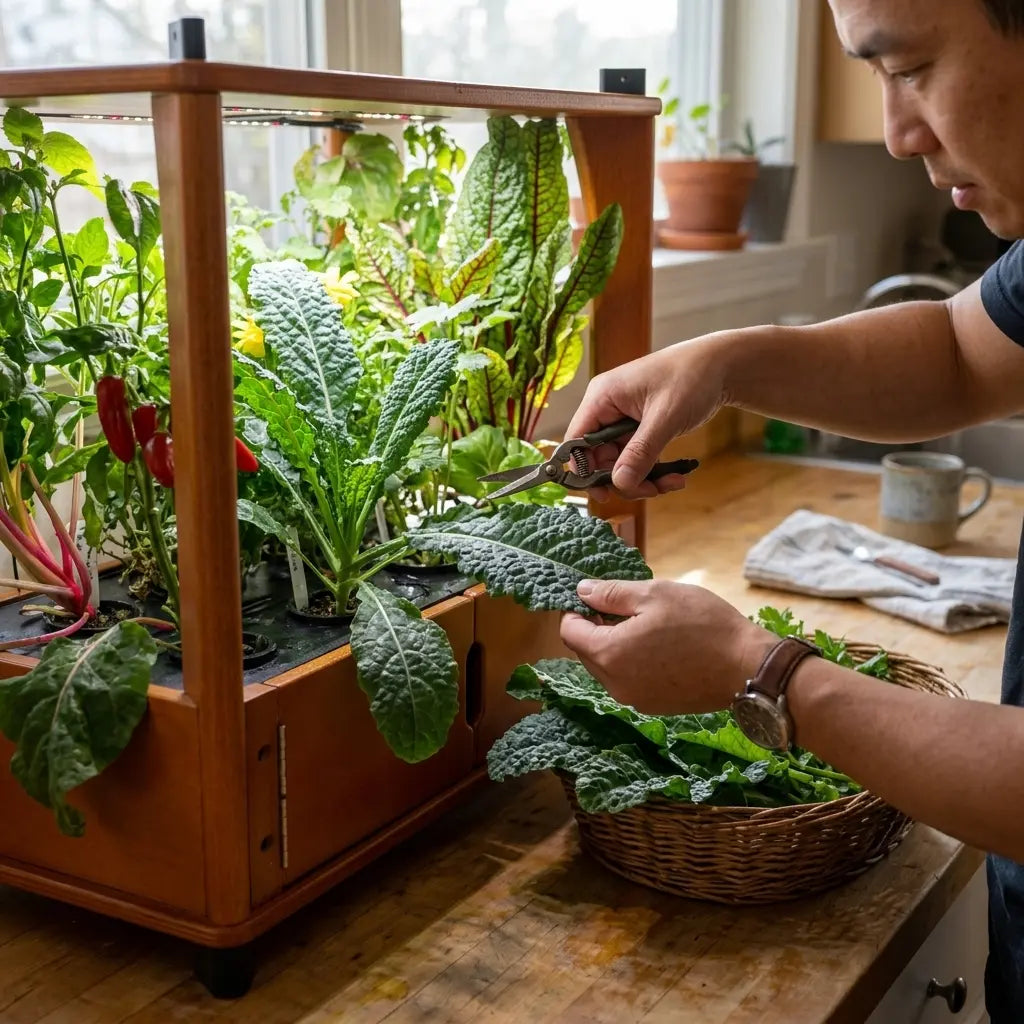
The practical result: herbs that bolt in 2–3 weeks outdoors in July regularly produce 6–8 weeks of harvest in the farm. Basil that gets pest-damaged and sunburned outdoors grows clean and dense indoors. Cilantro that never survives past June outdoors becomes a reliable countertop herb you harvest on rotation. And the 24-pod capacity means you can run your full grilling-season rotation simultaneously — basil, Thai basil, thyme, oregano, rosemary, and jalapeños — without choosing between them.
Your Complete Summer Indoor Garden Shopping List
Everything you need to get a full summer indoor garden running this weekend. The setup covers the farm, water management, nutrients, and a curated selection of summer seed varieties. Before you buy, measure your space with our countertop garden size guide.
The Foundation
- Aquager Hydroponic Home Farm — 24 Plants — $199.99 — the system itself; holds a full summer herb rotation
- pH Control Kit — $15.99 — pH test indicator + pH Up + pH Down + dropper; keeps water in the optimal 5.5–6.5 range for nutrient absorption
- Plant Nutrients — Fox Farm Grow Big (NPK 6-4-4) — $14.99 — balanced liquid fertilizer concentrate; add to the reservoir with each water change
Herbs for Summer Cooking and Grilling
- Basil (Genovese Aroma 2) Seeds — 4x Pack — $7.99 — the essential summer basil; start two packs staggered for continuous supply
- Basil (Sweet Thai) Seeds — 4x Pack — $7.99 — for stir-fries, curries, and pho; nearly impossible to find fresh in stores
- Thyme (Summer) Seeds — 4x Pack — $7.99 — essential for grilling marinades, roasted vegetables, and chicken
- Oregano (Greek) Seeds — 4x Pack — $7.99 — stronger and more aromatic fresh than dried; pairs with everything grilled
- Rosemary Seeds — 4x Pack — $7.99 — slow to establish but worth it for lamb, potatoes, and focaccia all summer
For Salsa, Guacamole, and Mexican Cooking
- Early Jalapeño Pepper Seeds — 4x Pack — $7.99 — start now for late-summer harvest; hand-pollinate with a soft brush once flowering begins
- Cilantro Monogerm Microgreens Seeds — $3.99 — 10–14 day harvest for immediate cilantro supply while full plants establish in the farm
For a full walkthrough of getting the farm set up and running: How to Set Up a Hydroponic System for Beginners (2026).
Frequently Asked Questions
Is summer actually a good time to start an indoor garden?
Yes — and for most herbs, it’s the best time. Warm ambient temperatures in a home (68–75°F) match the ideal growing range for basil, thyme, oregano, and peppers. Longer summer days provide more natural light. And the problems that make outdoor summer gardening difficult — heat stress, pests, irregular watering — don’t apply indoors.
What grows best in an indoor garden during summer?
Basil thrives in warm conditions and is one of the most productive summer indoor crops. Thyme, oregano, and rosemary all grow well year-round. Cilantro, which bolts in outdoor summer heat, stays productive 5–7 weeks in a controlled indoor environment. Jalapeños work well but need 70–90 days and hand pollination. Leafy greens like arugula and spinach grow indoors unaffected by outdoor summer heat, giving you a reliable summer harvest that’s impossible outdoors in most climates.
Can I use natural window light for growing indoors in summer?
Yes, in summer more than any other season. South- and west-facing windows with 6+ hours of direct light work well for basil, thyme, and oregano. Herbs that prefer indirect light — cilantro, parsley — do better in east-facing windows or away from intense afternoon sun. For reliable results across all varieties, a dedicated grow light ensures consistent spectrum and duration regardless of window placement.
What’s the difference between growing herbs in soil versus a hydroponic system in summer?
In a hydroponic system, roots receive water and nutrients directly and continuously — no dry spells, no flooding, no nutrient inconsistency. In summer, this matters more than in cooler months because heat accelerates root stress from drought and nutrient fluctuation from inconsistent watering. For a full comparison: Hydroponics vs Soil: Which Is Better for Indoor Growing in 2026?
How long until my first summer harvest indoors?
Basil: 3–4 weeks. Thyme and oregano: 4–5 weeks. Rosemary: 6–8 weeks. Jalapeños: 10–12 weeks to first peppers. Cilantro microgreens: 10–14 days. Staggering start dates means something is always ready throughout the summer.
Start Your Summer Indoor Garden This Weekend
The herbs you want at your next barbecue — fresh basil for caprese, thyme for the grill, oregano for the marinade — take 3–5 weeks to produce. That window opens now.
Outdoor summer gardening fights the season. Indoor summer gardening works with it: stable temperatures, longer days, no pests, no weather. The Aquager Hydroponic Home Farm gives you the controlled environment that makes a 24-plant summer herb rotation a realistic weekly harvest rather than a hopeful experiment.
Start this weekend and you’re harvesting by the end of June. For everything else that grows well in an indoor garden all year: How to Grow Herbs Indoors Year-Round (No Sunlight Needed).
Author: Aquager Team · Published: May 28, 2026 · Updated: October 11, 2026 · Reviewed: August 8, 2026 (Phase 2)












0 comments