
Every chimichurri recipe calls for the same thing: fresh parsley. Fresh oregano. And enough garlic and heat to make something genuinely alive. The version you make with herbs you grew an hour ago is in a completely different league from anything that starts with dried herbs or produce that’s been sitting at the store for four days.
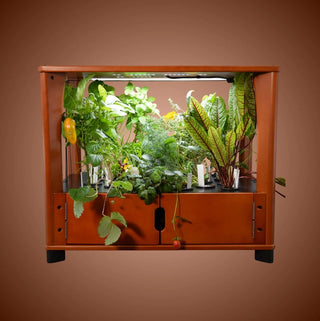
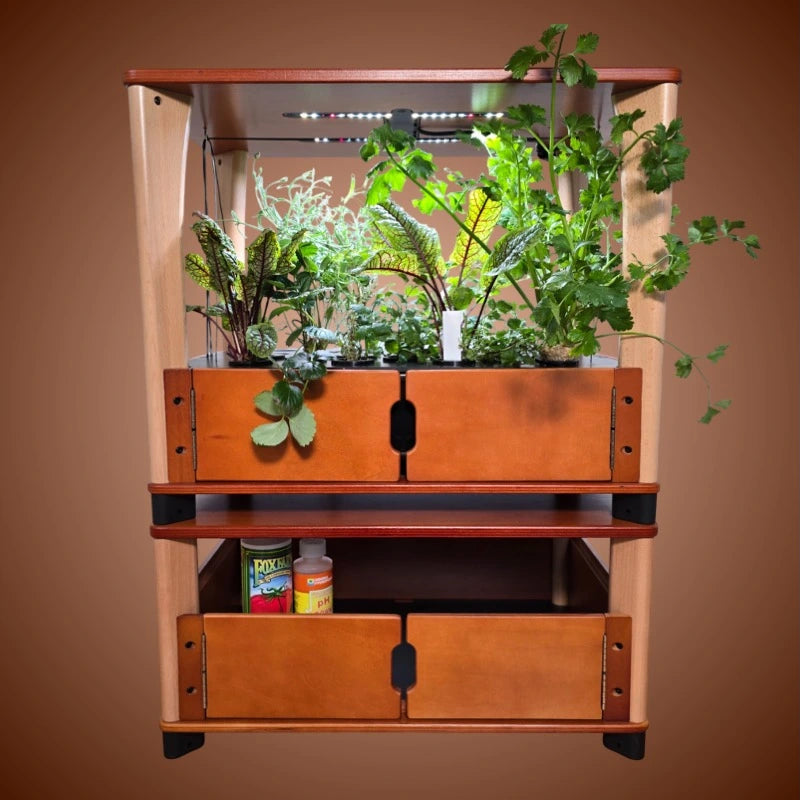
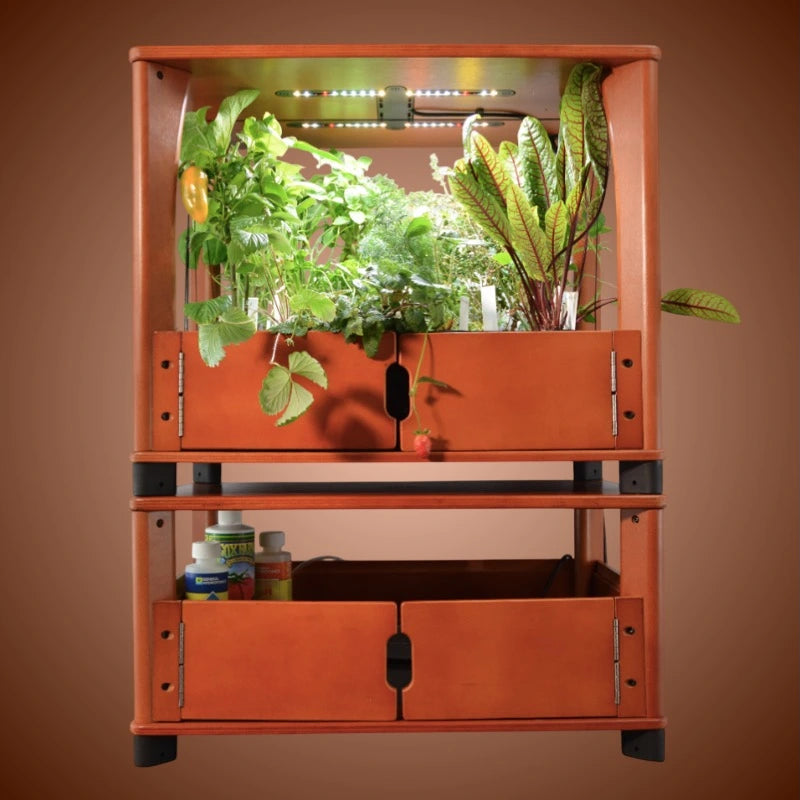
This post covers three essential fresh sauces — chimichurri, salsa verde, and guacamole — with a simple recipe for each and a “grow your own” callout for every herb and ingredient that makes them worth making. Every plant below can grow indoors on a kitchen counter, year-round, in the Aquager Hydroponic Home Farm.
Chimichurri — The Sauce That Starts With Parsley
Chimichurri is one of the great herb sauces of the world: Argentinian by origin, now universal. It requires almost nothing — fresh parsley, fresh oregano, garlic, red wine vinegar, olive oil, and dried red pepper. The difference between a great chimichurri and a mediocre one is almost entirely the quality of the herbs.
The Recipe
- 1 cup fresh flat-leaf parsley, tightly packed
- 2 tablespoons fresh oregano leaves
- 4 cloves garlic
- 2 tablespoons red wine vinegar
- ½ teaspoon red pepper flakes (or ¼ fresh jalapeño, finely minced)
- ½ cup good olive oil
- Salt and black pepper to taste
Combine parsley, oregano, and garlic in a food processor and pulse until finely chopped but not puréed — texture matters. Transfer to a bowl, stir in vinegar, red pepper, salt, and pepper. Slowly whisk in the olive oil. Taste and adjust. Rest for 30 minutes before serving to let the flavors develop.
Use on: grilled steak, chicken, roasted vegetables, as a marinade, on eggs, on anything.
What to Grow
Parsley is the backbone of chimichurri. Flat-leaf (Italian) parsley is the right variety — curly parsley has less flavor. Parsley is a slow starter but produces continuously for months once established. In the Aquager farm, it typically reaches harvestable size in 4–6 weeks and then provides ongoing harvests. Parsley (Giant of Italy) seeds — $8.99 for a 4-pack.
Oregano is the aromatic backbone — what distinguishes chimichurri from a plain parsley salsa. Greek oregano is the most intense variety, which is exactly right for this sauce. It’s a slow-growing perennial that rewards patience: once established, it produces for months. Greek Oregano seeds — $8.99 for a 4-pack.
Salsa Verde — Fresh, Bright, and Herb-Forward
Salsa verde is a broader category than many people realize. This version is a hybrid: a fresh, bright sauce built on parsley and oregano with jalapeño heat and lime, closer in spirit to chimichurri’s cousin than a strictly traditional version of either.
The Recipe
- 1 cup fresh flat-leaf parsley
- 2 tablespoons fresh oregano
- 1 jalapeño, seeded and minced (or more, to taste)
- 2 tablespoons capers, rinsed
- 1 garlic clove
- 1 tablespoon fresh lime juice
- ½ cup olive oil
- Salt to taste
Add all ingredients except olive oil to a food processor. Pulse until finely chopped. Transfer to a bowl and stir in oil. Adjust seasoning. Rest 15 minutes before serving.
Use on: grilled fish, roasted potatoes, as a dipping sauce for bread, over white beans, on fried eggs.
What to Grow
Jalapeño is the heat element in both this salsa verde and as an optional addition to the chimichurri above. A single jalapeño plant produces prolifically over months — one plant in a hydroponic setup will supply more jalapeños than most households can use. Indoors, jalapeños require hand pollination (the farm comes with a pollination brush), but the yield is reliable and the flavor is better than anything store-bought. Early Jalapeño Pepper seeds — $8.99 for a 4-pack.
Growing jalapeños indoors is covered in detail in our guide on growing a salsa garden indoors — including the full salsa bar setup with cilantro and bell peppers alongside jalapeños.
Guacamole — The One That Needs Cilantro
Guacamole is not a recipe where you can substitute. Cilantro is cilantro — nothing approximates it, and no guacamole is worth making without it. The frustration is that cilantro bolts, wilts, and is expensive to buy fresh on any kind of regular basis.
Growing cilantro indoors solves this permanently. For a full explanation of why outdoor cilantro always bolts — and why the indoor hydroponic environment prevents it — see our dedicated guide on growing cilantro without it bolting.
The Recipe
- 3 ripe Hass avocados
- Juice of 2 limes
- ½ white onion, finely diced
- 1 jalapeño, seeded and minced
- ½ cup fresh cilantro, roughly chopped
- 1 small garlic clove, minced
- Salt to taste
Mash the avocados roughly — some texture is better than a smooth purée. Fold in lime juice, onion, jalapeño, garlic, and salt. Stir in the cilantro last, preserving its brightness. Taste and adjust. Serve immediately or press plastic wrap directly onto the surface and refrigerate for up to 2 hours.
Use on: tortilla chips, tacos, grilled chicken, grain bowls, anything.
What to Grow
Cilantro can be grown two ways in the Aquager system. For the fastest access — ready in 10–14 days — cilantro microgreens produce the same bright, citrusy herb flavor and can be used as a direct substitute for full cilantro in guacamole, salsa, and as a garnish. The Aquager hydroponic farm also supports full-plant cilantro in the standard pod system for a continuous supply.
Build Your Sauce Garden
These three sauces share four ingredients: parsley, oregano, cilantro, and jalapeño. Together, they form a “sauce garden” — a dedicated hydroponic setup that keeps you stocked for every fresh condiment in your regular rotation.
The Aquager Home Farm — 24 Plants runs all four simultaneously:
- 4 Parsley pods — continuous supply for chimichurri and salsa verde
- 4 Oregano pods — slower growing but long-lasting; provides aromatic depth to both sauces
- 4 Cilantro pods — fresh cilantro on demand for guacamole and garnish
- 2 Jalapeño plants — one or two plants supply more heat than most households need
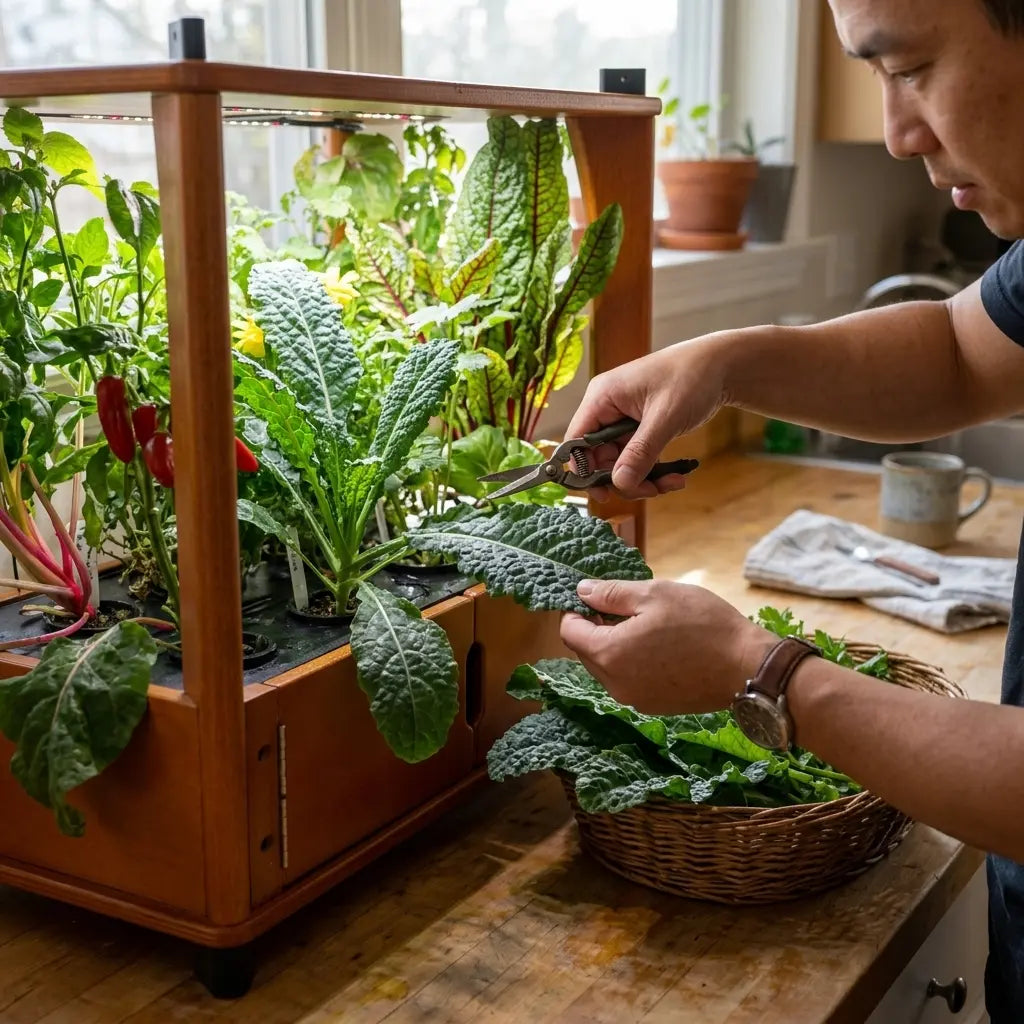
The farm’s 24-plant capacity gives room for the sauce garden plus basil, thyme, and any other herbs you cook with regularly. Everything grows under the same controlled light cycle, at the same nutrient concentration, with minimal maintenance between harvests.
With this setup running, none of the three sauces above requires a trip to the grocery store. The herbs are always there, at peak flavor, ready to cut and use the same day.
Frequently Asked Questions
Can I use dried herbs in chimichurri?
Technically yes, but the result is categorically different. Dried herbs produce a more muted, less vibrant sauce. The whole point of chimichurri is the intensity of fresh parsley and oregano. If you’re making chimichurri, fresh herbs are worth getting — or growing.
How long do these sauces keep?
Chimichurri keeps well in the refrigerator for up to 2 weeks covered in olive oil. The oil acts as a preservative. Salsa verde keeps 5–7 days refrigerated. Guacamole is best same-day but can last 24 hours if the surface is sealed airtight.
How long until I can harvest from a new hydroponic herb setup?
Parsley and oregano take 4–6 weeks to reach productive harvest size from seed. Cilantro is faster — 3–4 weeks for full-plant cilantro, or 10–14 days for cilantro microgreens. Jalapeños take 8–12 weeks from planting to first fruit. Stagger your planting so you’re not waiting for everything at once.
Can I substitute parsley for cilantro in guacamole?
You can, but don’t. Parsley-guacamole exists, tastes fine, and is what you make when the cilantro runs out. But cilantro-guacamole is the version worth making. Grow the cilantro.
What’s the difference between Greek oregano and Italian oregano?
Greek oregano is more pungent and intensely aromatic than the milder Italian or Mexican varieties. For chimichurri, Greek oregano is correct — the flavor is bold enough to stand up in the sauce. The Aquager seed catalog carries the Greek variety specifically.
The Last Time You’ll Buy These Herbs at the Store
Once the sauce garden is running, the math shifts permanently. Fresh chimichurri on steak, salsa verde on fish, guacamole whenever you want it — all from a countertop farm that you harvest as needed and replenish automatically.
Start with Parsley, Oregano, and Jalapeño seeds and the Aquager Home Farm. Your first chimichurri from homegrown parsley will be ready in about six weeks.
Author: Aquager Team · Published: May 30, 2026 · Updated: August 8, 2026 · Reviewed: August 8, 2026 (Phase 2)












0 comments