
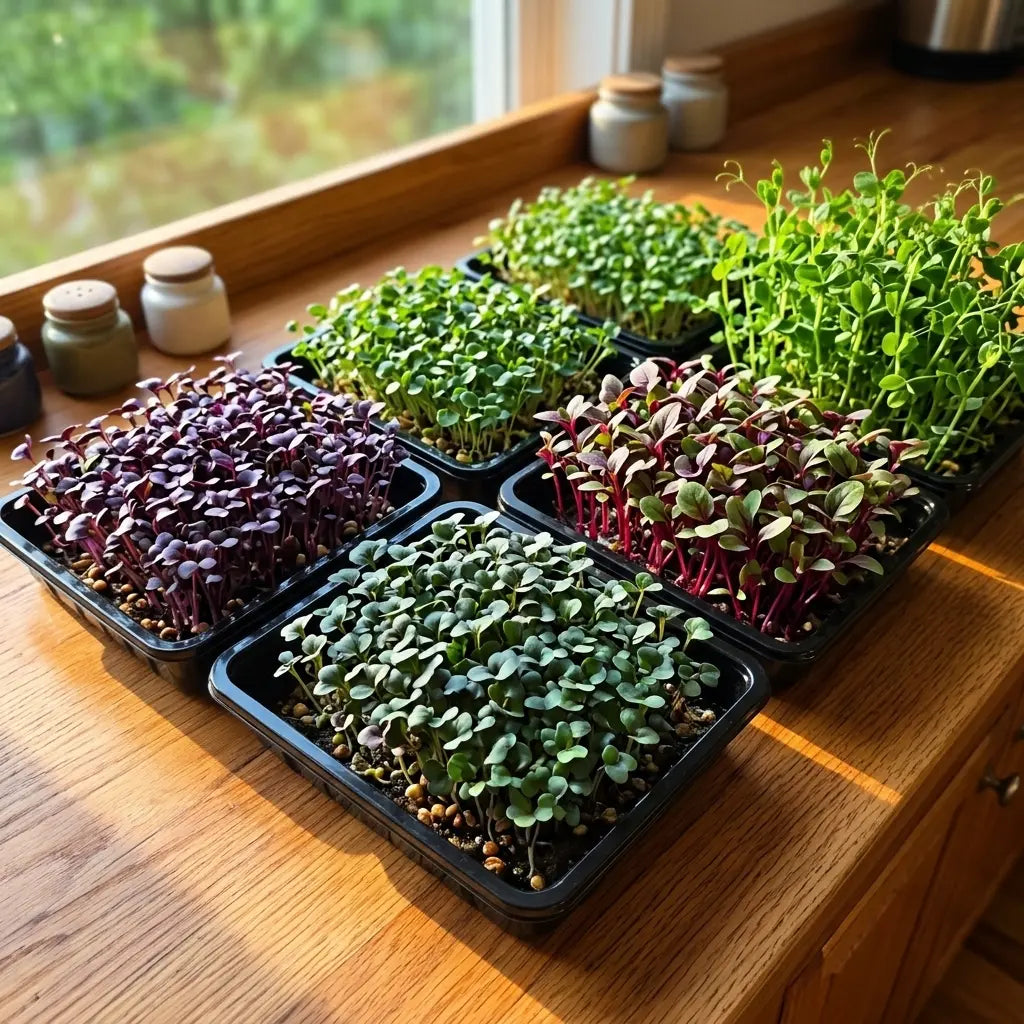
A 2012 study by the University of Maryland and the USDA found that microgreens contain 4 to 40 times the nutrient concentration of their mature counterparts, depending on the variety and the specific compound measured. That's not a rounding error. It's a structural feature of how plants work: nutrients are most concentrated in the seed and seedling stage, then diluted as the plant grows larger and produces more volume.
This is the complete guide to the most nutritious microgreens you can grow at home, comparing nutrient density across all 18 Aquager varieties. It covers what each variety contains, which compounds are clinically significant, and which variety to grow for each specific health goal. Every variety is linked directly to its seed page.
If you want the science behind why microgreens are more nutritious than mature vegetables, start here. If you already know the why and want to find the right variety for your goal, skip to the comparison table or the health goal guide below.
In This Guide:
Why Microgreens Are More Nutritious Than Mature Vegetables
Plants store their energy reserves, including vitamins, minerals, proteins, and protective phytochemicals, in the seed. During germination, these stored compounds are mobilized and used to fuel rapid cell division and early growth. At the cotyledon stage (7 to 14 days after germination), the plant has converted seed reserves into usable nutrients and has begun photosynthesizing, but has not yet diluted those nutrients across a large volume of plant tissue.
The University of Maryland / USDA study, published in the Journal of Agricultural and Food Chemistry, analyzed 25 microgreen varieties and found that concentrations of vitamins C, E, K, and beta-carotene were substantially higher in microgreens than in mature leaves. Red cabbage microgreens had 40 times more vitamin E and 6 times more vitamin C than mature red cabbage. Cilantro microgreens had the highest antioxidant capacity of any variety tested.
This matters practically. A small handful of microgreens (1 oz) added to a meal delivers a nutritional contribution that would require several cups of the equivalent mature vegetable to match. For a broader summary of the research, our overview of why microgreens are the most nutritious vegetables you can eat covers the key studies in one place.
The Most Nutritious Microgreens: Full Comparison of All 18 Varieties
The table below covers the full Aquager catalog. Each variety is ranked by its primary nutritional contribution, with key compounds listed and a "best for" health application. For the highest-authority compound in any single variety, sulforaphane in broccoli: a full breakdown is available in our broccoli microgreens sulforaphane guide.

| Variety | Days to Harvest | Key Nutrients | Standout Compound | Best For |
|---|---|---|---|---|
| Broccoli | 7 to 10 | Vitamins C, K, E; folate | Sulforaphane (up to 40× mature broccoli) | Immune support, detox, cancer prevention research |
| Sunflower | 10 to 12 | Complete amino acids, Vitamin E, zinc, iron | Only microgreen with full essential amino acid profile | Protein, muscle recovery, athletes |
| Pea Shoots | 8 to 10 | Protein, Vitamins C, A, K; folate | Highest folate of any Aquager variety | Pregnancy nutrition, energy, cardiovascular health |
| Amaranth (Garnet Red) | 8 to 12 | Vitamins C, K; complete protein; calcium | Betacyanin: potent antioxidant behind the deep red color | Anti-inflammation, antioxidants, grain-free protein |
| Kale (Kalefetti Mix) | 7 to 10 | Vitamins A, C, K; folate; glucosinolates | High folate and magnesium: linked to serotonin synthesis | Mood support, bone health, immune vitamins |
| Arugula | 7 | Vitamin K, nitrates, folate, glucosinolates | Dietary nitrates: converted to nitric oxide for blood pressure support | Bone health, blood pressure, cardiovascular |
| Radish Confetti Mix | 5 to 7 | Vitamins C, E, K; anthocyanins; glucosinolates | Glucoraphasatin → sulforaphene; liver detox enzyme activation | Fastest harvest, liver support, antioxidants |
| Clover | 7 to 10 | Isoflavones, calcium, Vitamin C, magnesium | Phytoestrogens (isoflavones): studied for hormonal balance | Women's hormonal health, bone density, mild flavor |
| Mustard | 5 to 7 | Glucosinolates, Vitamin C, Vitamin A | Sinigrin: a glucosinolate with strong antimicrobial and detox activity | Bold flavor, detox support, Brassica diversity |
| Cilantro | 10 to 14 | Vitamins C, K; quercetin; beta-carotene | Highest antioxidant capacity in the USDA microgreens study | Antioxidant density, culinary versatility |
| Basil Genovese | 10 to 14 | Vitamin K, rosmarinic acid, luteolin | Rosmarinic acid: anti-inflammatory polyphenol | Anti-inflammation, Italian cooking, polyphenols |
| Basil Red Rubin | 10 to 14 | Vitamin K, anthocyanins, rosmarinic acid | High anthocyanin content: purple pigment as antioxidant marker | Antioxidants, visual impact, anti-inflammatory |
| Kohlrabi Purple | 7 to 10 | Vitamin C, glucosinolates, calcium | Mild Brassica glucosinolates: same family as broccoli, lighter flavor | Kids, mild flavor, Brassica benefits without spice |
| Borage | 10 to 14 | GLA (gamma-linolenic acid), Vitamin C, potassium | GLA: omega-6 fatty acid studied for skin health | Skin health, omega-6 balance, cucumber flavor |
| Dill | 10 to 14 | Vitamins A, C, K; flavonoids; calcium | Kaempferol: a flavonoid with anti-inflammatory and antimicrobial properties | Digestion support, culinary pairings, Vitamins A and K |
| Wheatgrass / Cat Grass | 7 to 10 | Chlorophyll, Vitamins A, C, E, K; iron | Chlorophyll: alkalizing, high iron for cats and humans | Detox support, cats (hairball management), iron |
| Basil Lemon | 10 to 14 | Vitamin K, citral, linalool | Citral: aromatic compound with mild antimicrobial properties | Culinary creativity, Southeast Asian cooking, cocktails |
| Basil Bicolor | 10 to 14 | Vitamin K, anthocyanins, rosmarinic acid | Balanced green-purple profile: chlorophyll and anthocyanin antioxidants | Visual garnish, balanced flavor, antioxidant diversity |
Best Microgreens for Your Health Goal

For immune system support → Broccoli
Sulforaphane, the primary compound in broccoli microgreens, directly activates Nrf2: a transcription factor that switches on the body's antioxidant and detoxification response. Broccoli microgreens contain up to 40 times more sulforaphane precursor than mature broccoli florets. Add them raw to meals after cooking to preserve the myrosinase enzyme required for conversion. Full breakdown: broccoli microgreens sulforaphane guide.
For protein and muscle recovery → Sunflower
Sunflower microgreens are the only variety in this catalog with a complete essential amino acid profile. They're also rich in zinc and vitamin E. For athletes and anyone adding whole-food protein to their diet, sunflower microgreens are the clearest choice. See our sunflower microgreens growing guide for how to grow them.
For anti-inflammatory diet → Amaranth
The deep garnet-red color of Amaranth microgreens comes from betacyanin: a betalain antioxidant with documented anti-inflammatory activity. Unlike carotenoids, betacyanins are water-soluble and bioavailable in their raw form. Amaranth is also one of the few plant-based sources of complete protein.
For bone health and blood pressure → Arugula + Clover
Arugula microgreens are one of the highest natural sources of vitamin K1, involved in activating osteocalcin for bone mineralization. Clover microgreens contain isoflavones that modulate estrogen-related bone density changes and provide meaningful calcium. Together they cover the bone health matrix more completely than either alone.
For antioxidant density → Cilantro
The USDA microgreens study found cilantro microgreens had the highest overall antioxidant capacity of any variety tested, driven by quercetin and beta-carotene concentrations in the seedling stage not replicated in mature cilantro leaves.
For mood and mental health → Kale
Kale microgreens are rich in folate and magnesium: two nutrients directly involved in serotonin synthesis and stress regulation. Folate is a cofactor for producing 5-MTHF, required for the conversion of tryptophan to serotonin. Magnesium modulates NMDA receptor activity with a documented calming effect on the nervous system. More on this in our kale microgreens mood guide.
For the fastest nutrition → Radish or Mustard
Both are ready in 5 to 7 days and belong to the Brassica family, carrying meaningful glucosinolate concentrations. For a full comparison, see our radish vs. mustard vs. arugula comparison.
How to Maximize the Nutrition You Get From Microgreens

Eat them raw or add after cooking. Heat above 140°F degrades both the volatile compounds that create flavor and the enzymes required to activate key phytochemicals. Sulforaphane is produced when glucoraphanin reacts with myrosinase, both heat-sensitive. Add microgreens to hot food after plating, not during cooking.
Harvest and eat the same day for maximum antioxidant value. Antioxidant concentrations drop measurably within 24 to 48 hours of harvest as the cut plant begins to oxidize. If you're growing microgreens specifically for the nutritional benefit, harvest on the day you plan to eat them. For storage, refrigerate at 35 to 40°F in an unsealed container lined with a dry paper towel.
Rotate varieties. No single microgreen contains every compound. Broccoli provides sulforaphane; cilantro provides the highest antioxidant capacity; sunflower provides complete protein; clover provides isoflavones. A rotation of 3 to 4 varieties over the course of a week gives you the broadest possible phytochemical coverage from a single growing system.
Include fat-soluble vitamins with a fat source. Vitamins A, E, and K are fat-soluble: they require dietary fat present in the same meal for absorption. Pair with olive oil, avocado, nuts, or any fat-containing food to ensure full absorption.
Once you know how to store and rotate microgreens for maximum nutrition, the easiest way to keep a fresh rotation going is growing more than one variety at a time.
Frequently Asked Questions
Which microgreens have the most protein?
Sunflower microgreens have the highest complete amino acid profile and the most substantial protein content. Pea shoots are the second-highest and carry additional folate and vitamin C alongside their protein content.
Do microgreens actually have protein?
Yes. Most microgreens carry meaningful protein for their size, and sunflower microgreens go further, with all nine essential amino acids present, making them one of the few complete plant protein sources. Pea shoots and amaranth are the next-highest.
Which microgreens have the most vitamin C?
Radish confetti mix, kale, and broccoli microgreens are all high in vitamin C. Cilantro microgreens were found to have exceptional antioxidant capacity in the USDA study, driven in part by vitamin C and quercetin.
Are all microgreens equally nutritious?
No, there is significant variation across varieties. Broccoli stands out for sulforaphane. Sunflower for complete protein. Cilantro for overall antioxidant capacity. Clover for isoflavones. The comparison table above is the most direct guide to selecting varieties for specific health outcomes.
Do microgreens lose nutrition over time after harvest?
Yes. Antioxidant concentrations drop measurably as the cut plant oxidizes. The most significant drop occurs in the first 24 to 48 hours. Refrigerated storage significantly slows this degradation: properly stored microgreens retain most of their nutritional value for 5 to 7 days.
Is growing your own more nutritious than buying store-bought?
Generally yes. Store-bought microgreens are typically harvested several days before purchase, then packaged and transported under refrigeration. Each day post-harvest, compounds degrade. Home-grown microgreens harvested minutes before eating retain the full concentration measured in research studies.
Final Thoughts
Microgreens are not a trend. The nutrient density data is real, peer-reviewed, and replicable: 4 to 40 times the concentration of vitamins, antioxidants, and phytochemicals found in the equivalent mature vegetable, in a 7 to 14 day crop you can grow at home.
The comparison table above is designed to be bookmarked and referenced. Each variety has a specific strength, and the right combination depends on what you're growing for. For most people, a rotation of broccoli (sulforaphane), sunflower (protein), and one or two others based on personal health goals covers the broadest nutritional ground from a single growing setup.
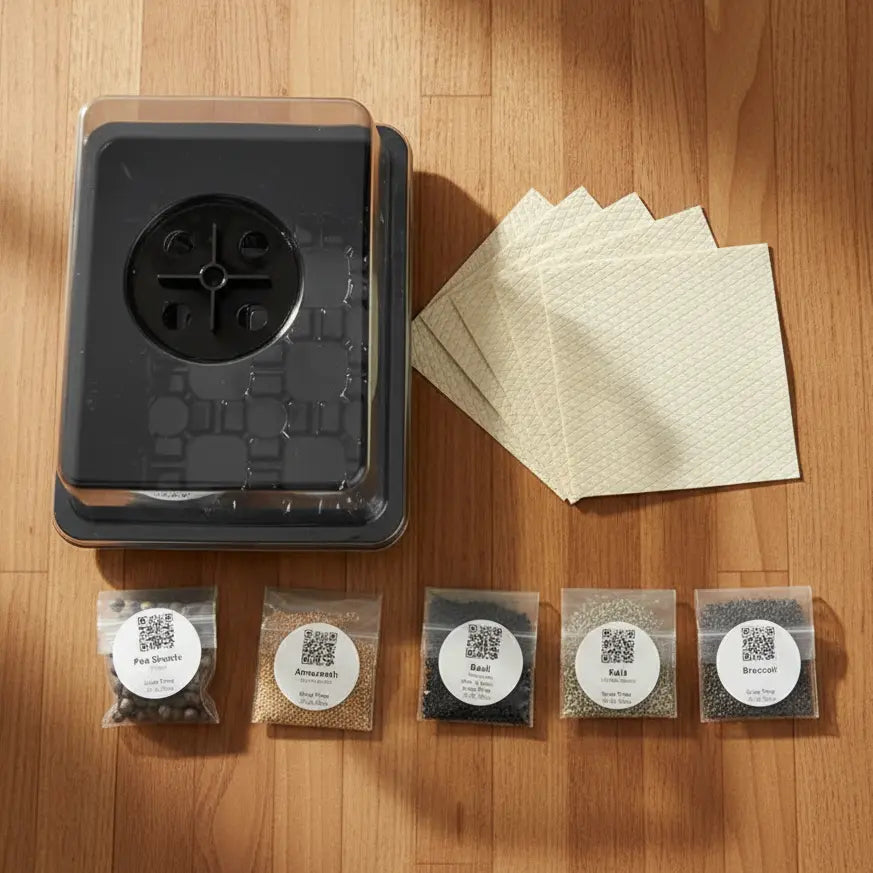
The Microgreens Starter Kit includes everything needed to grow any variety in this table. Add seeds from the catalog and have your first harvest within a week.

Author: Aquager Team · Published: June 4, 2026 · Updated: October 11, 2026 · Reviewed: October 11, 2026 (Phase 2) · Phase 3: August 14, 2026
















2 comments
Hi Beth, thank you so much for the kind words and great question! Right now, we don’t have a single chart with exact per-amount values (per oz or per 1/2 cup) across all 18 varieties. Most of the research we cite (like the USDA/University of Maryland study) reports nutrients as relative concentration multiples versus mature veggies rather than absolute mg per serving, so a precise side-by-side gets tricky to source reliably for every compound.
That said, this is a great idea for variety mixes, so we’ll look into putting together a quantitative reference (mg/mcg per oz) as a follow-up resource. In the meantime, the USDA FoodData Central database has per-100g values for a few of these varieties (broccoli, sunflower, pea shoots) if you want a head start on the math. Appreciate you flagging this, it’ll make a great addition to the guide!
This is such great info! Thank you! Is there a chart that exists somewhere that breaks down the exact nutritional profile for these varieties per amount? For example, per oz, or 1/2c, etc. I’d love to be able to use this info when putting together my variety mixes so my customers can know exactly how much of everything is in their box.