
A plate at a great restaurant has something many home plates lack: a small, bright cluster of fresh greens added at the last moment. It makes the food look finished and planned.
That cluster is microgreens, and on Christmas dinner they fit every course. This guide shows how to garnish six courses, which variety to use on each, and when to plant so everything is ready by December 25.

What Do You Need to Garnish Christmas Dinner With Microgreens?
You need three things: a small tray setup, two or three microgreen varieties, and a planting date counted back from Christmas. Pea shoots, radish and amaranth cover the most courses, and each brings a different color and flavor. All three grow indoors with water and an organic grow mat, no soil needed.
- Pea Shoots: sweet and crunchy, ready in 7 to 14 days.
- Radish Confetti Mix: crisp and spicy, ready in 10 to 15 days.
- Amaranth Garnet Red: deep ruby red with a mild, nutty flavor, ready in 16 to 25 days.
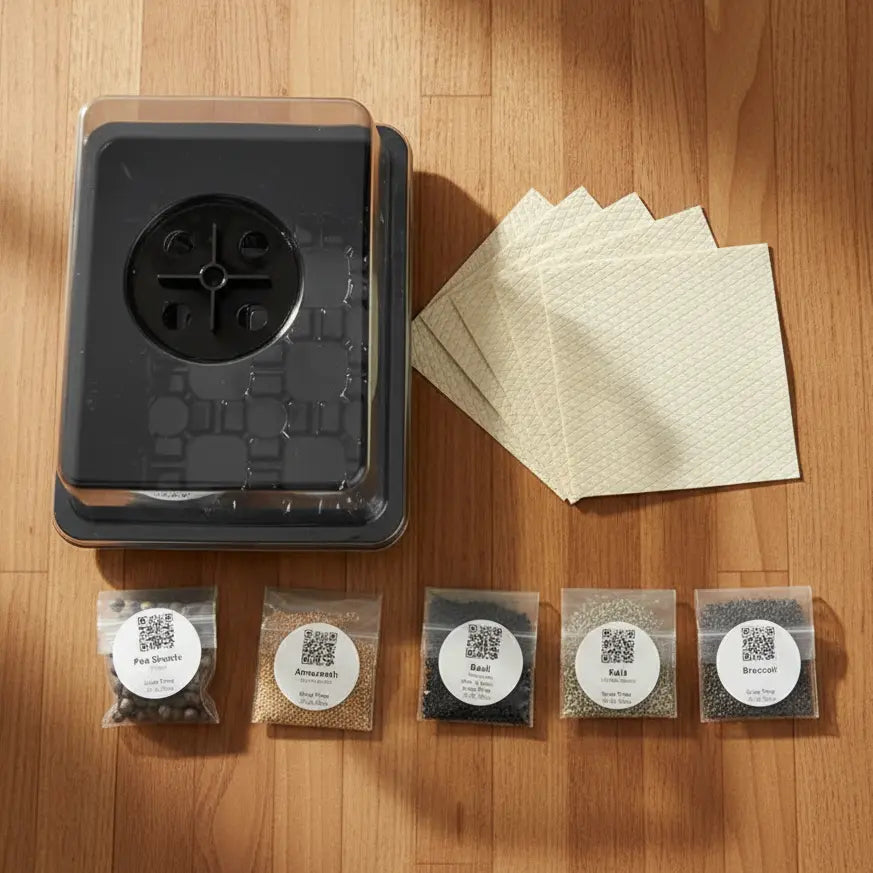
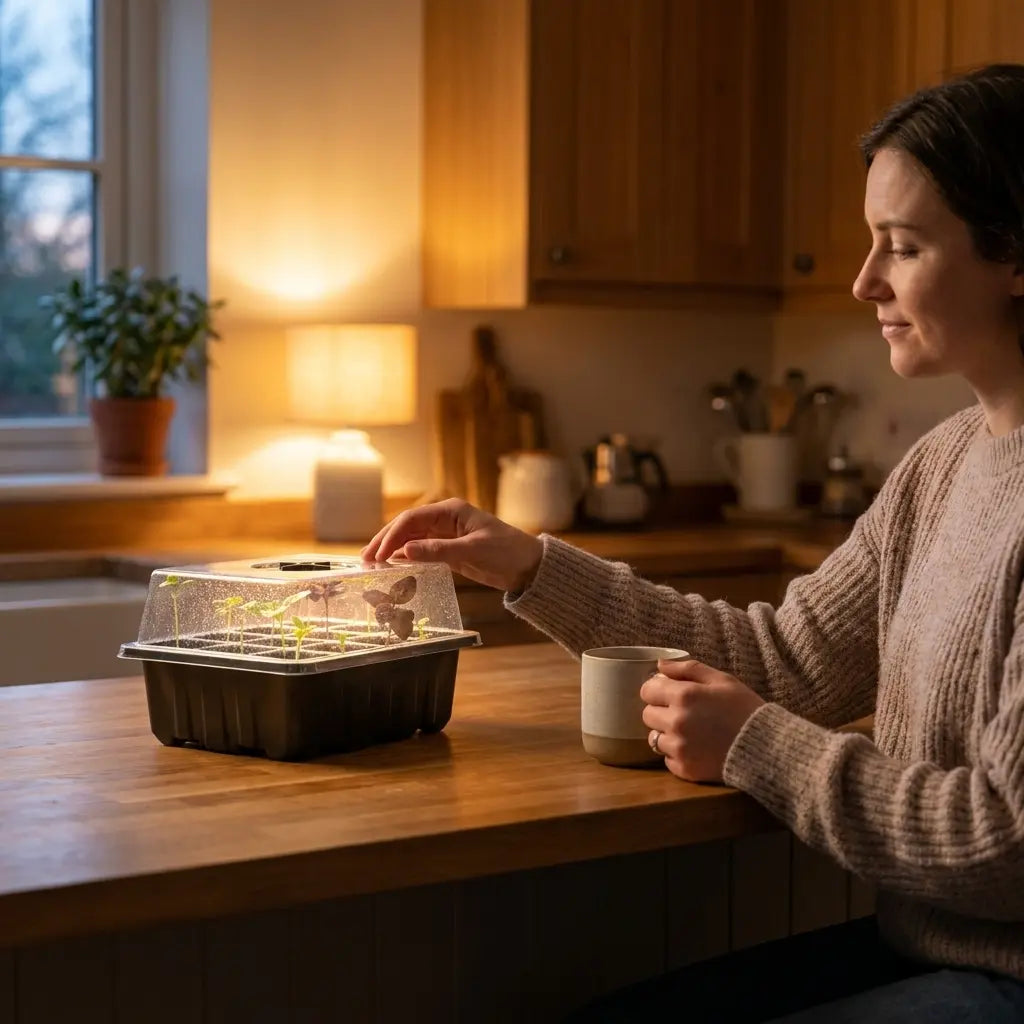
Garnish only works if it is fresh, and the freshest garnish is the kind you grow a few feet from the stove. The Microgreens Starter Kit ($29.99) has two trays, a humidity dome with an adjustable vent, organic grow mats and seeds, so you can start your first tray this week. Seed packs for each variety are $7.99 and include an organic grow mat. For the full growing steps, see our guide to growing red and green microgreens for Christmas.
How Do You Garnish Each Course of Christmas Dinner With Microgreens?
Add microgreens at the very last moment, after the plate is finished and just before it leaves the kitchen. Use a small cluster, not a pile, and match the variety to the dish: mild for delicate bites, spicy for rich food, and red for pale plates. Here is how to do it for each course.
1. Top Appetizers With Pea Shoots or Sunflower Microgreens
Use pea shoots or sunflower microgreens on smoked salmon blinis, whipped ricotta crostini or deviled eggs. Both are mild enough not to fight the base flavor, and both add height to a small bite. For more on timing, read about which microgreens to grow in December.
Place 3 to 5 shoots on top and let the tendrils trail over the edge. The height and color draw the eye before guests even pick the bite up.
2. Finish the Soup Course With a Small Cluster
Use Amaranth Garnet Red on cream or pale soups like butternut squash, chestnut, parsnip or cauliflower. The ruby red stands out against a pale bowl. Use pea shoots on tomato or darker soups, where green gives the contrast.
Place the cluster in the center just before serving. Microgreens wilt in hot liquid, so timing matters.
3. Toss Radish Microgreens Into the Salad Course
Use Radish Confetti Mix in the salad base to add spice that cuts through rich dressings. It works well with roasted beet and goat cheese, pear and walnut, or endive with blue cheese.
Add pea shoots on top for height. Together, radish and pea shoots give you a red and green plate, which is a natural fit for Christmas.

4. Plate the Main Course With Amaranth at 12 O'Clock
Place a small cluster of amaranth just above the protein, at the 12 o'clock position on the plate. The deep ruby red against the brown crust of roast beef, prime rib, turkey or lamb is the look you see in cookbooks.
Sunflower microgreens are a good second option. Their nutty flavor and meaty texture suit red meat, and their height adds structure to a flat plate. Always add them at the very last moment, never on a hot surface and never in the oven.
5. Scatter Microgreens Across the Cheese Board
Scatter radish microgreens loosely across the board. Their spicy bite balances the fat in aged cheeses. Drape pea shoots along the edges to fill gaps and add color without competing for flavor.
Add one small cluster of amaranth if you want a single dramatic accent. Microgreens work like fresh honeycomb or fruit here: they break up the richness and give the eye a place to rest.
6. Add a Few Pea Shoots or Micro Basil to Dessert
Use pea shoots or Basil Genovese Microgreens on chocolate mousse, panna cotta or a chilled ricotta tart. The sweetness of pea shoots pairs well with dark chocolate. Skip radish and arugula here, because their spice is too strong for dessert.
A loose cluster of 4 to 6 shoots is enough. The contrast does the work, the same way flaky sea salt does on brownies.
When Should You Plant Microgreens for Christmas Dinner?
Count back from the day you want to harvest. If you harvest on December 23, plant amaranth first, between November 28 and December 7, then radish and pea shoots between December 8 and 16. Plant at the early end of each range for a safety margin.
| Variety | Grow time | Plant between (for a December 23 harvest) |
|---|---|---|
| Amaranth Garnet Red | 16 to 25 days | November 28 to December 7 |
| Radish Confetti Mix | 10 to 15 days | December 8 to December 13 |
| Pea Shoots | 7 to 14 days | December 9 to December 16 |
Order by late November so the seeds arrive before the first planting date. Three trays on the windowsill, planted a few days apart, will all be ready in the same harvest window. For more on growing through December and January, see how to grow fresh microgreens all winter long.
How Much Microgreens Do You Need for a Dinner Party of 6?
Plan on one tray per variety. A tray yields about 30 g (1.1 oz) of pea shoots, 20 g (0.7 oz) of radish, or 5 g (0.2 oz) of amaranth, based on the product pages. Garnish is only a small cluster per plate, but amaranth yields the least, so grow a second tray if you want it on several courses.
The Starter Kit comes with two trays, so you can run two varieties at once and plant a third when the first tray is cut.
How Much Does It Cost to Grow Microgreens for Christmas Dinner?
The Microgreens Starter Kit costs $29.99 and includes two trays, a humidity dome, organic grow mats and seeds. Each extra variety is a $7.99 seed pack that includes a grow mat. Adding three varieties costs $23.97, so the most you would spend to start is $53.96, and the trays can be reused after Christmas.
| Item | Cost |
|---|---|
| Microgreens Starter Kit | $29.99 |
| Extra seed pack (each) | $7.99 |
| Three extra varieties | $23.97 |
| Kit plus three extra packs | $53.96 at most |
The seeds in the kit may already cover one of your varieties, so your total could be lower.
What Else Do People Ask About Garnishing With Microgreens?
Can I harvest microgreens ahead of time for Christmas dinner?
Yes. Harvest on the morning of the dinner if you can, or the day before, and keep them in the refrigerator until plating. For the best texture, harvest within 2 days of the meal.
Do microgreens need to be cooked?
No. Microgreens are served raw and added at the last moment. Heat wilts them quickly, so they go on the plate just before it leaves the kitchen.
What if my guests have never seen microgreens on a plate?
That is part of the fun. Guests usually ask what the garnish is, and "I grew these" is a great answer.
How long do microgreens last after harvest?
Stored in the refrigerator, they last several days. Texture and color are best when you harvest within 2 days of serving, so time your last harvest close to Christmas dinner.
Can I grow microgreens without a sunny windowsill?
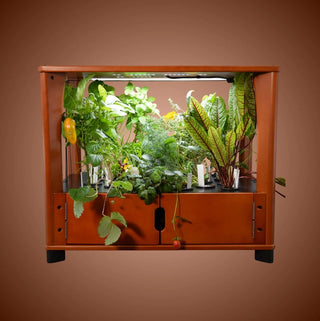
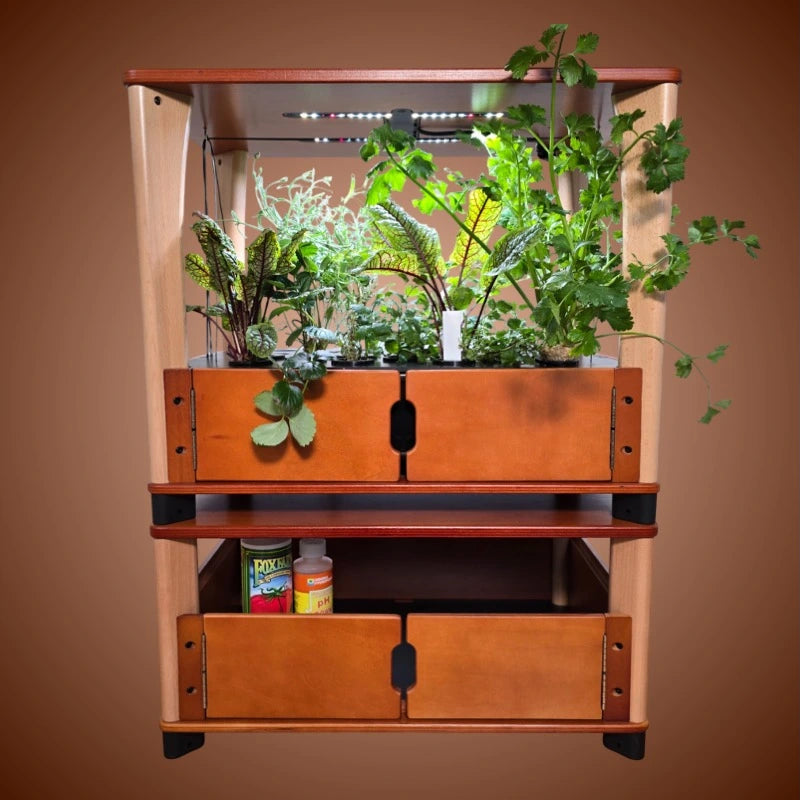
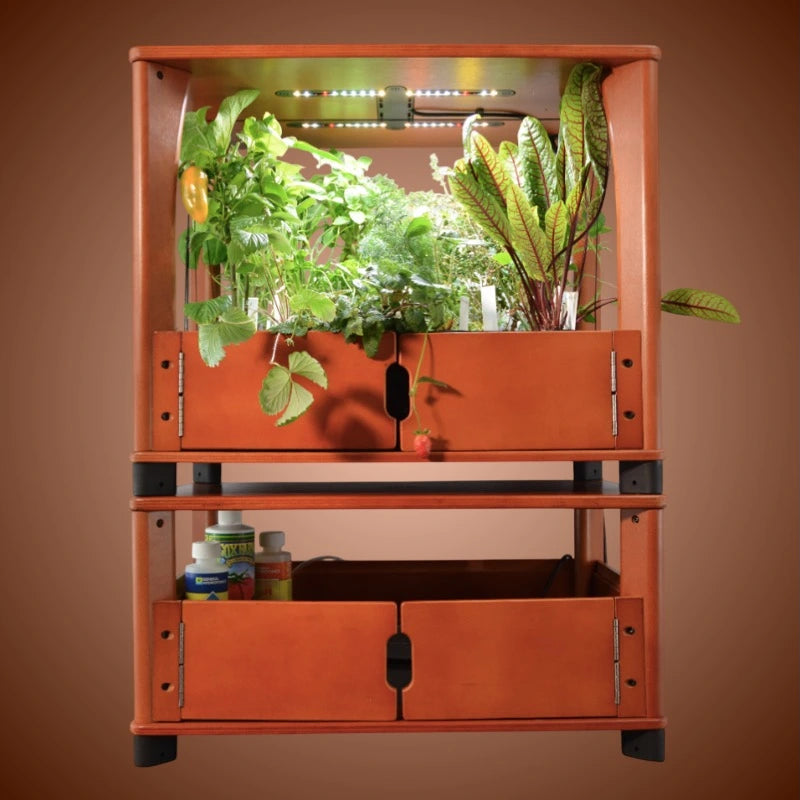
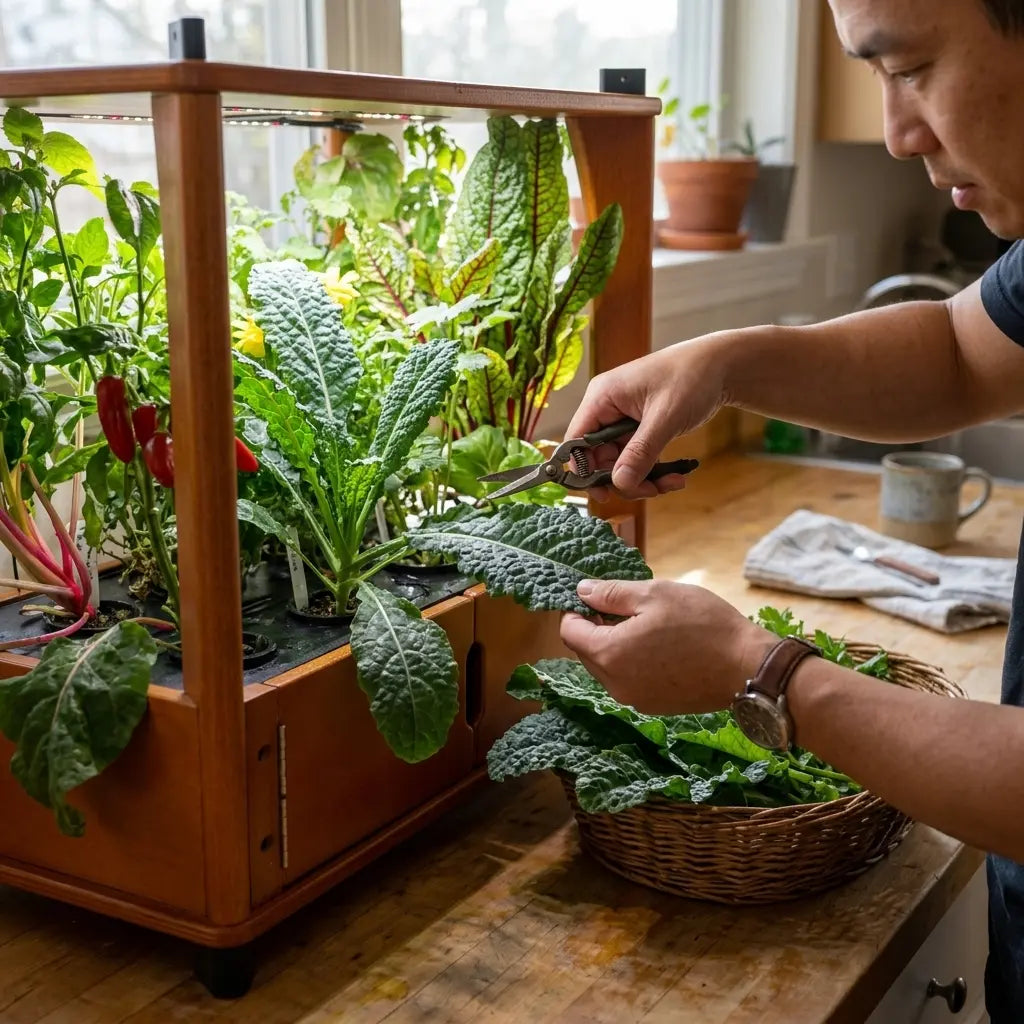
Yes. The Microgreens Starter Kit fits a windowsill, a kitchen counter or a spot under a grow light, and it also works with the Aquager Home Farm.
Is Garnishing With Microgreens Worth It for Christmas Dinner?

Christmas dinner happens once a year, so small details are worth the effort. A few small trays on a windowsill give you fresh, colorful garnish for every course, and guests remember plates that look this finished. Order by late November, plant in early December, and harvest Christmas week.
Planning Christmas morning too? See our Christmas brunch recipes with microgreens. Looking for more dishes across the season? Try our 12 holiday microgreens recipes. The kit has everything you need to start, and you only add water.
Author: Aquager Team · Published: June 7, 2026 · Updated: October 11, 2026 · Reviewed: October 10, 2026 (Phase 2 and 3)












0 comments