
Most protein powders work. The question is whether you want your recovery nutrition to come from processed isolates, artificial sweeteners, and manufacturing byproducts — or from food that grows in 10 days.
This post is for the athlete who’s skeptical of the supplement aisle. Not because supplements don’t function, but because there’s a more interesting option: pea shoots and sunflower microgreens deliver complete protein, collagen-supporting vitamin C, and recovery-relevant zinc in a form you grow at home, harvest fresh, and eat within minutes.
The compounds are real. The mechanism is straightforward. The taste is good. Here’s the case.
What Your Body Actually Needs After Training
Recovery nutrition has three primary requirements in the post-workout window:
Protein for muscle protein synthesis. Training causes micro-tears in muscle fibers. Repair and growth require amino acids — specifically the nine essential amino acids the body can’t produce on its own. Leucine is the primary trigger: it activates mTOR, the signaling pathway that initiates muscle protein synthesis. Without adequate leucine and a full complement of essential amino acids, the repair signal fires but the raw materials aren’t there.
Vitamin C for collagen synthesis. This is the recovery nutrient most people don’t think about. Collagen is the most abundant protein in connective tissue — tendons, ligaments, cartilage, and the fascial tissue surrounding muscles. Every training session stresses these structures. Collagen synthesis requires vitamin C as a direct co-factor: the enzyme prolyl hydroxylase, which produces the cross-links that give collagen its strength, is vitamin C–dependent. Without adequate vitamin C, collagen synthesis slows measurably.
Zinc for testosterone and immune function. Intense training temporarily suppresses immune function and depletes zinc through sweat. Zinc supports testosterone production, immune cell activity, and protein synthesis directly. Athletes in heavy training blocks are often marginally zinc-deficient without realizing it.
The typical post-workout response: reach for a protein shake. The microgreens response: eat a combination of pea shoots and sunflower microgreens that deliver all three mechanisms — protein, vitamin C, zinc — in whole-food form. Ready to eat 10 days after you plant the seeds.
Pea Shoots: Protein, Folate, and Vitamin C for Collagen Synthesis
Pea shoots are one of the most nutritionally interesting crops in the microgreens catalog for athletes. Searches for pea shoots have increased 900% over the past year — and the nutritional case supports the momentum.
Protein and folate. Pea shoots have among the highest protein content of any microgreen variety. Peas are a legume, which means their seeds store substantial amino acid reserves — and the seedling stage concentrates these before diluting them across a larger mature plant. Folate (vitamin B9) is also high in pea shoots: it’s required for DNA synthesis and red blood cell production, both relevant in high-training-volume periods.
Vitamin C for collagen. The collagen synthesis angle is where pea shoots stand out specifically for athletic recovery. A 2019 study in the American Journal of Clinical Nutrition found that taking vitamin C before exercise significantly increased collagen synthesis markers compared to placebo, and that the effect was greatest when vitamin C was consumed in the hour before or after training. Pea shoots as a pre- or post-workout addition to a smoothie bowl delivers exactly this timing.
Flavor. Pea shoots taste like fresh garden peas — sweet, tender, and approachable. In a smoothie bowl, they add sweetness and fresh flavor that actually enhances the dish. For a complete guide to growing them, see our Pea Shoot Microgreens: The Complete Beginner’s Growing Guide. For recipe ideas beyond the smoothie bowl: Pea Shoot Microgreens Recipes: 8 Ways to Use Your Harvest.
Sunflower Microgreens: Complete Amino Acids, Zinc, and Vitamin E
Sunflower microgreens are the only variety in the Aquager catalog with a complete essential amino acid profile — all nine amino acids the body can’t produce, including leucine at levels meaningful for mTOR activation. This makes them the most directly relevant plant-based protein source for muscle protein synthesis in this catalog.
The leucine case. Most plant proteins are either leucine-deficient or don’t deliver leucine in sufficient concentration to trigger the mTOR pathway reliably. Sunflower microgreens, derived from sunflower seeds (which have an unusually balanced amino acid profile for a plant), provide leucine alongside isoleucine and valine — the three branched-chain amino acids that dominate the recovery supplement market — in whole-food form without processing.
Zinc for recovery. Sunflower seeds are a well-established plant-based zinc source, and the microgreen stage carries this forward. Zinc supports both testosterone production and the immune function dip that follows intensive training. Adequate zinc intake is one of the simplest ways to reduce minor illness frequency during high-volume training blocks.
Vitamin E for oxidative protection. High-intensity training produces large quantities of reactive oxygen species, which contribute to DOMS and the inflammatory component of recovery. Vitamin E, as a fat-soluble antioxidant embedded in cell membranes, provides targeted protection against this oxidative damage. Sunflower microgreens have notably high vitamin E content — consistent with the sunflower seed’s status as one of the richest natural food sources of tocopherols.
Full growing guide: How to Grow Sunflower Microgreens Indoors: Step-by-Step Guide.
Post-Workout Smoothie Bowl Recipe
Base (blend first):
- 1 frozen banana
- ½ cup frozen mango
- ½ cup oat milk (or any plant milk)
- 1 tablespoon almond butter
- Pinch of sea salt
Blend until thick and smooth. Pour into a wide bowl.
Toppings (add after blending):
- 1 oz sunflower microgreens (scattered generously across the top)
- 1 oz pea shoots (piled in one section for visual contrast)
- 2 tablespoons granola
- Sliced banana (4–5 pieces)
- Drizzle of nut butter
Why this works nutritionally: The smoothie base provides fast carbohydrates for glycogen replenishment. The almond butter adds fat for sustained energy and fat-soluble vitamin absorption. The sunflower microgreens provide complete amino acids (leucine, zinc, vitamin E). The pea shoots add vitamin C for collagen synthesis plus folate and additional protein. This bowl covers the protein-vitamin C-zinc trifecta in whole-food form.
Timing: Eat within 30–60 minutes post-workout for maximum collagen synthesis benefit.
Grow Your Protein Source in 10 Days
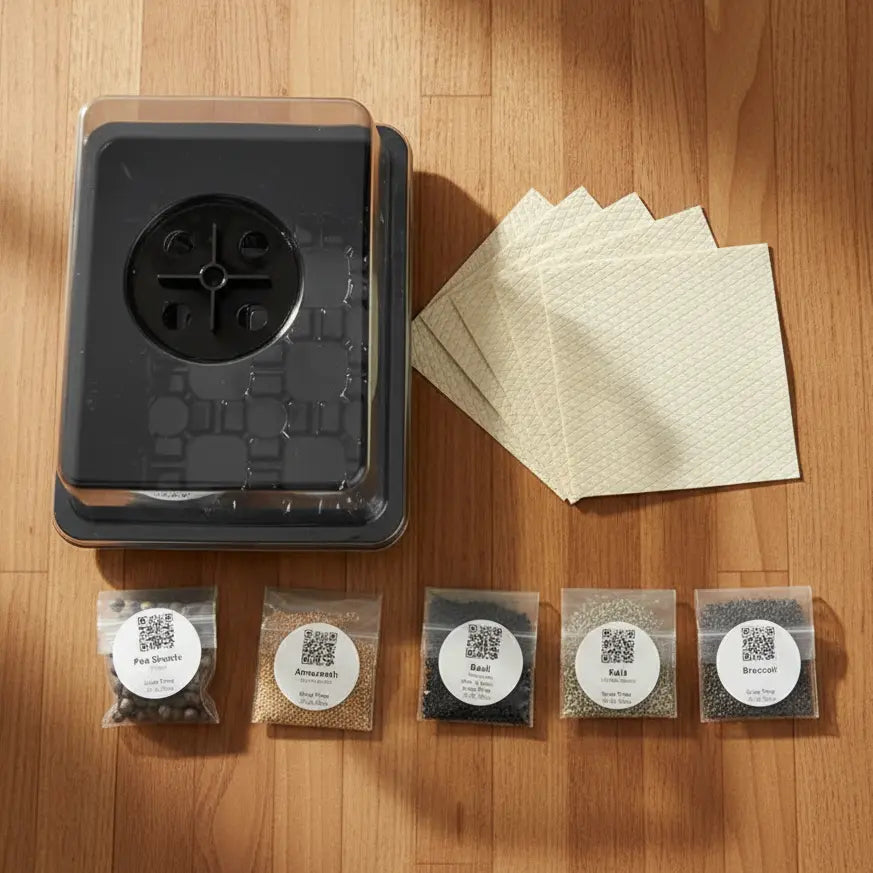
The Sunflower Black Oil Microgreens Seeds take 10–12 days from seed to harvest. The Pea Shoots Field Microgreens Seeds take 8–10 days. Both include a coco coir grow mat in the pack.
Running both simultaneously — starting them a day apart — means you always have fresh microgreens aligned with your training schedule. Start a new tray of each every 7–10 days for a continuous harvest. For a comparison of how these two varieties rank nutritionally against the rest of the catalog, see our complete microgreens nutrition comparison.
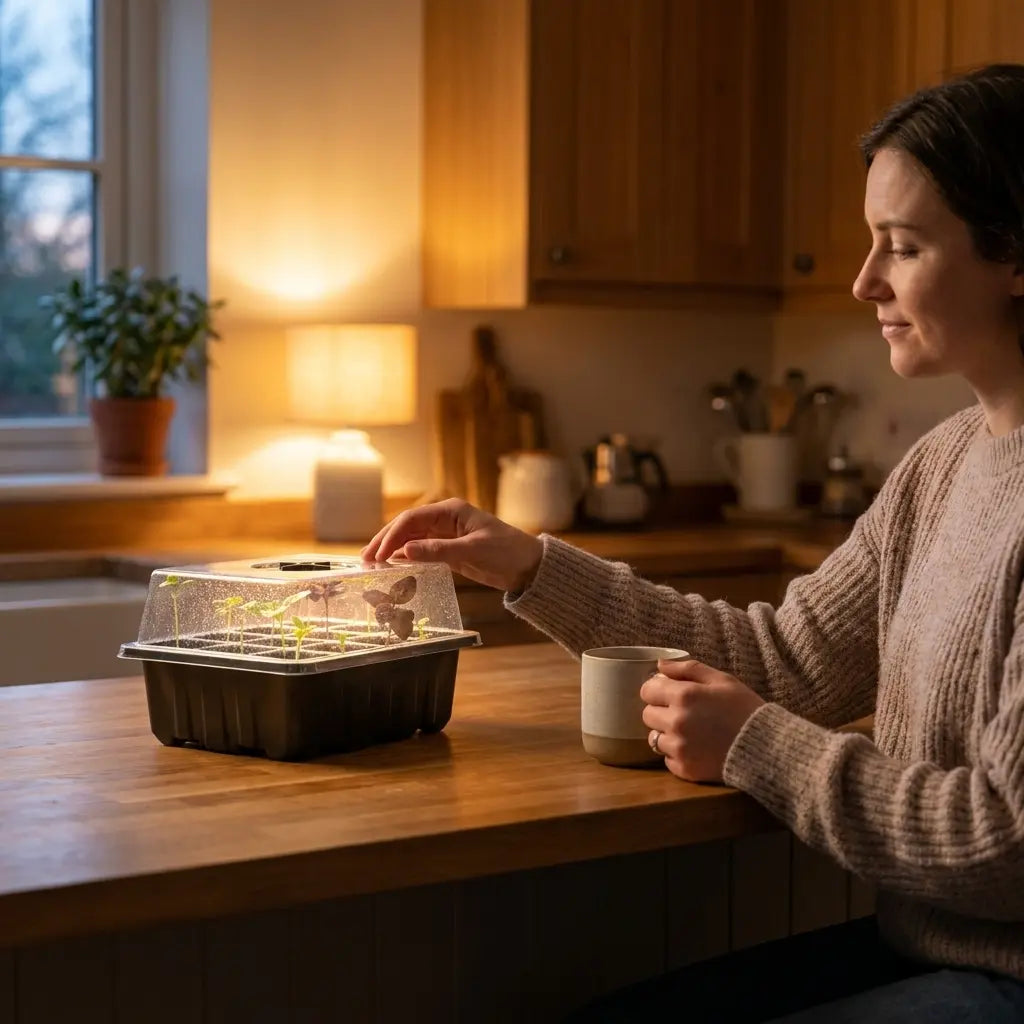
The Microgreens Starter Kit includes the tray, dome, and grow mat for your first harvest. Add the seed packs for both varieties and you have a full setup for under $35 — less than a month of mid-range protein powder.
Frequently Asked Questions
Are pea shoots and sunflower microgreens enough protein for a full post-workout meal?
A combined 2 oz serving provides a meaningful amino acid contribution, but for high-volume athletes, microgreens work best as a protein-quality enhancer alongside other protein sources. The value is the complete amino acid profile from sunflower and the vitamin C for collagen synthesis from pea shoots.
How do pea shoots compare to pea protein powder?
Pea protein powder hits higher protein numbers per serving but lacks the vitamins, antioxidants, fiber, and live enzymes in fresh pea shoots. Fresh pea shoots deliver protein in a whole-food matrix alongside vitamin C (critical for collagen synthesis, absent from pea powder) and folate. They’re complementary products with different use cases.
Can I blend microgreens into a protein shake instead?
Yes. Pea shoots blend particularly well — their sweet flavor is compatible with most shake ingredients. Sunflower microgreens blend reasonably well and add a slightly nutty note. A simple approach: blend ½ oz of each into a smoothie with banana, oat milk, and your usual protein if you want to combine approaches.
How much vitamin C do pea shoots actually provide?
Pea shoots are a meaningful source of vitamin C. A 1 oz serving contributes toward the levels shown in the collagen synthesis research referenced above. Combining pea shoots with other vitamin C–rich foods in a post-workout meal ensures you’re in the research-supported range.
Do I need to eat them raw for the recovery benefits?
For vitamin C and the enzymatic compounds — yes, raw is significantly better. Vitamin C degrades with heat. Add microgreens to meals after cooking, or use them in a smoothie bowl or salad. The recipe above keeps everything raw.
Final Thoughts
The supplement skeptic’s objection to protein powder isn’t that it doesn’t work — it’s that there’s something uncomfortable about turning nutrition into a processing industry. Pea shoots and sunflower microgreens are the answer to that discomfort: two crops, 10 days, complete amino acids, collagen-supporting vitamin C, and recovery zinc. Grown at home. Eaten fresh. No labels to read.
The Pea Shoots Field Microgreens Seeds and Sunflower Black Oil Microgreens Seeds are $3.99 each, both include a grow mat, and you’ll have your first harvest before your next training block begins. The Microgreens Starter Kit gives you everything else.
Author: Aquager Team · Published: June 4, 2026 · Updated: September 12, 2026 · Reviewed: September 12, 2026 (Phase 2)












0 comments