
The autumn equinox lands on September 22 this year, the day light and dark split roughly evenly before darkness starts winning for the rest of fall. It is a fixed astronomical event, not a feeling, which makes it a more useful marker than "when it starts feeling like fall" for deciding what to grow next.
Most indoor growers keep summer herbs going long after they have peaked and keep waiting for some vague sense that it is "cool season" before starting kale or spinach. The equinox is a cleaner signal than either instinct, a specific date to treat as the actual turning point.
Here is what changes at the fall equinox, what that means for an indoor setup, and a short checklist for making the switch before the days get any shorter.
None of this requires an outdoor garden or a specific climate to matter. An indoor setup is shielded from frost and falling temperatures, but it is not shielded from the actual physics of the sun sitting lower in the sky and daylight hours shrinking, which is the part of fall that actually affects what grows well on a counter.
What the Fall Equinox Actually Signals
The fall equinox meaning is simple: it is the point where day and night are close to equal length, and after it, nights keep getting longer until the winter solstice in December. For outdoor gardens, that mostly means cooler air and an earlier frost risk.
For an indoor setup, the more relevant change is light. Natural daylight through a window starts dropping noticeably after the equinox, which matters even for plants that never see the actual weather outside. Anything relying mostly on a windowsill will get measurably less light per day from this point forward.
That is the real reason the equinox is worth marking on a calendar. It is less about temperature and more about planning around a light budget that is about to shrink for the next three months.
The spring equinox in March works the same way in reverse, a marker that daylight is about to expand rather than shrink. The fall equinox is the less forgiving of the two for indoor growers, since it starts a stretch where natural light only gets scarcer until the winter solstice in December, roughly three months of steadily shrinking daylight rather than a quick dip and recovery.
What to Retire: Summer Herbs Past Their Prime
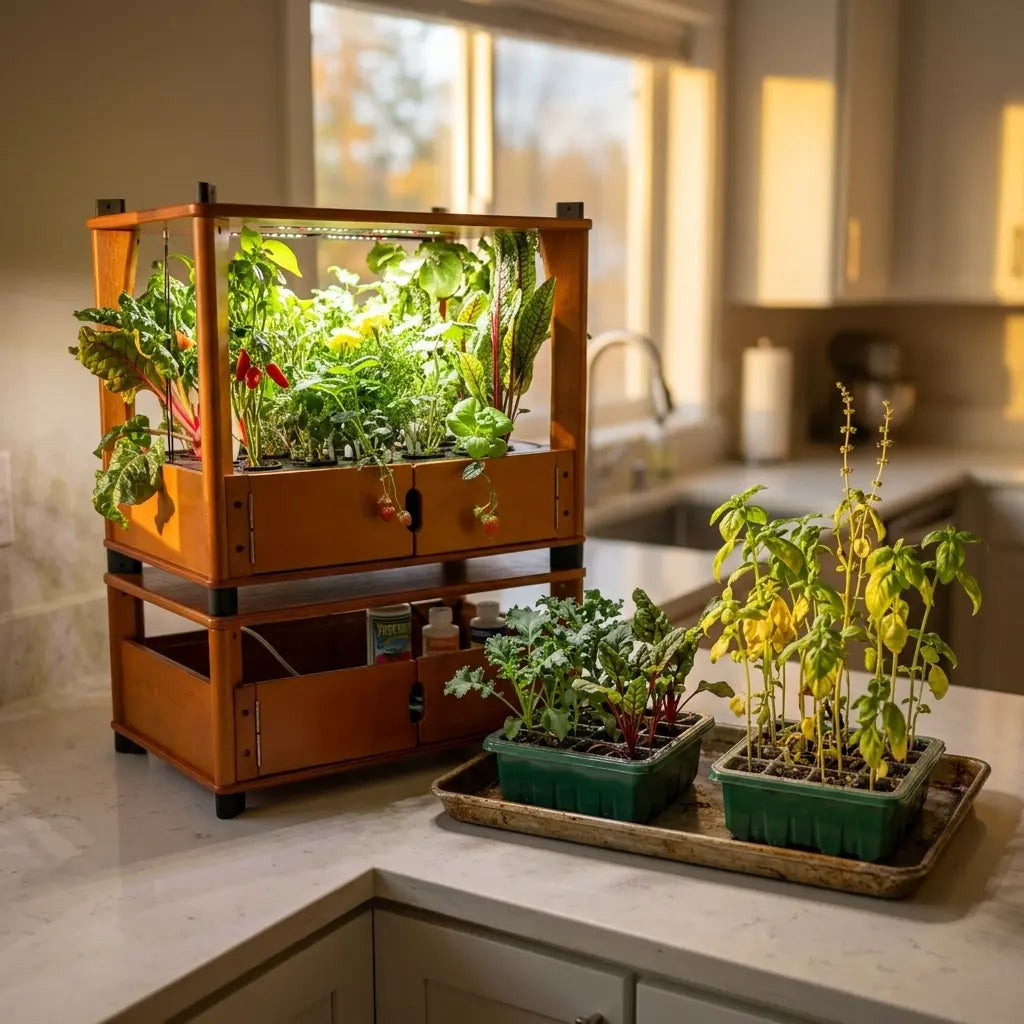
Basil is usually the first thing to show its age. Leaves get smaller, stems get woody, and the plant eventually bolts, sending up a flower stalk and turning bitter shortly after. Once a basil plant bolts, it is done contributing much of value to the kitchen.
The equinox is a reasonable prompt to walk through an indoor setup and make an honest call on anything past its prime. Plants that are still producing well can stay. Anything leggy, bitter, or barely hanging on is better replaced than nursed along for another few weeks of diminishing returns.
Basil is not the only summer crop worth checking. Cilantro bolts even faster than basil once temperatures and light patterns shift, and many fruiting plants like peppers slow their production noticeably as daylight drops, even indoors. A quick pass through the whole setup, not just the herb tray, usually turns up more than one plant that has quietly stopped earning its space.
What to Start: Cool Season Crops for Fall and Winter
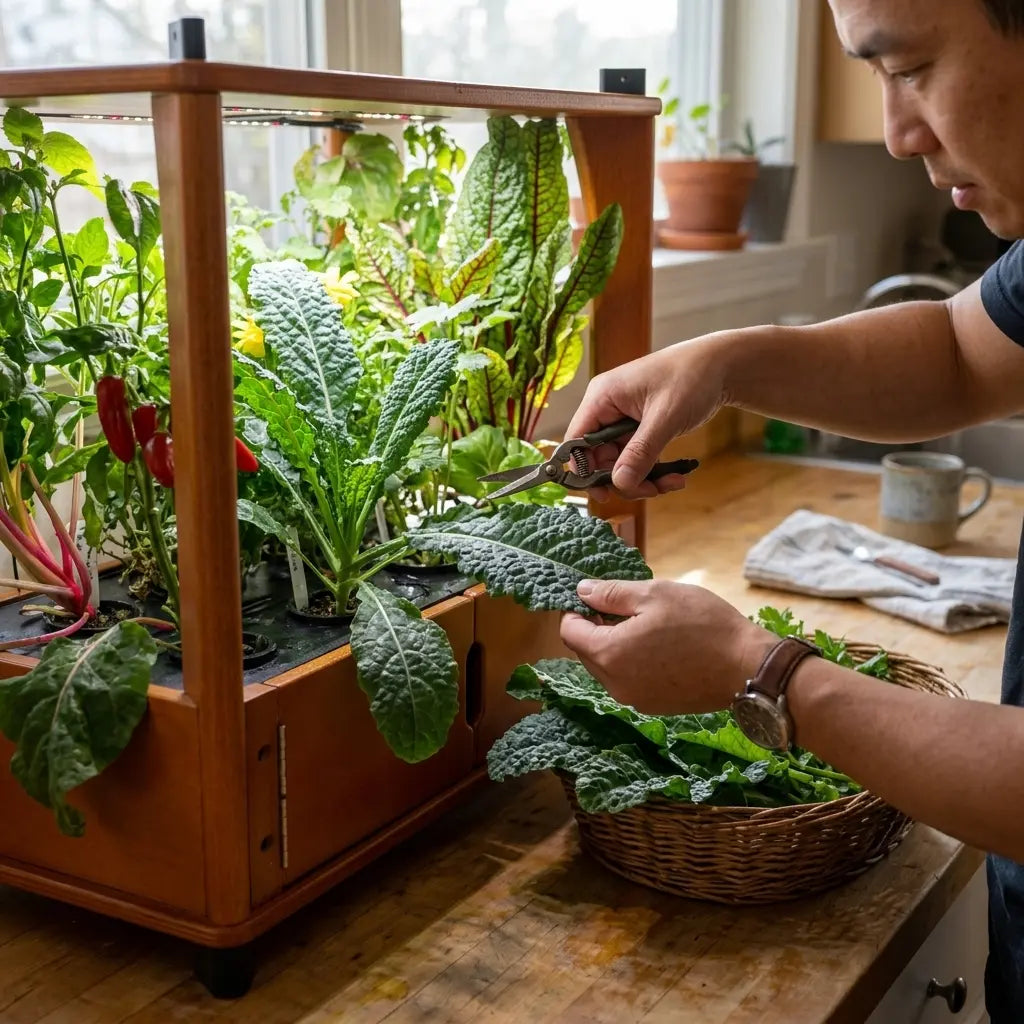
Kale, chard, and spinach are the standard swap for basil and other summer herbs, and all three handle lower light and cooler indoor temperatures better than most warm season crops. They are also slower growers than basil, which is exactly why starting at the equinox instead of waiting matters.
Spinach is worth adding to that list as well, since it actually prefers the shorter days and cooler indoor temperatures that follow the equinox, unlike basil, which slows down under the same conditions. Between the three, most fall and winter salads and side dishes are covered.
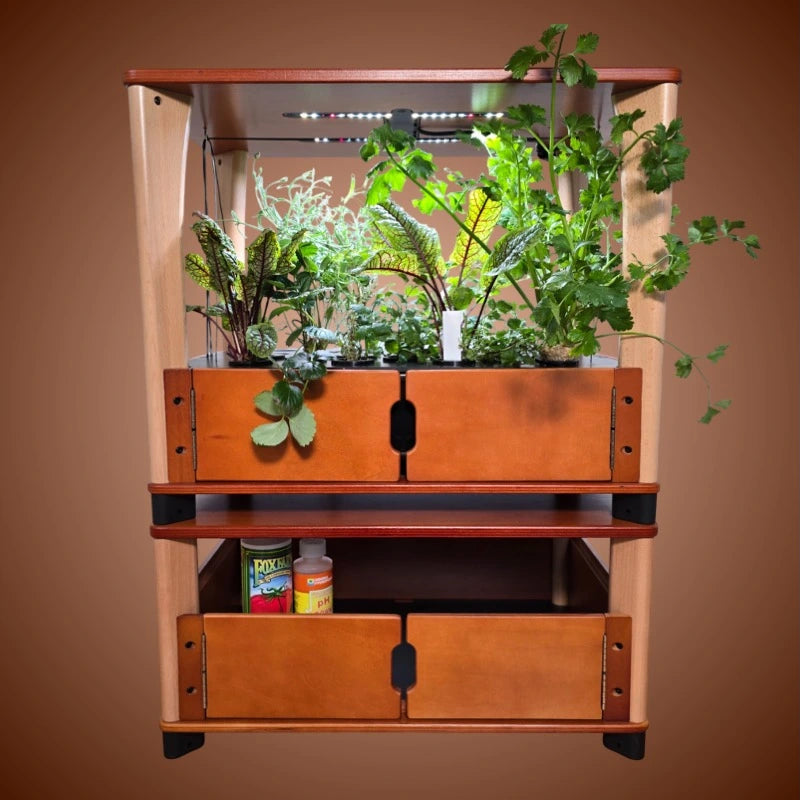
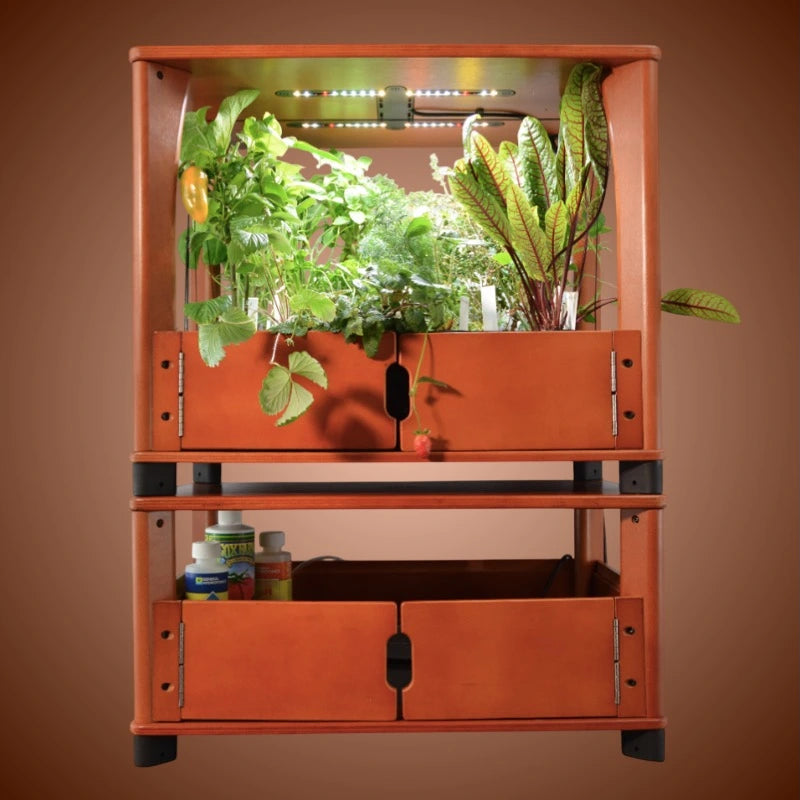
The Aquager Kale (Mamba) Seeds and the Aquager Chard (Gold) Seeds both come pre-seeded in organic grow mediums, so starting the swap does not require sourcing new soil or seed trays separately.

Both crops also hold up well to a light harvest, meaning you can start using outer leaves within a few weeks rather than waiting for a single large harvest at the end of the season.
The Fall Equinox Action Checklist
Use this list in the week around September 22 to make the seasonal shift deliberately instead of drifting into it.
- Walk through your current setup and identify anything past its prime, bolting, woody, or producing noticeably less than a few weeks ago.
- Start kale, chard, or spinach seeds now rather than waiting, since they grow slower than summer herbs and need the extra lead time before light drops further.
- Check your grow light schedule. If you were relying mostly on a window, plan to add supplemental light hours as natural daylight continues to shrink through fall.
- Adjust your watering rhythm slightly. Cooler ambient indoor temperatures can slow evaporation, so a schedule built for summer may now be delivering more water than the plants are using.
- Plan a rough harvest rotation for the next few months, since cool season crops mature more slowly and staggering start dates keeps a steady supply instead of one big harvest and a gap.
- Wipe down light fixtures and clean any dusty grow lights, since a surprising amount of light output is lost to a dirty bulb or cover right when you need every bit of it.
- Note the date you made each change. A simple log of what was started when makes it much easier to judge next year whether you moved early enough or waited too long.
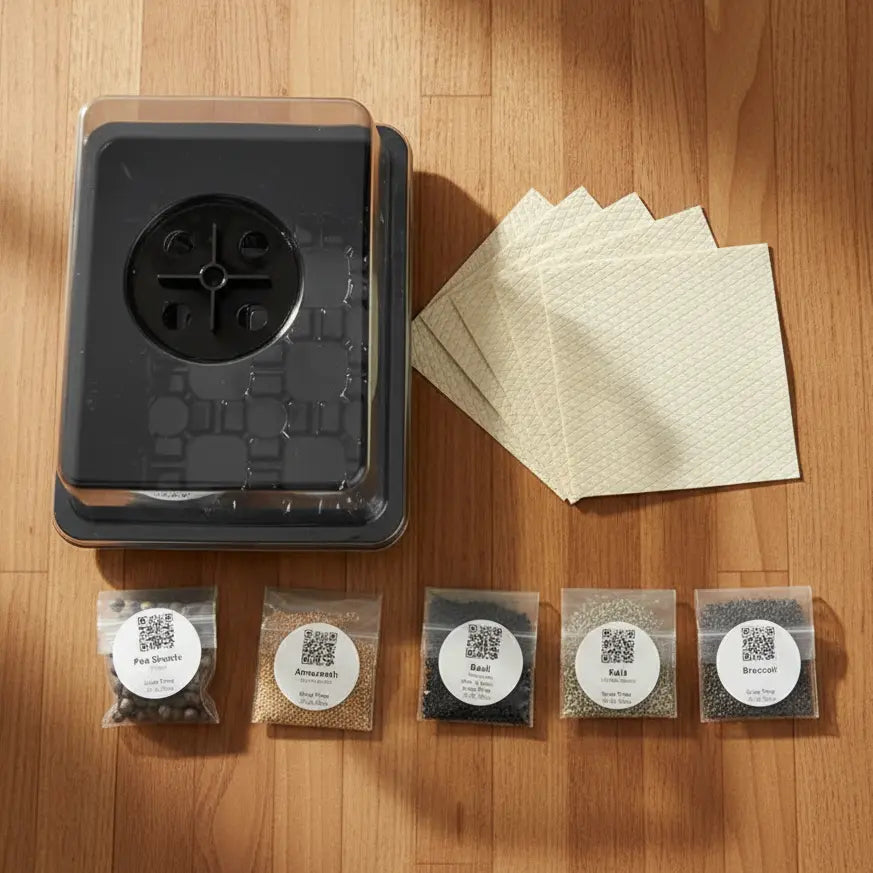
If your current setup is a single tray that has been running basil since spring, the Grab & Grow Pre-Seeded Starter Kit is a fast way to restart it without ordering seeds separately or figuring out spacing from scratch.
Fall Equinox Growing FAQ
What is the exact date of the autumn equinox this year?
The fall equinox falls on September 22, 2026, in most of the United States, the point where day and night are nearly equal in length.
Do I need to change anything indoors if my plants are not exposed to outdoor weather?
Yes. Natural daylight through windows drops after the equinox regardless of outdoor temperature, which affects any plant relying on a windowsill rather than a grow light.
How do I know if my basil is done for the season?
Look for bolting (a flower stalk), smaller leaves, or a bitter taste. Once basil bolts, flavor and leaf production both decline quickly.
Can I start kale or chard indoors even if I have never grown either before?
Yes. Both are more forgiving of inconsistent light and cooler temperatures than summer herbs, which makes them a reasonable first cool season crop.
How long does it take kale or chard to reach a harvestable size?
Expect roughly 6 to 8 weeks to a first light harvest, though outer leaves can often be taken a little earlier once the plant is established.
Should I add a grow light if I have been relying on a window all summer?
It is worth considering. A window that provided enough light in July often falls short by late October as the sun's angle lowers and days shorten, even if the window itself has not changed.
Is it too late to start cool season crops if I miss the equinox by a few weeks?
No, but earlier is easier. Starting even two to three weeks after the equinox still works for kale, chard, and spinach, it just shortens the runway before light gets noticeably scarcer in November and December.
Making the Switch Before the Light Runs Out
The equinox itself does not change anything about a plant overnight. What it marks is the point where waiting starts to cost you, since every week after it means less natural light and less runway before winter.

Treating September 22 as a real deadline, rather than a vague seasonal vibe, is the difference between a tray of kale ready by Thanksgiving and one still struggling to catch up in December.
The same logic repeats every year. Spring equinox marks the point to start warm season crops again, and fall equinox marks the point to swap back to cool season ones. Treating both dates as fixed checkpoints, rather than something to notice after the fact, is what actually keeps an indoor garden productive across all four seasons instead of thriving for a few months and stalling out for the rest.
For more on timing this transition well, see our guides on why Swiss chard grows well indoors, how much kale you can expect per plant, and when to start seeds indoors for a fuller timing guide.
Author: Aquager · Published: July 4, 2026 · Updated: July 4, 2026











0 comments