
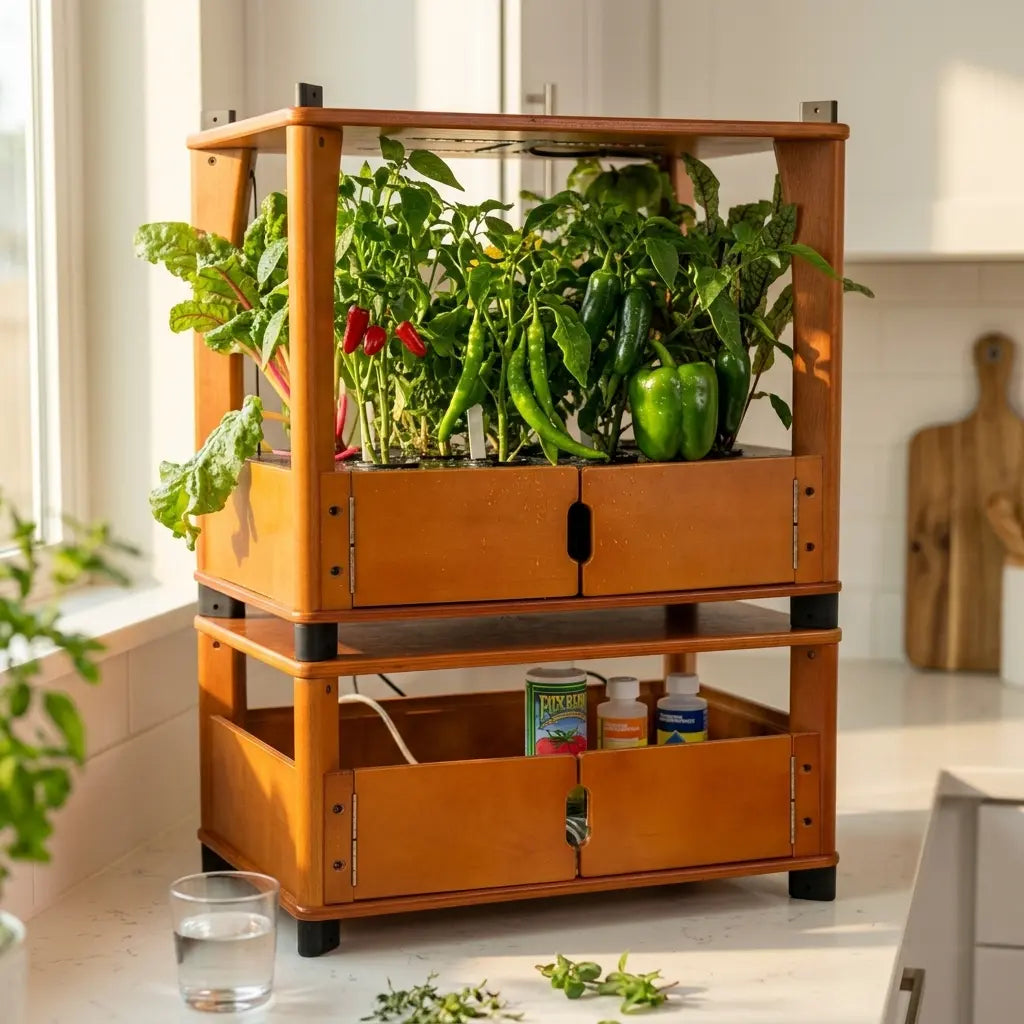
You know you want to grow peppers indoors, but the seed rack has three good options and only one open spot in your hydroponic system. Jalapeño, shishito, and bell pepper all promise homegrown heat or crunch, and all three look equally easy in the photos.
They are not equally easy. Some peppers shrug off low light and clumsy hand pollination without complaint. Others sulk for weeks and barely set fruit, even in a perfectly tuned hydroponic Home Farm.
This guide scores all three head to head on the things that actually decide how easy growing peppers indoors feels: germination, pollination, days to harvest, and yield. By the end, you will know exactly which of the easiest peppers to grow belongs in your system first.
Why These Three Peppers Keep Getting Compared
Jalapeño, shishito, and bell pepper show up together in nearly every pepper starter lineup for a reason. They cover the three personalities of pepper growing: medium heat, no heat, and zero heat with maximum size. Picking among them sounds simple, but each one asks something different of an indoor grower.
All three start from the same kind of pre-seeded pod in the same hydroponic setup. The real differences show up later, in how fast the seed cracks open, how reliably the flowers turn into fruit, and how long you wait before the first harvest.
If you already grow jalapeños for salsa nights, our guide on growing a salsa garden indoors pairs well with this comparison once you have picked your starting pepper.
What Actually Makes a Pepper Easy to Grow Indoors?
"Easy" does not mean foolproof. It means a plant that forgives small mistakes, like a flower that goes two days without pollination or a tray that sits a degree or two outside the ideal range. The four categories in this guide, germination, pollination, days to harvest, and yield, were chosen because they cover the points where growing peppers indoors most commonly goes wrong.
A pepper that germinates unevenly wastes pod space on seeds that never sprout. A pepper that needs near-perfect pollination timing punishes a missed day. A pepper that takes three months to fruit gives you fewer chances to learn from mistakes in a single season. Keeping these four factors in mind makes it much easier to predict how a pepper will behave in your system, not just how it looks on a seed packet.
Germination Difficulty: Jalapeño vs. Shishito vs. Bell Pepper
Germination is where the Aquager Bell Pepper starts losing ground. Bell pepper seeds are notoriously slow and uneven, often taking 10 to 14 days to sprout and sometimes longer in a cooler room. Several seeds in the same tray can pop days apart, which throws off your whole growing timeline before the plant has even started.
Growing jalapenos is noticeably more forgiving. The Aquager Early Jalapeno Pepper pods typically germinate in 7 to 10 days under consistent warmth, with most seeds in a batch sprouting close together.
Shishito seeds germinate the fastest and most evenly of the three, often popping in just 6 to 8 days. The Aquager Shishito Pepper pods are a good first pick if a fast, predictable start matters to you. A quicker, more uniform germination means less time troubleshooting empty pods and more time actually growing a plant.
If you are still getting your system dialed in, our beginner's guide to setting up hydroponics covers the basics before you drop in any of these three pods.
A few small habits speed up germination across all three varieties. Keep the grow chamber between 75 and 85 degrees Fahrenheit until sprouts appear, and avoid letting the growing medium dry out even briefly during this window. Peppers are far more sensitive to inconsistent warmth and moisture at this stage than herbs or leafy greens are.
Pollination Needs Indoors
Peppers are self-pollinating, which sounds like it should make indoor growing easy. Outdoors, wind and visiting bees handle the job automatically. Indoors, with no breeze and no pollinators, every single flower needs a hand.
Bell pepper flowers are large and surprisingly fussy about timing. Even with consistent manual pollination, indoor bell peppers commonly drop a noticeable share of their flowers without setting fruit, which is the single biggest reason this variety earns the "hardest" label on this list.
Shishito and jalapeño flowers are smaller and far more forgiving. A few light taps with a pollination brush every couple of days is usually enough to get a reliable set on both, with shishito tending to hold onto slightly more of its flowers than jalapeño does.
The easiest technique is to gently shake or tap each open flower for a few seconds, ideally in the late morning when pollen is most viable, then repeat every 1 to 2 days while flowers are open. A small electric toothbrush works in a pinch if you do not have a dedicated pollination brush on hand.

If hand pollination feels intimidating, that alone is a good reason to start with shishito or jalapeño before attempting bell pepper.
Days to Harvest: Which Pepper Fruits Fastest
Once pollination succeeds, the next clock starts ticking: how long until you actually have a pepper to eat. This is where the gap between these three peppers gets the widest.
Shishito peppers are usually ready to pick 60 to 70 days after transplant, and you can start harvesting them green well before they fully mature, which shortens the wait even further.
Jalapeños take a bit longer, typically 70 to 80 days to a harvestable green pod, with another few weeks needed if you want them to ripen all the way to red.
Bell peppers take the longest by a wide margin: 75 to 90 days just to reach a harvestable green stage, plus 2 to 3 additional weeks beyond that if you are growing for the sweeter, fully colored fruit most people picture when they think of a bell pepper.
Color is the simplest ripeness cue for all three. Shishito peppers are ready as soon as they reach 2 to 3 inches and turn from dark green to a slightly wrinkled, glossy green. Jalapeños are pickable any time after they firm up and reach 2 to 3 inches, with darker green or black striping signaling peak flavor. Bell peppers are ready once they reach full size and stop feeling papery, whether you pick them green or wait for them to color.
Yield Per Plant: How Many Peppers You'll Actually Get
Ease of growing peppers indoors is not just about getting one pepper. It is about how much a single plant gives back for the space it takes up in your hydroponic system.
Shishito plants are the most productive of the three by a clear margin. A single healthy plant can produce 25 to 50 small peppers over a season, fruiting in flushes rather than one at a time.
Jalapeño plants land in the middle, typically yielding 15 to 30 pods per plant across a full growing season under good light.
Bell pepper plants give you the fewest fruits, usually just 4 to 6 full-sized peppers per plant, because the plant pours so much energy into each individual fruit instead of producing many small ones.
Light intensity and consistent pollination both move these numbers up or down. A pepper plant that gets 14 to 16 hours of strong light each day and gets pollinated reliably will land at the high end of its range. Skipping pollination some days or running dimmer light pulls any of the three toward the low end, but the ranking between varieties stays the same.
The Scorecard: Side-by-Side Comparison
Here is how all three peppers stack up across the four categories that actually decide how easy they are to grow indoors.
| Category | Jalapeño | Shishito | Bell Pepper |
|---|---|---|---|
| Germination | 7 to 10 days, easy | 6 to 8 days, easiest | 10 to 14 days, hardest |
| Pollination Needs | Moderate, forgiving | Low, very forgiving | High, fussiest |
| Days to Harvest | 70 to 80 days | 60 to 70 days | 75 to 90+ days |
| Yield Per Plant | 15 to 30 pods | 25 to 50 pods | 4 to 6 peppers |
| Overall Difficulty | Easy | Easiest | Hardest |
Shishito pepper wins this comparison by a clear margin. It germinates the fastest, tolerates imperfect pollination the best, fruits the soonest, and produces the most peppers per plant of the three, which makes it the easiest peppers to grow indoors for a first attempt.
Jalapeño is a solid, slightly more demanding second choice once you have one good harvest under your belt. Bell pepper is worth growing eventually, but it rewards patience more than it rewards beginners.
Why Not Just Grow All Three?
You do not actually have to pick just one. Growing jalapeño, shishito, and bell pepper side by side in the same hydroponic system lets you compare real results instead of guessing from a scorecard, and it spreads your risk across three plants instead of betting everything on one.
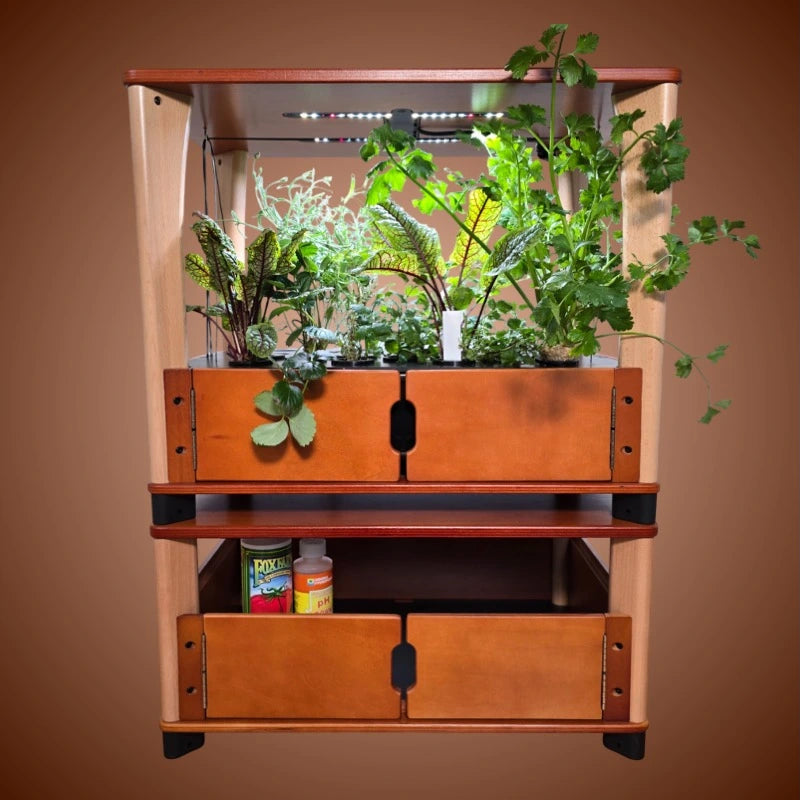
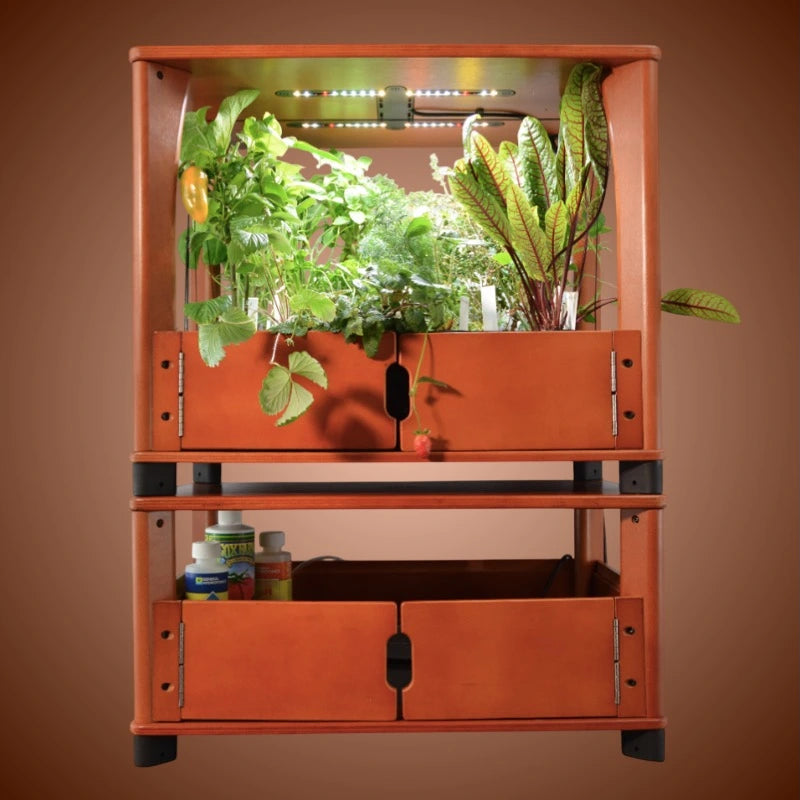
Start shishito for a fast, forgiving win, keep jalapeño going for everyday cooking, and let bell pepper run in the background as your patience project. By the time bell pepper finally fruits, you will already be harvesting shishito and jalapeño regularly. Curious what else fits in the same system alongside them? See everything you can grow with the Aquager Hydroponic Home Farm.
If your system has three open slots, staggering all three by a week or two evens out your harvest schedule instead of getting flooded with shishitos one week and nothing the next. It also means a slow germinator like bell pepper is not holding up the whole tray, since each pod grows on its own clock.
Frequently Asked Questions
Which pepper is easiest to grow indoors for a complete beginner?
Shishito pepper. It germinates fastest, tolerates imperfect hand pollination, and fruits sooner and more abundantly than jalapeño or bell pepper.
Do indoor peppers need to be pollinated by hand?
Yes. Without wind or bees indoors, pepper flowers need light hand pollination every couple of days, usually with a small brush, to reliably set fruit.
Why is my bell pepper plant not producing fruit?
Bell pepper flowers are the most sensitive to pollination of the three peppers, and a noticeable share can drop without setting fruit even with consistent hand pollination. That is normal and not a sign you are doing something wrong.
Can I grow jalapeño, shishito, and bell pepper in the same hydroponic system?
Yes. All three grow well in the same setup and conditions, just on different timelines, so you can plant them together and harvest each as it becomes ready.
How long does it take to grow peppers indoors from seed to harvest?
It depends on the variety. Shishito is fastest at 60 to 70 days, jalapeño takes 70 to 80 days, and bell pepper takes the longest at 75 to 90 days or more.
Should I start with one pepper or grow all three at once?
If this is your first time growing peppers indoors, starting with shishito alone lets you build confidence with hand pollination before adding the slower, fussier bell pepper. If you already feel comfortable with pollination, there is no reason not to grow all three together from the start.
The Easiest Pepper to Grow Indoors: Final Verdict
If you only have room for one pepper plant this season, start with the Aquager Shishito Pepper. It is the clearest beginner winner on every category in this scorecard, from germination speed to total yield.
If you already have a shishito plant thriving, jalapeño is the natural next addition, and bell pepper is worth saving for once you are comfortable with hand pollination. Once you make the jump to jalapeño, our indoor jalapeno care and flower drop guide covers the pollination and troubleshooting steps specific to that variety.
Whichever pepper you start with, the scorecard above should make the decision easier than staring at three identical-looking seed packets. Growing peppers indoors comes down to predictable math, not luck, and shishito simply does the math best for a first attempt.

Author: Aquager Team · Published: June 27, 2026 · Updated: September 12, 2026 · Reviewed: September 12, 2026 (Phase 2)












0 comments