
Holiday cocktails made with herbs from your kitchen counter are different from every other drink at the party. The rosemary sprig in the gin fizz — still fragrant, cut fifteen minutes ago. The mint in the mojito spritzer, muddled from a plant that was growing an hour before guests arrived. The jalapeño that went into the margarita, picked fresh from a pod that’s still producing on the counter.
Guests notice. They photograph it. They ask where you got the herbs and whether it’s hard to grow them. It’s the kind of hosting detail that’s remembered long after the party ends. This guide covers five holiday drink recipes tied to specific farm-grown herbs, how to grow them, and how to plan the quantity for a party of twenty.
Why Herb-Garnished Cocktails Work So Well at Holiday Parties
A fresh herb garnish does two things most garnishes don’t: it changes the flavor of the drink (the volatile oils in mint, rosemary, and thyme release at the rim) and it signals effort in a way that an orange twist or a cherry doesn’t. Guests understand, instinctively, that the rosemary sprig on their gin fizz is not from a bag. That kind of attention to detail changes the entire experience of the party.
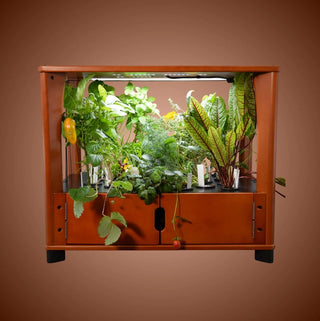
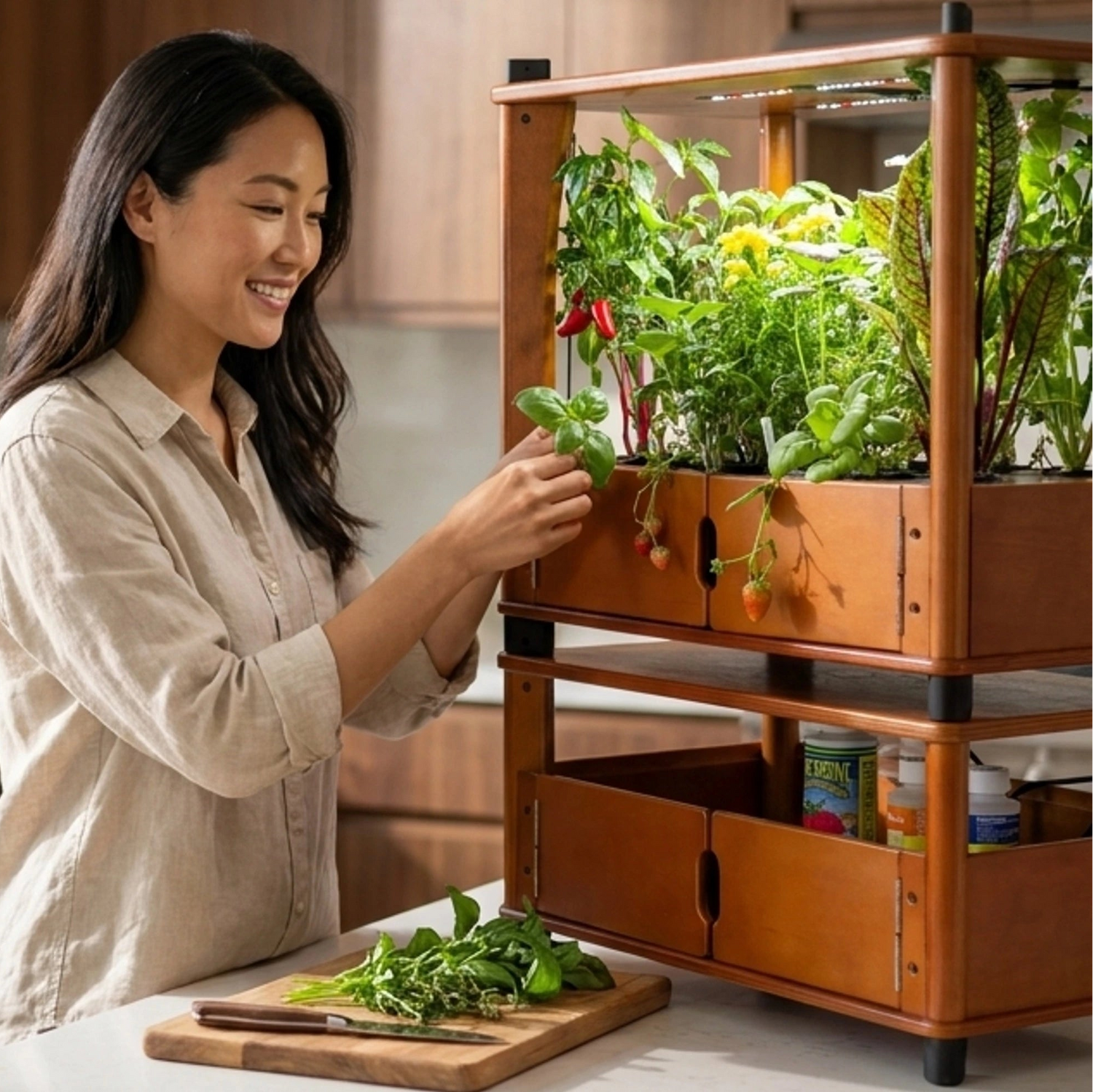
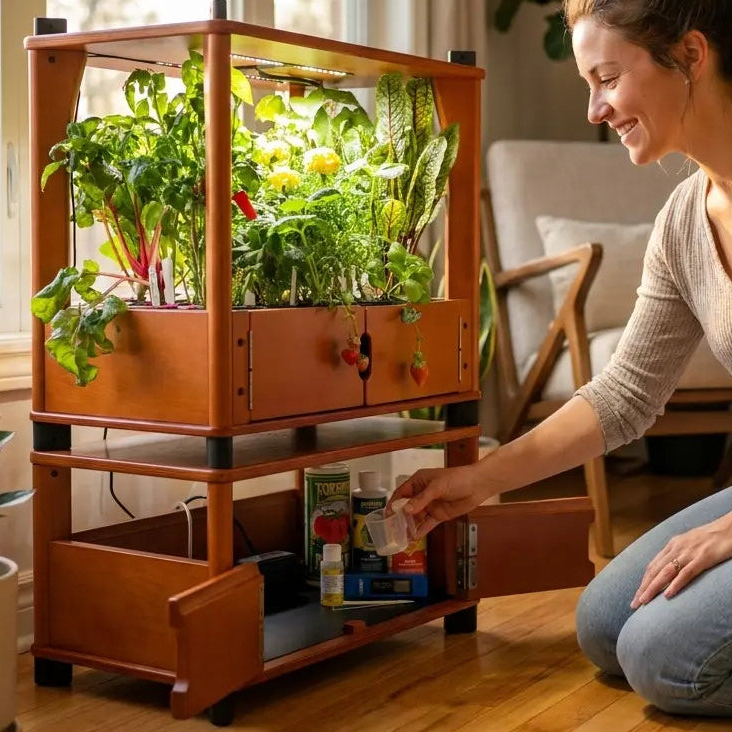
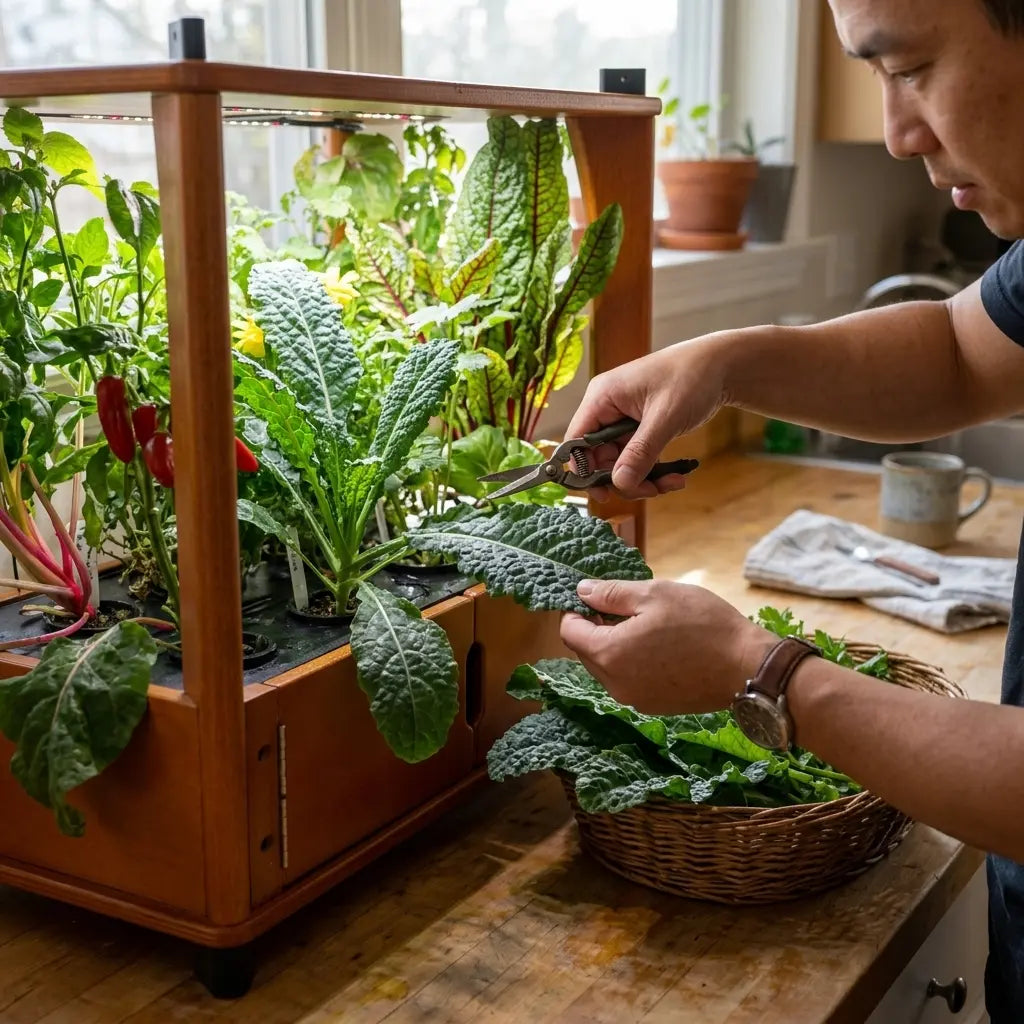
The Aquager Home Farm makes this achievable without a garden or outdoor space. The herbs grow on the kitchen counter year-round, and for the Christmas party season, they’re available in abundance. For a complete herb growing overview, see our guide to growing herbs indoors year-round.
Five Holiday Cocktails, Five Farm-Grown Herbs
1. Mint Mojito Spritzer
The herb: Fresh spearmint or peppermint, harvested the day of the party.
Recipe (serves 1): Muddle 8–10 fresh mint leaves with 0.5 oz simple syrup and 0.75 oz fresh lime juice in a shaker. Add 1.5 oz white rum and a handful of ice. Shake briefly. Strain into a tall glass over ice and top with 2–3 oz sparkling water. Garnish with a full mint sprig pressed against the inside of the glass so it fans out at the rim.
Why it works: Muddling activates the mint oils in a way that pre-cut or dried mint never achieves. The sprig garnish continues releasing aroma with every sip. This is the cocktail that prompts the first question about where the herbs came from.
Growing note: Mint grows best from a cutting rather than from seed. Source a nursery pot in October and keep it on a bright counter spot. For a party of twenty, two healthy mint plants produce enough for the full event with sprigs to spare. Mint is vigorous — the more you harvest, the more it grows.
2. Rosemary Gin Fizz
The herb: Fresh rosemary, with one sprig per drink for garnish plus additional for the simple syrup batch.
Recipe (serves 1): Make the rosemary simple syrup first: simmer 1 cup water, 1 cup sugar, and 4–5 rosemary sprigs for 10 minutes. Cool and strain. For each drink: shake 1.5 oz dry gin, 0.75 oz fresh lemon juice, and 0.5 oz rosemary syrup with ice. Strain into a glass. Top with 2 oz sparkling water. Garnish with a fresh rosemary sprig — for a showstopper moment, briefly torch the end of the sprig with a lighter before placing it in the glass. The smoke and the released pine-resin aroma make this the most photographed drink of the evening.
Why it works: Rosemary’s piney, resinous character is the perfect gin counterpart for Christmas season. The torched sprig creates smoke that guests can see and smell from across the room. It requires five seconds of effort and produces an effect that looks professionally prepared.
Growing note: Rosemary pods take 5–7 weeks to establish in the Aquager system. Start them in October for a December party in full production. One pod produces 2–3 sprigs per week; run two pods for party-scale volume.
3. Thyme Whiskey Sour
The herb: Fresh thyme for the simple syrup and a small sprig for garnish.
Recipe (serves 1): Make thyme simple syrup: simmer 1 cup water, 1 cup sugar, and 6–8 thyme sprigs for 8 minutes. Cool and strain. For each drink: combine 2 oz bourbon or rye whiskey, 0.75 oz fresh lemon juice, and 0.5 oz thyme simple syrup in a shaker with ice. For a frothy head, add 1 oz egg white and dry-shake first (without ice), then add ice and shake again. Strain into a coupe or rocks glass. Garnish with a small thyme sprig and a few drops of aromatic bitters.
Why it works: The subtle savory quality of thyme gives this whiskey sour a depth that the standard version lacks. The thyme-honey flavor pairing with bourbon is a holiday-specific combination that tastes expensive and takes thirty seconds to prepare.
Growing note: Thyme pods produce woody stems continuously for months once established. A single batch of simple syrup for twenty guests uses approximately 15–20 sprigs; two pods running for six weeks produces well beyond this volume.
4. Cilantro Jalapeño Margarita
The herbs: Fresh cilantro microgreens and a fresh jalapeño pepper, grown on the same counter.
Recipe (serves 1): Muddle 3–4 slices of fresh jalapeño and a small handful of cilantro leaves (or microgreens) in a shaker. Add 2 oz blanco tequila, 1 oz fresh lime juice, and 0.5 oz agave syrup. Fill with ice and shake hard. Double-strain into a salt-rimmed glass over ice. Garnish with a cilantro sprig and a single jalapeño slice balanced on the rim.
Why it works: This is the cocktail for guests who find most holiday drinks too sweet. The heat from a fresh jalapeño is more nuanced and controllable than jalapeño tincture — more slices means more heat, fewer means a gentle warmth. Fresh cilantro microgreens deliver an intensity of flavor impossible to get from dried cilantro.
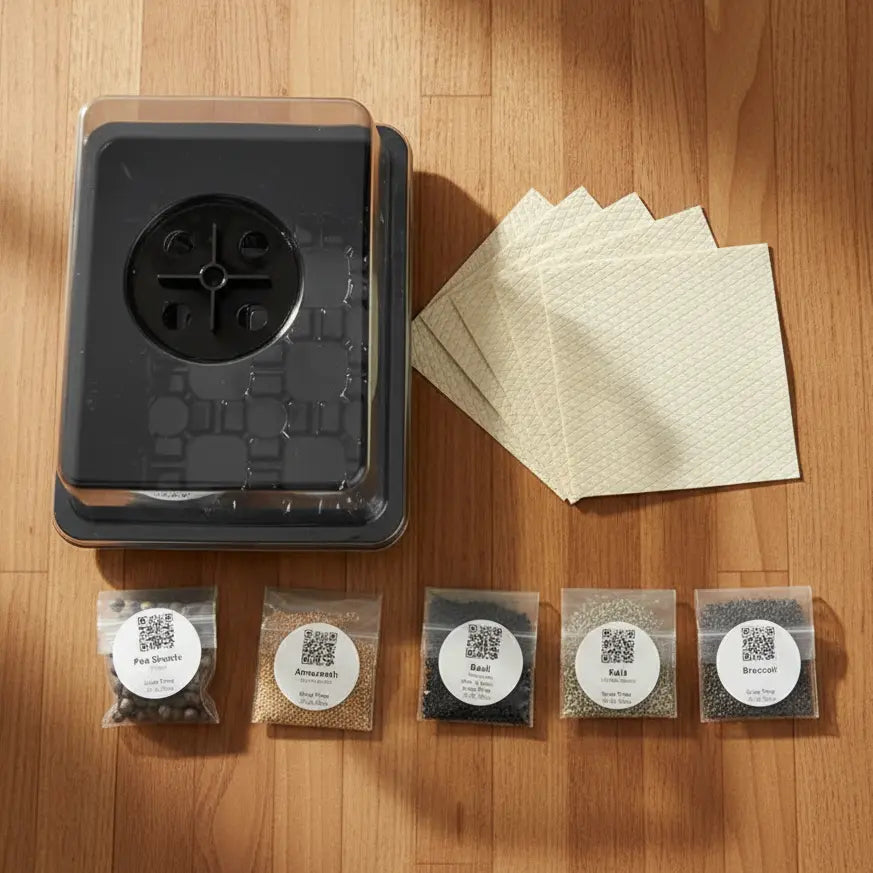
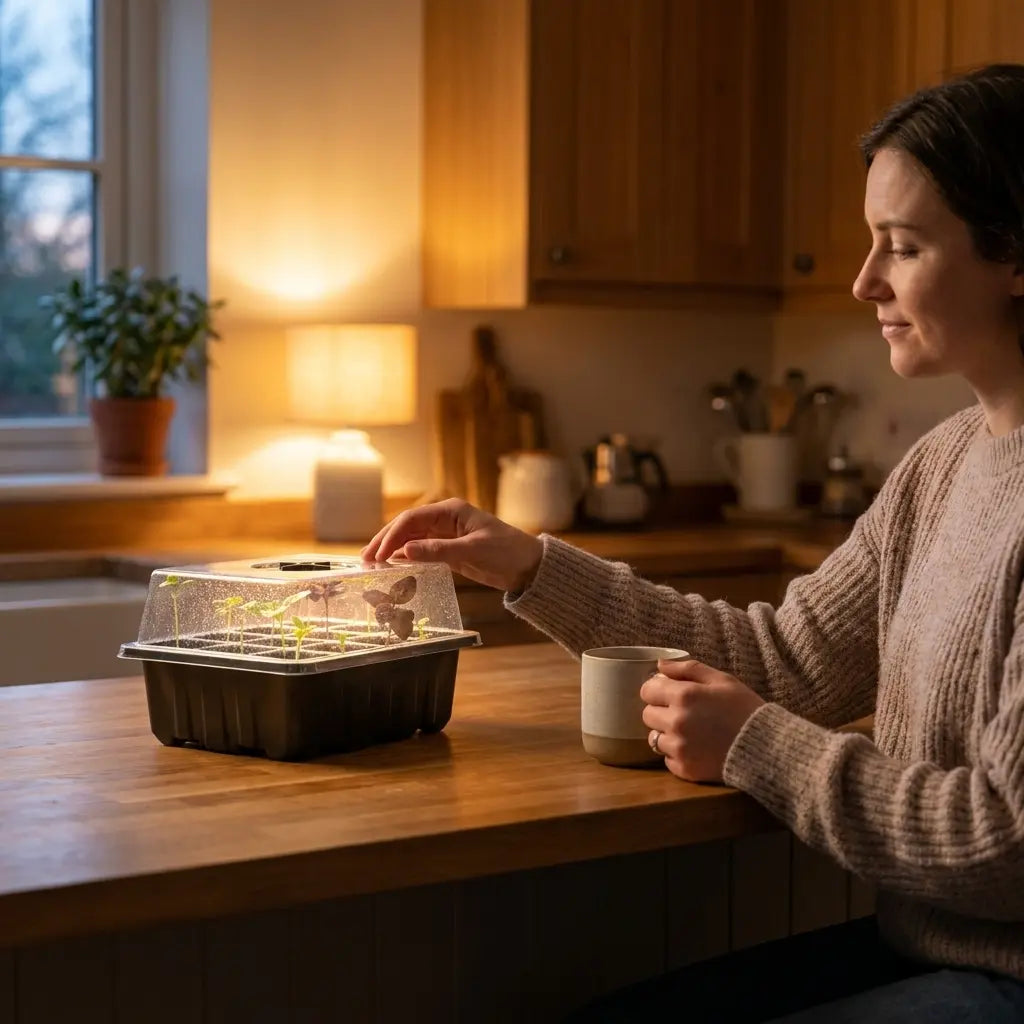
Growing note: Jalapeño pepper pods grow in the Aquager system and produce throughout the winter. Cilantro microgreens are ready to harvest in 7–10 days and are best grown in batches specifically for party events. Sow a tray ten days before the party date for fresh microgreens at peak flavor.
5. Lavender Mint Mocktail
The herbs: Fresh lavender florets and a mint sprig.
Recipe (serves 1): Make lavender simple syrup: steep 2 tablespoons of fresh lavender flowers in 1 cup hot simple syrup (equal parts water and sugar) for 30 minutes. Strain. For each mocktail: combine 1 oz lavender syrup and 0.5 oz fresh lemon juice in a glass over ice. Top with 4 oz tonic water or sparkling water. Add a drop of butterfly pea flower powder or a splash of blueberry juice for a natural purple hue (optional). Garnish with a sprig of lavender and a fresh mint leaf.
Why it works: Non-alcoholic christmas mocktails often feel like an afterthought. This one doesn’t. The lavender gives it a complexity that tonic and simple syrup alone can’t produce, and the visual — a purple-tinted fizzy drink with a lavender sprig — is one of the most striking glasses on the table.
Growing note: Lavender Munstead pods are available in the Aquager system and produce harvestable florets within 6–8 weeks. Start lavender alongside rosemary in October. Harvest the florets just before they fully open for maximum fragrance and flavor. Pair with a nursery mint plant for the garnish.
Planning for 20 Guests: The Party-Scale Growing Guide
Scaling fresh herb cocktails for a full holiday party requires thinking ahead. Here’s the growing plan if you’re planning to serve all five cocktails to twenty guests:
Mint (Mojito Spritzers + Mocktail garnish): Plan 3–4 sprigs per mojito. For 20 mojito spritzers: 60–80 sprigs needed. Two established mint plants (from nursery cuttings planted in October) produce well above this. Harvest gently in the days before the party to let the plants recover.
Rosemary (Gin Fizz): One sprig per drink plus 4–5 sprigs for the syrup batch. For 20 gin fizzes: 25–30 sprigs total. Two rosemary pods running for 8 weeks produce comfortably above this, with the torched garnish sprig an impressive visual that guests share on social media.
Thyme (Whiskey Sour): The syrup batch requires 15–20 sprigs for 20 drinks. One sprig garnish per glass. Two thyme pods running for 6–8 weeks more than cover this. Make the syrup two days in advance and refrigerate.
Lavender (Mocktail): 2–3 florets per drink plus flowers for the syrup. One lavender pod at peak production covers 20 mocktails if you time the harvest correctly — pick the florets two to three days before the party as the flowers begin to open.
Cilantro + Jalapeño (Margarita): Sow a microgreens cilantro tray 10 days before the party for a full harvest exactly at party time. One jalapeño pod produces 3–5 peppers per harvest cycle; plan ahead and pick at the right size. For 20 margaritas, you need 60–80 jalapeño slices — two to three peppers.
All of this grows simultaneously on a single Aquager Home Farm with room to spare. Start in October and the farm is fully producing well before the first holiday party.
The Chef’s Organic Set: Party-Ready by December
The Aquager Chef’s Organic Set includes the Home Farm and Storage Unit — the core setup for running rosemary, thyme, lavender, and jalapeño pods simultaneously through the holiday season. Add the cilantro microgreens tray closer to the party date, and source a mint plant from a nursery in October. That’s the complete holiday cocktail herb setup, on a single kitchen counter, producing all season long.
The set comes in Chestnut Ember and Blonde Maple finishes and looks as good at a party as the drinks it produces. For the October planting schedule that gets your herbs to peak production by Christmas, see our complete Christmas herb growing guide.
Frequently Asked Questions
How far in advance should I make the herb simple syrups?
Rosemary and thyme syrups keep well refrigerated for up to two weeks. Make them up to a week before the party — the flavor actually improves slightly after a day of infusion. Lavender syrup is best made two to three days ahead. Mint is better used fresh rather than in syrup form; muddle it directly in the drink at service.
Can I use the herbs right off the farm without washing?
Yes. Aquager pods use organic grow media with no pesticides or soil. The herbs are food and drink safe straight from the farm. For garnishes, a quick rinse and pat-dry improves presentation but isn’t required for food safety.
What about guests who don’t drink alcohol?
The lavender mint mocktail is designed specifically for this. You can also make a non-alcoholic version of the rosemary gin fizz using a botanical sparkling water in place of gin — the rosemary syrup and lemon juice provide the same herbal complexity. The garnish and the experience are identical to the alcoholic version.
How do I keep harvested herbs fresh during a long party?
Harvest mint and basil sprigs and stand them upright in a small glass of water like cut flowers — they stay fresh for four to six hours. Rosemary and thyme are heartier and can be left dry on a cutting board for the duration of most parties. Harvest the lavender florets the day of the party and keep them in a cool, dry spot until service.
Do the herbs for cocktails taste different from store-bought?
Meaningfully, yes. The volatile aromatic oils that give mint, rosemary, and thyme their flavor dissipate rapidly after cutting. Store-bought herbs traveled days before reaching the shelf. Counter-grown herbs cut at party time have volatile oils at full concentration — the difference in aroma alone is immediately apparent to any guest who picks up the glass.
The Party Memory Is in the Detail
Every holiday cocktail list has the same drinks. The thing that makes yours different is the rosemary christmas gin cocktail with the torched sprig. The mint that was growing two hours ago. The jalapeño that came off a pod on the counter, not a jar from the grocery store.
Start the herbs in October. Run them through the party season. And at some point during the evening, someone will ask where the herbs came from — and the answer, pointing to the counter, will be one of the better moments of the night.
Author: Aquager · Published: June 7, 2026 · Updated: June 7, 2026












0 comments