
Kwanzaa food carries meaning beyond flavor. The dishes on the Karamu table — greens, beans, sweet potato, grain — are connected to principles, to history, and to the specific act of choosing to feed your family with intention.
One of Kwanzaa's seven principles is Kujichagulia: self-determination. The idea that you name yourself, define yourself, and provide for yourself. There are many ways to live that principle. Growing the greens on your own table is one of them.
This guide covers which traditional African greens you can grow indoors with a hydroponic home farm before December 26, how to use them in Kwanzaa cooking, and where the farm's strengths lie — along with honest notes about the greens that grow better in a pot of soil.
The Greens at the Heart of African American Cooking
Leafy greens have been central to African and African American cooking for centuries. Collard greens, mustard greens, and amaranth carry deep roots — in West African markets, in Caribbean kitchens, in the soul food traditions that evolved from both.
Amaranth — Amaranthus — was a sacred crop across sub-Saharan Africa and pre-colonial Americas. Its leaves are eaten as greens across Ethiopia, West Africa, and the Caribbean. The seeds are ground into flour. The plant grows fast, tolerates heat, and thrives in conditions where other crops struggle. When you grow amaranth at home, you're connecting to something much older than any recipe.
Collard greens have West African origins — sukuma wiki in Swahili means "push the week," a nod to how these greens helped families stretch meals through lean times. Mustard greens bring a sharp, peppery heat that deepens when cooked low and slow. Kale — particularly lacinato and red varieties — is a dietary staple across East and Southern Africa, especially in Kenya.
These greens belong on the Kwanzaa table. Here's what you can grow indoors and how to get them ready by December 26.
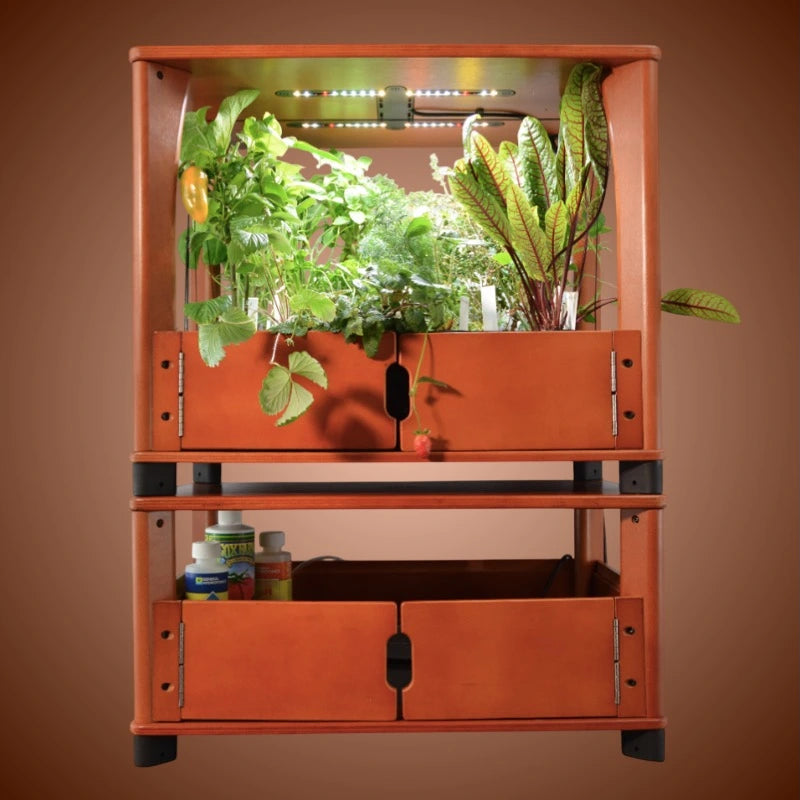
What to Grow Indoors: African Greens on the Aquager Farm
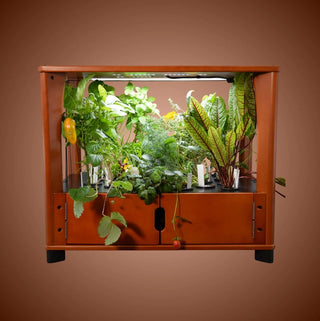
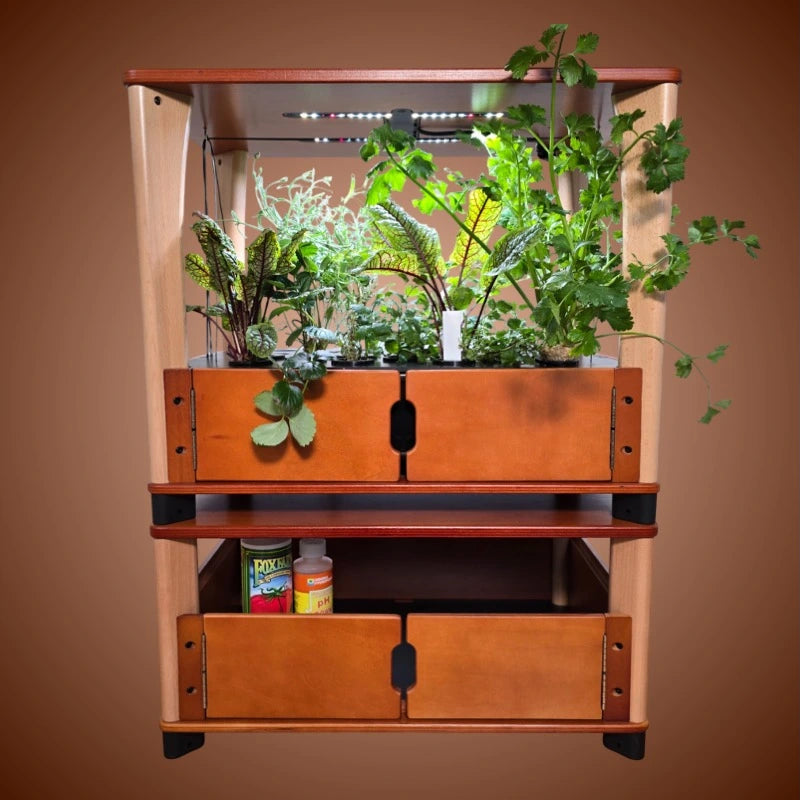
A hydroponic home farm is well-suited for fast-growing leafy greens. Here are the varieties with cultural significance that grow well in the Aquager system:
Red Amaranth
This is the standout Kwanzaa crop for indoor growing. Red Amaranth grows quickly under LED grow lights, producing deep purple-red leaves in 4–6 weeks. Young amaranth leaves are tender enough to eat raw in salads; older leaves sauté beautifully with garlic and a splash of apple cider vinegar. The striking color makes it genuinely beautiful on the Karamu table.
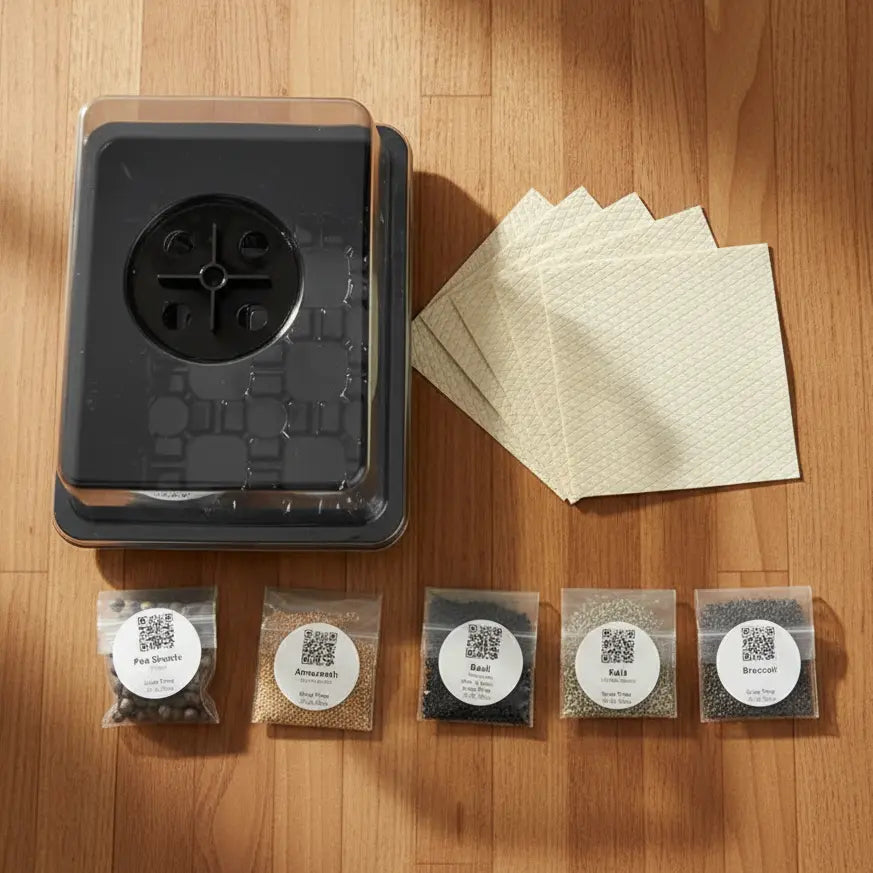
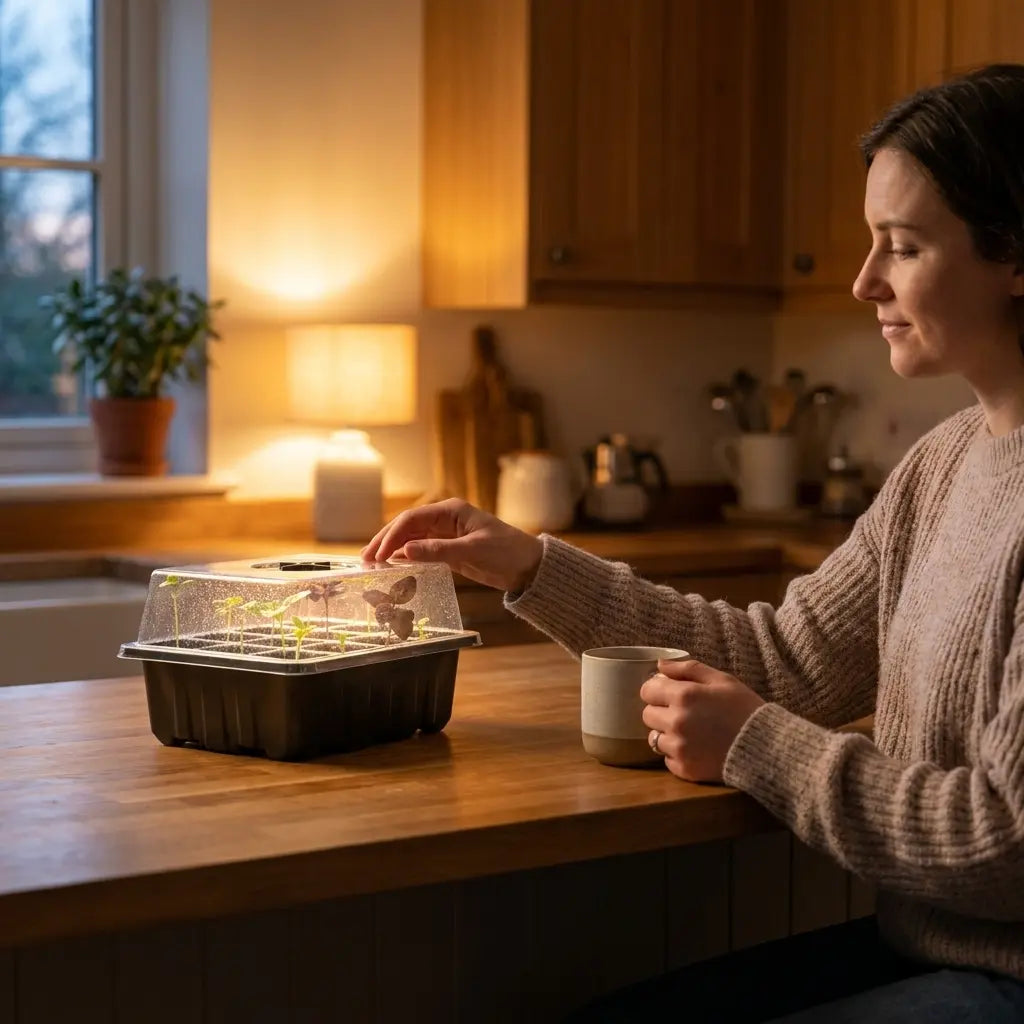
For even faster results, Amaranth Garnet Red microgreens are ready in 10–12 days. Scatter them over finished dishes at the Karamu — vivid, nutritious, and unmistakably intentional.
Kale (Frisé Rouge)
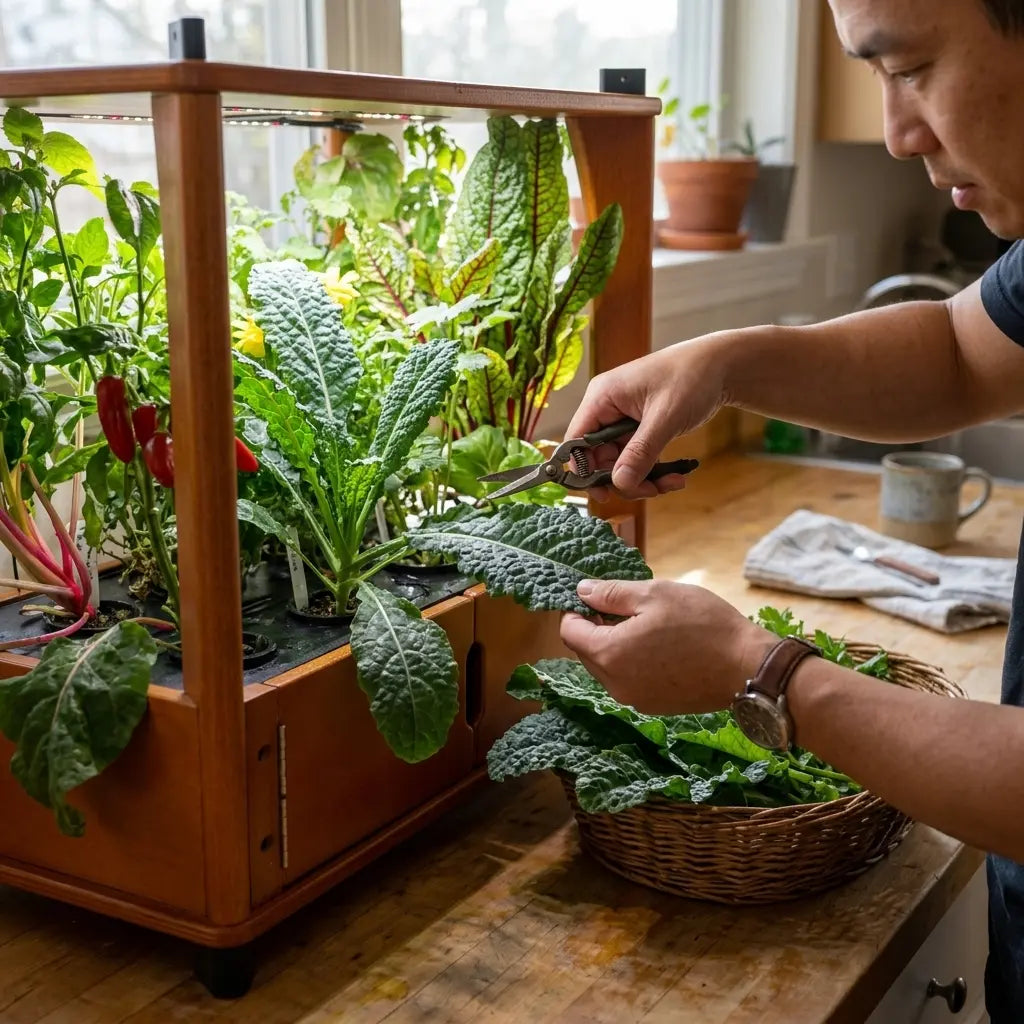
The Aquager Frisé Rouge kale is a red-veined curly kale that grows well indoors in 5–7 weeks. It's mild enough to use in salads when young, and sturdy enough to braise when mature. Kale braised with smoked paprika and garlic comes close to the flavor profile of long-cooked collards — and it grows in a fraction of the time.
Rainbow Chard
Chard fills the same culinary role as collards in many dishes — especially braised with aromatics. Rainbow Chard Firebird produces red, yellow, and orange-stemmed leaves in 5–6 weeks. Sauté the leaves with garlic, lemon, and smoked paprika and serve alongside rice, beans, and roasted sweet potato. The colors alone — red, orange, yellow against deep green — make it visually striking on any table.
Mustard Microgreens
Traditional mustard greens are best grown in soil containers (more on that below), but Mustard microgreens grow in 7–10 days and bring the same peppery heat that makes mustard greens beloved in traditional African American cooking. Scatter them over braised dishes right before serving, or wilt them into a bowl of warm broth. Ready in under two weeks, every time.
An Honest Note About Collard Greens
Collard greens are the signature dish of many Kwanzaa celebrations — braised low and slow with smoked turkey necks, vinegar, and red pepper. They require 60–80 days from seed to harvest and develop their best flavor in deep soil, not a hydroponic system.
If collards are essential to your Kwanzaa table, start seeds in 5-gallon containers with potting soil by early October. You'll have full heads by late December. The Aquager farm works alongside that effort — growing the amaranth, kale, chard, and mustard greens that complete the meal while the collards do their slow, patient work in soil.
This is Ujima in practice: collective work, each method contributing what it does best, the whole table better for both.
Your Growing Timeline for Kwanzaa 2026
Kwanzaa begins December 26. Working backward:
- By October 20: Start Red Amaranth and Frisé Rouge kale pods in the Aquager farm. Start collard greens in 5-gallon soil containers if you're growing those too.
- By November: First kale and amaranth harvests begin. The plants keep producing after each cut.
- By December 12: Start Rainbow Chard for a fresh batch ready by late December.
- By December 14: Start Amaranth microgreens (12–14 days to harvest, ready by December 26–28).
- By December 19: Start Mustard microgreens (7–10 days, ready December 26–29).
- December 26 — Karamu: Fresh amaranth, kale, and chard from the farm. Mustard and amaranth microgreens as garnishes. Collards from soil pots if started in October.
One farm setup covers the entire holiday growing window.
The Seven Principles and the Kitchen Garden
The Nguzo Saba — the Seven Principles — are a framework for how to live, not just how to celebrate one week in December. When you grow your own food, several of them become tangible:
Kujichagulia (Self-Determination): You choose what you eat, how it's grown, and where it comes from. You plant the seeds, tend the plants, and bring the harvest to the table. That's not a metaphor — that's the practice itself.
Ujima (Collective Work and Responsibility): Growing food is a household project. Children can help plant seeds, track growth, and top up the water reservoir. The harvest is shared by everyone who helped tend it.
Nia (Purpose): Starting seeds in October with December 26 in mind is purposeful planning — intention expressed over weeks, embodied in a leaf you grew yourself.
Kuumba (Creativity): The Karamu feast is a creative act. Using amaranth three ways — braised side, raw salad green, microgreen garnish — is cooking with intention and imagination.
What to Cook: Kwanzaa Table Ideas
Here are ways to use each homegrown green at the Karamu:
Sautéed Amaranth Leaves: Heat olive oil in a wide pan. Add garlic and a pinch of red pepper. Add amaranth leaves (stems removed) and toss for 2–3 minutes until wilted. Finish with a splash of apple cider vinegar and salt. Serve alongside rice and beans or roasted sweet potato.
Kale Braised with Smoked Spices: Tear kale leaves into pieces. Cook chopped onion in oil until soft. Add kale, vegetable broth, smoked paprika, cumin, and black pepper. Cover and braise for 20 minutes until tender. This technique brings indoor-grown kale close to the flavor profile of long-braised collards.
Rainbow Chard with Lemon and Garlic: Separate stems from leaves. Sauté stems first, then add leaves, a squeeze of lemon, and minced garlic. Done in 10 minutes — a bright, fast side that contrasts beautifully with heavier braised dishes.
Mustard Microgreen Finish: Scatter fresh mustard microgreens over braised greens, rice dishes, or soups right before serving. The peppery heat and brightness cut through rich dishes and make every plate look intentional.
Amaranth Microgreen Garnish: The deep red of amaranth microgreens against a white serving bowl is striking. Use them as a finishing garnish on anything — nutritionally dense and visually specific in a way that says this meal was grown for this occasion.
Frequently Asked Questions
Can I grow collard greens hydroponically?
Collard greens can technically be grown in hydroponic systems, but they need large net pots and 60–80 days of grow time. For a 24-plant home farm, kale, amaranth, and chard are more productive choices. For collards specifically, start seeds in 5-gallon soil containers in early October — they'll be ready by late December and will taste better for the slow growth.
When should I start my farm for Kwanzaa 2026?
Start amaranth and kale pods by October 20 for continuous harvesting through December. Start microgreens around December 14–19 for fresh garnishes at the Karamu feast on December 26.
What if I've never grown food indoors before?
The Aquager home farm is designed for this situation. The pods come pre-seeded, the nutrient system is simple, and the LED grow lights handle what sunlight would. Most people get their first harvest within 4–6 weeks. Our guide to growing food indoors year-round covers setup from the beginning — and our guide to the easiest plants to start with is a good companion read.
Is this just for Kwanzaa or does it work year-round?
The farm grows year-round, independent of season. Once you've set up for Kwanzaa, you'll have fresh greens through January, February, and beyond. The connection to Kwanzaa is the beginning, not the limit.
Your Farm, Your Table, Your Principles
Kwanzaa food is not decoration. It's not a performance of culture. It's sustenance with meaning — greens that carry centuries of history now grown by your hands, in your home, for your family.
The Aquager home farm won't replace the tradition of slow-braised collards or the recipes passed down through generations. But it can add something new to that tradition: the experience of growing your own food year-round, making Kujichagulia tangible in a way that happens in your kitchen every single day.
Start your farm in October. By December 26, you'll have something to bring to the Karamu table that you grew yourself.
Author: Aquager · Published: June 8, 2026 · Updated: June 8, 2026












0 comments