
New year's resolution failure is so predictable that scientists have studied it. The most commonly cited research puts the abandonment rate at around 80% — most resolutions are dropped before February. Not because people lack willpower. Because the resolutions people pick are too abstract, too big, or too disconnected from daily life to build real momentum.
Gym membership sales spike every January. By mid-February, gyms are quiet again. The goal was right. The format was wrong.
Growing your own herbs indoors is a different kind of resolution. It's small enough to start immediately, concrete enough to track daily, and rewarding in a way that compounds — because you eat what you grow. This guide explains why an indoor herb garden works as a January habit and how to set one up this month.
Why Most New Year's Resolutions Fail (And What's Different About Growing)
Behavioral science research on resolution failure points to a few consistent patterns: goals that are too vague ("eat healthier"), too large to get traction quickly ("run a marathon"), or too dependent on external motivation ("going to the gym"). The feedback loop is too long. You work out for a month before you see any physical result. That delay kills momentum for most people.
Growing herbs indoors is structurally different in almost every way:
- Visible results in 3–4 weeks: Basil germinates in 5–7 days. You'll have harvestable leaves in three weeks. The feedback loop is short enough to sustain motivation through the hardest part — the beginning.
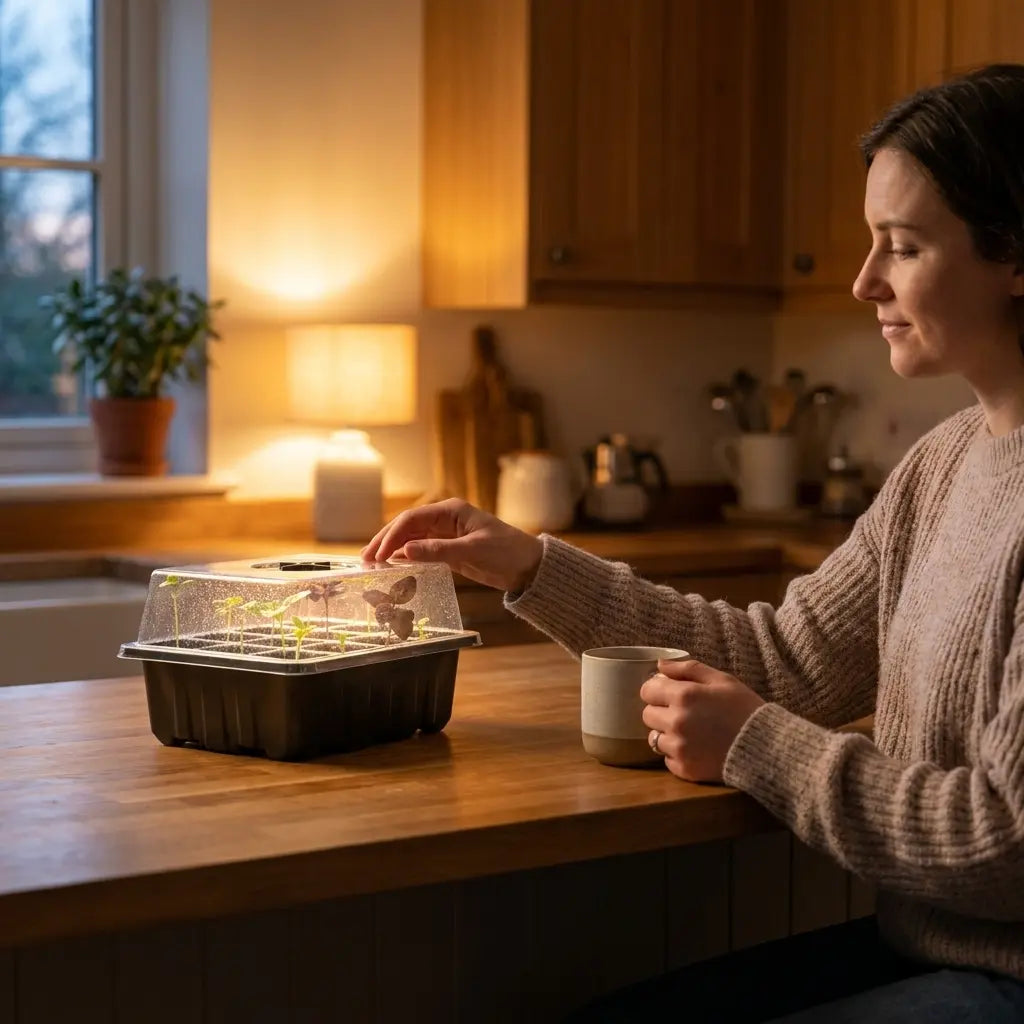
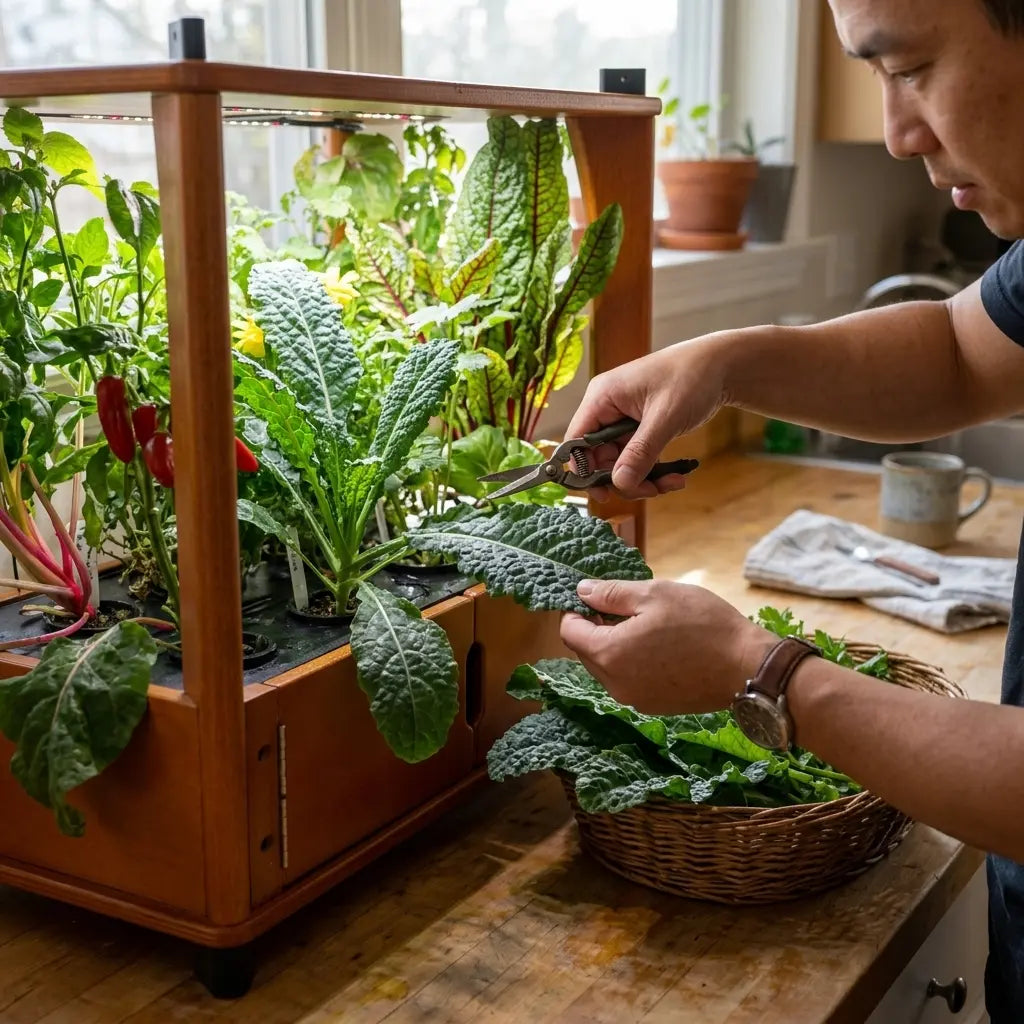
- 5-minute daily habit: You check the reservoir level. You look at the leaves. You harvest what's ready. That's it. No commute, no special clothing, no block of time required.
- Built-in reward: You don't wait until you're "finished" to benefit. You taste the basil three weeks in. You put the chives on your eggs four weeks in. Every meal is feedback that the habit is working.
- No January competition: The gym is packed in January. Your kitchen counter isn't.
The best new year resolution ideas share a common trait: they're small enough to start now and specific enough to know when you've succeeded. Planting seeds and eating what you grow is both.
Why January Is the Best Time to Start an Indoor Herb Garden
It feels counterintuitive. January is cold, dark, the least "gardening" month on the calendar. That's exactly why indoor growing works so well in January.
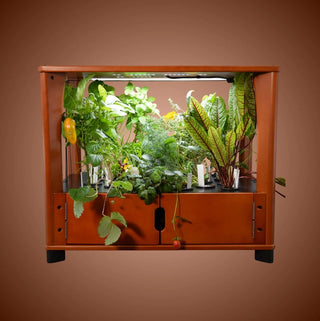
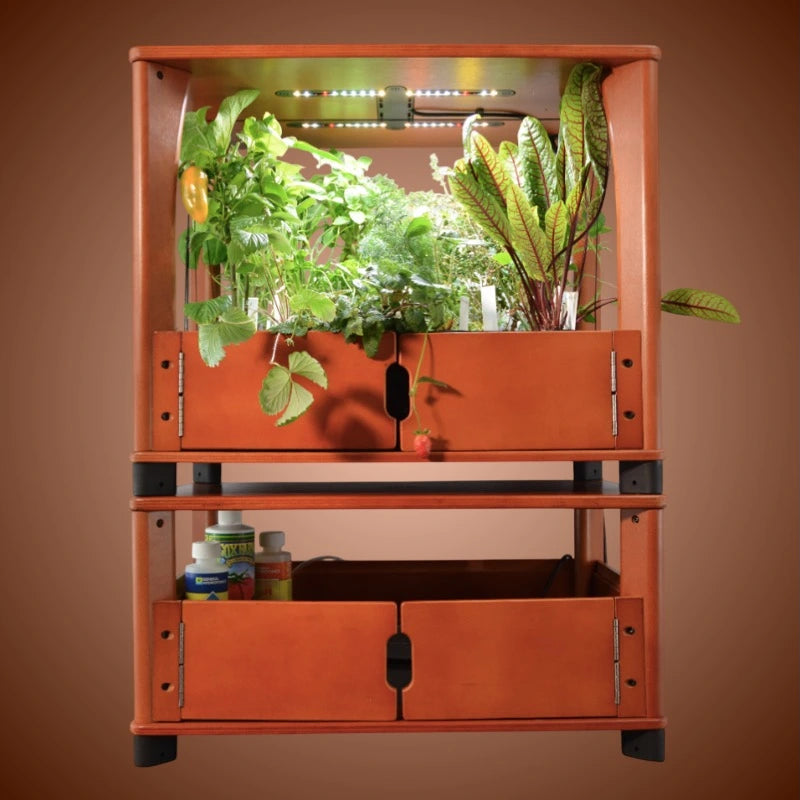
You're already spending more time in your kitchen. You're cooking more, eating at home more. The Aquager home farm sits on your kitchen counter under built-in LED grow lights — no south-facing window required. January outdoor conditions are irrelevant.
And there's a timing advantage: herbs you start in January will be producing continuously by February, March, and beyond. You're not waiting for spring. Your basil, chives, parsley, and rosemary are growing on your counter while everyone else is waiting for the ground to thaw.
If you start growing herbs indoors in January, by Valentine's Day you'll have fresh herbs for every meal. By March, the habit is locked in. That's the real goal — a resolution that has already become part of your routine before the January motivation fades.
A January Growing Guide: What to Start and When to Expect Results
Here's what to plant in January and when you'll see results:
Week 1 — Plant These Now
Basil — The fastest-gratification herb. Germinates in 5–7 days, first harvest in 3–4 weeks. Plant it in week one and you'll be snipping fresh leaves by the end of January.
Chives — Ready to harvest in 3–4 weeks from seed. One of the most versatile herbs in any kitchen: eggs, potatoes, soups, salads. Once established, they grow continuously — cut what you need and they regrow.
Parsley — Takes 4–6 weeks to reach harvest size. Start it in week one and it'll be ready by mid-February. A workhorse herb that goes in almost everything.
Week 2 — Add These
Thyme — Grows more slowly (5–7 weeks to first harvest), but one of the most useful herbs in a winter kitchen. Thyme belongs in roasted vegetables, soups, and braised dishes — everything you're cooking in January.
Rosemary — Takes 6–8 weeks, worth starting in week two so it's ready by mid-February. Rosemary transforms roasted chicken, potatoes, and bread in a way that dried rosemary simply doesn't.
What You'll Have by Month
- End of January: Fresh basil and chives for daily cooking
- Mid-February: Parsley ready; thyme coming in
- March: Full herb garden producing continuously — basil, chives, parsley, thyme, rosemary, all available every day
- April onward: You've stopped thinking about it as a resolution. It's just part of your kitchen.
The Habit Math: Why This Resolution Outlasts February
Compare the habit structure of two common January goals for the new year:
Going to the gym: 45–60 minutes including travel. Requires getting dressed and going somewhere. Visible results take 6–8 weeks minimum. Average abandonment: 6 weeks in.
Growing herbs at home: 5 minutes of daily attention. Happens in your kitchen, which you already use. Visible results in 5–7 days (germination). Built-in reward — you eat the results. No commute, no schedule, no class to miss.
That's not to say exercise isn't valuable. But if the question is which resolution actually sticks, the structure of the habit matters more than the content. Small visible progress, immediate reward, integrated into an existing routine — this is what behavioral research says makes habits last.
Growing herbs is that resolution.
What Makes the Aquager Farm Easy to Start in January
The most common reason people don't start a kitchen garden is setup friction. Soil, pots, grow lights, watering schedules, drainage — it's a project before you've grown anything.
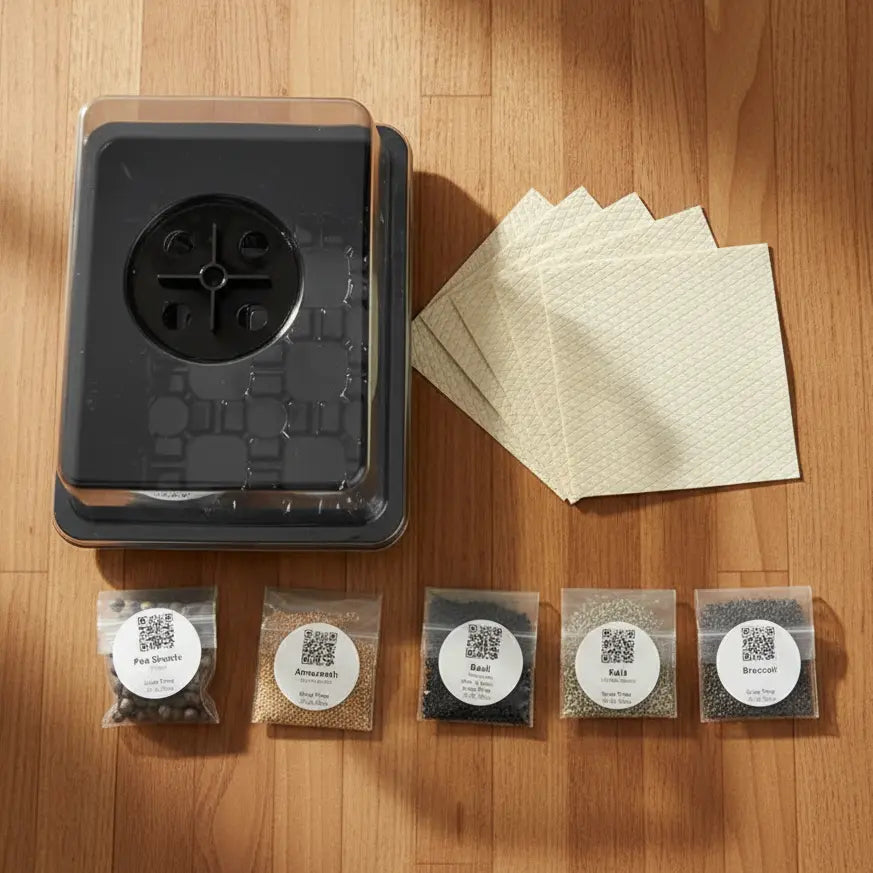
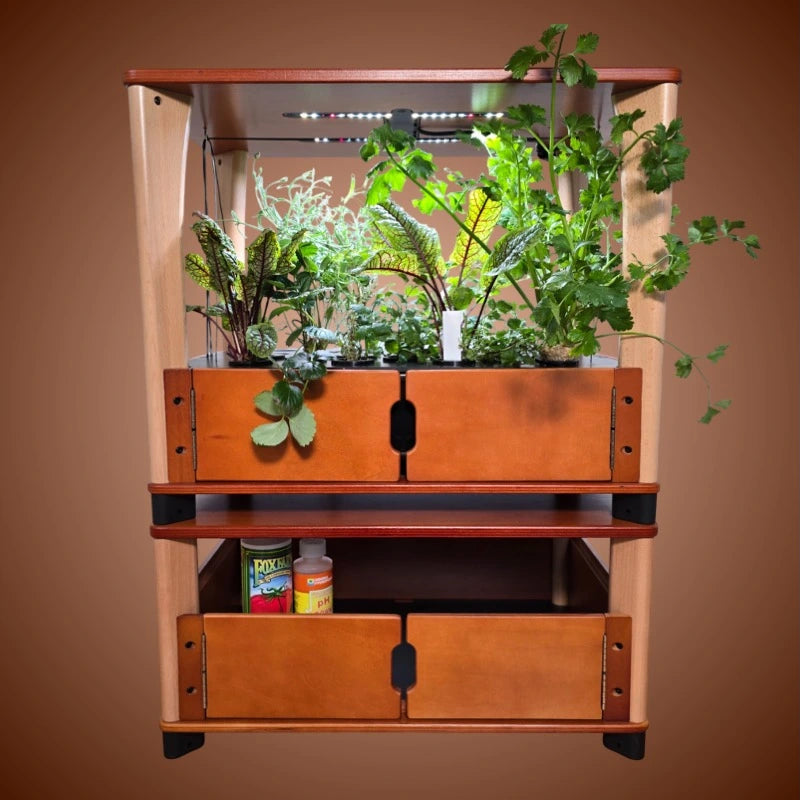
The Aquager Chef's Organic Set removes that friction. The farm arrives assembled. Fill the reservoir, drop in the pre-seeded pods, add the included nutrients, turn it on. That's the entire setup — under 20 minutes. No soil, no drainage holes, no grow light to hang.
The LED grow lights are built in. The reservoir holds enough water for 2–3 weeks between refills. The system holds 24 plants simultaneously — enough to grow every herb you use regularly and rotate new varieties as the season changes.
It's designed to lower the barrier to entry as far as possible. Because the best indoor herb garden is the one you actually start.
Frequently Asked Questions
Do I need any experience to grow herbs indoors?
No. The pre-seeded pods handle the hardest part — germination. Add water and nutrients, the lights handle what sunlight would, and the seeds do the rest. Our guide to the easiest herbs to grow indoors covers what to expect from your first grow, week by week.
What if I travel in January or forget to water?
The reservoir holds 2–3 weeks of water at a time. A long weekend doesn't require a plant sitter. For longer trips, our guide to caring for your indoor garden while traveling has you covered — the short version is that the Aquager farm needs far less attention than you'd expect.
How much does running an indoor herb garden cost?
The LED lights use less power than a standard light bulb. Each pod costs a few dollars. Once you're harvesting regularly, you're replacing store-bought herb bundles that cost $3–5 each and wilt within days. Most people find the farm pays for itself within a few months of regular cooking use.
Is this a resolution or just a purchase?
The purchase is the activation energy — it commits you to the habit before motivation fades. But the resolution is the daily practice: checking the plants, harvesting, incorporating fresh herbs into your cooking. That's the habit. The farm makes it easy to start. You make it stick by actually using it.
Pick a Resolution That Works Back
Most resolutions ask you to give something up or push through discomfort. Exercise more. Eat less. Spend less. They're friction-based — you have to overcome resistance every time you do them.
Growing your own herbs is the opposite. You add something pleasant to your routine. You see daily progress. You harvest from it. You cook better meals. The resolution gives back to you while you're keeping it.
Start the seeds in January. By February, when most resolutions have already been abandoned, you'll be harvesting fresh basil from your kitchen counter. That's not a resolution you gave up on — that's a resolution that became your kitchen.
Our guide to growing herbs indoors year-round covers what to grow in each season, how to keep production continuous, and how to expand the farm as your cooking changes.
Author: Aquager · Published: June 8, 2026 · Updated: June 8, 2026












0 comments