Microgreens for Beginners
Microgreens is not about gardening skill, green thumbs, or turning your home into a farm.
It is about choosing a controlled, low-failure indoor food system that produces reliable results in days instead of months.
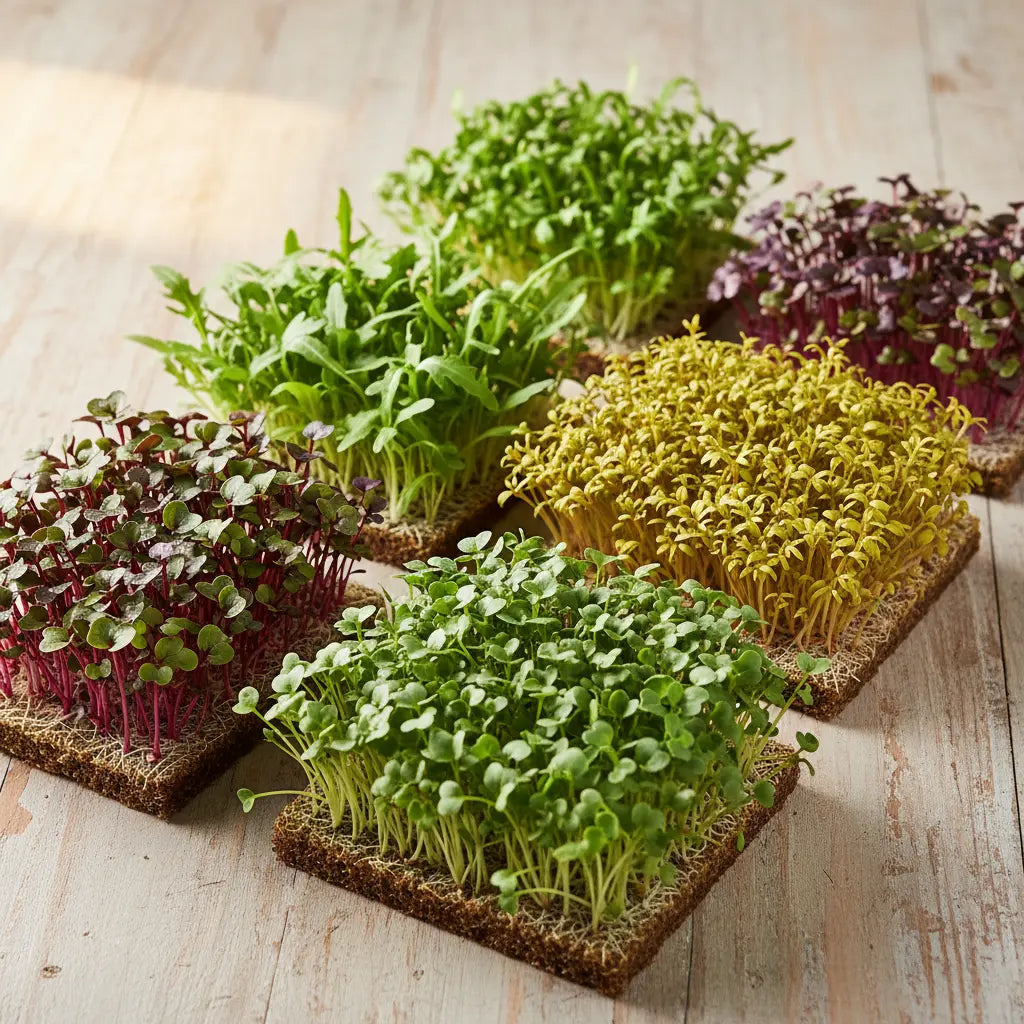
Microgreens are young vegetable plants harvested shortly after emergence, typically 7–21 days after sprouting, once the cotyledon leaves are fully expanded and the first true leaves may begin forming. They are grown in a substrate and harvested above the root line—unlike sprouts, which are grown in water and consumed whole.

No soil expertise

No seasonal dependence

No long waiting periods

Why Your Decision Matters More Than It Seems
Most people do not quit growing food because they lack motivation. They quit because early failure teaches them that “this isn’t for me.”
Indoor food systems fail beginners when:
• Results take too long
• Outcomes are inconsistent
• Mistakes are invisible until it’s too late
Microgreens solve this by compressing the feedback loop.
1. You see results in days, not months
2. You learn quickly what works
3. You gain confidence before frustration sets in
For most beginners, confidence—not yield—is the deciding factor.
Why Microgreens Are Perfect for Beginners
Microgreens are often compared to:
- Herbs
- Houseplants
- Sprouts
- Full vegetable gardening
These comparisons miss the point. Microgreens are not “small vegetables.” They are a different system class entirely.
In short:
- Sprouts = water-based, high contamination risk, short shelf life
- Herbs = slow growth, sensitive to light and watering errors
- Vegetables = long cycles, space-intensive, failure-prone
- Microgreens = short cycles, forgiving margins, visible success
You can explore basic Microgreens information, products, guides, and more in the Microgreens Hub.

Time to harvest

Space requirements

Environmental sensitivity

Knowledge burden
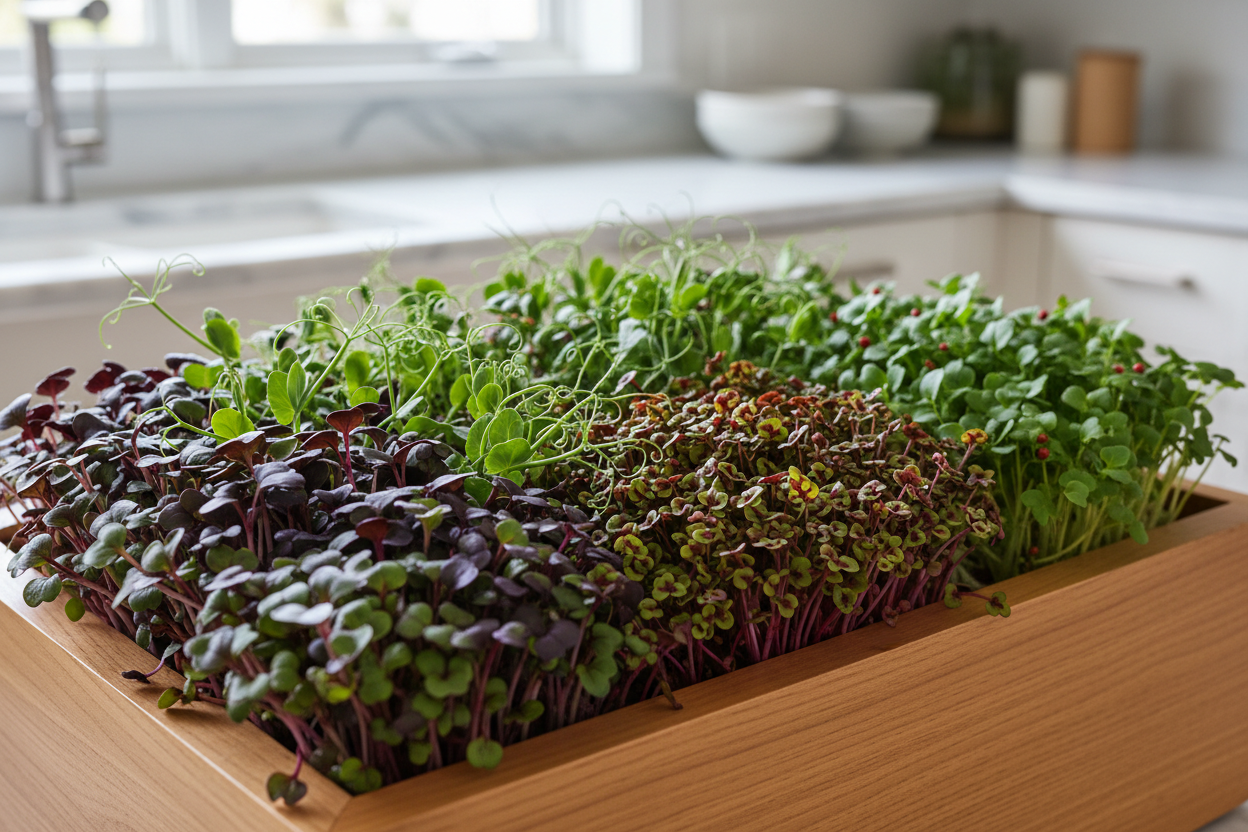
Beginner-friendly & Quick
How the Microgreens System Works
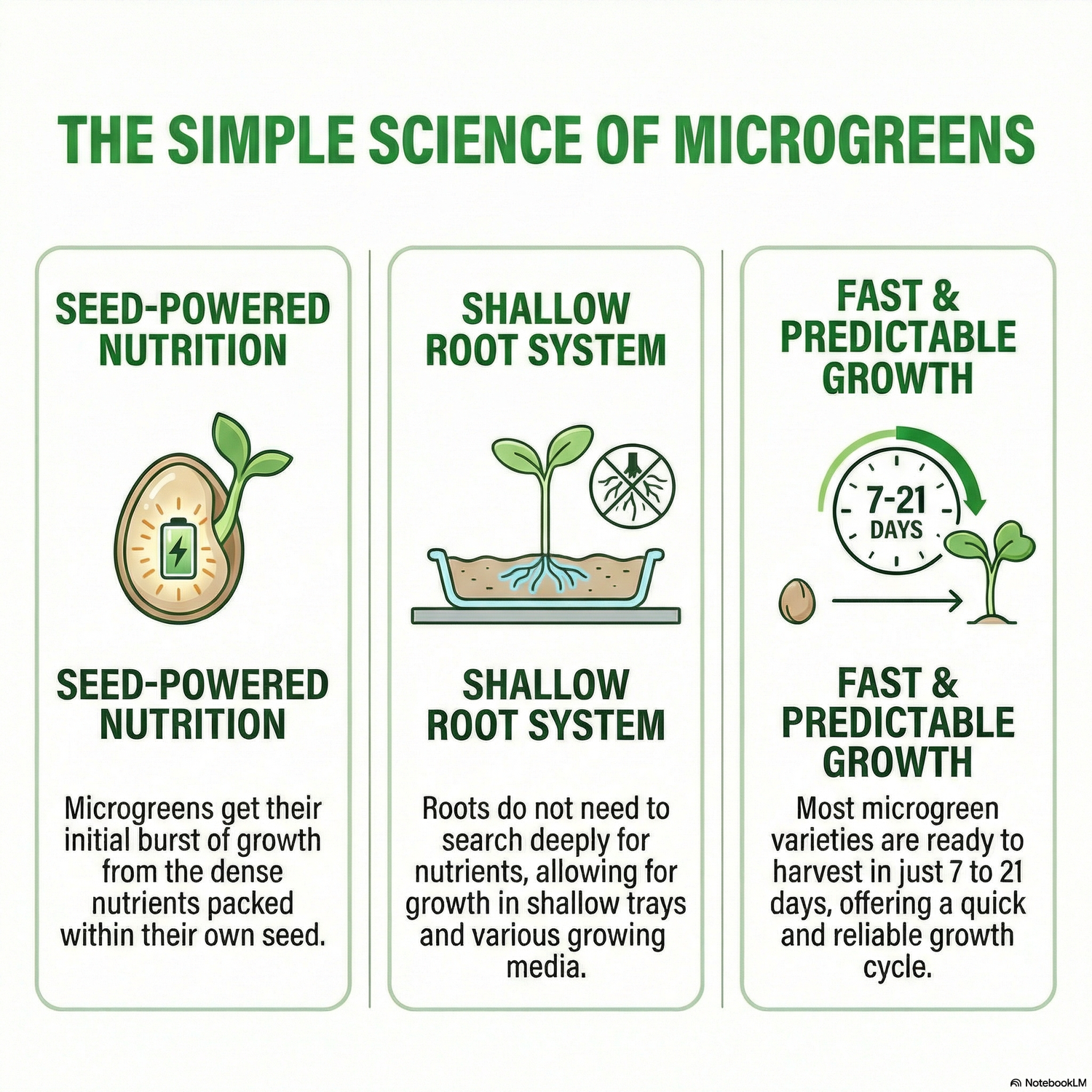
At a high level, microgreens rely on stored seed energy, not complex root development.
The system depends on 4 factors:
- Seed quality and density
- Moisture management
- Light exposure
- Harvest timing
As the graphic points out:
- Nutrients come primarily from the seed
- Roots do not need to search deeply
- Growth is fast and predictable
This is why microgreens tolerate beginner error far better than mature plants.
The deciding factor is control, not experience.
Why Microgreens Are Considered “Beginner-Reliable”
Reliability comes from constraint. Microgreens succeed because:
- Growth windows are short
- Inputs are standardized
- Environmental variation is limited
- Mistakes show up early
For most beginners, this means:
- Less guessing
- Faster correction
- Fewer irreversible failures
Unlike traditional gardening, where errors compound silently, microgreens surface problems quickly—before weeks of effort are lost.
This is why microgreens are often used in:
- Commercial kitchens
- Research labs
- Controlled agriculture training
- Urban food programs
The system scales down to beginners without breaking.
Microgreens are ideal for beginners who:
- Want fast, visible results
- Have limited space
- Prefer systems over improvisation
- Value reliability over customization
- Want edible output, not décor
They are especially well-suited for:
- Apartment dwellers
- Busy professionals
- First-time growers
- Parents teaching food systems
- People who “kill plants”
For most beginners, microgreens are not a hobby.
They are a confidence-building food system.
Common Failure Modes (And Why Beginners Struggle)
Microgreens are forgiving—but not magic.
Most beginner failures come from system misalignment, not lack of effort.
The most common issues:
- Excess moisture leading to fungal growth
- Overcrowded seeding causing airflow problems
- Inconsistent light exposure
- Improvised containers that trap humidity
Notice what’s missing:
- Complex nutrient schedules
- Advanced plant biology
- Seasonal knowledge
Failures are mechanical, not intellectual.
That is good news—because mechanical problems can be designed away.
Options Beginners Actually Have
There is no single “right” way to grow microgreens.
There are levels of reliability.
Freedom increases failure. Structure increases success.

Ready Beginner Kit
1 Minute setup
Reduced decision fatigue
Higher early success rates
For success, not experimentation, systems like a microgreens nursery or pre-seeded kit remove common failure points.

Tray Systems
Standardized tray sizes
Repeatable results
Easier moisture control
A standardized tray: 10×20" grow tray reduces variables by creating consistency across batches.

Improvised DIY Setups
Lowest upfront cost
Highest failure variability
Requires experimentation
This appeals to tinkerers—but not most beginners.
Cost, Effort, and Realistic Expectations
Microgreens are often described as “cheap to start.”
That is partially true—and misleading.

What beginners should expect:
- Low space requirements
- Modest upfront setup cost
- Low daily time commitment
- Predictable harvest windows
What beginners should not expect:
- Zero effort
- Unlimited variety on day one
- Perfect trays every time
The real value is cost per successful harvest, not cost per attempt.
A structured system that succeeds consistently is cheaper over time than repeated failed DIY experiments.
What You Need
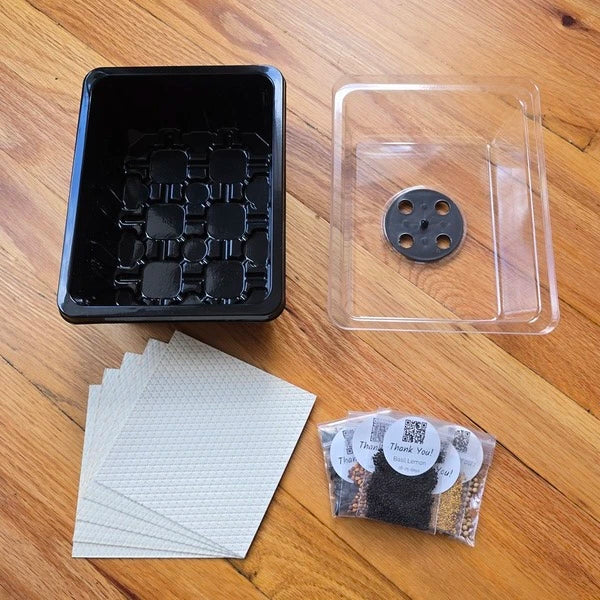
Basic setup includes:
- A shallow growing tray
- A growing medium (soil-free mat or similar)
- Microgreens seeds
- Water
- A consistent light source (natural or LED)
That’s all.
Most beginner failures come from inconsistent setups or missing components — not from microgreens being difficult to grow.
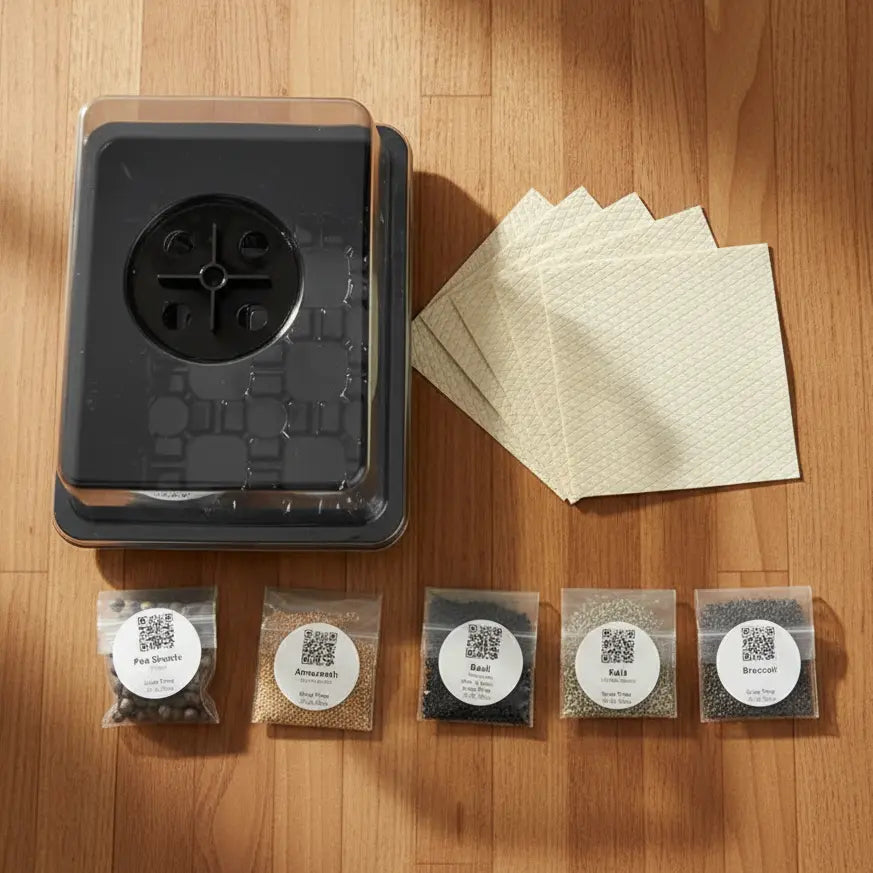

Microgreens Starter Kit (2xTray + Seeds + Mats)
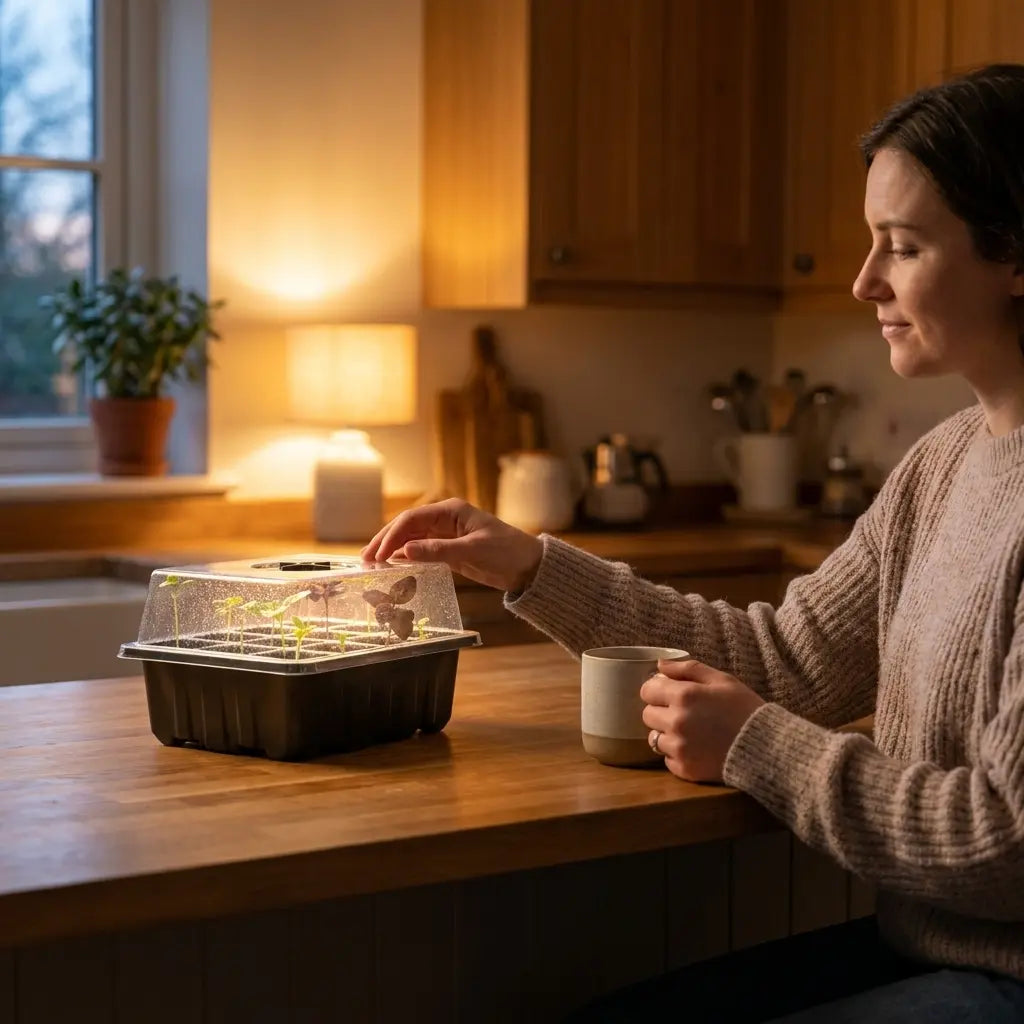

Grab & Grow Pre-Seeded Starter Kit
FAQ section
Are microgreens good for beginners?
Yes. Microgreens are one of the most beginner-reliable ways to grow food indoors due to short growth cycles and low environmental sensitivity.
How fast do microgreens grow?
Most varieties are harvested within 7–21 days, depending on species and conditions.
Do microgreens require special equipment?
Not strictly—but structured trays and beginner systems significantly increase success rates.
Are microgreens worth growing at home?
For beginners seeking fast, edible results with minimal space, microgreens offer high value relative to effort.
Last updated: January 2026