
There’s a specific moment in Mexican cooking when you add fresh cilantro and everything comes together. The guacamole becomes guacamole. The pozole finds its finish. The tacos taste like they’re supposed to taste. Cilantro isn’t a garnish in Latin American cooking — it’s architecture.
The same is true for jala peños in salsa verde, bell peppers in sofrito, oregano in Puerto Rican pernil, shishito peppers in South American escabeche. These are the ingredients that make the dishes taste right. And they’re also the ingredients that are hardest to find fresh, year-round, in the US.
This post is a growing guide for the Latin kitchen — what to plant, how long it takes, and what you’ll be making with it once you’re harvesting.
Cilantro: The Cornerstone of Mexican and Central American Cooking
Fresh cilantro is essential across Mexican, Central American, Colombian, Peruvian, and Caribbean cooking. It finishes tacos and burritos, gets blended into salsa verde, floats on top of pozole and sopa de lima, forms the herbal backbone of chimichurri in the Southern Cone, and goes into the sofrito base of Puerto Rican and Dominican cooking. There is no substitute.
The problem with fresh cilantro is that it bolts (goes to seed) very quickly under stress — heat, drought, or any disruption triggers it to flower and turn bitter. Store-bought cilantro has typically already been stressed by harvest and transport, which is why bunches at the grocery store often go slimy within days of purchase.
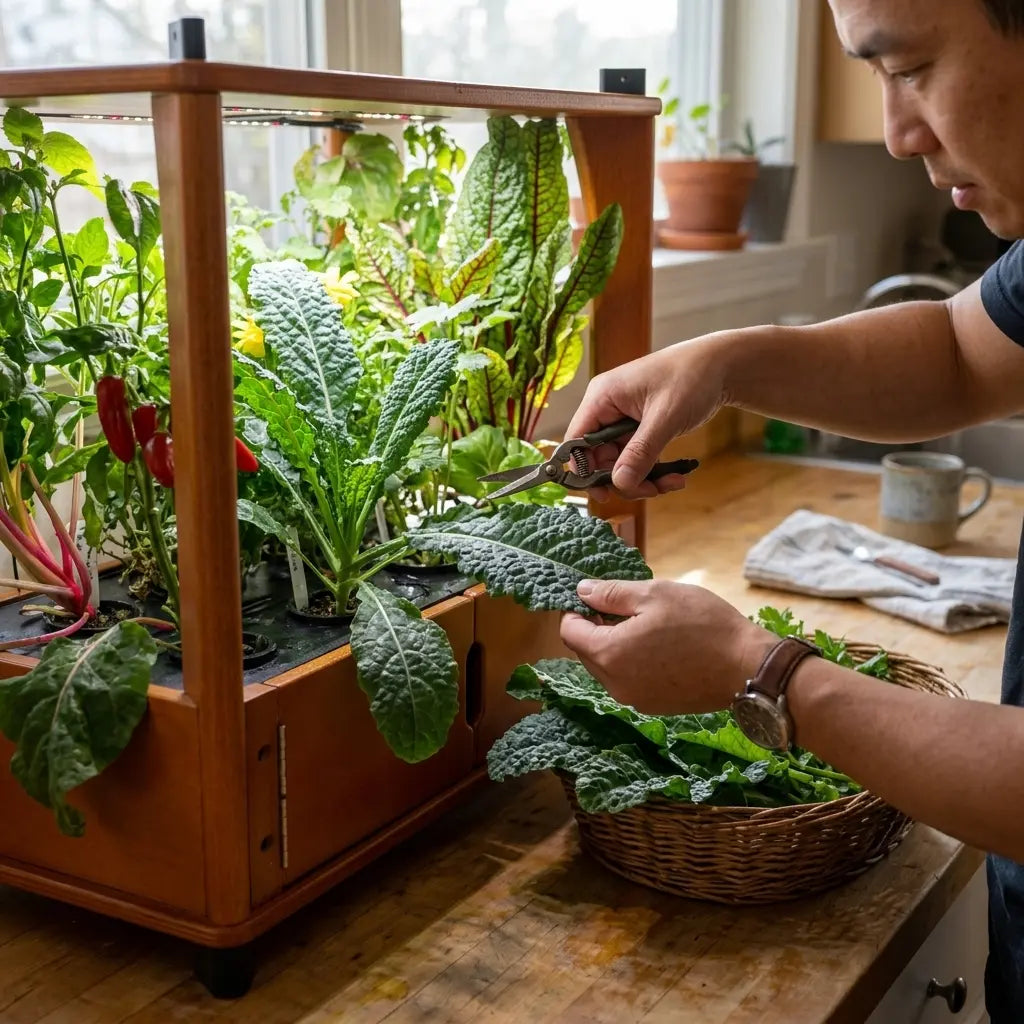
Growing cilantro on the Aquager farm solves this. The controlled temperature prevents the heat-induced bolting that outdoor cilantro is prone to. The result: a cilantro plant that stays in the vegetative (leaf-producing) stage significantly longer than outdoor-grown plants.
In the kitchen: Add fresh cilantro to dishes after cooking, never during. Heat kills the volatile oils that give cilantro its distinctive flavor. Tear leaves directly into dishes rather than chopping — chopping bruises and oxidizes the herbs faster.
Growing timeline: 3–4 weeks to first harvest on the farm. See our complete cilantro growing guide for the specific technique to keep it in the vegetative stage as long as possible.
Jala peños: Grow the Heat That Goes in Everything
Jala peños are the most versatile pepper in Mexican cooking. Fresh jala peños go into salsa, guacamole, pico de gallo, chile verde, and queso fundido. Pickled jala peños top nachos and tlayudas. Roasted jala peños form the base of salsa roja. Dried and smoked, they become chipotles.
Growing jala peños indoors on the Aquager farm requires the most patience of any ingredient in this guide — peppers take 12+ weeks from seed to first fruit. But they produce continuously once established, with a single plant potentially producing dozens of peppers over months.
Important note on indoor peppers: Jala peños require pollination to set fruit, and indoor plants have no wind or pollinators. Use a small soft brush or your fingertip to transfer pollen between flowers by gently touching the inside of each flower every 2–3 days when flowers are open. Without pollination, flowers will drop without producing fruit.
In the kitchen: Fresh jala peños for salsa and pico. Roast over an open flame or under a broiler for salsa roja and chile verde. Pickle with carrots, onions, and vinegar for tacos and tortas. Our salsa garden growing guide covers jala peños alongside cilantro and bell peppers for a complete indoor salsa setup.
Bell Peppers: The Sweet Foundation
Bell peppers are foundational to cooking across Latin America. In Cuban, Puerto Rican, and Dominican cooking, the classic sofrito base is bell pepper, onion, garlic, and cilantro. In Mexican cooking, bell peppers appear in rajas (roasted pepper strips), chile rellenos, and numerous rice dishes.
Bell peppers, like jala peños, require 10–12 weeks from seed to first fruit and need hand pollination indoors. The Lunchbox Mix Pepper is a practical choice for the indoor kitchen garden — it produces miniature sweet peppers in red, orange, and yellow that can be eaten whole or sliced, and the compact size suits indoor growing conditions well.
In the kitchen: Roast bell peppers directly over a gas flame or under the broiler until blackened. Peel, seed, and slice for rajas. Use raw, diced into sofrito. Stuff with cheese and bake as chile rellenos.
Shishito Peppers: For South American and Fusion Applications
Shishito peppers are thin-walled, mildly sweet peppers with occasional heat (approximately 1 in 10 will be notably spicy). In Latin fusion applications, they serve as the base for Peruvian-Japanese nikkei cooking, where they appear in ceviches and tiradito. More broadly, they work in South American escabeche, as a mild pepper component in Colombian and Venezuelan cooking, and as a fresh alternative to bell peppers in dishes where sweetness without bulk is needed.
In the kitchen: The most popular preparation is blister-grilled: high heat in a cast iron until the skin is blistered and slightly charred, then finished with salt and a squeeze of citrus. For Latin cooking applications, use in ceviche alongside citrus and fish, in tiradito sauce, or pickled with shallots and vinegar for escabeche.
Growing timeline: 10–12 weeks to first fruit, similar to jala peños. Like all peppers, they need hand pollination indoors and produce continuously once established.
Oregano: The Secret of Puerto Rican and Dominican Cooking
Greek oregano from the Aquager farm is significantly more aromatic and pungent than the dried oregano in most spice jars — and that matters most in Puerto Rican and Dominican cooking, where oregano is central to the seasoning traditions.
In Puerto Rican cooking, oregano goes into the sazón and adobo spice blends that season arroz con pollo, pernil (slow-roasted pork shoulder), and habichuelas guisadas (stewed beans). Dominican oregano goes into chimichurri and meat marinades. Fresh oregano from the farm delivers essential oil concentrations that dried oregano can’t match.
In the kitchen: Strip leaves from stems and use in marinades for chicken, pork, and fish. Add to sofrito bases. Muddle into dry rubs for pernil. Mix into salsa and guacamole for depth. Dry your own by tying bunches and hanging in a dry kitchen for the most flavorful dried oregano you’ve ever cooked with.
Growing timeline: 4–6 weeks to first harvest on the farm. One of the more productive and forgiving herbs, producing consistently for months.
Your Growing Calendar
Ready in 3–4 weeks:
- Cilantro — start immediately for fresh cilantro within a month. Replant every 3–4 weeks for continuous supply.
Ready in 4–6 weeks:
- Oregano — first leaves harvestable quickly, peak production at 6+ weeks
Ready in 10–12+ weeks:
- Jala peños — start now for fresh jala peños in late summer; start in fall for spring harvests
- Bell Peppers / Lunchbox Mix — same timeline
- Shishito Peppers — the most patient grow in this group; worth every week
The practical approach: start cilantro and oregano now for immediate impact on your cooking. Start peppers alongside them — they’ll take longer but arrive steadily. By the time the peppers are fruiting, you’ll have been harvesting cilantro and oregano for months.
Setting Up Your Latin Kitchen Garden
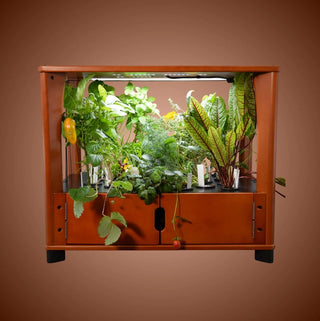
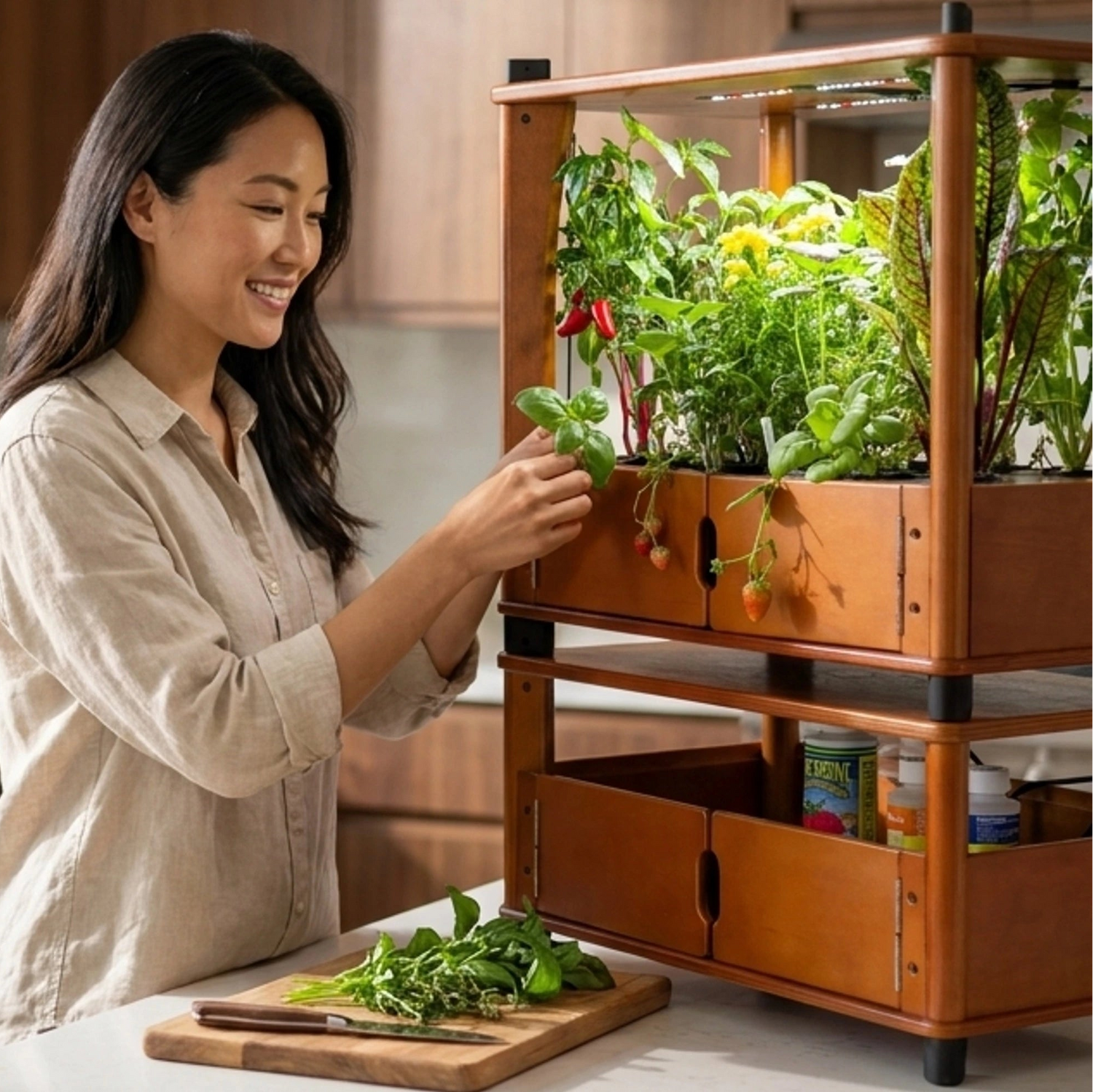
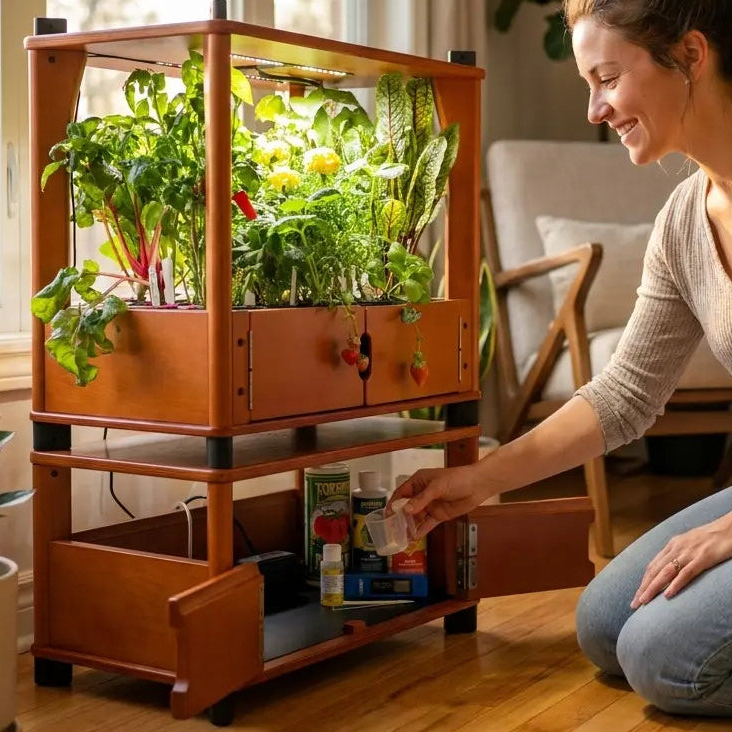
The Aquager Hydroponic Home Farm accommodates 24 plants simultaneously. A suggested setup for the Latin kitchen garden:
- 4 pods cilantro (staggered planting dates, two pairs planted two weeks apart)
- 4 pods oregano
- 4 pods jala peños
- 4 pods bell peppers or Lunchbox Mix
- 4 pods shishito peppers
- 4 pods open (add basil, chives, parsley — whatever your cooking calls for)
For setup guidance, our overview of what you can grow with the Aquager Hydroponic Home Farm covers the full growing potential including peppers, herbs, and vegetables.
Frequently Asked Questions
Do I need to hand-pollinate peppers indoors?
Yes — without wind or pollinators, pepper flowers won’t set fruit unless you transfer pollen manually. Use a small soft brush or your clean fingertip to gently touch the inside of each open flower every 2–3 days. It takes about 30 seconds per plant and makes the difference between fruit and flower drop.
Why does my store-bought cilantro go bad so fast?
Cilantro stress-bolts quickly, and grocery store cilantro was already harvested days before you bought it. Once stress triggers, the flavor compounds change and the leaves deteriorate rapidly. Growing cilantro on the farm and harvesting just before cooking gives you peak-flavor leaves that haven’t begun that process.
How spicy are the jala peños I grow on the farm?
Milder than you might expect if you keep conditions consistent. Jala peño heat is stress-responsive — drought and heat stress produce hotter peppers. The farm’s consistent watering and climate-controlled environment tends to produce milder, slightly sweeter jala peños. If you want hotter jala peños, reduce watering frequency slightly as the peppers approach maturity.
Can I grow other Latin pepper varieties on the farm?
The farm can grow any pepper variety that fits the growing medium size. Currently, the Aquager catalog includes jala peño, bell pepper, shishito, and Lunchbox Mix as pre-seeded options. Other varieties can be started from specialty seeds in the organic grow mediums.
Final Thoughts
Every cuisine has ingredients that make it what it is. For Latin American cooking, fresh cilantro, jala peños, bell peppers, shishito peppers, and oregano are those ingredients. They’re the difference between a dish that’s close and a dish that’s right.
The Aquager farm makes it possible to have all of them, fresh, year-round — regardless of season, climate, or proximity to a Latin grocery. Start cilantro and oregano this week. Start your peppers alongside them. In a month, you’ll be adding fresh cilantro to everything. In 12 weeks, you’ll have homegrown jala peños on your tacos.
Author: Aquager | Published: June 4, 2026 | Updated: June 4, 2026












0 comments